Trump appeals tariff refund order, putting $166 billion in repayments at risk

Trump formally appeals tariff refund order, putting $166 billion repayment effort at risk
The Trump administration has formally appealed a federal court order requiring refunds for importers that paid billions of dollars in tariffs later ruled unlawful by the U.S. Supreme Court, escalating a legal battle that could determine the fate of roughly $166 billion in repayments.
The appeal, filed Tuesday in the U.S. Court of International Trade, threatens to disrupt a refund system that had already begun returning money to businesses. U.S. Customs and Border Protection (CBP) reported last month that it had accepted approximately $85 billion in refund claims and approved $20.6 billion for disbursement, marking significant progress in one of the largest reimbursement efforts in U.S. trade history.
At the center of the dispute is whether all importers that paid the invalidated tariffs are entitled to refunds, or only the companies that filed lawsuits challenging the duties. The answer could affect more than 330,000 importers, ranging from small businesses to major corporations such as FedEx and Costco that have sought to recover money paid under the tariff regime.
Appeal marks a major escalation in the refund fight

The administration had signaled for weeks that it was preparing to challenge Judge Richard K. Eaton’s order requiring refunds for all eligible importers. Tuesday’s filing formally launches that appeal and sets the stage for a new round of litigation over the scope of the Supreme Court’s February ruling.
Justice Department lawyers argue that Eaton exceeded his authority by issuing what amounts to a universal refund order covering companies that were not parties to the original lawsuits. The government maintains that businesses that never sued should not automatically receive the same relief as those that challenged the tariffs in court.
The appeal could significantly delay repayments for importers whose claims involve tariff entries that have already been finalized through the customs liquidation process.
How Trump’s global tariffs were struck down
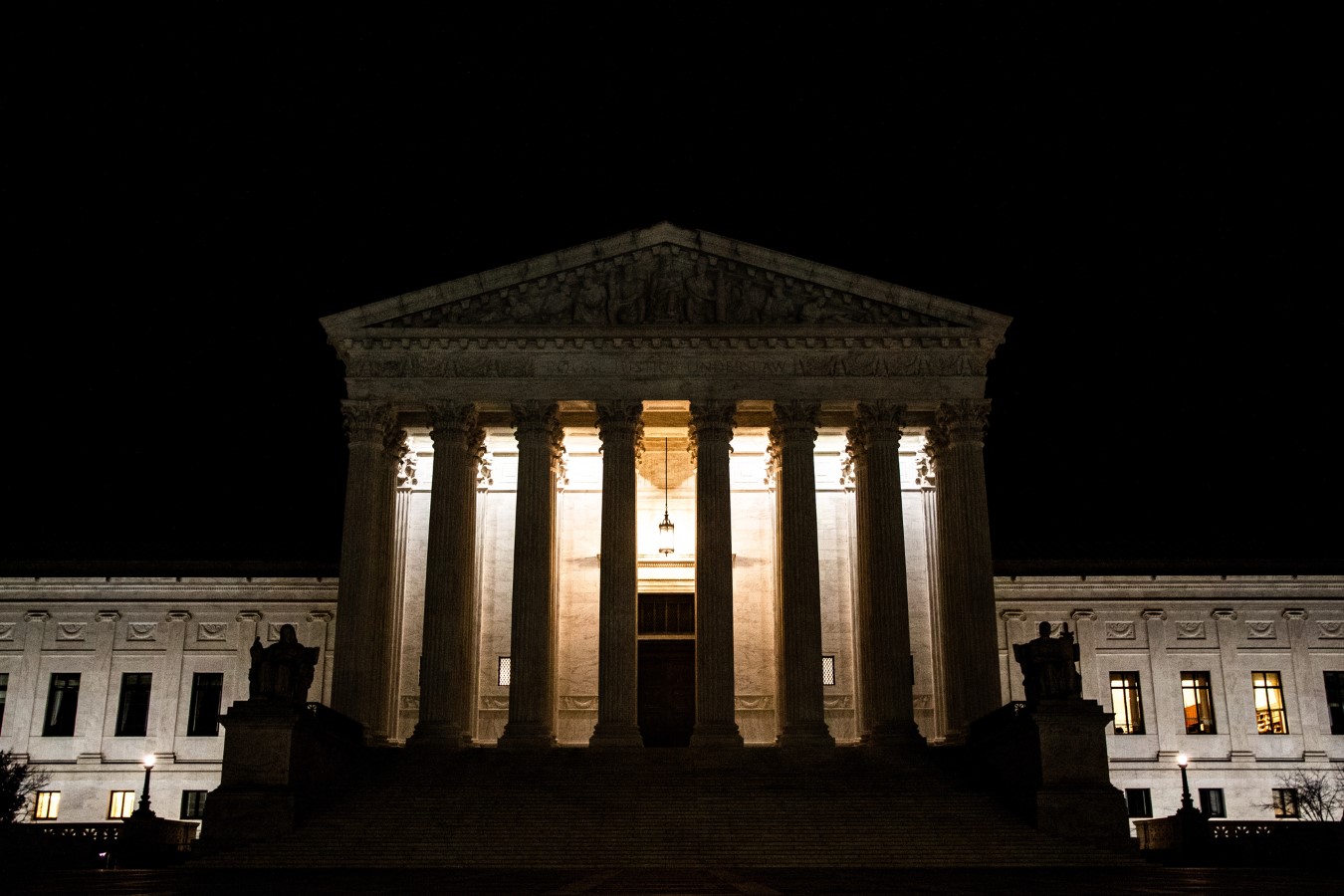
The dispute traces back to one of the most consequential trade rulings in recent years.
After returning to the White House, President Donald Trump moved quickly to impose sweeping country-specific tariffs on allies and competitors alike, invoking the International Emergency Economic Powers Act (IEEPA) to justify the duties.
In February, however, the Supreme Court ruled 6-3 that Trump exceeded his authority by using IEEPA to impose the broad global tariff program. The decision invalidated the tariffs and created an estimated $166 billion obligation for the federal government to return unlawfully collected duties.
Notably, the ruling did not affect Trump’s sector-specific tariffs or duties imposed under separate trade statutes.
Following the Supreme Court decision, CBP was tasked with creating a process capable of handling hundreds of thousands of refund claims.
The agency launched its Consolidated Administration and Processing of Entries (CAPE) portal in April, allowing importers to file claims electronically. Refund payments began reaching businesses in May, and court filings showed the agency was steadily processing claims.
As of late May, CBP reported that approximately $85 billion in potential and certified refunds had been accepted for processing, with $20.6 billion already approved for payment through the Treasury Department.
The administration’s appeal now raises questions about whether that process will continue at its current pace, particularly for importers that never joined the underlying litigation.
More than 330,000 importers could be affected
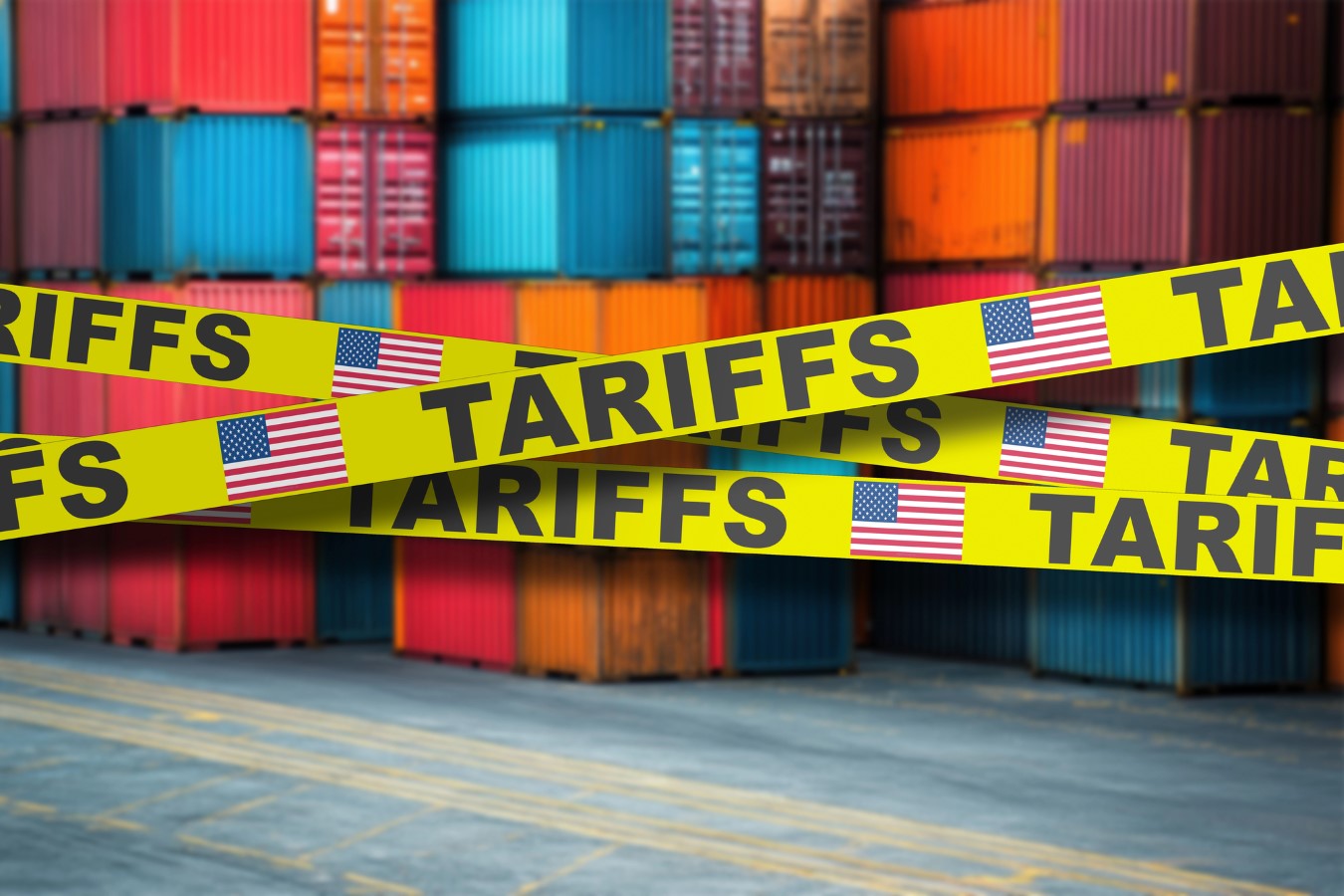
CBP estimated in March that more than 330,000 importers could ultimately qualify for refunds under the Supreme Court’s ruling.
The affected companies include multinational corporations, retailers, manufacturers, logistics providers and thousands of small businesses that paid tariffs on imported goods between April 2025 and the Supreme Court’s decision.
Many companies argue that they absorbed significant financial strain while the tariffs were in place, forcing them to raise prices, delay investments, reduce hiring plans or take on debt to cover rising import costs.
Judge Eaton continues to press for answers

The appeal comes as Judge Eaton has intensified scrutiny of the government’s repayment efforts.
Last week, Eaton ordered CBP Commissioner Rodney Scott to appear in court and explain how the agency plans to repay all eligible importers and whether the government intends to fully comply with the court’s refund directives.
The Justice Department sought to block Scott’s appearance, arguing that senior executive branch officials generally cannot be compelled to testify. Eaton rejected that request, stating that CBP had not yet presented a clear plan for refunding all unlawfully collected duties.
“It is undisputed that the remedy for this unlawful collection is for the United States government to refund the unlawfully collected duties,” Eaton wrote.
Trump sends mixed signals to businesses
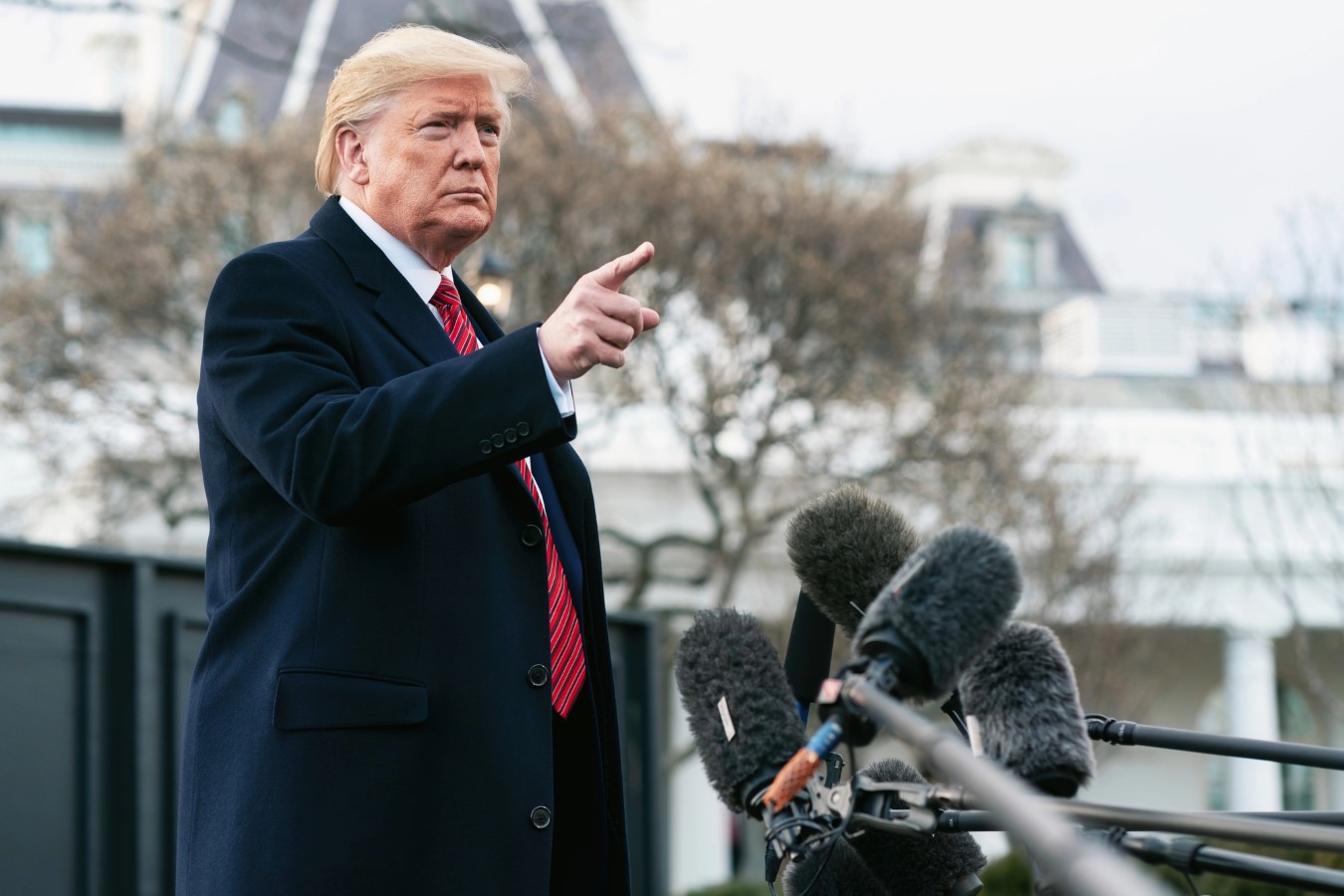
While the administration is challenging the scope of the refund order, Trump has also publicly commented on companies seeking reimbursement.
According to multiple reports, the president suggested he would remember which businesses chose not to pursue tariff refunds, signaling that he may view those companies more favorably than firms aggressively seeking repayment.
The remarks have added another layer of uncertainty for importers already navigating a complex legal and administrative process.
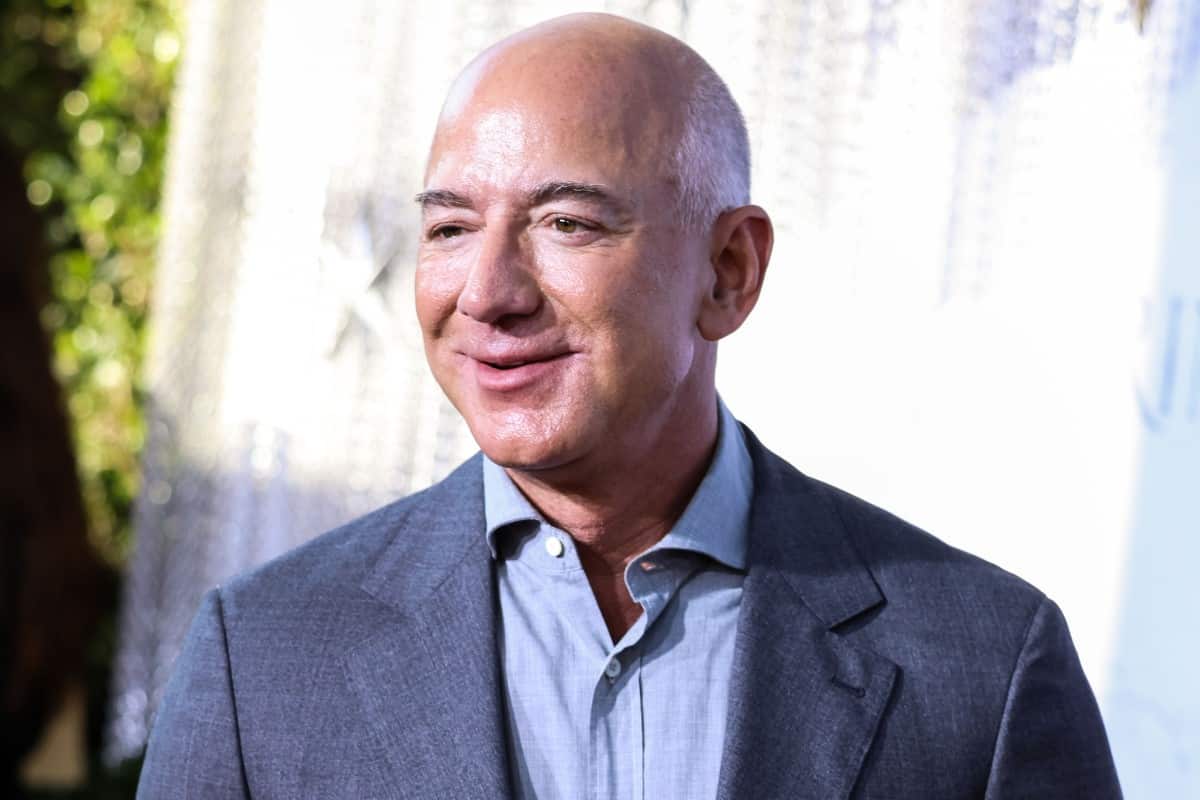
A consumer-protection lawsuit from Seattle-based law firm Hagens Berman accuses Amazon.com of collecting funds from millions of its customers in response to since invalidated tariffs, passing the buck on rising costs through higher prices.
The lawsuit was filed in the U.S. District Court for the Western District of Washington on May 15, 2026, and states that in February 2025 when the Trump administration began imposing tariffs on imported goods under the International Emergency Economic Powers Act (IEEPA) Amazon began increasing the price of imported products it sold directly to consumers.
When the Supreme Court later invalidated the IEEPA tariffs, Amazon chose not to seek refunds from the federal government. This was a deliberate choice by Amazon that was met by enthusiasm by President Donald Trump, according to the lawsuit.
“The problem is that the funds Amazon is using to stay in the President’s good graces do not belong to Amazon,” the lawsuit states. “These funds were wrongfully taken from consumers to cover IEEPA Tariffs that have since been invalidated.”
New tariffs have replaced some of the invalidated duties
Although the Supreme Court eliminated Trump’s IEEPA-based global tariffs, the administration has continued pursuing other trade restrictions.
Since the ruling, Trump has relied on separate statutory authorities to impose a temporary 10% tariff on imports while officials work to establish more durable tariff programs. The White House has also expanded its use of other trade laws, including Section 301 and Section 122 authorities, to maintain pressure on trading partners.
As a result, many businesses that are awaiting refunds continue to face new import costs even as they seek repayment of previously collected duties.
Importers that have already received partial refunds say the funds are crucial for restoring balance sheets after more than a year of elevated trade costs.
Some retailers have indicated they may use refunds to reduce prices for consumers, while manufacturers and smaller companies have said the money could help pay down debt, fund investments or offset newer tariffs that remain in effect.
Trade attorneys warn that prolonged litigation could delay those benefits for months. For companies still waiting on repayments, the administration’s appeal raises the prospect that obtaining refunds may require additional legal action before the remaining billions can be released.
Appeals court could determine the future of the refund program
The case now moves to the appeals process, where judges will decide whether the Court of International Trade had the authority to extend refund eligibility to all importers rather than limiting relief to the plaintiffs that brought the original lawsuits.
The outcome will have major implications for the future of the government’s $166 billion repayment effort and for hundreds of thousands of businesses that paid tariffs later deemed unlawful.
For now, the refund machinery remains operational, but the administration’s formal appeal has introduced a new layer of uncertainty into what had become one of the largest tax repayment programs in U.S. history.
Like Financial Freedom Countdown content? Be sure to follow us!
11 reasons you should claim Social Security early

Deciding when to claim Social Security is often about maximizing your benefit. Financial planners usually advise delaying your claim for as long as possible to secure the highest monthly payment. Your benefit is based on your lifetime earnings, with a full payout available at your full retirement age (FRA), which is currently between 66 and 67 depending on your birth year. Claiming before FRA results in a permanent reduction in your monthly benefit, while waiting beyond FRA leads to a permanent increase. However, the decision isn’t solely about maximizing the monthly check. Personal factors such as health, family circumstances, and financial needs can play a significant role in determining the right time to claim.
11 Reasons You Should Claim Social Security Early

Did you find this article helpful? We’d love to hear your thoughts! Leave a comment with the box on the left-hand side of the screen and share your thoughts.
Also, do you want to stay up-to-date on our latest content?
1. Follow us by clicking the [+ Follow] button above,
2. Give the article a Thumbs Up on the top-left side of the screen.
3. And lastly, if you think this information would benefit your friends and family, don’t hesitate to share it with them!

John Dealbreuin came from a third world country to the US with only $1,000 not knowing anyone; guided by an immigrant dream. In 12 years, he achieved his retirement number.
He started Financial Freedom Countdown to help everyone think differently about their financial challenges and live their best lives. John resides in the San Francisco Bay Area enjoying nature trails and weight training.
Here are his recommended tools
Personal Capital: This is a free tool John uses to track his net worth on a regular basis and as a retirement planner. It also alerts him wrt hidden fees and has a budget tracker included.
Platforms like Yieldstreet provide investment options in art, legal, real estate, structured notes, venture capital, etc. They also have fixed-income portfolios spread across multiple asset classes with a single investment with low minimums of $10,000.