Trump rebuilds tariff wall after Supreme Court setback with new levies on China, EU, Canada and 60 trade partners
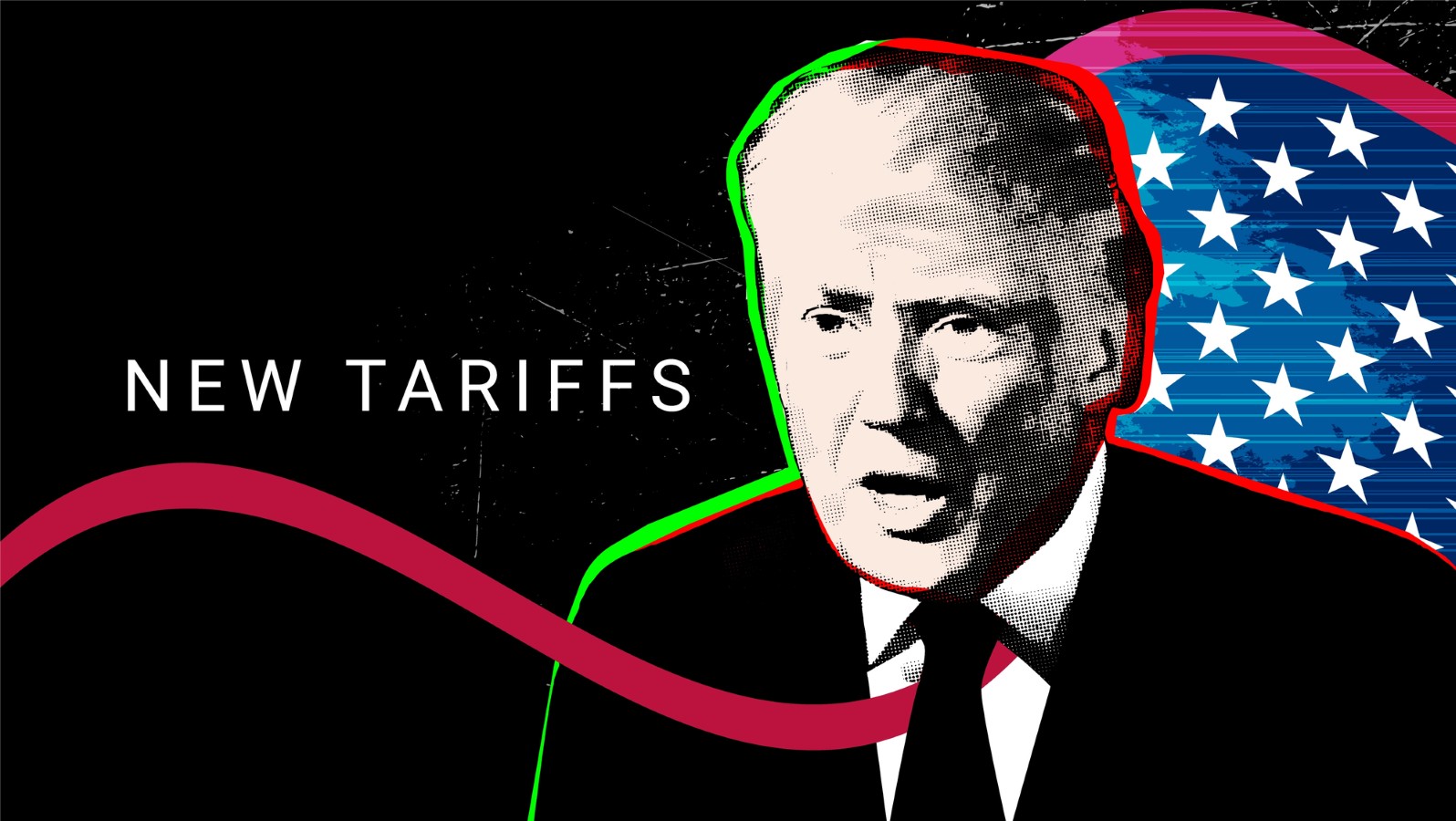
Trump rebuilds tariff agenda with sweeping forced labor proposal targeting 60 trading partners
President Donald Trump’s administration has unveiled a sweeping new tariff proposal that would impose duties on imports from 60 major trading partners, marking its most significant effort yet to rebuild a broad tariff regime after the Supreme Court struck down key elements of the president’s earlier trade strategy.
The proposal would levy tariffs of 10% to 12.5% on countries and economic blocs that the administration says have failed to adequately prohibit or enforce restrictions against goods produced with forced labor. The measures could take effect as early as July following a public hearing process and would affect trading partners that account for roughly 99% of U.S. imports.
The initiative represents the administration’s latest attempt to preserve Trump’s vision of reshaping global trade and reducing reliance on foreign manufacturing after courts invalidated tariffs imposed under emergency powers.
A new legal foundation for broad tariffs

The proposed duties would be imposed under Section 301 of the Trade Act of 1974, a legal authority that allows the president to respond to foreign trade practices deemed harmful to U.S. commerce.
Administration officials launched a Section 301 investigation in March, arguing that many countries allow the importation of goods made with forced labor, creating unfair competitive advantages over American workers and businesses.
“The failure of our most important trading partners to address the importation of goods made with forced labor is unacceptable. This creates a dynamic where American workers are forced to compete globally on an unlevel playing field,” U.S. Trade Representative Jamieson Greer said in a statement.
Unlike the emergency powers law Trump previously relied upon, Section 301 has a long history of use by multiple administrations and has generally proven more resilient to court challenges.
Which countries would face the new tariffs

Under the proposal, 54 countries would face tariffs of 12.5%, while six countries and economic blocs would be subject to a 10% rate.
Countries facing the higher 12.5% tariff include China, India, Brazil, Japan, Britain, Australia, Argentina, South Africa and Egypt, among others. The administration argues these nations have failed to establish adequate prohibitions against goods produced with forced labor.
A lower 10% tariff would apply to Canada, Mexico, the European Union and several other jurisdictions that U.S. officials say have enacted laws addressing forced labor but have not sufficiently enforced them.
The proposal targets more than 80 countries examined during the investigation, though exemptions would significantly reduce the practical reach of the tariffs.
Several major trading partners quickly criticized the proposal.
European officials rejected claims that the bloc has failed to address forced labor concerns. Bernd Lange, chairman of the European Parliament’s trade committee, accused Washington of searching for new legal justifications to preserve tariffs.
“Washington is desperately searching for new legal grounds to sustain its tariff policy,” Lange wrote on X. “Accusing the EU of all places of insufficient action against forced labor is absurd.”
China also disputed the administration’s allegations. Foreign Ministry spokesperson Mao Ning said, “There is no such thing as ‘forced labor’ in China.”
European officials have pointed to plans for a bloc-wide forced labor ban scheduled to take effect in 2027 as evidence of their commitment to addressing the issue.
How the Supreme Court reshaped Trump’s trade strategy
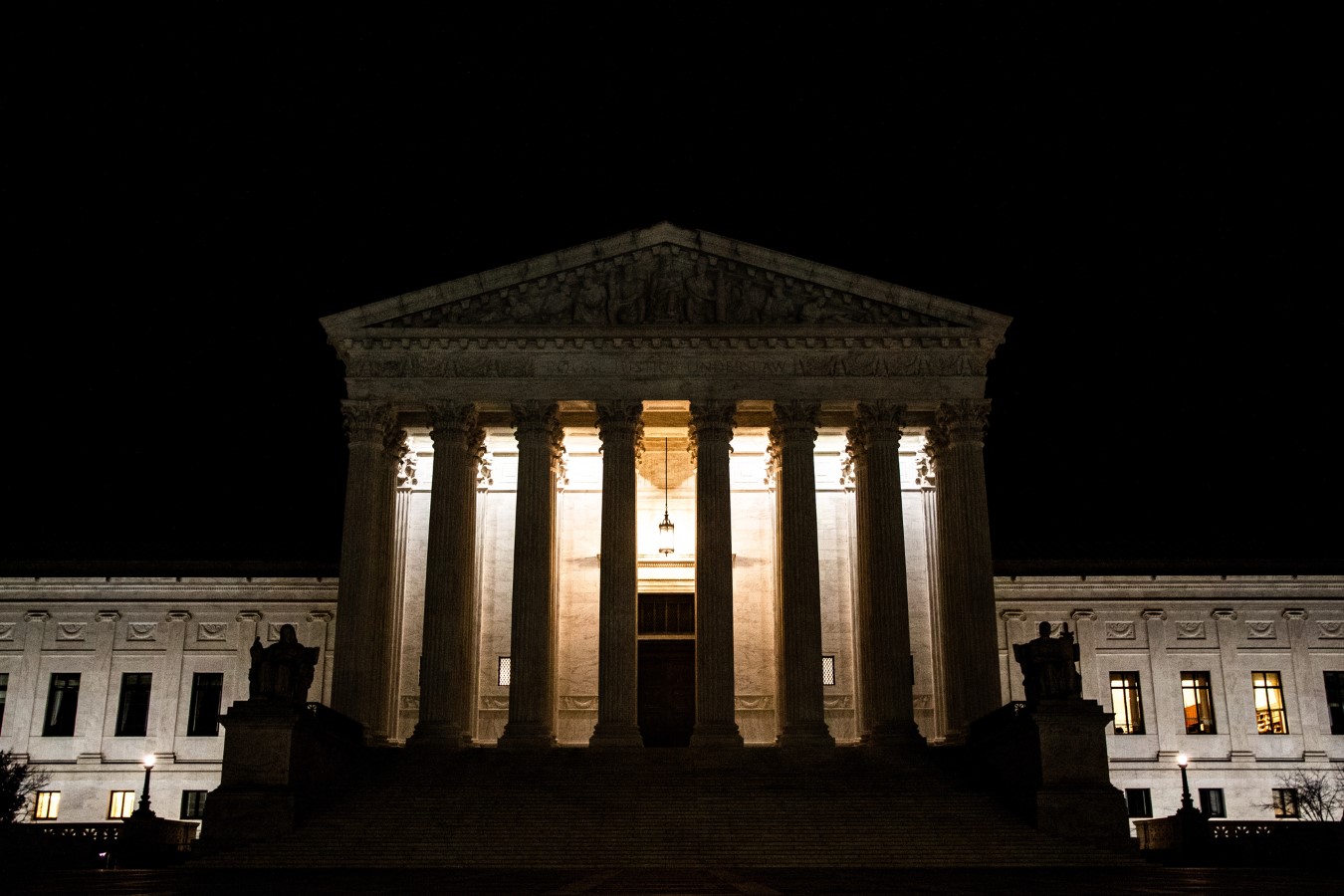
The new tariffs emerged after the Supreme Court ruled in February that Trump exceeded his authority when imposing broad tariffs under the International Emergency Economic Powers Act.
That decision dismantled much of the administration’s earlier tariff framework, forcing officials to search for alternative legal authorities to sustain trade restrictions.
Following the ruling, the administration imposed temporary tariffs under Section 122 of the Trade Act, which permits tariffs of up to 15% for 150 days. Those duties are scheduled to expire in July, increasing pressure on officials to establish a more permanent replacement.
The forced labor initiative is widely viewed as the administration’s most comprehensive response to the court setback.
Why forced labor became the administration’s focus
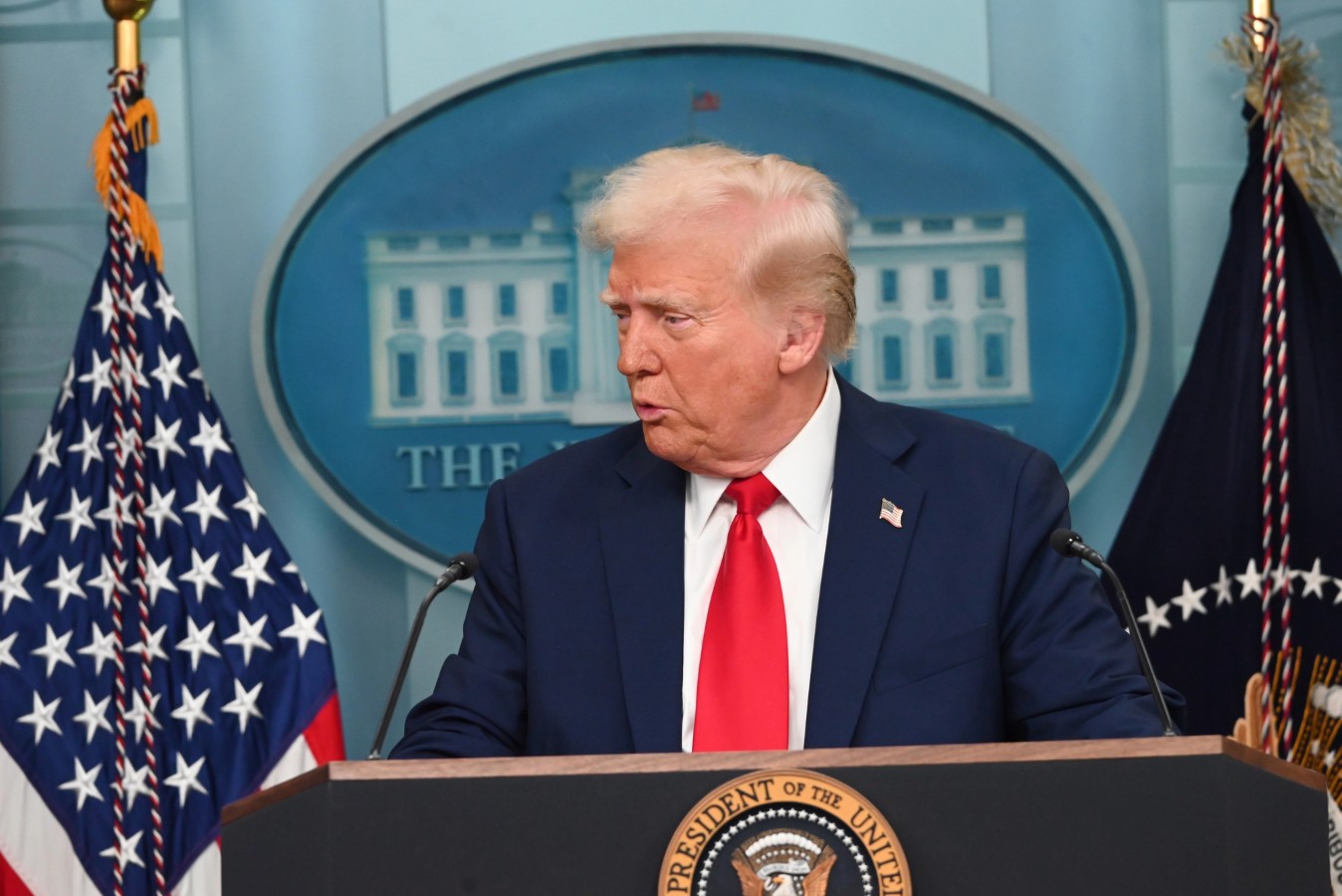
The administration argues that countries allowing imports produced through forced labor gain unfair advantages by reducing production costs and undercutting competitors that adhere to stronger labor standards.
The USTR’s 98-page report concluded that most foreign countries have either failed to prohibit the importation of forced-labor goods or have not effectively enforced existing restrictions.
The report cited varying levels of concern across numerous countries, asserting that inadequate enforcement contributes to distortions in international trade and disadvantages American workers.
By framing the tariffs around labor rights rather than trade imbalances alone, the administration has chosen a rationale that could attract broader political support and stronger legal standing.
Several trade experts argue that the forced labor justification serves primarily as a mechanism for preserving tariffs that courts previously rejected.
Edward Alden, a trade expert at the Council on Foreign Relations, described the initiative as a “transparently cynical effort” and “merely a pretext to maintain tariffs that the administration believes have been effective.”
Alden argued that Congress designed Section 301 as a tool to encourage specific policy changes abroad rather than as a basis for imposing broad tariffs across dozens of countries simultaneously.
He also noted inconsistencies in how countries were selected, pointing out that some nations identified by the U.S. government as having serious forced labor concerns were excluded from the tariff list.
Economists see both legal and political calculations
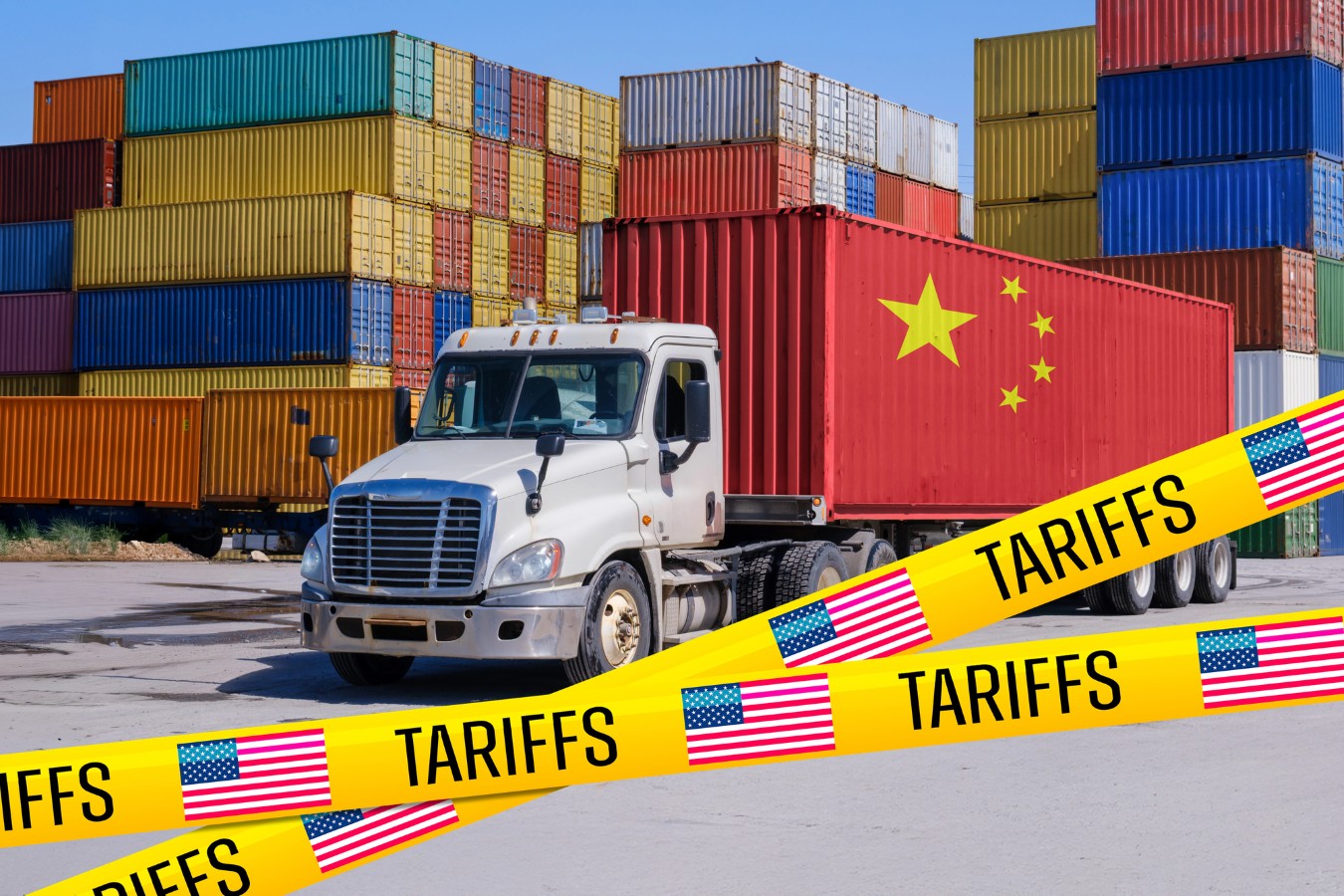
Some analysts acknowledge that the administration may have found a more defensible legal rationale even while questioning its broader motives.
Eswar Prasad, a professor of trade policy at Cornell University, said the administration had shifted its tariff justification onto a “morally and perhaps also legally more defensible ground.”
“While the objective of this round of tariffs seems laudable, it’s difficult to escape the feeling that the administration is opportunistically exploiting whatever rationale works legally in wielding tariffs as a broad economic and geopolitical tool,” he added.
Others believe the forced labor focus could make the tariffs more politically durable because opposition to forced labor enjoys support across party lines.
Administration allies argue that many U.S. trading partners have not taken sufficient action to prevent goods made with forced labor from entering their markets.
Representative Jason Smith of Missouri, chairman of the House Ways and Means Committee, said many U.S. trading partners “fall short of even basic cooperation with the United States on this issue,” adding that “very few trading partners even have laws on the books to prohibit trade in goods made with forced labor.”
Supporters contend that the policy strengthens incentives for countries to improve labor standards while helping level the playing field for American producers.
Trade lawyer Ryan Majerus said the forced labor rationale addresses an issue that resonates broadly across political and economic constituencies. “It’s pretty hard to argue against the notion that countries shouldn’t have a forced labor law or that they shouldn’t effectively enforce it,” he said.
Another tariff investigation is already underway
The forced labor proposal may be only one component of a broader trade strategy.
The administration is expected to release findings in coming weeks from a separate Section 301 investigation examining whether foreign governments maintain excess manufacturing capacity that distorts global markets.
That probe covers 16 major economies, including China, the European Union, Japan, South Korea, Mexico and India.
Any tariffs resulting from that investigation could potentially be layered on top of the forced labor duties, further expanding the administration’s trade agenda.
The legal battle may not be over. Although Section 301 tariffs have historically survived judicial scrutiny, legal experts expect fresh challenges if the proposal moves forward.
Critics argue that Congress intended Section 301 to address trade disputes with individual countries rather than serve as the basis for near-global tariffs.
Former World Trade Organization official Alan Wolff has argued that lawmakers likely did not envision the authority being used simultaneously against dozens of countries.
Still, many trade lawyers believe courts are more likely to uphold tariffs imposed under Section 301 than those enacted under the emergency powers laws that courts previously rejected.
The administration now appears to be betting that a combination of procedural compliance, established legal authority and bipartisan concern over forced labor will provide the strongest foundation yet for rebuilding Trump’s tariff agenda.
What the proposal could mean for consumers

The tariffs would raise overall U.S. tariff levels, though economists note they would likely remain below the levels that existed before the Supreme Court ruling.
Jason Miller, a professor of supply-chain management at Michigan State University, said the proposal would increase duties from current levels but would not fully restore the earlier tariff regime.
A range of exemptions would also soften the impact on consumers.
Imports covered under the U.S.-Mexico-Canada Agreement would be excluded, accounting for roughly one-fifth of all U.S. imports. Many agricultural, energy and apparel products would also be exempt.
As a result, analysts expect consumer price effects to be more limited than under the administration’s previous tariff framework, though some imported goods could still become more expensive.
Like Financial Freedom Countdown content? Be sure to follow us!
14 essential strategies to maximize your Social Security and avoid costly mistakes
Social Security is a vital lifeline for many seniors, providing crucial income support during retirement. With inflation at its highest in four decades, Social Security’s inflation-adjusted benefits offer protection against rising costs.
Rising interest rates have disrupted many retirement portfolios, causing bond fund values to plummet. In this volatile financial landscape, Social Security can stabilize a typical stock-bond retirement portfolio. By implementing smart strategies, retirees can maximize their Social Security benefits and ensure a more secure financial future.
14 Essential Strategies to Maximize Your Social Security and Avoid Costly Mistakes
11 reasons you should claim Social Security early

Deciding when to claim Social Security is often about maximizing your benefit. Financial planners usually advise delaying your claim for as long as possible to secure the highest monthly payment. Your benefit is based on your lifetime earnings, with a full payout available at your full retirement age (FRA), which is currently between 66 and 67 depending on your birth year. Claiming before FRA results in a permanent reduction in your monthly benefit, while waiting beyond FRA leads to a permanent increase. However, the decision isn’t solely about maximizing the monthly check. Personal factors such as health, family circumstances, and financial needs can play a significant role in determining the right time to claim.
11 Reasons You Should Claim Social Security Early
Did you find this article helpful? We’d love to hear your thoughts! Leave a comment with the box on the left-hand side of the screen and share your thoughts.
Also, do you want to stay up-to-date on our latest content?
1. Follow us by clicking the [+ Follow] button above,
2. Give the article a Thumbs Up on the top-left side of the screen.
3. And lastly, if you think this information would benefit your friends and family, don’t hesitate to share it with them!

John Dealbreuin came from a third world country to the US with only $1,000 not knowing anyone; guided by an immigrant dream. In 12 years, he achieved his retirement number.
He started Financial Freedom Countdown to help everyone think differently about their financial challenges and live their best lives. John resides in the San Francisco Bay Area enjoying nature trails and weight training.
Here are his recommended tools
Personal Capital: This is a free tool John uses to track his net worth on a regular basis and as a retirement planner. It also alerts him wrt hidden fees and has a budget tracker included.
Platforms like Yieldstreet provide investment options in art, legal, real estate, structured notes, venture capital, etc. They also have fixed-income portfolios spread across multiple asset classes with a single investment with low minimums of $10,000.