
Trump’s Treasury halts 175 million dollars in payments to dead recipients under new anti-fraud law

In fiscal year 2026, the U.S. Department of the Treasury recorded milestone progress in its ongoing initiative to safeguard public funds and dismantle fraudulent payment operations. According to official reports from the U.S. Department of the Treasury, enhanced data-sharing frameworks and advanced pre-payment screening mechanisms allowed federal agencies to intercept hundreds of millions of dollars bound for deceased recipients before electronic funds transfers left federal accounts.
The Treasury Department blocked $175 million in federal payments tied to deceased recipients during fiscal year 2026. This figure marks a steep increase from the $99 million in improper disbursements identified and flagged earlier in the fiscal year. Through its expanded screening systems operated by the Bureau of the Fiscal Service, federal automated tools reviewed more than 1.1 billion individual payments valued at roughly $3.7 trillion. In total, federal algorithms flagged and returned approximately 13,500 individual disbursements that would have otherwise been distributed to deceased individuals no longer eligible for federal benefit programs.
Treasury Secretary Scott Bessent details shift to payment prevention
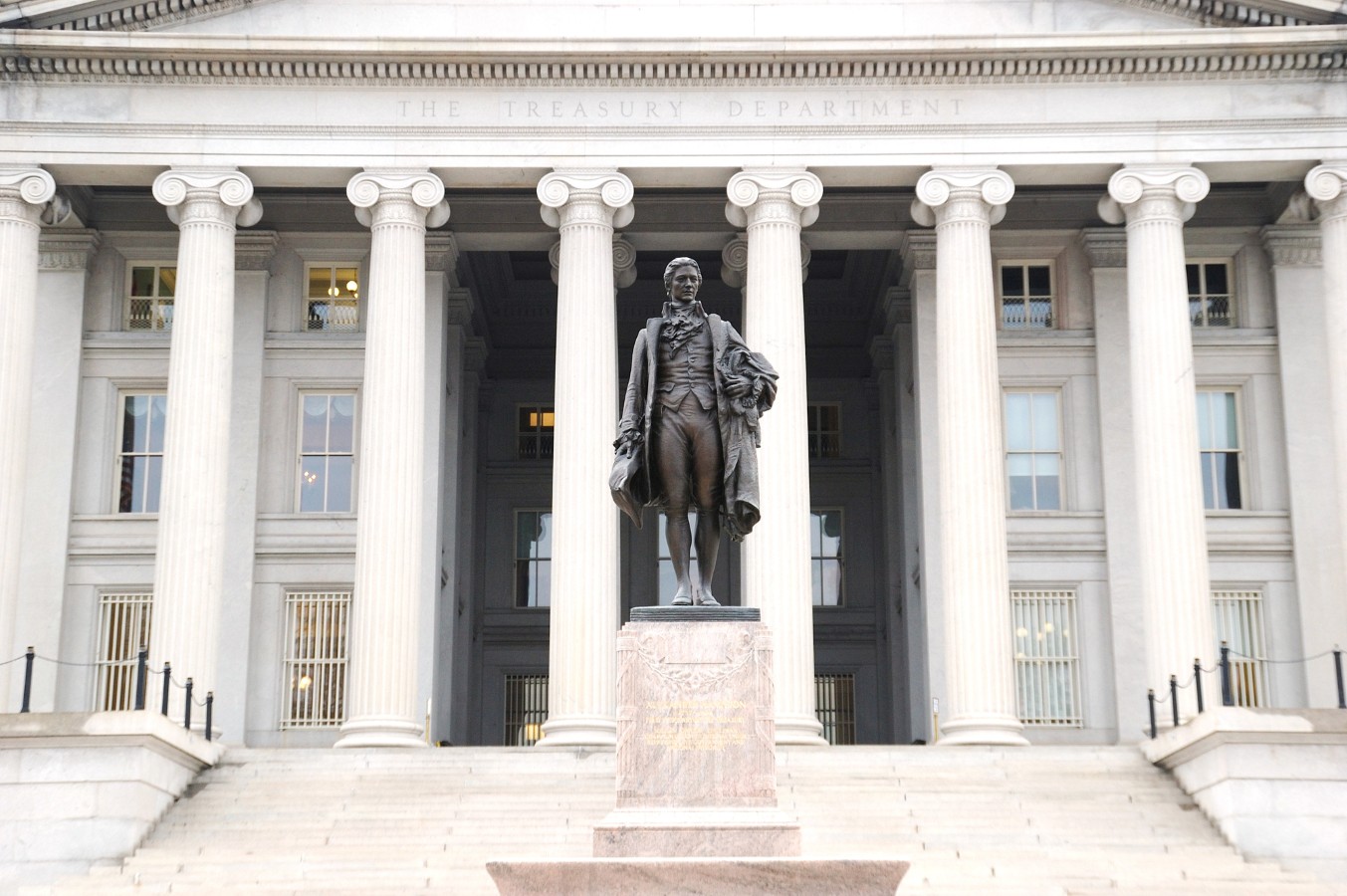
The financial safeguards reflect a structural operational pivot away from reactive clawback attempts toward real-time disbursement security. “Treasury continues to transform how the federal government protects taxpayer dollars by using better data, stronger controls, and advanced technology to stop fraud and improper payments before money goes out the door,” Treasury Secretary Scott Bessent said in an official release.
“In the past year alone, Treasury built and deployed new safeguards that verified more than $3.7 trillion in federal payments and increased Do Not Pay access from 4 percent of programs to 99 percent, ensuring agencies have access to the data they need,” Bessent added. “We are moving beyond ‘pay and chase’ and making prevention the federal government’s first line of defense.”
Vice President Vance coordinates interagency anti-fraud task force

The Treasury Department’s pre-payment enforcement push operates alongside broader executive branch initiatives overseen by Vice President JD Vance. As Chairman of the White House Task Force to Eliminate Fraud; established under Executive Order 14395; Vance leads a whole-of-government effort uniting cabinet agencies, including the Treasury, Department of Justice, and Department of Health and Human Services. The task force is charged with establishing standardized pre-payment controls across federal benefit programs and coordinating legislative reform on Capitol Hill to eliminate structural payment vulnerabilities.
Senator Kennedy celebrates passage of landmark anti-fraud law

The interception of improper payments follows a multi-year legislative campaign led by U.S. Senator John Kennedy, a Republican from Louisiana, to grant federal agencies access to real-time death records. “I applaud Secretary [Scott] Bessent for slamming the door on these fraudsters before they can pick taxpayers’ pockets,” Kennedy stated regarding the Treasury’s fiscal year figures.
“Unless you were playing Frisbee in the quad during Econ 101, you know the federal government shouldn’t be sending taxpayer money to dead people,” Kennedy went on. “I fought for years to pass my common-sense bill to stop fraudsters from gaming the system, and now it’s the law.”
Congress makes Death Master File access permanent for Treasury

Prior to recent reforms, federal pre-payment verification was restricted by statutory limitations on interagency data sharing. In 2020, Congress enacted a temporary three-year program authorizing the Social Security Administration to share its full Death Master File (DMF) with the Treasury Department. That temporary data-sharing framework went into effect in December 2023.
To prevent the program from expiring, President Donald Trump signed Senator Kennedy’s Ending Improper Payments to Deceased People Act into law in February 2026, permanently codifying full Treasury access to complete federal death databases.
Do Not Pay program achieves twentyfold expansion across agencies

The central mechanism behind the executive branch’s fraud-prevention push is the Treasury Department’s “Do Not Pay” portal. The rapid expansion directly fulfills requirements under Executive Order 14249, titled “Protecting America’s Bank Account Against Fraud, Waste, and Abuse,” signed by President Trump on March 25, 2025. Following the executive directive, program access across federal benefit initiatives jumped from approximately 4% at the end of fiscal year 2025 to over 99% in fiscal year 2026. Treasury achieved this twentyfold expansion by streamlining agency onboarding procedures and accelerating compliance workflows required under federal privacy laws.
Alongside broader agency participation, the Treasury Department dramatically scaled up the depth and volume of its automated background evaluations. During fiscal year 2026, Treasury screened over 2.3 billion records against Do Not Pay databases; a nearly fourfold increase from the 641 million records evaluated in fiscal year 2025. The spike reflects expanded federal agency utilization, integrated pre-payment verification workflows, and additional state-level screenings conducted through the Public Assistance Reporting Information System (PARIS). To enhance detection capabilities, Treasury integrated nine new authoritative datasets into the Do Not Pay framework, including OpenCorporates registration records, Social Security Numident master files, and Federal Audit Clearinghouse grantee audit findings.
Automated controls verify bank accounts and Taxpayer Identification Numbers
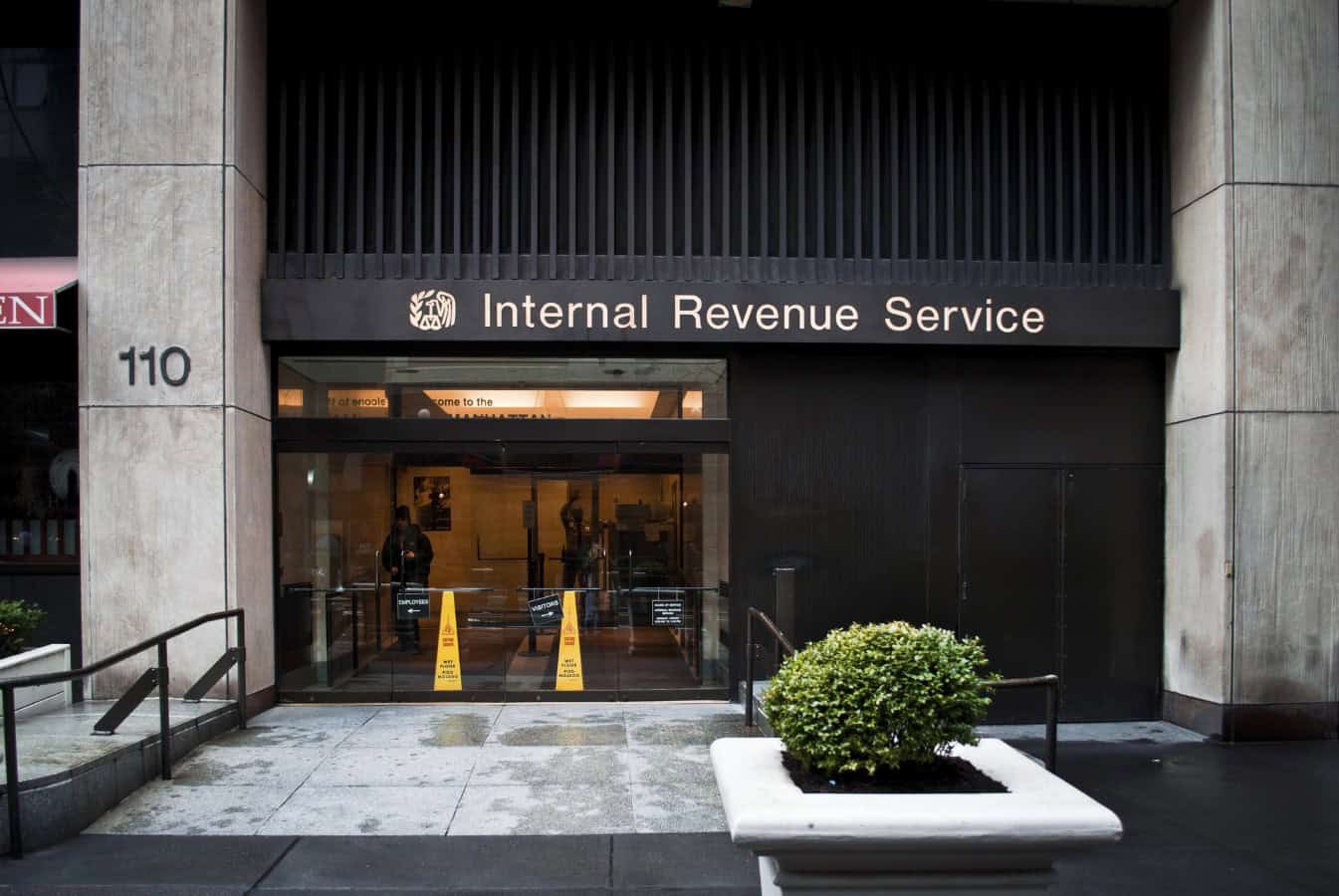
Beyond death record matching, the Treasury Department piloted and deployed automated verification systems targeting entity authentication at the transaction level. Throughout fiscal year 2026, Treasury tested specialized safeguards to confirm that destination bank accounts belong to legitimate recipients and that Taxpayer Identification Numbers (TINs) match registered tax files.
These verification procedures became fully operational on September 30, 2026, allowing automated treasury filters to flag, reject, and return payments failing identity verification requirements before electronic funds transfers take place.
White House highlights enforcement results across executive agencies

The systematic reduction of improper benefit payments coincides with broader administration policy targeting federal fiscal waste. “President Trump continues to deliver for Americans where previous administrations have fallen short. This Administration is setting new standards in record time to prevent fraud and improper payments before hard-earned taxpayer dollars leave the Treasury. Under President Trump’s leadership, there is no tolerance for waste, fraud, and abuse,” White House spokesperson Taylor Rogers said.
To maintain public accountability, the executive branch maintains online tracking mechanisms such as The Fraud Ledger, providing public updates regarding funds recovered, blocked disbursements, and interagency enforcement metrics across cabinet departments.
Like Financial Freedom Countdown content? Be sure to follow us!

Did you find this article helpful? We’d love to hear your thoughts! Leave a comment with the box on the left-hand side of the screen and share your thoughts.
Also, do you want to stay up-to-date on our latest content?
1. Follow us by clicking the [+ Follow] button above,
2. Give the article a Thumbs Up on the top-left side of the screen.
3. And lastly, if you think this information would benefit your friends and family, don’t hesitate to share it with them!

John Dealbreuin came from a third world country to the US with only $1,000 not knowing anyone; guided by an immigrant dream. In 12 years, he achieved his retirement number.
He started Financial Freedom Countdown to help everyone think differently about their financial challenges and live their best lives. John resides in the San Francisco Bay Area enjoying nature trails and weight training.
Here are his recommended tools
Personal Capital: This is a free tool John uses to track his net worth on a regular basis and as a retirement planner. It also alerts him wrt hidden fees and has a budget tracker included.
Platforms like Yieldstreet provide investment options in art, legal, real estate, structured notes, venture capital, etc. They also have fixed-income portfolios spread across multiple asset classes with a single investment with low minimums of $10,000.