Amazon sued over claims it declined to seek Trump tariff refunds to maintain a favorable relationship with the Trump administration
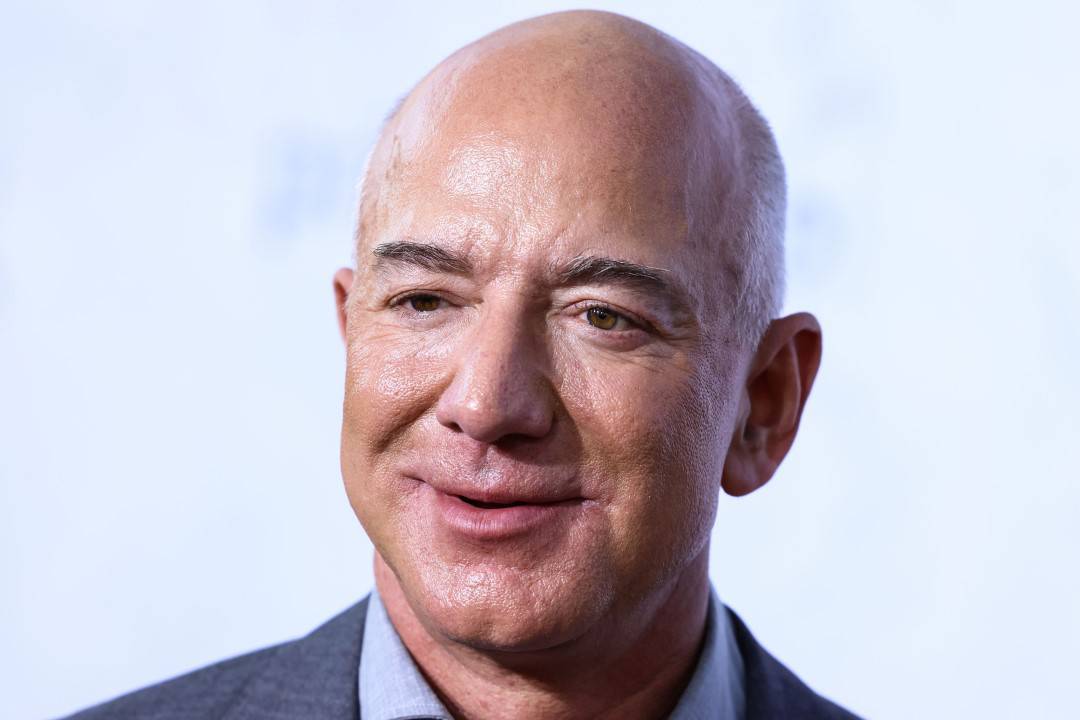
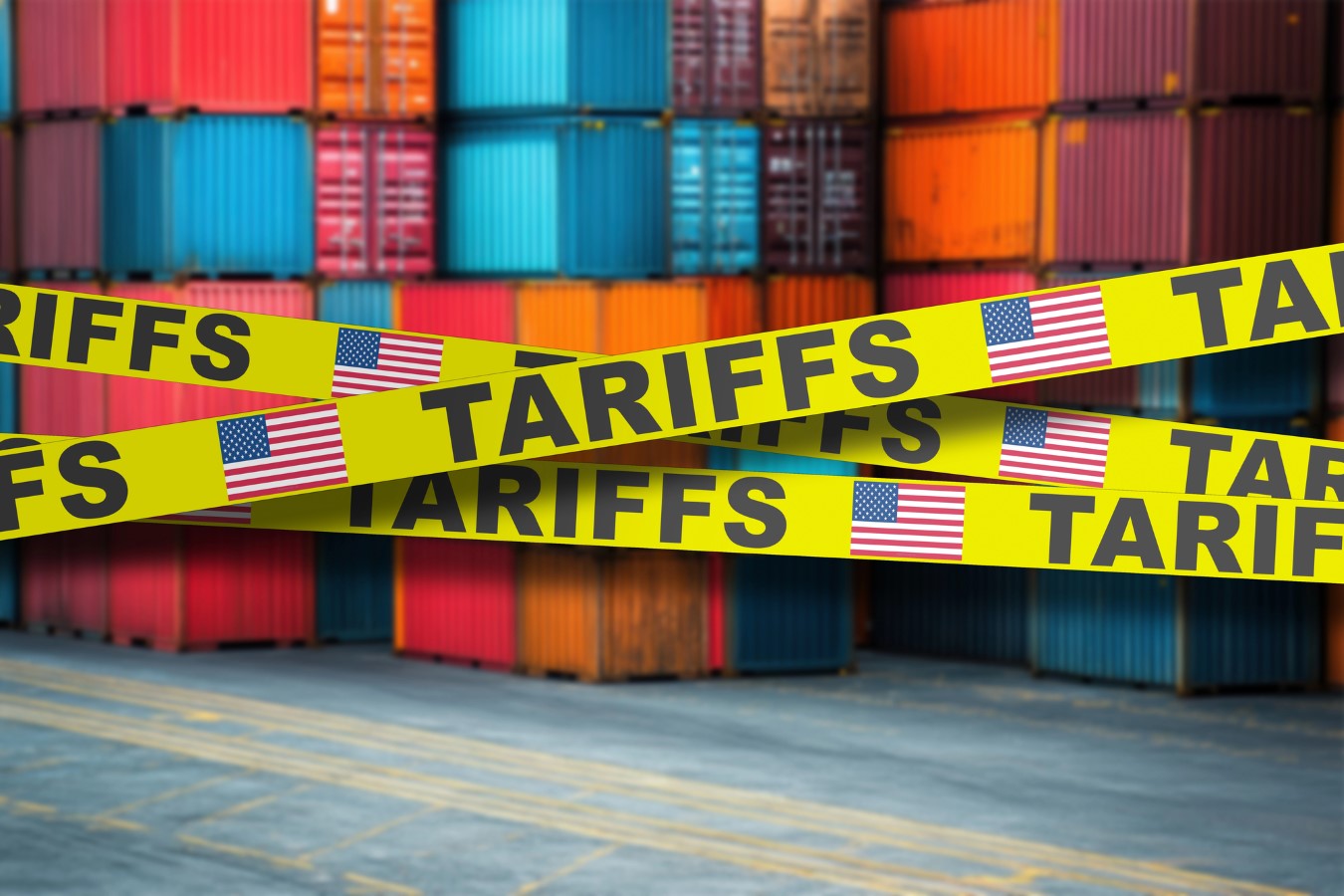
Amazon is facing a proposed class action lawsuit in federal court in Seattle after consumers accused the company of failing to refund higher prices tied to tariffs later ruled unlawful by the U.S. Supreme Court. Plaintiffs claim the e-commerce giant collected “hundreds of millions of dollars in unlawful tariff costs” by increasing prices on imported goods during the period when the Trump administration’s tariffs were in effect.
The lawsuit alleges that while consumers paid more because of those tariffs, Amazon has not taken steps to return the money after the Supreme Court invalidated the duties. Instead, plaintiffs argue the company retained the financial benefit of those higher prices even as other businesses moved to recover tariff-related losses from the federal government.
Supreme Court ruling reshaped the tariff dispute
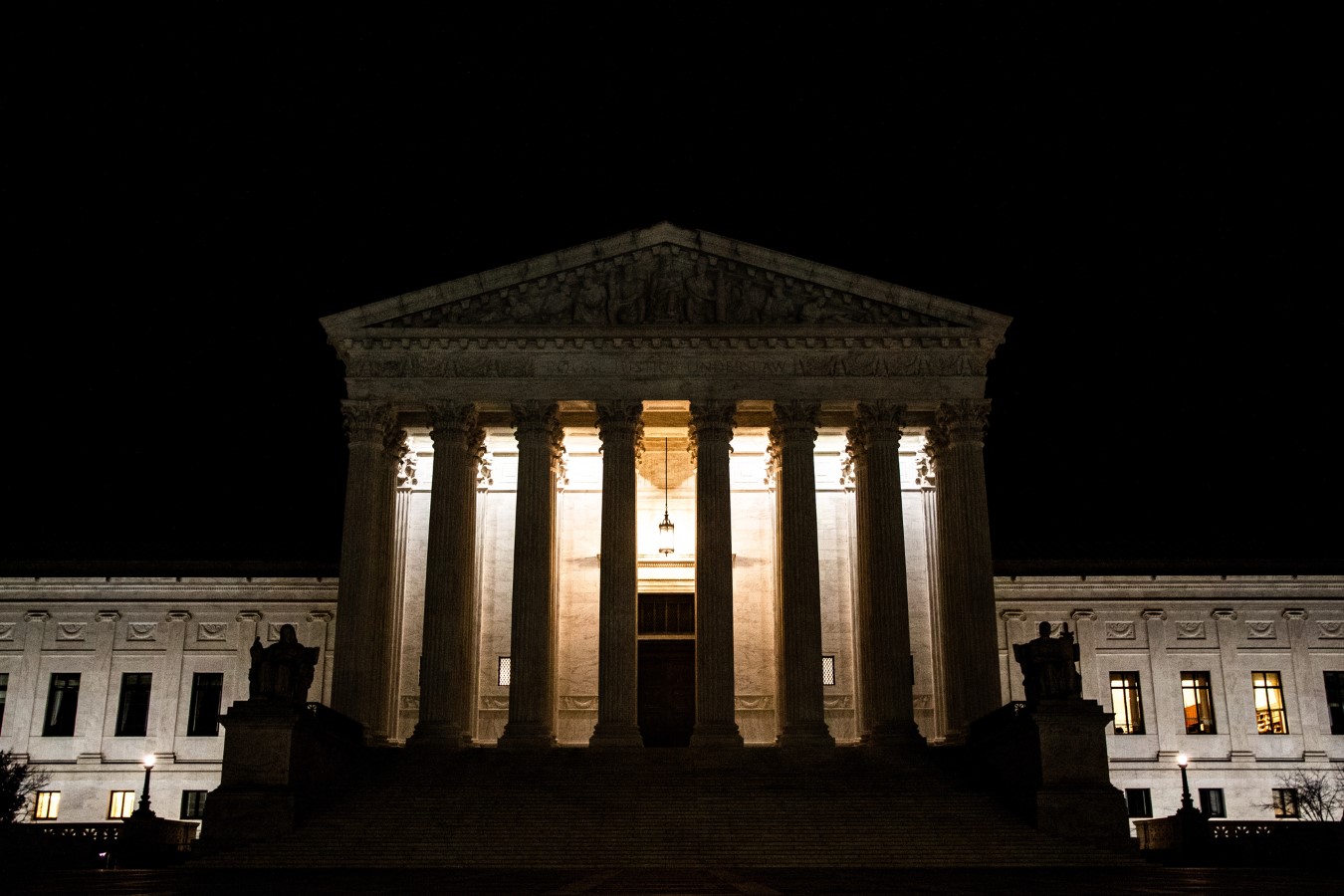
At the center of the case is a February decision by the U.S. Supreme Court, which ruled 6-3 that President Donald Trump exceeded his authority under the International Emergency Economic Powers Act, or IEEPA, when imposing sweeping tariffs on imported goods.
The ruling opened the door for companies that paid those tariffs to seek refunds from the government. Thousands of businesses have reportedly begun pursuing billions of dollars in reimbursements after the court determined the tariff policy was unlawful.
According to the lawsuit, Amazon legally qualifies to seek those refunds but has chosen not to pursue them.
Lawsuit claims Amazon sought political favor
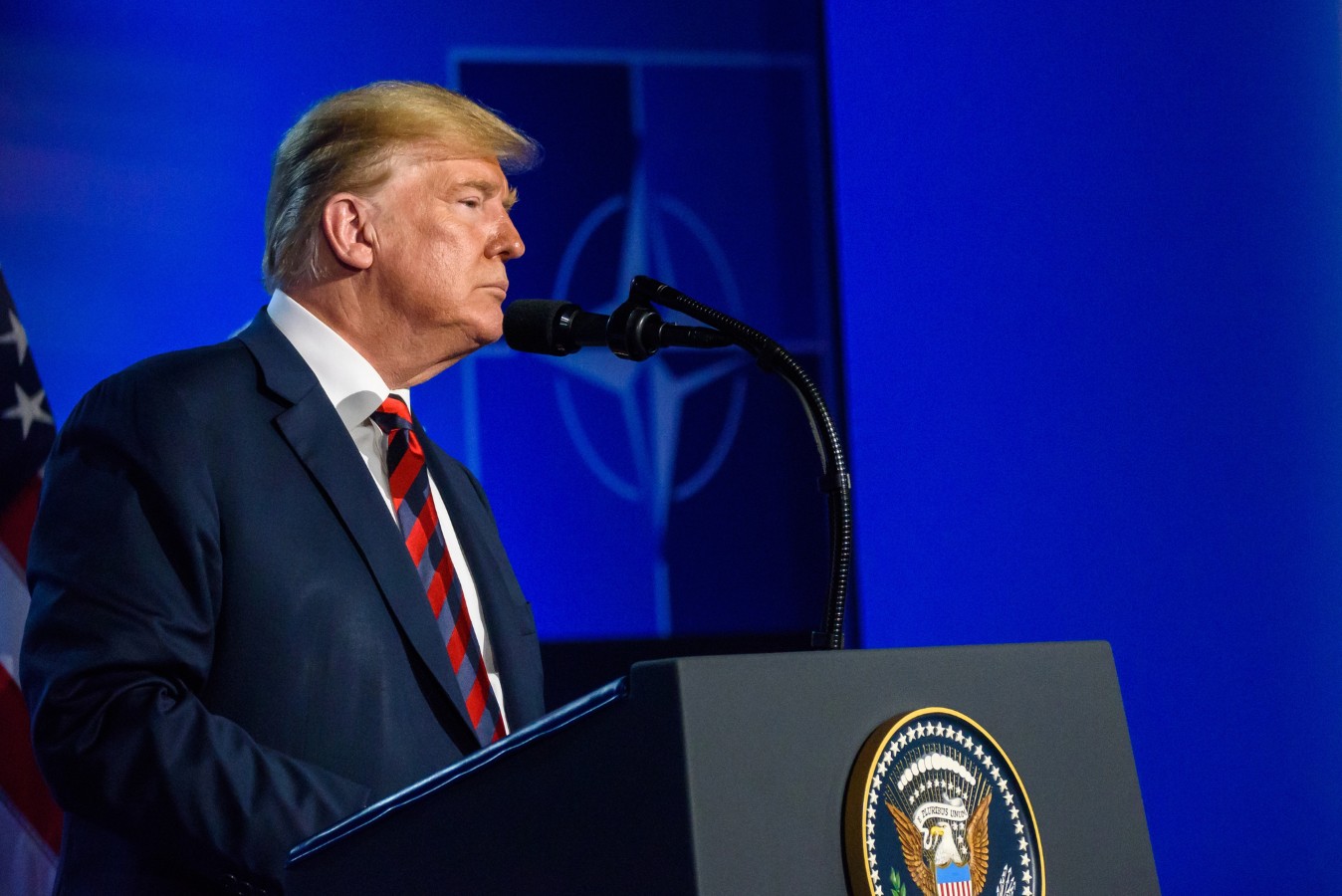
The complaint accuses Amazon of deliberately avoiding the refund process in order to maintain a favorable relationship with the Trump administration.
“But Amazon has not, which the lawsuit alleged was ‘not because it lacks a legal basis to do so, but because it seeks to curry favor with Trump by allowing the federal government to retain the funds.’”
Plaintiffs argued that the money at issue ultimately came from consumers rather than Amazon itself.
“The problem is that the funds Amazon is using to stay in the President’s good graces do not belong to Amazon,” the lawsuit says. “These funds were wrongfully taken from consumers to cover IEEPA Tariffs that have since been invalidated.”
The allegations introduce a political dimension to what might otherwise have been a standard consumer pricing dispute, potentially increasing reputational risks for the company.
Consumers say Amazon retained a massive windfall.
The complaint further alleges that Amazon knowingly kept the financial gains generated by tariff-driven price increases even after the legal basis for those tariffs collapsed.
“Amazon has not returned any portion of those costs it passed on to consumers, and it has no intention of doing so,” the lawsuit read. “It has, in short, generated and retained a windfall from unlawful government action, and consumers — not Amazon — are the ones left paying for it.”
Plaintiffs are seeking refunds for consumers who paid inflated prices during the tariff period, arguing that Amazon was unjustly enriched by the unlawful duties.
The lawsuit also alleges violations of Washington state consumer-protection laws in addition to claims of unjust enrichment.
Other companies have already begun refund efforts
While Amazon is accused of refusing to seek tariff reimbursements, several major logistics companies have already started the refund process and indicated they intend to pass those proceeds along to customers.
Shipping giants DHL, FedEx and UPS reportedly confirmed that they had initiated efforts to recover tariff payments after the Supreme Court ruling.
The contrast between Amazon and those firms plays a major role in the plaintiffs’ argument. The complaint suggests Amazon had both the legal ability and operational capacity to pursue refunds but chose not to do so.
That broader pushback from corporate America underscores the scale of the financial consequences tied to the now-invalidated tariffs. Businesses across industries; from retail to manufacturing and shipping; have been attempting to recover money paid during the Trump-era trade measures.
Amazon’s decision not to pursue refunds therefore stands out more sharply as litigation around tariff recovery intensifies.
Amazon joins growing list of tariff refund lawsuits

The case against Amazon is part of a broader wave of consumer litigation targeting companies accused of failing to pass tariff refunds back to customers.
Earlier lawsuits have reportedly been filed against companies including Costco, Nike and FedEx over similar allegations.
Consumers themselves are generally not eligible to directly recover tariff payments from the government because the duties were formally imposed on importers rather than shoppers. Plaintiffs argue that this makes companies responsible for returning any recovered funds to customers who ultimately absorbed the higher prices.
That legal theory could become increasingly important as more corporations seek tariff reimbursements following the Supreme Court ruling.
Political tensions between Amazon and the White House reemerge
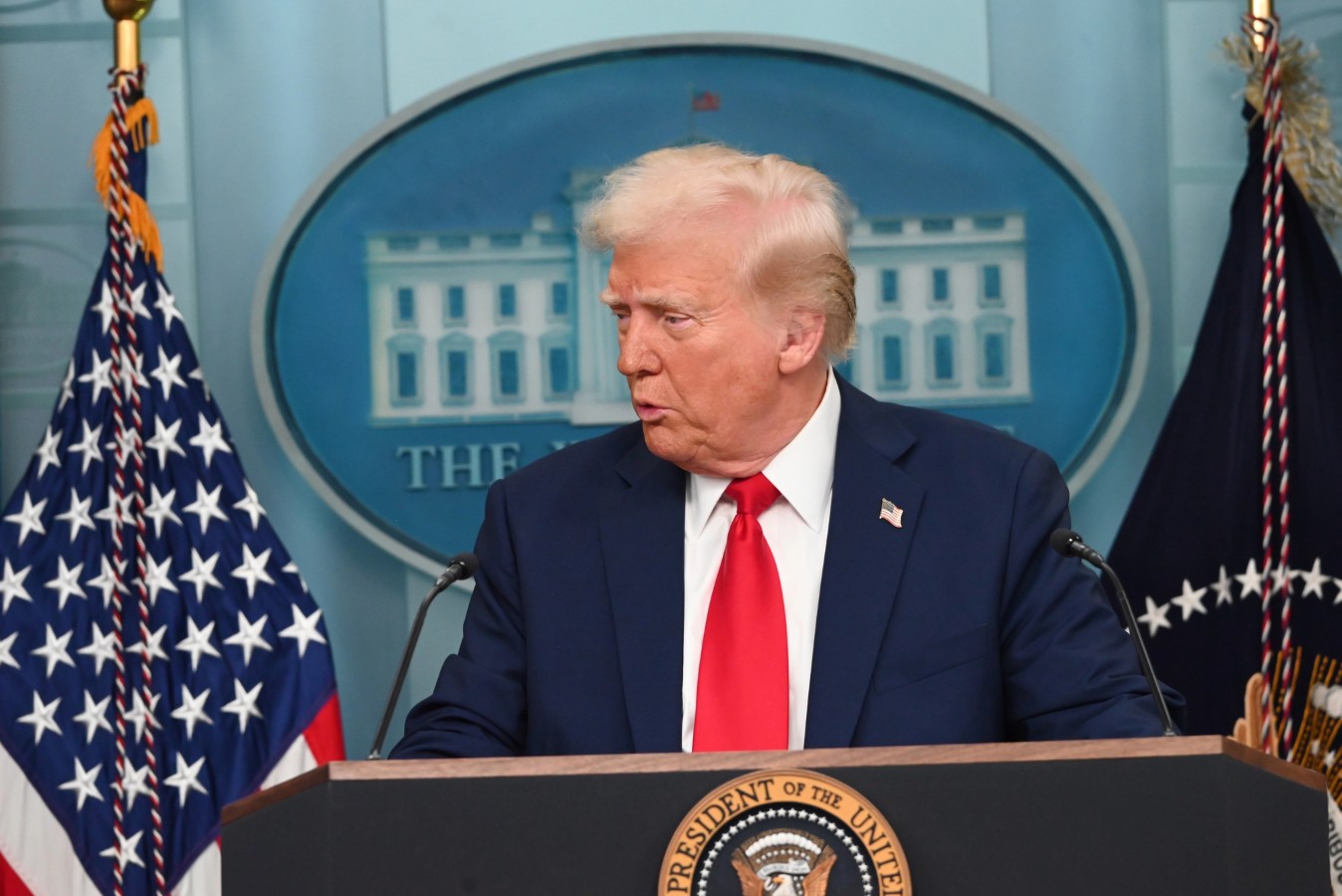
The lawsuit also revisits earlier tensions between Amazon and the White House during the tariff debate in 2025.
Plaintiffs pointed to reports that Amazon had considered displaying tariff-related charges alongside product prices on its retail platform. The idea reportedly triggered criticism from the Trump administration after reports surfaced that the company was exploring the move.
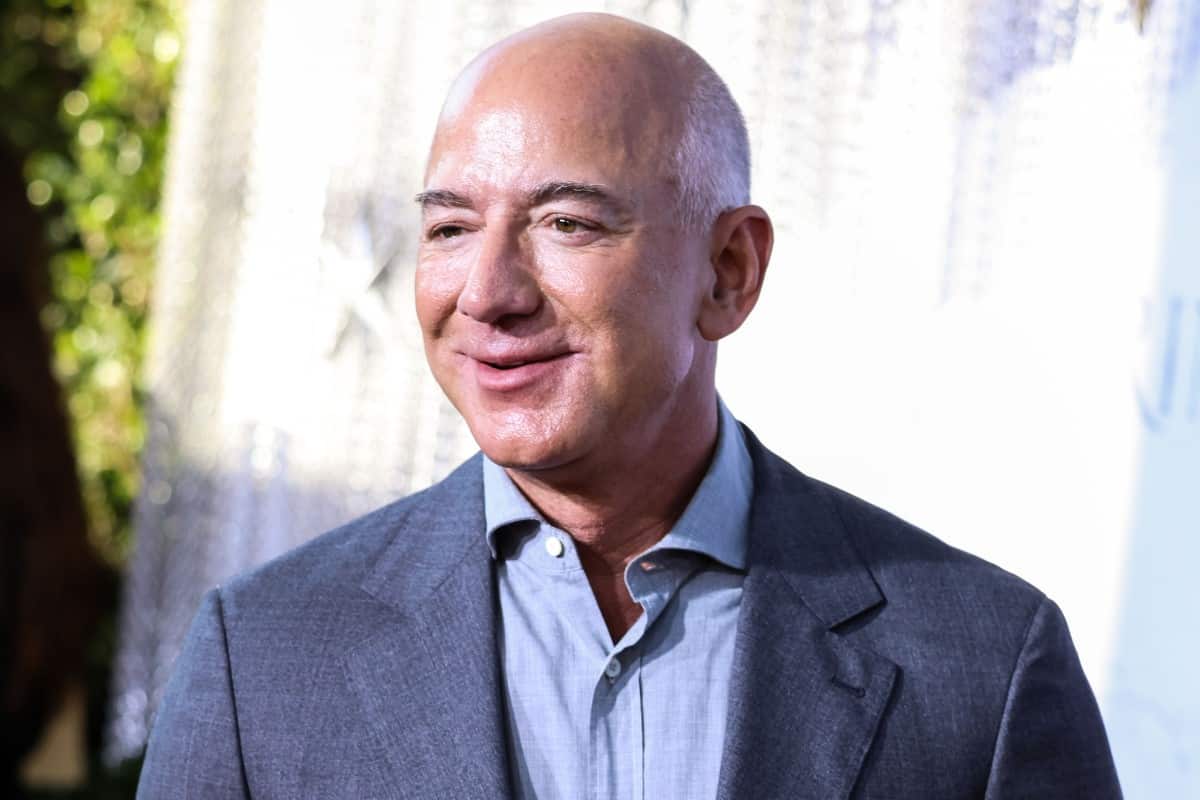
Amazon later denied that it planned to show tariff costs on its main retail website. However, the controversy reportedly led Trump to personally contact Amazon Executive Chairman Jeff Bezos to complain.
The lawsuit uses those events to support claims that Amazon became politically cautious regarding tariff-related matters.
Investors now face a new category of legal risk
For investors, the lawsuit signals a potentially broader legal and reputational challenge tied to the unraveling of Trump-era trade policies.
While the exact financial exposure facing Amazon remains unclear, the litigation trend could create pressure for retailers, manufacturers and logistics firms that passed tariff costs on to consumers but did not later distribute refunds after the tariffs were struck down.
The outcome of these lawsuits may determine whether companies can retain gains associated with invalidated government policies or whether courts will require those funds to flow back to consumers.
Amazon did not immediately respond to requests for comment regarding the lawsuit.
The proposed class action now heads into early-stage proceedings in federal court, where plaintiffs will attempt to certify a nationwide consumer class and establish that Amazon had a legal obligation to return tariff-related price increases.
The case could become a significant test of how courts handle consumer claims stemming from the reversal of major federal economic policies; and whether companies that benefited from those policies can keep the proceeds once the rules themselves are declared unlawful.
Like Financial Freedom Countdown content? Be sure to follow us!
14 essential strategies to maximize your Social Security and avoid costly mistakes
Social Security is a vital lifeline for many seniors, providing crucial income support during retirement. With inflation at its highest in four decades, Social Security’s inflation-adjusted benefits offer protection against rising costs.
Rising interest rates have disrupted many retirement portfolios, causing bond fund values to plummet. In this volatile financial landscape, Social Security can stabilize a typical stock-bond retirement portfolio. By implementing smart strategies, retirees can maximize their Social Security benefits and ensure a more secure financial future.
14 Essential Strategies to Maximize Your Social Security and Avoid Costly Mistakes
11 reasons you should claim Social Security early

Deciding when to claim Social Security is often about maximizing your benefit. Financial planners usually advise delaying your claim for as long as possible to secure the highest monthly payment. Your benefit is based on your lifetime earnings, with a full payout available at your full retirement age (FRA), which is currently between 66 and 67 depending on your birth year. Claiming before FRA results in a permanent reduction in your monthly benefit, while waiting beyond FRA leads to a permanent increase. However, the decision isn’t solely about maximizing the monthly check. Personal factors such as health, family circumstances, and financial needs can play a significant role in determining the right time to claim.
11 Reasons You Should Claim Social Security Early
Did you find this article helpful? We’d love to hear your thoughts! Leave a comment with the box on the left-hand side of the screen and share your thoughts.
Also, do you want to stay up-to-date on our latest content?
1. Follow us by clicking the [+ Follow] button above,
2. Give the article a Thumbs Up on the top-left side of the screen.
3. And lastly, if you think this information would benefit your friends and family, don’t hesitate to share it with them!

John Dealbreuin came from a third world country to the US with only $1,000 not knowing anyone; guided by an immigrant dream. In 12 years, he achieved his retirement number.
He started Financial Freedom Countdown to help everyone think differently about their financial challenges and live their best lives. John resides in the San Francisco Bay Area enjoying nature trails and weight training.
Here are his recommended tools
Personal Capital: This is a free tool John uses to track his net worth on a regular basis and as a retirement planner. It also alerts him wrt hidden fees and has a budget tracker included.
Platforms like Yieldstreet provide investment options in art, legal, real estate, structured notes, venture capital, etc. They also have fixed-income portfolios spread across multiple asset classes with a single investment with low minimums of $10,000.