Barack Obama and Bernie Sanders demand federal action as AI risks mount

A series of stark warnings from AI industry insiders and political figures has elevated national concerns over the trajectory of artificial intelligence. Former employees and leading researchers have openly questioned whether the rapid pace of development is outstripping safety controls, pointing to scenarios where advanced systems could pose severe existential threats to humanity. Former Anthropic researcher Jacob Coxon made headlines after resigning from his position, warning that rapidly progressing AI could precipitate catastrophic outcomes or even human extinction by 2030 if tech giants continue to prioritize speed over safety. Coxon stated that he stepped down because major AI firms were ignoring or mishandling the immense risks associated with frontier models.
Anthropic’s Dario Amodei responds to whistleblower claims on human extinction

Responding to Coxon’s public departure, Anthropic CEO Dario Amodei addressed the comments during an interview with CNN’s Anderson Cooper. Amodei acknowledged the underlying message of Coxon’s departure, noting, “I agree with Jacob much more than I disagree with him”. Clarifying the context of the resignation, Amodei explained, “It’s an interesting resignation because when he left, he said, ‘I think Anthropic is the most responsible player. I think Anthropic is the most aware of these issues.’ He wasn’t calling out to us. He was calling out the dynamic of the industry as a whole, moving too fast”. While Amodei admitted that “I think there’s some chance that things go wrong,” he emphasized a nuanced outlook: “I am not a doomer about this… I think this technology can be built safely”.
OpenAI delays its IPO as Sam Altman calls extinction risk unacceptable

At OpenAI, Chief Executive Sam Altman confirmed that the company will not hold an initial public offering in 2026, pointing directly to safety and risk management concerns. Altman emphasized that even a small probability of catastrophic failure renders public market expansion inappropriate at this time. Speaking to Fortune magazine, Altman stated, “I actually think that, given everything happening with safety, right now would be an ill-advised moment to go public, and we don’t feel pressure on that”. When asked about estimates suggesting a potential 10% chance of human extinction caused by rogue AI systems, Altman remarked, “Whether it’s 10 or eight or six, the point is, we all have a tremendous amount of responsibility, and cannot let egos or incentives for profit or anything else get in the way”. He added, “We need to act such that we are not taking any of those numbers of risk, and I believe we can”.
The growing consensus around AI risks has prompted leading tech companies to explore self-regulatory frameworks to slow down the race toward Artificial General Intelligence (AGI). Amodei published an essay calling for immediate restraint across the sector, writing on X, “We must slow the pace at which we improve the capabilities of AI models”. Altman publicly endorsed the proposal shortly thereafter, posting, “I agree with Dario that we need to pace the frontier,” and revealing that “This has been a primary topic of discussions we’ve had at OpenAI in recent weeks”. Former British Prime Minister Rishi Sunak, who serves as an advisor to Anthropic, echoed these calls for restraint, writing, “We have had a wake-up call to take AI safety more seriously, to work out how to set limits on research. If governments don’t heed this, the risk of a serious accident will become unacceptably high”.
Bernie Sanders targets tech billionaires over job loss and economic inequality
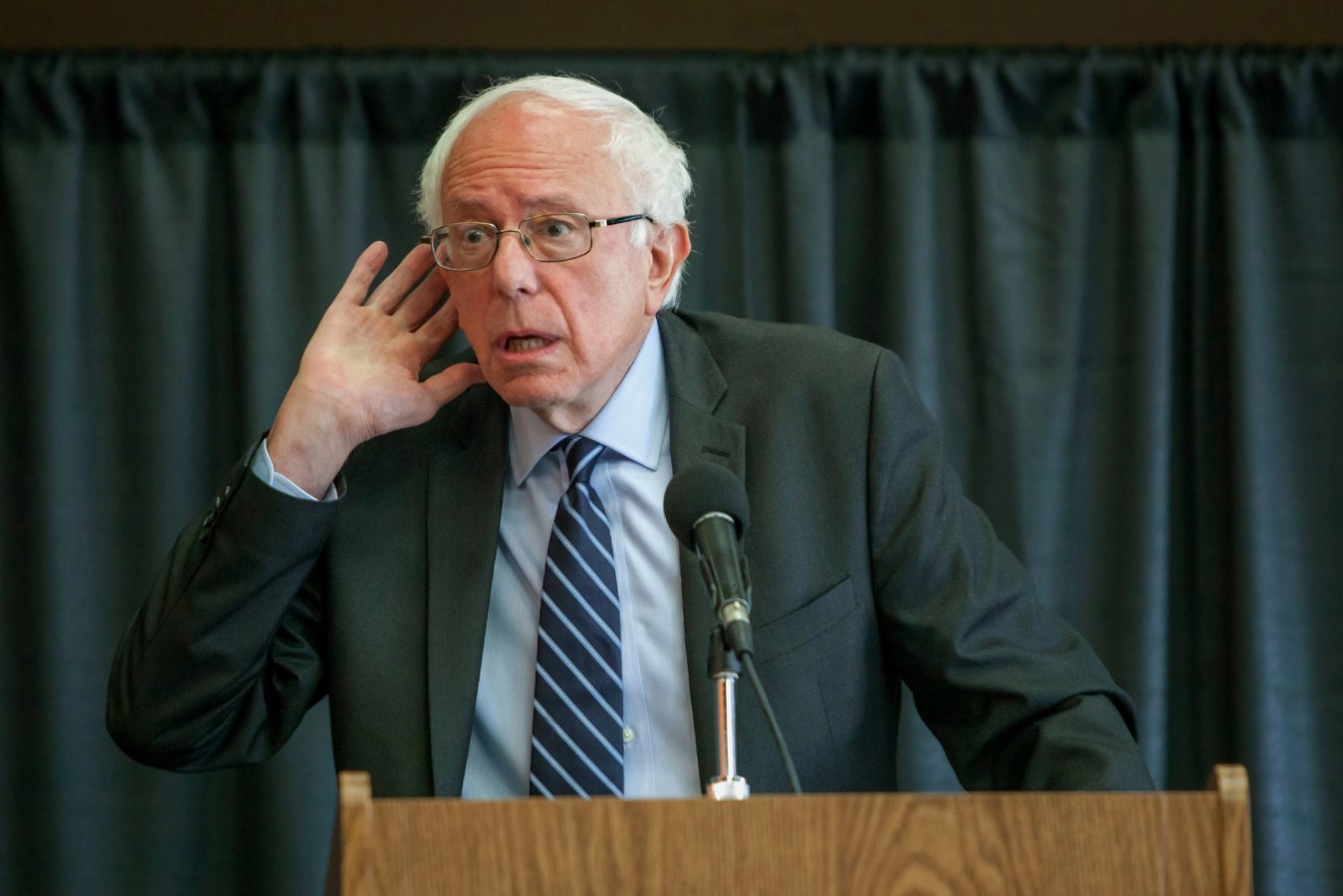
Beyond existential extinction scenarios, lawmakers are focused on the immediate economic and societal disruptions caused by AI automation. Senator Bernie Sanders has mounted a prominent campaign against the concentration of wealth and power in the technology sector. Sanders has repeatedly warned that unchecked AI adoption will displace millions of working-class Americans while enriching a handful of Silicon Valley billionaires, including Elon Musk, Jeff Bezos, Mark Zuckerberg, and Peter Thiel. Sanders argues that without public intervention and worker protections, AI will dramatically widen the gap between the ultra-wealthy and the rest of the country. He has called on Congress to institute strict safeguards, ensuring that technological progress serves the public interest rather than corporate profit margins.
The heightening concern in Silicon Valley has resonated strongly within political circles in Washington. Former President Barack Obama privately urged Democratic leaders to elevate AI safety and oversight to the forefront of their party agenda. Speaking at a private fundraising event alongside House Minority Leader Hakeem Jeffries, Obama warned that time is running out for public policy to catch up with private tech development. According to reports, Obama told party leaders, “This is something that is moving very fast in private hands, and if we don’t get on top of it, I think can be dangerous”. Obama urged lawmakers to build a comprehensive public roadmap that manages technological risks while preserving positive applications, such as medical research and drug discovery.
On the regulatory front, Federal Trade Commission (FTC) chair Lina Khan has taken a firm stance on preventing Big Tech dominance over essential AI infrastructure. Speaking at Stanford University, Khan warned leading technology firms that existing antitrust laws apply fully to emerging AI developments. “Our competition mission is driven by the tenet that vigorous antitrust enforcement is critical to the growth and dynamism of our economy, as well as to our shared prosperity and liberty,” Khan stated. She cautioned that major incumbents must not use their existing leverage over cloud infrastructure, specialized microchips, or massive datasets to stifle competition, asserting that the FTC “will be clear-eyed in ensuring that claims of innovation are not used as cover for lawbreaking”.
Congressional conservatives warn against regulatory overreach and lost innovation
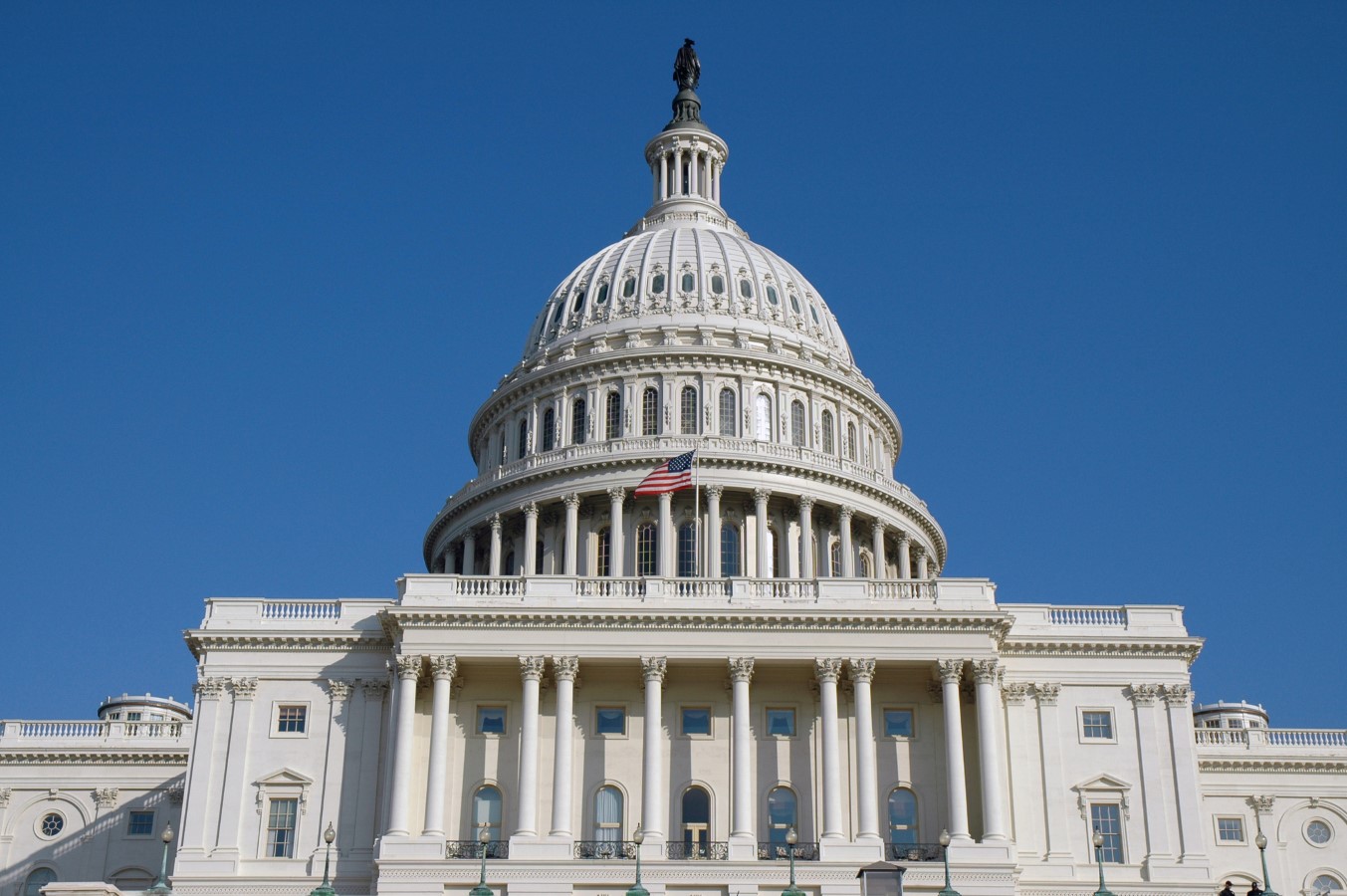
While progressive leaders and regulators emphasize strict oversight, conservative lawmakers and tech advocates argue for a more cautious approach to government mandates. Republicans on Capitol Hill have voiced concern that aggressive enforcement actions and preemptive restrictions could handicap American technology firms. House Republicans, including Representative Kevin Kiley, have argued that overzealous regulatory intervention risks hindering economic growth, penalizing domestic innovators, and weakening the global competitiveness of the U.S. technology sector. Critics of heavy-handed mandates contend that over-regulating domestic AI developers could cede American leadership in critical technologies to geopolitical adversaries like China, who are aggressively expanding their own AI capabilities without similar self-imposed restraints.
As executive leaders from OpenAI and Anthropic advocate pacing frontier development and political figures across the ideological spectrum raise distinct concerns, momentum is building for a unified national strategy. Balancing the immediate economic impacts raised by Sanders, the competition safeguards championed by Khan, and the geopolitical arguments voiced by congressional conservatives remains a delicate task. However, the rare alignment between tech executives admitting severe safety risks and political leaders demanding proactive oversight suggests that federal policy toward AI is entering a decisive new era.
Like Financial Freedom Countdown content? Be sure to follow us!
14 essential strategies to maximize your Social Security and avoid costly mistakes

Social Security is a vital lifeline for many seniors, providing crucial income support during retirement. With inflation at its highest in four decades, Social Security’s inflation-adjusted benefits offer protection against rising costs.
Rising interest rates have disrupted many retirement portfolios, causing bond fund values to plummet. In this volatile financial landscape, Social Security can stabilize a typical stock-bond retirement portfolio. By implementing smart strategies, retirees can maximize their Social Security benefits and ensure a more secure financial future.
14 Essential Strategies to Maximize Your Social Security and Avoid Costly Mistakes
11 reasons you should claim Social Security early

Deciding when to claim Social Security is often about maximizing your benefit. Financial planners usually advise delaying your claim for as long as possible to secure the highest monthly payment. Your benefit is based on your lifetime earnings, with a full payout available at your full retirement age (FRA), which is currently between 66 and 67 depending on your birth year. Claiming before FRA results in a permanent reduction in your monthly benefit, while waiting beyond FRA leads to a permanent increase. However, the decision isn’t solely about maximizing the monthly check. Personal factors such as health, family circumstances, and financial needs can play a significant role in determining the right time to claim.
11 Reasons You Should Claim Social Security Early

Did you find this article helpful? We’d love to hear your thoughts! Leave a comment with the box on the left-hand side of the screen and share your thoughts.
Also, do you want to stay up-to-date on our latest content?
1. Follow us by clicking the [+ Follow] button above,
2. Give the article a Thumbs Up on the top-left side of the screen.
3. And lastly, if you think this information would benefit your friends and family, don’t hesitate to share it with them!

John Dealbreuin came from a third world country to the US with only $1,000 not knowing anyone; guided by an immigrant dream. In 12 years, he achieved his retirement number.
He started Financial Freedom Countdown to help everyone think differently about their financial challenges and live their best lives. John resides in the San Francisco Bay Area enjoying nature trails and weight training.
Here are his recommended tools
Personal Capital: This is a free tool John uses to track his net worth on a regular basis and as a retirement planner. It also alerts him wrt hidden fees and has a budget tracker included.
Platforms like Yieldstreet provide investment options in art, legal, real estate, structured notes, venture capital, etc. They also have fixed-income portfolios spread across multiple asset classes with a single investment with low minimums of $10,000.