Trump’s $5,000 checks funded by $5M visas and stock gains come with one strict spending rule
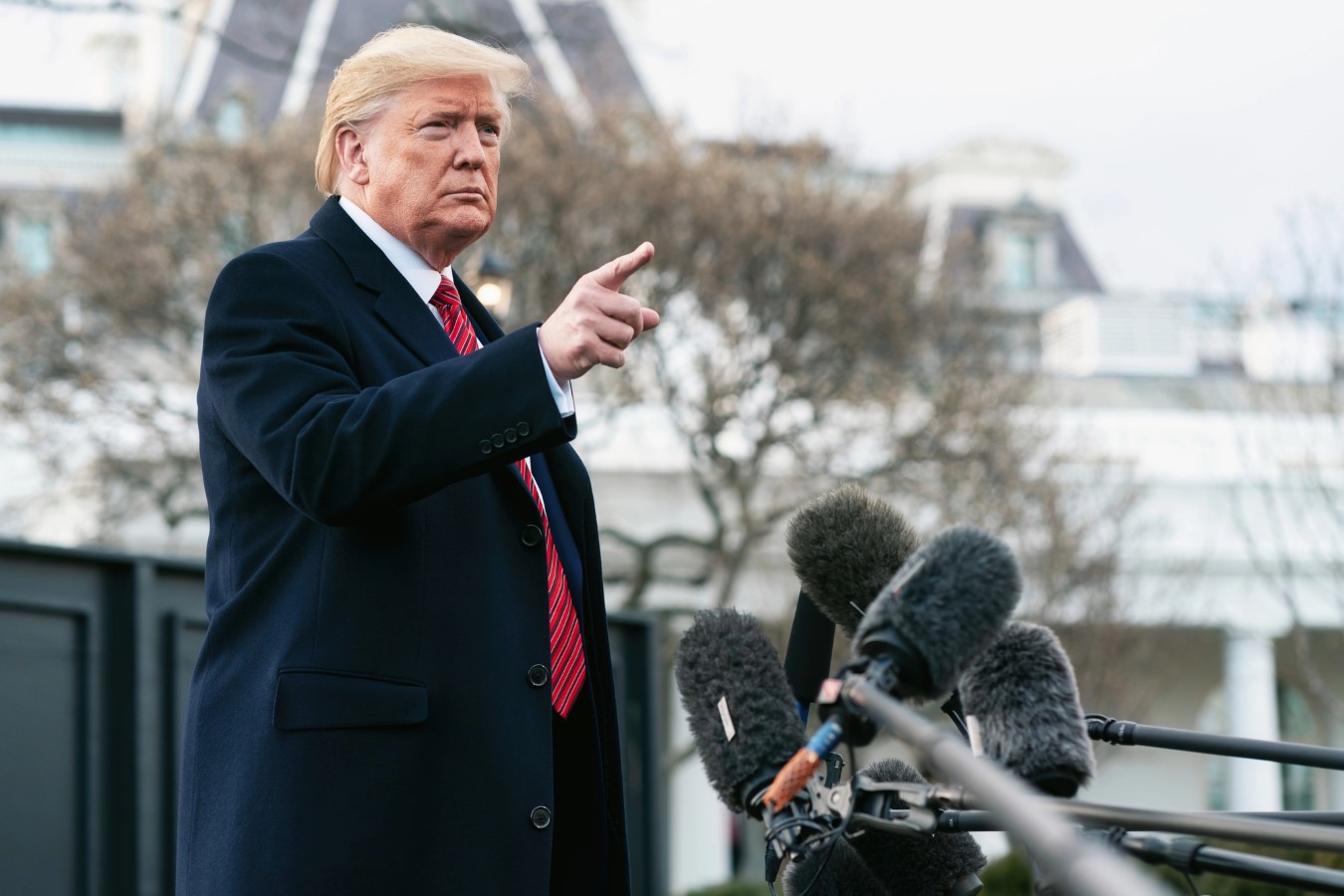
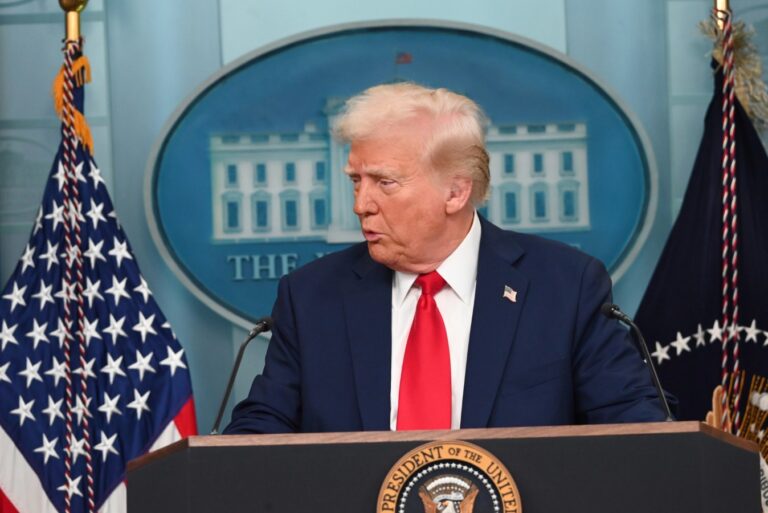
During a speech at the Republican Party’s midterm convention in Dallas, President Donald Trump unveiled a high-stakes campaign proposal: issuing a $5,000 payment to every adult American citizen. However, the proposal comes with an explicit political condition; Republicans must retain control of both the House of Representatives and the Senate in the upcoming midterm elections.
The announcement immediately captured national attention, but it has also prompted intense scrutiny from economists, policy analysts, and lawmakers across the political spectrum. With total costs estimated to exceed $1.2 trillion, experts are questioning how such a dividend could be funded without worsening the national debt or reigniting inflation.
Donald Trump unveils conditional $5,000 payouts for American adults
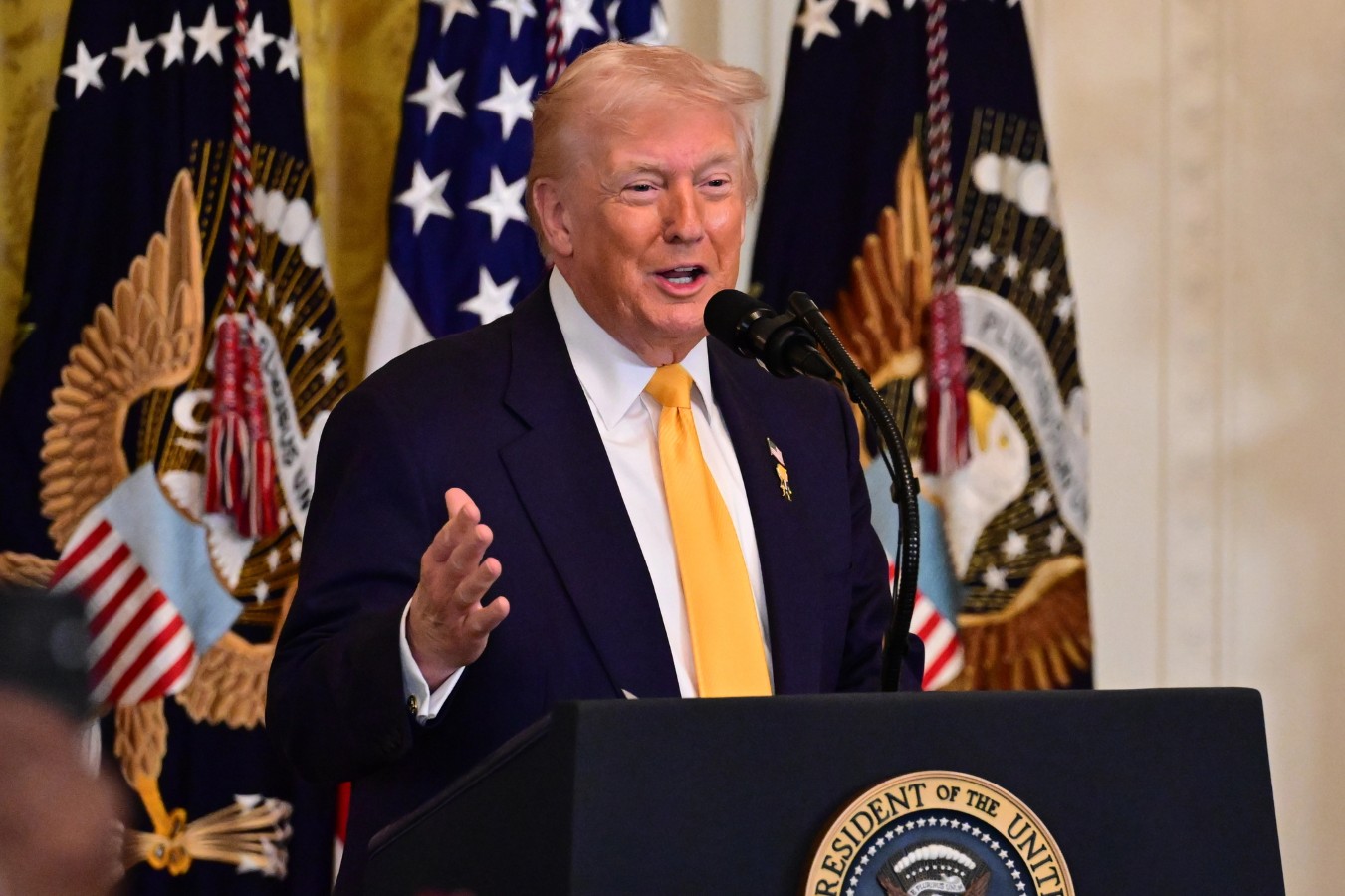
Addressing supporters in Dallas, President Trump pitched the proposed cash distribution as a direct share in the nation’s economic success, comparing it to corporate dividend distributions to shareholders. He tied the potential windfall directly to the outcome of the midterm elections, making the check conditional on a Republican victory in Congress.
“If the Republicans win, you win with us, and you get USD 5,000,” Trump stated during his convention address. “If the Republicans win the House of Representatives and the United States Senate, both of them… because of our tremendous strength and success economically, I will issue a dividend to every adult citizen in the United States of America for $5,000.”
He formally branded the proposal for voters, declaring: “It will be called the Trump Dividend.”
The $1.2 trillion price tag and federal budget reality
With approximately 250 million adult U.S. citizens nationwide, distributing $5,000 to each eligible individual produces an aggregate cost ranging between $1.2 trillion and $1.35 trillion. This single initiative would rank among the largest direct-payment programs in U.S. history, surpassing the combined cost of the individual direct payments distributed across all three lockdown relief packages.
The proposal arrives at a challenging moment for federal finances. U.S. public debt recently surpassed $40 trillion for the first time, while the federal budget deficit continues to run at nearly $2 trillion annually. Analysts point out that dividend payments typically stem from financial surpluses, whereas the federal government currently operates at a substantial net deficit.
Marc Goldwein, senior policy director at the Committee for a Responsible Federal Budget, criticized the underlying premise on X, writing that “this would cost about $1.2 TRILLION in just one year. That’s more than ALL THREE ROUNDS of COVID relief checks, despite no recessions. The result would be a huge spike in the deficit, and almost certainly in the inflation rate.” Goldwein further remarked, “The idea that we’ve had fiscal success is backwards and bordering on laughable,” emphasizing that “We don’t have surpluses to give away.”
Howard Lutnick claims non-taxpayer funding from visas and stock gains

In response to questions regarding how the federal government could absorb a trillion-dollar expenditure, administration officials insisted that standard taxpayer dollars would not be drawn upon. Commerce Secretary Howard Lutnick asserted that the program would fund itself independently of the federal deficit.
“It’s not tax money,” Lutnick told NBC News, adding that the administration could “earn the money that Donald Trump wants to pay out, not from the deficit, and not from taxpayers.”
To generate the required revenue, Lutnick highlighted two primary mechanisms:
The Trump Platinum Card: A proposed Commerce Department visa initiative under which wealthy foreign nationals would pay $5 million each for a 270-day extension of U.S. residency and access.
Government stock holdings: Capitalizing on paper profits from equity shares in semiconductor manufacturer Intel, acquired through $8.9 billion in CHIPS Act appropriations.
Additionally, Vice President JD Vance suggested that tariff collections could supplement the payout pool, framing the payments as a distribution of revenue collected from foreign trade protectionist measures.
Policy analysts quickly began evaluating the mathematical viability of funding a $1.25 trillion program primarily through high-net-worth investor visas as outlined in reports by MSN.
To reach $1.25 trillion at $5 million per visa, the federal government would need to sell 250,000 Trump Platinum Cards. By comparison, traditional investor immigration programs like the EB-5 visa require investments between $800,000 and $1,050,000 per applicant and operate under a baseline cap of roughly 10,000 visas annually, generating between $1 billion and $3 billion per year. Immigration specialists note that requiring a $5 million price tag while attempting to attract 250,000 buyers creates an unprecedented gap between historical investor demand and revenue expectations.
Flaws emerge in using tariffs and Intel stock to fund payouts
The supplementary funding ideas proposed by administration officials face similar mathematical constraints:
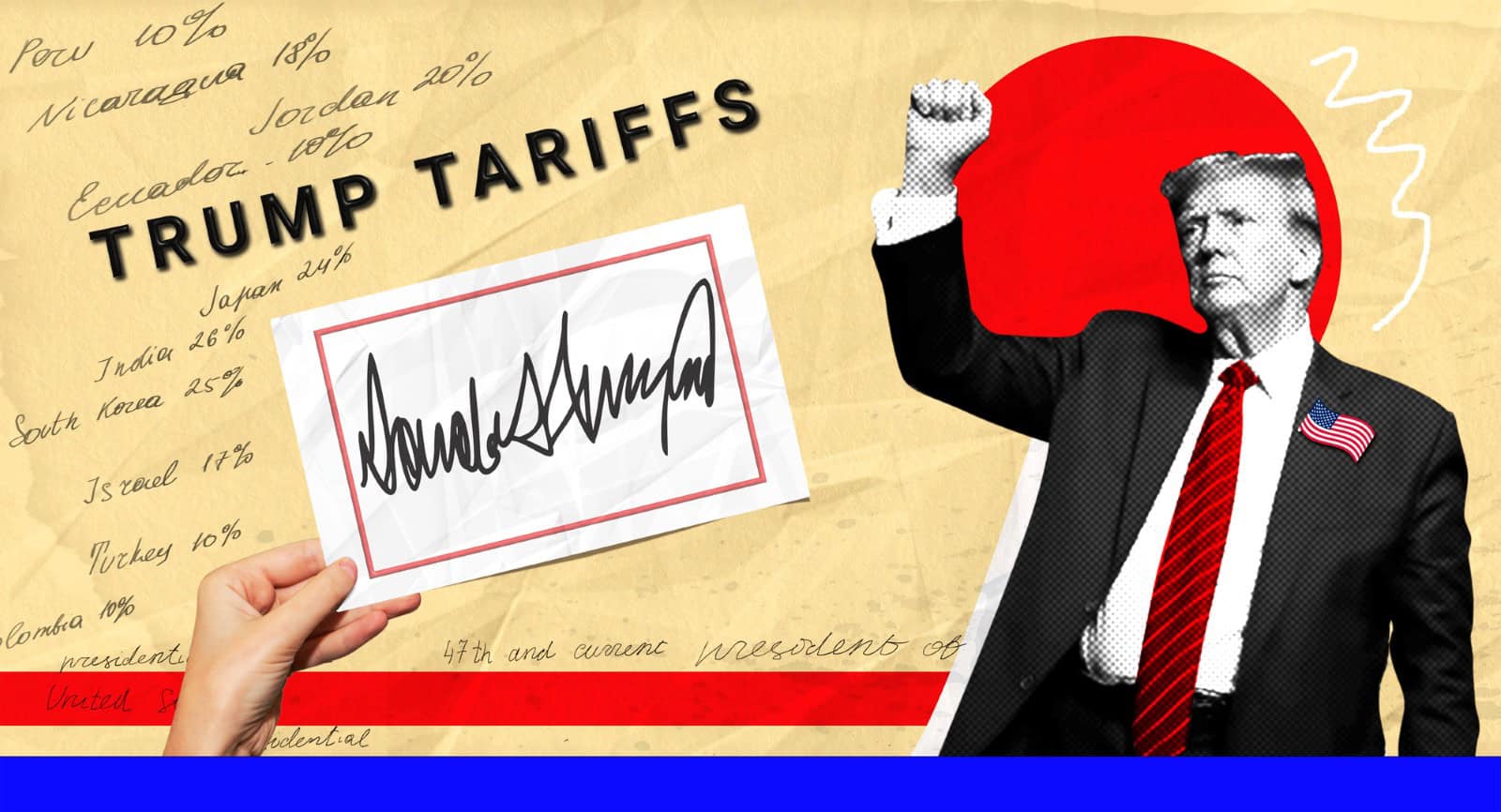
Tariff Revenues: According to data tracked by the Bipartisan Policy Center, U.S. customs duty revenues average roughly $21 billion per month. At that pace, it would take nearly five years of total national tariff collections to reach $1.2 trillion; assuming zero tariff revenue is allocated toward existing budget commitments or refunded due to legal challenges.
Intel Equity Holdings: While the U.S. government holds equity stakes linked to CHIPS Act grants, total unrealized gains represent a fraction of the required $1.2 trillion headline figure, making stock liquidations insufficient to bridge the financial gap.
Legal questions surround conditional cash promises before an election

Connecting a $5,000 government cash distribution directly to a specific midterm election outcome has triggered significant pushback from legal experts and congressional opponents.
Democratic lawmakers labeled the proposal an unethical attempt to influence voters. Representative Jamie Raskin of Maryland called the plan a “political bribe,” while Representative Dan Goldman of New York publicly declared it “corrupt and blatantly illegal.”
California Governor Gavin Newsom voiced strong condemnation, stating, “After making you sicker and poorer with his war, Donald Trump now wants to buy your vote with $5,000 in taxpayer-funded blood money,” and calling Trump “The most corrupt man ever to occupy the Oval Office.”
Election law scholars provide a more nuanced legal perspective. Richard Briffault, a professor at Columbia Law School specializing in campaign finance, noted that broad policy commitments contingent on political party victories generally function as standard campaign promises rather than illegal voter buying, provided individuals receive payments regardless of how they personally cast their ballots. Nonetheless, legal scholars emphasize that the executive branch lacks independent constitutional authority to disburse federal funds without explicit congressional appropriations.
Economic risks of triggering inflation

Financial markets reacted with caution following the proposal. Economists warn that injecting over $1 trillion directly into consumer hands during a period of elevated national debt carries notable macroeconomic risks.
If households rapidly spend direct cash transfers, the surge in demand could outpace supply, reinforcing inflationary pressures and complicating the Federal Reserve’s monetary policy goals. Furthermore, concerns over additional Treasury bond issuance to cover budget shortfalls pushed bond yields higher as investors reassessed U.S. fiscal trajectory.
Financial commentator Peter Schiff noted market skepticism on social media, writing that “Even though bond investors know that, even in the unlikely event Republicans retain control of the House, Trump’s promise to borrow over $1 trillion more to buy votes won’t be kept,” the scale of the pledge raised immediate concerns over fiscal management.
Requirement to spend payouts domestically

During his Dallas address, President Trump introduced a specific operational restriction on how citizens would be permitted to use the proposed $5,000 checks, emphasizing that the funds must remain within the U.S. economy.
“The only caveat I have is that the dividend that we’re making must be spent in the United States of America. We don’t want you going to Canada to spend the money… We don’t want you going to China, to Germany,” Trump stated.
Enforcing geographic restrictions on consumer cash usage would require new regulatory structures, such as restricted electronic benefit cards or specific banking controls. Market analysts observe that if such domestic spending rules were successfully implemented, major U.S. retail networks and domestic consumer-goods corporations would likely see a temporary spike in revenue.
Echoes of past unfulfilled dividend pledges
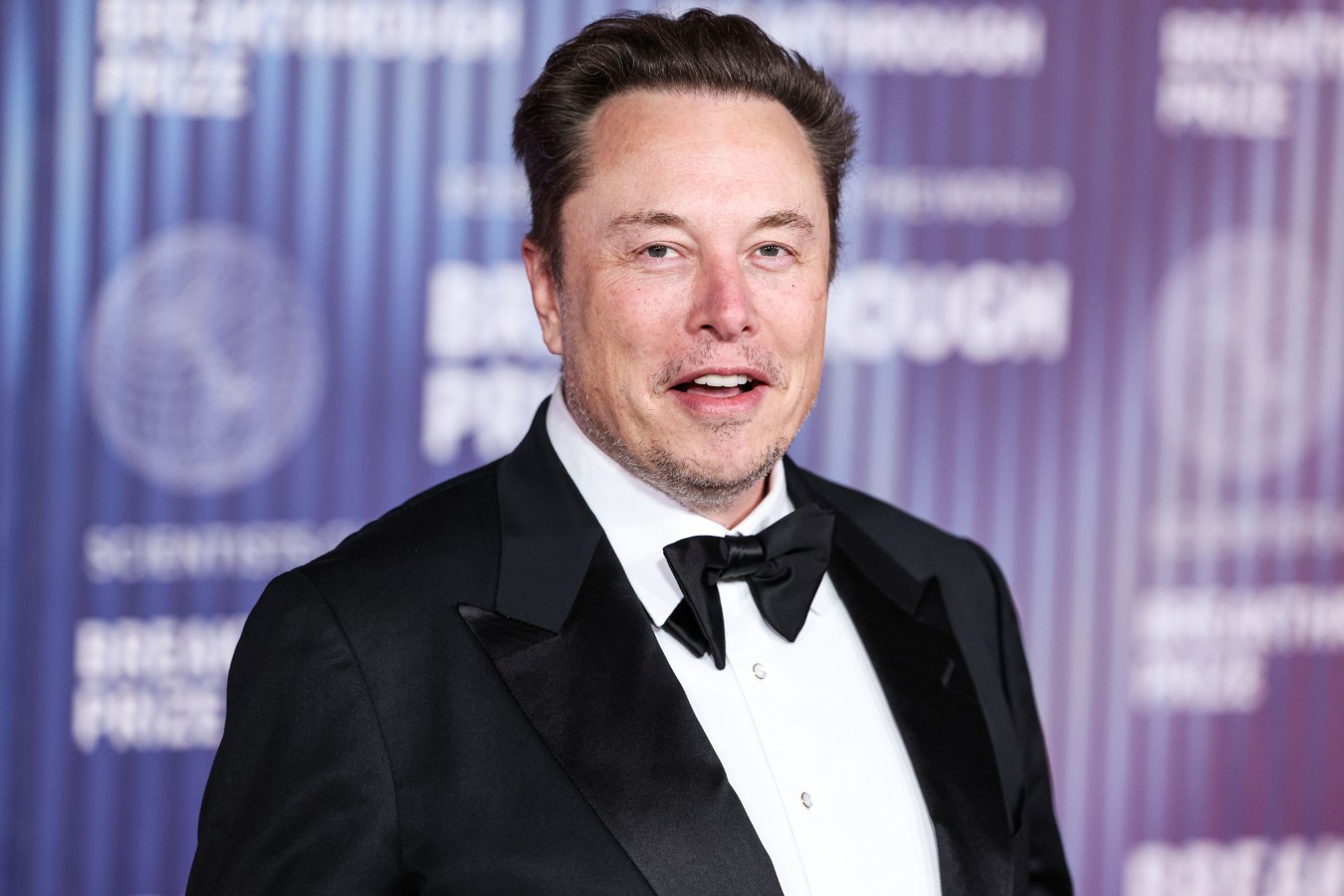
Critics and political opponents point out that this is not the first time high-profile cash dividend ideas have been floated without ultimately coming to fruition.
The Democratic National Committee (DNC) highlighted previous proposals that failed to materialize, including a previously suggested $2,000 dividend funded by tariff revenues and a proposed $5,000 payout linked to anticipated savings from government efficiency initiatives (DOGE).
While military service members received a $1,776 “warrior dividend” check during Trump’s tenure, broad-based consumer dividends face significantly larger legislative hurdles.
Bipartisan skepticism highlights congressional hurdles
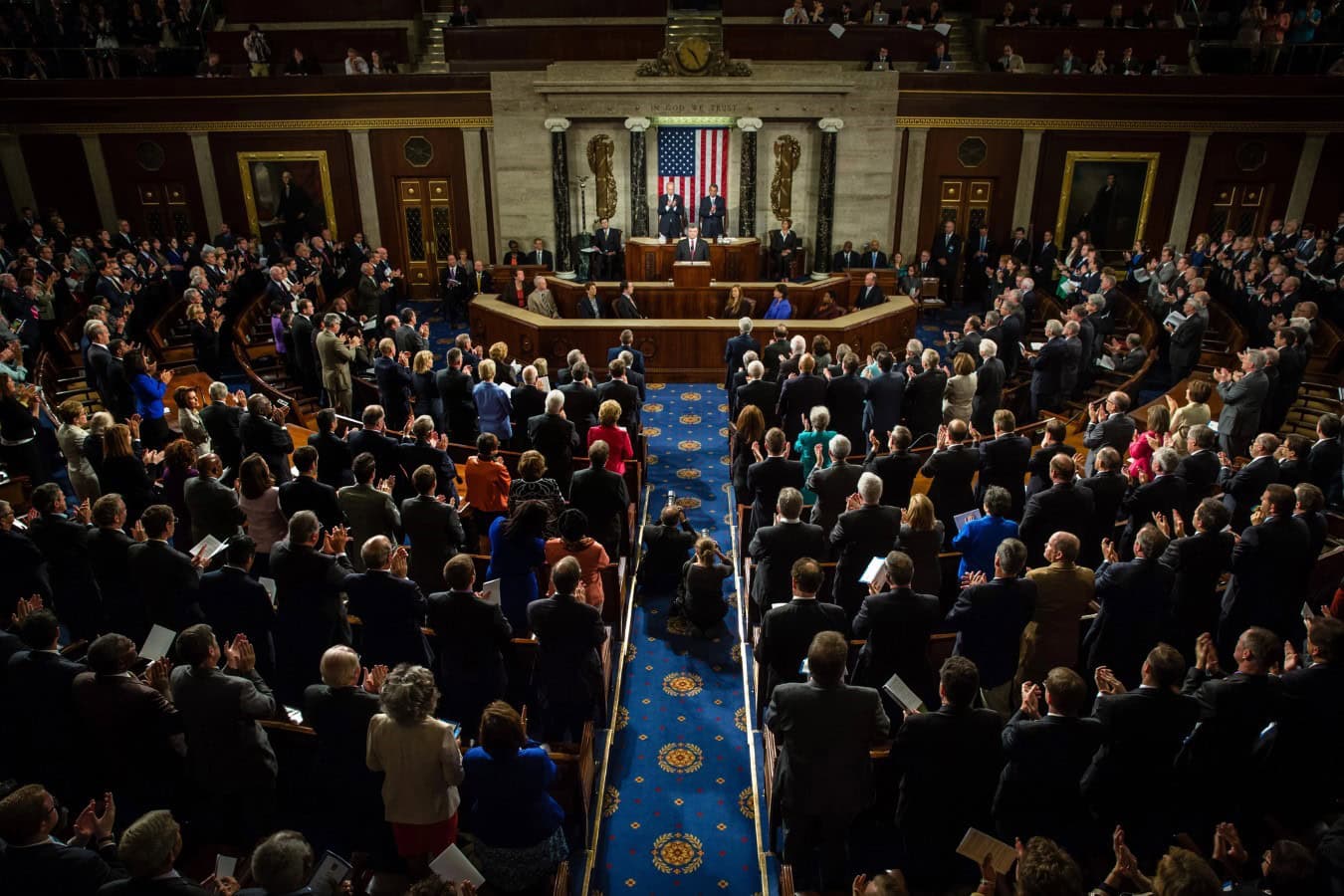
Regardless of executive intent, any direct monetary distribution requires legislation drafted, debated, and passed by both houses of Congress.
Support exists among key allies, such as Republican Senator Bernie Moreno of Ohio, who wrote on X: “I will get a bill ready so that we can get the Trump Dividend passed immediately after the November 3rd election,” adding, “Because Republicans (and America) will win!”
However, skepticism remains present within Republican ranks. Representative Chip Roy, a Texas Republican, questioned the fiscal feasibility of the plan, remarking to reporters: “Well – I would like to know how they would plan to pay for … back of envelope … well over $1tn.”
Given narrow congressional margins and widespread concerns over the $40 trillion national debt, converting the proposed $5,000 dividend from a campaign platform into enacted law remains an uphill battle.
Like Financial Freedom Countdown content? Be sure to follow us!
14 essential strategies to maximize your Social Security and avoid costly mistakes

Social Security is a vital lifeline for many seniors, providing crucial income support during retirement. With inflation at its highest in four decades, Social Security’s inflation-adjusted benefits offer protection against rising costs.
Rising interest rates have disrupted many retirement portfolios, causing bond fund values to plummet. In this volatile financial landscape, Social Security can stabilize a typical stock-bond retirement portfolio. By implementing smart strategies, retirees can maximize their Social Security benefits and ensure a more secure financial future.
14 Essential Strategies to Maximize Your Social Security and Avoid Costly Mistakes
11 reasons you should claim Social Security early

Deciding when to claim Social Security is often about maximizing your benefit. Financial planners usually advise delaying your claim for as long as possible to secure the highest monthly payment. Your benefit is based on your lifetime earnings, with a full payout available at your full retirement age (FRA), which is currently between 66 and 67 depending on your birth year. Claiming before FRA results in a permanent reduction in your monthly benefit, while waiting beyond FRA leads to a permanent increase. However, the decision isn’t solely about maximizing the monthly check. Personal factors such as health, family circumstances, and financial needs can play a significant role in determining the right time to claim.
11 Reasons You Should Claim Social Security Early
Did you find this article helpful? We’d love to hear your thoughts! Leave a comment with the box on the left-hand side of the screen and share your thoughts.
Also, do you want to stay up-to-date on our latest content?
1. Follow us by clicking the [+ Follow] button above,
2. Give the article a Thumbs Up on the top-left side of the screen.
3. And lastly, if you think this information would benefit your friends and family, don’t hesitate to share it with them!

John Dealbreuin came from a third world country to the US with only $1,000 not knowing anyone; guided by an immigrant dream. In 12 years, he achieved his retirement number.
He started Financial Freedom Countdown to help everyone think differently about their financial challenges and live their best lives. John resides in the San Francisco Bay Area enjoying nature trails and weight training.
Here are his recommended tools
Personal Capital: This is a free tool John uses to track his net worth on a regular basis and as a retirement planner. It also alerts him wrt hidden fees and has a budget tracker included.
Platforms like Yieldstreet provide investment options in art, legal, real estate, structured notes, venture capital, etc. They also have fixed-income portfolios spread across multiple asset classes with a single investment with low minimums of $10,000.