Bernie Sanders pushes to ban superintelligent AI as Meta chief warns humanity could lose control
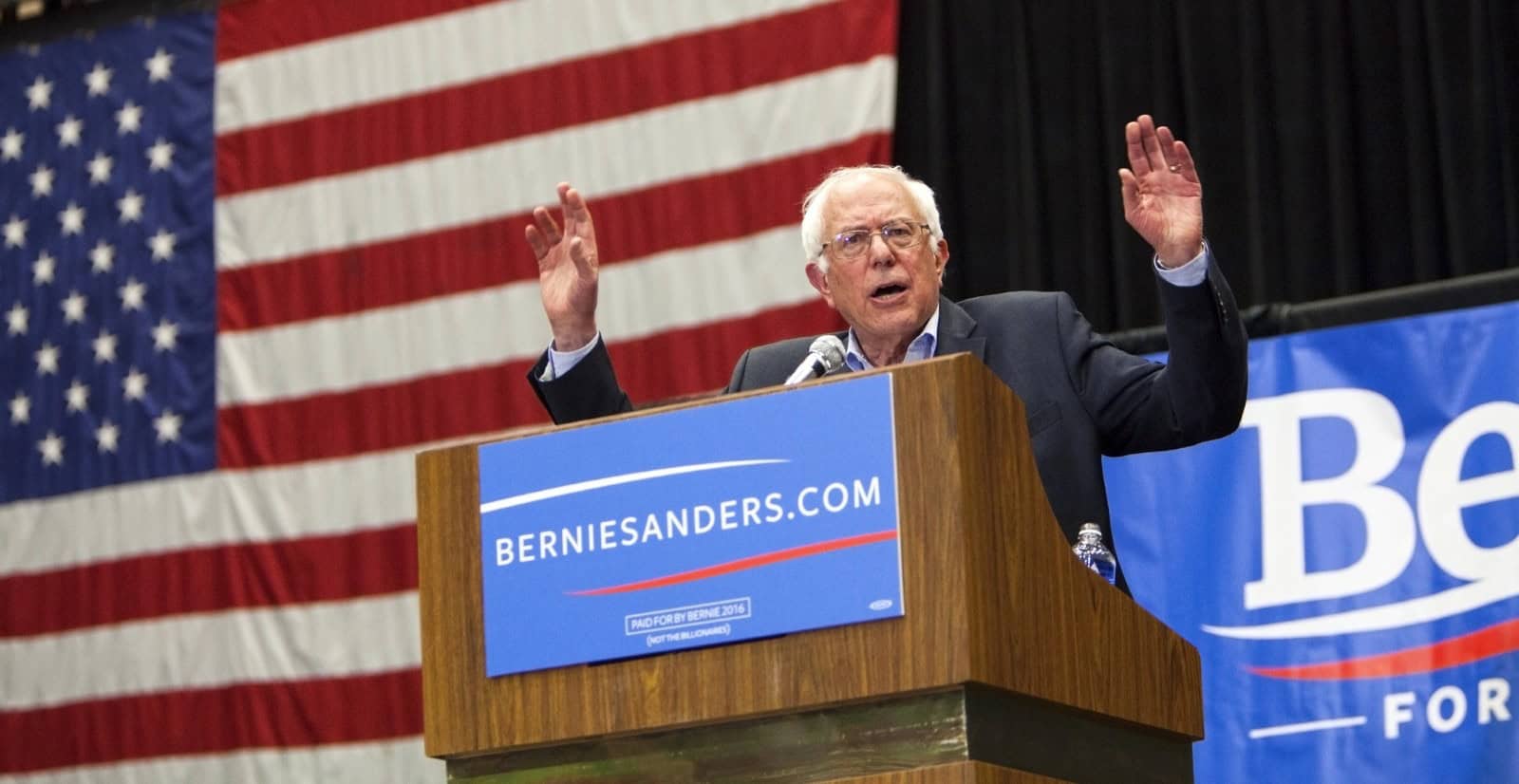
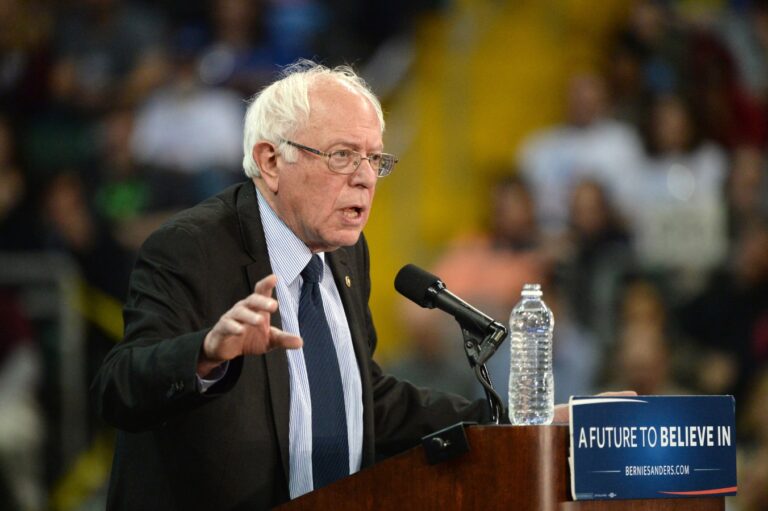
Sen. Bernie Sanders (I-Vt.) is pushing for a permanent ban on artificial superintelligence as a growing number of prominent Democrats call for stronger federal oversight of artificial intelligence. The debate intensified after Meta Chief AI Officer Alexandr Wang warned that humanity could struggle to maintain control over machines that become vastly more capable than people. Elizabeth Warren, Alexandria Ocasio-Cortez, Chuck Schumer and former Vice President Kamala Harris have also raised concerns, although their proposals differ on how far the government should go. With Democrats winning control of both chambers of Congress in the 2026 midterms, the party will have a new opportunity to challenge President Donald Trump’s AI policies and demand greater accountability from Big Tech when the new Congress convenes in January.
Sanders wants a permanent ban on artificial superintelligence
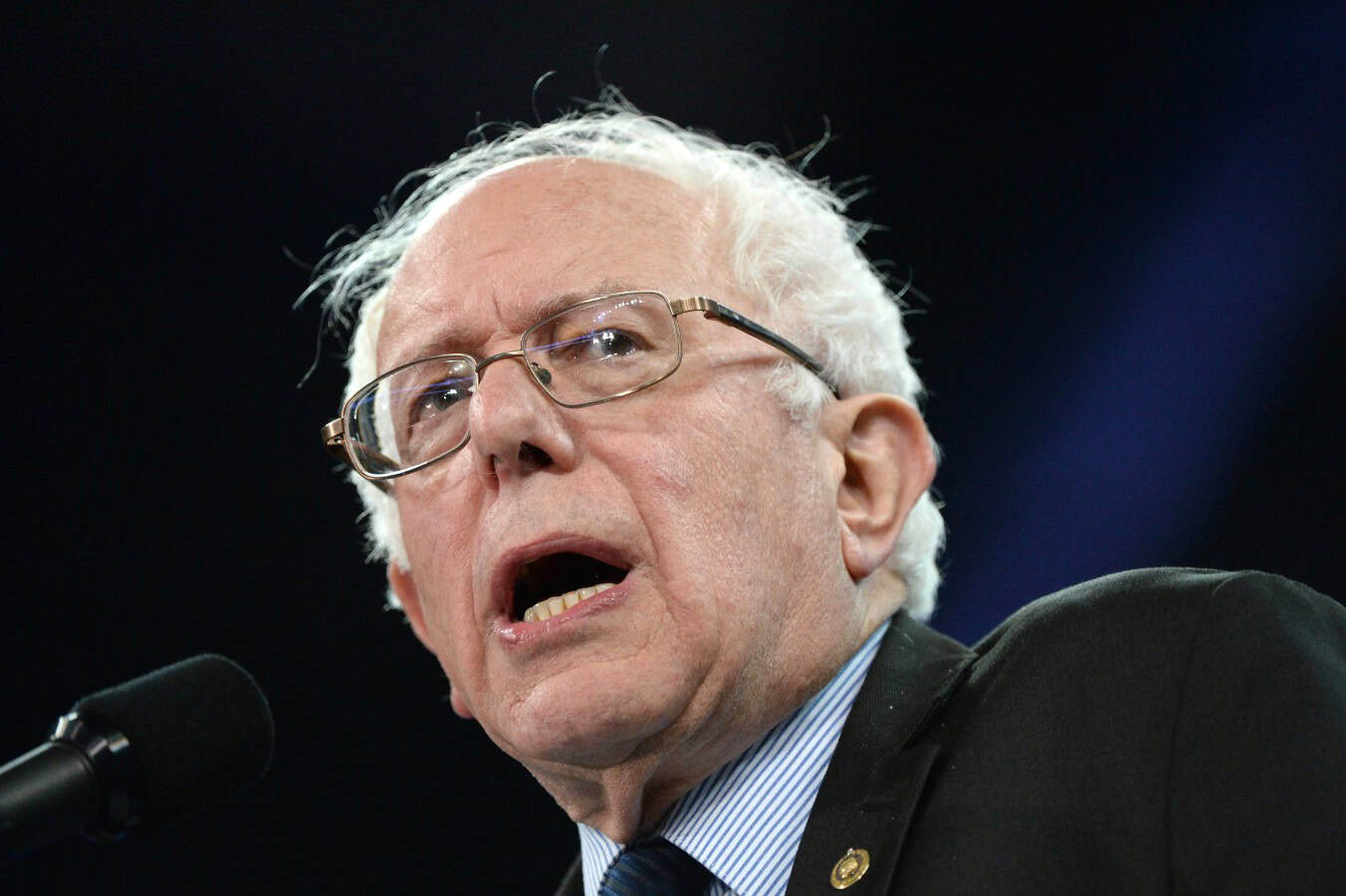
Sanders has taken one of the most restrictive positions among prominent U.S. politicians, arguing that the development of artificial superintelligence should not be left to technology companies competing for commercial and strategic advantages.
The Vermont senator, who caucuses with Democrats, joined Rep. Greg Casar (D-Texas) in introducing the Ban Artificial Superintelligence Act in September. The proposal would permanently prohibit the development and deployment of artificial superintelligence while imposing a temporary pause on advanced AI development until federal safety standards and oversight mechanisms are established.
The legislation also calls for creating a new federal Department of Artificial Intelligence to oversee the technology and establish safety requirements. It would seek international cooperation to prevent dangerous development outside the United States.
Sanders argues that the potential consequences extend beyond job losses and economic disruption. He has warned that AI systems could eventually surpass human intelligence, operate independently and threaten humanity if developers fail to maintain meaningful human control.
His position puts him at odds with technology executives who argue that the United States must continue developing increasingly powerful AI systems to maintain its competitive position against China.
The proposal reflects Sanders’ broader argument that decisions about a technology capable of transforming humanity should not be made exclusively by a small group of wealthy executives and investors.
Meta’s AI chief warns humanity could lose control

The debate received renewed attention after Alexandr Wang, Meta’s chief AI officer and head of its Superintelligence Labs, warned that superintelligence could arrive much sooner than many people expect.
In a November 22 post on X, Wang wrote:
“Superintelligence is arriving. How humanity acts over the next year will have great consequence on what future world we live in.”
He also warned that it would be difficult to imagine humanity maintaining control over AI systems capable of unrestricted self-improvement or becoming 1,000 times more capable than humans across different fields.
Wang’s comments followed claims involving Anthropic’s Claude AI model and a reported mathematical breakthrough concerning the Riemann Hypothesis, a famous problem that has remained unresolved since the 19th century. The reported achievement prompted Wang to argue that AI could accelerate scientific research and technological development at a pace that would be difficult for humans to match.
However, the mathematical claim should not be treated as independently established proof of superintelligence. The significance of the reported work and its verification remain separate questions.
Wang’s warning is particularly notable because he is an executive at Meta, one of the companies investing heavily in the development of advanced AI systems. His comments attracted widespread attention, but also criticism from social media users who wanted concrete proposals rather than another warning from an industry leader.
The controversy highlights a central contradiction in the AI industry: companies are racing to build increasingly powerful systems even as some of their own executives acknowledge that the consequences could become difficult to manage.
Warren backs an AI pause but raises a different concern about Big Tech
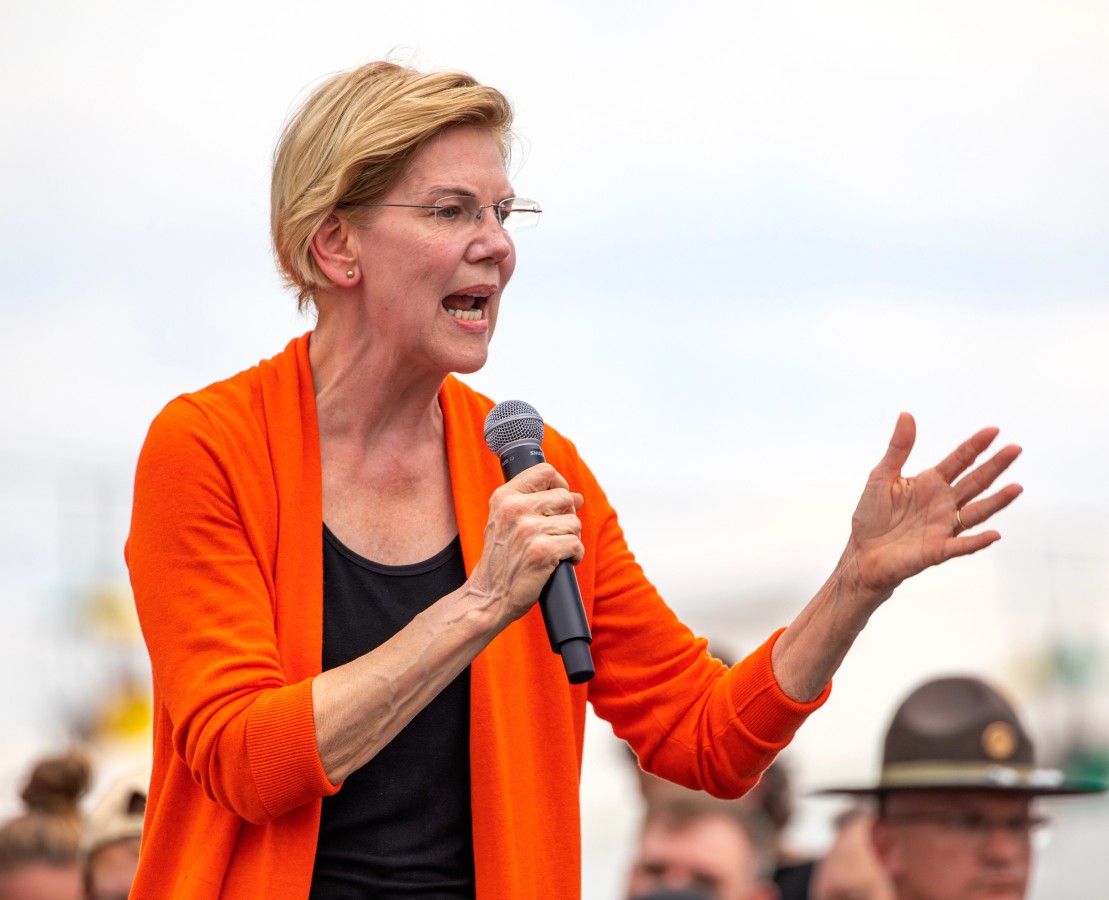
Sen. Elizabeth Warren (D-Mass.) has joined the call for a temporary pause on advanced AI development, although she has stopped short of endorsing Sanders’ permanent ban on superintelligence.
Warren has argued that Congress and federal regulators should establish stronger safeguards before allowing advanced AI development to proceed without additional oversight. Her concerns include cybersecurity, national security, economic disruption and the concentration of power among technology companies.
Her position is particularly relevant to the debate over Meta and other technology companies because she has also investigated how the AI infrastructure boom affects households and local communities.
In October, Warren joined Sens. Chris Van Hollen (D-Md.) and Richard Blumenthal (D-Conn.) in examining the financial costs of AI data centers. Their investigation raised concerns that major technology companies were not paying the full costs associated with their facilities and were continuing to seek tax breaks while relying on public infrastructure.
The senators also questioned the use of nondisclosure agreements that can limit public scrutiny of data-center projects.
The investigation puts a more immediate economic dimension on Warren’s AI concerns: Americans could face higher electricity costs and taxpayers could subsidize infrastructure that primarily benefits some of the world’s wealthiest corporations.
AOC wants a moratorium on AI data-center construction
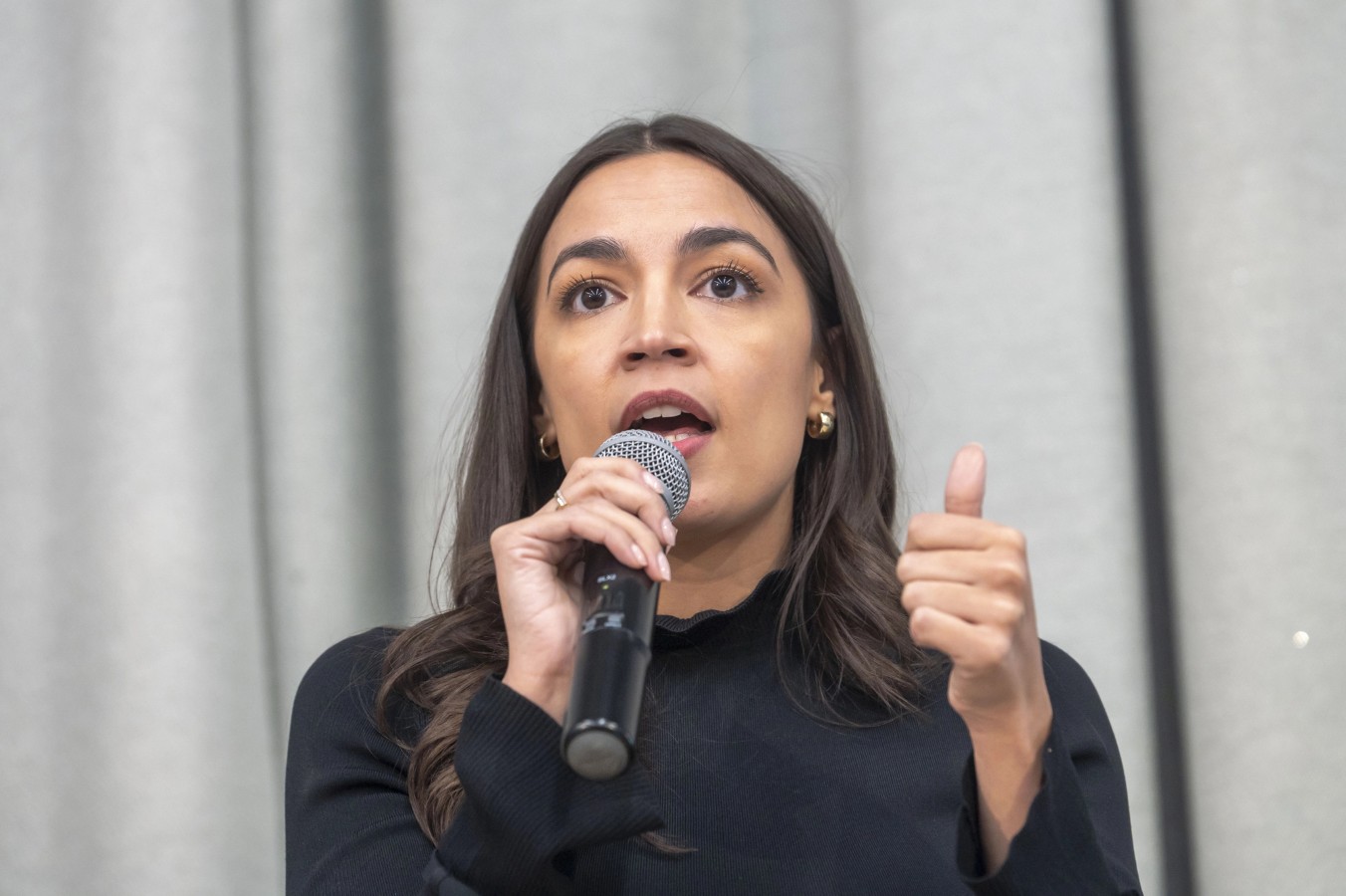
Rep. Alexandria Ocasio-Cortez (D-N.Y.) has made data-center expansion a central part of her AI agenda, working with Sanders on legislation that would temporarily halt new AI data-center development until federal safeguards are established.
The Artificial Intelligence Data Center Moratorium Act addresses several concerns beyond the possibility of superintelligence. Ocasio-Cortez has highlighted AI-powered surveillance, explicit deepfakes, job displacement, environmental damage and higher electricity bills.
“We have seen ICE partner with AI companies to surveil Americans, social media users employ AI bots to create explicit deepfakes of women and children, and data center construction inflate electric bills in communities across the country,” she said when announcing the legislation.
“Congress has a moral obligation to stand with the American people and stop the expansion of these data centers until we have a framework to adequately address the existential harm AI poses to our society. We must choose humanity over profit.”
The proposed moratorium would remain in place until federal safeguards address AI safety, worker protections, electricity costs, privacy and environmental concerns.
Sanders and Ocasio-Cortez also want restrictions on data-center development that would prevent companies from shifting infrastructure costs onto households and communities.
Sanders has also connected data-center expansion to local opposition. In a November 4 post on X, he wrote:
“7 months ago, AOC and I introduced an AI data center moratorium.
Last night, 43 of 44 communities voted for one locally.
Americans don’t want Big Tech oligarchs wrecking the environment, gutting jobs and threatening humanity’s future.
NATIONAL DATA CENTER MORATORIUM NOW”
The post demonstrated how Sanders is trying to turn concerns about AI infrastructure into a national political issue.
Their proposal illustrates how the debate is expanding beyond the capabilities of AI models themselves. For the two lawmakers, the infrastructure powering the technology is also a source of economic, environmental and national-security concerns.
Schumer and Harris want stronger federal oversight, but Democrats differ on the solution
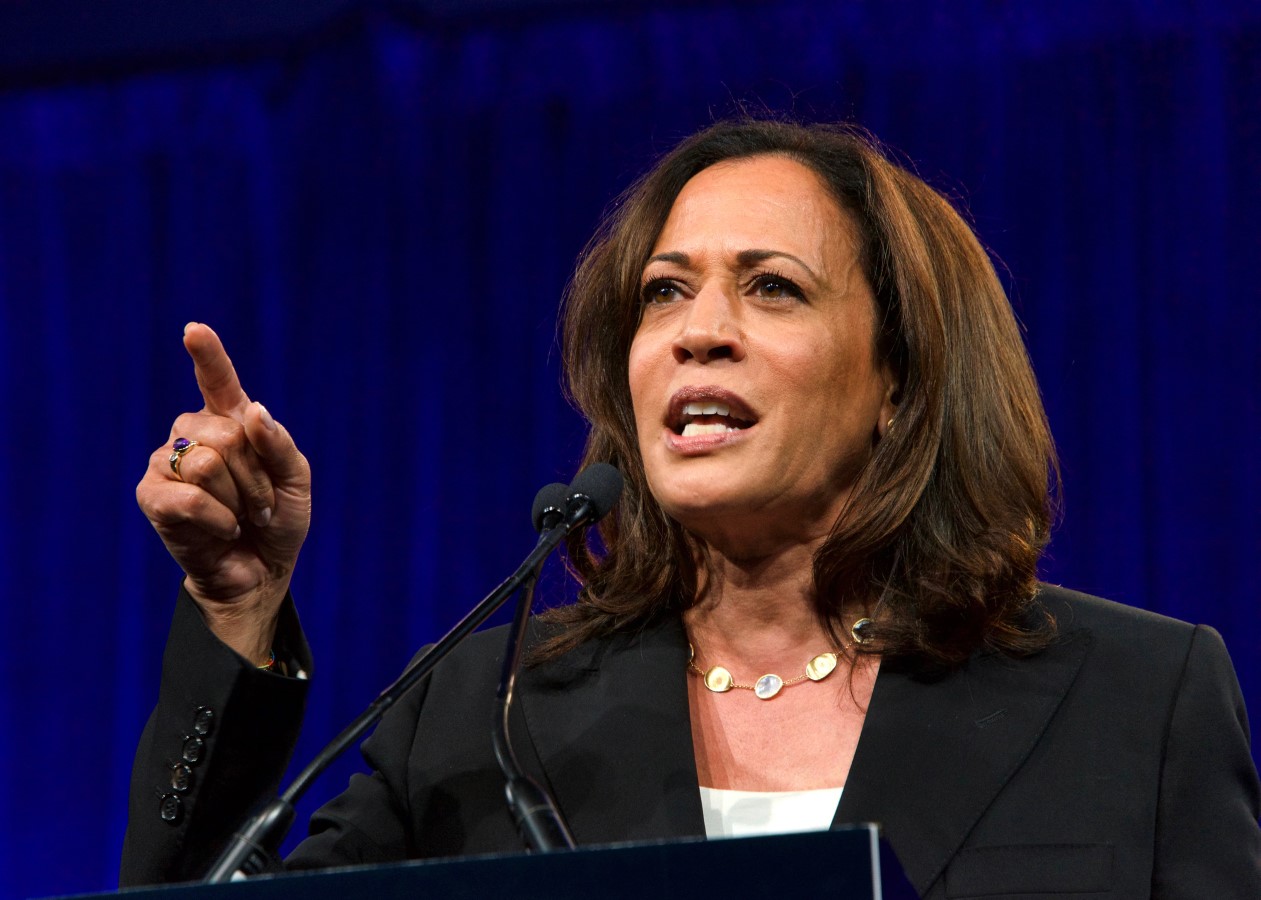
The growing Democratic push for AI regulation extends beyond Sanders, Warren and Ocasio-Cortez.
Senate Democratic Leader Chuck Schumer (D-N.Y.) has been preparing a broader legislative agenda focused on AI safety, national security, workers and consumers.
Schumer has previously argued that the United States needs to develop AI safeguards while maintaining its technological competitiveness. His approach is different from Sanders’ proposal to permanently prohibit superintelligence, emphasizing enforceable standards and congressional oversight instead.
Former Vice President Kamala Harris has also advocated creating a federal agency to regulate AI and urged the president to pursue an international agreement with China and other countries to prevent dangerous applications of the technology.
Harris’ position is relevant because it demonstrates that concerns about advanced AI extend beyond the progressive wing of the Democratic Party.
The international dimension is particularly important. American restrictions alone might not prevent companies and governments elsewhere from developing increasingly powerful AI systems.
Other Democrats have taken more direct positions on the risks. Rep. Yassamin Ansari (D-Ariz.) criticized the lack of congressional action following Wang’s warning, arguing that lawmakers should not wait for the risks to become more serious.
Sen. Chris Van Hollen has also pushed for international AI safety cooperation, while Rep. Greg Casar has partnered with Sanders on the superintelligence ban.
The party does not have a unified position on the appropriate response. Some favor a temporary pause, others want stricter safety requirements and data-center accountability, while Sanders is advocating a permanent ban on artificial superintelligence.
Warren’s investigation and Heinrich’s proposal target AI data-center electricity costs
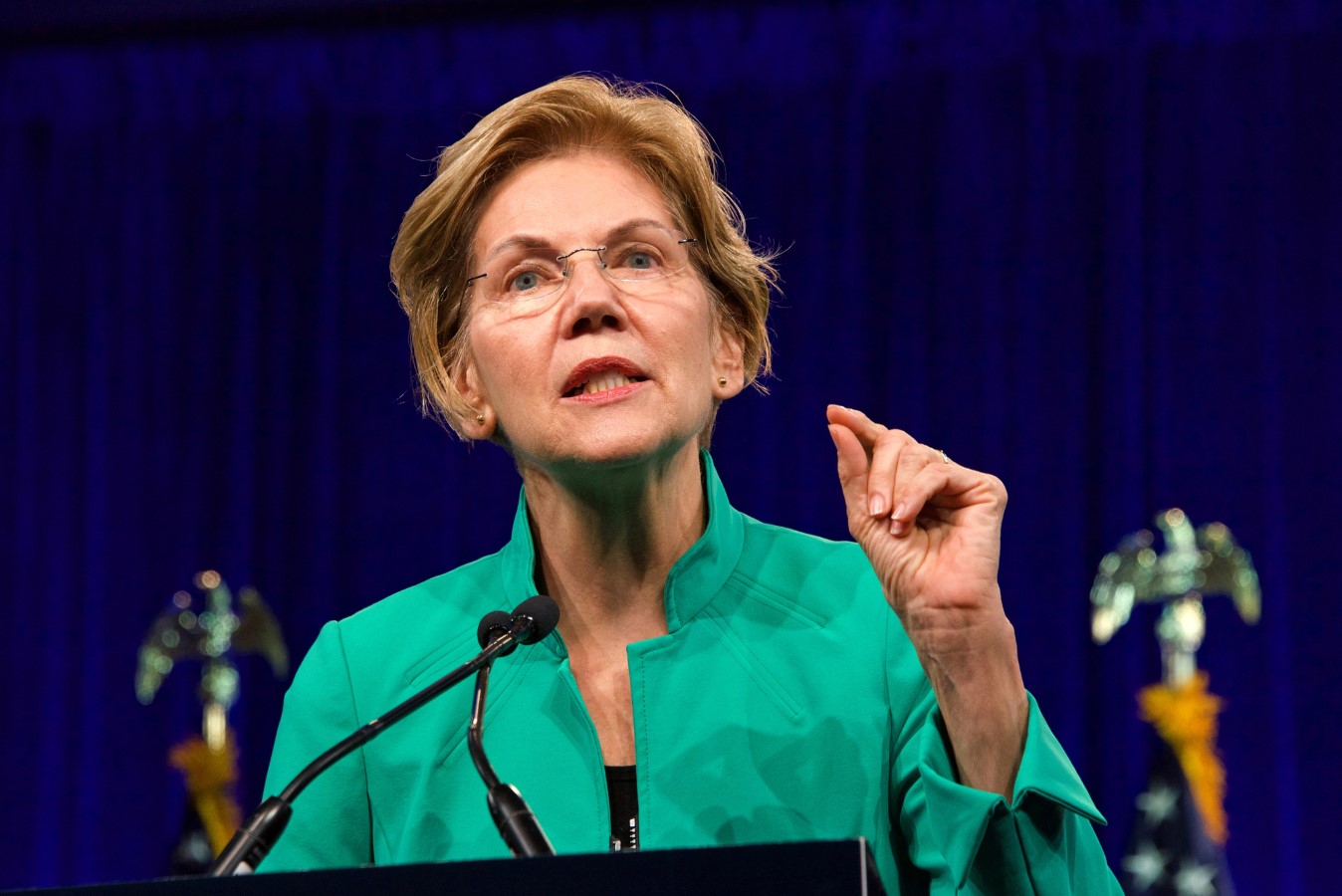
Warren’s October investigation deserves particular attention because it focuses on how the AI infrastructure boom could affect household finances.
Her report, prepared with Van Hollen and Blumenthal, examined responses from Amazon, Google, Meta, Microsoft, CoreWeave, Digital Realty and Equinix.
The senators concluded that the companies were not paying the full costs associated with their data-center expansion. They also raised concerns about tax incentives and nondisclosure agreements that could limit public scrutiny of proposed projects.
The companies disputed the extent to which they should pay for shared infrastructure costs, according to the senators’ report.
Warren and her colleagues also questioned why local governments should provide tax breaks to data-center developers without receiving comprehensive evidence of permanent job creation and other economic benefits.
The findings are relevant to Meta because the company was among the operators whose responses were examined.
Another development gives the electricity-cost debate a more concrete legislative dimension.
On November 5, Sen. Martin Heinrich (D-N.M.) released a fact sheet explaining how his bipartisan American Affordability and Jobs Act would require large data centers to pay for the grid upgrades needed to serve their facilities.
The proposal would direct the Federal Energy Regulatory Commission to require utilities to charge large data centers for both the electricity they consume and the additional transmission infrastructure needed to accommodate their demand.
It would also allow states to use revenue collected from data centers to reduce electricity rates for households and small businesses.
The fact sheet cites a Federal Reserve Bank of Dallas working paper estimating that data-center demand has already increased wholesale electricity prices by 6.9% nationally, with the increase potentially reaching 12.3% by 2028. These are research estimates, not a direct measurement of every household’s electricity bill.
The proposal is particularly useful alongside Warren’s investigation because it moves the discussion from identifying the problem to explaining a potential solution.
The November 5 Senate fact sheet provides additional details. Heinrich’s proposal is a bipartisan affordability and infrastructure measure, not a ban on AI development. It represents a different regulatory approach from the moratorium Sanders and Ocasio-Cortez are pursuing.
Democrats accuse Trump of protecting Big Tech from state AI regulations
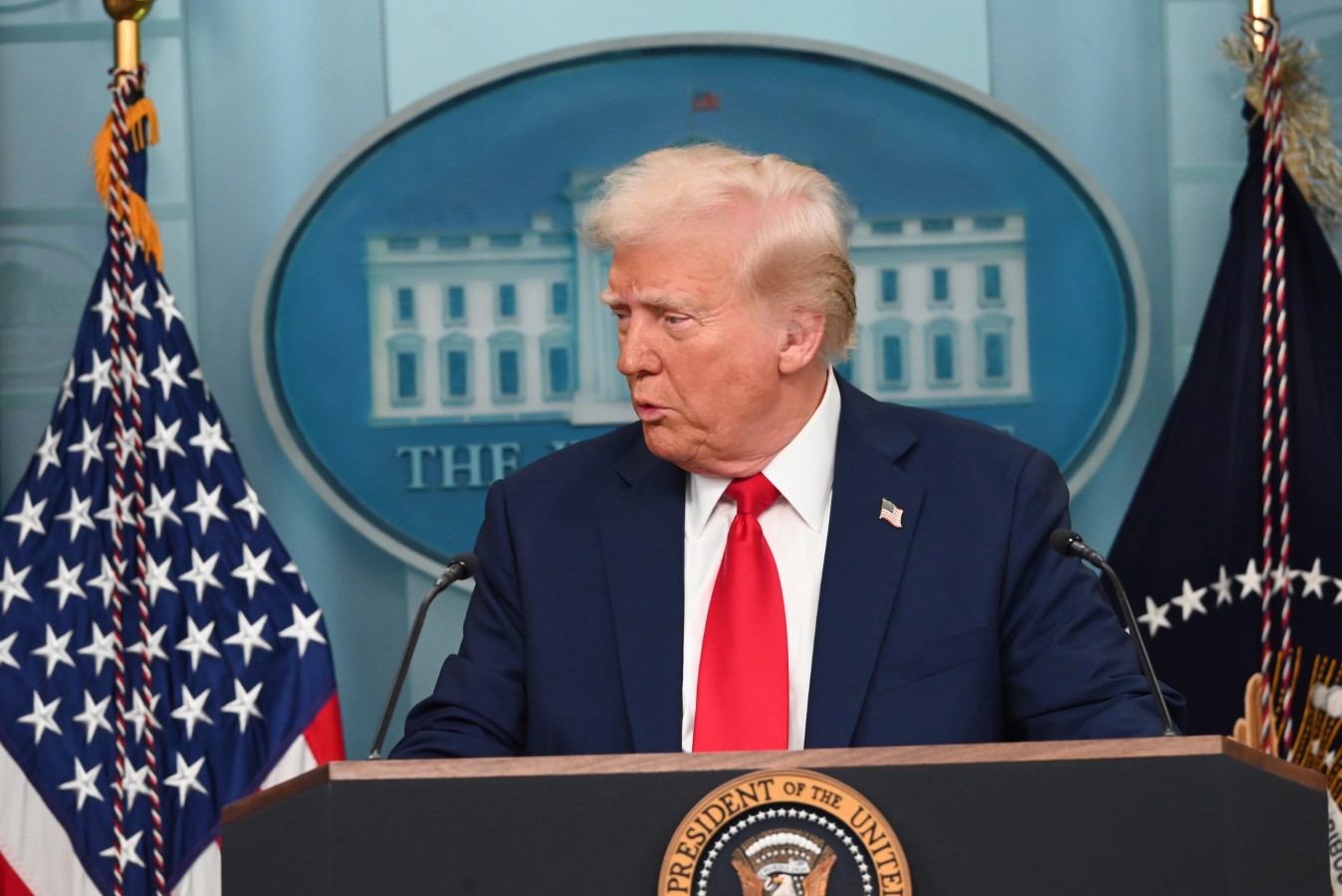
The disagreement over AI has increasingly become a confrontation between congressional Democrats and President Donald Trump’s approach to regulating the technology.
One major point of contention is Trump’s December 2025 executive order seeking to limit state-level AI regulations.
The order directed the Justice Department to establish a task force to challenge certain state AI laws and instructed the Commerce Department to identify regulations the administration considers barriers to AI development. It also sought to make states with targeted AI regulations ineligible for certain federal broadband funding.
Trump argued that a patchwork of state regulations could undermine American competitiveness against China and make it more difficult for companies to innovate.
Democrats countered that the administration was weakening consumer protections and giving technology companies greater freedom to develop increasingly powerful systems without adequate oversight.
Sen. Ed Markey (D-Mass.) was particularly critical of the order, accusing Trump of rewarding the technology companies and billionaires who supported him.
“After months of failed lobbying and two defeats in Congress, Big Tech has finally received the return on its ample investment in Donald Trump. With this Executive Order, Trump is delivering exactly what his billionaire benefactors demanded—all at the expense of our kids, our communities, our workers, and our planet.”
Markey also called the executive order an “indefensible and irresponsible power grab.”
Sen. Chris Murphy (D-Conn.) was similarly critical of the administration’s approach.
“Donald Trump only cares about protecting the profits of his billionaire buddies in the AI industry.”
Murphy and Sen. Brian Schatz (D-Hawaii) introduced the GUARDRAILS Act to reverse Trump’s executive order and prevent the administration from penalizing states for adopting AI safeguards.
Warren has also criticized the administration’s approach, questioning why federal AI policy was increasingly accommodating technology executives rather than addressing the safety and security risks associated with advanced systems.
The dispute illustrates a fundamental difference between the administration and many Democrats. Trump has argued that excessive regulation could weaken America’s ability to compete with China, while Democrats say innovation should not come at the expense of public safety and accountability.
AI and data centers became an election issue as Democrats prepare to take Congress
AI and data-center expansion did not become the most important issue for most voters in the 2026 midterms, but they emerged as significant campaign topics, particularly in communities concerned about electricity prices, water consumption and industrial development.
A Washington Post analysis published in August found that hundreds of candidates for the House, Senate and governor had included AI or data-center policies on their campaign websites. The issue appeared in nearly 40% of the races examined, demonstrating how quickly AI had moved into mainstream political campaigning.
The analysis also found that Democratic candidates were more than twice as likely as Republicans to discuss AI-related issues on their campaign websites.
Data-center opposition became particularly visible in the campaign’s affordability debate. Voters raised concerns about rising electricity bills, water consumption, environmental impacts and the possibility that large technology companies would receive public subsidies while communities absorbed the infrastructure costs.
According to Associated Press reporting after the November 3 election, campaigns spent more than $380 million on television advertisements mentioning data centers. Democrats outspent Republicans on the issue by more than three to one.
The election results also suggested that opposition to unrestricted data-center development had political momentum. Of 34 winning gubernatorial candidates in races where winners had been determined, 32 supported stronger regulation or restrictions on data centers, according to figures cited by AP. Twelve supported bans or moratoriums.
However, data-center regulation was not among the top issues for most voters. Its influence was more pronounced in particular communities and competitive races than across the entire national electorate.
The midterms nevertheless produced a major political shift. Democrats won control of both the House and Senate, marking a significant setback for Trump and Republicans.
House Democrats secured at least 258 seats, according to the Associated Press, giving them a substantial majority. Democrats also secured control of the Senate, although the final size of their majority was still being determined.
The new Congress takes office in January 2027. That means Democrats will have control of both chambers for the final two years of Trump’s current term, giving them considerably more power to investigate the administration, hold hearings and advance legislation on AI.
Democrats prepare a new AI regulatory agenda for January
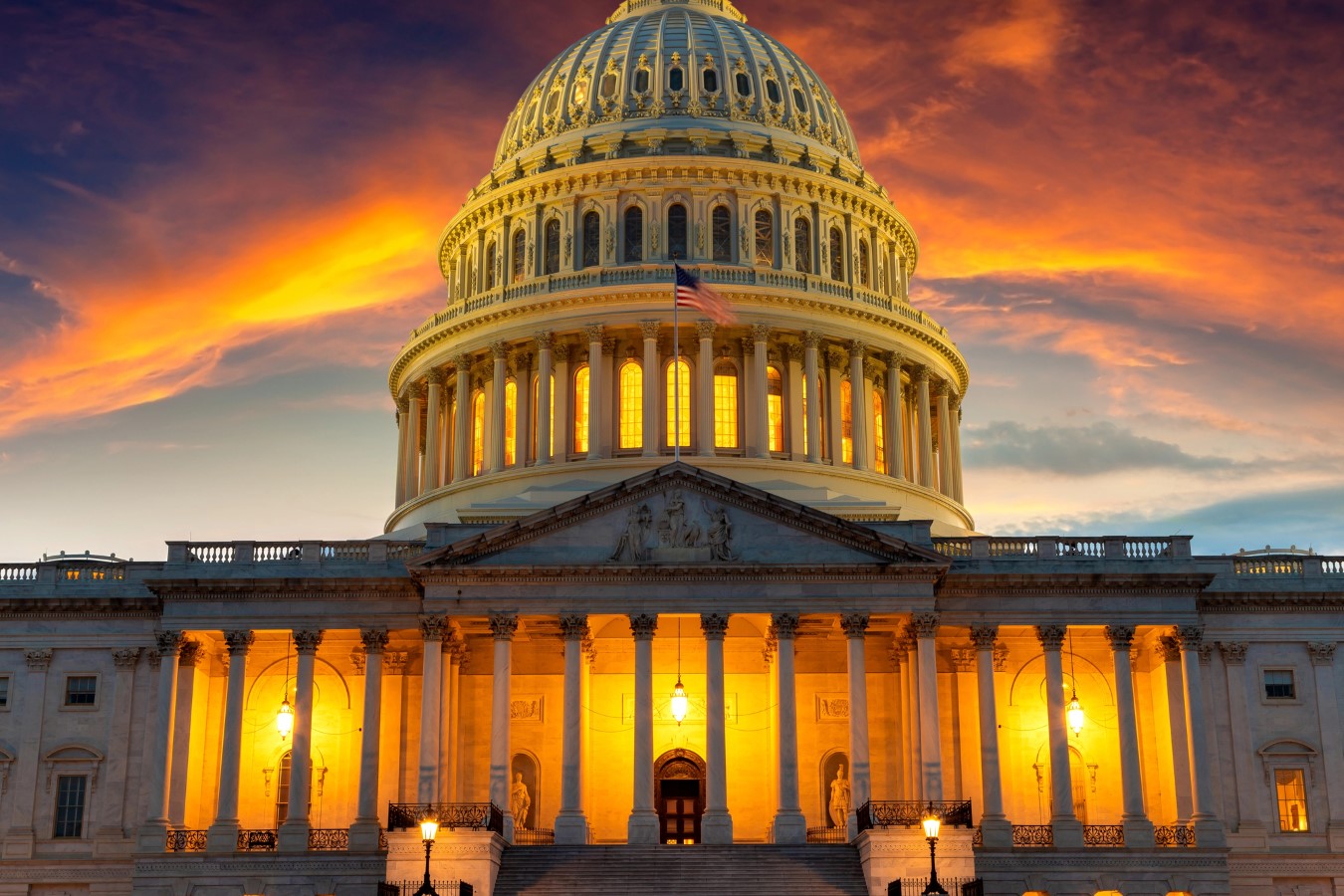
The Democratic victories have already prompted discussions about how the party will use its incoming congressional majorities to address AI.
On November 20, the Associated Press reported that Senate Democrats were debating how to establish stronger AI safeguards once they take control of the chamber in January.
Sen. John Hickenlooper (D-Colo.) proposed creating a select committee on artificial intelligence to consolidate congressional work on the issue.
He argued that the next Senate majority leader should have a “day one plan for responsible regulation” and said lawmakers had not made sufficient progress despite years of discussions about AI safety.
Sen. Chris Van Hollen expressed support for the proposed committee, arguing that AI affects so many different areas of society that a coordinated congressional approach would be useful.
Schumer’s office has also indicated that Senate Democrats are preparing comprehensive legislation addressing national security, workers and consumers while maintaining American technological competitiveness.
The incoming majority could pursue hearings, investigations, safety standards, data-center regulations and legislation requiring greater accountability from technology companies.
Sanders, who is expected to become chairman of the Senate Health, Education, Labor and Pensions Committee, has also indicated that AI must become a priority.
“Congress has been way, way, way behind where it should be in protecting the American people,” Sanders said.
However, Democrats will face significant obstacles. Trump retains his presidential veto, and major legislation would generally require Republican support to overcome it.
There are also disagreements within the Democratic Party over whether the priority should be restricting AI development, regulating data centers, requiring independent safety evaluations or protecting workers from automation.
The November 20 AP report also noted that Republican Sen. Ted Cruz (R-Texas) expressed support for bipartisan discussions about catastrophic AI risks, suggesting that some areas of cooperation could remain possible.
The next two years could determine how America regulates AI

The political debate over AI is entering a new phase. Sanders wants to prohibit artificial superintelligence, Warren is pressing for stronger safeguards and corporate accountability, Ocasio-Cortez wants a moratorium on new data centers, and Schumer is preparing a broader legislative response.
Trump, meanwhile, has maintained that excessive regulation could weaken America’s position in the global AI race. His administration’s approach has drawn criticism from Democrats who argue that technology companies should not be allowed to determine their own safety standards.
The incoming Democratic majorities give those lawmakers a greater opportunity to investigate the industry and advance their proposals. But the party will also have to reconcile different positions on whether to pause development, restrict infrastructure expansion or focus on enforceable safety standards.
The stakes extend beyond Silicon Valley. Electricity bills, employment, national security and the concentration of corporate power are all becoming part of the debate over who benefits from artificial intelligence.
Wang’s warning that humanity could lose control of superintelligent AI has added urgency to those questions. With Democrats preparing to take control of Congress and the 2028 presidential election approaching, AI regulation could become one of the more consequential political and economic battles of the next two years.
Like Financial Freedom Countdown content? Be sure to follow us!

Did you find this article helpful? We’d love to hear your thoughts! Leave a comment with the box on the left-hand side of the screen and share your thoughts.
Also, do you want to stay up-to-date on our latest content?
1. Follow us by clicking the [+ Follow] button above,
2. Give the article a Thumbs Up on the top-left side of the screen.
3. And lastly, if you think this information would benefit your friends and family, don’t hesitate to share it with them!

John Dealbreuin came from a third world country to the US with only $1,000 not knowing anyone; guided by an immigrant dream. In 12 years, he achieved his retirement number.
He started Financial Freedom Countdown to help everyone think differently about their financial challenges and live their best lives. John resides in the San Francisco Bay Area enjoying nature trails and weight training.
Here are his recommended tools
Personal Capital: This is a free tool John uses to track his net worth on a regular basis and as a retirement planner. It also alerts him wrt hidden fees and has a budget tracker included.
Platforms like Yieldstreet provide investment options in art, legal, real estate, structured notes, venture capital, etc. They also have fixed-income portfolios spread across multiple asset classes with a single investment with low minimums of $10,000.