Trump and Elizabeth Warren unite on 10% credit card rate cap as millions of Americans face high-interest debt
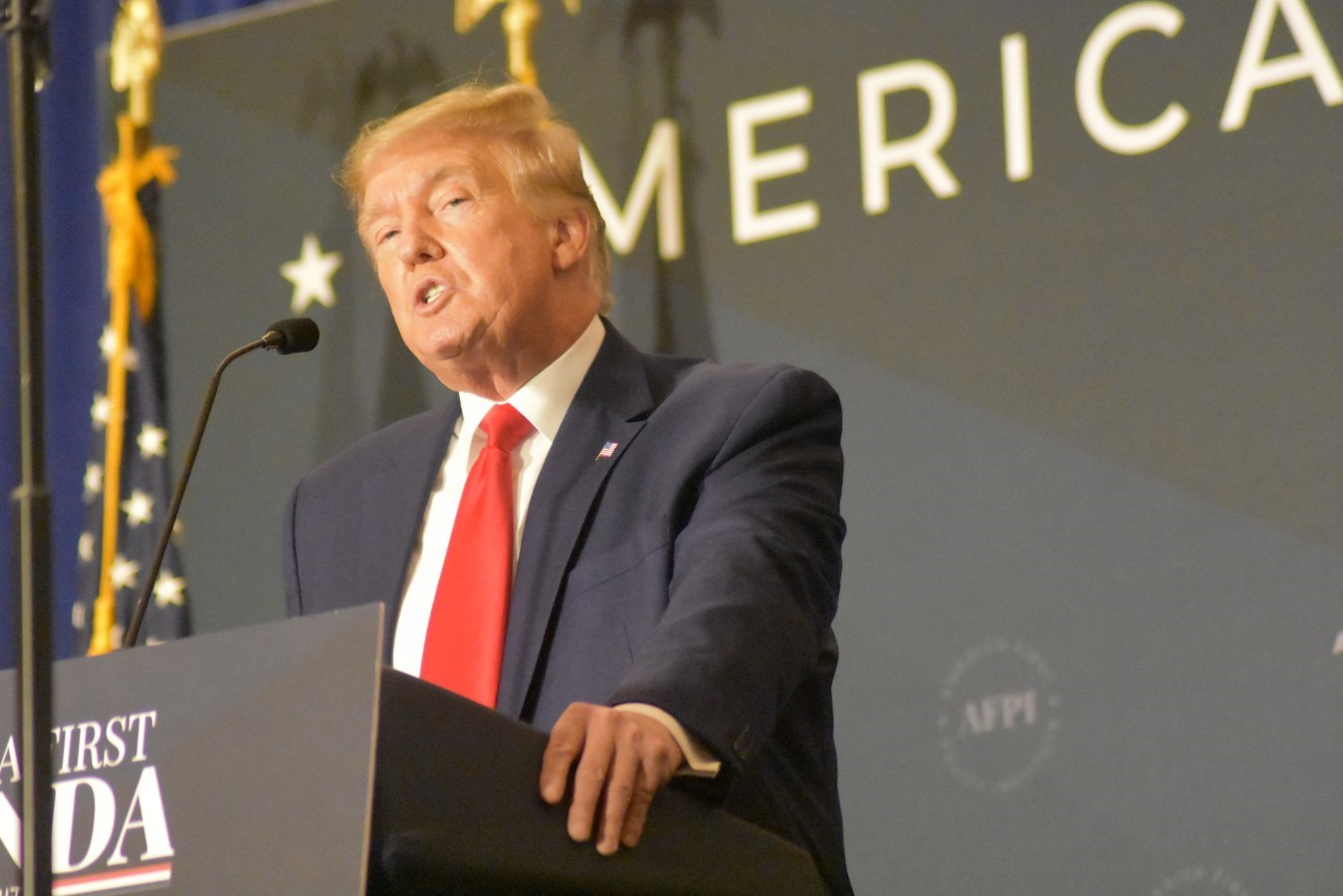
President Donald Trump and Sen. Elizabeth Warren (D-Mass.) are finding rare common ground on a proposal that could reshape how Americans borrow: capping credit card interest rates at 10% for one year. Trump renewed his push for the measure on November 21, drawing an immediate endorsement from Warren, who has spent years demanding tougher action against credit card companies. Their unusual agreement puts a potential financial lifeline for millions of Americans carrying high-interest balances back on the congressional agenda.
But turning the proposal into law could prove considerably harder than agreeing on it. A 10% ceiling could substantially reduce borrowing costs for consumers who carry monthly balances, with estimates suggesting billions of dollars in potential savings. Banks, however, warn that forcing down interest rates could lead to tighter lending standards, lower credit limits, fewer rewards and higher fees. The debate now centers on whether Washington can deliver meaningful consumer relief without making credit harder or more expensive to obtain.
Trump and Warren find common ground on credit card interest rates
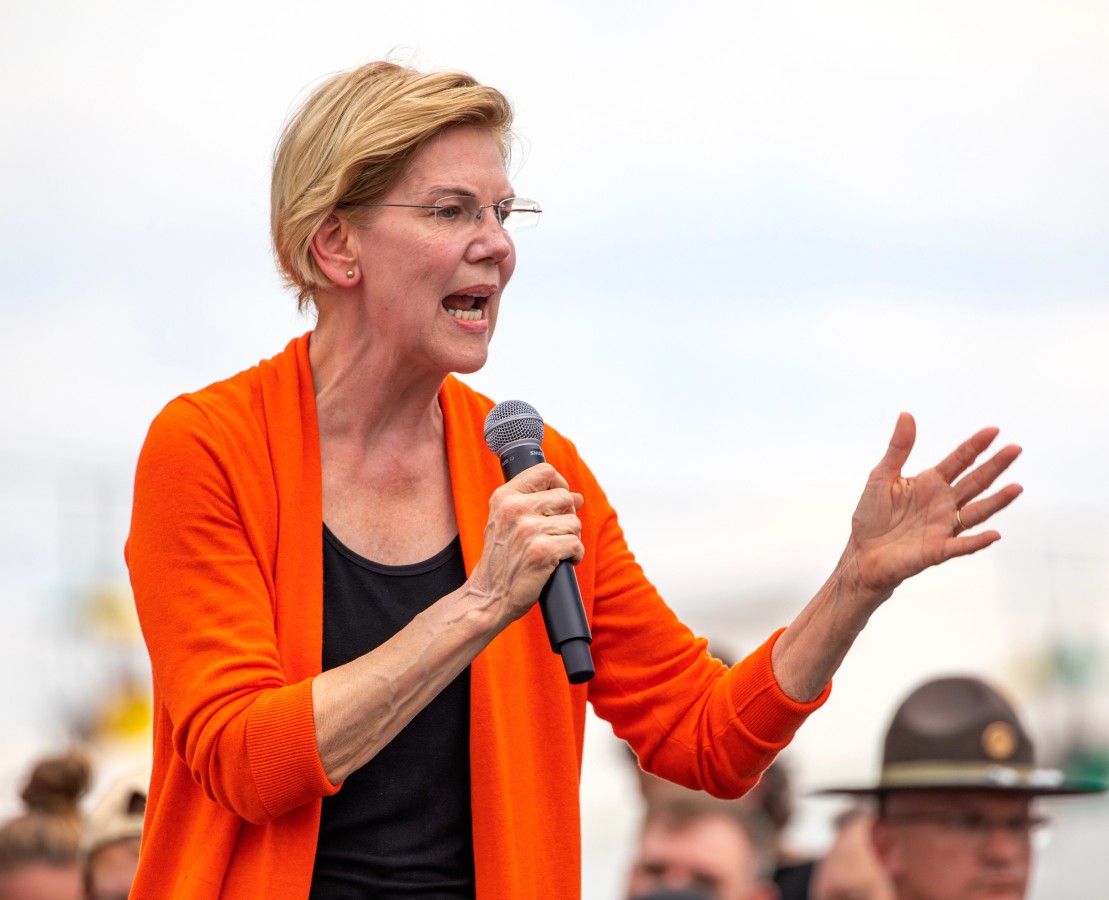
Trump’s latest comments have brought him back to an issue that has attracted support from both progressive Democrats and some Republicans, despite opposition from the banking industry.
Speaking to Fox News Channel’s Saturday in America on November 21, Trump said he was willing to work with the incoming Democratic Congress to establish a one-year cap on credit card interest rates.
“I would do it. These credit card companies have made a lot,” Trump told Fox News.
He also challenged the argument that restricting interest rates would undermine free enterprise, questioning why credit card companies should be allowed to impose charges that consumers struggle to afford.
“When you’re sitting home and you get a bill that some guy set up in an office on Park Avenue and they said, let’s charge a fee that’s too high. So I’m all for that.”
Warren responded on November 21 with a short but unequivocal message on X: “Let’s cap credit card interest rates and save Americans money.”
The exchange is politically significant. Trump had previously failed to advance the proposal when Republicans controlled Congress, largely because of opposition from financial institutions and limited enthusiasm among Republican lawmakers. With Democrats expected to control both chambers in January, the proposal could receive another legislative opportunity.
Trump’s 10% proposal dates back to his 2024 presidential campaign

The president’s latest remarks are not a new policy announcement. Trump first made the proposal during the 2024 presidential campaign, presenting a temporary interest-rate ceiling as a way to help Americans struggling with inflation and expensive consumer debt.
On September 18, 2024, during a campaign rally in Uniondale, New York, Trump said: “And while working Americans catch up, we’re going to put a temporary cap on credit card interest rates.”
He subsequently specified the proposed ceiling, saying: “We’re going to cap it at around 10%. We can’t let them make 25% and 30%.”
Trump repeated the promise at a September 21, 2024, rally in Wilmington, North Carolina, and at other campaign appearances.
At a September 24 rally in Savannah, Georgia, he again connected the proposal to household affordability, saying Americans should not have to pay interest rates of 22% or 25% simply because they cannot afford to pay off their balances.
The proposal became one of his consumer-affordability pledges, but it did not translate into legislation during his first year back in the White House. That failure became a recurring point of criticism from Democrats, including Warren.
Trump renewed the promise in January but failed to deliver a cap

Trump revived the proposal on January 9, 2026, through a Truth Social post calling for a one-year cap of 10%, effective January 20.
He wrote:
“Please be informed that we will no longer let the American Public be “ripped off” by Credit Card Companies that are charging Interest Rates of 20 to 30%, and even more, which festered unimpeded during the Sleepy Joe Biden Administration. AFFORDABILITY! Effective January 20, 2026, I, as President of the United States, am calling for a one year cap on Credit Card Interest Rates of 10%.”
However, announcing a desired ceiling was not the same as establishing one.
Trump did not provide a legal mechanism for compelling private credit card issuers to comply. On January 11, when reporters asked what would happen if companies refused, he suggested they would be violating the law. But no federal law establishing the proposed 10% ceiling existed.
PolitiFact’s January 12 fact-check explained that a president cannot simply create a binding interest-rate restriction on private-sector lenders through an announcement. Legislation would be needed to establish a durable nationwide requirement.
The January deadline passed without a nationwide cap. Banks did not implement the proposed limit, and congressional efforts failed to advance.
This left Trump vulnerable to criticism that he had promised immediate affordability relief without securing the necessary legislative support.
Warren supported Trump’s proposal before he took office
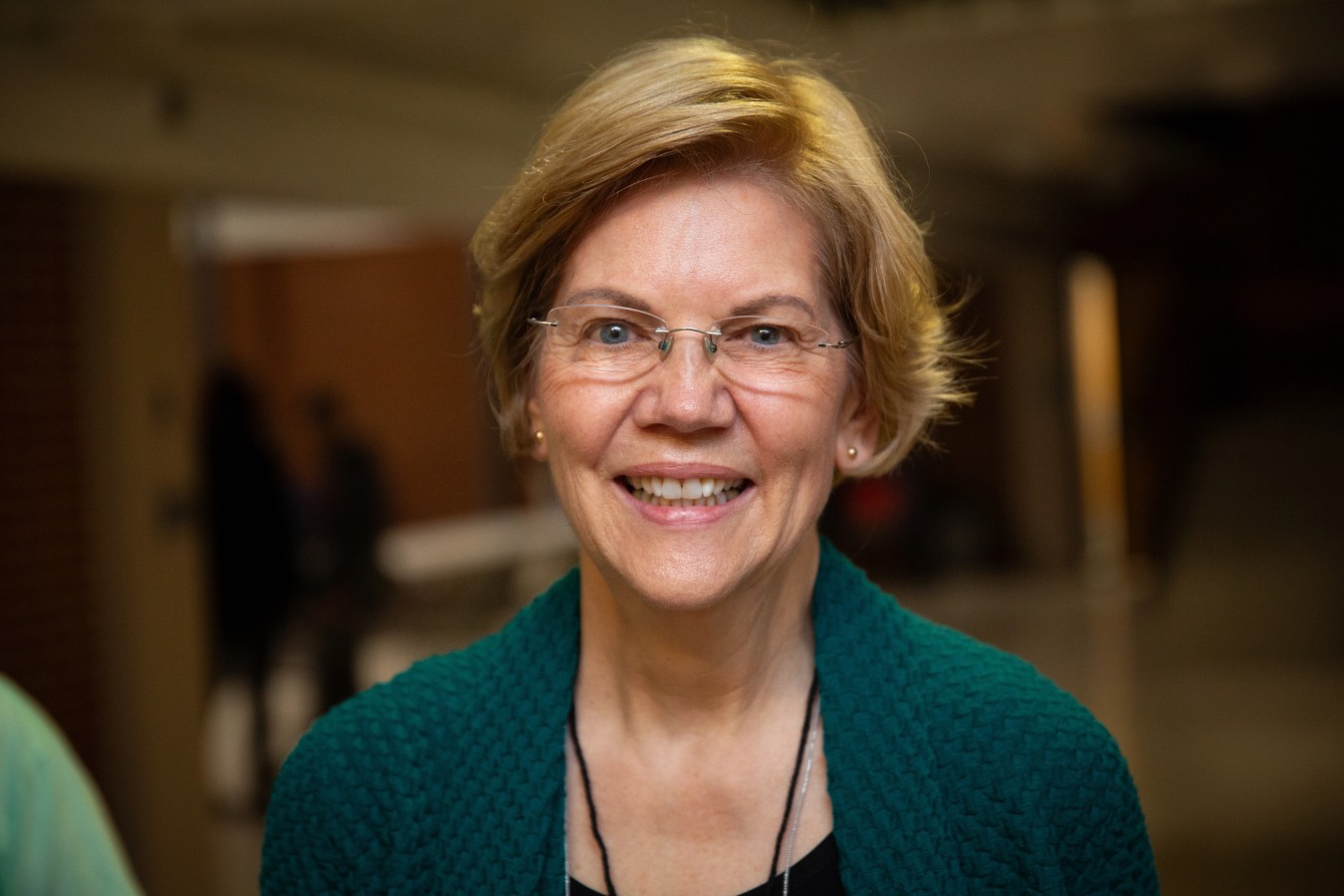
Warren’s support for the idea predates Trump’s January 2026 announcement and illustrates why the two politicians have found common ground on this particular issue.
On December 12, 2024, shortly after Trump’s election victory, Warren used a Senate Banking Committee hearing to urge the incoming president to follow through on his campaign promise. She argued that the Consumer Financial Protection Bureau (CFPB) could help enforce a 10% ceiling.
Warren said average credit card interest rates had nearly doubled over the previous decade, rising from approximately 13% in 2013 to 23% in 2024. She also argued that relatively small increases in the rates charged by major credit card companies were adding substantially to household borrowing costs.
At the hearing, she told CFPB Director Rohit Chopra that Trump’s proposal represented the kind of structural change that could make a meaningful difference to American families.
Her position was also consistent with her broader criticism of the financial industry. Warren has repeatedly argued that consumers face excessive charges while major financial institutions benefit from products that are difficult for households to avoid.
The political relationship became more complicated after Trump’s January 9, 2026, announcement. Warren criticized his approach, writing:
“Begging credit card companies to play nice is a joke. I said a year ago if Trump was serious I’d work to pass a bill to cap rates. Since then, he’s done nothing but try to shut down the CFPB.
“Trump doesn’t care about affordability. Americans know a fraud when they see one.”
On January 12, 2026, Warren disclosed that Trump had called her following a speech on affordability. She said she told him directly that Congress could pass legislation to cap credit card rates if he would actively support it.
Her position was therefore not simply an endorsement of Trump’s latest remarks. She has consistently argued that the president must use his influence to secure legislation rather than rely on voluntary cooperation from lenders.
The 2026 State of the Union did not deliver a new commitment
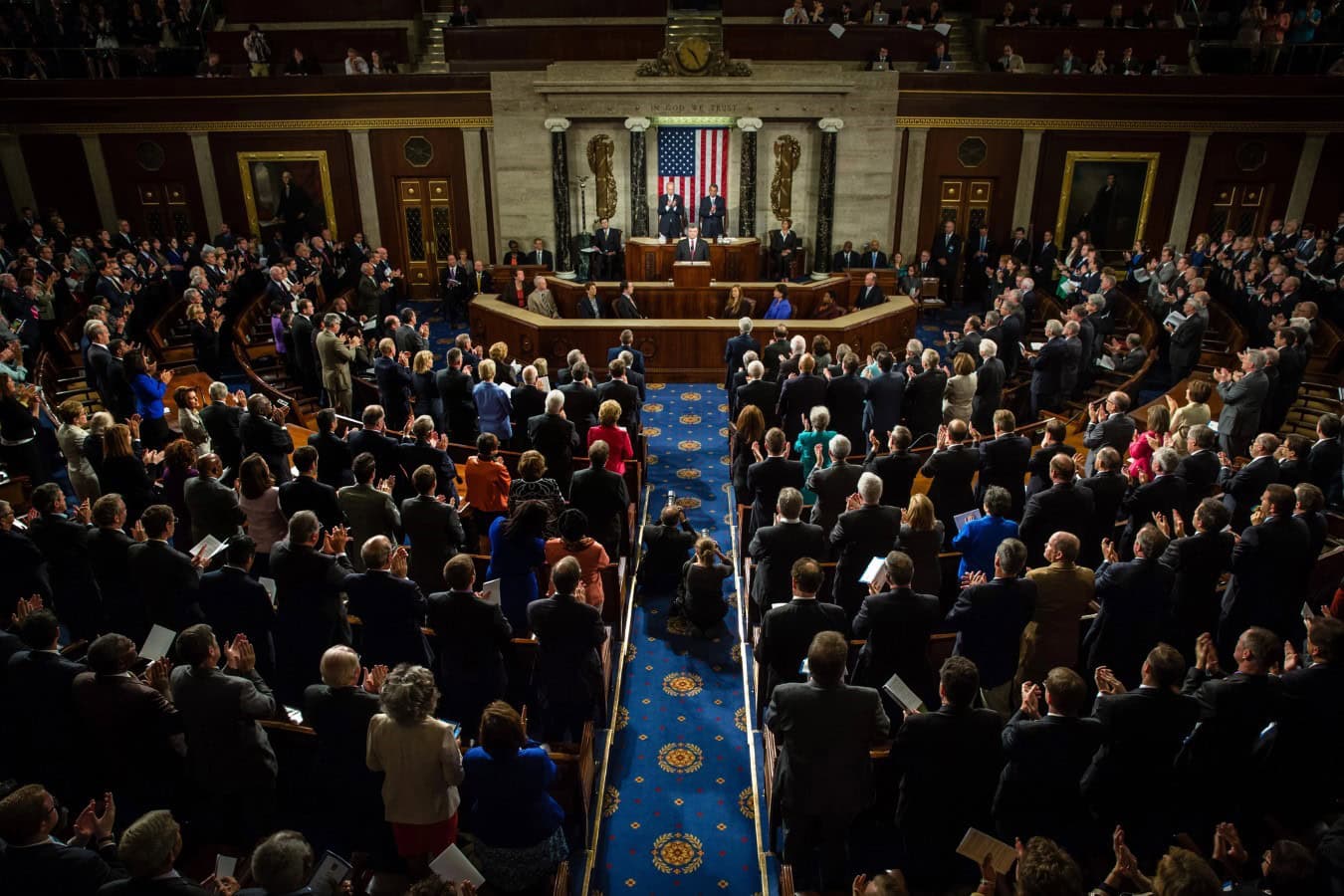
Despite making affordability a prominent theme of his administration, Trump did not use his February 24, 2026, State of the Union address to announce a new credit card interest-rate cap or outline a legislative strategy for implementing the proposal.
The address covered a range of economic issues, including inflation, taxes, energy prices, investment and household expenses. However, the credit card rate proposal did not become a featured policy commitment in the speech.
That omission is relevant because the January announcement had generated considerable attention, but the administration did not follow it with a legislative push that secured the proposed ceiling.
Warren continued pressing the issue. On April 28, 2026, she sent a letter to the Federal Reserve, the Office of the Comptroller of the Currency and the Federal Deposit Insurance Corporation, asking whether regulators intended to enforce Trump’s purported 10% cap or considered the directive legally unenforceable.
She wrote that the president’s deadline had passed and that Americans were still facing average credit card interest rates of approximately 25%.
The episode illustrates the difference between a political promise and an enforceable consumer protection. Without legislation, the president’s announcement could not compel private lenders to change their contractual interest rates.
How much could Americans save under a 10% interest-rate cap?

The financial stakes are substantial because Americans are carrying more than $1 trillion in credit card debt, while interest charges have become a significant expense for households that do not pay their balances in full each month.
The Consumer Financial Protection Bureau’s 2025 credit card market report found that consumers paid more than $160 billion in credit card interest during 2024, up from $105 billion in 2022.
The report also found that average annual percentage rates (APRs) reached 25.2% for general-purpose credit cards and 31.3% for private-label cards in 2024.
A 10% ceiling would therefore represent a considerable reduction for many borrowers.
Consider someone carrying a $5,000 credit card balance without making additional purchases or paying down the principal.
At a 10% rate, the borrower would pay approximately $50 less in monthly interest than at 22%, or about $600 less annually if the balance remained unchanged.
At 25%, the annual difference would be approximately $750.
Research cited in the November 21 Associated Press report estimates that a 10% cap could save Americans approximately $100 billion annually in interest payments. That would represent a substantial transfer of financial benefits toward borrowers, although actual savings would depend on outstanding balances, eligibility and how lenders adjusted their products.
The potential relief is particularly significant for households that regularly carry balances to cover groceries, utilities, medical expenses and other necessities.
However, the savings would not be distributed equally. Consumers who pay their entire credit card balance every month generally do not incur purchase interest, so the immediate benefit would be concentrated among borrowers who revolve balances.
Banks warn that a 10% ceiling could restrict access to credit

The banking industry has strongly opposed the proposal, arguing that a government-imposed ceiling would interfere with how lenders assess risk and price credit.
On January 10, 2026, the American Bankers Association and four other banking associations issued a joint statement responding to Trump’s announcement.
The groups said they shared the administration’s objective of expanding access to affordable credit but warned that a 10% cap could have the opposite effect.
Their statement said:
“At the same time, evidence shows that a 10% interest rate cap would reduce credit availability and be devastating for millions of American families and small business owners who rely on and value their credit cards, the very consumers this proposal intends to help,” they said. “If enacted, this cap would only drive consumers toward less regulated, more costly alternatives.”
The industry’s central argument is that credit card interest rates reflect more than profits. Lenders must account for defaults, operating expenses, funding costs and the risk associated with extending unsecured credit.
Unlike mortgages or auto loans, most credit card borrowing is not backed by collateral. If a borrower defaults, the lender may have limited options for recovering the money.
Banks therefore use risk-based pricing, charging higher rates to customers with weaker credit histories or greater probabilities of default.
If the government restricts rates to 10%, lenders could decide that some accounts are no longer profitable enough to maintain. They might respond by reducing credit limits, tightening approval requirements or withdrawing certain products.
That could be especially challenging for people with limited credit histories, lower credit scores or irregular incomes.
The industry also argues that consumers who lose access to conventional credit could turn to payday lenders or other expensive alternatives, potentially leaving them worse off.
The benefits could come with fewer rewards and higher fees

Even consumers who retain their credit cards might not escape the consequences of a strict interest-rate ceiling.
Credit card companies generate revenue from several sources, including interest payments, annual fees, transaction fees and other charges. Interest income, however, is particularly important for accounts that regularly carry balances.
If lenders cannot charge more than 10%, they could attempt to recover some lost revenue through other parts of their business.
Potential responses include:
Reducing cash-back percentages and travel rewards.
Increasing annual fees or other account charges.
Eliminating promotional offers and introductory benefits.
Reducing credit limits for customers considered higher risk.
Tightening underwriting standards for new applicants.
Rewards programs are particularly relevant because they are often funded through a combination of interchange revenue and other card-related income. A lower interest ceiling could make some premium rewards products less attractive for issuers, particularly when combined with other regulatory restrictions.
There is also a potential distinction between borrowers who carry balances and those who pay their cards in full. The latter group may benefit less from an interest-rate cap while potentially losing some of the rewards and perks they currently receive.
The Congressional Research Service has examined these potential consequences. Its March 2026 report on credit card interest-rate caps notes that lenders could respond to restrictions by limiting credit products or adding fees to compensate for reduced interest revenue.
The report also cautions that reduced access to conventional credit could push some borrowers toward financial products with higher costs and fewer consumer protections.
However, the outcome is not inevitable. Lenders could absorb some of the reduction in interest income through lower profits, improved efficiency or changes to their product offerings rather than passing the entire cost to consumers.

There is an interesting historical contrast in the debate over who should bear the cost of consumer borrowing.
Before the Tax Reform Act of 1986, Americans who itemized deductions could generally deduct interest paid on personal borrowing, including credit card balances, auto loans and other consumer debt. In effect, the federal government shared part of the borrowing cost by allowing eligible taxpayers to reduce their taxable income.
Congress subsequently phased out that deduction over five years. The deduction for personal interest was reduced to 65% in 1987, 40% in 1988, 20% in 1989 and 10% in 1990. It was eliminated entirely beginning in 1991.
The change reflected concerns that tax deductions encouraged consumer borrowing and disproportionately benefited higher-income households that were more likely to itemize deductions.
The historical comparison is important because it highlights two very different approaches to reducing the cost of borrowing.
Under the former tax deduction, the government effectively absorbed part of the cost through forgone tax revenue. The benefit was not available equally to all borrowers, and taxpayers who did not itemize generally did not receive it.
Under Trump’s proposed 10% ceiling, however, the federal government would not directly subsidize borrowers or reimburse banks for the difference. Instead, credit card issuers would be legally restricted from charging interest above the prescribed rate.
In other words, the immediate financial burden would fall primarily on lenders rather than the federal budget.
That is also why the banking industry’s opposition matters. The proposal is not simply about lowering a number on a credit card statement. It would require financial institutions to change how they price risk and potentially accept lower returns on certain accounts.
Congress could give the proposal another chance in January
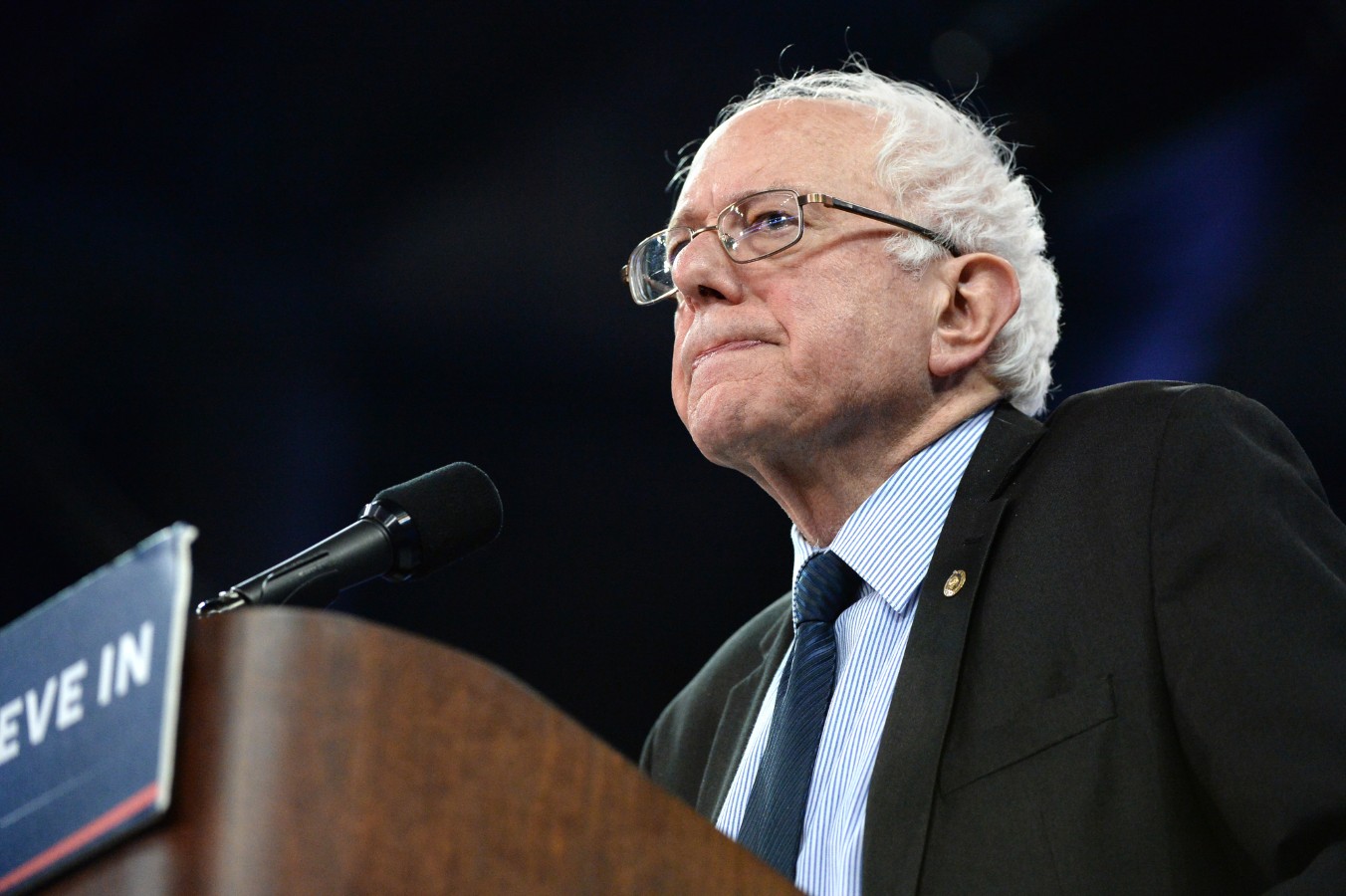
The latest political developments could make the next congressional session particularly important.
Trump’s renewed willingness to work with Democrats comes as the incoming Congress prepares to take office in January. Warren, who is expected to chair the Senate Banking Committee, would have a potentially influential position in shaping financial legislation.
There is already bipartisan legislative groundwork.
Sen. Josh Hawley (R-Mo.) and Sen. Bernie Sanders (I-Vt.) have previously supported legislation seeking to limit credit card interest rates to 10%.
In the 119th Congress, S. 381 and its House counterpart, H.R. 1944, proposed a 10% ceiling on credit card annual percentage rates through January 2031.
The proposals demonstrate that the idea has attracted support beyond the traditional Democratic coalition. However, the legislation has not advanced sufficiently to establish a nationwide cap.
Warren has also made clear that she wants Trump to actively support congressional action rather than simply ask financial institutions to voluntarily reduce their rates.
The president’s latest comments could give lawmakers an opportunity to revisit the issue, although bipartisan support does not guarantee passage. Banking industry lobbying, disagreements over implementation and concerns about access to credit could complicate negotiations.
The bigger question is whether banks or borrowers should absorb the cost
Trump and Warren may agree that credit card interest rates have become excessive, but the debate over a 10% ceiling raises a much broader economic question: Who should pay for making consumer credit more affordable?
Supporters argue that credit card companies have benefited from high interest rates while millions of Americans struggle with revolving debt. They believe a temporary ceiling could provide immediate relief to households without requiring taxpayers to finance a government subsidy.
The potential $100 billion in annual interest savings cited by researchers makes the proposal particularly attractive to consumer advocates.
Banks, meanwhile, argue that a ceiling set substantially below prevailing market rates could make lending uneconomical for certain borrowers. If lenders respond by restricting credit, increasing fees or eliminating rewards, some of the savings could be offset by other costs.
There is also a distinction between helping people who already have credit card debt and ensuring that Americans can continue accessing credit when they need it. A policy that reduces interest payments for existing borrowers but makes it harder for lower-income households to qualify for cards could produce mixed results.
The historical elimination of the personal interest deduction offers another perspective. Washington previously decided that taxpayers should no longer subsidize ordinary consumer borrowing through the tax code. Trump’s proposal would take a different approach by requiring lenders themselves to absorb at least part of the adjustment.
For now, the renewed Trump-Warren agreement has reopened a debate that neither party managed to resolve during the previous congressional session. Whether the incoming Congress can turn their shared position into enforceable legislation will determine whether the proposed 10% ceiling becomes meaningful financial relief or another unfulfilled affordability promise.
Like Financial Freedom Countdown content? Be sure to follow us!
Did you find this article helpful? We’d love to hear your thoughts! Leave a comment with the box on the left-hand side of the screen and share your thoughts.
Also, do you want to stay up-to-date on our latest content?
1. Follow us by clicking the [+ Follow] button above,
2. Give the article a Thumbs Up on the top-left side of the screen.
3. And lastly, if you think this information would benefit your friends and family, don’t hesitate to share it with them!

John Dealbreuin came from a third world country to the US with only $1,000 not knowing anyone; guided by an immigrant dream. In 12 years, he achieved his retirement number.
He started Financial Freedom Countdown to help everyone think differently about their financial challenges and live their best lives. John resides in the San Francisco Bay Area enjoying nature trails and weight training.
Here are his recommended tools
Personal Capital: This is a free tool John uses to track his net worth on a regular basis and as a retirement planner. It also alerts him wrt hidden fees and has a budget tracker included.
Platforms like Yieldstreet provide investment options in art, legal, real estate, structured notes, venture capital, etc. They also have fixed-income portfolios spread across multiple asset classes with a single investment with low minimums of $10,000.