Bernie Sanders says Trump ‘lied’ about 10% credit card rate cap as banks earn billions from high interest
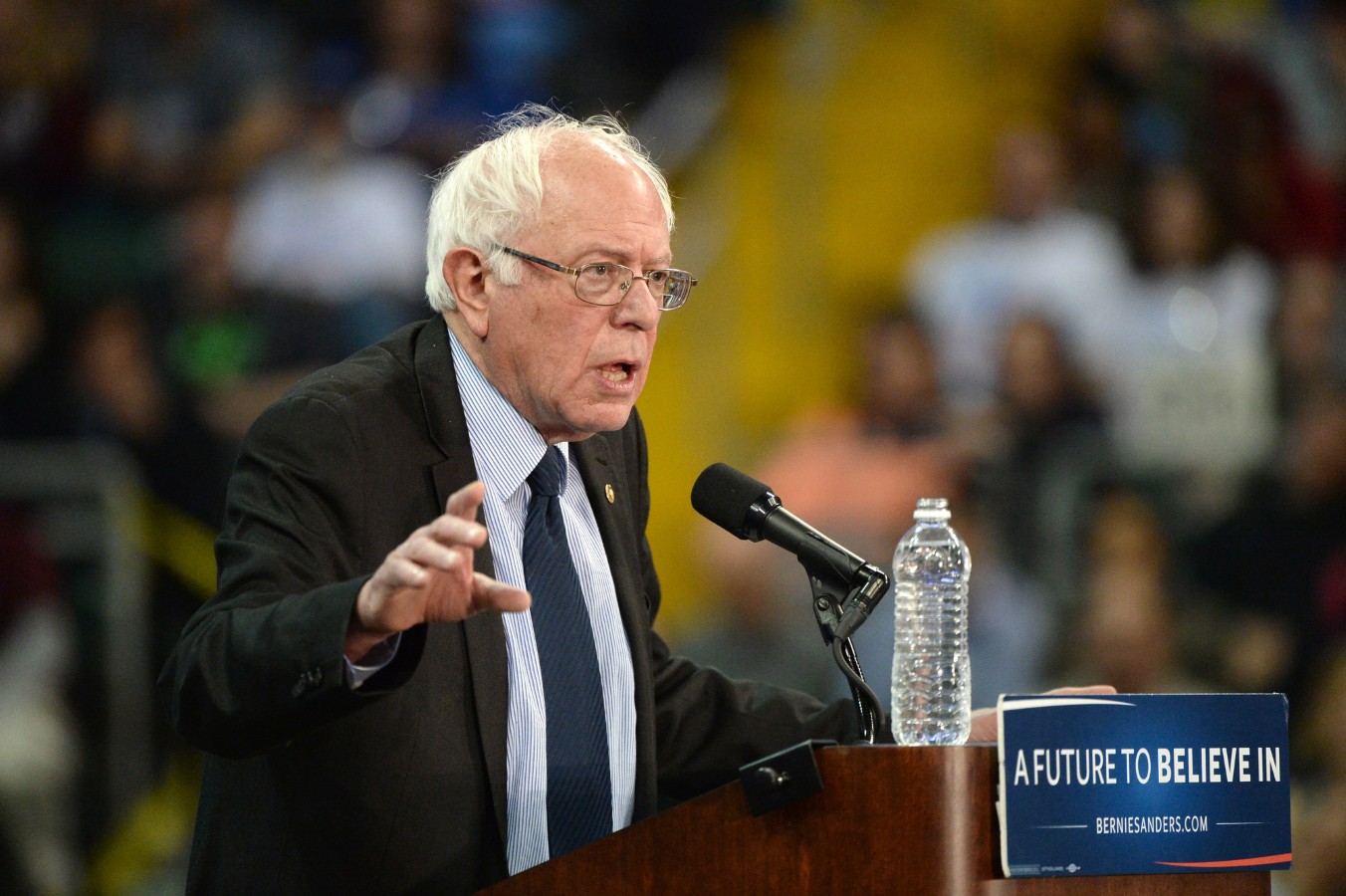
President Donald Trump’s proposal to cap credit card interest rates at 10% once looked like one of the few economic policies capable of winning support from both Republicans and Democrats. Sen. Elizabeth Warren praised the idea almost immediately, while Sen. Bernie Sanders joined forces with Republican Sen. Josh Hawley to introduce legislation that would make such a cap law.
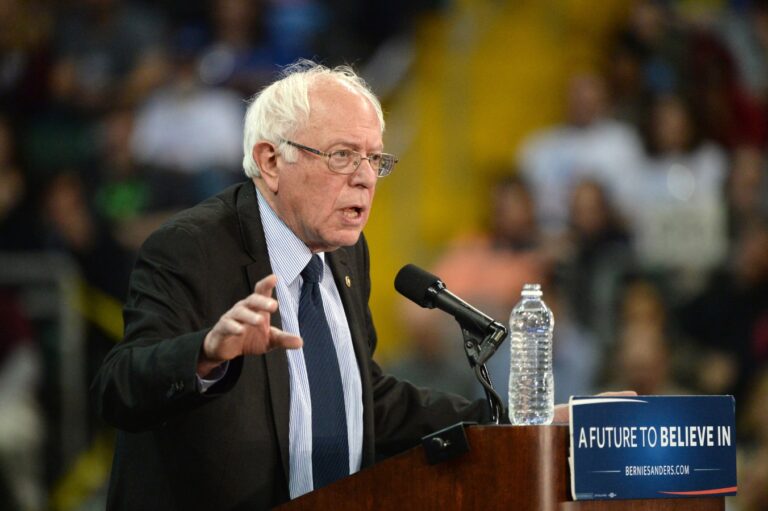
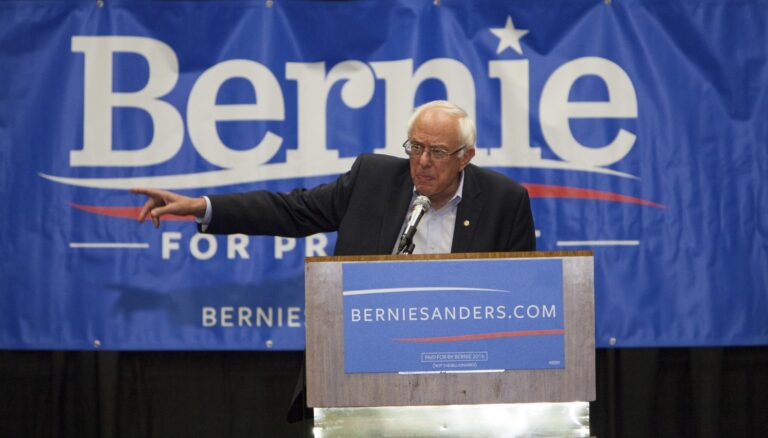
More than six months after Trump first pushed the proposal, however, no nationwide cap has been implemented. That prompted Sanders to accuse the president this week of breaking his promise while major banks continue to generate billions of dollars in profits from high-interest credit card lending.
On July 15, 2026, Sanders sharply criticized Trump in a post on X, arguing that the administration never followed through on its pledge despite repeatedly promoting a 10% interest-rate cap.
“Trump promised to cap credit card interest rates at 10%.
He lied.
Last quarter, while working people struggle to pay their bills, big banks made a $49 billion profit charging 25-30% credit card interest rates.
We must take on the outrageous greed and usury of Wall Street.”
Sanders’ criticism came as major U.S. banks reported another strong earnings season, fueled in part by continued consumer borrowing.
Trump’s proposal evolved over several months

Trump first raised the issue on January 9, 2026, when he posted on Truth Social urging banks and credit card companies to voluntarily cap interest rates at 10%. He suggested the limit should take effect by January 20, the first anniversary of his second inauguration.
Three days later, on January 12, Trump doubled down while speaking with reporters aboard Air Force One, saying lenders would be violating the law if they refused to comply with the proposed cap.
The administration’s approach shifted again on January 21, when Trump addressed the World Economic Forum in Davos, Switzerland. Rather than urging banks to act voluntarily, he called on Congress to pass legislation establishing a temporary 10% nationwide cap on credit card interest rates.
Despite those announcements, Congress has not enacted the proposal and no federal interest-rate cap has taken effect.
Warren backed the idea before Trump returned to office
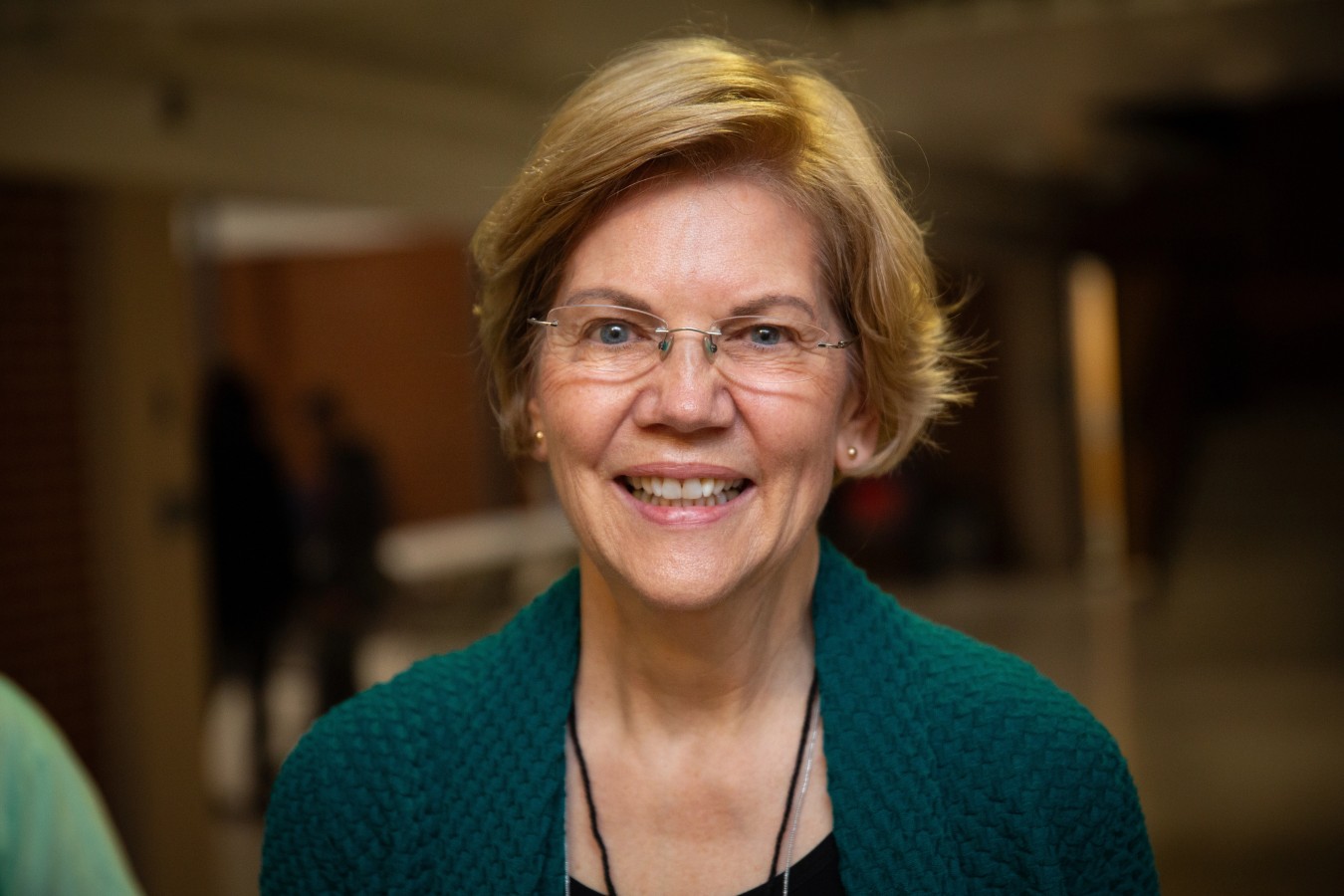
Although Warren is one of Trump’s fiercest political critics, she has consistently supported a federal cap on credit card interest rates.
On November 20, 2024, shortly after Trump proposed the idea during the presidential campaign, Warren welcomed the proposal.
“Bring it on,” she told reporters, later adding on social media that if Trump wanted to take on the credit card industry, he could “count me in.”
Her support reflected a long-standing policy position. Warren has argued for years that excessive credit card interest rates trap families in debt while generating enormous profits for financial institutions.
The issue resurfaced on January 12, 2026, after Warren delivered a speech criticizing Trump’s record on affordability.
In her remarks, Warren argued that despite campaign promises to lower costs, Americans continued to face high borrowing costs and expensive housing.
She challenged Trump to use his political influence to push Congress into action if he truly wanted to reduce costs for consumers.
Shortly after the speech, Trump called Warren.
According to Warren, she encouraged the president to move beyond public statements and work with lawmakers.
“I told him that Congress can pass legislation to cap credit card rates if he will actually fight for it,” Warren said after the call.
Speaking to CNBC, Warren summarized her message to Trump simply: “Great, let’s get something done.”
A White House official confirmed the conversation took place and described it as “productive,” saying the discussion focused on credit card interest rates and housing affordability.
Sanders had already introduced legislation with Hawley
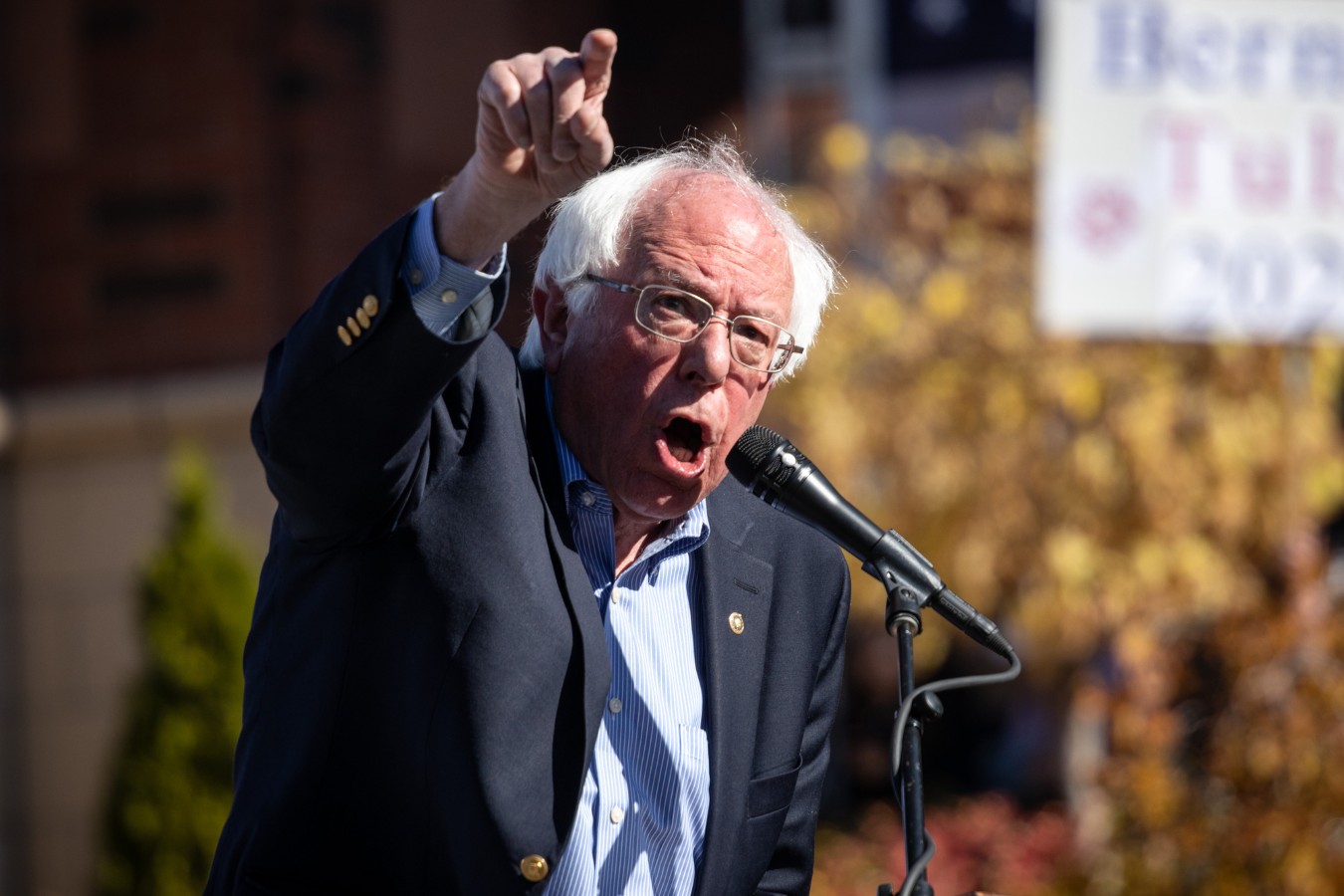
Well before Trump’s January 2026 push, Sanders was working on his own legislative solution.
On February 4, 2025, Sanders partnered with Republican Sen. Josh Hawley to introduce S.381, the 10 Percent Credit Card Interest Rate Cap Act.
The bipartisan bill proposed capping credit card interest rates at 10% for five years, significantly longer than Trump’s one-year proposal.
Although the legislation attracted attention because it united progressive and conservative lawmakers, it has not advanced into law.
Sanders criticism comes as major banks have reported record earnings in the last few weeks. JPMorgan reported one of the strongest quarters in its history.
JPMorgan reported second-quarter net income of $21.2 billion, or $7.70 per share, helped by a $4.6 billion gain on its Visa stake.
Excluding one-time items, the bank earned $16.9 billion, or $6.14 per share, comfortably ahead of Wall Street expectations of roughly $5.80 per share. Managed revenue reached $58 billion, also exceeding analyst estimates. JPMorgan’s consumer banking division generated $20.3 billion in revenue during the quarter, an 8% increase from a year earlier.
The bank said every major business line produced record revenue during the quarter. Its markets division posted 35% revenue growth compared with a year earlier, while equities trading revenue surged 86% as clients remained active amid volatile financial markets.
Goldman Sachs also delivered a blowout quarter. Goldman Sachs reported equally impressive results, earning $6.63 billion, or diluted earnings of $20.98 per share, a 92% increase from a year ago and well ahead of analyst expectations.
Revenue climbed 39% year over year to $20.34 billion, while banking and markets revenue jumped 53% from the same quarter last year.
The bank also benefited from a surge in mergers, acquisitions and capital markets activity.
Bank of America also reported stronger-than-expected consumer spending, rising deposits and growing investment balances. Wells Fargo similarly pointed to improving consumer activity.
“Consumer spending is higher, charge-offs and delinquencies are lower, and savings and investments are growing across consumer segments,” Wells Fargo CEO Charlie Scharf said.
Sanders initially praised Trump before criticizing him

Sanders was not always critical of Trump’s proposal.
On February 2, 2026, Sanders wrote in a Senate opinion piece that “Trump is right” about limiting credit card interest rates to 10%.
However, Sanders argued that Trump’s proposal was too limited because it envisioned only a one-year cap.
He described the administration’s approach as a “bait and switch,” arguing that only legislation passed by Congress could provide lasting relief for consumers.
By July, Sanders had shifted from criticizing the structure of Trump’s proposal to accusing the president of abandoning it altogether.
Americans continue paying historically high interest rates

The political debate comes as consumers continue carrying near-record levels of credit card debt.
Americans owed approximately $1.25 trillion in credit card balances during the first quarter of 2026. While slightly below the record $1.28 trillion reached at the end of 2025, outstanding balances remain roughly 63% higher than five years ago.
Federal Reserve data showed the average interest rate charged on credit card accounts assessed interest reached 22.15% in May, more than double Trump’s proposed 10% ceiling.
An Urban Institute study also found that an increasing number of Americans are relying on credit cards to pay for everyday necessities such as groceries, with many unable to pay off their balances each month.
Banks argue a rate cap would reduce access to credit
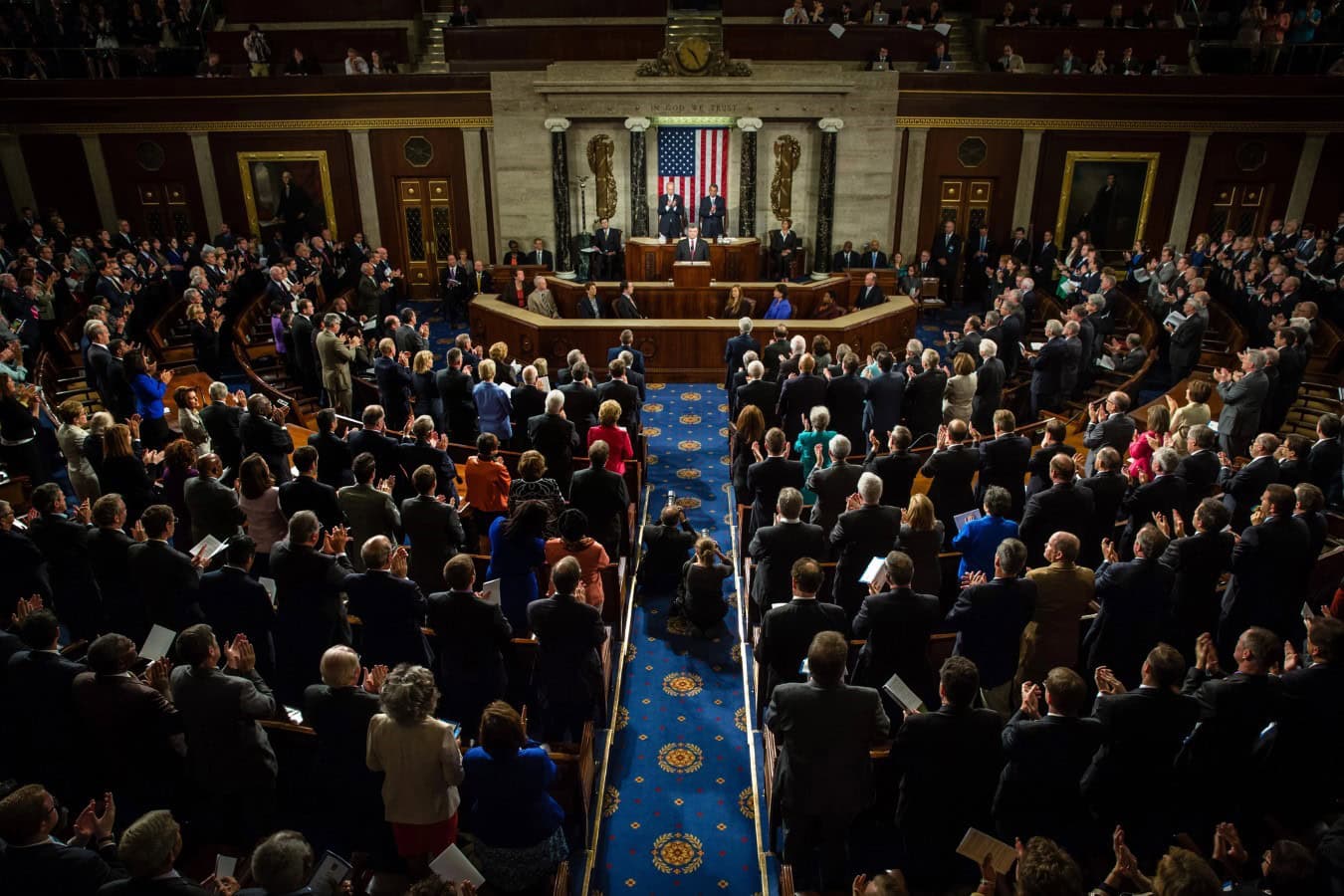
The banking industry has consistently opposed mandatory interest-rate caps.
Industry groups, including the American Bankers Association, argue that forcing lenders to charge no more than 10% would significantly reduce credit availability, particularly for borrowers with weaker credit histories and many small businesses.
Financial institutions contend that higher interest rates help offset lending risks and that strict caps could result in fewer consumers qualifying for credit cards.
Those concerns resurfaced after Trump revived the proposal earlier this year, contributing to declines in bank stocks following his announcement.
The proposal still faces steep political hurdles. Although Trump has publicly endorsed a nationwide cap, passing legislation remains a difficult challenge.
Republicans control Congress, but only a handful; including Hawley and Rep. Anna Paulina Luna; have publicly backed interest-rate limits.
Many Republicans remain skeptical of government-imposed price controls, while banking groups continue lobbying against the proposal.
Without broader bipartisan support, any nationwide cap would likely face an uphill battle despite backing from lawmakers across the political spectrum.
Affordability remains a key political issue
Credit card interest rates have become part of a broader debate over affordability as both parties seek to appeal to voters ahead of the midterm elections.
Trump has continued to frame the proposal as part of his effort to lower costs for American families, while Democrats argue consumers have yet to see meaningful relief.
For now, the unusual bipartisan agreement on a 10% cap remains largely theoretical. Warren continues to say Congress can pass legislation if the White House actively pushes for it, while Sanders now argues Trump’s promises have not translated into action, leaving millions of Americans paying interest rates that often exceed 20%.
Like Financial Freedom Countdown content? Be sure to follow us!
14 essential strategies to maximize your Social Security and avoid costly mistakes

Social Security is a vital lifeline for many seniors, providing crucial income support during retirement. With inflation at its highest in four decades, Social Security’s inflation-adjusted benefits offer protection against rising costs.
Rising interest rates have disrupted many retirement portfolios, causing bond fund values to plummet. In this volatile financial landscape, Social Security can stabilize a typical stock-bond retirement portfolio. By implementing smart strategies, retirees can maximize their Social Security benefits and ensure a more secure financial future.
14 Essential Strategies to Maximize Your Social Security and Avoid Costly Mistakes
11 reasons you should claim Social Security early

Deciding when to claim Social Security is often about maximizing your benefit. Financial planners usually advise delaying your claim for as long as possible to secure the highest monthly payment. Your benefit is based on your lifetime earnings, with a full payout available at your full retirement age (FRA), which is currently between 66 and 67 depending on your birth year. Claiming before FRA results in a permanent reduction in your monthly benefit, while waiting beyond FRA leads to a permanent increase. However, the decision isn’t solely about maximizing the monthly check. Personal factors such as health, family circumstances, and financial needs can play a significant role in determining the right time to claim.
11 Reasons You Should Claim Social Security Early
Did you find this article helpful? We’d love to hear your thoughts! Leave a comment with the box on the left-hand side of the screen and share your thoughts.
Also, do you want to stay up-to-date on our latest content?
1. Follow us by clicking the [+ Follow] button above,
2. Give the article a Thumbs Up on the top-left side of the screen.
3. And lastly, if you think this information would benefit your friends and family, don’t hesitate to share it with them!

John Dealbreuin came from a third world country to the US with only $1,000 not knowing anyone; guided by an immigrant dream. In 12 years, he achieved his retirement number.
He started Financial Freedom Countdown to help everyone think differently about their financial challenges and live their best lives. John resides in the San Francisco Bay Area enjoying nature trails and weight training.
Here are his recommended tools
Personal Capital: This is a free tool John uses to track his net worth on a regular basis and as a retirement planner. It also alerts him wrt hidden fees and has a budget tracker included.
Platforms like Yieldstreet provide investment options in art, legal, real estate, structured notes, venture capital, etc. They also have fixed-income portfolios spread across multiple asset classes with a single investment with low minimums of $10,000.