California billionaire tax could cost state $39 billion, NBER study warns as tech founders flee
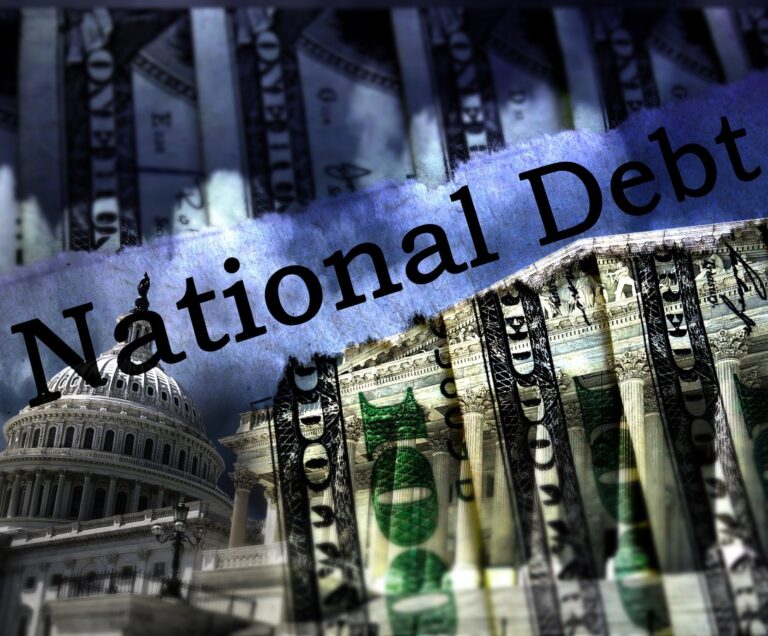
A new National Bureau of Economic Research (NBER) study warns that California’s proposed billionaire wealth tax could ultimately cost the state nearly $39 billion, even as supporters project tens of billions of dollars in revenue. Economists Benjamin Jaros and Joshua Rauh estimate that the one-time tax could generate about $30 billion, but that lost income-tax revenue from billionaire departures could outweigh the proceeds.
The findings add urgency to a growing debate over whether taxing the ultrawealthy can fund public services without driving away taxpayers and businesses.
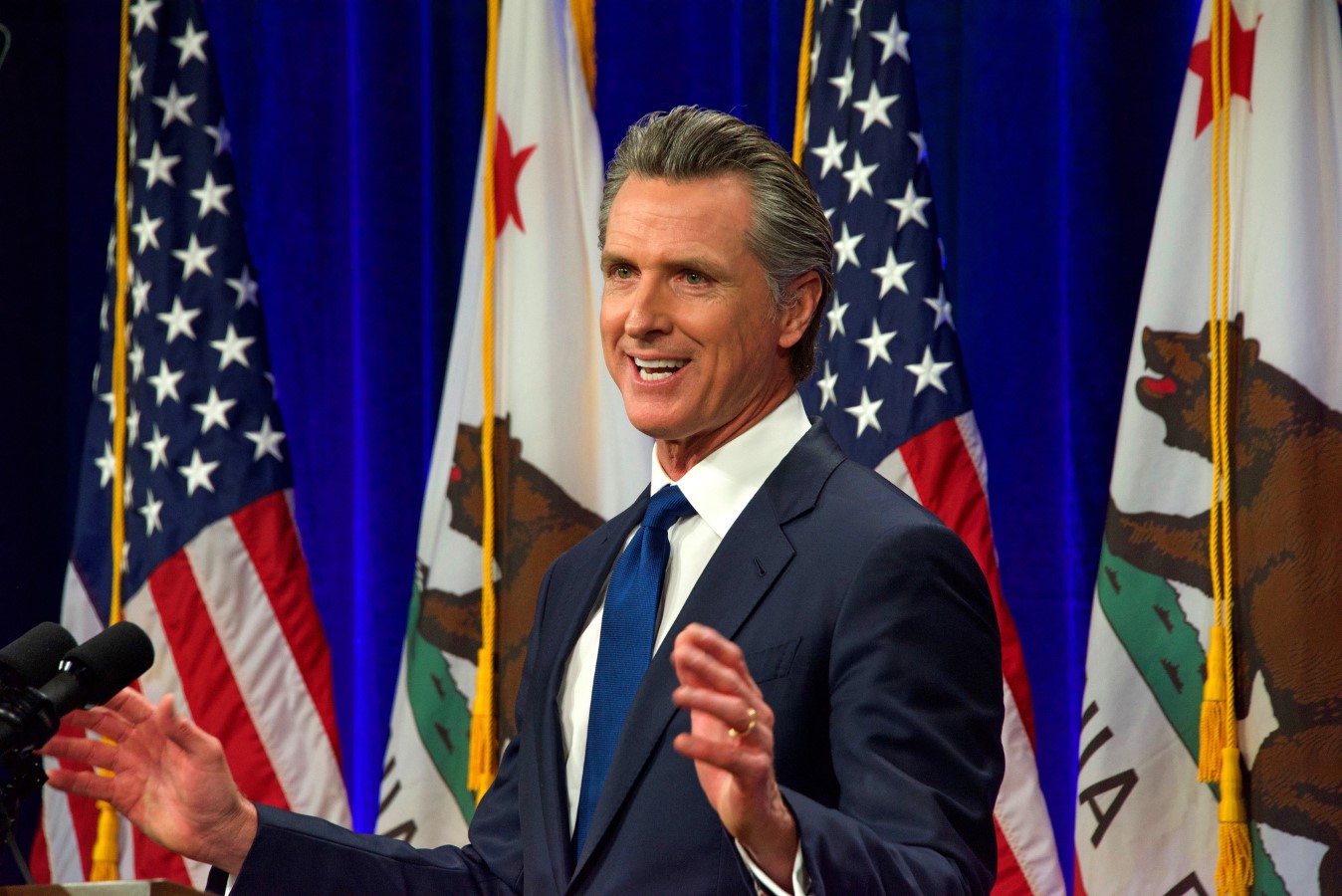
The debate extends beyond California. Sen. Bernie Sanders, Rep. Ro Khanna and Sen. Elizabeth Warren have advocated taxing the fortunes of the ultrawealthy, while Gov. Gavin Newsom has called for a national wealth-tax approach even as he opposes California’s proposal.
The controversy centers on Proposition 40, a proposed one-time 5% tax on the net worth of billionaires who were California residents on Jan. 1, 2026. The measure would direct most of its proceeds toward health care, but its projected revenue, economic effects and legal durability remain contested.
California’s billionaire tax could raise $30 billion

In an October 2026 working paper published by the National Bureau of Economic Research, Jaros and Rauh estimate that Proposition 40 could collect approximately $30 billion, with a range of $28 billion to $36 billion. That is substantially below the roughly $100 billion projected by the tax’s proponents.
The researchers account for publicly confirmed departures that they estimate have already removed nearly 30% of the potential tax base. They also factor in the possibility that courts could invalidate the measure and the likelihood that wealthy taxpayers would adjust their financial decisions in response.
The study’s central warning is that the one-time revenue could come at a substantial long-term cost. California’s billionaires currently contribute an estimated $3.3 billion to $5.8 billion annually in state income taxes, according to the researchers.
Why researchers estimate a $39 billion net loss

Jaros and Rauh calculate that the present value of income taxes lost if billionaires permanently leave California would exceed the revenue generated by the one-time wealth tax. Their estimated net present value is negative $38.9 billion.
The paper also finds that 85% of 100,000 simulated combinations of revenue and discount-rate assumptions produce a negative net present value for state revenues. The result is an economic forecast, not a guaranteed outcome, and depends on assumptions about migration, tax collections and future income.
The distinction matters because a one-time tax windfall and recurring income-tax revenue are not interchangeable. Even if the state collects tens of billions initially, a lasting reduction in annual revenue could put pressure on future budgets.
Newsom opposes California’s tax because billionaires can leave
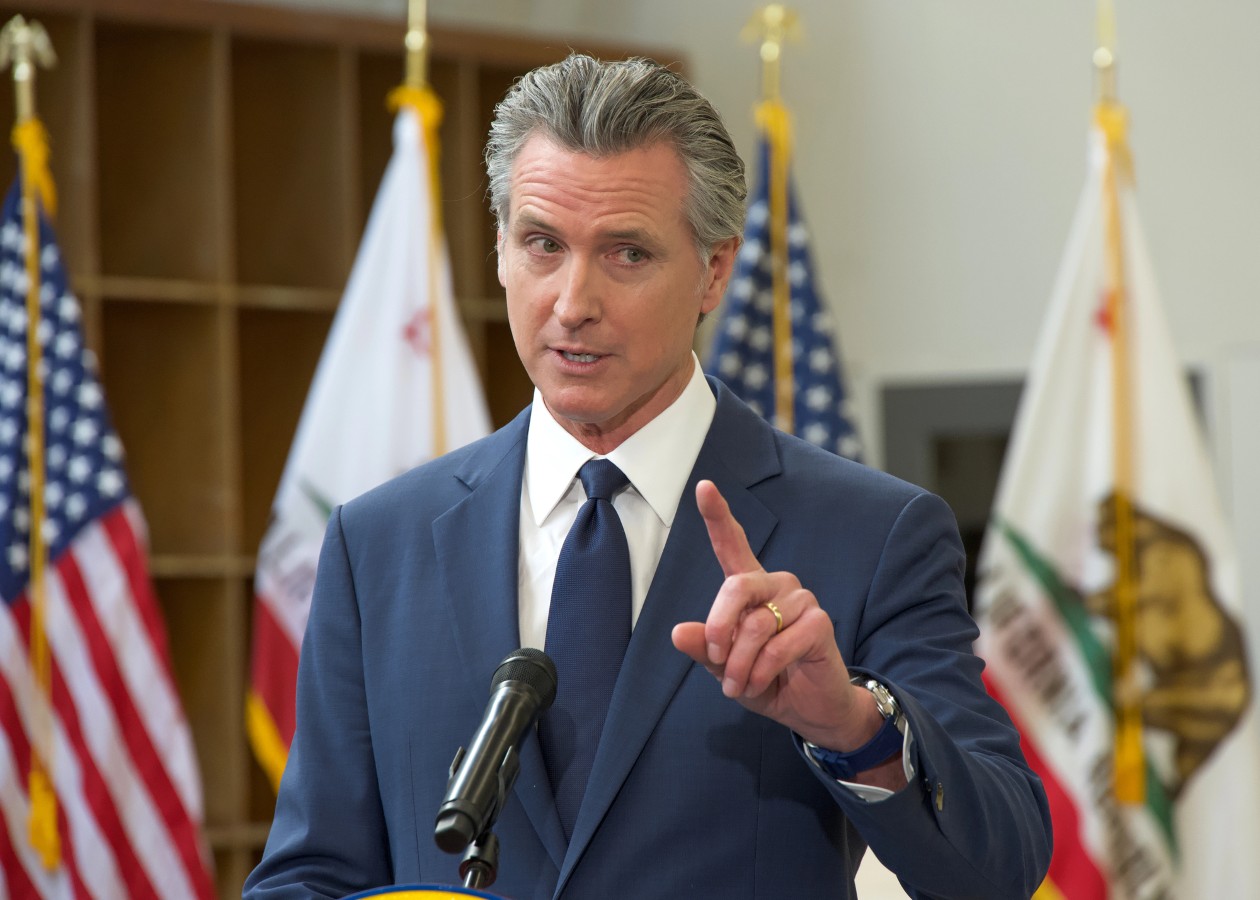
Newsom has argued that California’s wealth tax could drive billionaires and their businesses to lower-tax states, eroding the income-tax base that funds public services. He has said the tax should be imposed nationally so wealthy residents cannot simply move to another state to avoid it.
In a June 2026 statement reported by KQED, Newsom argued that the proposal could hurt California’s budget by chasing wealthy entrepreneurs and their businesses to other states. He has also emphasized that California depends heavily on income taxes paid by high earners.
Newsom’s position has drawn criticism from supporters of Proposition 40, who argue that the governor is prioritizing wealthy donors over health care funding. His opposition has also become a political issue as he considers a possible 2028 presidential run.
Billionaires have already left California ahead of the tax

Several prominent billionaires have confirmed moves out of California before the proposed tax’s Jan. 1, 2026, residency cutoff. Their departures have become central to the debate over whether the state can collect the revenue its supporters anticipate.
Larry Page and Sergey Brin: Google’s co-founders moved their residences out of California, with Page relocating to Florida and Brin to Nevada.
Peter Thiel: The venture capitalist moved his residency to Florida.
Don Hankey: The auto-finance billionaire relocated from Malibu to Las Vegas.
Travis Kalanick: The Uber co-founder confirmed he moved to Texas on Dec. 18, 2025, saying, “So I’m a primary resident of Texas.”
According to Fortune’s reporting and Bloomberg Law, these departures could remove tens of billions of dollars from the measure’s potential tax base. The timing and motivations differ, so not every move can be attributed solely to the proposed tax.
The Legislative Analyst’s Office sees revenue; and ongoing risks
California’s nonpartisan Legislative Analyst’s Office expects the measure to generate tens of billions of dollars in temporary revenue spread over several years. However, the actual amount is difficult to predict because asset values fluctuate and taxpayers may take steps to reduce their liabilities.
The LAO also projects a possible ongoing reduction of less than $1 billion per year in state income-tax revenue if billionaires change their financial behavior or leave California. It estimates that administering the tax could cost tens of millions of dollars annually for several years.
The LAO’s estimate is less pessimistic than the Jaros-Rauh study’s net-present-value calculation. The two analyses use different approaches and assumptions: the LAO describes possible annual revenue losses, while the researchers estimate the long-term value of those losses relative to the one-time tax proceeds.
Sanders, Khanna and Warren support taxing billionaire wealth nationally
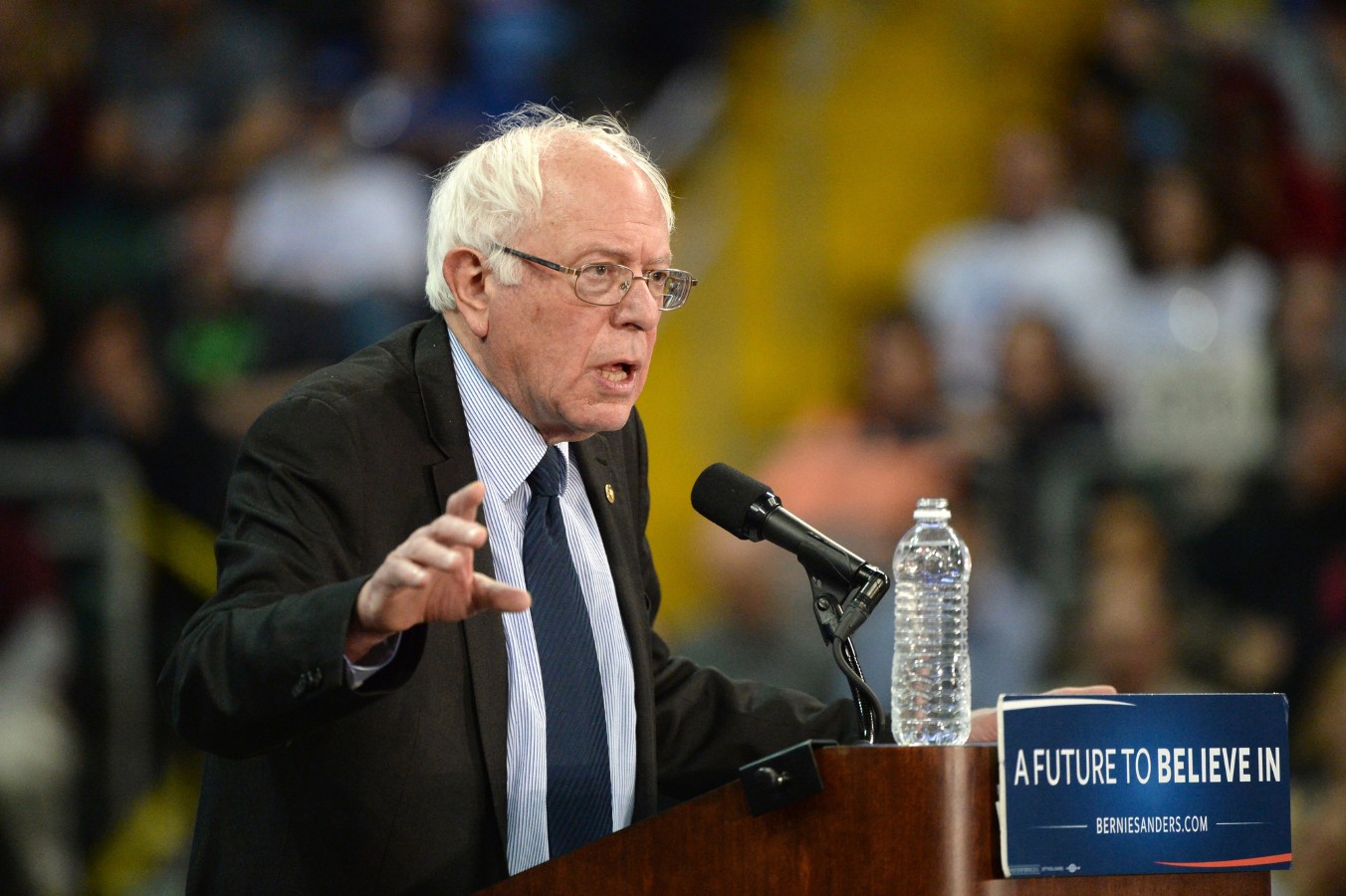
Sanders and Khanna introduced the Make Billionaires Pay Their Fair Share Act in March 2026. Their proposal would impose a 5% annual wealth tax on the 938 billionaires in the United States, whom the lawmakers said collectively held $8.2 trillion.
The bill proposes a $3,000 direct payment to every person in households earning $150,000 or less in its first year. Sanders and Khanna estimate that the tax could raise $4.4 trillion over a decade to fund priorities for working families.
Warren has also been a leading advocate of a federal wealth tax. Her Ultra-Millionaire Tax proposal would impose a 2% annual tax on household net worth above $50 million and a 3% rate above $1 billion. Warren has argued that the wealthiest Americans should contribute more to address inequality and fund public priorities.
A national tax would differ significantly from California’s one-time levy. It would apply annually and across the country, potentially reducing the incentive for billionaires to move between states to avoid the tax. However, taxpayers could still change investments, shift assets or relocate internationally, and the proposal would face its own implementation and legal questions.
Newsom’s national proposal takes a different approach

Newsom has called for a national minimum tax on people worth more than $100 million, changes to inheritance taxes, restrictions on borrowing against stock portfolios without paying taxes, and the reversal of some corporate tax cuts.
He has also proposed that the federal government take an equity stake in artificial intelligence companies through a public fund, allowing Americans to share in the gains from AI-driven growth.
Newsom’s approach overlaps with Warren’s and other progressives’ calls for higher taxes on the wealthy, but it differs from California’s ballot measure in its national scope and combination of tax and ownership proposals. Khanna has criticized Newsom for opposing the state tax while advocating a federal alternative.
European countries have retreated from broad wealth taxes

California’s debate comes after many European countries repealed broad net wealth taxes. Austria abolished its tax in 1994, Denmark and Germany in 1997, the Netherlands in 2001, and Finland, Iceland and Luxembourg in 2006. Sweden followed in 2007. France replaced its broad wealth tax with a narrower real-estate wealth tax in 2018.
The OECD’s analysis of net wealth taxes identifies several reasons for these repeals, including limited revenue relative to administrative and compliance costs, tax avoidance and evasion, and concerns about capital flight.
The experience is not uniform: Norway, Spain and Switzerland continue to levy broad net wealth taxes, and some countries impose taxes on selected assets. The European record therefore does not show that every wealth tax must fail. It does show that design, enforcement, taxpayer mobility and the balance between revenue and economic costs can determine whether such taxes remain viable.
Critics warn the tax’s language could reach beyond billionaires

Opponents have raised concerns about the measure’s legal structure and definitions. The proposal uses an excise-tax framework and includes rules addressing trusts, related entities and asset valuation. Critics argue that the breadth of these provisions could create uncertainty and invite litigation.
The initiative is explicitly aimed at billionaires, but concerns about how its definitions and constitutional provisions could be interpreted have fueled warnings that future lawmakers might use similar authority to reach a wider range of taxpayers. Such an expansion is not an automatic consequence of Proposition 40; it would depend on subsequent legislation and legal constraints.
Chamath Palihapitiya a prominent VC posted on X, “California is disguising a proposed asset seizure tax as a “Billionaire Tax,” but the math doesn’t add up. They wanted $100B from 200 Californian billionaires but $500B in wealth has already fled the state, leaving a $25B hole in their plan. And it’s still only a proposal. Imagine how much more wealth will leave if this actually makes the ballot?? Why should you care? The fine print in the bill allows the California legislature to apply this asset tax to non-billionaires as well whenever they want. Your car, home and jewelry would all count. California isn’t coming just for the rich. This bill, while disguised as a tax on the wealthy, is actually the infrastructure to tax everyone in California even more – but now on everything you own. Instead, why not fund our budget by first stopping the waste??”
The measure also faces constitutional questions, including whether the state can impose the tax as drafted and how its provisions interact with existing limits on property taxation and public spending. Legal challenges could affect both whether the tax takes effect and how much revenue California ultimately collects.
California’s billionaire tax could shape the 2028 election

California’s Proposition 40 could become a national case study in the debate over taxing the ultrawealthy ahead of the 2028 presidential election. Democrats considering federal wealth-tax proposals will be watching whether the measure raises substantial revenue for health care and other public services or triggers billionaire departures that weaken the state’s tax base.
The NBER study’s projected $38.9 billion net present-value loss gives opponents a powerful argument, while supporters point to the immediate funding needs of public services and the concentration of wealth among a small number of Californians.
Newsom’s preference for a national approach, alongside federal proposals from Sanders, Khanna and Warren, underscores that Democrats are still divided over how to tax large fortunes without encouraging capital flight.
The outcome could influence how presidential candidates frame wealth inequality, economic competitiveness and the role of government. California’s experience may help determine whether wealth taxation becomes a central Democratic campaign promise in 2028 or a cautionary example of the tradeoffs involved.
Like Financial Freedom Countdown content? Be sure to follow us!

Did you find this article helpful? We’d love to hear your thoughts! Leave a comment with the box on the left-hand side of the screen and share your thoughts.
Also, do you want to stay up-to-date on our latest content?
1. Follow us by clicking the [+ Follow] button above,
2. Give the article a Thumbs Up on the top-left side of the screen.
3. And lastly, if you think this information would benefit your friends and family, don’t hesitate to share it with them!

John Dealbreuin came from a third world country to the US with only $1,000 not knowing anyone; guided by an immigrant dream. In 12 years, he achieved his retirement number.
He started Financial Freedom Countdown to help everyone think differently about their financial challenges and live their best lives. John resides in the San Francisco Bay Area enjoying nature trails and weight training.
Here are his recommended tools
Personal Capital: This is a free tool John uses to track his net worth on a regular basis and as a retirement planner. It also alerts him wrt hidden fees and has a budget tracker included.
Platforms like Yieldstreet provide investment options in art, legal, real estate, structured notes, venture capital, etc. They also have fixed-income portfolios spread across multiple asset classes with a single investment with low minimums of $10,000.