Warren warns new tariffs will burn consumers again as $166B in past refunds mostly go to corporations
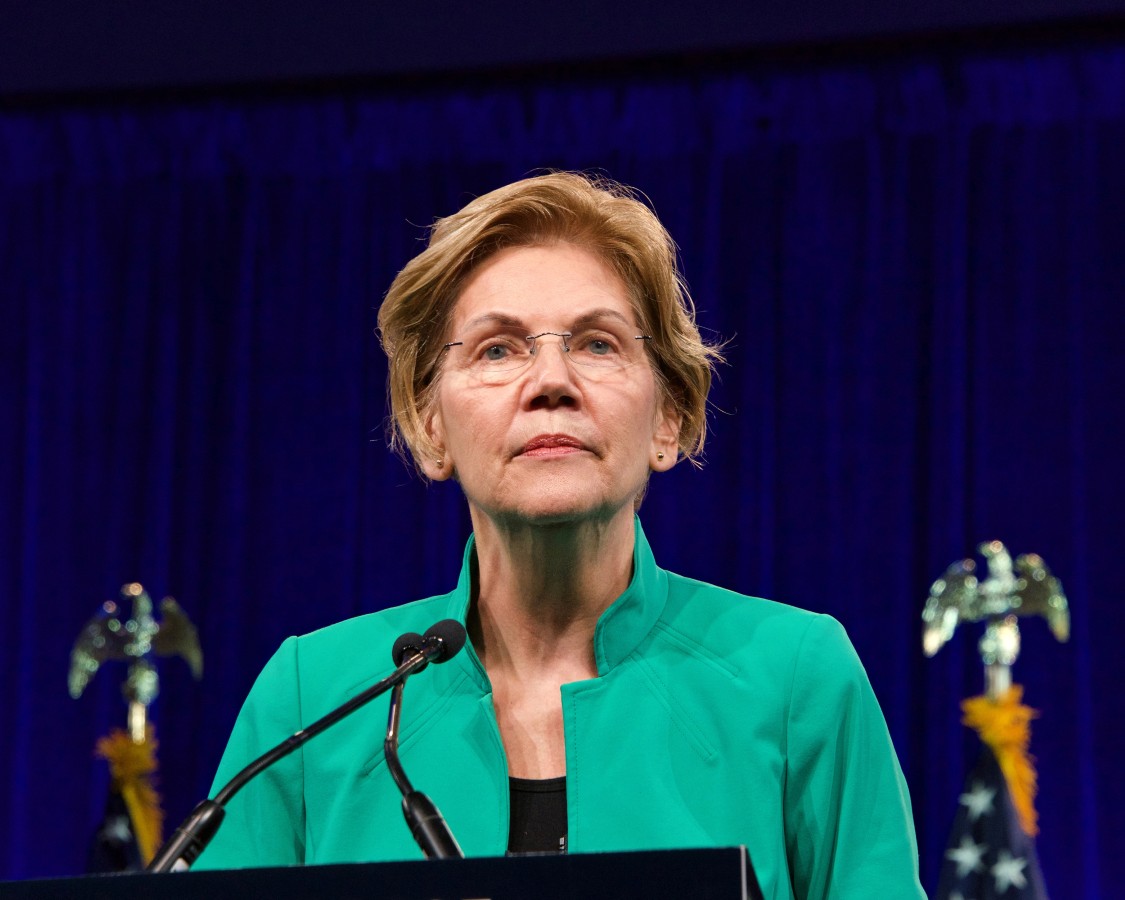
A fiery Senate hearing exposed a major flaw in federal trade policy: while courts have ordered billions in illegal tariffs returned to corporations and foreign importers, everyday American consumers haven’t received a single cent. Now, Senator Elizabeth Warren (D-Mass.) is warning that the Trump administration is repeating the exact same mistake with a new round of trade duties, leaving families exposed to rising prices with no hope of a refund if the new tariffs are struck down.
During a Senate Finance Committee hearing on the administration’s 2026 trade agenda, Senator Warren challenged U.S. Trade Representative Jamieson Greer over who bears the burden of trade wars. The clash centered on $166 billion in tariffs struck down by the Supreme Court; and whether the White House has any plan to protect household budgets as it rolls out new import taxes on goods.
Warren confronts trade chief over $1,700 household hit

Senator Warren opened her line of questioning by highlighting the severe financial strain placed on everyday Americans. Citing data from government agencies, she argued that tariffs function as a direct tax on families rather than foreign nations.
Senator Elizabeth Warren: “Donald Trump campaigned for office, going out every day, promising that he would lower costs for American families on day one. Then he takes office and he slaps tariffs on and off and on and off nearly every product that we import. Americans are now paying for it. Based on an analysis from the Congressional Budget Office and the Treasury Department’s own numbers, Trump’s tariffs cost families an average of $1,700, and that was before his illegal war in Iran pushed prices even higher.”
The tension escalated immediately when Ambassador Greer disputed whether tariffs had increased consumer prices at all, claiming economic indicators showed improvement.
Ambassador Greer: “Senator, no. Core inflation fell to 2.6 percent year on year, much better than in January 2025.”
Senator Elizabeth Warren: “So you’re saying that what the Congressional Budget Office and the Treasury Department’s own numbers—families are paying an average of $1,700 more—are you saying your own Treasury Department and your own Congressional Budget Office just don’t know what they’re talking about?”
Ambassador Greer: “I’m interested in seeing what Treasury numbers you’re talking about. No one’s given them to me to look at, so I want to verify this.”
Senator Elizabeth Warren: “Actually, they’ve been out there in public now for at least the last six months. They’ve been widely distributed because families are paying more. And there’s no serious economist around the country, there’s no serious person who looks at those numbers and thinks that families are doing better.”
How legal standing directed refunds to corporate importers
The debate then turned to the $166 billion in tariffs that the Supreme Court ruled were illegally collected under the International Emergency Economic Powers Act (IEEPA). Senator Warren questioned why none of the money already paid out by the Treasury Department; over $70 billion according to press reports cited by her office; has reached retail consumers who paid higher prices at checkout.
Under federal administrative and customs law, court remedies are dictated by legal “standing”; the legal requirement that a party prove direct financial injury. The lawsuit challenging the IEEPA tariffs was brought by Democratic Attorneys General representing commercial importers and businesses who paid duties directly to customs authorities at ports of entry. Because these corporate importers were the plaintiffs with standing, the judicial ruling required the Treasury Department to return funds directly to those payers of record.
Ambassador Greer highlighted this legal structure when explaining why the administration was returning funds to corporate entities:
Ambassador Greer: “Senator, when the court ruled on this, they did exactly what the Democratic attorneys general who sued asked to do, which was to give money back to the companies, foreign and domestic, that paid the tariffs. That’s what Democratic attorneys general asked to do. They didn’t say give it to consumers. They said give it to companies. So that’s what we have to do.”
Logistics Giants Commit to Direct Refunds as Retail Corporations Resist

Major express carriers like FedEx and UPS are establishing dedicated refund portals to pass government tariff reimbursements directly back to shippers and consumers, whereas many retail corporations are fighting to keep the cash.
Because logistics carriers served as the official Importer of Record and billed tariff duties as distinct, itemized surcharges on specific packages, identifying who footed the bill is straightforward.
UPS CEO Carol Tomé made the company’s approach clear during an earnings presentation, stating, “As soon as we get that money, we’re going to remit it right back to our customers.” FedEx echoed that policy, confirming that “if refunds are issued to FedEx, we will issue refunds for IEEPA tariffs paid to the shippers and consumers who originally bore those charges,” with disbursements scheduled to roll out through dedicated tracking portals.
By contrast, several companies have indicated they plan to use the refunds to offset higher operating costs rather than issue direct rebates to consumers.
“We do expect some more pressure on the business from a commodity standpoint,” PepsiCo CFO Steve Schmitt said on an earnings call this week. “We also expect refund claims for tariffs paid last year to help offset some of the commodity pressures that we have and allow us to continue to play offense.”
McCormick & Company also said its tariff refunds would help offset higher costs tied to commodities and freight after multiple price increases over the past year.
Some companies say refunds could help slow price increases. Although consumers are unlikely to receive direct payments, several businesses say the refunds may help limit future price increases.
Retail giants like Nintendo are taking the stance, arguing in court that consumers have no right to a payout. In a motion to dismiss a consumer class-action lawsuit, Nintendo’s legal team argued that buyers “received exactly what they bargained and paid for” and that the company has “no legal obligation to retroactively adjust” completed retail transactions.
Retailers contend that import tariffs were simply one swallowed operational expense among fluctuating labor, memory, and shipping costs rather than an explicit surcharge tacked onto a final receipt, making it impossible; and legally unnecessary; to trace back to individual store purchases.
Warren calls out lack of effort for American families

While acknowledging how legal standing functioned in the lawsuit, Senator Warren emphasized that economic data shows consumers ultimately absorbed roughly 95 percent of the tariff costs through higher retail prices. She pushed the administration on whether any executive effort was being made to bridge that gap for households.
Senator Elizabeth Warren: “I understand that’s how they got standing, but the question I’m asking the administration is, are you going to get money back to the American people who paid more? What the data show is the American people picked up about 95 percent of the cost of those Trump tariffs. They’ve paid an average of $1,700. Now, I just want to know if you even have the slightest effort, making even the slightest effort, to try to get some of that money back into the pockets of American families, or does that just not matter to the Trump administration?”
Ambassador Greer: “So, what happened is the foreign and domestic importers, right, who are buying foreign goods, not goods from American workers. Foreign goods made by foreign workers who had to pay a fee on those foreign goods, those foreign importers’ records, domestic importers’ records, they can file. They had to pay the tariff. They can get the tariff back. Manufacturing workers’ wages have gone up $2,600, way beyond what the Biden budget lab at Yale has calculated.”
Senator Elizabeth Warren: “No, actually they haven’t. What we know is that thousands of factory workers have lost their jobs. That means their incomes have gone to zero. But I take it what you’re saying. I think I’ve got your answer here, and that is the Trump administration just doesn’t care, isn’t even lifting a finger to try to get one nickel of the money that was collected from consumers back into the pockets of the consumers… Instead, what you’ve been doing is searching for other ways to see if you can take money out of the pockets of consumers with tariffs. And just this week, you slapped on new tariffs using an obscure law from the 1930s, plus using something called Section 301.”
Trump administration races to replace Supreme Court-blocked tariffs before July 24 deadline
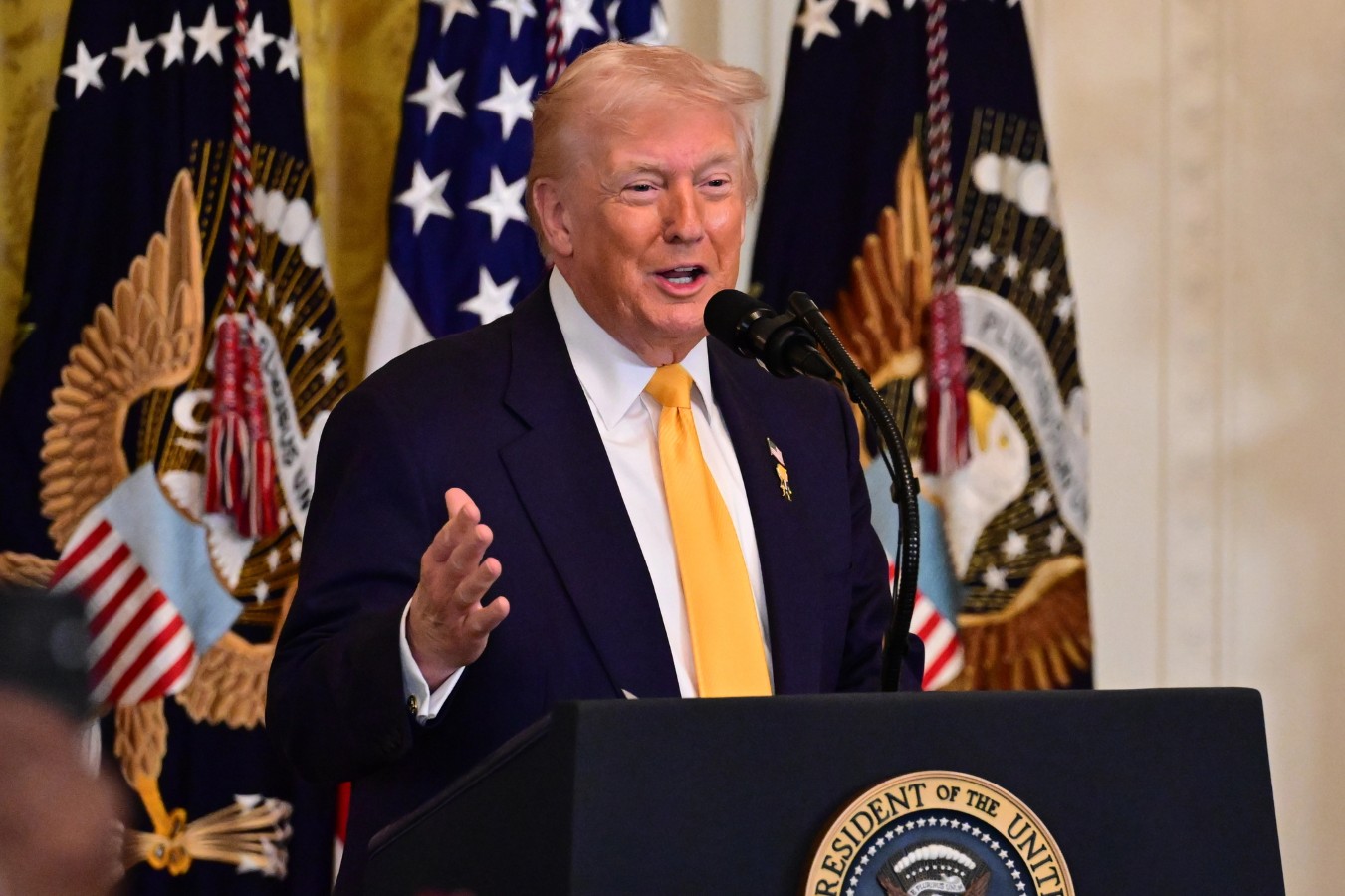
President Donald Trump’s administration is racing to rebuild its global tariff framework before a key legal deadline, turning to a different section of U.S. trade law after the Supreme Court struck down the sweeping tariffs that had generated tens of billions of dollars in government revenue.
With temporary tariffs set to expire on July 24, administration officials are accelerating new investigations under Section 301 of the Trade Act of 1974, beginning with a fresh 25% tariff on many Brazilian imports and laying the groundwork for additional duties on dozens of countries in the coming weeks.
Trump had used the emergency powers law to levy double-digit tariffs on imports from nearly every country, arguing that America’s longstanding trade deficits constituted a national emergency. The ruling invalidated that legal justification and forced the government to refund billions of dollars to importers that had already paid the duties.
The decision temporarily transformed tariffs from a major source of federal revenue into a financial liability for the Treasury as refund payments accelerated.
Rather than relying on emergency powers, the administration is increasingly using Section 301 of the Trade Act of 1974.
Unlike Section 122, Section 301 authorizes tariffs after the U.S. Trade Representative investigates whether foreign countries engage in “unjustifiable,” “unreasonable” or “discriminatory” trade practices.
The process requires investigations, public comments and hearings before tariffs can be imposed, making it slower but generally more legally durable. Once implemented, Section 301 tariffs can remain in place for four years and can later be renewed.
The same authority formed the legal basis for Trump’s tariffs on hundreds of billions of dollars of Chinese imports during his first administration, many of which survived court challenges.
Warren pivots to fear over new tariffs
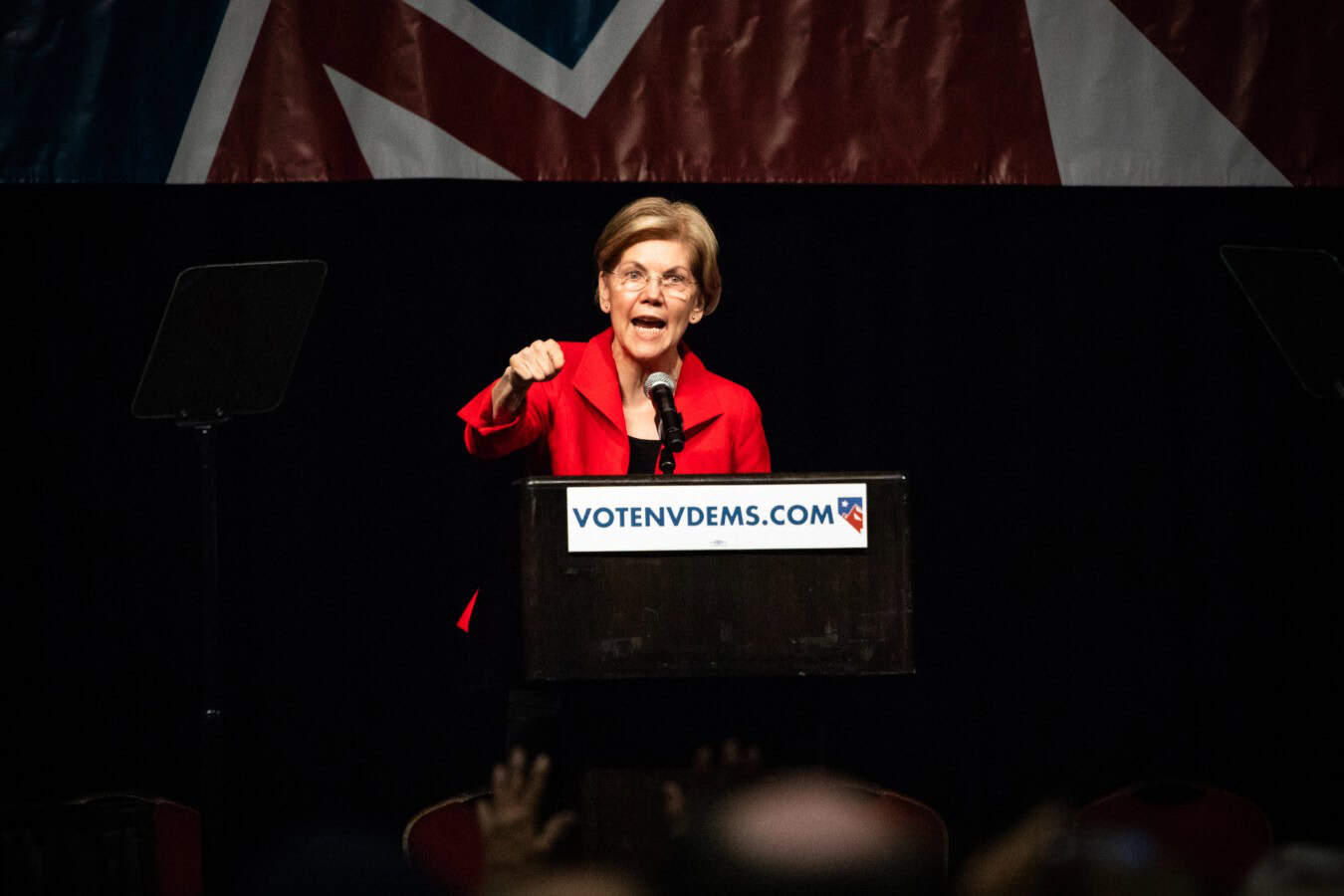
After establishing that past refunds bypassed households due to standard customs rules, Senator Warren raised her primary concern: the administration’s decision to implement a new round of tariffs on goods using Section 301 and trade authorities from the 1930s. She questioned whether the White House had built a system to ensure consumers wouldn’t be left holding the bill again.
Senator Warren asked Ambassador Greer directly if the White House has established a mechanism to refund everyday families if courts strike down this next wave of tariffs.
Senator Elizabeth Warren: “If the Supreme Court strikes down your next round of tariffs, do you have a plan in place for how to return the money that American consumers pay under those tariffs? How to return that money directly to the families who pay? You can do this now. Put a plan in place. Do you have a plan in place?”
Ambassador Greer: “Customs currently has a website to return any tariffs to the foreign importers’ records or domestic importers who paid them. And they’ll continue to do that.”
Senator Elizabeth Warren: “I’m not asking about foreign importers. I’m asking about American families, the people you’re supposed to be working for. Do you have any plan if this next round of tariffs is struck down for how you’re going to get the money that is collected from American consumers back into their pockets?”
Ambassador Greer: “The normal way that customs law worked is that the importer of record, if they pay a tariff, it’s overruled, they give it back.”
Senator Elizabeth Warren: “I take that as a no.”
Warren accuses administration of picking consumer pockets

Concluding her exchange, Senator Warren argued that relying strictly on traditional importer refund channels leaves working families paying for unconstitutional or illegal trade duties with no recourse.
Senator Elizabeth Warren: “Look, I believe that tariffs can be used strategically quite valuably, but what the Trump administration is doing is picking the pockets of American consumers. And after Donald Trump promised he would lower costs on day one, he put in place tariffs that have done nothing but raise prices for consumers.”
The Senate Finance Committee confrontation underlines a long-standing structural reality in federal trade policy. Because federal customs procedures and court standing rules only recognize the “importer of record,” court-ordered tariff refunds flow back exclusively to corporate balance sheets. As new import duties are levied on products, everyday consumers remain vulnerable to higher retail prices, with no administrative mechanism currently in place to deliver direct restitution to household budgets if those duties are later overturned.
Like Financial Freedom Countdown content? Be sure to follow us!
14 essential strategies to maximize your Social Security and avoid costly mistakes

Social Security is a vital lifeline for many seniors, providing crucial income support during retirement. With inflation at its highest in four decades, Social Security’s inflation-adjusted benefits offer protection against rising costs.
Rising interest rates have disrupted many retirement portfolios, causing bond fund values to plummet. In this volatile financial landscape, Social Security can stabilize a typical stock-bond retirement portfolio. By implementing smart strategies, retirees can maximize their Social Security benefits and ensure a more secure financial future.
14 Essential Strategies to Maximize Your Social Security and Avoid Costly Mistakes
11 reasons you should claim Social Security early

Deciding when to claim Social Security is often about maximizing your benefit. Financial planners usually advise delaying your claim for as long as possible to secure the highest monthly payment. Your benefit is based on your lifetime earnings, with a full payout available at your full retirement age (FRA), which is currently between 66 and 67 depending on your birth year. Claiming before FRA results in a permanent reduction in your monthly benefit, while waiting beyond FRA leads to a permanent increase. However, the decision isn’t solely about maximizing the monthly check. Personal factors such as health, family circumstances, and financial needs can play a significant role in determining the right time to claim.
11 Reasons You Should Claim Social Security Early

Did you find this article helpful? We’d love to hear your thoughts! Leave a comment with the box on the left-hand side of the screen and share your thoughts.
Also, do you want to stay up-to-date on our latest content?
1. Follow us by clicking the [+ Follow] button above,
2. Give the article a Thumbs Up on the top-left side of the screen.
3. And lastly, if you think this information would benefit your friends and family, don’t hesitate to share it with them!

John Dealbreuin came from a third world country to the US with only $1,000 not knowing anyone; guided by an immigrant dream. In 12 years, he achieved his retirement number.
He started Financial Freedom Countdown to help everyone think differently about their financial challenges and live their best lives. John resides in the San Francisco Bay Area enjoying nature trails and weight training.
Here are his recommended tools
Personal Capital: This is a free tool John uses to track his net worth on a regular basis and as a retirement planner. It also alerts him wrt hidden fees and has a budget tracker included.
Platforms like Yieldstreet provide investment options in art, legal, real estate, structured notes, venture capital, etc. They also have fixed-income portfolios spread across multiple asset classes with a single investment with low minimums of $10,000.