
Medicare Advantage gets cheaper in 2027, but millions face coverage changes and hurdles switching back
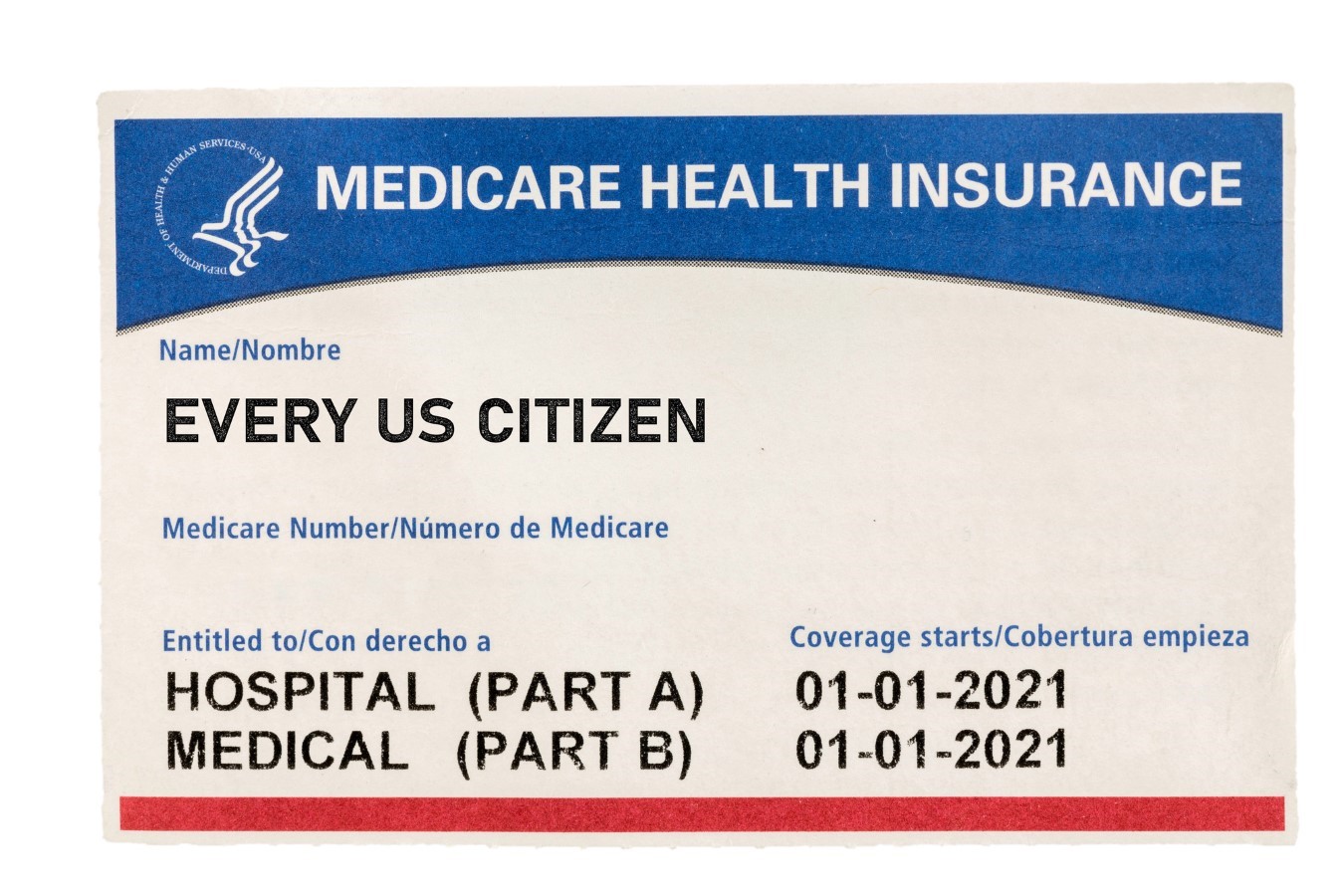
As Medicare’s annual open enrollment period continues, millions of older Americans are deciding whether to keep their current coverage or switch between Original Medicare and Medicare Advantage for 2027. New federal projections point to lower Medicare Advantage premiums, while recent research highlights the challenges some beneficiaries face after enrolling in private plans.
Medicare Advantage has become a popular alternative to traditional Medicare, offering bundled coverage, additional benefits and often low monthly premiums. But those advantages can come with trade-offs, including restricted provider networks, prior authorization requirements and uncertainty about obtaining supplemental coverage if beneficiaries later return to Original Medicare.
New research published in 2026 offers a more nuanced picture of seniors’ experiences. Most older adults report satisfaction with their Medicare coverage, yet some change plans because of costs, provider access or changes in benefits. Others leave Medicare Advantage shortly after enrolling, while some lose their plans when insurers exit markets.
For seniors choosing coverage for 2027, the decision involves more than comparing monthly premiums. It also means considering future medical needs, access to doctors and the potential difficulty of obtaining a Medicare Supplement Insurance policy, commonly called Medigap, after leaving Medicare Advantage.

The Centers for Medicare & Medicaid Services (CMS) announced September 28 that the weighted average monthly premium for Medicare Advantage plans is projected to decline from $14.37 in 2026 to $12 in 2027, a decrease of 16.5%.
The average monthly premium for prescription drug coverage within Medicare Advantage plans is projected to fall 38%, from $11.32 to $7.
Standalone Medicare Part D prescription drug plans are expected to see a smaller increase, with average monthly premiums rising from $35.09 in 2026 to $36 in 2027.
CMS projects that Medicare Advantage enrollment will reach 34 million in 2027. More than 99% of Medicare beneficiaries will have access to at least one Medicare Advantage plan, while 97% will have access to 10 or more options.
Approximately eight in 10 current Medicare Advantage enrollees are projected to be able to remain in their existing plans with the same or a lower premium.
These are national projections, not guarantees of individual costs. Actual premiums, deductibles, provider networks and benefits vary by plan and location.
“CMS is fighting to keep high-quality care options affordable and accessible for the millions of beneficiaries who rely on Medicare Advantage and Part D prescription drug plans,” said CMS Administrator Dr. Mehmet Oz. “By slashing handouts to big insurance companies, CMS is keeping premiums stable while ensuring that 97% of Medicare beneficiaries have access to 10 or more MA plans and that 93% of non-low-income beneficiaries can get an enhanced Part D plan for less than $6 a month. We urge beneficiaries to use Open Enrollment as an opportunity to review their coverage, compare options, and pick the plan that best suits their needs and budget.”
Original Medicare offers broader provider access

Original Medicare consists of Part A, which covers hospital care, and Part B, which covers physician services and outpatient care.
Its primary advantage is flexibility. Beneficiaries can generally visit any doctor or hospital in the United States that accepts Medicare, without being restricted to a private plan’s provider network. Most specialist visits do not require referrals.
Original Medicare also generally has fewer prior authorization requirements than Medicare Advantage, although certain services and procedures are subject to approval rules.
The trade-off is that Original Medicare does not have an annual out-of-pocket maximum for covered Part A and Part B services. Beneficiaries generally pay 20% coinsurance for Part B services after meeting the annual deductible.
Many people purchase Medigap coverage to help pay these deductibles and coinsurance costs. They may also need a separate Part D prescription drug plan.
Medicare Advantage offers bundled coverage and additional benefits

Medicare Advantage plans are offered by private insurers approved by Medicare. They must cover services provided under Original Medicare, but they can structure cost sharing and provider access differently.
Many plans combine hospital, medical and prescription drug coverage in one package. They may also offer dental, vision, hearing, fitness or other supplemental benefits that Original Medicare generally does not cover.
Medicare Advantage plans also have an annual out-of-pocket limit for covered Part A and Part B services. That can provide financial protection against high medical expenses, although beneficiaries must still consider premiums, prescription drug costs and plan-specific restrictions.
For seniors on fixed incomes, the combination of lower premiums, bundled coverage and extra benefits can make Medicare Advantage appealing. The value depends on whether the plan’s network and benefits meet the person’s actual medical needs.

Most Medicare Advantage plans use provider networks. HMO plans generally require members to use in-network doctors and hospitals for non-emergency care, while PPO plans may cover out-of-network services at higher costs.
That can be a disadvantage for people who travel frequently, live in multiple states during the year or want access to specialists at particular medical centers.
Prior authorization is another consideration. Medicare Advantage insurers may require approval before covering certain treatments, procedures or services.
A KFF analysis found that Medicare Advantage insurers processed nearly 53 million prior authorization requests in 2024 and fully or partially denied 4.1 million, or 7.7%. Most requests were approved, and most denials that were appealed were overturned.
Before choosing a plan, beneficiaries should confirm that their doctors, hospitals and pharmacies participate in the specific plan and review its authorization requirements.
New survey finds most seniors are satisfied with Medicare

A University of Michigan survey published in October 2026 found that 96% of older Michiganders with Medicare coverage in 2025 were at least somewhat satisfied with their coverage. The findings came from surveys conducted in December 2025 and January 2026.
Despite the high satisfaction rate, 22% of older Michiganders chose different Medicare coverage for 2026 than they had in 2025.
Among those who reviewed or changed their coverage, 27% said they thought another plan might be better, 19% cited changes or discontinuation of their existing plan, 12% pointed to high premiums or out-of-pocket costs, and 9% said their medications were not covered or were too expensive.
The survey also found that 35% experienced at least one challenge when choosing coverage. Fifteen percent had difficulty comparing costs, networks and benefits, while 13% said they faced too many choices.
The findings suggest that satisfaction with current coverage does not eliminate the need to review options annually, particularly when insurers change benefits or provider networks.
Research finds Medicare Advantage disenrollment has increased

A March 2026 study published in Health Affairs found that the share of new Medicare Advantage enrollees who left their plans within the first three months of the year more than tripled between 2017 and 2022.
The rapid disenrollment rate increased from 3.5% in 2017 to 12.2% in 2022. Among beneficiaries eligible for both Medicare and Medicaid, the rate reached 20% in 2022.
Researchers described rapid disenrollment as a possible signal of immediate dissatisfaction with a plan. However, the study does not establish that every person who left was dissatisfied or identify a single reason for the increase.
The results nevertheless raise questions about whether beneficiaries fully understand provider networks, coverage restrictions and costs before enrolling.
Millions are facing Medicare Advantage plan changes

Not every coverage change is voluntary. A February 2026 study in JAMA found that approximately 2.9 million Medicare Advantage enrollees, or about 10%, faced forced disenrollment in 2026 because their plans exited markets or reduced their service areas.
The forced-disenrollment rate increased from an average of 1% between 2018 and 2024 to 6.9% in 2025 and 10% in 2026.
For affected beneficiaries, losing a plan can mean searching for new coverage, checking whether doctors remain in network and determining whether prescription medications are still covered.
The researchers found that people enrolled in PPO plans, smaller insurance carriers and lower-rated plans, as well as those living in rural areas, faced higher rates of forced disenrollment.
These disruptions underscore why beneficiaries should not assume their current plan will remain available or unchanged from one year to the next.
Switching back to Original Medicare may not guarantee Medigap coverage

One of the most consequential differences between the two options involves what happens when a beneficiary wants to leave Medicare Advantage.
Returning to Original Medicare is generally possible during an applicable enrollment period. However, obtaining a Medigap policy to help cover Original Medicare’s out-of-pocket costs is a separate matter.
Federal law provides a one-time six-month Medigap open enrollment period beginning when a person is at least 65 and enrolled in Part B. During that period, insurers generally cannot deny coverage or charge higher premiums because of preexisting conditions.
Certain qualifying events also provide guaranteed-issue rights. One important example is the Medicare Advantage trial right: people who join Medicare Advantage when first eligible for Medicare at age 65 generally have a one-time opportunity to return to Original Medicare and purchase certain Medigap coverage during their first 12 months.
Outside these protected periods, insurers in many states can use medical underwriting. Depending on state law and individual circumstances, they may deny a Medigap application or charge higher premiums.
The Medicare.gov Medigap guide explains federal protections and trial rights.
State laws can provide additional Medigap protections

Federal rules establish minimum protections, but some states provide broader rights to obtain Medigap coverage without medical underwriting.
Connecticut and New York require continuous guaranteed-issue protections for beneficiaries age 65 and older. Massachusetts, Maine, Delaware, Illinois, Minnesota and Rhode Island also provide expanded protections, although eligibility, timing and plan availability differ.
California has a birthday rule that allows existing Medigap policyholders to switch to another policy with equal or lesser benefits during a 60-day window around their birthday without medical underwriting.
However, California’s birthday rule is not a general guarantee that someone leaving Medicare Advantage can purchase any Medigap policy at any time without underwriting.
Beneficiaries should check their state’s rules before dropping Medigap coverage or enrolling in Medicare Advantage, particularly if they have health conditions that could make future coverage more difficult or expensive to obtain.
How seniors can compare Medicare options for 2027

The right choice depends on health needs, finances, preferred doctors, prescription medications and willingness to work within a managed-care network.
Original Medicare may be a better fit for people who prioritize nationwide provider access, frequently travel or want fewer prior authorization requirements. Medicare Advantage may appeal to people who prefer bundled coverage, lower additional premiums and supplemental benefits, provided their doctors and medications are covered.
During open enrollment, beneficiaries should:
– Check whether their doctors and hospitals participate in the plan.
– Compare prescription drug formularies and pharmacy costs.
– Estimate total annual expenses, including premiums, deductibles and copayments.
– Review dental, vision and hearing benefits and their coverage limits.
– Consider whether they could obtain Medigap coverage if they later returned to Original Medicare.
The Medicare Plan Finder allows beneficiaries to compare available plans by ZIP code.
Medicare’s annual open enrollment period runs from October 15 through December 7, 2026, with coverage changes generally taking effect January 1, 2027.
With premiums projected to fall and plan choices remaining broad, Medicare Advantage may continue to attract seniors. But the latest research shows why the lowest monthly premium should not be the only consideration. Understanding provider access, coverage restrictions and future Medigap eligibility can help beneficiaries make a decision that remains suitable as their health needs change.
Like Financial Freedom Countdown content? Be sure to follow us!

Did you find this article helpful? We’d love to hear your thoughts! Leave a comment with the box on the left-hand side of the screen and share your thoughts.
Also, do you want to stay up-to-date on our latest content?
1. Follow us by clicking the [+ Follow] button above,
2. Give the article a Thumbs Up on the top-left side of the screen.
3. And lastly, if you think this information would benefit your friends and family, don’t hesitate to share it with them!

John Dealbreuin came from a third world country to the US with only $1,000 not knowing anyone; guided by an immigrant dream. In 12 years, he achieved his retirement number.
He started Financial Freedom Countdown to help everyone think differently about their financial challenges and live their best lives. John resides in the San Francisco Bay Area enjoying nature trails and weight training.
Here are his recommended tools
Personal Capital: This is a free tool John uses to track his net worth on a regular basis and as a retirement planner. It also alerts him wrt hidden fees and has a budget tracker included.
Platforms like Yieldstreet provide investment options in art, legal, real estate, structured notes, venture capital, etc. They also have fixed-income portfolios spread across multiple asset classes with a single investment with low minimums of $10,000.