Two federal judges block Trump student loan forgiveness rule, preserving PSLF eligibility for millions

Two federal judges have blocked a Trump administration rule that would have narrowed eligibility for the Public Service Loan Forgiveness (PSLF) program, preventing the policy from taking effect on July 1. The decisions mean millions of borrowers working in government and nonprofit jobs can continue pursuing student loan forgiveness under the existing rules while legal challenges move forward.
The rulings represent a significant development for one of the federal government’s largest student loan forgiveness programs, with courts finding that the Education Department likely exceeded its authority by attempting to redefine which employers qualify under the law.
Student loan borrowers seeking Public Service Loan Forgiveness no longer face immediate changes to the program after two federal judges blocked the Trump administration’s new regulation.
Last Tuesday, U.S. District Judge Amir Ali struck down the rule that was scheduled to take effect on July 1. The same day, U.S. District Judge Myong Joun ruled in favor of states, cities and nonprofit organizations that challenged the policy, concluding the regulation is “contrary to law” and “violates the First Amendment.”
The twin rulings effectively prevent the Education Department from enforcing the new eligibility restrictions while the legal challenges continue.
What the Trump administration wanted to change
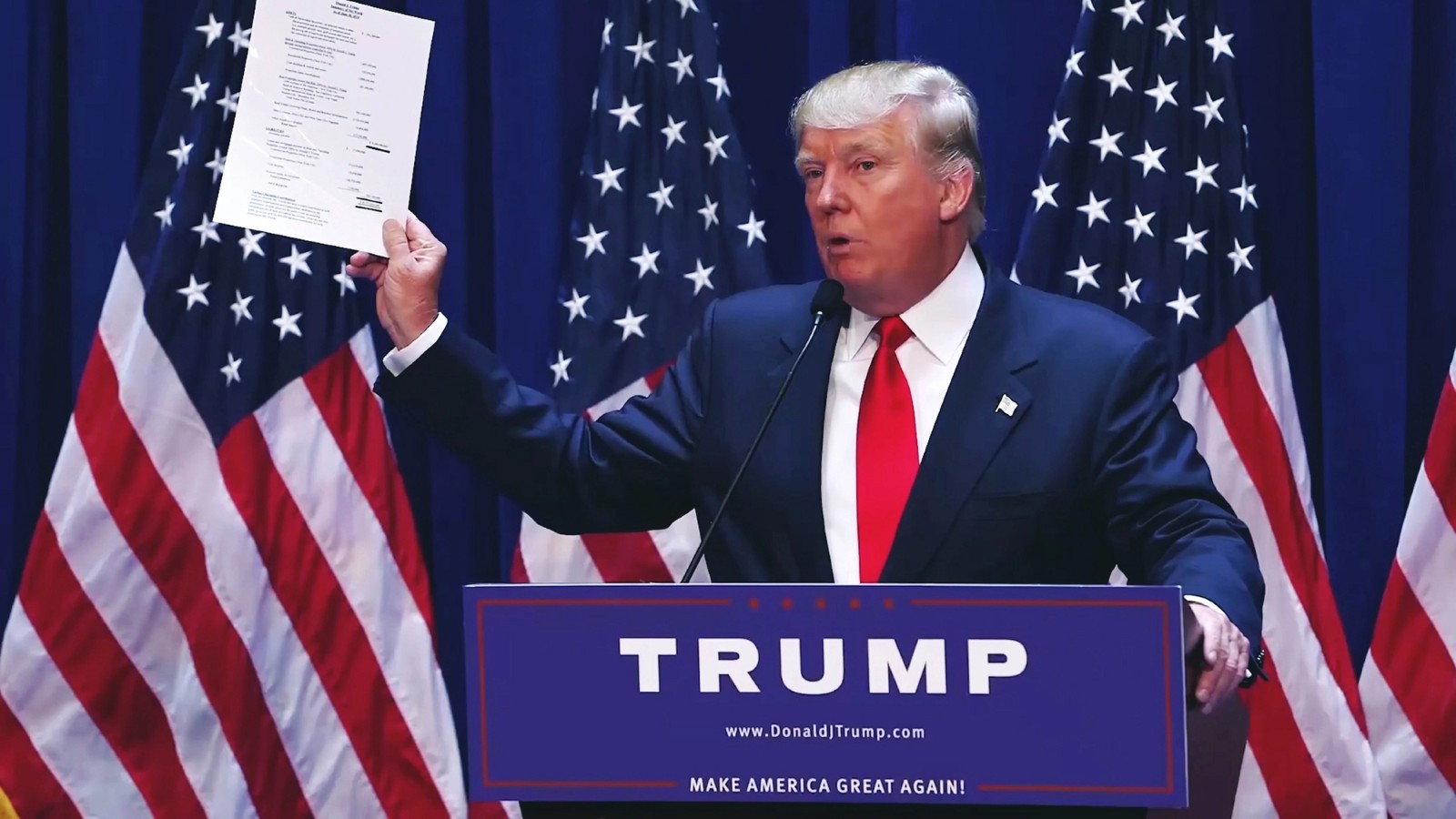
The blocked regulation would have changed the definition of a “qualifying employer” under the Public Service Loan Forgiveness program.
Specifically, the rule sought to exclude organizations that “engage in unlawful activities” from qualifying under PSLF. Administration officials argued the change would ensure taxpayer-funded loan forgiveness supports organizations serving the public interest.
However, critics said the regulation failed to clearly define what constitutes “unlawful activities,” potentially giving federal officials broad discretion to determine which nonprofit organizations remain eligible.
How the Public Service Loan Forgiveness program works

Congress established the Public Service Loan Forgiveness program in 2007, when it was signed into law by President George W. Bush.
The program allows eligible federal student loan borrowers to receive loan forgiveness after making 120 qualifying monthly payments; equivalent to 10 years; while working full time for qualifying government agencies or nonprofit organizations.
According to a 2022 estimate from Protect Borrowers, a nonprofit organization, more than 9 million borrowers may be eligible for PSLF.
Why states and nonprofit groups challenged the rule
The regulation quickly faced multiple lawsuits after it was announced.
New York Attorney General Letitia James joined more than a dozen state attorneys general in suing the administration in November. A separate coalition of cities, labor unions and nonprofit organizations also challenged the policy, arguing it exceeded the Education Department’s legal authority.
Opponents contended that Congress had already clearly defined which employers qualify under PSLF and did not authorize the executive branch to create additional eligibility restrictions.
Critics called the rule a “political loyalty test”. Opponents argued the proposed regulation could have allowed the administration to selectively exclude organizations based on the issues they support.
“Public Service Loan Forgiveness was created as a promise to teachers, nurses, firefighters, and social workers that their service to our communities would be honored,” James said in a statement at the time.
“Instead, this administration has created a political loyalty test disguised as a regulation,” James said.
Critics also noted that many nonprofit organizations work in areas involving immigration, transgender and nonbinary rights, diversity initiatives, legal advocacy and public education, raising concerns that these groups could have been targeted under the rule.
Judge says Congress already defined eligible employers

Judge Amir Ali’s ruling centered on Congress’s original language establishing the program.
“If Congress wished to give borrowers credit for loan payments made while they work only at certain section 501(c)(3) organizations or wished to delegate to the Secretary the authority to make such determinations, it knew how to do so,” Ali wrote in his decision.
“Yet Congress chose to offer no caveats or delegations when it defined ‘public service job,'” Ali said.
The decision suggests the court believes the Education Department cannot rewrite eligibility standards that Congress established through legislation.
Education Department signals it may continue the legal fight
Following the court decisions, the Education Department said it is reviewing its legal options.
The department is “evaluating next steps,” said Undersecretary of Education Nicholas Kent.
“The Public Service Loan Forgiveness Program is intended to support Americans who serve the public good, not to subsidize organizations that engage in terrorism, facilitate illegal immigration, or support the mutilation of children,” Kent said.
The administration has not yet announced whether it will appeal the rulings.
Consumer advocates welcome the court decisions

Borrower advocates said the rulings preserve the original intent of the PSLF program.
“This decision marks an important victory for public servants and the rule of law,” said Jaylon Herbin, director of federal campaigns at the Center for Responsible Lending.
“Congress made clear who qualifies for Public Service Loan Forgiveness, and the Department of Education cannot rewrite that statute by creating new eligibility restrictions that Congress never authorized,” Herbin said.
Supporters of the lawsuits argued that only Congress has the authority to fundamentally alter the eligibility requirements for the program.
What the rulings mean for current student loan borrowers

For now, borrowers pursuing Public Service Loan Forgiveness can continue under the existing eligibility rules.
“As a result of the two court orders, borrowers do not need to worry about losing eligibility for PSLF based on their employment,” said higher education experts.
The rulings preserve the current framework while litigation proceeds, meaning borrowers working for qualifying government employers and nonprofit organizations remain eligible to earn qualifying PSLF credit.
Borrowers must still satisfy the program’s longstanding requirements to receive forgiveness.
To qualify for PSLF, borrowers generally must work for a government organization at any level, a 501(c)(3) nonprofit organization, or another qualifying nonprofit that provides public service. They also must have federal Direct loans and make 120 qualifying monthly payments while enrolled in an income-driven repayment plan.
Education experts recommend completing the employer certification form at least once each year to confirm employment qualifies and to maintain records of qualifying payments. Keeping documentation up to date can help borrowers avoid problems when they eventually apply for loan forgiveness.
Like Financial Freedom Countdown content? Be sure to follow us!
14 essential strategies to maximize your Social Security and avoid costly mistakes
Social Security is a vital lifeline for many seniors, providing crucial income support during retirement. With inflation at its highest in four decades, Social Security’s inflation-adjusted benefits offer protection against rising costs.
Rising interest rates have disrupted many retirement portfolios, causing bond fund values to plummet. In this volatile financial landscape, Social Security can stabilize a typical stock-bond retirement portfolio. By implementing smart strategies, retirees can maximize their Social Security benefits and ensure a more secure financial future.
14 Essential Strategies to Maximize Your Social Security and Avoid Costly Mistakes
11 reasons you should claim Social Security early

Deciding when to claim Social Security is often about maximizing your benefit. Financial planners usually advise delaying your claim for as long as possible to secure the highest monthly payment. Your benefit is based on your lifetime earnings, with a full payout available at your full retirement age (FRA), which is currently between 66 and 67 depending on your birth year. Claiming before FRA results in a permanent reduction in your monthly benefit, while waiting beyond FRA leads to a permanent increase. However, the decision isn’t solely about maximizing the monthly check. Personal factors such as health, family circumstances, and financial needs can play a significant role in determining the right time to claim.
11 Reasons You Should Claim Social Security Early
Did you find this article helpful? We’d love to hear your thoughts! Leave a comment with the box on the left-hand side of the screen and share your thoughts.
Also, do you want to stay up-to-date on our latest content?
1. Follow us by clicking the [+ Follow] button above,
2. Give the article a Thumbs Up on the top-left side of the screen.
3. And lastly, if you think this information would benefit your friends and family, don’t hesitate to share it with them!

John Dealbreuin came from a third world country to the US with only $1,000 not knowing anyone; guided by an immigrant dream. In 12 years, he achieved his retirement number.
He started Financial Freedom Countdown to help everyone think differently about their financial challenges and live their best lives. John resides in the San Francisco Bay Area enjoying nature trails and weight training.
Here are his recommended tools
Personal Capital: This is a free tool John uses to track his net worth on a regular basis and as a retirement planner. It also alerts him wrt hidden fees and has a budget tracker included.
Platforms like Yieldstreet provide investment options in art, legal, real estate, structured notes, venture capital, etc. They also have fixed-income portfolios spread across multiple asset classes with a single investment with low minimums of $10,000.