Elon Musk warned of bankruptcy; now IMF says global debt crisis is here and AI is the wildcard
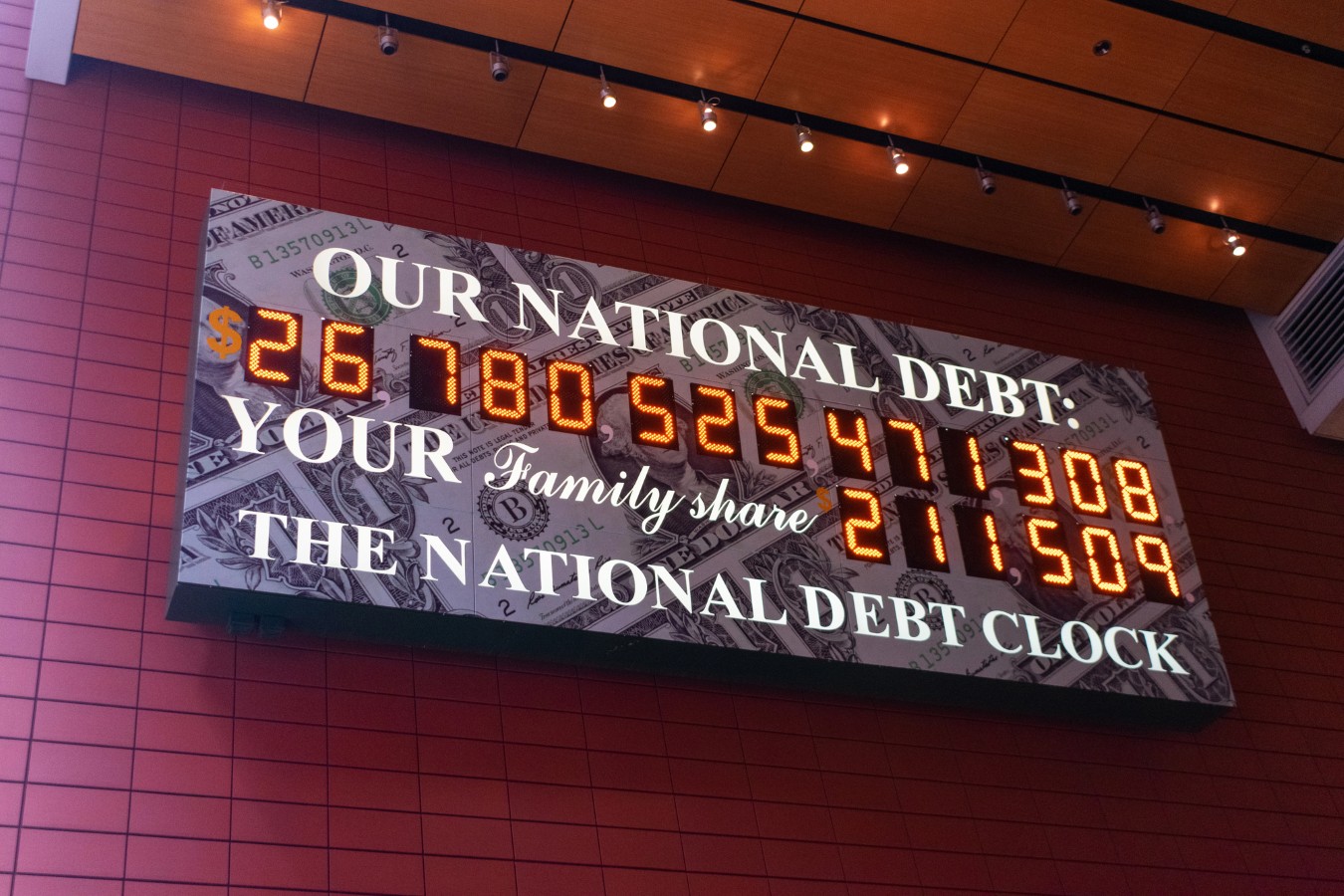
America’s $39 trillion national debt has long dominated political debate, but the International Monetary Fund (IMF) is warning that the U.S. is not the exception; it is the most visible example of a worldwide fiscal strain. What appears to be a national issue is, in reality, a synchronized global challenge affecting both advanced and developing economies.
At the launch of its Fiscal Monitor, IMF Fiscal Affairs Director Rodrigo Valdez framed the situation starkly: “The world economy is being tested again… and this is a world that has less degrees of freedom as public finances are more stretched in many, many countries.”
Global debt nearing a historic breaking point
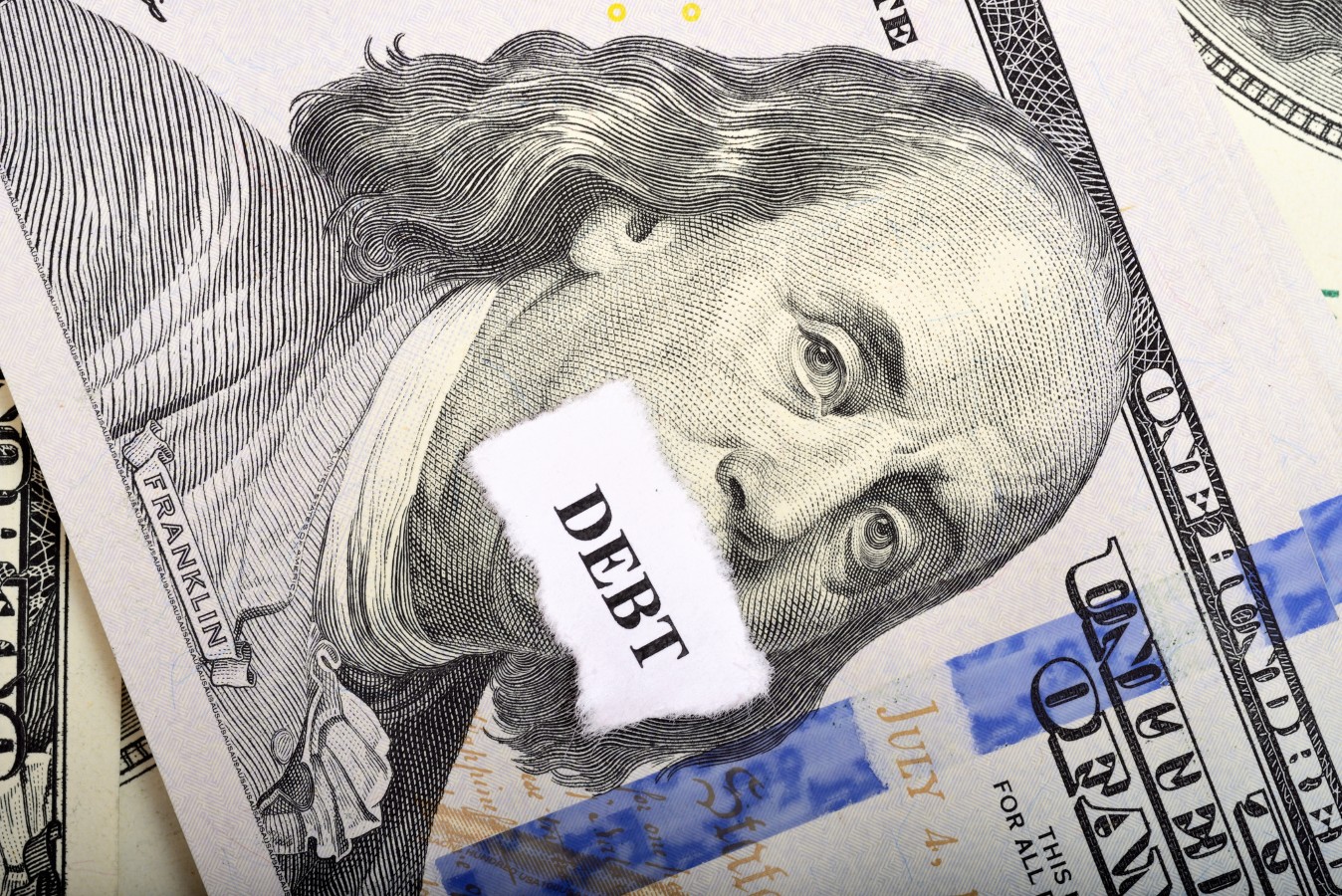
The IMF projects global public debt will climb to 99% of world GDP by 2028, crossing the critical 100% threshold sooner than expected. Under severe but plausible stress scenarios, that figure could surge to 121% within just three years.
This trajectory signals a system-wide vulnerability where governments have far less room to respond to shocks; whether economic, geopolitical, or financial.
The U.S. briefly narrowed its deficit from nearly 8% to below 7% of GDP last year, aided in part by tariff revenues. But that improvement is expected to reverse quickly.
“Our forecast is that this deficit goes back to around 7.5% and stays there for the near future,” Valdez said. U.S. debt is now projected to exceed 125% of GDP this year and could reach 142% by 2031, reinforcing its role as a central case study in fiscal imbalance.
Stabilizing debt would require historic action
Simply stabilizing; not reducing America’s debt would require fiscal tightening of about 4 percentage points of GDP. That would rank among the most significant peacetime adjustments in U.S. history.
Valdez underscored the urgency: “That is not minor, of course,” adding a direct warning to policymakers—“This cannot wait forever.”
Markets are starting to lose patience
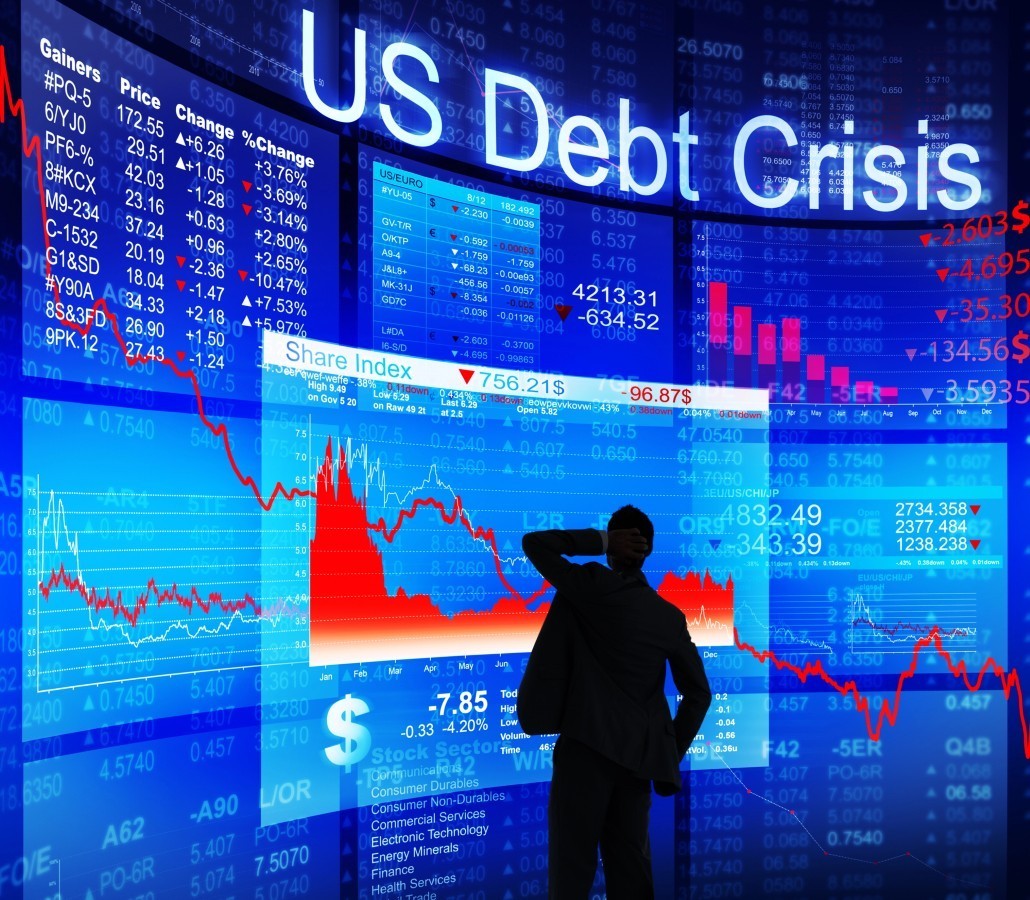
Financial markets are beginning to signal discomfort. U.S. Treasury securities, long viewed as the global standard, are seeing their premium over other advanced economies narrow.
“These are signs that markets are not as sanguine—as forgiving—as they were in the past,” Valdez said, warning that delays in addressing fiscal imbalances could amplify future pressure.
Globally, fiscal gaps; the distance between current government balances and what is needed to stabilize debt; have widened compared to pre-pandemic levels.
“This is not just a cyclical problem,” Valdez said. “It basically reflects policy choices—permanently higher spending and lower revenues.” Compounding the issue, real interest rates are now roughly six percentage points higher than before, making existing debt far more expensive to carry.
Energy subsidies risk making inflation worse

The ongoing Middle East conflict is adding new fiscal pressures, particularly through rising food and energy prices. Governments are increasingly turning to subsidies and tax cuts to shield consumers; moves the IMF strongly criticizes.
“Broad-based energy subsidies or excise reductions are not the best tool,” Valdez said. “They distort price signals, are fiscally costly, regressive, and hard to unwind.”
These policies can also backfire globally. When some countries suppress prices, others absorb greater demand shocks, potentially doubling price pressures elsewhere.
Era Dabla-Norris noted that governments have so far been more restrained than during the 2022 energy crisis but warned that fiscal space is now far tighter.
The IMF’s recommendation is clear: provide targeted, temporary aid to vulnerable populations rather than broad subsidies that strain budgets and distort markets.
AI emerges as a potential fiscal lifeline

Amid the bleak outlook, artificial intelligence stands out as a rare source of optimism. Dabla-Norris suggested AI could improve productivity, enhance tax collection, and transform public service delivery.
“It can be used to fundamentally reshape the way governments do their business,” she said.
However, AI also presents risks, including widening inequality and eroding traditional tax bases tied to labor income. Governments must adapt quickly to ensure tax and social systems remain viable.
Elon Musk warns of inevitable collapse without AI
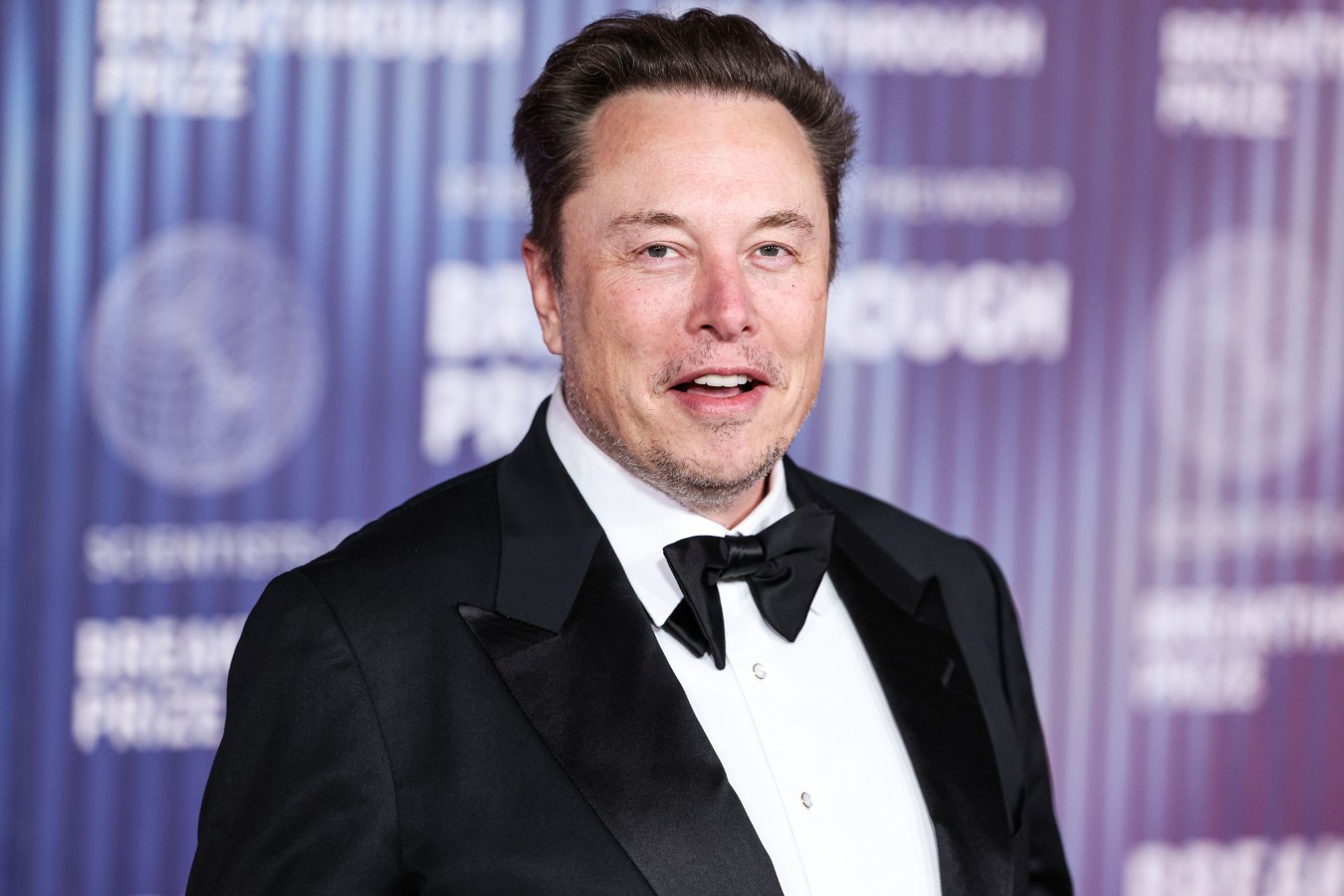
Tech billionaire Elon Musk had voiced similar concerns two months ago. In an interview, he warned that without rapid advances in AI and robotics, the U.S. faces certain financial collapse.
“In the absence of AI and robotics, we’re actually totally screwed because the national debt is piling up like crazy,” Musk said.
He added: “We are 1,000% going to go bankrupt as a country… Nothing else will solve the national debt.”
Rising interest costs are already reshaping the budget

Interest payments on the U.S. debt have reached roughly $1 trillion annually, surpassing military spending and even major social programs like Medicare.
While Donald Trump has proposed boosting defense spending to $1.5 trillion; which could temporarily exceed interest costs; the broader trend points to debt servicing consuming an ever-larger share of federal resources.
The paradox of AI-driven growth and deflation

Musk also highlighted a potential complication: AI-driven productivity could lead to deflation. While increased output might boost GDP, falling prices could increase the real burden of debt.
“That seems likely because you simply won’t be able to increase the money supply as fast as you increase the output of goods and services,” he said.
This creates a paradox; AI could both alleviate and intensify the debt problem depending on how economic dynamics unfold.
The U.S. still has key advantages; for now

Despite mounting risks, the U.S. retains structural advantages. The dollar’s role as the world’s reserve currency allows the government to borrow at lower rates, while institutions like the Federal Reserve provide additional flexibility.
But even these advantages may not be enough indefinitely.
The Committee for a Responsible Federal Budget recently warned that the U.S. is on a path that could trigger multiple types of fiscal crises. While the timing is uncertain, the group concluded that “some form of crisis is almost inevitable” without meaningful policy changes.
A narrowing window to act

The IMF’s message is not subtle: the world is running out of time to address its debt trajectory. Delays will only make the required adjustments more painful.
Between rising interest costs, geopolitical pressures, and structural fiscal imbalances, the global economy faces a tightening vise. Whether AI becomes a breakthrough; or simply another complicating force; may determine how this era of unprecedented debt ultimately ends.
Like Financial Freedom Countdown content? Be sure to follow us!
14 essential strategies to maximize your Social Security and avoid costly mistakes

Social Security is a vital lifeline for many seniors, providing crucial income support during retirement. With inflation at its highest in four decades, Social Security’s inflation-adjusted benefits offer protection against rising costs.
Rising interest rates have disrupted many retirement portfolios, causing bond fund values to plummet. In this volatile financial landscape, Social Security can stabilize a typical stock-bond retirement portfolio. By implementing smart strategies, retirees can maximize their Social Security benefits and ensure a more secure financial future.
14 Essential Strategies to Maximize Your Social Security and Avoid Costly Mistakes

Did you find this article helpful? We’d love to hear your thoughts! Leave a comment with the box on the left-hand side of the screen and share your thoughts.
Also, do you want to stay up-to-date on our latest content?
1. Follow us by clicking the [+ Follow] button above,
2. Give the article a Thumbs Up on the top-left side of the screen.
3. And lastly, if you think this information would benefit your friends and family, don’t hesitate to share it with them!

John Dealbreuin came from a third world country to the US with only $1,000 not knowing anyone; guided by an immigrant dream. In 12 years, he achieved his retirement number.
He started Financial Freedom Countdown to help everyone think differently about their financial challenges and live their best lives. John resides in the San Francisco Bay Area enjoying nature trails and weight training.
Here are his recommended tools
Personal Capital: This is a free tool John uses to track his net worth on a regular basis and as a retirement planner. It also alerts him wrt hidden fees and has a budget tracker included.
Platforms like Yieldstreet provide investment options in art, legal, real estate, structured notes, venture capital, etc. They also have fixed-income portfolios spread across multiple asset classes with a single investment with low minimums of $10,000.