Mamdani pivots from 9.5% property tax hike to new taxes on luxury homes; says wealthy exodus fears are ‘imagined’
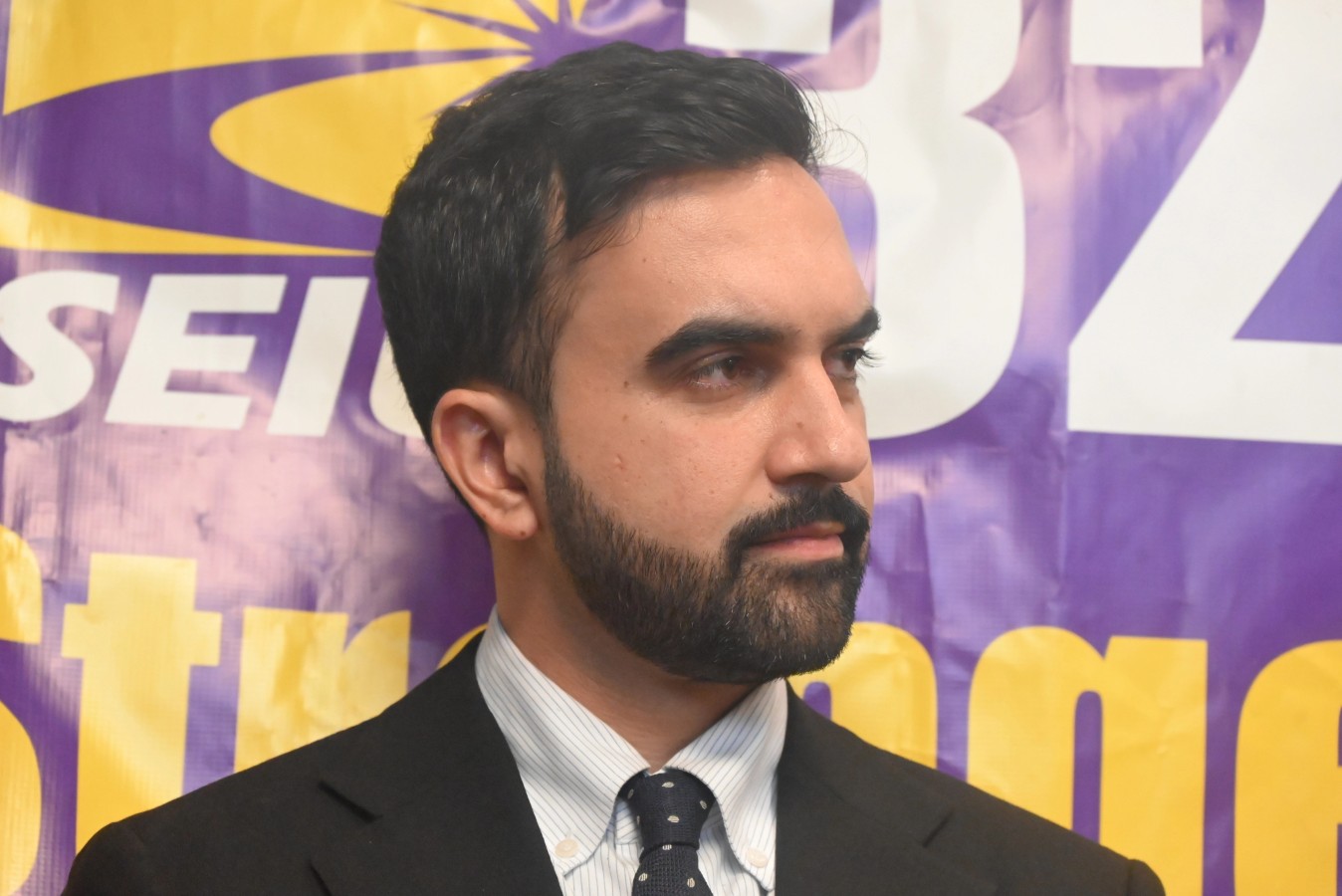
Just three weeks ago, New York City Mayor Zohran Mamdani floated what he called his “option of last resort”: a sweeping 9.5% property tax increase to help close the city’s growing budget gap if state leaders refused to raise taxes on the wealthy. The announcement, delivered at a February press conference, was a striking display of political brinkmanship; but it quickly ran into resistance.
Even in a city dominated by renters, the proposal sparked backlash among homeowners. In southeast Queens, residents rallied against the plan, warning it would worsen affordability rather than improve it.
Homeowners called out Mamdani for running his campaign on affordability and yet raising taxes.
Facing pushback, Mamdani is now shifting strategy. Rather than pursuing a broad-based property tax increase, his administration is advancing a narrower set of proposals aimed at high-value real estate and luxury transactions.
The pivot reflects both political realities and economic concerns. With a national trend toward limiting property taxes; and growing fears of taxpayer flight; the mayor appears to be recalibrating toward a more targeted approach.
A new package focused on high-end real estate

The revised plan replaces the sweeping tax hike with a series of more focused measures. These include a 1% property tax surcharge on Class 1 and Class 2 homes valued at $5 million or more, applied on top of existing property taxes.
It also introduces a 1% transfer tax on cash-only home purchases above $1 million, along with an expanded mansion-style tax on residential sales exceeding $5 million. Altogether, the package is expected to generate about $1.2 billion annually.
Mamdani’s tactics have evolved alongside the policy shift. Instead of publicly pressuring Albany, he is now quietly working with state leaders to advance the revised plan.
This lower-profile approach may be easier for Gov. Kathy Hochul; who is up for re-election and has resisted broad tax increases; to support. Still, the more targeted nature of the plan does not guarantee fewer ripple effects.
Renters could still feel the impact

While the new proposal focuses on high-value properties, economists warn the effects may extend beyond the wealthy.
Because most renters live in Class 2 buildings, a surcharge on those properties could lead landlords to pass costs onto tenants through higher rents. That concern echoes criticism of Mamdani’s original proposal, which was also expected to increase housing costs indirectly.
The timing of the plan adds another layer of complexity. New York City’s housing market is already sluggish, with home sales down 25% since 2022.
Taxing high-end transactions in such an environment could further dampen activity, particularly among affluent buyers and investors who drive a large share of high-value deals.
Lessons from Los Angeles raise concerns

Evidence from other cities suggests caution. In Los Angeles, a similar tax on high-end property sales led to a sharp drop in transactions above the threshold, with some segments seeing declines of up to 50%, according to a 2025 UCLA study.
While those taxes generated revenue for affordable housing, they also slowed market turnover; potentially affecting long-term property tax growth and development activity. New York City’s proposal is different, but the underlying trade-offs are similar.
One key risk is that higher transaction costs could discourage deals altogether. If buyers and sellers delay or avoid transactions, the city could end up relying on a shrinking pool of activity to generate revenue.
That concern is especially relevant for the proposed cash-only transfer tax, which targets a segment of the market often responsible for large, high-value deals.
New development could face headwinds

The plan may also complicate new construction efforts. Large multifamily developments would easily exceed the $5 million threshold, potentially exposing them to higher tax burdens.
All-new, large multiunit buildings would surpass the $5 million threshold, so impacts on new development are also really important to consider.
These concerns come at a time when New York City faces an acute housing shortage. The rental vacancy rate stands at just 1.4%, the lowest level since 1968.
Rents continue to climb, with median asking rents reaching $3,599 in late 2025. Meanwhile, nearly 103,000 people are staying in city shelters each night, underscoring the scale of the housing crisis.
A parallel push to tax second homes

Alongside Mamdani’s plan, Gov. Hochul has proposed a separate tax targeting second homes valued at $5 million or more. The measure would apply to roughly 13,000 properties, many of which are used only part-time or sit vacant.
“This is a targeted surcharge on second homes and investor owned apartments worth over $5 million, homes that in many cases sit vacant for a large part of the year,” Hochul said. “They’re part of our skyline, but those people are not part of our city.”
The proposal could raise an estimated $500 million annually and is expected to be part of ongoing state budget negotiations.
Mamdani rejects risk of rich people leaving NYC over taxes
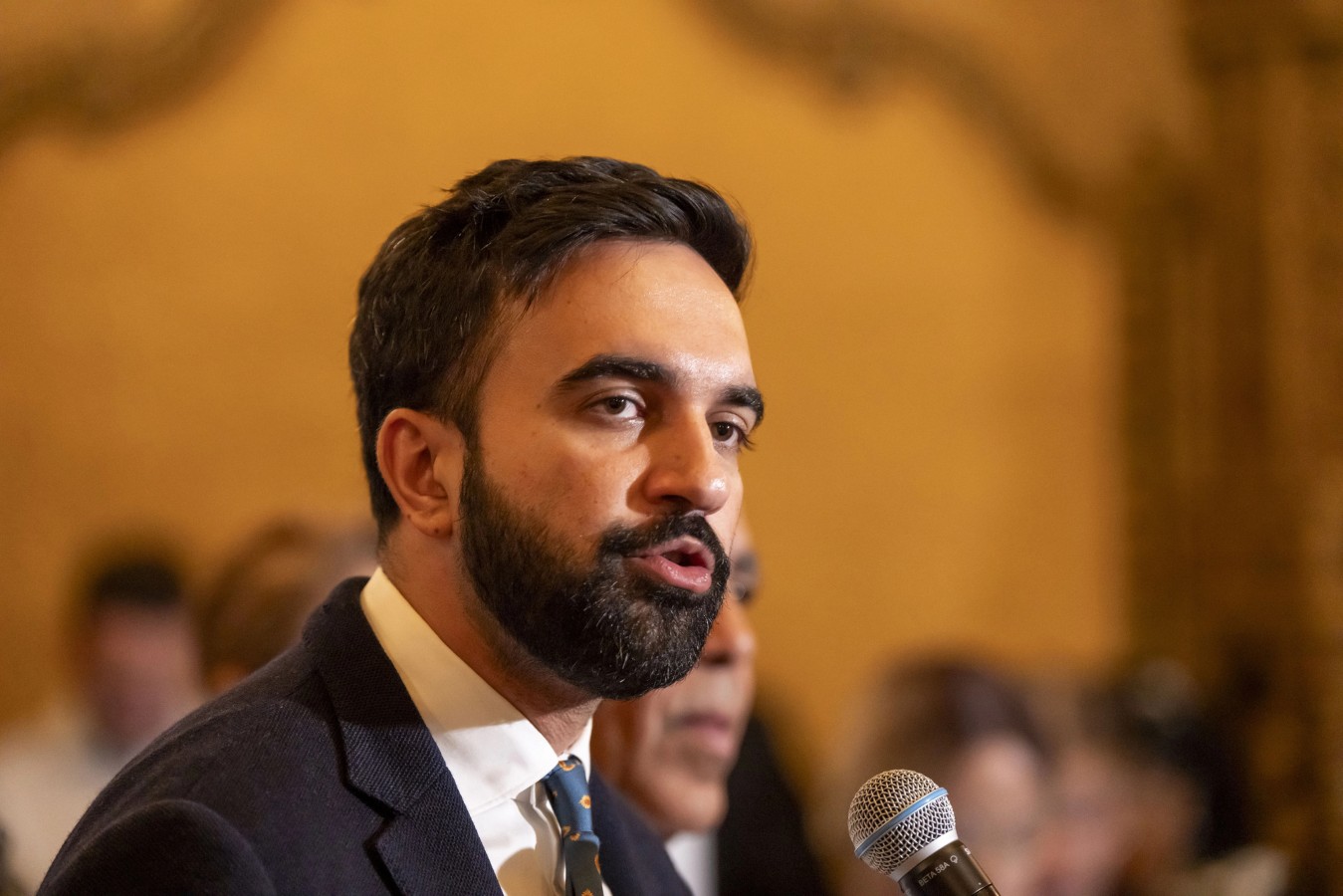
Mamdani has endorsed the second-home tax, framing it as a step toward greater fairness.
“We are one step closer to balancing our budget by taxing the ultra-wealthy and global elites with a pied-à-terre tax — the first of its kind in our state,” he said.
Supporters argue the measure would generate needed revenue without burdening working residents. However, critics; including the Real Estate Board of New York; warn it could weaken the broader economy, reduce construction activity, and raise costs.
Mamdani on Wednesday speaking at a Tax Day public forum dismissed concerns over people leaving NYC. He said, “For all of the discussion of the imagined exodus that would take place were we to tax the wealthiest New Yorkers by the appropriate amount—I say imagined because before I was a mayor I was a state legislator and I was part of an effort to increase taxes on millionaires at that time—we were told the same thing then—and what we find now is that we have more millionaires today than we did at that time even after having passed that tax.”
“And so for all of that conversation about this imagined exodus, we have to reckon with the very real exodus that we are seeing in the city, an exodus of working-class people, an exodus of those who cannot afford to live here and for many who work here who now find their residence in Jersey City or in Connecticut or in Pennsylvania, anywhere else where their dollar can go a little bit further,” he added.
Hochul battles wealthy exodus to red states as Mamdani pushes hikes

Last month, New York Gov. Kathy Hochul was urging wealthy residents who have relocated to lower-tax states to return, warning that the state’s tax base has been eroding. She emphasized that high earners are essential to sustaining New York’s expansive social programs and public services.
“Maybe the first step should be to go down to Palm Beach and see who we can bring back home because our tax base has been eroded,” Hochul said.
Hochul’s call for wealthy residents to return marks a shift from her earlier political rhetoric. During the 2022 campaign, she criticized Republicans such as Lee Zeldin and suggested they relocate to states like Florida.
Her current message underscores the importance of retaining high-income taxpayers as migration trends reshape state finances.
New York’s tax system depends heavily on wealthy residents, with the top 1% contributing a large share of income tax revenue. Their departure poses significant risks to funding for public programs and services.
This reliance has intensified debates over whether raising taxes further could accelerate outmigration or whether such measures are necessary to sustain spending.
A broader fiscal challenge remains
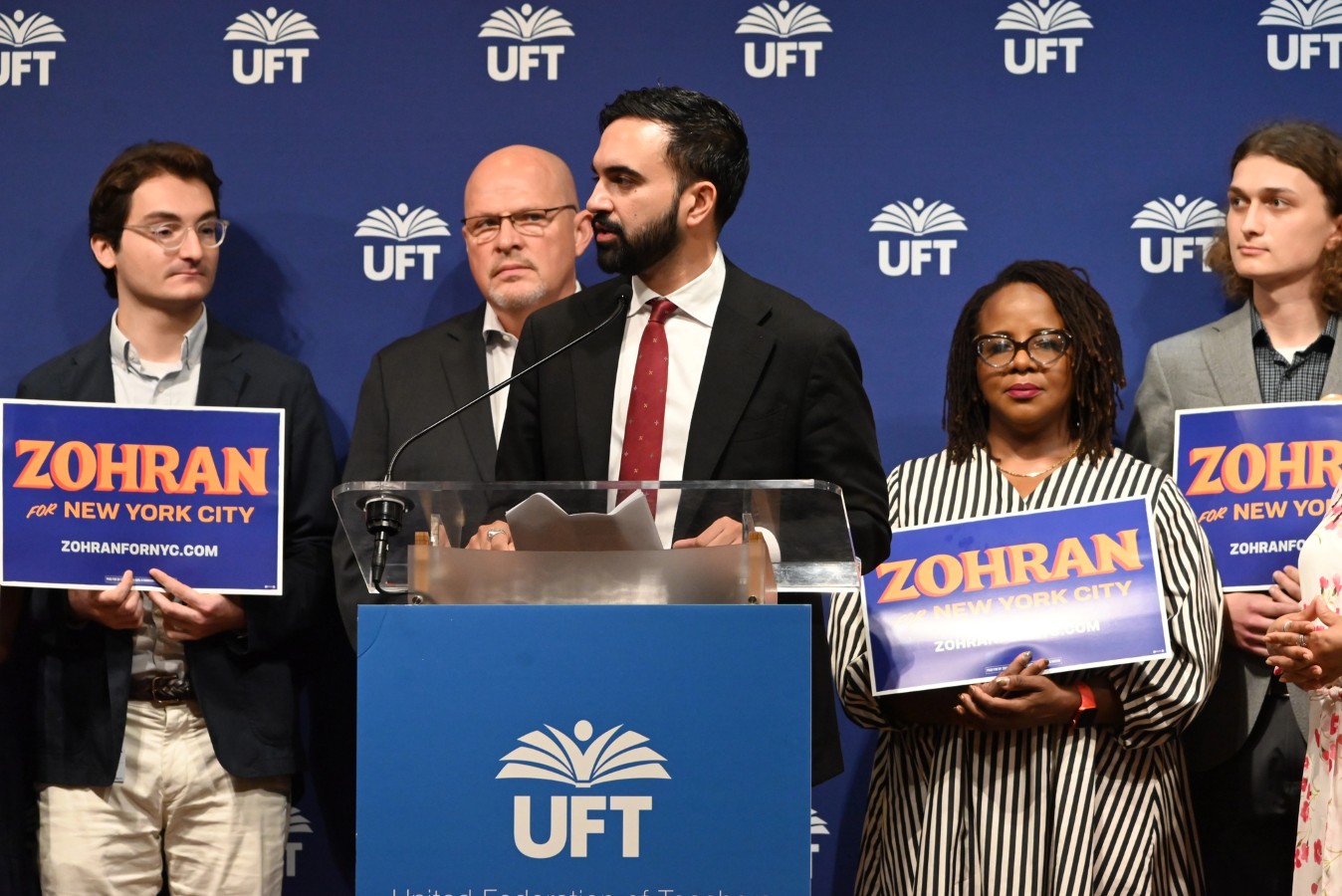
Despite these proposals, experts note that the revenue generated may fall short of closing the city’s budget gap, which is projected to exceed $5 billion.
“New York lawmakers will need to look toward increasing personal income tax and corporate tax,” said economists.
Mamdani’s shift from a broad property tax hike to targeted levies reflects a balancing act between political feasibility and economic risk. While the new approach narrows the focus to high-end properties, its broader effects; on renters, development, and market activity; remain uncertain.
As the city grapples with a housing shortage and fiscal pressures, the outcome of these proposals could shape New York’s economic landscape for years to come.
Like Financial Freedom Countdown content? Be sure to follow us!
14 essential strategies to maximize your Social Security and avoid costly mistakes
Social Security is a vital lifeline for many seniors, providing crucial income support during retirement. With inflation at its highest in four decades, Social Security’s inflation-adjusted benefits offer protection against rising costs.
Rising interest rates have disrupted many retirement portfolios, causing bond fund values to plummet. In this volatile financial landscape, Social Security can stabilize a typical stock-bond retirement portfolio. By implementing smart strategies, retirees can maximize their Social Security benefits and ensure a more secure financial future.
14 Essential Strategies to Maximize Your Social Security and Avoid Costly Mistakes
11 reasons you should claim Social Security early

Deciding when to claim Social Security is often about maximizing your benefit. Financial planners usually advise delaying your claim for as long as possible to secure the highest monthly payment. Your benefit is based on your lifetime earnings, with a full payout available at your full retirement age (FRA), which is currently between 66 and 67 depending on your birth year. Claiming before FRA results in a permanent reduction in your monthly benefit, while waiting beyond FRA leads to a permanent increase. However, the decision isn’t solely about maximizing the monthly check. Personal factors such as health, family circumstances, and financial needs can play a significant role in determining the right time to claim.
11 Reasons You Should Claim Social Security Early
Did you find this article helpful? We’d love to hear your thoughts! Leave a comment with the box on the left-hand side of the screen and share your thoughts.
Also, do you want to stay up-to-date on our latest content?
1. Follow us by clicking the [+ Follow] button above,
2. Give the article a Thumbs Up on the top-left side of the screen.
3. And lastly, if you think this information would benefit your friends and family, don’t hesitate to share it with them!

John Dealbreuin came from a third world country to the US with only $1,000 not knowing anyone; guided by an immigrant dream. In 12 years, he achieved his retirement number.
He started Financial Freedom Countdown to help everyone think differently about their financial challenges and live their best lives. John resides in the San Francisco Bay Area enjoying nature trails and weight training.
Here are his recommended tools
Personal Capital: This is a free tool John uses to track his net worth on a regular basis and as a retirement planner. It also alerts him wrt hidden fees and has a budget tracker included.
Platforms like Yieldstreet provide investment options in art, legal, real estate, structured notes, venture capital, etc. They also have fixed-income portfolios spread across multiple asset classes with a single investment with low minimums of $10,000.