Fed tells Congress inflation has stepped up as tariffs, geopolitical conflict and AI buildout keep pressure on prices
The Federal Reserve says inflation accelerated this spring as tariffs, higher energy prices linked to the geopolitical conflicts, and surging investment in artificial intelligence combined to keep price pressures elevated, reinforcing the central bank’s commitment to restoring price stability.
The findings were outlined in the Federal Reserve’s semiannual Monetary Policy Report to Congress, released Friday, ahead of Chairman Kevin Warsh’s closely watched testimony before the House Financial Services Committee and Senate Banking Committee next week. Lawmakers are expected to question Warsh about inflation, interest rates, the economy, artificial intelligence, and the Fed’s independence.
The report offers one of the clearest assessments yet of why inflation has remained stubbornly above the Federal Reserve’s 2% target.
According to the Fed, U.S. inflation “stepped up further this spring” as tariffs, rising energy costs, and the expanding AI buildout added to price pressures that first emerged last year.
“Inflation has risen this year and remains elevated relative to the Federal Open Market Committee’s longer-run objective of 2%,” the report said, noting that the Fed’s preferred Personal Consumption Expenditures (PCE) Price Index was running at roughly double the central bank’s target through May.
Officials also cited stronger demand for semiconductors, electricity, and other components needed to support large-scale AI infrastructure, while noting that higher services prices are expected to prove less persistent over time.
The labor market remains balanced despite slower workforce growth

While inflation has strengthened, the Fed said the labor market has largely stabilized.
The report described labor demand and labor supply as being “roughly in balance,” with the June unemployment rate remaining low at 4.2%.
Officials noted that job openings have been largely flat, layoffs remain subdued, and labor force growth has slowed considerably.
“A marked slowdown in immigration and ongoing declines in labor force participation due to the aging of the population led to a slowdown in labor supply growth,” the report said.
Despite slower workforce growth, the Fed concluded that overall economic potential continues to expand because productivity has improved.
The report characterized overall economic growth as moderate during the first half of 2026.
Gross domestic product expanded at a 2.1% annual rate, supported by strong business investment tied to AI infrastructure.
However, that growth was partially offset by a stagnant housing market and only modest increases in consumer spending, leaving the economy on a steady but unspectacular growth path.
The Fed concluded that the economy’s productive capacity is still “rising at a solid pace” because stronger labor productivity has compensated for historically weak labor force growth.
Warsh is expected to avoid giving guidance on interest rates
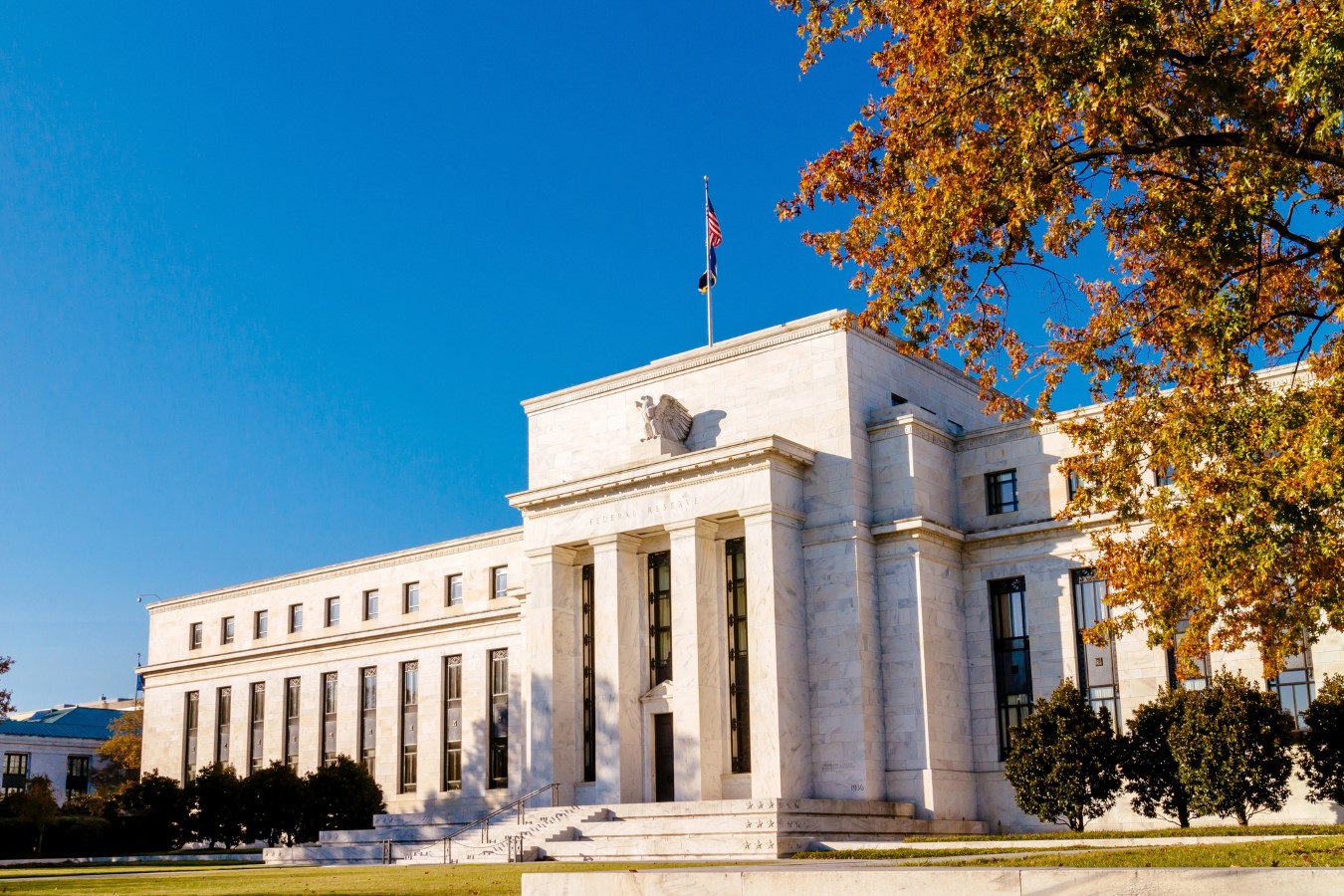
Although lawmakers are expected to ask whether additional interest rate increases are coming, Warsh has repeatedly declined to offer advance guidance before policy meetings.
Speaking during a panel discussion in Portugal on July 2, he reiterated that policymakers would debate the issue internally rather than publicly.
“I said I’m not going to give forward guidance because we’re meeting in six weeks, but I have an update for you, we’re meeting in four weeks.”
He also stressed that vigorous debate among policymakers is healthy. “I want us to have a good family fight … When we get into that room and shut the door, we’re going to have a good debate, but I don’t have much more for you than that.”
Fed officials remain divided on the path for interest rates

The Fed has kept its benchmark interest rate unchanged since December, but policymakers remain split over what comes next.
Minutes from the June 16-17 policy meeting showed an even divide between officials who believe inflation will cool enough to allow rates to remain steady or eventually decline, and those who believe persistent inflation could require additional increases.
The report noted that several monetary policy rules currently point toward higher interest rates because inflation has strengthened.
However, officials cautioned that those models should not be interpreted as forecasts.
“The prescriptions shown here ignore that the economy would have evolved differently if the policy rate had followed one of the paths prescribed by the rules, and, hence, these prescriptions should be interpreted with care.”
AI has become both an inflation risk and a potential solution

Artificial intelligence featured prominently throughout the report.
The Fed said AI investment is currently boosting demand for electricity, advanced semiconductors, and specialized equipment, contributing to inflation in the near term.
At the same time, Warsh has argued that AI could ultimately lower inflation by increasing productivity and expanding the economy’s supply capacity.
He recently acknowledged that those productivity gains may take time to materialize while demand associated with AI construction continues immediately.
Warsh has also said he is seeing AI influence the demand side of the economy and is “confident we’re going to see it in supply at some point.”
The report revives attention on money supply

The report also marked the Federal Reserve’s first substantive discussion of money supply since 2016.
Officials included a section examining M2, a broad measure of money that includes cash, checking deposits, savings deposits, and retail money market funds.
The report said annual M2 growth has returned to levels typically seen during the 2010s and that the unusually large buildup in money balances during the pandemic has largely been reversed.
That normalization could help restrain future inflation after the extraordinary monetary expansion that accompanied the lockdown period.
Warsh has previously argued that excessive government spending and money creation contributed to the inflation surge following the lockdown period.
Five new task forces will review how the Fed conducts policy
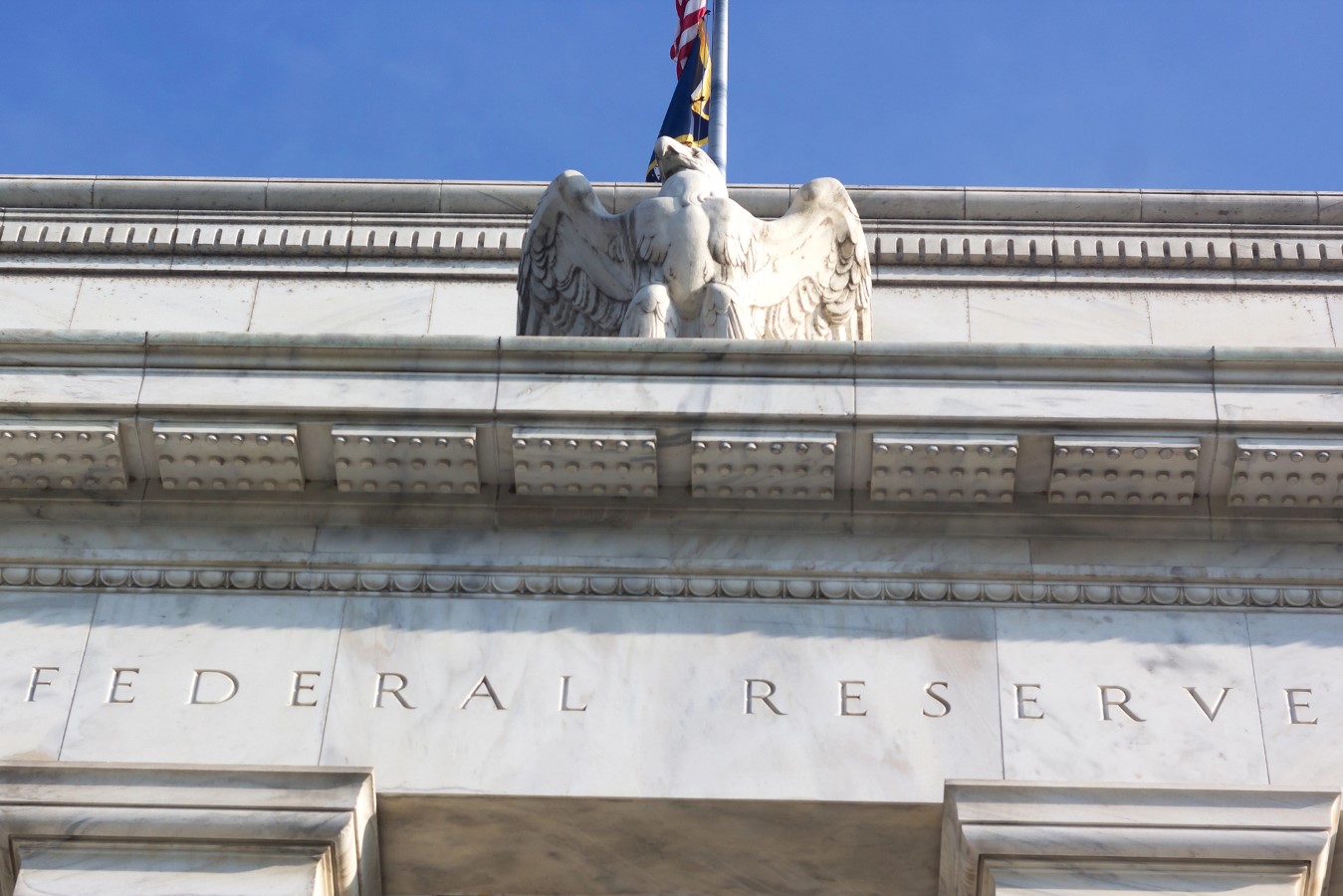
Alongside the report, the Federal Reserve announced five task forces that will examine key areas of monetary policymaking.
The groups will review the Fed’s communications strategy, balance sheet policy, economic data, productivity and jobs, and inflation frameworks.
Each task force will include outside economists, business leaders, and former central bankers working alongside Federal Reserve staff to recommend improvements.
The Productivity and Jobs task force will specifically examine how AI could reshape employment, productivity, and future monetary policy decisions.
Warsh says the Fed’s commitment remains unchanged

Warsh said the review is intended to strengthen the institution while preserving its core mission.
“The Federal Reserve’s commitment to price stability and maximum employment is unwavering. As is our resolve to pursue our mandate with rigor.”
He added that rapid changes across the economy make it important to reassess the central bank’s analytical tools.
“The U.S. economy has changed significantly over the last generation, and never more so than right now. Each task force will carefully consider whether policymakers’ means and methods, analytical tools and policy approaches can be improved upon. I am honored that the best minds from a range of disciplines have agreed to work with us to sharpen our performance as an institution. The goal is straightforward: to ensure the Fed is best positioned to achieve our objectives in this consequential time.”
Warsh is also expected to face questions about whether the Federal Reserve will remain insulated from political pressure as President Donald Trump continues advocating for lower interest rates.
Last week, Warsh reaffirmed that the central bank’s independence remains intact.
“We’ve been an independent central bank for a very long time. We’re going to be an independent central bank at this moment, and you’re going to see no changes on that.”
His testimony next week will provide lawmakers with their first opportunity to question the new Fed chairman on how he plans to balance persistent inflation, a stable labor market, AI-driven economic changes, and mounting expectations for the path of U.S. interest rates.
Like Financial Freedom Countdown content? Be sure to follow us!
Student loan debt is putting retirement plans at risk for millions of older Americans as Social Security withholding concerns grow

Student loan debt is no longer just a challenge for recent college graduates. A growing number of Americans in their 60s and 70s are entering retirement while still making monthly loan payments, with some seeing balances grow despite decades of repayment. More than 3 million people age 62 and older now hold federal student loan debt, according to Education Department data. For many, rising balances, fixed retirement incomes and upcoming federal repayment changes are forcing difficult financial decisions, while borrowers who default could even see a portion of their Social Security benefits withheld.
How the Warren-Moreno Social Security plan taxes everything but caps your benefits
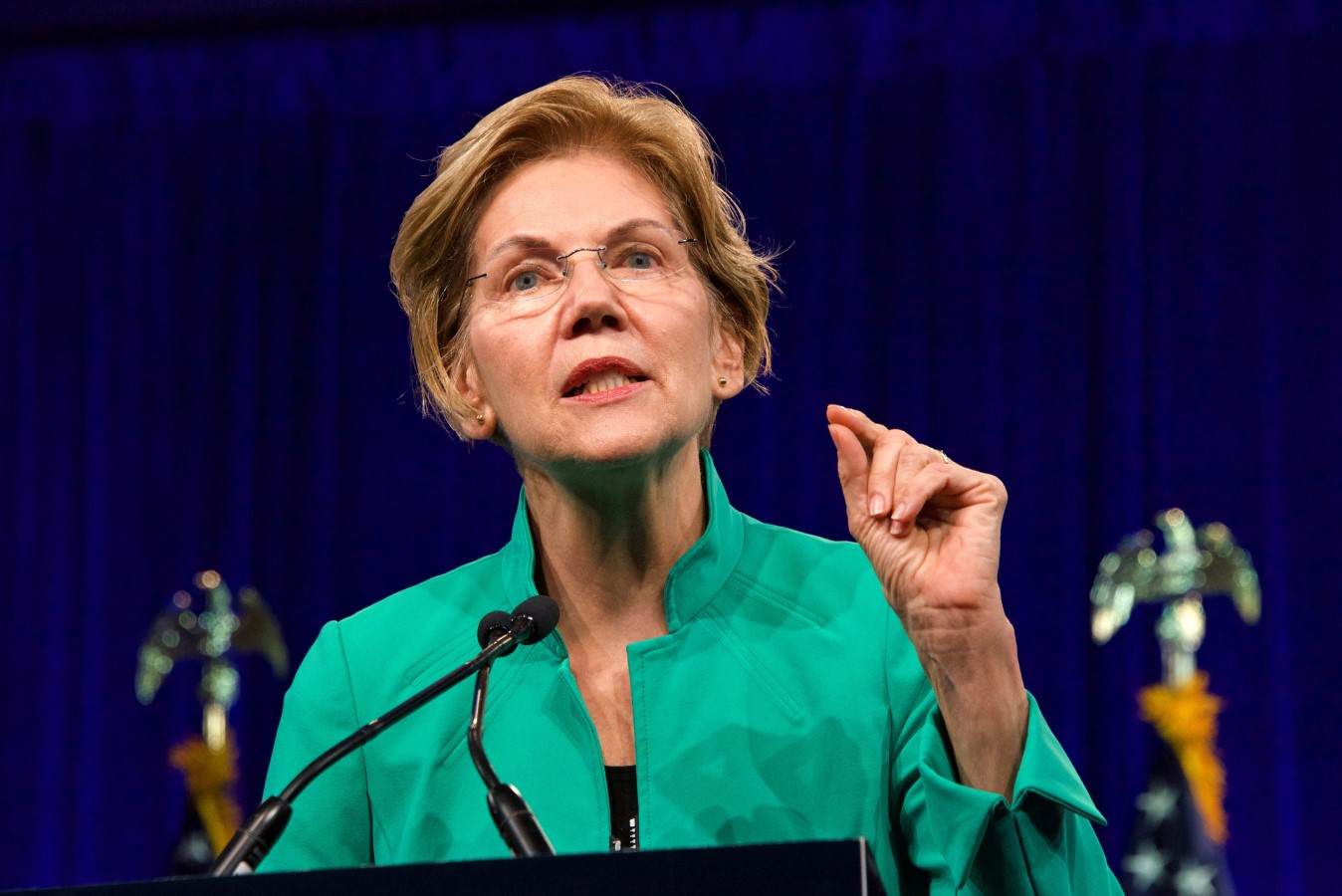
In a striking break from typical gridlock, an unexpected legislative partnership has emerged aimed at solving one of the nation’s most pressing financial dilemmas. Senators Elizabeth Warren, a Massachusetts Democrat, and Bernie Moreno, an Ohio Republican, recently urged Congress in a joint op-ed for The New York Times to take immediate action to stabilize the country’s retirement safety net. The pair outlined a bipartisan plan they say would “save Social Security for generations of Americans.” The partnership between Warren and Moreno stands out because of their vastly different political backgrounds. Warren has spent her career as a progressive focused on protecting consumers from financial tricks and traps, while Moreno is a conservative businessman who built a company generating hundreds of jobs. Despite their ideological disagreements, they found common ground on the urgent need to protect retirement benefits. “Instead of cutting benefits for the retirees who count on Social Security, we need to take bipartisan action to protect those benefits, reward work and restore fairness,” Warren and Moreno wrote. Their shared vision represents a notable shift away from party-line bickering.
How the Warren-Moreno Social Security plan taxes everything but caps your benefits
Did you find this article helpful? We’d love to hear your thoughts! Leave a comment with the box on the left-hand side of the screen and share your thoughts.
Also, do you want to stay up-to-date on our latest content?
1. Follow us by clicking the [+ Follow] button above,
2. Give the article a Thumbs Up on the top-left side of the screen.
3. And lastly, if you think this information would benefit your friends and family, don’t hesitate to share it with them!

John Dealbreuin came from a third world country to the US with only $1,000 not knowing anyone; guided by an immigrant dream. In 12 years, he achieved his retirement number.
He started Financial Freedom Countdown to help everyone think differently about their financial challenges and live their best lives. John resides in the San Francisco Bay Area enjoying nature trails and weight training.
Here are his recommended tools
Personal Capital: This is a free tool John uses to track his net worth on a regular basis and as a retirement planner. It also alerts him wrt hidden fees and has a budget tracker included.
Platforms like Yieldstreet provide investment options in art, legal, real estate, structured notes, venture capital, etc. They also have fixed-income portfolios spread across multiple asset classes with a single investment with low minimums of $10,000.