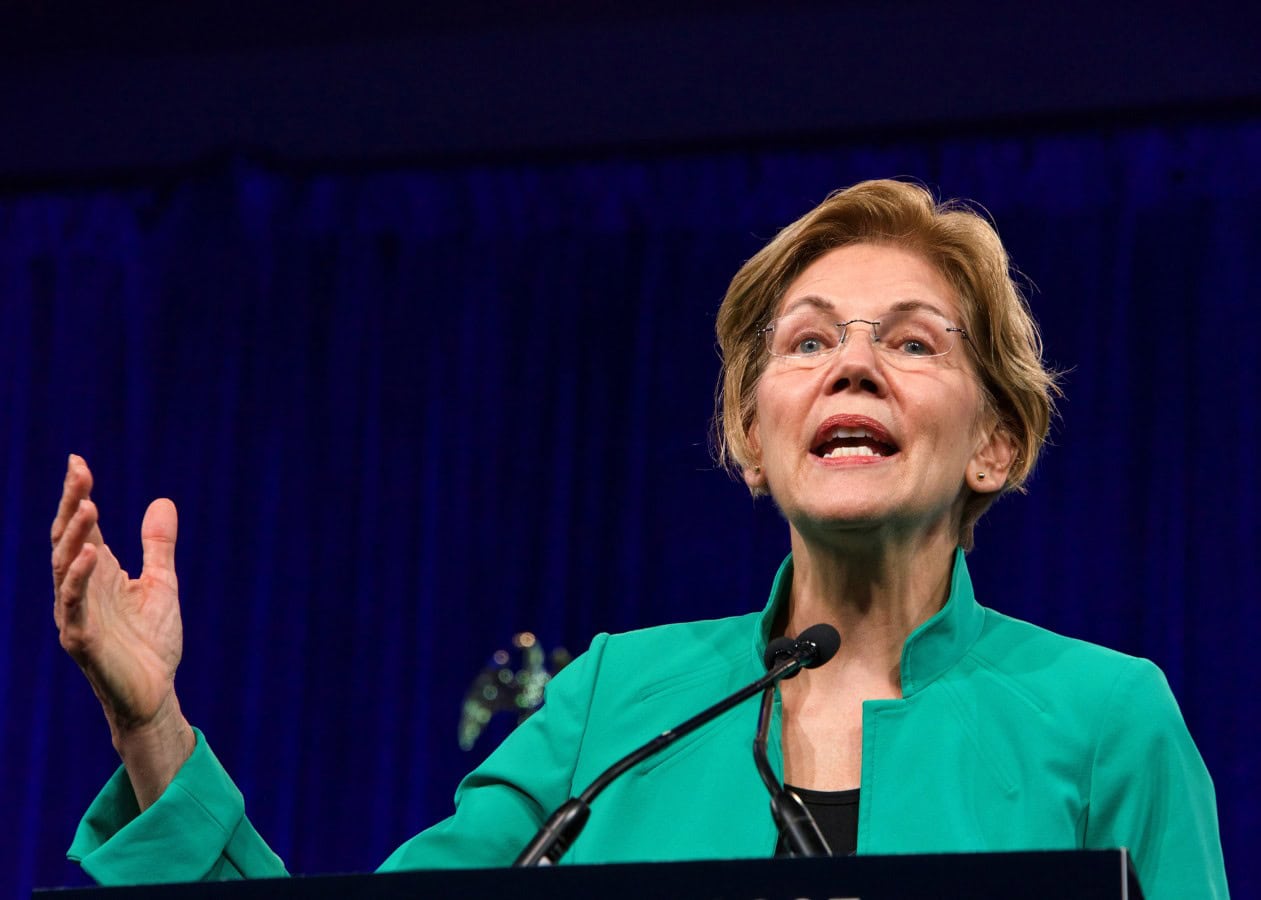
Warren presses Fed and bank regulators to enforce Trump’s 10% credit card rate cap

Sen. Elizabeth Warren is intensifying pressure on federal banking regulators after President Donald Trump’s call for a temporary 10% cap on credit card interest rates failed to produce meaningful changes from major lenders. In new letters sent to the Federal Reserve, Office of the Comptroller of the Currency and Federal Deposit Insurance Corporation, Warren demanded to know whether regulators plan to enforce Trump’s proposal or take action against banks that continue charging rates averaging roughly 21%.
The Massachusetts Democrat’s latest move expands her criticism beyond the Consumer Financial Protection Bureau and directly targets the agencies overseeing the nation’s largest banks. Warren accused regulators of “doing nothing” while consumers continue facing historically high borrowing costs despite Trump’s repeated public demands for relief.
Warren sent letters last month to top officials at the Fed, OCC and FDIC asking whether enforcement actions against banks that ignored Trump’s directive are being considered. She requested detailed responses by May 11, including whether regulators communicated with banks before or after Trump’s announcement and whether they support the proposed cap.
Warren argued that regulators have failed to act even as credit card interest rates remain near record highs for many Americans struggling with inflation and household debt.
Trump’s 10% Interest Rate Push Sparks Political Divide

Trump first called for a one-year, 10% cap on credit card interest rates in a Jan. 9 Truth Social post, arguing that Americans were being “ripped off” by banks charging rates between 20% and 30%.
“Please be informed that we will no longer let the American Public be ‘ripped off’ by Credit Card Companies,” Trump wrote in the post, adding a single-word message: “AFFORDABILITY!”
The president said he expected lower rates to take effect beginning Jan. 20 and later pushed Congress to pass legislation after banks declined to voluntarily comply.
Shortly after Trump’s announcement, White House Press Secretary Karoline Leavitt said the administration expected credit card companies to reduce rates by Jan. 20, describing the request as a direct “demand” from the president.
The comments raised questions across the financial industry about whether the White House might pursue executive action or pressure regulators to force banks into compliance.
Warren Previously Accused CFPB of Undermining Trump’s Goals

The new letters build on Warren’s earlier criticism of CFPB Acting Director Russell Vought, whom she accused of undermining Trump’s affordability agenda.
In a previous letter, Warren said the CFPB had rolled back consumer protections by eliminating a rule capping credit card late fees at $8, pausing enforcement actions and siding with lenders in litigation involving deceptive practices.
In her letter, Warren told Vought that while Congress debates legislation, the CFPB itself has taken steps that make credit cards more expensive for consumers. She accused the agency of “directly undermining the President’s stated goals” by easing pressure on banks and credit card companies rather than holding them accountable.
“I spoke with President Trump last week and told him that Congress could pass legislation to cap credit card rates, if he would fight for it,” Warren wrote in her letter to Vought.
“While Congress considers legislation to address the issue, your own actions are directly undermining the President’s stated goals,” she wrote. “Under your leadership, the CPFB has taken steps to make it easier—not harder—for big banks and credit card companies to rip off Americans.”
Banking Industry Warns of Reduced Credit Access

Major banking groups and lenders have strongly opposed the idea of a 10% interest rate cap, warning that such a move could significantly reduce credit availability for higher-risk borrowers. Industry advocates argue that lower caps would force banks to tighten lending standards, cut rewards programs and reduce access to unsecured credit.
Banks including JPMorgan Chase previously signaled they would oppose efforts to impose mandatory rate limits.
Warren highlighted that under Vought’s leadership, the CFPB dropped a rule that would have capped credit card late fees at $8. That rule, finalized during the Biden administration, was estimated to save Americans more than $10 billion annually. Warren urged Vought to immediately reinstate it.
Despite industry concerns, research cited by Warren suggests consumers could see substantial financial relief under a rate cap. A Vanderbilt University analysis published last fall estimated that a 10% cap could save Americans roughly $100 billion annually.
The study also found that smaller caps of 15% or 18% could save consumers between $16 billion and $48 billion annually while avoiding major reductions in credit availability.
Regulators Offer Limited Public Response
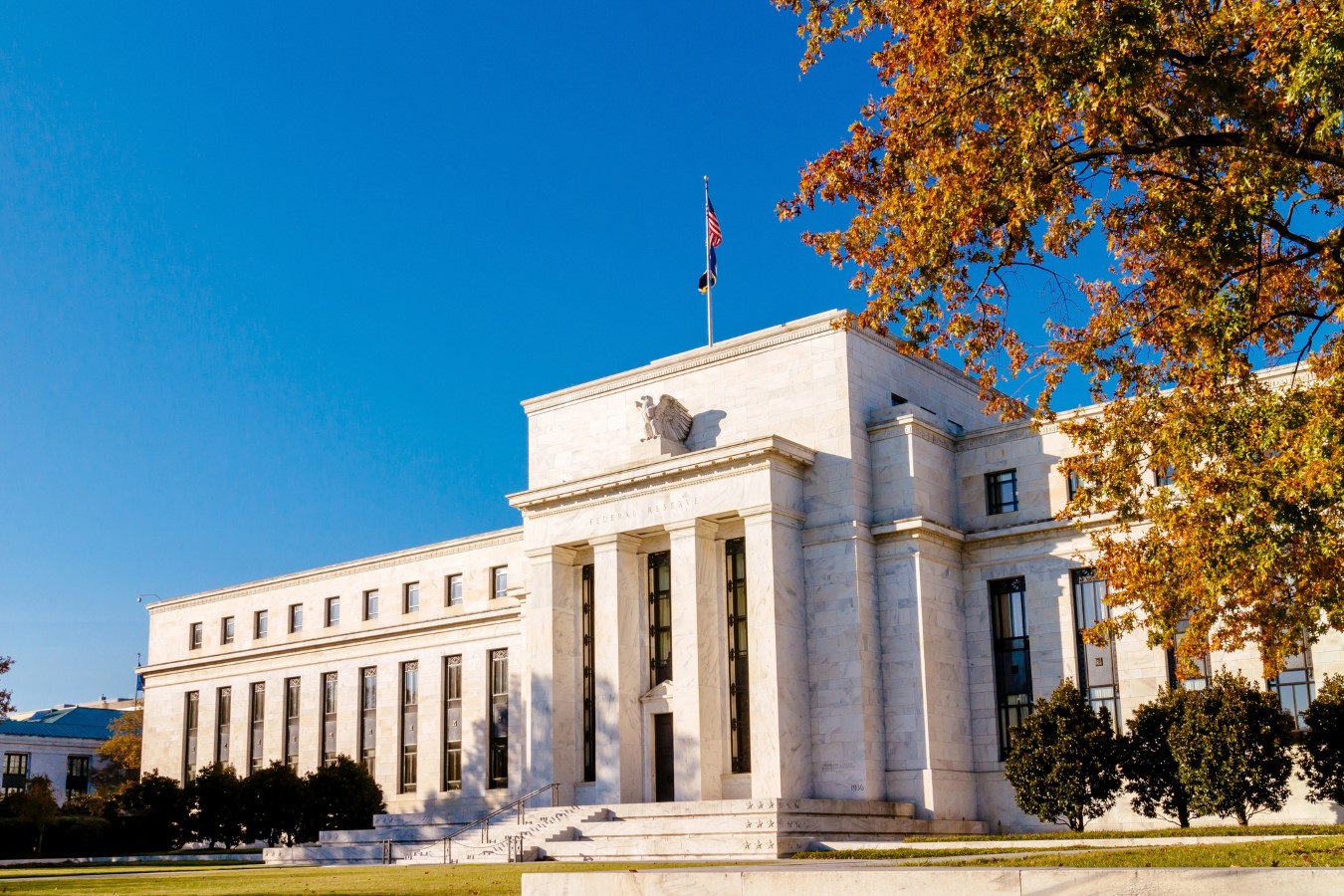
A spokesperson for the Federal Reserve confirmed the agency received Warren’s letter but declined to comment on its contents. The FDIC also declined to comment, while the OCC did not immediately respond to requests for comment.
So far, regulators have not publicly indicated whether they support Trump’s proposal or plan to pressure lenders to lower rates.
The debate over credit card interest rates comes as consumer confidence continues deteriorating. The University of Michigan’s consumer sentiment index fell sharply in April, reflecting growing concerns over inflation, borrowing costs and household finances.
For millions of Americans carrying revolving debt, persistently high interest rates have become one of the clearest financial pain points in the broader affordability debate.
A Political Flashpoint for the CFPB’s Future

The clash comes as members of the Trump administration push to shutter or significantly weaken the CFPB as part of a broader pro-business deregulatory agenda. Warren, who helped create the agency under President Barack Obama, has become one of its fiercest defenders as its authority and staffing face mounting threats.
Current and former CFPB employees have warned that the agency is effectively on “life support” under Vought. He has fought in court to enact mass layoffs and halt the bureau’s funding, moves critics say would cripple its ability to police the financial industry.
Administration Pushes Back on Rate Authority Claims

A CFPB spokesperson responded that the agency is barred by the Dodd-Frank Act from directly capping credit card interest rates. While that may be legally true, Warren argues the bureau still has broad authority to reduce costs by cracking down on abusive fees, deceptive promotions, and unfair interest rate hikes.
Beyond late fees, Warren called on the CFPB to rein in deferred-interest promotions, resume enforcement around interest rate increases, respond to a growing backlog of consumer complaints, and halt bait-and-switch tactics in credit card rewards programs.
Warren Uses Trump’s Own Proposal to Pressure Regulators

Warren’s strategy places Trump’s own affordability rhetoric at the center of the fight over financial regulation. By urging regulators to enforce the president’s proposal, she is attempting to force the administration to either follow through on its promises or explain why banks continue charging rates more than double Trump’s suggested cap.
The escalating clash also highlights a broader political tension: whether the administration’s populist messaging on affordability can coexist with its wider deregulatory approach toward Wall Street and the banking industry.
Like Financial Freedom Countdown content? Be sure to follow us!
Forgotten IRS Retirement Rule Is Costing Americans $1.7 Billion a Year and It’s Still Catching Retirees Off Guard

Missing a required minimum distribution (RMD) might sound like a minor paperwork error. But new research from Vanguard shows it’s anything but small: investors who failed to take required withdrawals in 2024 triggered an estimated $1.7 billion in IRS penalties, with the biggest mistakes concentrated among people with the smallest retirement accounts. Here’s what the data reveals; and what retirees can do to avoid an expensive oversight.
Did you find this article helpful? We’d love to hear your thoughts! Leave a comment with the box on the left-hand side of the screen and share your thoughts.
Also, do you want to stay up-to-date on our latest content?
1. Follow us by clicking the [+ Follow] button above,
2. Give the article a Thumbs Up on the top-left side of the screen.
3. And lastly, if you think this information would benefit your friends and family, don’t hesitate to share it with them!

John Dealbreuin came from a third world country to the US with only $1,000 not knowing anyone; guided by an immigrant dream. In 12 years, he achieved his retirement number.
He started Financial Freedom Countdown to help everyone think differently about their financial challenges and live their best lives. John resides in the San Francisco Bay Area enjoying nature trails and weight training.
Here are his recommended tools
Personal Capital: This is a free tool John uses to track his net worth on a regular basis and as a retirement planner. It also alerts him wrt hidden fees and has a budget tracker included.
Platforms like Yieldstreet provide investment options in art, legal, real estate, structured notes, venture capital, etc. They also have fixed-income portfolios spread across multiple asset classes with a single investment with low minimums of $10,000.