FedEx, UPS and DHL begin passing tariff refunds to customers as $166 billion reimbursement effort expands

Millions of dollars in tariff refunds are beginning to reach businesses that paid import duties over the past year, with major shipping companies confirming they are returning the money to customers rather than keeping it.
FedEx says it has already received $800 million in tariff refunds from the U.S. government, while UPS expects billions more could eventually be returned. DHL has also begun distributing refunded duties as the federal reimbursement program expands through additional phases this summer.
FedEx has disclosed that it has received approximately $800 million in tariff refunds from the federal government under the Customs Automated Processing Environment (CAPE) refund program.
The company said the money is not being retained as revenue. Instead, it is being held until it can be returned to customers who originally paid the duties.
Brie Carere, FedEx’s chief customer officer, told investors during the company’s Tuesday earnings call that customer payments are expected to begin in August.
The announcement represents one of the largest public disclosures so far regarding the tariff refund program.
FedEx says changing trade policy remains a challenge
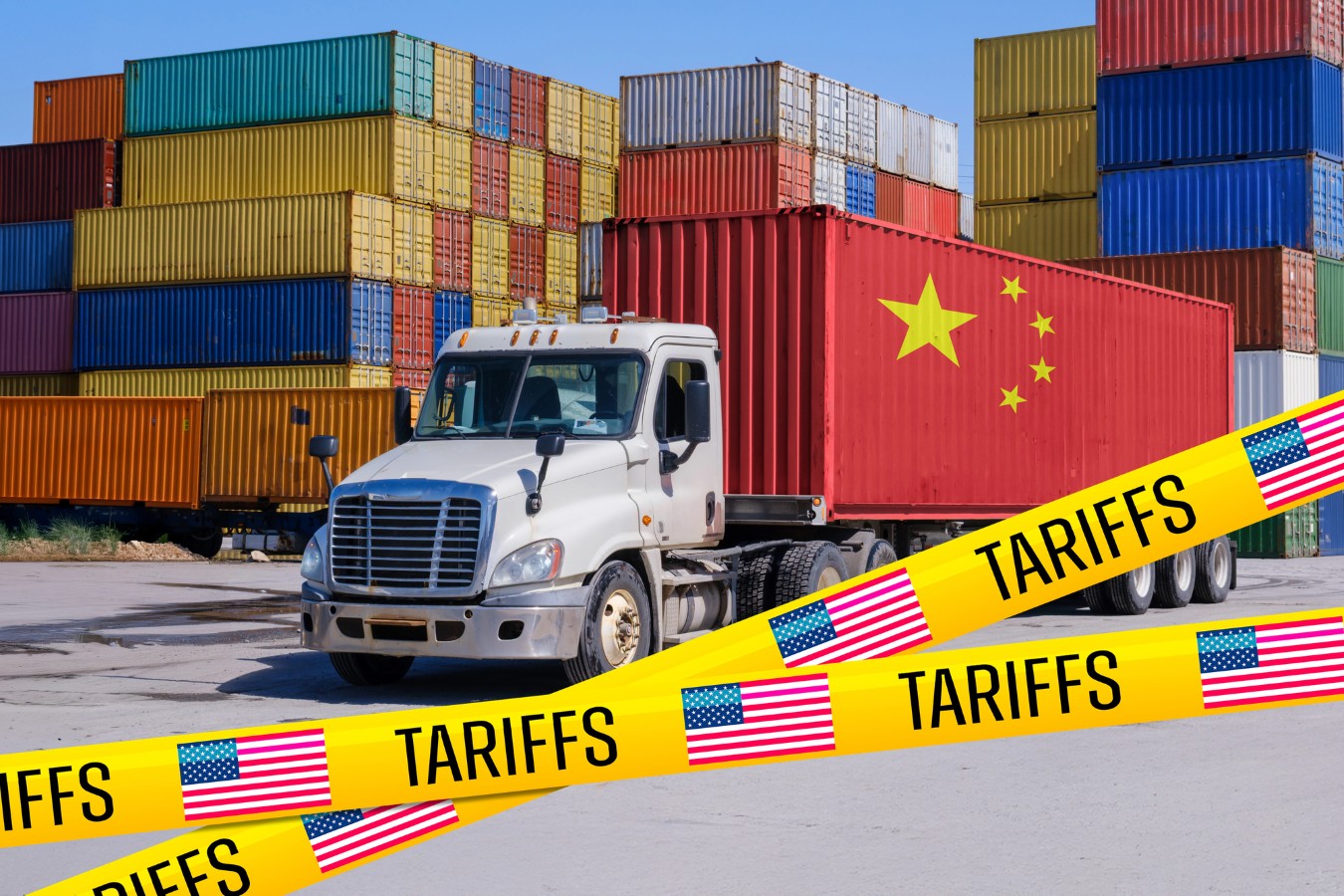
Shipping companies have played a leading role in seeking refunds after tariffs collected under the International Emergency Economic Powers Act (IEEPA) were ruled eligible for reimbursement.
Unlike many retailers and manufacturers, shipping companies often act as the Importer of Record (IOR) for customers, meaning tariff charges typically appear as separate line items on invoices.
That transparency makes it easier to determine exactly how much each customer paid and simplifies the process of returning refunded duties.
Despite the potential benefit of tariff refunds, FedEx says shifting trade policies continue to create operational uncertainty.
CEO Raj Subramaniam highlighted the impact during the company’s latest earnings call.
“We achieved these results despite several significant headwinds, particularly global trade policy changes,” he said.
As additional phases of the government’s refund program roll out this summer, businesses across the shipping, retail and manufacturing sectors will be watching closely to determine how much more of the estimated $166 billion in tariffs may ultimately be returned to importers and consumers.
DHL confirms refund payments have already started

DHL also confirmed that customer refunds are already underway.
While the company declined to disclose the total amount it has requested from the government, a spokesperson confirmed that funds have begun arriving.
“DHL is reconciling those amounts and returning the funds to the customers that originally paid the duties.”
The company indicated it will continue processing refunds as additional payments are received through the federal reimbursement program.
UPS expects billions in additional tariff refunds
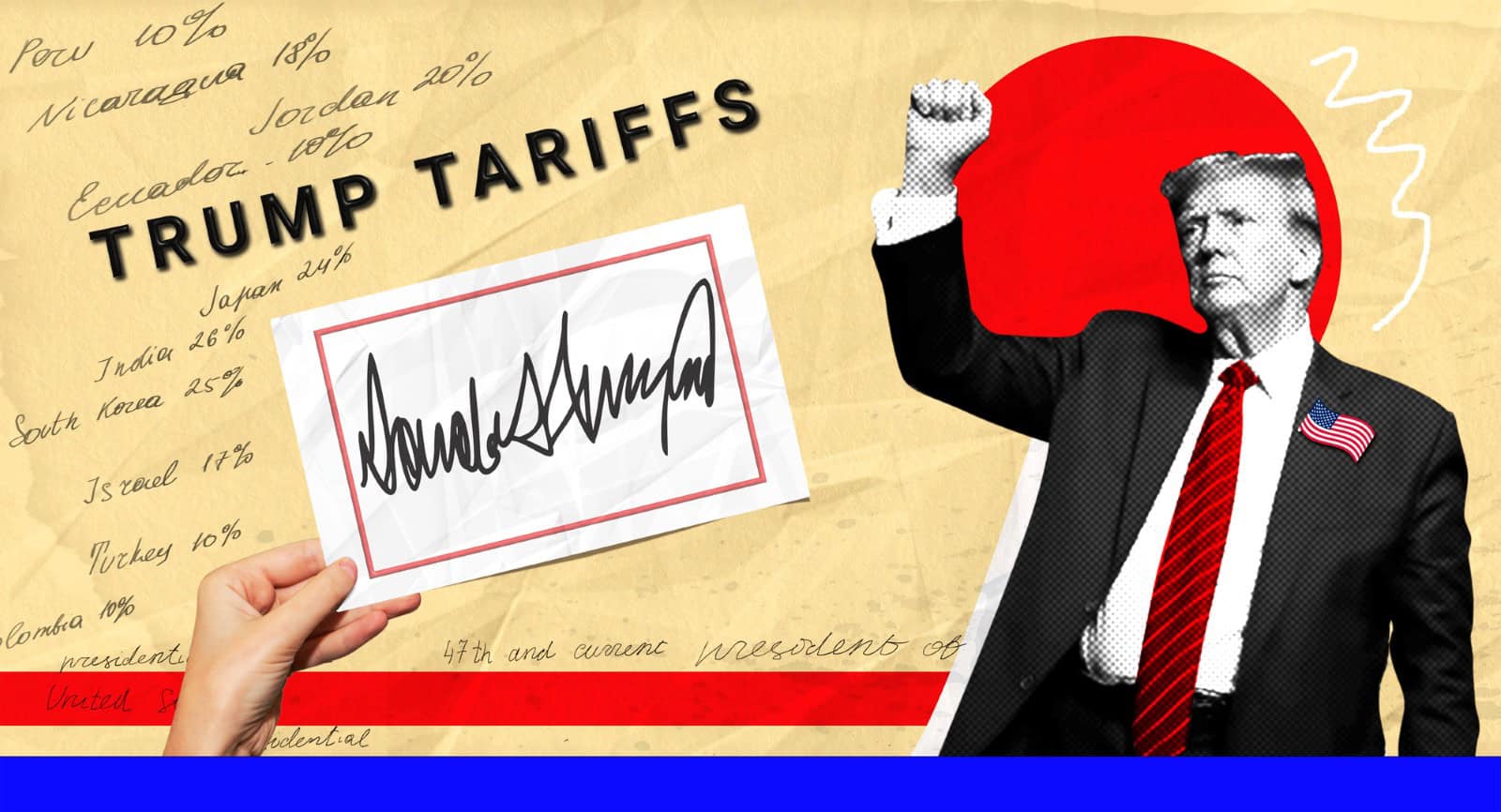
UPS believes it could ultimately receive approximately $5 billion in tariff refunds.
The company said it immediately applied for roughly $500 million during the first phase of the government’s CAPE refund program.
CEO Carol Tomé emphasized that the company does not intend to keep any of the refunded money.
“We are just a pass-through,” she said. “As soon as we get that money, we are going to remit it right back to our customer.”
UPS also said in a statement: “We will expand our efforts as CBP launches future phases.”
More refund opportunities are arriving in phases
The current refund effort is only the beginning.
Phase 2 of the CAPE refund program is scheduled to launch on June 29, while Phase 3 is expected by the end of July.
Each new phase expands the categories of tariffs eligible for reimbursement based on factors including when duties were originally paid during the approximately 14 months since President Donald Trump first announced the blanket tariffs.
As additional phases open, more businesses may become eligible to recover previously paid duties.
The overall refund program could involve as much as $166 billion in tariff collections.
For shipping companies, returning the money is generally more straightforward because tariff charges are separately identified on customer invoices.
Many importers have closely monitored the reimbursement process and pressed shipping providers to return any refunded duties as soon as they are received from the government.
Retailers face a more complicated refund challenge
Other businesses are facing a more difficult process because tariffs were often incorporated into product prices rather than separately itemized.
That complexity has resulted in numerous customer lawsuits seeking reimbursement from retailers and manufacturers.
Costco has been sued by customers seeking tariff refunds and has indicated it intends to return the money.
CEO Ron Vachris said during a recent earnings call that customers would receive the refunds “in some form.”
Walmart has also outlined plans for using its refunds by announcing price reductions on approximately 7,200 products.
Tariff uncertainty continues for businesses
The refund process comes as companies continue navigating an evolving U.S. trade policy landscape.
Many imports remain subject to a 10% global tariff imposed under Section 122 of the Trade Act of 1974. Those duties are also facing legal challenges, creating the possibility of additional refunds in the future.
Meanwhile, the Trump administration is expected to introduce a new permanent tariff framework that could take effect as early as July.
The ongoing policy changes have left many businesses planning for both potential reimbursements and future tariff costs.
Like Financial Freedom Countdown content? Be sure to follow us!
14 essential strategies to maximize your Social Security and avoid costly mistakes
Social Security is a vital lifeline for many seniors, providing crucial income support during retirement. With inflation at its highest in four decades, Social Security’s inflation-adjusted benefits offer protection against rising costs.
Rising interest rates have disrupted many retirement portfolios, causing bond fund values to plummet. In this volatile financial landscape, Social Security can stabilize a typical stock-bond retirement portfolio. By implementing smart strategies, retirees can maximize their Social Security benefits and ensure a more secure financial future.
14 Essential Strategies to Maximize Your Social Security and Avoid Costly Mistakes
11 reasons you should claim Social Security early
Deciding when to claim Social Security is often about maximizing your benefit. Financial planners usually advise delaying your claim for as long as possible to secure the highest monthly payment. Your benefit is based on your lifetime earnings, with a full payout available at your full retirement age (FRA), which is currently between 66 and 67 depending on your birth year. Claiming before FRA results in a permanent reduction in your monthly benefit, while waiting beyond FRA leads to a permanent increase. However, the decision isn’t solely about maximizing the monthly check. Personal factors such as health, family circumstances, and financial needs can play a significant role in determining the right time to claim.
11 Reasons You Should Claim Social Security Early

Did you find this article helpful? We’d love to hear your thoughts! Leave a comment with the box on the left-hand side of the screen and share your thoughts.
Also, do you want to stay up-to-date on our latest content?
1. Follow us by clicking the [+ Follow] button above,
2. Give the article a Thumbs Up on the top-left side of the screen.
3. And lastly, if you think this information would benefit your friends and family, don’t hesitate to share it with them!

John Dealbreuin came from a third world country to the US with only $1,000 not knowing anyone; guided by an immigrant dream. In 12 years, he achieved his retirement number.
He started Financial Freedom Countdown to help everyone think differently about their financial challenges and live their best lives. John resides in the San Francisco Bay Area enjoying nature trails and weight training.
Here are his recommended tools
Personal Capital: This is a free tool John uses to track his net worth on a regular basis and as a retirement planner. It also alerts him wrt hidden fees and has a budget tracker included.
Platforms like Yieldstreet provide investment options in art, legal, real estate, structured notes, venture capital, etc. They also have fixed-income portfolios spread across multiple asset classes with a single investment with low minimums of $10,000.