Jeff Bezos says bottom half of earners should pay no federal income taxes and Elon Musk agrees
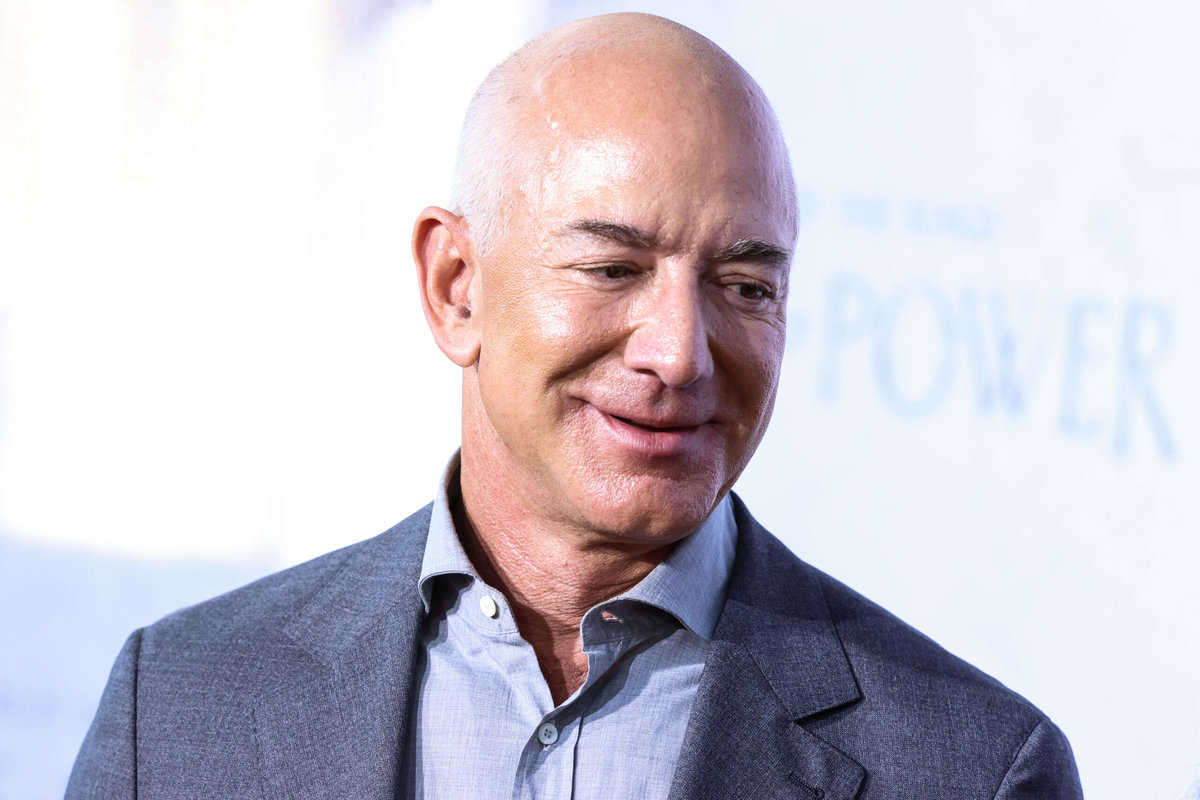
Jeff Bezos says millions of Americans in the lower half of the income scale should pay no federal income taxes at all, arguing that the current system places an unnecessary burden on working households while contributing little to overall government revenue.
Speaking during an interview on CNBC’s “Squawk Box” with Andrew Ross Sorkin, Bezos said the bottom half of taxpayers account for just 3% of total federal income tax revenue, while the top 1% contribute roughly 40%.
“I don’t think it should be 3%,” Bezos said. “I think it should be zero.”
The comments come as tax fairness and affordability pressures increasingly dominate political and economic discussions across the U.S.
Bezos argued that taxing lower-income workers generates relatively little money for the federal government while placing meaningful strain on households already grappling with inflation and rising living costs.
“The income tax paid by lower earners is a small amount of money for the government,” Bezos said.
Using the example of a healthcare worker earning $75,000 annually in Queens, New York, Bezos questioned why working Americans should continue sending tax payments to Washington while struggling with everyday expenses.
“We shouldn’t be asking this nurse in Queens to send money to Washington,” he said. “They should be sending her an apology. It really makes no sense.”
Bezos also referenced entry-level Amazon employees earning around $50,000 annually, saying many may pay roughly $10,000 a year in taxes despite facing mounting costs for housing, transportation, and groceries.
Responding to the post on X by Bezos, Elon Musk said. “Yes”
Who would be affected by the proposal

The proposal would primarily benefit households in the bottom half of the income distribution. According to the Tax Foundation, those taxpayers reported adjusted gross income averaging nearly $54,000 in 2023.
By contrast, households in the top 1% earned at least $676,000 during the same year.
More than 76 million households fell into the bottom half of earners in 2023, according to Tax Foundation data. On average, those households paid about $913 in federal income taxes that year.
Bezos framed his proposal as targeted relief for working-class and middle-income Americans who are increasingly squeezed by affordability challenges despite broader economic growth.
Tax data highlights unequal contribution levels

Federal tax data cited during the debate illustrates the sharply progressive structure of the current income tax system.
The average federal income tax rate in 2023 was 14.1%, according to Tax Foundation analysis of IRS statistics. The top 1% paid an average rate of 26.3%, compared with 3.7% for the bottom half of taxpayers.
The top 1% accounted for roughly 21% of total adjusted gross income but paid approximately 38% of all federal income taxes collected.
Meanwhile, the bottom half of taxpayers earned about 12% of total income yet contributed only 3% of total federal income tax revenue.
Some tax policy experts note that after refundable tax credits are included, many lower-income Americans already effectively pay little or no federal income taxes.
Tax experts comfirmed the bottom 40% of taxpayers already pay no income tax on average once refundable credits are counted.
Bezos argues the U.S. has a spending problem
Bezos framed the issue less as a question of raising taxes and more as a broader government spending challenge.
He argued that even substantially increasing taxes on wealthy Americans would not significantly improve living standards for struggling households if spending inefficiencies remain unresolved.
Bezos said even doubling the taxes he personally pays would not materially improve outcomes for lower-income workers.
Instead, he pointed to government inefficiency and what he described as an overly complicated tax system filled with loopholes and “crony capitalism.”
While Bezos did not oppose the possibility of higher taxes on wealthy Americans outright, he described such measures as policy choices rather than fiscal necessities.
The billionaire tax debate intensifies
Bezos’ comments arrive as Democratic-led states and federal lawmakers increasingly push proposals aimed at raising taxes on wealthy Americans.
The broader debate over whether high earners pay their “fair share” has become a major flashpoint in U.S. economic policy discussions.
Critics of higher taxes on wealthy households often point to the progressive nature of the federal tax code, arguing the richest Americans already shoulder a disproportionate share of federal revenue collection.
Supporters of higher taxes on the wealthy counter that income taxes alone fail to capture the full picture of America’s tax burden.
Progressive policy groups argue that payroll taxes, sales taxes, and untaxed investment gains disproportionately benefit higher earners while placing relatively heavier burdens on lower-income households.
A 2024 report from Yale University’s Budget Lab found that effective tax rates among the wealthiest Americans vary widely, with some top earners paying rates as low as 3% while others pay as much as 45%.
Booker proposal reflects growing bipartisan interest in relief
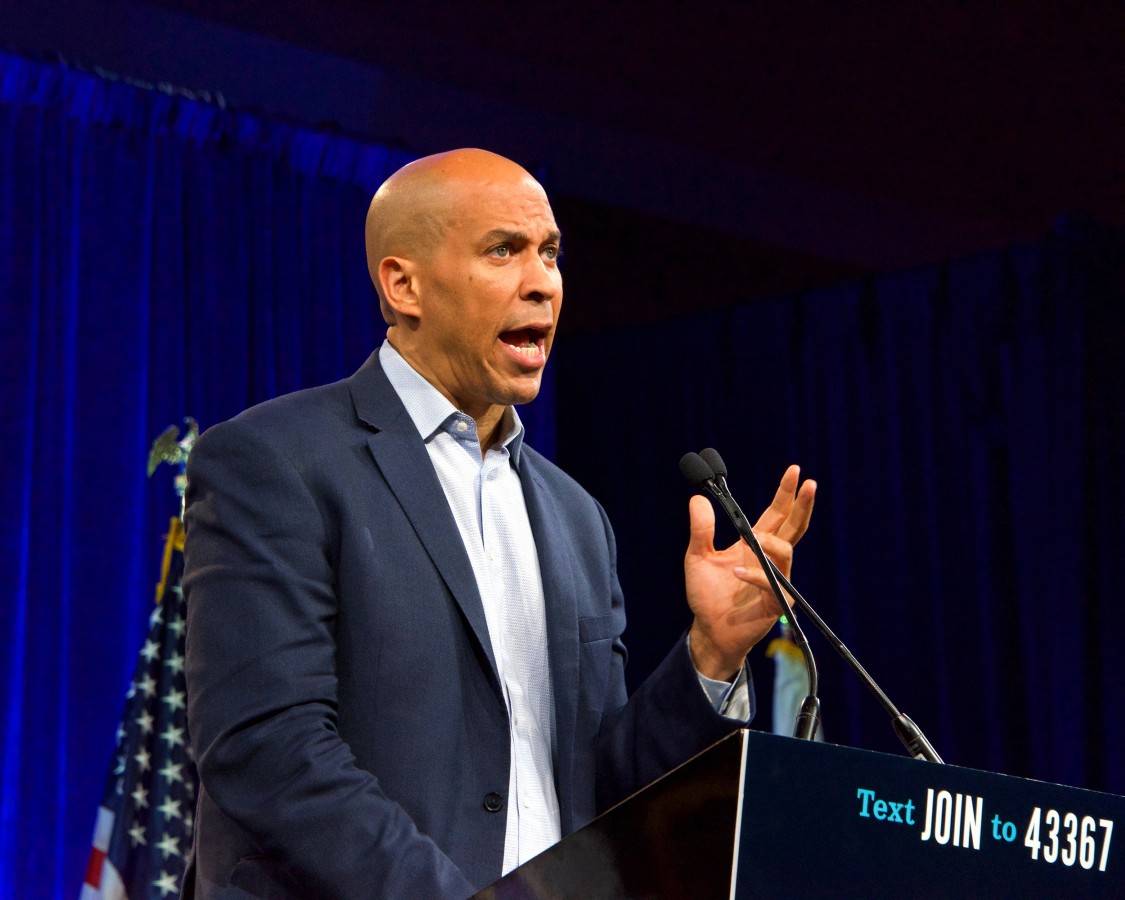
Bezos’ remarks also coincide with new federal proposals aimed at reducing taxes for lower-income Americans.
Cory Booker recently introduced the Keep Your Pay Act, which would make the first $75,000 of income tax-free for households filing jointly, with proportional relief for other filers.
“No income tax on the first $75,000 families earn would be a game changer for working people,” Booker said when announcing the legislation.
“This tax cut would immediately put more money in your pocket every month to deal with the high price of everyday expenses, an unexpected emergency, or to plan for the future.”
The emergence of proposals from both progressive lawmakers and billionaire business leaders reflects growing concern about affordability pressures facing working households.
Bezos describes a “tale of two economies”
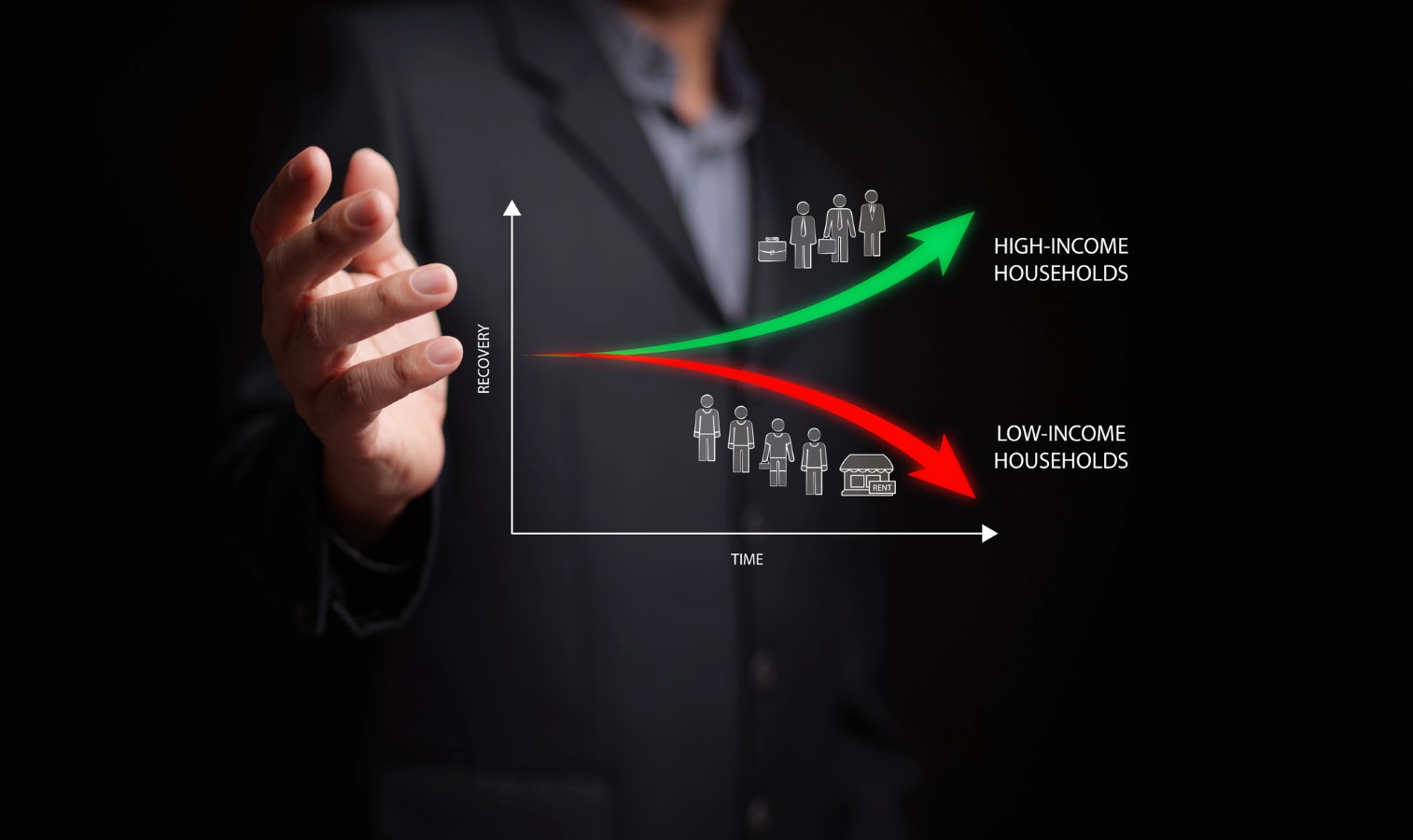
Bezos said the growing divide between affluent Americans and struggling workers helped shape his views on taxes and economic policy.
“I think what’s going on is that it’s kind of a tale of two economies, so you have a bunch of people in this country who are doing really well, but you also have a bunch of people in this country who are struggling,” Bezos said.
He described one economy benefiting from rising asset prices, investment gains, and access to capital, while another faces persistent financial strain tied to inflation and higher costs of living.
Researchers at the Federal Reserve Bank of New York have similarly described a “K-shaped economy,” where wealthier households continue benefiting from economic growth while lower-income Americans face increasing financial stress.
The expiration of lockdown-era assistance programs and rising gasoline prices have further widened those disparities, according to recent Fed research.
Bezos responds to criticism from Alexandria Ocasio-Cortez
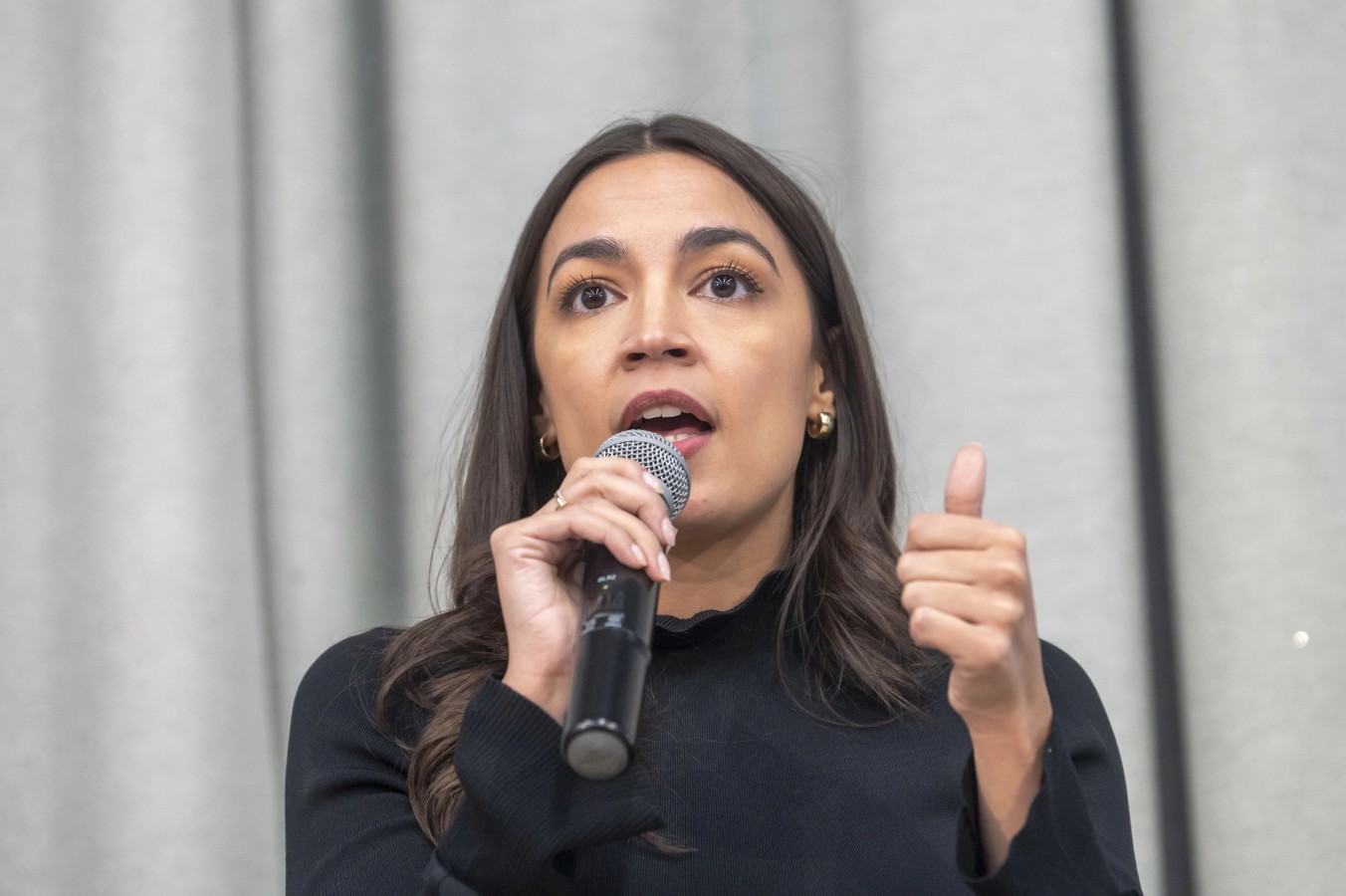
During the interview, Bezos also responded to criticism from Alexandria Ocasio-Cortez, who has argued that billionaire wealth accumulation reflects systemic economic problems.
Ocasio-Cortez has previously said that “you can’t earn a billion dollars,” a criticism Bezos pushed back against during the CNBC discussion.
“At what point did that money all of a sudden become unethical?” Bezos said.
He argued that large fortunes often emerge because companies successfully scale products and services that millions of consumers voluntarily choose to use.
According to Bezos, wealth accumulation tied to business growth and customer demand should not automatically be viewed as unethical.
Critics say broader taxes remain regressive
Despite the progressive federal income tax structure, some economists and advocacy groups argue the overall U.S. tax system remains regressive when accounting for all taxes combined.
Payroll taxes for Social Security stop applying to earnings above a fixed threshold, meaning high-income households pay a smaller percentage of total income toward those taxes over time.
Tax advocacy groups argue lower earners also spend a larger share of their income on state and local sales taxes. The top 1% account for about 24% of total federal, state, and local tax revenue combined, only modestly above their share of reported income.
Critics additionally point to unrealized capital gains; increases in stock and asset values that are not taxed unless sold; as a major source of untaxed wealth concentration among high-income households.
Political hurdles remain significant
Any attempt to eliminate federal income taxes for the bottom half of earners would require congressional approval and would likely trigger major debate over federal deficits, government spending, and tax fairness.
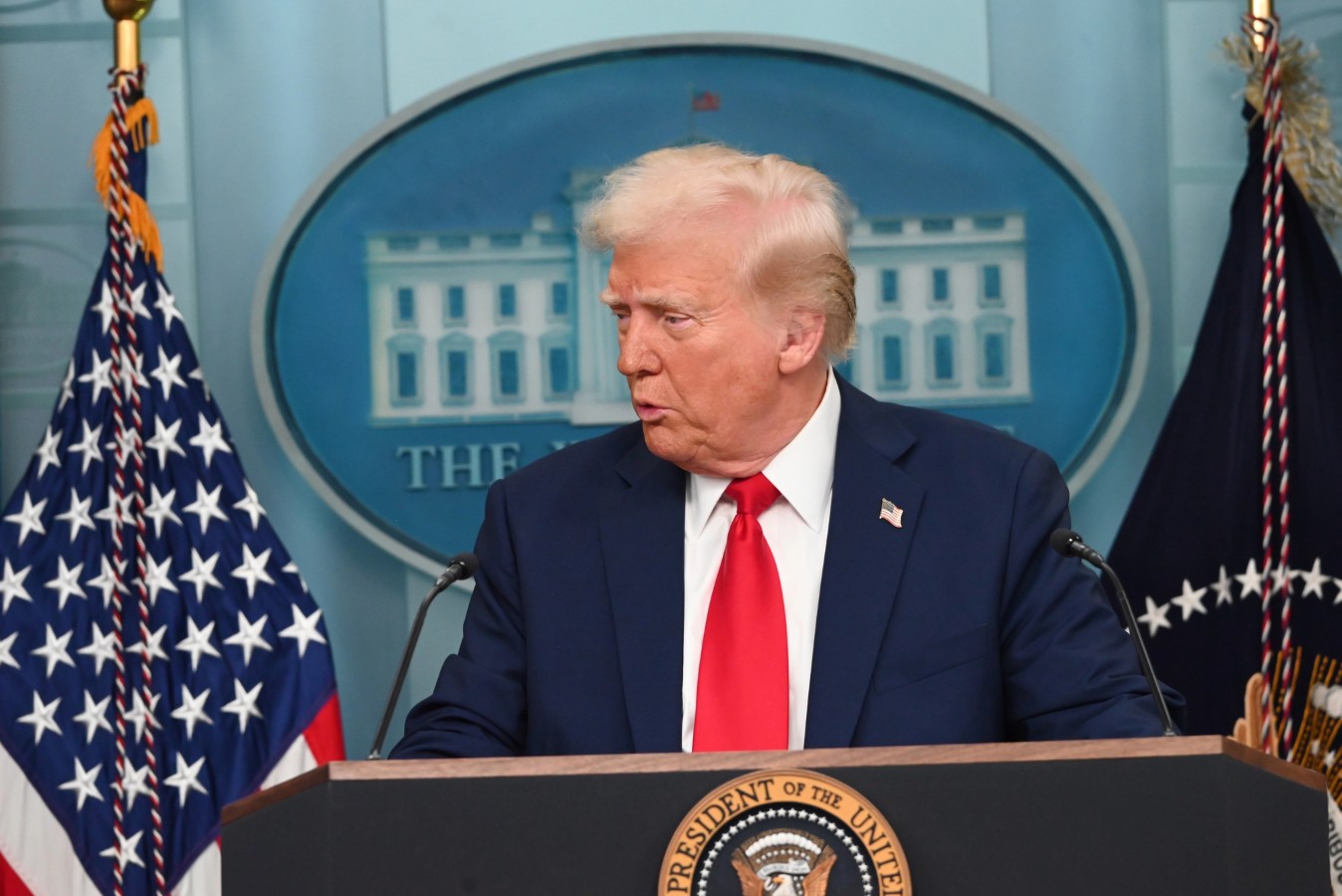
Bezos said he plans to advocate for the proposal directly in Washington, including discussions with President Donald Trump.
The proposal could affect more than 100 million Americans earning under $50,000 annually and would represent one of the largest shifts in federal tax policy in decades.
Whether lawmakers pursue such a sweeping overhaul remains uncertain, but Bezos’ comments have already intensified the national conversation over who should bear the largest share of America’s tax burden.
Like Financial Freedom Countdown content? Be sure to follow us!
14 essential strategies to maximize your Social Security and avoid costly mistakes
Social Security is a vital lifeline for many seniors, providing crucial income support during retirement. With inflation at its highest in four decades, Social Security’s inflation-adjusted benefits offer protection against rising costs.
Rising interest rates have disrupted many retirement portfolios, causing bond fund values to plummet. In this volatile financial landscape, Social Security can stabilize a typical stock-bond retirement portfolio. By implementing smart strategies, retirees can maximize their Social Security benefits and ensure a more secure financial future.
14 Essential Strategies to Maximize Your Social Security and Avoid Costly Mistakes
11 reasons you should claim Social Security early

Deciding when to claim Social Security is often about maximizing your benefit. Financial planners usually advise delaying your claim for as long as possible to secure the highest monthly payment. Your benefit is based on your lifetime earnings, with a full payout available at your full retirement age (FRA), which is currently between 66 and 67 depending on your birth year. Claiming before FRA results in a permanent reduction in your monthly benefit, while waiting beyond FRA leads to a permanent increase. However, the decision isn’t solely about maximizing the monthly check. Personal factors such as health, family circumstances, and financial needs can play a significant role in determining the right time to claim.
11 Reasons You Should Claim Social Security Early

Did you find this article helpful? We’d love to hear your thoughts! Leave a comment with the box on the left-hand side of the screen and share your thoughts.
Also, do you want to stay up-to-date on our latest content?
1. Follow us by clicking the [+ Follow] button above,
2. Give the article a Thumbs Up on the top-left side of the screen.
3. And lastly, if you think this information would benefit your friends and family, don’t hesitate to share it with them!

John Dealbreuin came from a third world country to the US with only $1,000 not knowing anyone; guided by an immigrant dream. In 12 years, he achieved his retirement number.
He started Financial Freedom Countdown to help everyone think differently about their financial challenges and live their best lives. John resides in the San Francisco Bay Area enjoying nature trails and weight training.
Here are his recommended tools
Personal Capital: This is a free tool John uses to track his net worth on a regular basis and as a retirement planner. It also alerts him wrt hidden fees and has a budget tracker included.
Platforms like Yieldstreet provide investment options in art, legal, real estate, structured notes, venture capital, etc. They also have fixed-income portfolios spread across multiple asset classes with a single investment with low minimums of $10,000.