
Mamdani’s luxury second-home tax hits legal roadblock as judge orders NYC to redo rollout, city appeals ruling
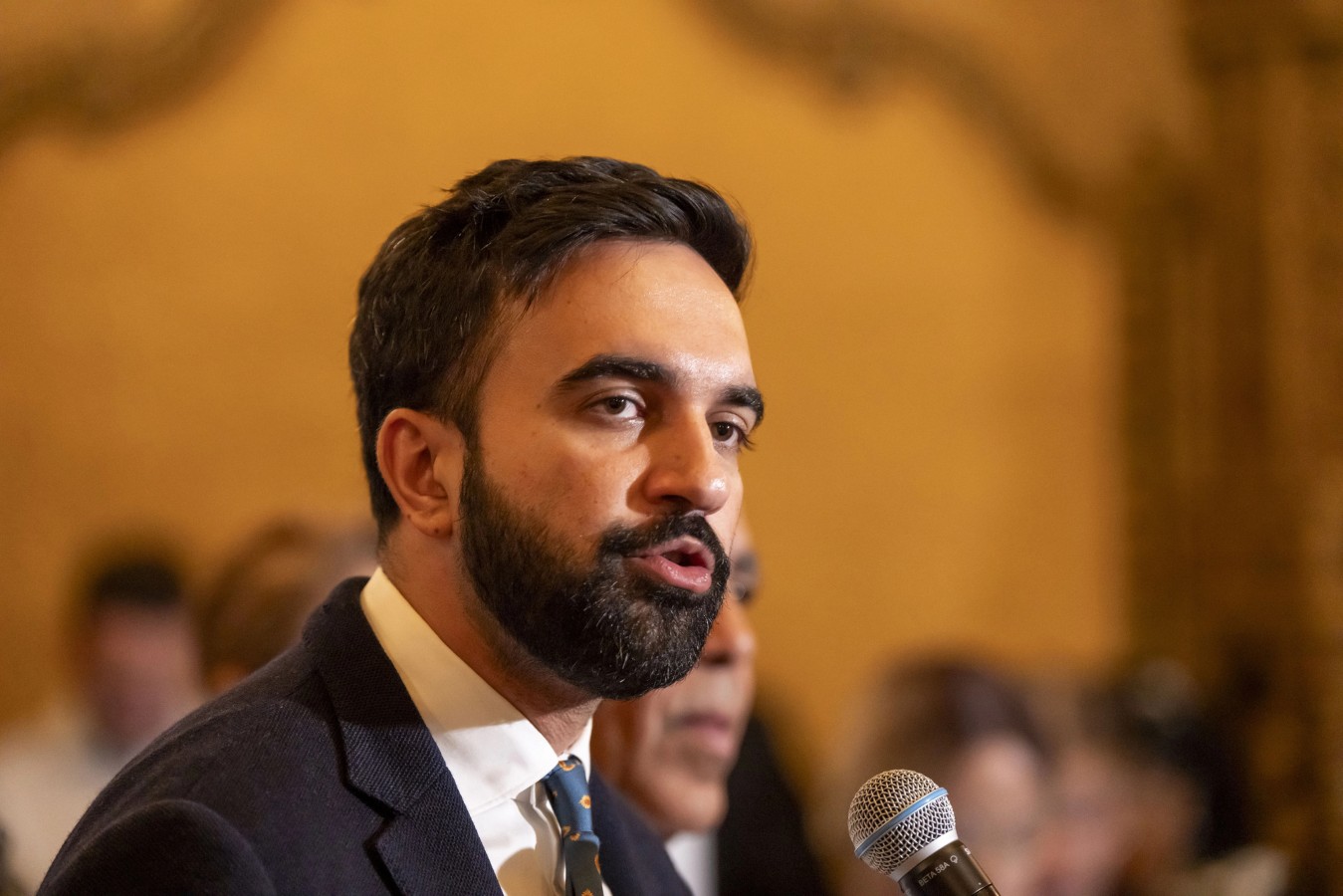
Mamdani’s $5 million second-home tax faces new legal fight after judge orders NYC to restart rollout
New York City Mayor Zohran Mamdani’s new tax on luxury second homes is facing multiple legal challenges after a Staten Island judge ordered the city to restart how it determines which properties are subject to the surcharge.
The September 29 ruling did not invalidate the tax itself. Instead, Judge Wayne M. Ozzi found that the city improperly shifted the burden to homeowners to prove that their properties were their primary residences rather than requiring city officials to make that determination using available information.
The ruling comes as separate lawsuits challenge the legality and constitutionality of the tax, adding another layer of uncertainty to one of Mamdani’s signature revenue-raising measures.
Judge says NYC must redo the tax rollout

The lawsuit before Ozzi focused on how the city implemented the pied-à-terre tax rather than whether lawmakers had the authority to impose it.
The judge ordered New York City to cancel previously issued notices, remove its broader online property roll and restart the process for determining which properties are actually subject to the surcharge.
The ruling found that homeowners had been placed in a position where they had to establish that they lived in their own homes rather than having the city first make an individualized determination.
The pied-à-terre tax applies to certain New York City residences that are not an owner’s primary home. The new surcharge targets residential properties valued at more than $5 million, while certain co-op properties valued at $1 million or more are also covered under the law.
The measure was incorporated into New York’s state budget and is intended to raise additional revenue for New York City. Mamdani had made taxing wealthy property owners a central part of his campaign and fiscal agenda.
Mamdani has described the measure as a way to require owners of expensive second homes to contribute more toward the city services they benefit from.
About 17,000 homeowners received notices

The rollout drew criticism after the city’s Department of Finance sent notices to approximately 17,000 property owners warning that their homes could be subject to the surcharge unless they established that they qualified for an exemption.
The plaintiffs argued that the city should have determined which homeowners actually owed the tax before sending those notices.
The dispute became particularly significant for homeowners who said the properties identified by the city were their primary residences.
The city also published a much broader property list

The city’s online tax roll included more than 900,000 properties and homeowners, according to court documents and reporting on the case.
Ozzi ordered the city to remove that list from its website. The judge indicated that the city could instead publish a more limited list reflecting properties that had actually been determined to be subject to the surcharge.
The ruling also requires the city to provide an explanation when it sends new notices, including how officials reached their determination that a property is covered by the tax.
Mamdani administration plans to appeal

Mamdani’s administration has said it plans to appeal the decision and seek a stay that would allow the tax rollout to continue while the legal process moves forward.
A city spokesperson defended the surcharge as a matter of fairness and said the administration would continue fighting for the policy.
“Monday’s decision is wrong, and we will invoke a stay of the injunction. With a stay, we will continue implementing the surcharge fairly, efficiently and in full compliance with the law, as we have since day one. New York is a city for the many – not a tax haven for the wealthy few,” the city said in a statement.
The appeal could determine whether the city can continue its current implementation while a higher court considers the judge’s ruling.
Mamdani has called the tax a levy on wealthy second-home owners
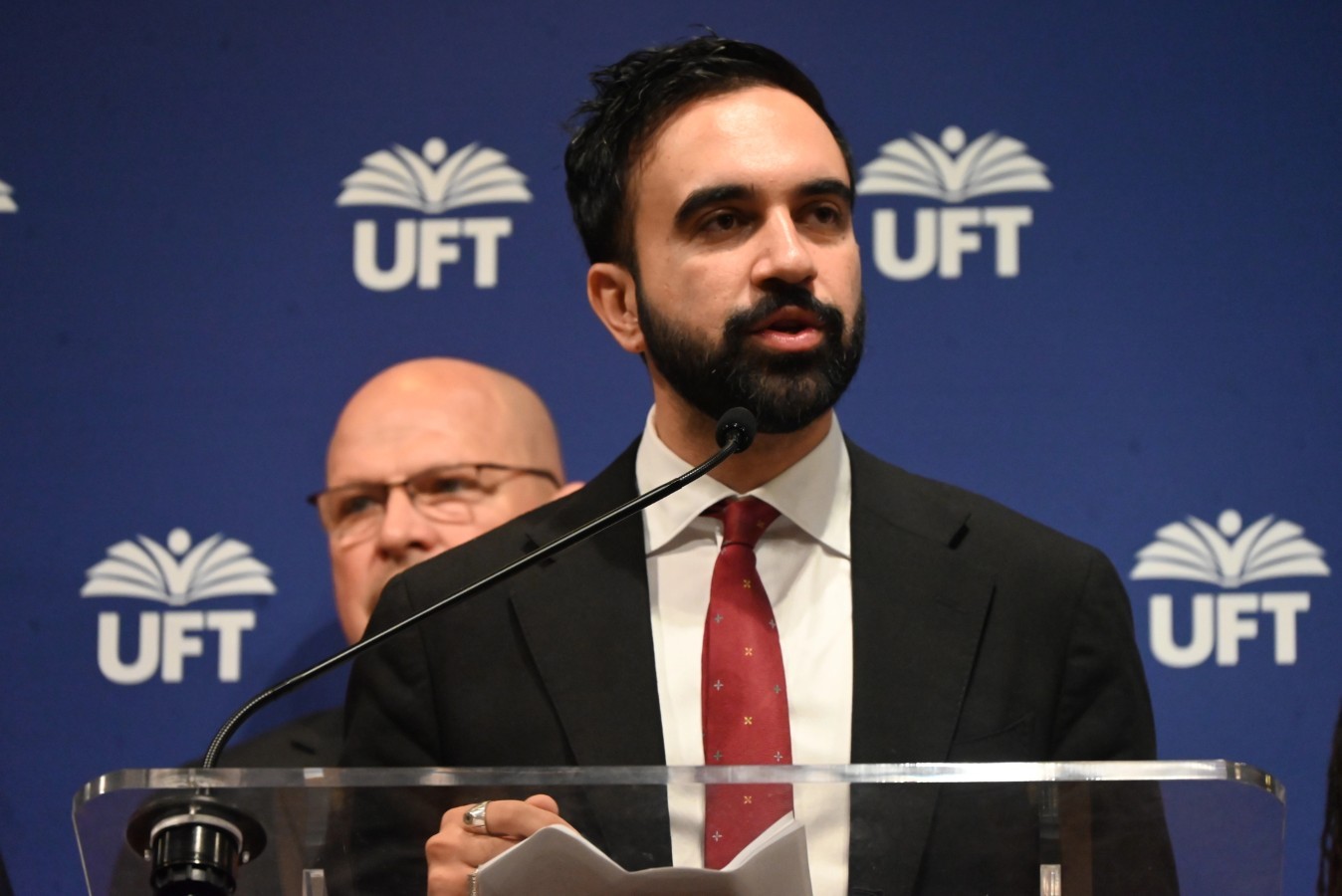
Mamdani has publicly promoted the measure as a tax aimed at owners of extremely expensive properties that are not their primary residences.
“Today, we’re taxing the rich,” Mamdani said in a video promoting the policy. “This pied a terre tax is specifically designed for the richest of the rich. Those who store their wealth in New York City buildings but don’t actually live here.”
The measure was supported by City Council Speaker Julie Menin and was ultimately included in the state budget.
A separate lawsuit challenges whether the tax is constitutional

The rollout case is separate from a new lawsuit seeking to challenge the tax itself.
Businessmen Wilbur Ross and Steve Wynn filed a lawsuit alleging that the pied-à-terre tax violates state and federal constitutional protections. Their arguments include claims that the law improperly discriminates against people who own New York City properties but live elsewhere.
The lawsuit also challenges the state’s treatment of the levy as a surcharge rather than as a property-tax increase, among other legal arguments.
Other homeowners and a New York City co-op have also filed a separate lawsuit raising constitutional objections to the tax.
Critics say the tax unfairly shifts the burden to homeowners
The homeowners challenging the rollout argue that the city had information available to determine which properties were actually second homes before sending notices.
Randy Mastro, an attorney representing plaintiffs in the rollout case, said the city should not have required homeowners to establish that they lived in their own homes.
“Do it over and do it right, issuing notices only to persons it has determined owe the tax,” Mastro said.
The separate constitutional lawsuits go further, arguing that the tax itself should be struck down rather than simply administered differently.
The city faces a deadline for collecting the revenue

The ruling could complicate the city’s plans to collect revenue from the surcharge during the current tax cycle.
The city normally sends property tax bills in November, leaving officials with a limited period to determine which properties are subject to the levy if the ruling remains in effect.
Mastro said the city has enough time to redo the process, while the city is pursuing an appeal and seeking a stay.
For now, the key distinction is that the judge’s ruling does not eliminate the pied-à-terre tax. It requires New York City to change how it identifies and notifies property owners who may owe it, while separate lawsuits could determine whether the tax itself survives its broader legal challenges.
Like Financial Freedom Countdown content? Be sure to follow us!

Did you find this article helpful? We’d love to hear your thoughts! Leave a comment with the box on the left-hand side of the screen and share your thoughts.
Also, do you want to stay up-to-date on our latest content?
1. Follow us by clicking the [+ Follow] button above,
2. Give the article a Thumbs Up on the top-left side of the screen.
3. And lastly, if you think this information would benefit your friends and family, don’t hesitate to share it with them!

John Dealbreuin came from a third world country to the US with only $1,000 not knowing anyone; guided by an immigrant dream. In 12 years, he achieved his retirement number.
He started Financial Freedom Countdown to help everyone think differently about their financial challenges and live their best lives. John resides in the San Francisco Bay Area enjoying nature trails and weight training.
Here are his recommended tools
Personal Capital: This is a free tool John uses to track his net worth on a regular basis and as a retirement planner. It also alerts him wrt hidden fees and has a budget tracker included.
Platforms like Yieldstreet provide investment options in art, legal, real estate, structured notes, venture capital, etc. They also have fixed-income portfolios spread across multiple asset classes with a single investment with low minimums of $10,000.