
Millions could see student loan forgiveness as March approvals surge after legal delays

Student loan forgiveness approvals are now surging in March and April after months of delays, following new updates from the U.S. Department of Education. Borrowers who had been stuck in administrative limbo are finally beginning to see movement as long-standing technical and legal barriers have been resolved.
The acceleration comes after the department signaled in a March status report that a wave of approvals was imminent; momentum that is now materializing weeks later. For many, this marks the end of a frustrating waiting period that stretched close to a year.
Why approvals were delayed for months

The backlog largely stemmed from a combination of legal challenges and system limitations tied to income-driven repayment (IDR) plans. While forgiveness programs technically remained in place, the department paused discharges for certain borrowers due to uncertainty surrounding broader policy changes.
As a result, many borrowers who had already met eligibility thresholds were unable to receive relief, even after completing decades of repayment.
Legal battles over the SAVE plan created ripple effects

At the center of the disruption was litigation over the SAVE plan, a Biden-era repayment program that faced court challenges. A federal court injunction issued in April 2025 blocked key provisions tied not only to SAVE, but also to how qualifying payment periods were calculated across multiple IDR plans.
This had far-reaching consequences. Even borrowers enrolled in older plans; such as Income-Contingent Repayment (ICR), Income-Based Repayment (IBR), and Pay As You Earn (PAYE); were affected because the blocked rules influenced how eligibility was determined.
Because of the injunction, the Education Department was unable to fully process forgiveness for borrowers who became eligible during or after April 2025. Officials indicated that system updates would be required to correctly count qualifying months under the revised rules.
Rather than risk errors during ongoing litigation, the department limited forgiveness approvals to borrowers who qualified before the injunction took effect. This left a significant group of borrowers waiting, despite meeting all requirements.
Court resolution clears the path forward

That bottleneck has now been cleared. A federal appeals court ultimately resolved the SAVE-related litigation, leading to a finalized settlement agreement that removed the injunction and restored the department’s ability to apply updated eligibility criteria.
Crucially, the agreement allows certain deferment and forbearance periods to count toward forgiveness again across IDR plans. This change unlocked the pathway for processing previously stalled applications.
With both legal and technical barriers resolved, the Education Department resumed identifying eligible borrowers through its internal systems. Officials had indicated that a major batch of approvals would be processed in March, and that wave is now translating into real discharges in April.
This includes borrowers who reached the 20- or 25-year forgiveness threshold under ICR, IBR, or PAYE during the past year but were unable to receive relief until now.
How income-driven repayment forgiveness works

Income-driven repayment plans are designed to make student loan payments more manageable by tying them to a borrower’s income. After 20 or 25 years of qualifying payments; depending on the plan; any remaining balance can be forgiven.
Public Service Loan Forgiveness (PSLF) offers an even shorter path, allowing eligible public sector and nonprofit workers to qualify for forgiveness after just 10 years of payments.
For many borrowers now receiving relief, this moment represents the completion of decades-long repayment journeys.
What borrowers should do right now

Borrowers who believe they qualify for forgiveness should ensure their contact information is up to date through StudentAid.gov and with their loan servicer. The department typically notifies eligible borrowers by email and provides a short window to opt out before the discharge is finalized.
Once that window closes, loan balances are usually cleared within a few weeks, though timelines can vary.
Experts say relief is welcome; but uncertainty remains

Financial experts say the recent surge in approvals is a positive development, especially for borrowers caught in the fallout of the SAVE litigation.
“This is good news for those borrowers who were inadvertently caught in the middle of the SAVE litigation,” said student advocates. “Older repayment and forgiveness programs that have been in limbo for a year are finally going to have their forgiveness processed.”
Still, some caution that the broader system remains unstable.
The current surge highlights how administrative and legal hurdles; not borrower eligibility; have been the primary barrier to relief over the past year. Many borrowers had already done everything required but were left waiting due to factors outside their control.
Now, with those obstacles removed, thousands; potentially millions; of borrowers may finally see their remaining balances wiped out.
What happens next

The Education Department is expected to continue processing additional batches of forgiveness approvals in the coming weeks. Borrowers who are close to eligibility should stay engaged, monitor their accounts, and respond promptly to any communications.
For many, this is the culmination of a 20- to 25-year repayment schedule.
For borrowers nearing the finish line, the long wait for relief is finally turning into tangible results.
Like Financial Freedom Countdown content? Be sure to follow us!
14 essential strategies to maximize your Social Security and avoid costly mistakes
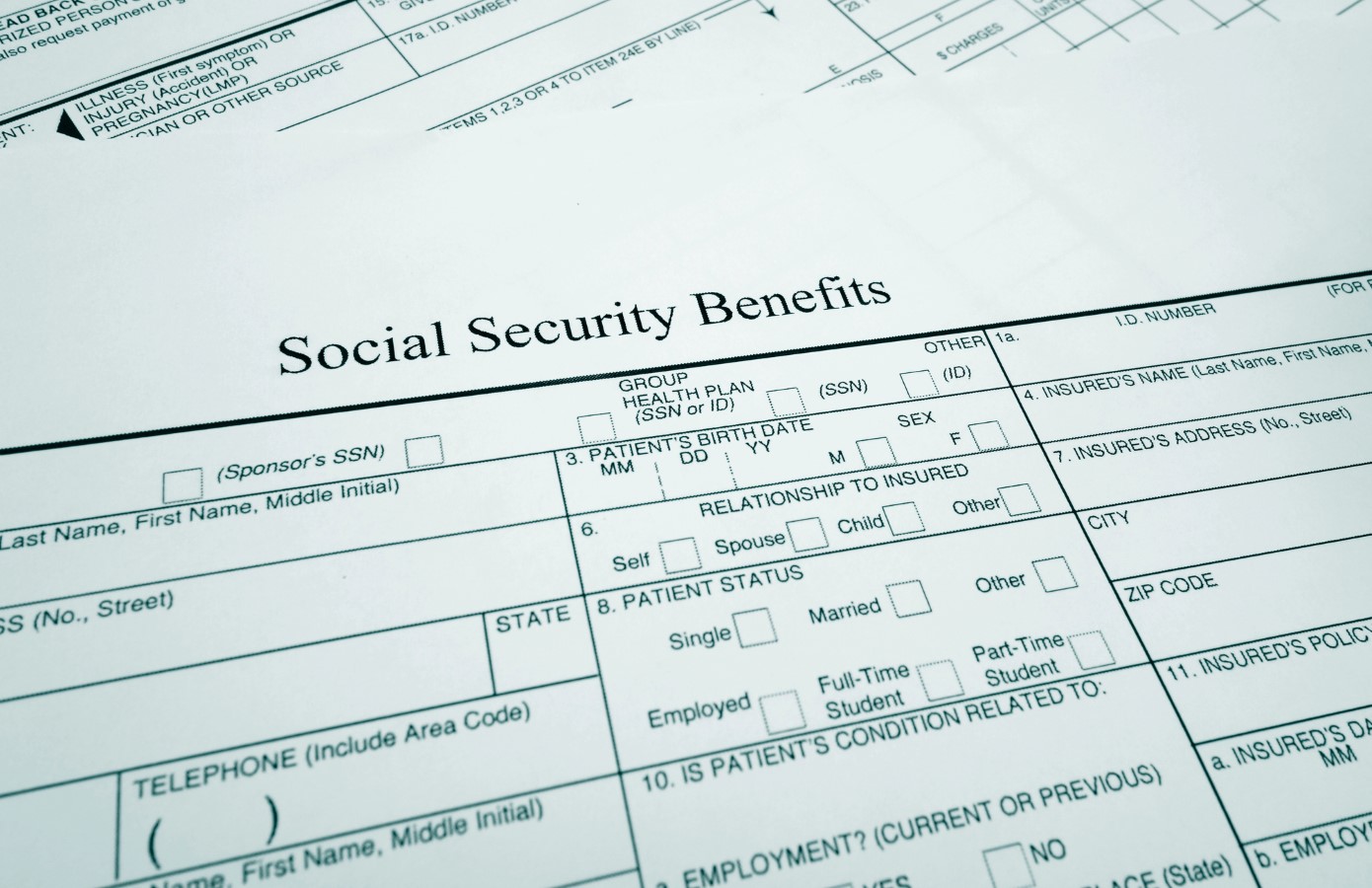
Social Security is a vital lifeline for many seniors, providing crucial income support during retirement. With inflation at its highest in four decades, Social Security’s inflation-adjusted benefits offer protection against rising costs.
Rising interest rates have disrupted many retirement portfolios, causing bond fund values to plummet. In this volatile financial landscape, Social Security can stabilize a typical stock-bond retirement portfolio. By implementing smart strategies, retirees can maximize their Social Security benefits and ensure a more secure financial future.
14 Essential Strategies to Maximize Your Social Security and Avoid Costly Mistakes
11 reasons you should claim Social Security early

Deciding when to claim Social Security is often about maximizing your benefit. Financial planners usually advise delaying your claim for as long as possible to secure the highest monthly payment. Your benefit is based on your lifetime earnings, with a full payout available at your full retirement age (FRA), which is currently between 66 and 67 depending on your birth year. Claiming before FRA results in a permanent reduction in your monthly benefit, while waiting beyond FRA leads to a permanent increase. However, the decision isn’t solely about maximizing the monthly check. Personal factors such as health, family circumstances, and financial needs can play a significant role in determining the right time to claim.
11 Reasons You Should Claim Social Security Early

Did you find this article helpful? We’d love to hear your thoughts! Leave a comment with the box on the left-hand side of the screen and share your thoughts.
Also, do you want to stay up-to-date on our latest content?
1. Follow us by clicking the [+ Follow] button above,
2. Give the article a Thumbs Up on the top-left side of the screen.
3. And lastly, if you think this information would benefit your friends and family, don’t hesitate to share it with them!

John Dealbreuin came from a third world country to the US with only $1,000 not knowing anyone; guided by an immigrant dream. In 12 years, he achieved his retirement number.
He started Financial Freedom Countdown to help everyone think differently about their financial challenges and live their best lives. John resides in the San Francisco Bay Area enjoying nature trails and weight training.
Here are his recommended tools
Personal Capital: This is a free tool John uses to track his net worth on a regular basis and as a retirement planner. It also alerts him wrt hidden fees and has a budget tracker included.
Platforms like Yieldstreet provide investment options in art, legal, real estate, structured notes, venture capital, etc. They also have fixed-income portfolios spread across multiple asset classes with a single investment with low minimums of $10,000.