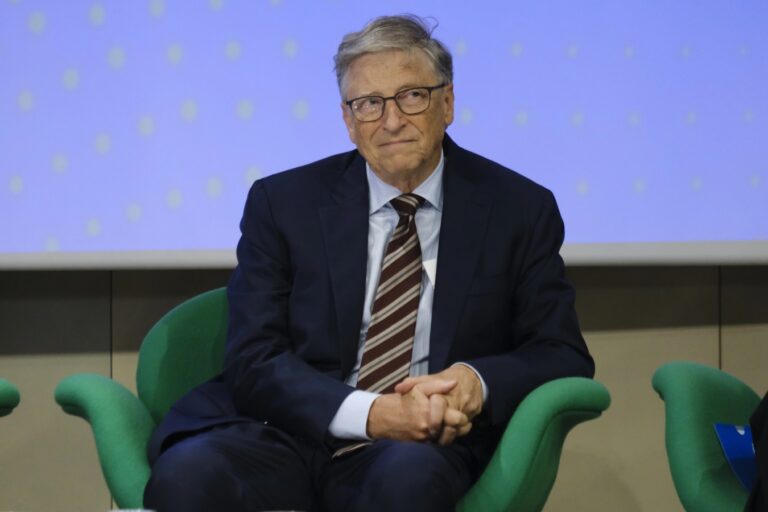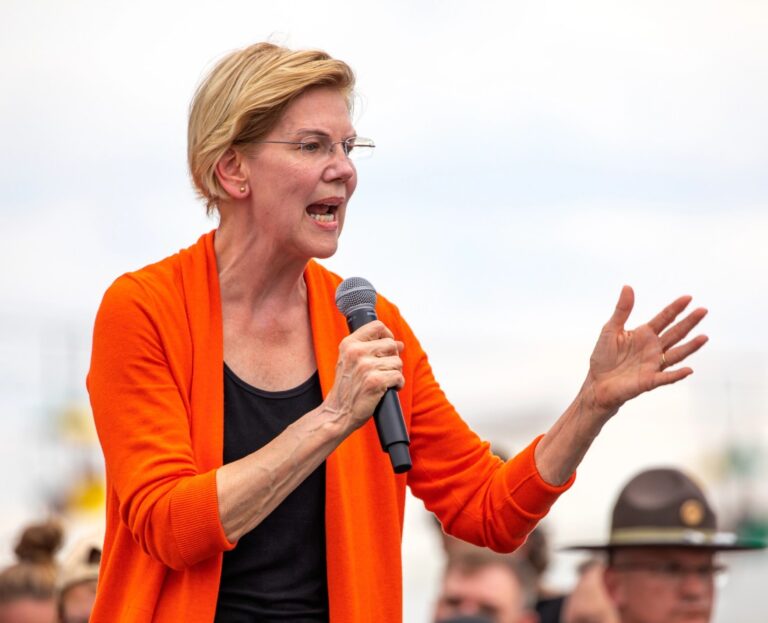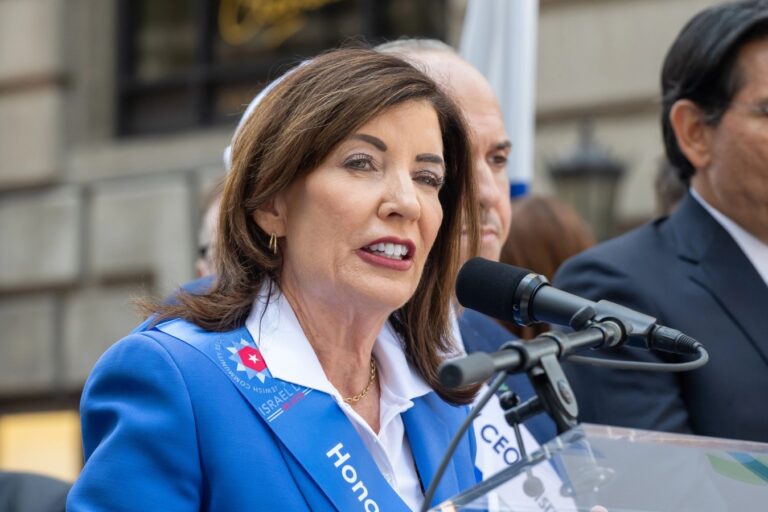
Newsom calls for national billionaire tax as part of ‘economic reset’ after California wealth tax heads to November ballot
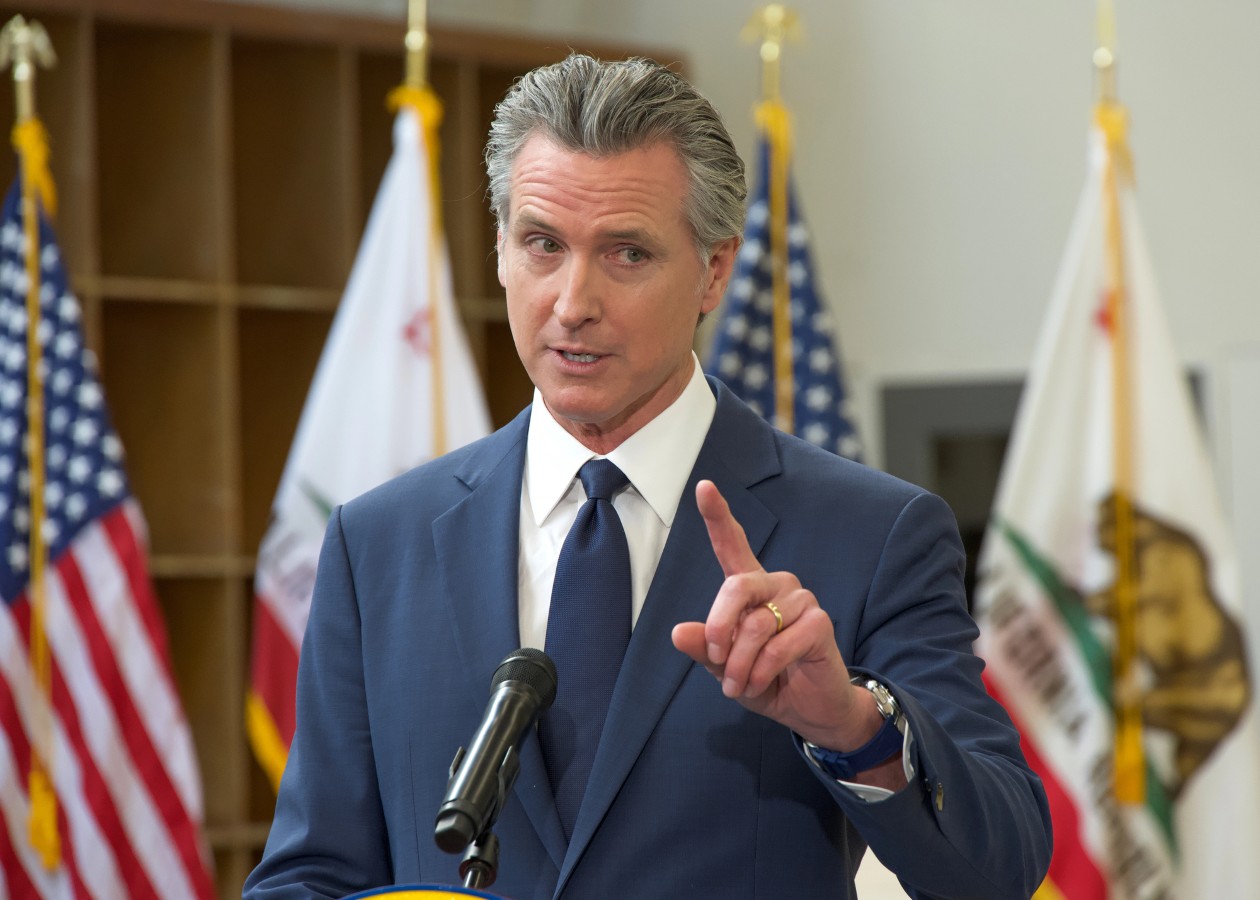
California Gov. Gavin Newsom is shifting the debate over taxing the ultra-wealthy from Sacramento to Washington after failing to keep a proposed California wealth tax off the November ballot.
In a lengthy Substack essay published Friday, Newsom urged voters to reject California’s proposed billionaire wealth tax while calling instead for a sweeping federal overhaul that includes a national billionaires’ tax, tougher inheritance rules, the closure of tax loopholes used by the ultra-rich, and a new public investment fund designed to give Americans a stake in the artificial intelligence economy.
The move comes after negotiations between Newsom, wealthy donors and labor leaders failed to stop the California initiative from qualifying for the November ballot, setting up what observers expect to become one of the most expensive ballot fights in state history.
Newsom opposes California measure while embracing a national tax

Newsom made clear that he supports higher taxes on the nation’s wealthiest individuals; but believes the effort should happen at the federal level rather than through individual states.
“It is time for a national billionaires’ tax,” Newsom wrote. “The fight belongs at the federal level, where this broken system was created in the first place.”
Although Newsom did not propose a specific tax rate or explain how a federal wealth tax would be structured, he argued that nationwide action would avoid the problem of billionaires relocating to lower-tax states.
The governor also acknowledged that the California initiative reflects growing frustration over wealth inequality but said it is the wrong solution.
Why Newsom says he’s voting no on California’s wealth tax
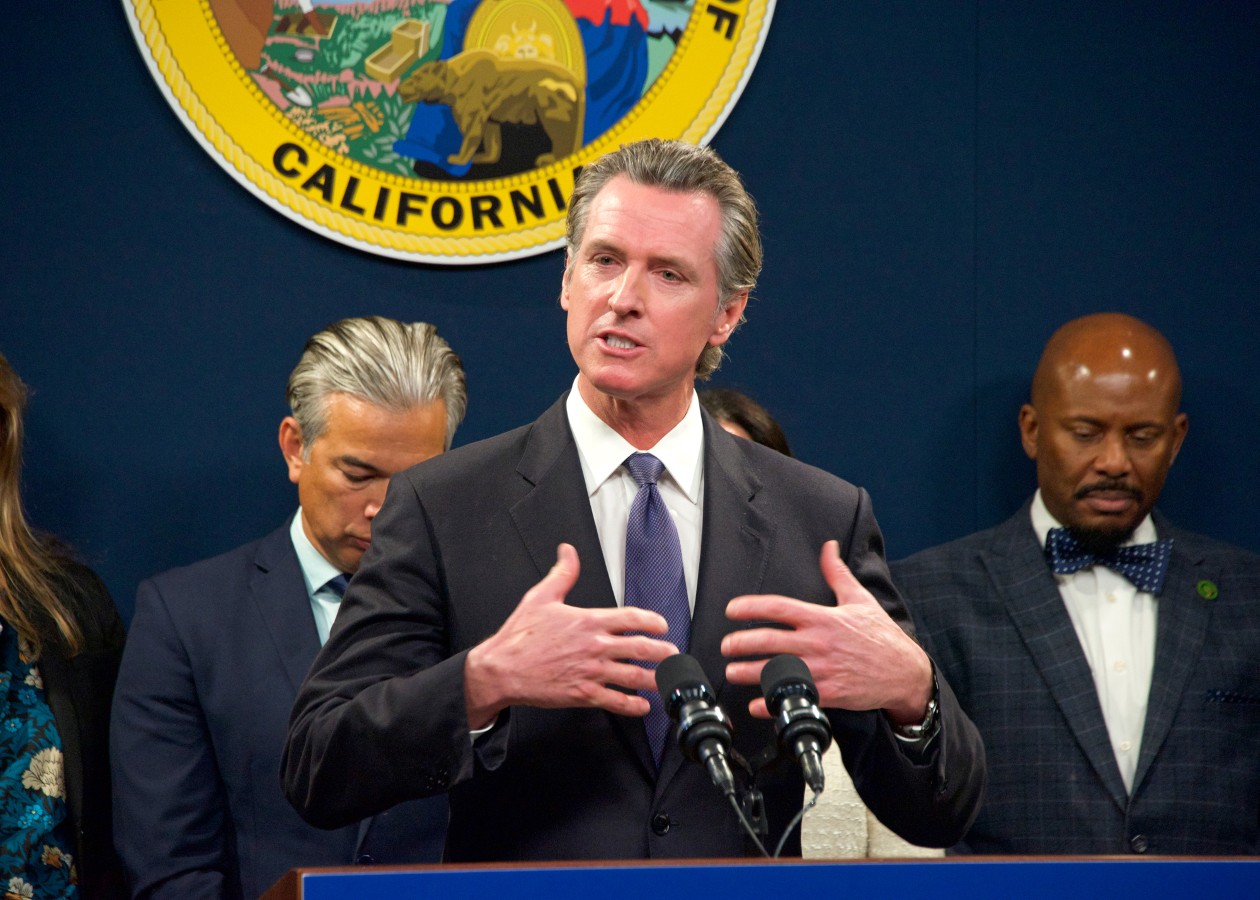
In his Substack post, Newsom said his opposition is not based on defending billionaires but on how the California initiative allocates the money it would raise.
“I understand the anxiety driving the wealth tax proposal in California. But I’m voting no because this measure dedicates almost all of the revenue it raises to a single category of state spending.”
He argued the proposal leaves out major state priorities.
“It ignores our public schools… There is nothing for housing, nothing for childcare, nothing for public safety workers… and nothing for our public universities.”
Newsom added that California’s tax policy should be written through the Legislature and state budget process rather than through a ballot initiative backed by a single interest group.
Failed negotiations send the proposal to voters
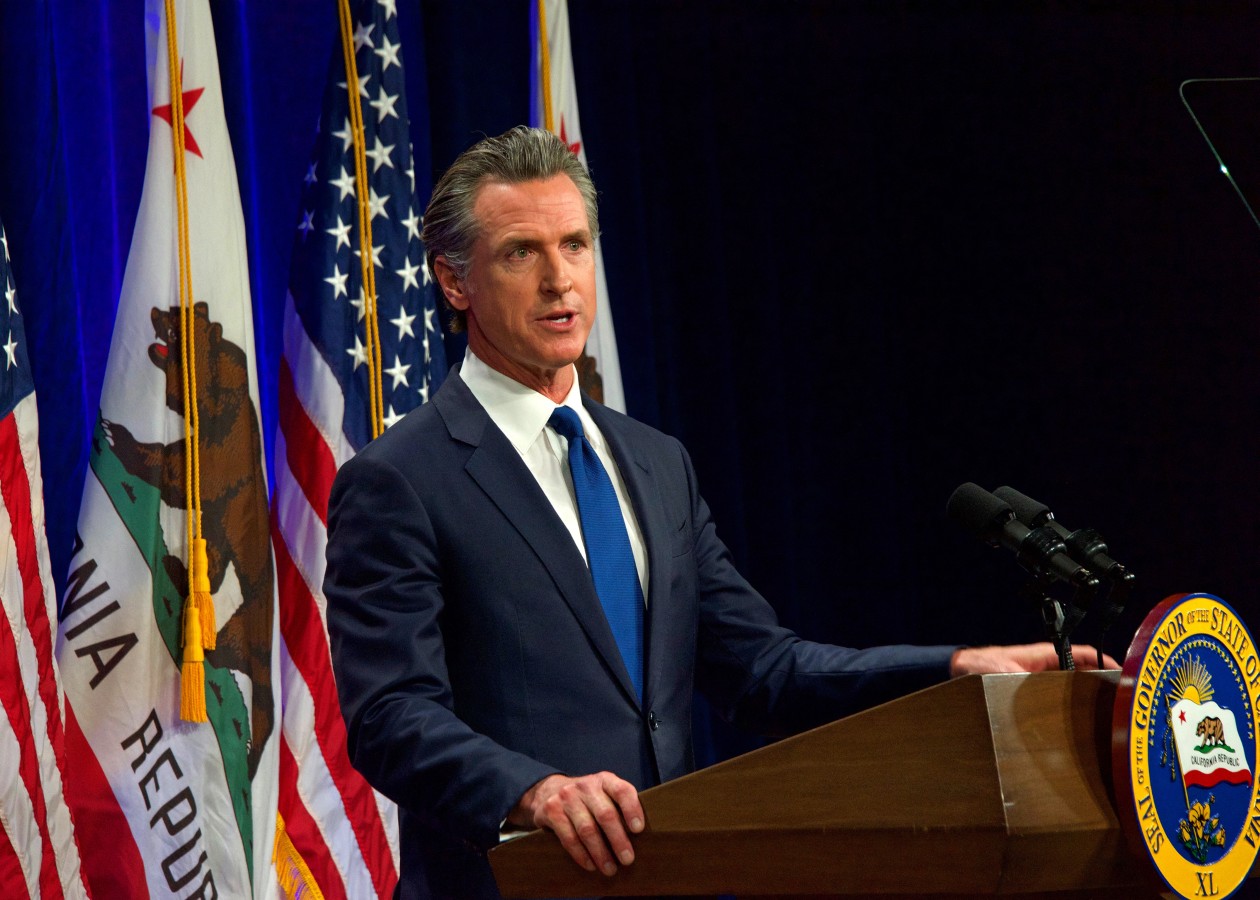
Newsom’s announcement followed unsuccessful behind-the-scenes negotiations aimed at persuading SEIU-UHW, the union sponsoring the initiative, to withdraw the measure before the filing deadline.
Bloomberg previously reported that Newsom had privately assured donors he believed an agreement could be reached to keep the proposal off the ballot.
Instead, the talks broke down.
Dave Regan, president of SEIU-UHW, said during a press conference that the union had only “a couple of cursory conversations with the governor, but they made it clear they were not going to entertain anything that affected billionaires and we just think that’s wrong.”
Last week, supporters attempted a compromise by reducing the proposed one-time tax rate from 5% to 2%, but Newsom immediately rejected the offer.
Newsom outlines broader federal tax reforms
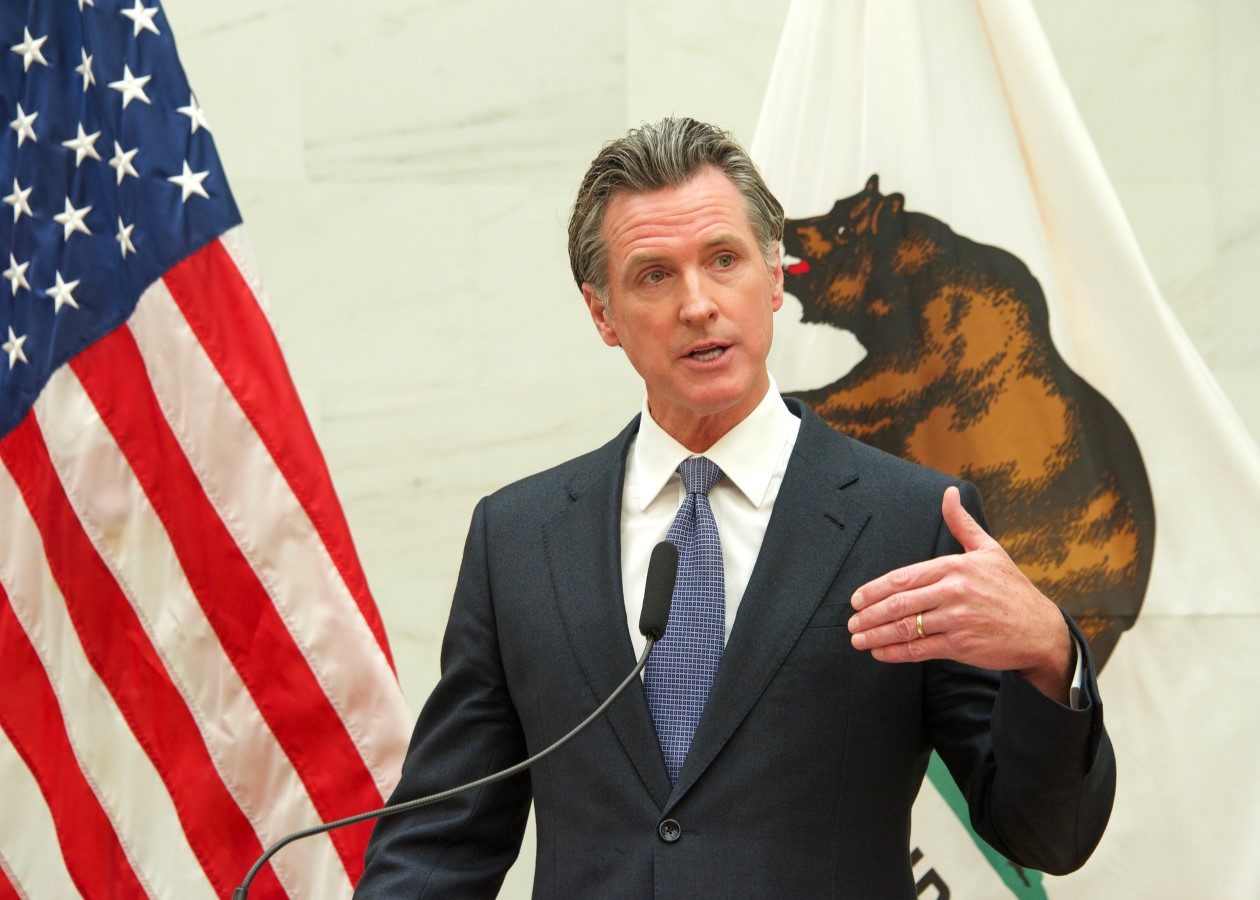
Rather than supporting California’s initiative, Newsom proposed what he described as a broader national economic reset.
Among the changes he endorsed are a national minimum tax on billionaires modeled after the Buffett Rule, eliminating what he called the “tax-free lifestyle loan” strategy used by wealthy investors who borrow against appreciated assets instead of selling them, revising inheritance rules ahead of an estimated $124 trillion intergenerational wealth transfer, restoring corporate tax rates that existed before the 2017 federal tax overhaul, and closing offshore tax loopholes used by multinational corporations.
“The wealthy have their own private tax code full of loopholes and exemptions that most people have never heard of, and they’re counting on politicians in Washington to maintain it and keep quiet,” Newsom wrote.
Beyond tax policy, Newsom introduced the idea of creating a national public equity fund that would give Americans ownership in the emerging artificial intelligence economy.
While providing few implementation details, he argued that AI-driven growth should benefit workers as well as technology companies.
“We need to ensure every American owns a stake in the future being built by AI through a national public equity fund that takes a major stake in the new economy.”
Newsom suggested the fund could finance transition assistance, enhanced employment insurance and portable benefits for workers displaced by automation.
Critics say California vote will become an expensive political war
Political observers expect the November campaign to become one of the costliest initiative battles California has ever seen.
Steven Maviglio, a longtime Democratic strategist, said Newsom’s announcement attempts to reposition him politically as national attention grows around the issue.
“For Newsom, it’s the worst of all worlds, because it puts him squarely in the middle of a national Democratic debate about equity, taxation and affordability,” Maviglio said. “His announcement might deflect from that a bit.”
Maviglio later predicted that spending on the California campaign “will probably shatter all the records,” calling it “the World War Three of politics, with the potential for a lot of collateral damage.”
Opposition to the California proposal extends well beyond Silicon Valley’s wealthiest residents.
Groups including Planned Parenthood Affiliates of California and several labor unions argue the initiative could damage the state’s finances by encouraging wealthy taxpayers to leave while directing nearly all of the revenue toward a limited set of programs.
A coalition backed by billionaire Chris Larsen also vowed to fight the proposal.
“We are ready to defeat this convoluted nightmare of a measure in November,” a spokesperson for Golden State Promise said.
Meanwhile, a separate coalition linked to doctors and school boards argued the proposal threatens “vital funding for education and schools, healthcare and clinics, public safety, and infrastructure projects.”
Billionaire Sergey Brin, who has since moved to Nevada, has reportedly spent more than $80 million supporting competing ballot measures that could nullify the wealth tax if they receive more votes than the original initiative.
Supporters argue wealth inequality demands action
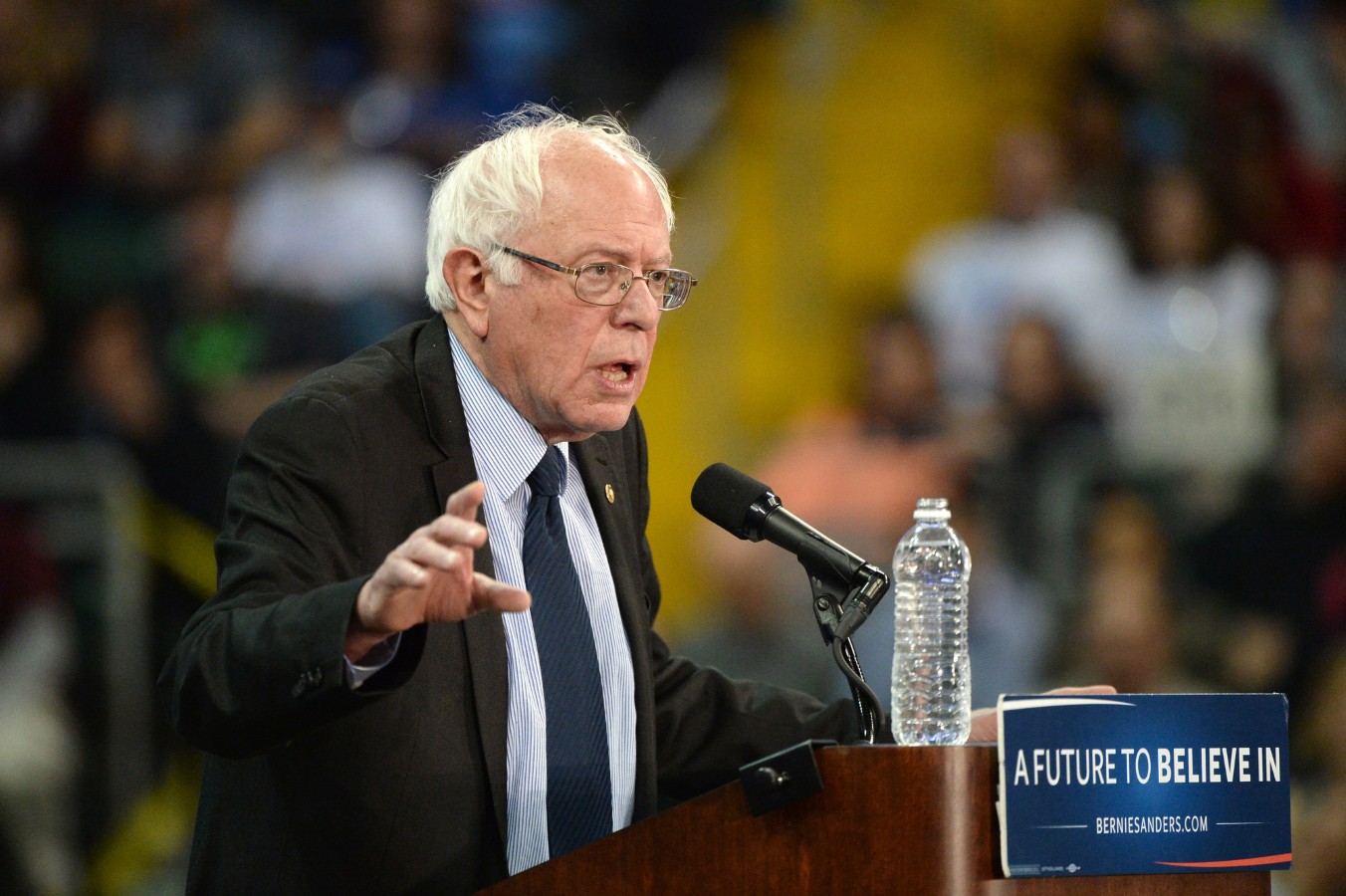
Backers of the proposal say California should lead the nation in taxing concentrated wealth.
Vermont Sen. Bernie Sanders and Silicon Valley Rep. Ro Khanna have both endorsed the measure while also supporting federal wealth taxes.
Khanna argued that Elon Musk becoming the world’s first trillionaire illustrates why new tax policies are needed.
“If you’re opposed to this tax, you’re on the side of trickle-down economics,” Khanna said, calling concerns about capital flight from the state “hogwash.” “You’re protecting the very, very rich as opposed to standing up for the working class.”
The proposal was originally introduced last October to help offset reductions in federal healthcare funding and initially called for a one-time 5% tax on billionaires‘ total net worth, including stocks, businesses and art collections, with supporters estimating it could raise as much as $100 billion.
Political implications stretch beyond California to 2028

The debate comes as Newsom continues to be viewed as a potential Democratic presidential candidate in 2028.
Political communications professor Dan Schnur of the University of California, Berkeley, said Newsom’s shift toward a federal solution may help navigate competing political pressures.
“But it’s unlikely to become law unless or until he or another Democrat becomes president,” Schnur said. “The primary function of the proposal right now is to protect him politically, both with voters in California and in early primary states.”
The California ballot fight is also expected to serve as a national test of voter support for taxing extreme wealth. A May survey by the Public Policy Institute of California found 54% of likely voters supported the wealth tax proposal, although San Francisco voters more recently rejected a separate measure that would have increased taxes on large companies with highly paid CEOs.
Throughout his essay, Newsom argued that the country’s economic rules increasingly favor the wealthiest Americans and called for what he described as a “new social compact.”
“We must democratize the American economy to save democracy,” he wrote.
Newsom argued that a combination of federal tax reforms, investments in AI, universal child care, affordable higher education, healthcare funding and stronger worker protections could restore economic opportunity.
“We are nearing the 250th anniversary of this country’s revolution,” Newsom wrote. “The system America’s founders built was designed to prevent the concentration of power in a few hands, but we have allowed that concentration to happen anyway, slowly, in plain sight, over decades. We can reverse it together, as a country. It is time to democratize the American economy to save our democracy. It is time for a national billionaires’ tax. And it’s time for the country to stop accepting that the rules can only ever be written by the people that the rules protect.”
Like Financial Freedom Countdown content? Be sure to follow us!
14 essential strategies to maximize your Social Security and avoid costly mistakes

Social Security is a vital lifeline for many seniors, providing crucial income support during retirement. With inflation at its highest in four decades, Social Security’s inflation-adjusted benefits offer protection against rising costs.
Rising interest rates have disrupted many retirement portfolios, causing bond fund values to plummet. In this volatile financial landscape, Social Security can stabilize a typical stock-bond retirement portfolio. By implementing smart strategies, retirees can maximize their Social Security benefits and ensure a more secure financial future.
14 Essential Strategies to Maximize Your Social Security and Avoid Costly Mistakes
11 reasons you should claim Social Security early

Deciding when to claim Social Security is often about maximizing your benefit. Financial planners usually advise delaying your claim for as long as possible to secure the highest monthly payment. Your benefit is based on your lifetime earnings, with a full payout available at your full retirement age (FRA), which is currently between 66 and 67 depending on your birth year. Claiming before FRA results in a permanent reduction in your monthly benefit, while waiting beyond FRA leads to a permanent increase. However, the decision isn’t solely about maximizing the monthly check. Personal factors such as health, family circumstances, and financial needs can play a significant role in determining the right time to claim.
11 Reasons You Should Claim Social Security Early

Did you find this article helpful? We’d love to hear your thoughts! Leave a comment with the box on the left-hand side of the screen and share your thoughts.
Also, do you want to stay up-to-date on our latest content?
1. Follow us by clicking the [+ Follow] button above,
2. Give the article a Thumbs Up on the top-left side of the screen.
3. And lastly, if you think this information would benefit your friends and family, don’t hesitate to share it with them!

John Dealbreuin came from a third world country to the US with only $1,000 not knowing anyone; guided by an immigrant dream. In 12 years, he achieved his retirement number.
He started Financial Freedom Countdown to help everyone think differently about their financial challenges and live their best lives. John resides in the San Francisco Bay Area enjoying nature trails and weight training.
Here are his recommended tools
Personal Capital: This is a free tool John uses to track his net worth on a regular basis and as a retirement planner. It also alerts him wrt hidden fees and has a budget tracker included.
Platforms like Yieldstreet provide investment options in art, legal, real estate, structured notes, venture capital, etc. They also have fixed-income portfolios spread across multiple asset classes with a single investment with low minimums of $10,000.