NYC freezes rent for 1 million apartments as Mamdani delivers on campaign promise despite warnings over housing supply
New York City has approved a rent freeze for roughly one million rent-stabilized apartments, delivering one of Mayor Zohran Mamdani’s signature campaign promises just months into his first term. While tenant advocates hailed the move as historic relief from soaring housing costs, economists and landlord groups warned the policy could discourage investment in rent-stabilized buildings, reduce rental supply and worsen affordability over the long term.
The city’s Rent Guidelines Board voted 7-1 on Thursday to freeze rents on both one-year and two-year rent-stabilized leases beginning in October. The decision marks a major political victory for Mamdani after a week of electoral successes for candidates he endorsed, but it also sets the stage for a broader debate over whether immediate tenant relief could come at the expense of New York City’s already strained housing supply.
Rent Guidelines Board approves a historic rent freeze
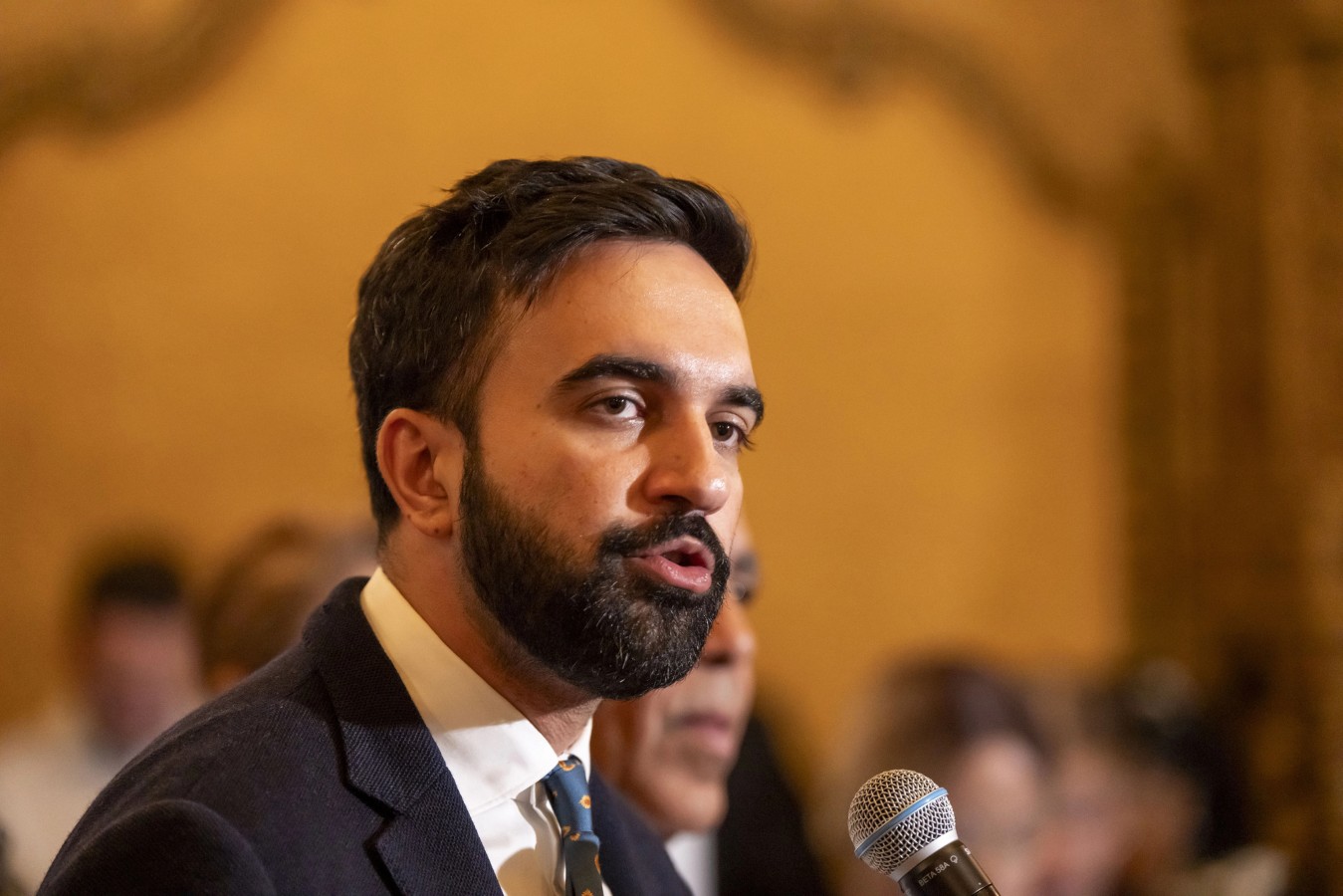
The Rent Guidelines Board, an independent panel of mayoral appointees that sets annual rent adjustments for rent-stabilized apartments, approved a 0% increase on both one-year and two-year leases.
The freeze affects approximately one million rent-stabilized apartments, home to around two million New Yorkers. It fulfills one of Mamdani’s defining campaign promises, which he repeatedly highlighted throughout his mayoral campaign as part of his broader plan to make New York City more affordable.
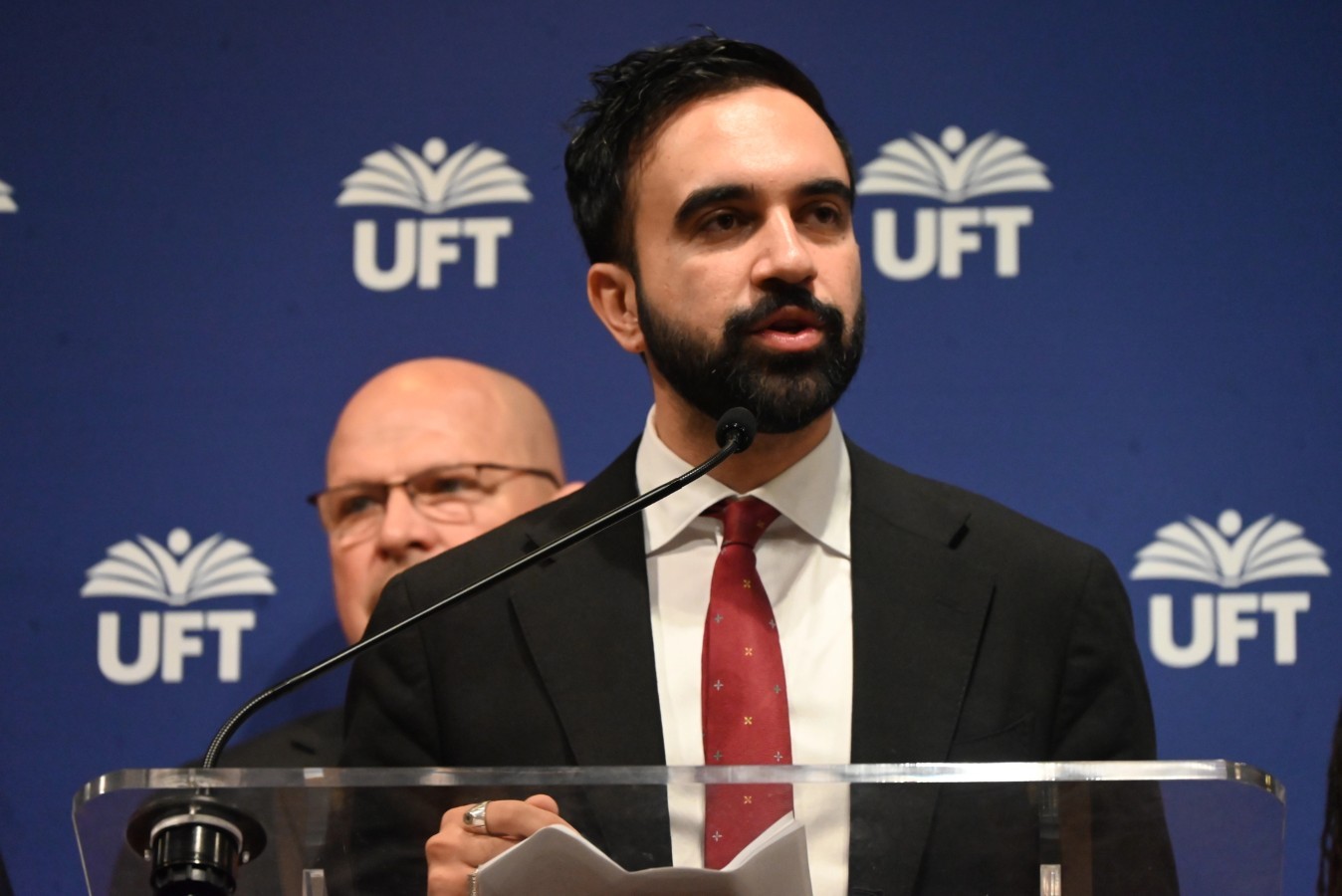
In a statement following the vote, Mamdani called the decision “a historic victory for New York City tenants.”
“This is the relief that working people across our city deserve,” he said.
The Rent Guidelines Board has approved rent freezes before, although not on this scale.
Under former Mayor Bill de Blasio, one-year lease freezes were approved three times between 2015 and 2021. More recently, under former Mayor Eric Adams, the board approved increases of up to 3% for one-year leases and up to 4.5% for two-year leases.
This year’s decision marks the first freeze covering both one-year and two-year leases since Mamdani took office.
Experts warn the freeze could tighten housing supply

Although the rent freeze provides immediate financial relief for many tenants, housing economists say the longer-term effects could prove more complicated.
“Freezing rent sounds like a sure-fire way to solve housing affordability, but what I’m worried about is the unintended consequences on the rent-stabilized stock and market rate prices,” said Jake Krimmel, senior economist at Realtor.com.
Krimmel noted that freezing rents also freezes income for owners of rent-stabilized buildings while expenses continue climbing.
“Freezing rent on stabilized units, which make up about 41% of the city’s rental stock, means the companies and individuals that own those buildings will see their operating incomes frozen, too,” he explained.
He warned that owners facing shrinking margins may postpone repairs, delay maintenance or choose not to rent apartments that lose money.
“What may seem good for the tenants right now is likely to result in worse living conditions, as landlords delay or defer maintenance, and a shrinking rental supply, as landlords hold ‘underwater’ units off market rather than renting them out at a loss.”
Why tenant advocates backed the rent freeze
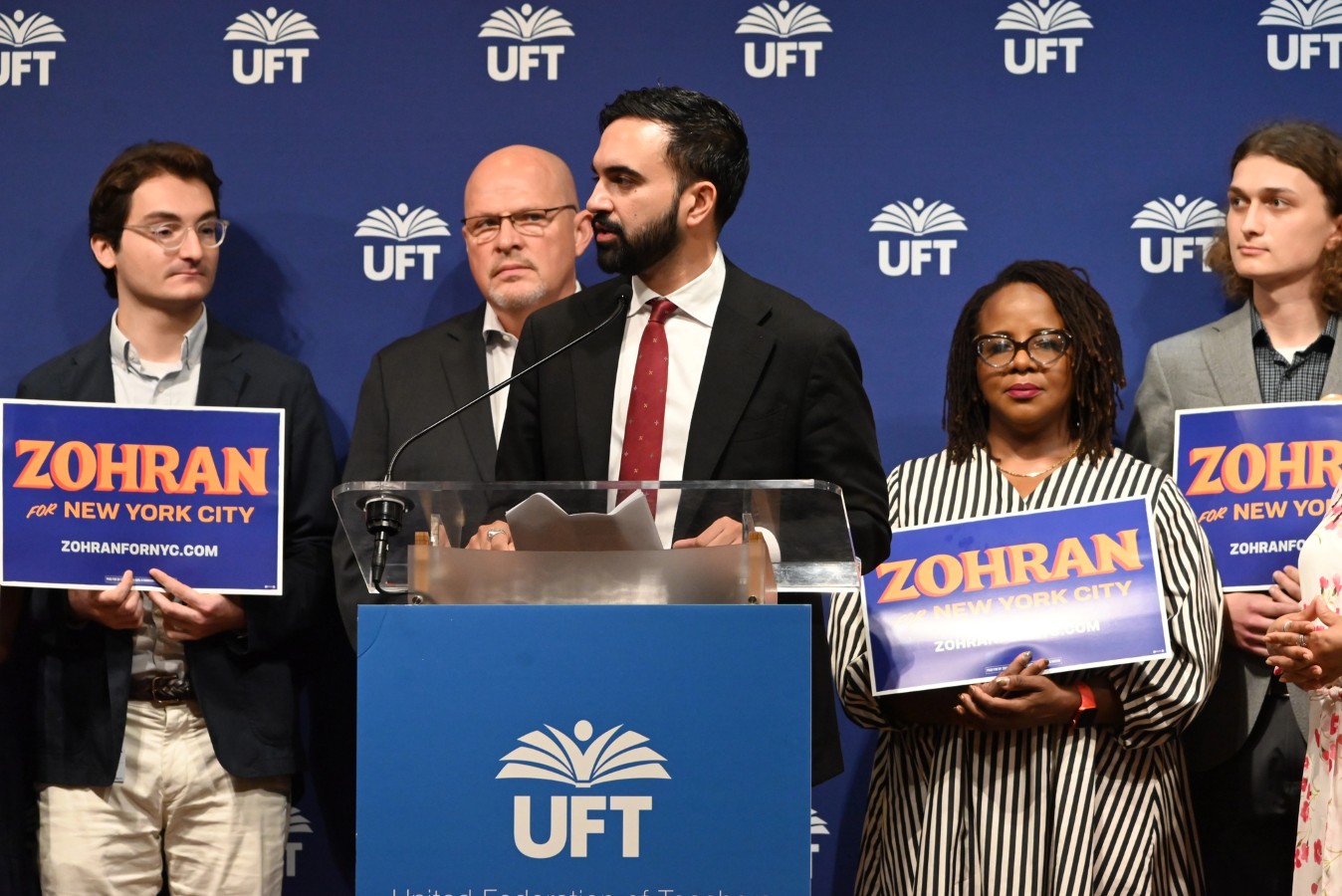
Supporters argue the measure provides desperately needed relief for residents facing some of the country’s highest housing costs.
According to research from the NYU Furman Center, more than half of New York City renters are rent-burdened, meaning they spend at least 30% of their income on housing.
Rent-stabilized apartments account for roughly 40% to 41% of the city’s rental housing stock. The average monthly rent for a regulated apartment is about $1,599, according to the Rent Guidelines Board’s 2025 study, compared with a median rent of approximately $3,950 for newly leased apartments citywide.
At public hearings before the vote, many tenants argued their incomes had not kept pace with inflation and rising household expenses, making another rent increase unaffordable.
Landlords say building costs continue to rise

Property owners argue that while tenants receive immediate relief, landlords are being asked to absorb steadily increasing operating expenses.
According to the Rent Guidelines Board’s April Price Index of Operating Costs study, operating costs for rent-stabilized buildings increased 5.3% over the past year. Insurance costs rose 10.5%, following an 18.7% increase the previous year, while taxes, water, fuel and labor expenses also climbed.
Ann Korchak, board president of Small Property Owners of New York, said the board’s own data supported a rent increase instead of a freeze.
“If the RGB applied the data from its own research and reports to last month’s preliminary vote, it would’ve acknowledged that a minimum rent increase of 5.3% is needed to cover the steep increases in operating costs and expenses of rent-stabilized apartments,” she said.
Mamdani has announced a city-backed insurance program intended to reduce some of those costs, but it has not yet launched and questions remain over which owners and buildings would qualify.
“This sets us up for failure, depriving small owners of the resources needed to maintain, repair and operate our buildings,” Korchak added.
The board’s decision was preceded by the resignation of Christina Smyth, one of its landlord representatives, who argued that the outcome had effectively been decided before the vote took place.
In her resignation letter, Smyth criticized both the process and the board’s independence.
“The rebuilt board was required to deliver a rent freeze,” she wrote. “Everything since has been theater.”
She also questioned how the board reached its decision.
“The Rent Guidelines Board has stopped being a fact-finding body. It has become a body that starts with an answer and vibe codes its way backward to justify it,” she wrote.
Board Chair Chantella Mitchell rejected those claims, saying the board’s members and staff acted independently and with integrity throughout the process.
Ghost apartments remain a challenge

Housing experts say another concern is New York City’s growing number of vacant rent-stabilized apartments.
The city is estimated to have around 50,000 “ghost apartments” that remain off the rental market rather than being renovated and leased.
Critics argue that freezing rents could further reduce incentives for landlords to invest in these units and bring them back online.
“Rent freezes on existing units make preservation more costly and would likely require more subsidy from the city,” Krimmel said.
Could market-rate rents rise instead?
One of the biggest concerns raised by economists is that restricting rent increases on stabilized apartments could eventually place more pressure on market-rate housing.
Krimmel pointed to a 2019 study of San Francisco’s rent-control policies, which found rental housing supply declined by 15% after some owners sold buildings or converted them into owner-occupied housing.
“Again, this highlights the unintended consequences of rent control on urban housing markets,” he said.
“They’re not passive and they respond to incentives, so when their bottom line gets further squeezed—especially against the backdrop of rising insurance, energy, and property tax expenses—expect there to be an equal and opposite reaction.”
New York’s regulations make condominium conversions more difficult than San Francisco’s, but economists say owners may instead delay repairs, postpone renovations or leave apartments vacant if operating costs continue outpacing rental income.
Critics argue that if more apartments remain vacant or investment slows, the city’s already limited housing supply could tighten further, placing additional upward pressure on market-rate rents that are not subject to stabilization.
What comes next for New York City’s housing market

The rent freeze represents one of the earliest and most significant policy victories of Mamdani’s administration, delivering immediate savings for approximately two million residents living in rent-stabilized apartments.
However, landlord groups have already signaled they expect legal challenges over the board’s decision, arguing it threatens the financial viability of many buildings. Tenant advocates, meanwhile, see the vote as an overdue response to a worsening affordability crisis.
Whether the policy ultimately lowers housing costs over the long term—or contributes to further strains on New York City’s housing supply—may depend on whether the city can pair tenant protections with sufficient support for building owners to maintain, repair and preserve its aging rent-stabilized housing stock.
Like Financial Freedom Countdown content? Be sure to follow us!
14 essential strategies to maximize your Social Security and avoid costly mistakes
Social Security is a vital lifeline for many seniors, providing crucial income support during retirement. With inflation at its highest in four decades, Social Security’s inflation-adjusted benefits offer protection against rising costs.
Rising interest rates have disrupted many retirement portfolios, causing bond fund values to plummet. In this volatile financial landscape, Social Security can stabilize a typical stock-bond retirement portfolio. By implementing smart strategies, retirees can maximize their Social Security benefits and ensure a more secure financial future.
14 Essential Strategies to Maximize Your Social Security and Avoid Costly Mistakes
11 reasons you should claim Social Security early

Deciding when to claim Social Security is often about maximizing your benefit. Financial planners usually advise delaying your claim for as long as possible to secure the highest monthly payment. Your benefit is based on your lifetime earnings, with a full payout available at your full retirement age (FRA), which is currently between 66 and 67 depending on your birth year. Claiming before FRA results in a permanent reduction in your monthly benefit, while waiting beyond FRA leads to a permanent increase. However, the decision isn’t solely about maximizing the monthly check. Personal factors such as health, family circumstances, and financial needs can play a significant role in determining the right time to claim.
11 Reasons You Should Claim Social Security Early
Did you find this article helpful? We’d love to hear your thoughts! Leave a comment with the box on the left-hand side of the screen and share your thoughts.
Also, do you want to stay up-to-date on our latest content?
1. Follow us by clicking the [+ Follow] button above,
2. Give the article a Thumbs Up on the top-left side of the screen.
3. And lastly, if you think this information would benefit your friends and family, don’t hesitate to share it with them!

John Dealbreuin came from a third world country to the US with only $1,000 not knowing anyone; guided by an immigrant dream. In 12 years, he achieved his retirement number.
He started Financial Freedom Countdown to help everyone think differently about their financial challenges and live their best lives. John resides in the San Francisco Bay Area enjoying nature trails and weight training.
Here are his recommended tools
Personal Capital: This is a free tool John uses to track his net worth on a regular basis and as a retirement planner. It also alerts him wrt hidden fees and has a budget tracker included.
Platforms like Yieldstreet provide investment options in art, legal, real estate, structured notes, venture capital, etc. They also have fixed-income portfolios spread across multiple asset classes with a single investment with low minimums of $10,000.