
Record 401(k) withdrawals hit millions as Americans tap retirement savings to survive rising financial strain

Millions of Americans are turning to their retirement savings earlier than planned as financial pressures mount, with new data showing record hardship withdrawals from workplace 401(k) plans. While rising account balances offer some reassurance, the trend highlights growing strain among households struggling to cover everyday expenses.
Record hardship withdrawals signal rising financial stress

A record 6% of workers with 401(k) plans administered by Vanguard took hardship withdrawals in 2025; the highest level ever recorded. That figure was up from 4.8% in 2024 and roughly triple the pre-pandemic rate of about 2% in 2018.
With an estimated 60–70 million Americans holding active workplace retirement accounts, the data suggests as many as 4.2 million people tapped their savings early last year; a sign that many households are facing intense financial pressure.
Early withdrawals often represent a last resort

Tapping retirement savings is widely considered a final option when workers run out of other ways to cover essential expenses. Many are willing to accept taxes, penalties, and reduced retirement income just to access immediate cash.
The most common reasons cited for hardship withdrawals included avoiding eviction or foreclosure and paying urgent medical bills. Vanguard said the median withdrawal amount was relatively modest at $1,900, underscoring that many savers were using funds to bridge short-term financial gaps rather than making large portfolio changes.
Taking money from a retirement account before age 59½ can trigger steep financial consequences. The Internal Revenue Service generally treats early withdrawals as taxable income, and savers may also face a 10% penalty if their withdrawal does not meet specific hardship criteria.
For example, someone withdrawing $5,000 could owe an additional $500 penalty at tax time; not including income taxes on the distribution.
Lost growth could hurt retirement readiness over time

Beyond immediate costs, hardship withdrawals can significantly reduce long-term retirement wealth. A 35-year-old who pulls out $1,000 today could forgo thousands of dollars in future gains by retirement due to missed compound gains.
Financial analysts note that even relatively small withdrawals can have outsized impacts decades later, particularly for younger workers with many years of investment growth ahead.
More workers enrolled means more potential withdrawals

Vanguard cautioned that the rise in hardship withdrawals may not solely reflect worsening economic conditions. Automatic enrollment policies adopted by more employers have brought millions of additional workers; especially lower-income employees into retirement plans.
“Given that it’s now easier to request a hardship withdrawal and that automatic enrollment is helping more workers save for retirement, especially lower-income workers, a modest increase isn’t surprising,” the Vanguard report said.
Policy shifts in recent years have simplified the process for tapping retirement savings. Congress eliminated a requirement in 2018 that workers must first take out a plan loan before qualifying for a hardship withdrawal.
As a result, participants can now access funds more quickly when facing an “immediate and heavy financial need,” provided they can demonstrate the necessity to their employer.
Debt burdens and weak emergency savings add pressure

The trend mirrors broader signs of financial strain across U.S. households. Surveys suggest about 40% of consumers are still carrying debt from holiday spending, while 43% lack enough savings to cover a $1,000 emergency expense.
These vulnerabilities increase the likelihood that workers will rely on retirement accounts when unexpected costs arise.
Despite increased withdrawals, overall retirement account balances have continued to climb. Vanguard reported that the average 401(k) balance rose 13% year-over-year to $167,970, with a median balance of $44,115.
Separate data from Fidelity Investments showed the average workplace retirement account balance climbed 11% to about $146,100 in 2025; the third consecutive year of double-digit gains.
Market performance played a major role in gains

Strong equity returns helped boost retirement savings even as volatility rattled investors during parts of the year. The S&P 500 rose 16.39%, while the Nasdaq Composite gained more than 20%.
Long-term savers benefited most from these gains. Fidelity said participants who had been contributing for at least 15 years held a median balance of roughly $377,000.
At the upper end of the spectrum, the number of retirement accounts worth over $1 million surged to 665,000 last year; up from 537,000 in 2024. This suggests that consistent contributions and market growth continue to reward disciplined investors.
However, the simultaneous rise in hardship withdrawals illustrates growing inequality in financial resilience between higher-income savers and households living paycheck to paycheck.
Political leaders point to strong retirement gains

During his State of the Union address, President Donald Trump highlighted rising retirement balances as evidence of economic strength.
“The stock market is at 53 all-time record highs since the election. Think of that. One year. Boosting pensions, 401(k)s and retirement accounts with millions and millions of Americans,” Trump said. “They’re all gaining. Everybody’s up, way up.”
Safety net or warning sign for the economy?
While hardship withdrawals can provide a crucial financial cushion for struggling workers, experts warn they also serve as a potential warning sign about underlying economic stress.
“For a small subset of workers facing financial stress, hardship withdrawals may serve as a safety net that may not otherwise have been available without plan-implemented automatic solutions,” the study said.
The conflicting signals; rising balances alongside record withdrawals; suggest that while markets remain strong, millions of Americans are still grappling with everyday financial challenges.
Financial experts recommend building an emergency fund and using it for unexpected expenses rather than relying on 401(k) withdrawals. Free software such as Personal Capital from Empower can be used to monitor your financial health. Unlike other budgeting apps, Personal Capital doesn’t need you to do the tedious task of setting up a budget. After you link all your accounts together, it looks at your current spending and creates a budget for your lifestyle. Personal Capital also has features to analyze your retirement accounts and eliminate fees, track your net worth and cash flow.
Like Financial Freedom Countdown content? Be sure to follow us!
14 essential strategies to maximize your Social Security and avoid costly mistakes
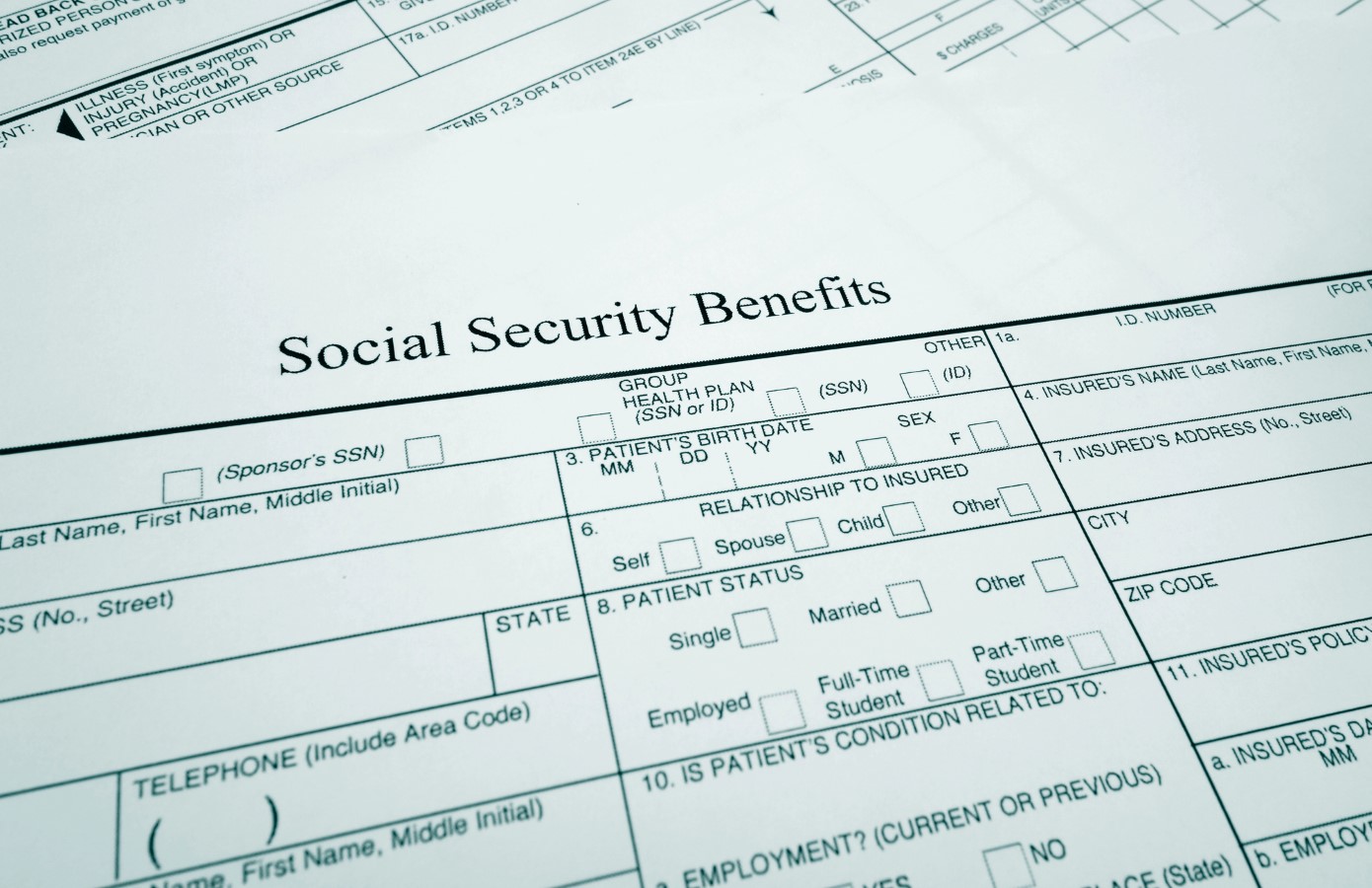
Social Security is a vital lifeline for many seniors, providing crucial income support during retirement. With inflation at its highest in four decades, Social Security’s inflation-adjusted benefits offer protection against rising costs.
Rising interest rates have disrupted many retirement portfolios, causing bond fund values to plummet. In this volatile financial landscape, Social Security can stabilize a typical stock-bond retirement portfolio. By implementing smart strategies, retirees can maximize their Social Security benefits and ensure a more secure financial future.
14 Essential Strategies to Maximize Your Social Security and Avoid Costly Mistakes
11 reasons you should claim Social Security early

Deciding when to claim Social Security is often about maximizing your benefit. Financial planners usually advise delaying your claim for as long as possible to secure the highest monthly payment. Your benefit is based on your lifetime earnings, with a full payout available at your full retirement age (FRA), which is currently between 66 and 67 depending on your birth year. Claiming before FRA results in a permanent reduction in your monthly benefit, while waiting beyond FRA leads to a permanent increase. However, the decision isn’t solely about maximizing the monthly check. Personal factors such as health, family circumstances, and financial needs can play a significant role in determining the right time to claim.
11 Reasons You Should Claim Social Security Early

Did you find this article helpful? We’d love to hear your thoughts! Leave a comment with the box on the left-hand side of the screen and share your thoughts.
Also, do you want to stay up-to-date on our latest content?
1. Follow us by clicking the [+ Follow] button above,
2. Give the article a Thumbs Up on the top-left side of the screen.
3. And lastly, if you think this information would benefit your friends and family, don’t hesitate to share it with them!

John Dealbreuin came from a third world country to the US with only $1,000 not knowing anyone; guided by an immigrant dream. In 12 years, he achieved his retirement number.
He started Financial Freedom Countdown to help everyone think differently about their financial challenges and live their best lives. John resides in the San Francisco Bay Area enjoying nature trails and weight training.
Here are his recommended tools
Personal Capital: This is a free tool John uses to track his net worth on a regular basis and as a retirement planner. It also alerts him wrt hidden fees and has a budget tracker included.
Platforms like Yieldstreet provide investment options in art, legal, real estate, structured notes, venture capital, etc. They also have fixed-income portfolios spread across multiple asset classes with a single investment with low minimums of $10,000.