
Sanders moves to protect Social Security checks from student loan garnishment as defaults top 9 million

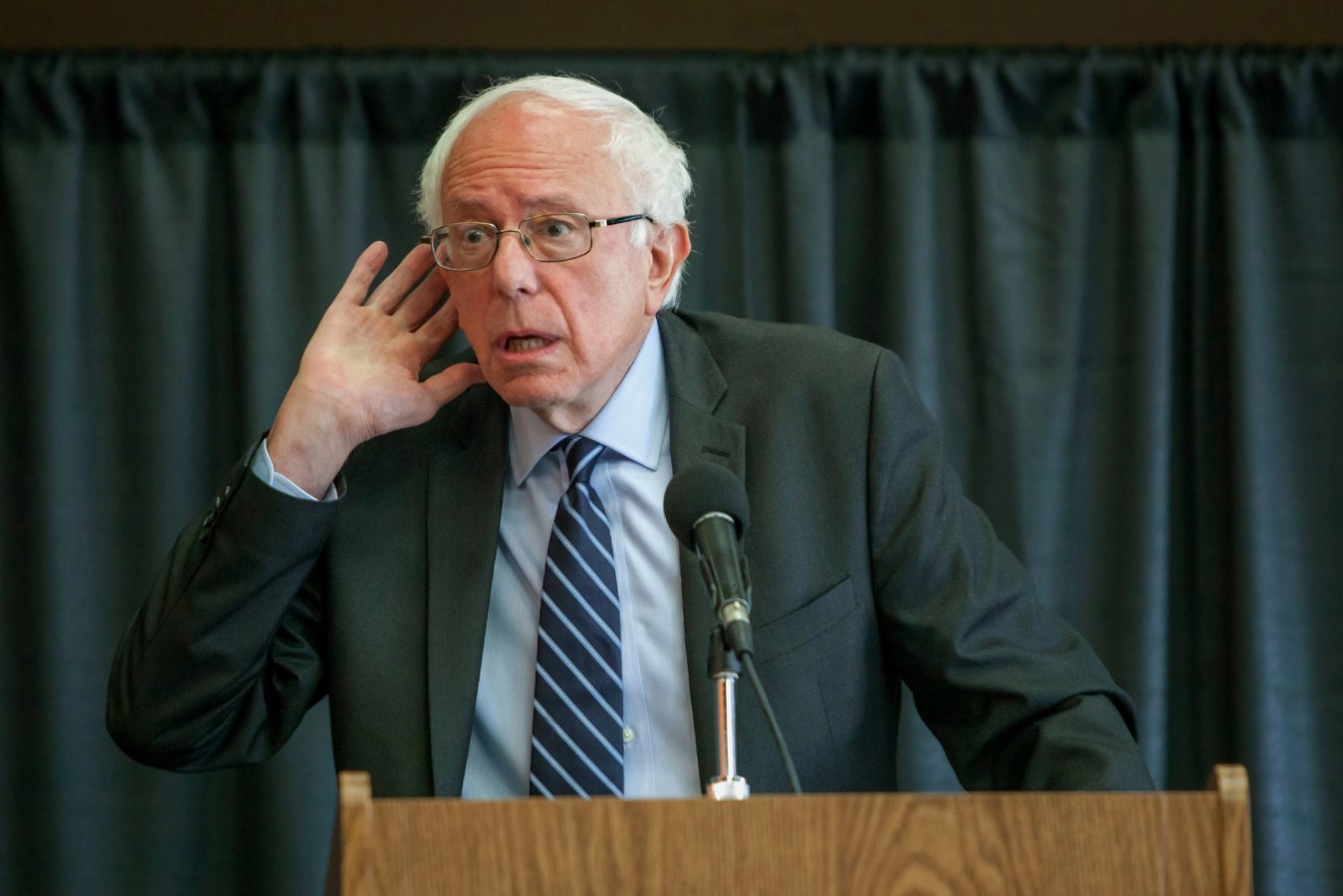
Sen. Bernie Sanders, I-Vt., is preparing legislation that would prevent the federal government from withholding Social Security benefits from older Americans and people with disabilities to collect defaulted student loan debt. The proposal comes as more than 9 million Americans are in student loan default, according to Sanders, raising concerns that borrowers who have been carrying debt for decades could see their retirement or disability benefits reduced.
The Stop Social Security Garnishment Act of 2026 would prohibit the government from garnishing Social Security payments, including Social Security Disability Insurance, to repay defaulted federal student loans. Sanders plans to introduce the bill when the Senate returns from recess next month.
The legislation comes as the federal student loan system faces a major wave of defaults. Sanders said more than 9 million Americans are now in default, meaning nearly one in four student loan borrowers cannot repay their loans.
Those borrowers can face collection actions that may include wage garnishment and, under current rules, withholding certain federal benefits. Sanders argues that the potential loss of Social Security is particularly serious because many older borrowers rely on those payments for everyday expenses.
The senator’s proposal describes the situation as part of a broader student debt crisis involving nearly 43 million Americans and roughly $1.7 trillion in outstanding student debt.
Sanders says seniors should not lose Social Security over student debt

Sanders, the ranking member of the Senate Health, Education, Labor, and Pensions Committee, announced the legislation on Aug. 17, arguing that seniors should not have their Social Security benefits taken to repay student loans they may have borrowed decades ago.
“As a result of Trump’s disastrous cuts to education, an increasing number of seniors are in danger of having their Social Security checks garnished to pay back student loans they took out decades ago. That is beyond unacceptable,” Sanders said.
“In the richest country in the history of the world, no senior should have their Social Security payments taken away from them to pay back student debt. This is especially true when seniors throughout the country already cannot afford the skyrocketing price of healthcare, prescription drugs, groceries and housing. Congress must pass this legislation.”
The debate comes as the federal government resumes more aggressive efforts to collect defaulted student loans after pandemic-era protections ended.
With millions of borrowers already in default and millions of older Americans carrying student debt, the potential impact on Social Security recipients is likely to remain a contentious issue.
Sanders’ legislation would draw a clear line by preventing the government from using Social Security benefits to collect defaulted student loans from older adults and people with disabilities. Whether Congress ultimately adopts that protection remains uncertain, but the bill is set to bring the issue back into the spotlight when the Senate returns next month.
Millions of older Americans still have student loans

Student debt is no longer limited to younger Americans. Sanders says more than 3 million Americans over age 62 have student debt, highlighting how some borrowers are reaching retirement age while still carrying loans.
Some older borrowers took out loans for themselves, while others may have borrowed to help family members pay for college. For those who rely primarily on Social Security, losing part of a monthly benefit could make it harder to cover basic costs.
Sanders’ bill is specifically aimed at preventing student loan collections from further reducing the financial resources available to older adults and people with disabilities.
Social Security is often a lifeline for borrowers
According to Sanders, more than one-third of Social Security recipients with student loans depend on their benefits to make ends meet.
That reliance makes the possibility of garnishment especially consequential. Sanders said half of Social Security recipients whose benefits were garnished because of a defaulted student loan reported either skipping a doctor’s visit or being unable to obtain a needed prescription because of the cost.
The bill’s supporters argue that Social Security payments should remain available for necessities such as health care, medicine, food and housing rather than being diverted toward old student debt.
The proposal would not be limited to retirement benefits. It would also prohibit garnishment of Social Security Disability Insurance payments for defaulted student loan debt.
That provision is intended to protect people with disabilities who may have limited income and few alternatives for covering their basic expenses.
Sanders argues that taking benefits from people who depend on them for essential living costs can create a cycle in which student debt contributes directly to financial hardship.
The Vermont senator also argues that some older borrowers may be carrying student debt that could potentially qualify for forgiveness because of disability.
According to Sanders’ statements, an estimated one in five Social Security beneficiaries may be eligible for loan forgiveness due to a disability, but some have been unable to access forgiveness they may be entitled to.
Sanders says this can leave older Americans in default unnecessarily, exposing them to collection efforts even when they may have another path toward having their debt discharged.
Warren and Markey are backing the proposal

Warren and Markey are joining Sanders as co-sponsors of the Stop Social Security Garnishment Act of 2026.
The bill has also received support from organizations including the American Federation of Teachers, Protect Borrowers, the Student Debt Crisis Center, the American Association of University Women, Debt Collective, Social Security Works and the Alliance for Retired Americans.
The support reflects broader concerns among student loan and retirement advocates about protecting Social Security benefits from federal debt collection.
The proposed legislation would take several steps to shield Social Security recipients from student loan collections.
It would prohibit the federal government from garnishing Social Security payments, including Social Security Disability Insurance, from older adults and individuals with disabilities to repay student loan debt. It would also protect older borrowers against what Sanders describes as unnecessary forced collections.
The measure is designed to ensure that recipients can continue using their benefits for necessities such as medical care, prescription drugs and groceries without the threat of having those payments reduced because of a student loan default.
The proposal faces a path through Congress
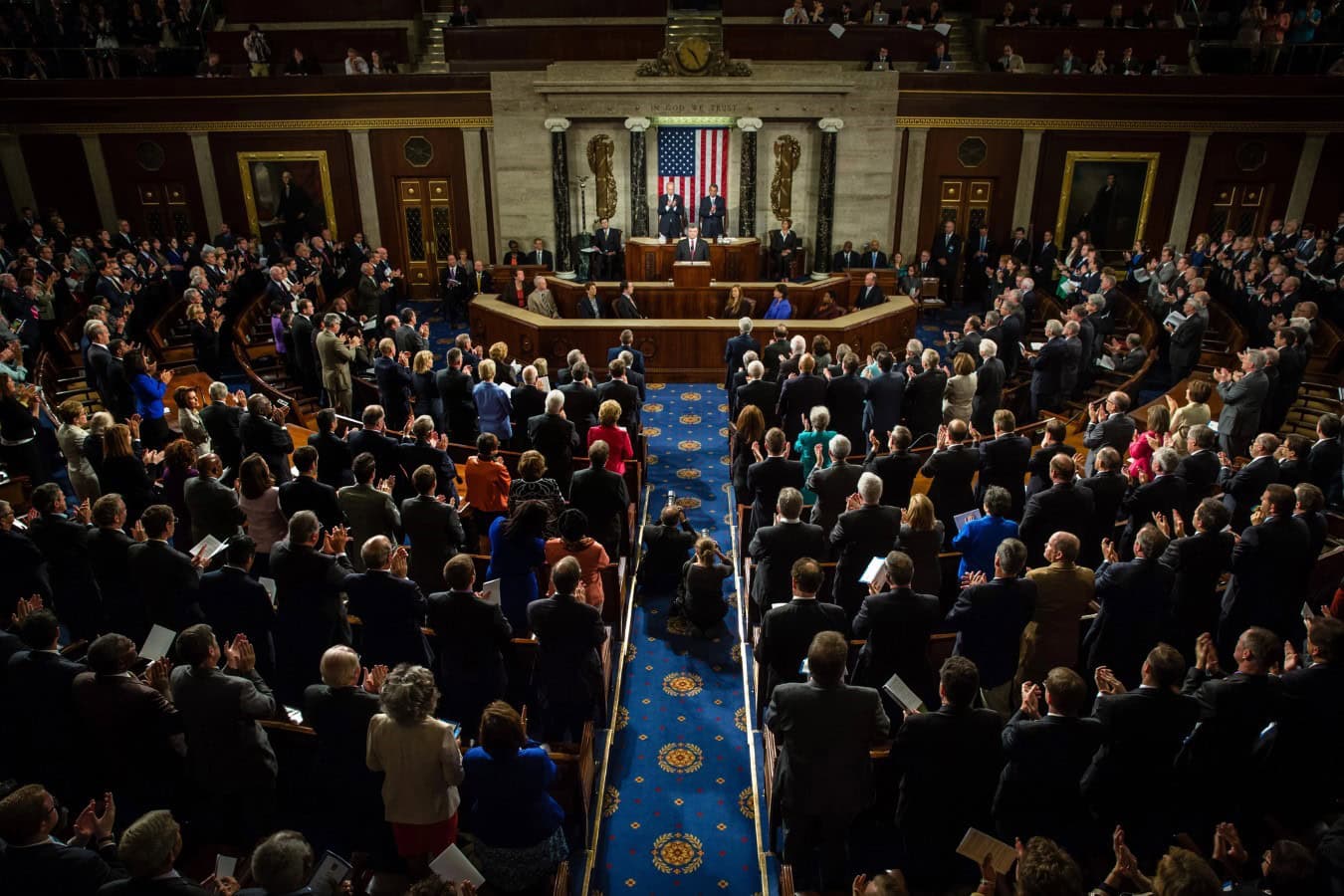
Although Sanders has announced the legislation, the bill still must be introduced, considered by Congress and approved before it could become law.
Sanders plans to introduce the measure after the Senate returns from its August recess. Its future will depend on whether lawmakers are willing to advance legislation that would change the government’s ability to collect defaulted student loan debt from Social Security benefits.
For now, the proposal puts renewed attention on the intersection of two major financial issues: the growing number of Americans entering student loan default and the reliance of millions of older Americans on Social Security.
Like Financial Freedom Countdown content? Be sure to follow us!
Social Security 2027 COLA estimate drops to 3.6% after July inflation data; but remains above 2026 increase
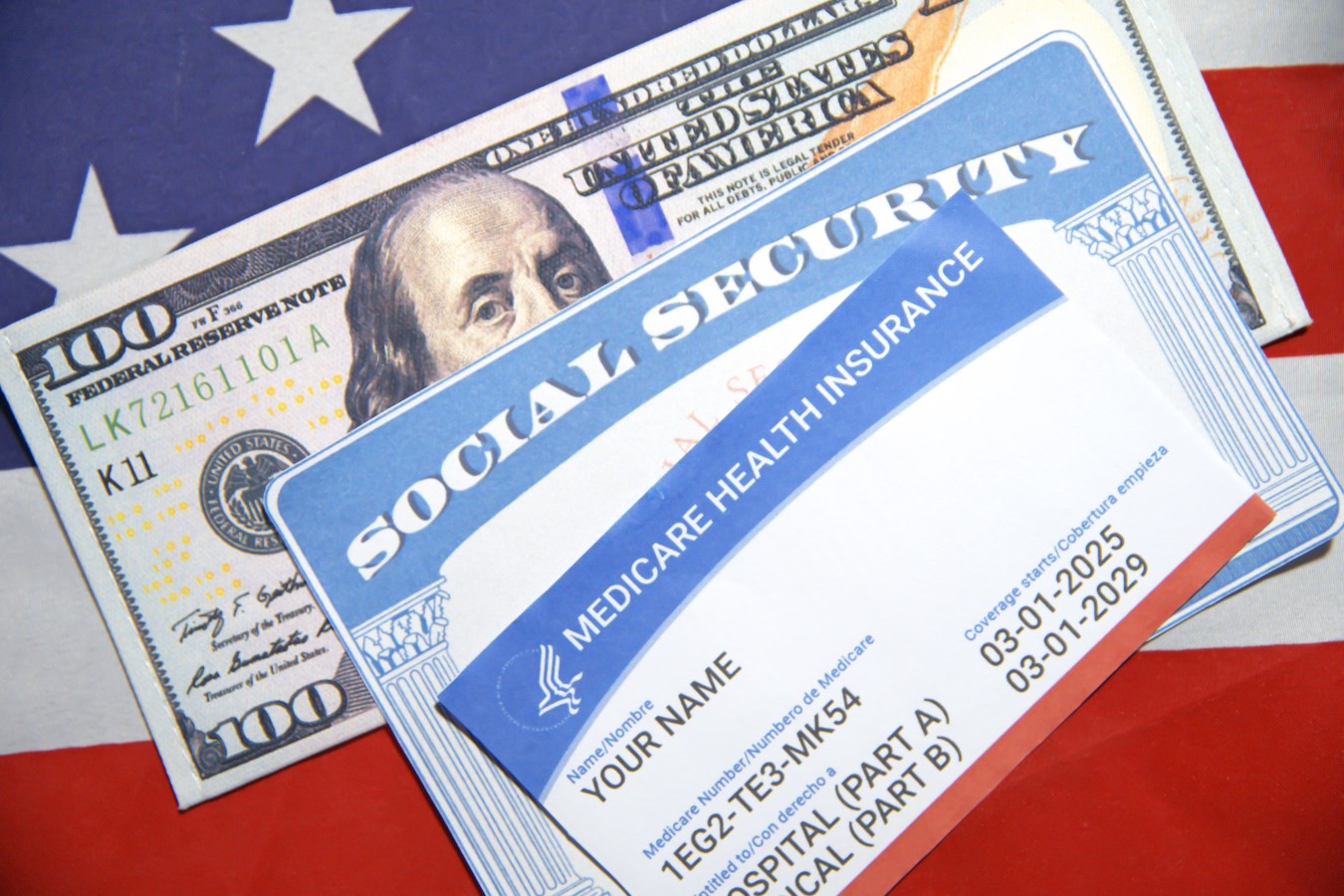
Social Security beneficiaries could receive a larger cost-of-living adjustment in 2027, although the latest inflation data has prompted forecasters to trim their estimates slightly. The Senior Citizens League now projects a 3.6% COLA, down from its earlier 3.8% estimate but still higher than the 2.8% increase beneficiaries received in 2026. The latest estimate comes after the Bureau of Labor Statistics reported that the Consumer Price Index for Urban Wage Earners and Clerical Workers, or CPI-W, increased 3.4% from July 2025 to July 2026. July is the first of three months of inflation data used to determine the annual Social Security adjustment.

Did you find this article helpful? We’d love to hear your thoughts! Leave a comment with the box on the left-hand side of the screen and share your thoughts.
Also, do you want to stay up-to-date on our latest content?
1. Follow us by clicking the [+ Follow] button above,
2. Give the article a Thumbs Up on the top-left side of the screen.
3. And lastly, if you think this information would benefit your friends and family, don’t hesitate to share it with them!

John Dealbreuin came from a third world country to the US with only $1,000 not knowing anyone; guided by an immigrant dream. In 12 years, he achieved his retirement number.
He started Financial Freedom Countdown to help everyone think differently about their financial challenges and live their best lives. John resides in the San Francisco Bay Area enjoying nature trails and weight training.
Here are his recommended tools
Personal Capital: This is a free tool John uses to track his net worth on a regular basis and as a retirement planner. It also alerts him wrt hidden fees and has a budget tracker included.
Platforms like Yieldstreet provide investment options in art, legal, real estate, structured notes, venture capital, etc. They also have fixed-income portfolios spread across multiple asset classes with a single investment with low minimums of $10,000.