Trump weighs new 7.5% China tariff as Canada trade war erupts with 50% auto duties and retaliation
President Donald Trump is moving toward another tariff escalation against China while a separate trade fight with Canada is rapidly intensifying, putting two of the United States’ most important trading relationships under fresh pressure.
Trump is considering a new 7.5% tariff on Chinese goods over allegations that Beijing is flooding global markets with underpriced products, according to people familiar with the deliberations. The proposed measure would come as Washington and Beijing try to preserve a one-year trade truce and prepare for a possible Trump-Xi Jinping meeting in late September.
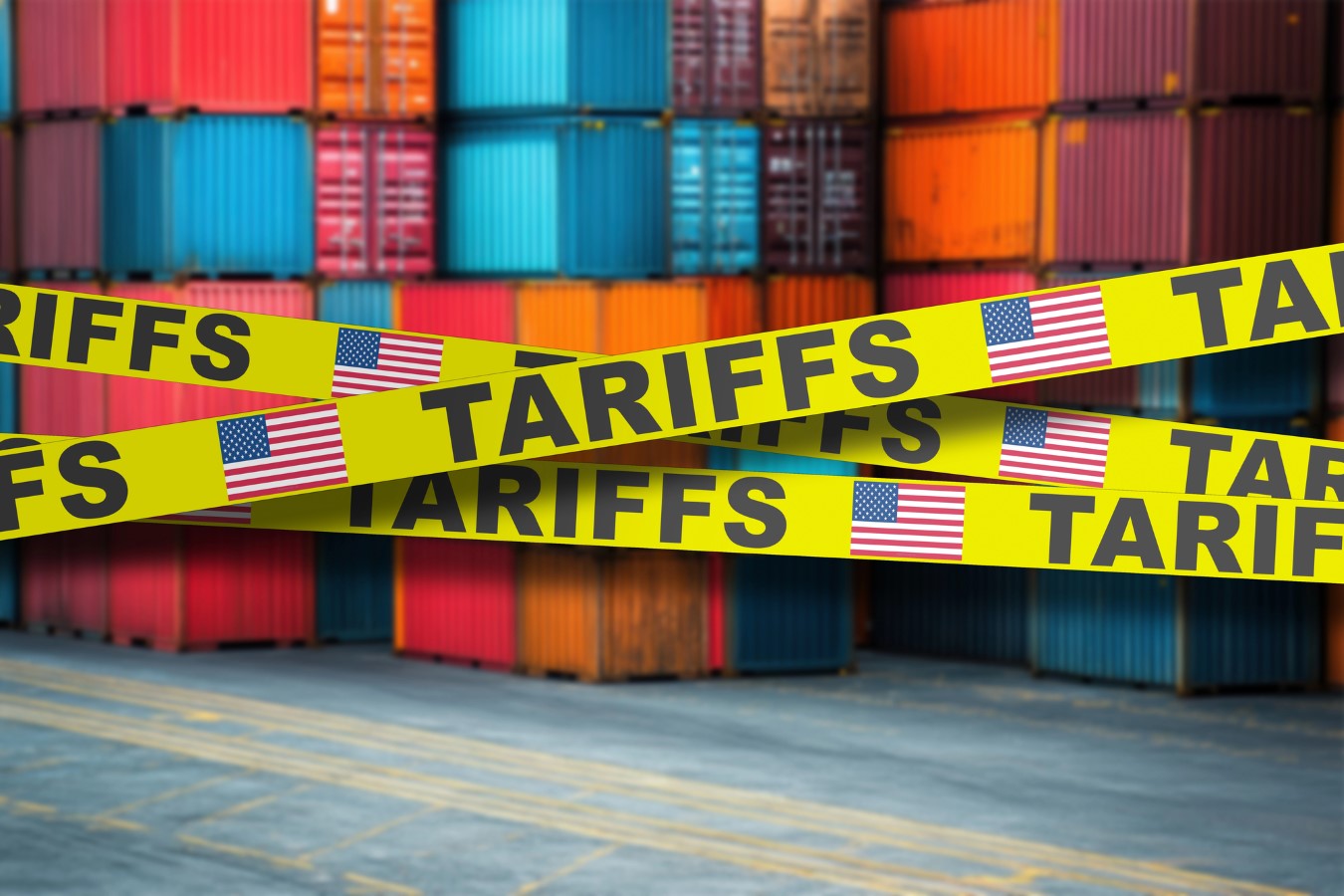
At the same time, the U.S.-Canada relationship has deteriorated sharply after trade negotiations collapsed. Trump has threatened 50% tariffs on Canadian vehicles, auto parts and steel, while Canada is preparing retaliatory tariffs against U.S. goods.
The developments point to a broader shift in Trump’s trade strategy: the administration is simultaneously applying targeted pressure on China while escalating a much more immediate confrontation with Canada.
Trump considers 7.5% tariff on Chinese goods
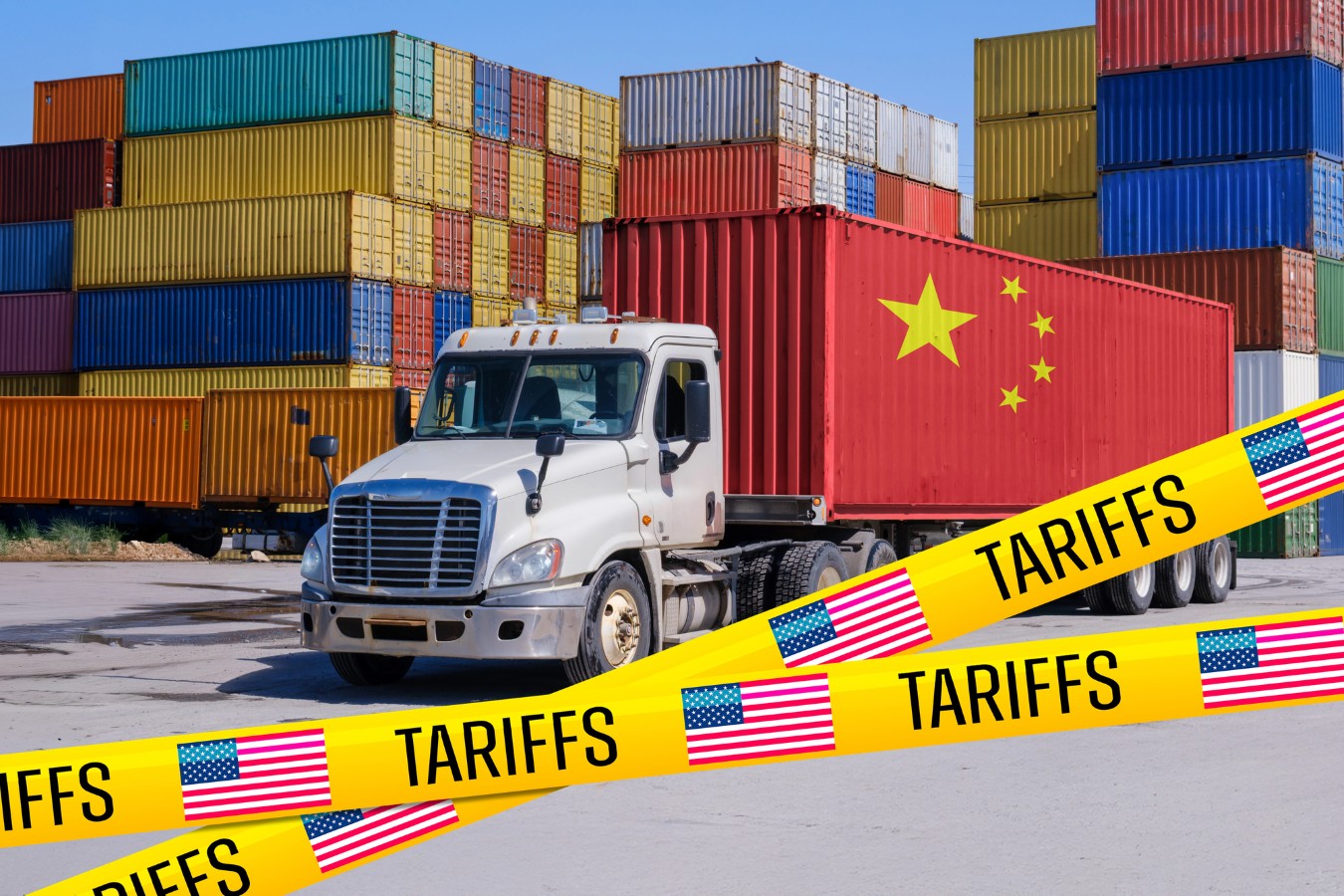
Two people familiar with the internal deliberations said the administration is considering setting the new China tariff at 7.5%. The proposal is still being finalized, and Trump could ultimately change his mind.
Administration officials reportedly believe the rate would be high enough to address concerns about China’s industrial overcapacity while remaining low enough to avoid jeopardizing the existing U.S.-China trade truce or a planned meeting between Trump and Xi.
The potential tariff would be another layer of trade restrictions on Chinese products rather than a replacement for existing duties.
The administration’s approach suggests Trump is seeking to maintain leverage over Beijing without triggering a broader breakdown in negotiations.
The proposed 7.5% duty would come on top of tariffs ranging from 10% to 12.5% that the Trump administration announced last month for 60 economies accused of failing to effectively enforce restrictions on goods made with forced labor.
That means Chinese exporters could face an effective tariff burden of roughly 20% on affected goods if the new measure is imposed alongside the existing duties. Reuters reported that the proposed rate would remain within the limits of the current U.S.-China trade arrangement.
The administration is therefore pursuing a narrower China tariff than the sweeping measures that defined Trump’s earlier tariff push.
Trump is using a different legal path after the Supreme Court ruling

The possible China tariff also reflects how the administration has adjusted its trade strategy following a Supreme Court decision that struck down Trump’s sweeping tariff program earlier this year.
After the ruling, the administration announced formal investigations into China’s excess industrial capacity and forced-labor practices. The industrial-capacity investigation was initiated under Section 301 of the Trade Act of 1974, which allows the president to impose tariffs in response to certain unfair trade practices affecting U.S. commerce.
The new approach could allow Trump to target specific trade concerns through existing trade laws rather than relying on the broader tariff authority rejected by the court.
China rejects the overcapacity argument

Beijing has strongly disputed the U.S. characterization of China’s industrial production.
The Chinese embassy in Washington said economic and trade disputes should be resolved through bilateral talks rather than unilateral tariff actions and rejected the claim that China has an excess-capacity problem.
The dispute is nevertheless gaining attention among China’s trading partners as Chinese manufacturers increasingly look abroad for customers.
Industries ranging from automobiles and solar panels to cement and steel have built substantial production capacity. Slowing domestic demand has encouraged Chinese companies to expand overseas, contributing to a record trade surplus of nearly $1.2 trillion last year.
China’s Ministry of Commerce has argued that Beijing has never sought to generate a large trade surplus.
The timing of the proposed tariff is particularly important.
Trump and Xi are expected to meet in late September, and Washington is simultaneously trying to maintain the one-year trade truce between the world’s two largest economies.
A 7.5% tariff would represent another increase in pressure on Beijing, but its relatively limited size could give both governments room to continue negotiations.
That is a sharp contrast with Trump’s confrontation with Canada, where negotiations have already broken down and both sides are preparing additional tariffs.
Canada trade talks collapse as Trump threatens 50% tariffs

The U.S.-Canada dispute has moved into a much more confrontational phase.
Trade negotiations collapsed late last week, and Trump has threatened new 50% tariffs on Canadian vehicles, auto parts and steel. The tariffs on Canadian vehicles and parts are set to begin January 1, 2027.
Trump has argued that Canada has treated American businesses unfairly and has criticized Canadian tariffs on U.S. agricultural products.
The White House has defended Trump’s position as part of his broader effort to protect American workers, manufacturers and farmers.
Canada, however, has rejected the terms Washington sought and accused the Trump administration of trying to undermine major Canadian industries.
Canada prepares retaliation against U.S. goods

Canada is preparing retaliatory tariffs as the dispute escalates.
Prime Minister Mark Carney has said Canada will respond to U.S. tariffs while seeking to protect Canadian workers and businesses. Canada has indicated that retaliation could become more targeted rather than simply matching every U.S. tariff dollar for dollar. (AP News)
Carney said Canada would not accept an approach that treated the country as subordinate to the United States.
“An attitude at the negotiation table that Canada is a subsidiary of the United States” is “not something we’re going to accept,” Carney said.
The Canadian government has also emphasized its efforts to diversify trade relationships and reduce its dependence on the U.S. market.
The automotive sector has become one of the biggest flashpoints in the U.S.-Canada trade fight.
Vehicles and parts routinely cross the border multiple times during the manufacturing process. Canadian assembly plants supply the U.S. market, while American factories depend on Canadian components.
That means a 50% tariff could affect U.S. manufacturers as well as Canadian exporters.
Vehicles assembled in Canada for the U.S. market include the Toyota RAV4, Lexus NX, Honda CR-V, Chrysler Pacifica, Dodge Charger and several Chevrolet Silverado models.
The integrated nature of the industry makes the dispute particularly complicated because moving production entirely across the border is not an immediate or inexpensive process.
Doug Ford raises the stakes with electricity and critical minerals
Ontario Premier Doug Ford has taken an increasingly aggressive position in response to Trump’s threats.
Ford has warned that “everything is on the table,” including Ontario’s electricity exports to the United States and critical minerals.
Ontario supplies electricity to U.S. states including Michigan, Minnesota and New York. Critical minerals are also strategically important to U.S. manufacturing and national security because they are used in military equipment, electronics and other advanced industries.
Ford has previously used electricity as leverage during the trade dispute, when Ontario imposed a 25% surcharge on electricity exported to several U.S. states before the two sides backed away from further escalation.
A renewed move in that direction could widen the trade conflict beyond tariffs and into essential energy and industrial supply chains.
Trump and Canadian leaders are trading increasingly sharp rhetoric
The economic dispute has also become increasingly personal.
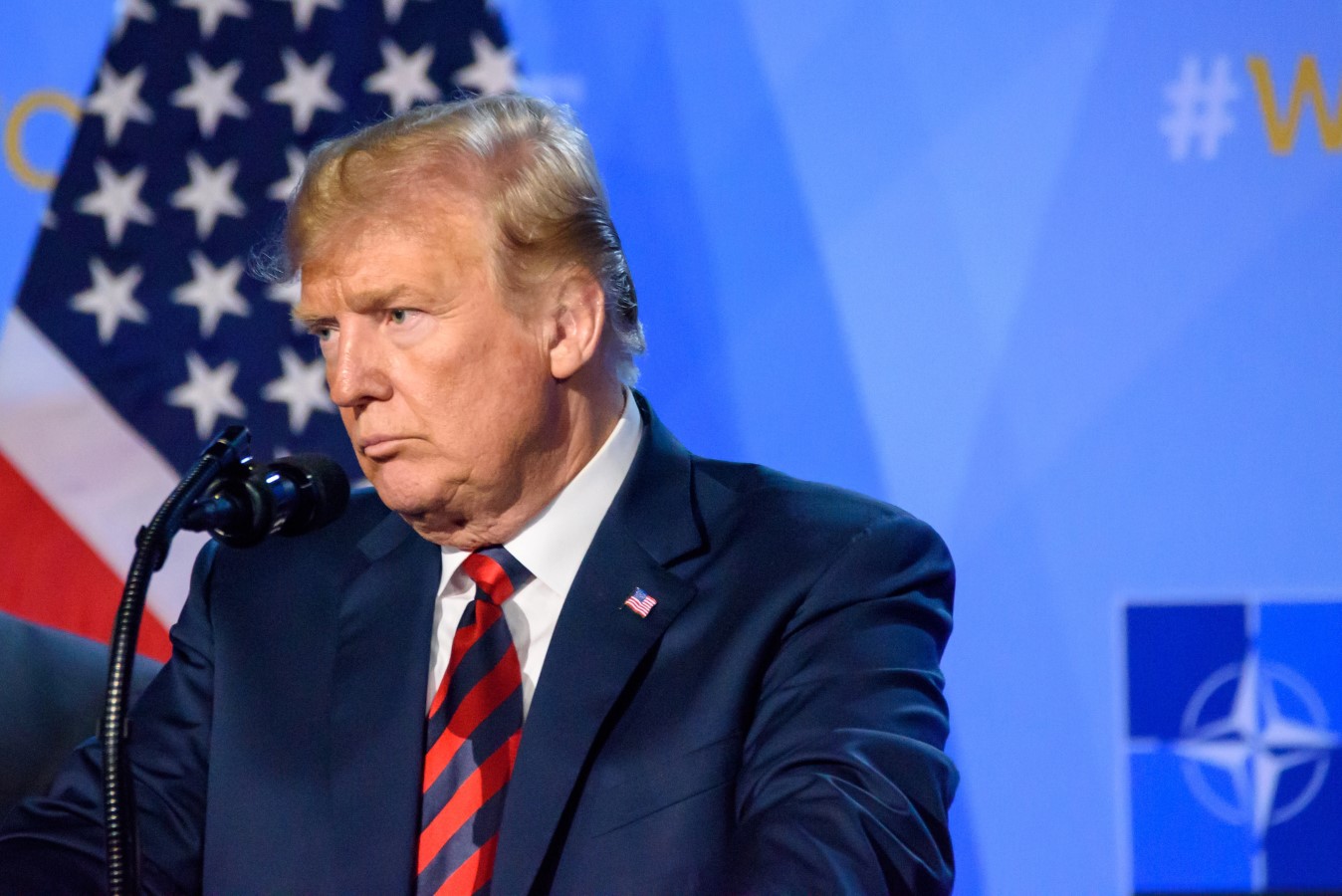
Trump has told Canadian leaders to “fall in line” and warned that Canada could face consequences “far WORSE” than existing tariffs.
In a social media post, Trump wrote that “Canada will be treated like a State no longer!” He also argued that “WE DON’T NEED CANADA, THEY NEED U.S.!”
Carney has rejected that framing, while Ford has also pushed back strongly against Trump’s attacks.
The Ontario premier said Canadians were prepared to endure economic pain rather than accept what he viewed as excessive U.S. demands.
“We’re all in,” Ford said. “Up here, we’re at a fever pitch; everyone’s in for an economic war. They know they’re going to have to sacrifice.”
The biggest economic risk is that tariffs imposed on Canadian products will raise costs throughout North American supply chains.
The United States and Canada have one of the world’s most integrated trading relationships, spanning automobiles, energy, agriculture, steel and manufacturing.
American companies that depend on Canadian inputs could face higher costs, while Canadian retaliation could make U.S. products more expensive in Canada.
The effects could be particularly significant in states and communities along the border, where businesses have built their operations around cross-border trade.
That makes the Canada dispute different from a tariff imposed on a distant trading partner: American companies can be directly exposed when Canadian suppliers are hit.
Trump is intensifying tariff pressure on multiple fronts
The emerging China and Canada disputes show two different sides of Trump’s trade strategy.
With China, the administration appears to be pursuing a relatively calibrated tariff designed to pressure Beijing over excess industrial capacity while preserving the broader trade truce and a potential Trump-Xi meeting.
With Canada, negotiations have already collapsed, retaliatory tariffs are being prepared and the dispute is spreading into autos, steel, electricity and critical minerals.
The contrast underscores the scale of the administration’s broader trade push. Trump is not pursuing a single tariff confrontation but managing several simultaneously, with the economic consequences potentially extending well beyond the countries directly targeted.
For U.S. businesses and consumers, the next phase could depend on whether these tariff threats lead to new trade agreements or instead trigger another round of retaliation. With China talks approaching and the Canada dispute escalating, Trump’s tariff policy is entering another critical test.
Like Financial Freedom Countdown content? Be sure to follow us!
14 essential strategies to maximize your Social Security and avoid costly mistakes

Social Security is a vital lifeline for many seniors, providing crucial income support during retirement. With inflation at its highest in four decades, Social Security’s inflation-adjusted benefits offer protection against rising costs.
Rising interest rates have disrupted many retirement portfolios, causing bond fund values to plummet. In this volatile financial landscape, Social Security can stabilize a typical stock-bond retirement portfolio. By implementing smart strategies, retirees can maximize their Social Security benefits and ensure a more secure financial future.
14 Essential Strategies to Maximize Your Social Security and Avoid Costly Mistakes
11 reasons you should claim Social Security early

Deciding when to claim Social Security is often about maximizing your benefit. Financial planners usually advise delaying your claim for as long as possible to secure the highest monthly payment. Your benefit is based on your lifetime earnings, with a full payout available at your full retirement age (FRA), which is currently between 66 and 67 depending on your birth year. Claiming before FRA results in a permanent reduction in your monthly benefit, while waiting beyond FRA leads to a permanent increase. However, the decision isn’t solely about maximizing the monthly check. Personal factors such as health, family circumstances, and financial needs can play a significant role in determining the right time to claim.
11 Reasons You Should Claim Social Security Early
Did you find this article helpful? We’d love to hear your thoughts! Leave a comment with the box on the left-hand side of the screen and share your thoughts.
Also, do you want to stay up-to-date on our latest content?
1. Follow us by clicking the [+ Follow] button above,
2. Give the article a Thumbs Up on the top-left side of the screen.
3. And lastly, if you think this information would benefit your friends and family, don’t hesitate to share it with them!

John Dealbreuin came from a third world country to the US with only $1,000 not knowing anyone; guided by an immigrant dream. In 12 years, he achieved his retirement number.
He started Financial Freedom Countdown to help everyone think differently about their financial challenges and live their best lives. John resides in the San Francisco Bay Area enjoying nature trails and weight training.
Here are his recommended tools
Personal Capital: This is a free tool John uses to track his net worth on a regular basis and as a retirement planner. It also alerts him wrt hidden fees and has a budget tracker included.
Platforms like Yieldstreet provide investment options in art, legal, real estate, structured notes, venture capital, etc. They also have fixed-income portfolios spread across multiple asset classes with a single investment with low minimums of $10,000.