Gavin Newsom makes surprise Trump Account pitch, urging California families to claim both programs for their kids
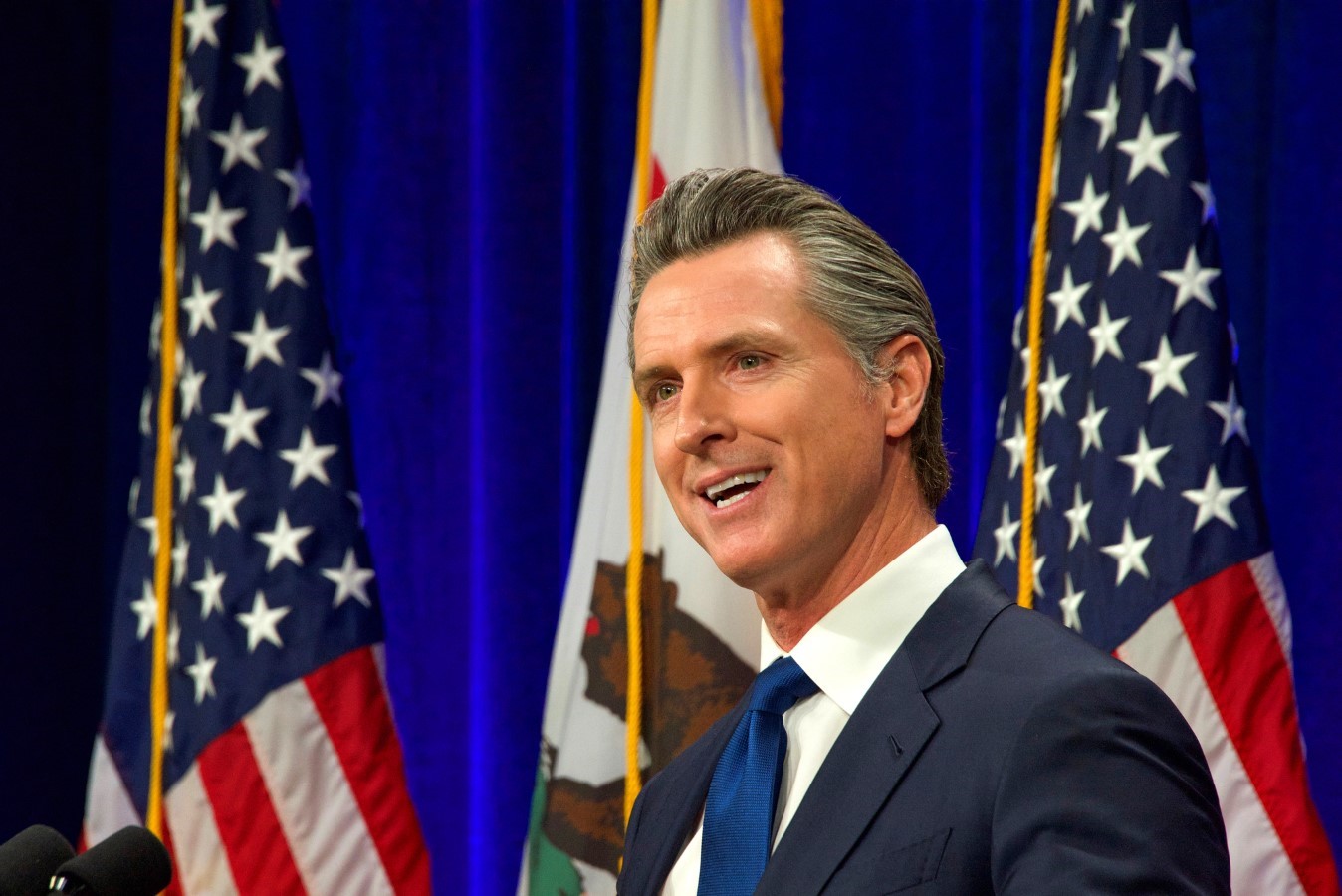
California Gov. Gavin Newsom is encouraging families to take advantage of two child savings programs that can help build financial resources for the next generation: the state’s CalKIDS program and the new federal Trump Accounts.
Newsom promoted both programs at an event for CalKIDS, telling families not to let political concerns prevent them from claiming a Trump Account for their children. The Democratic governor emphasized that the two programs are complementary rather than competing alternatives.
Newsom made an unusual endorsement of a program carrying President Donald Trump’s name, arguing that families should focus on the benefits to their children rather than the political symbolism.
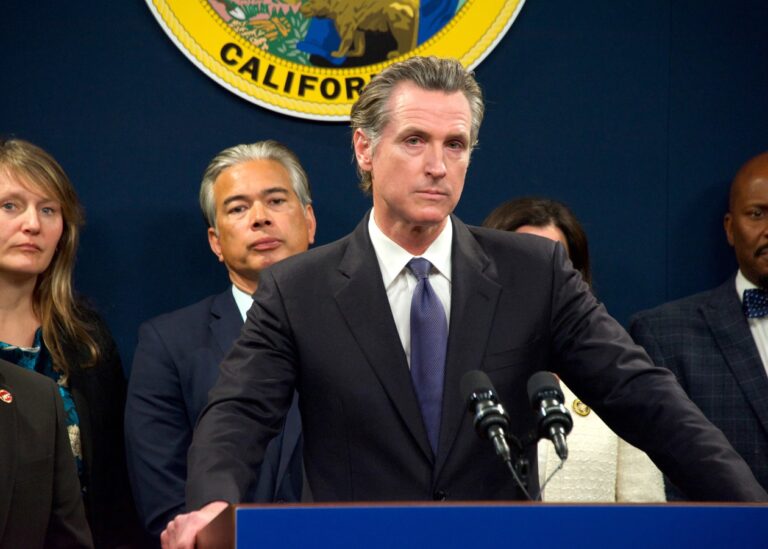
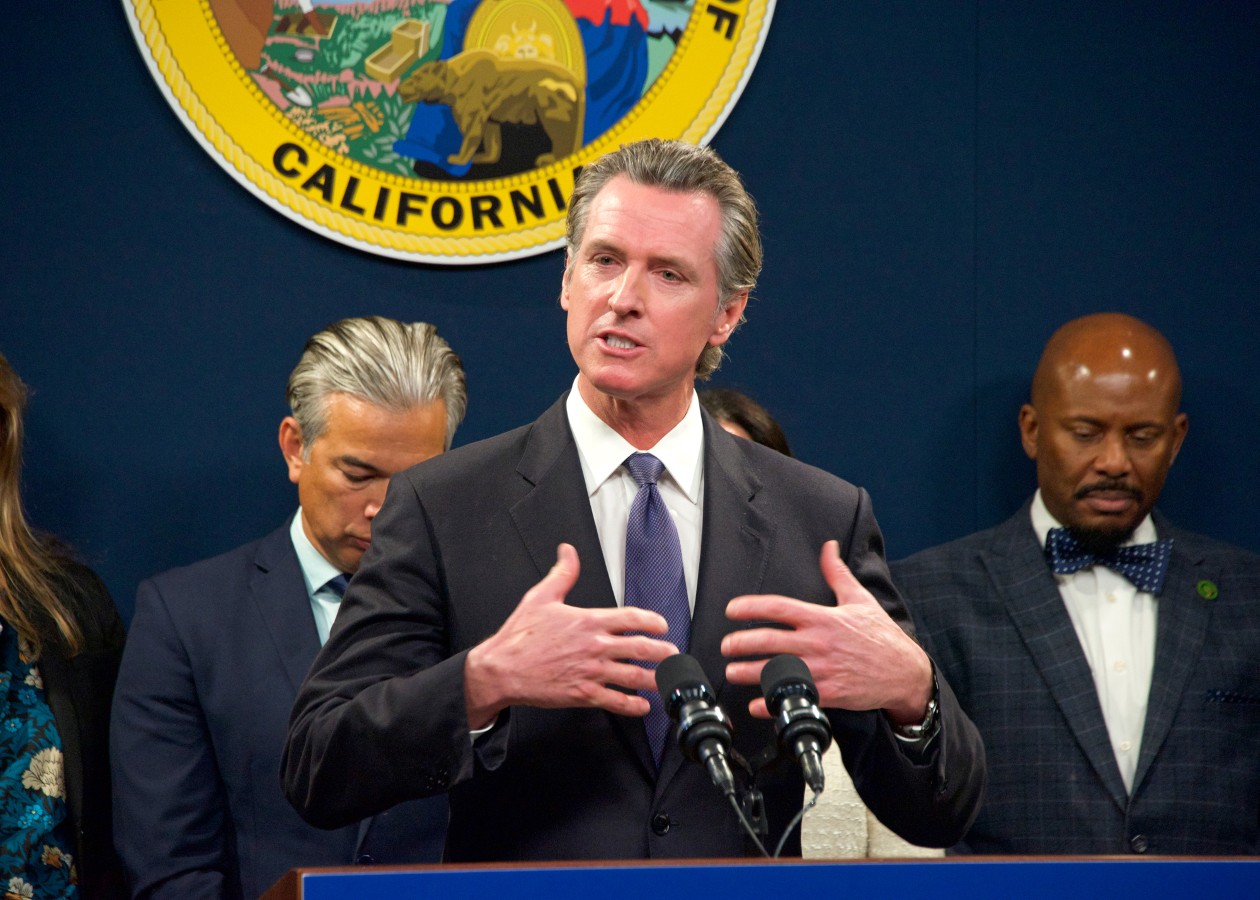
Governor Gavin Newsom speaking at the podium under the “INVESTING IN CALIFORNIA’S KIDS” banner said, “I’m enthusiastic about encouraging people to get a Trump Account. I think it’s incredibly important. It’s one of the best things he’s done. It’s direct, it’s tangible, it’s results-oriented; it’s not lost in bureaucracy. You can see it, taste it, feel it; you’re making a difference directly in the next generation. You’re giving them hope. And so we’re here to encourage people to take advantage of this, to not fall prey to the politics or the cynicism, or maybe even the fear that if I download a Trump Account somehow that means something. It doesn’t. It just means something for your kid. It’s not Trump’s money. It’s your child’s money, and so we want to encourage everybody out there to take advantage of this program. I encourage everyone to sign up for both CalKIDS and Trump Accounts. This is your child’s money, and everyone should take advantage of these programs.”
The comments underscore that California families do not have to choose between the state and federal programs. Eligible families can claim both, potentially giving their children access to separate pools of publicly supported savings.
CalKIDS provides California children with education-focused funds
CalKIDS was launched by California in 2022 as a state children’s savings and scholarship program. The program automatically creates accounts for eligible children and provides public seed money that can be used for higher education and career training.
Children born in California on or after July 1, 2022, can qualify for an account, while eligible low-income or English-learner public school students in grades 1 through 12 can also participate. Additional funding is available for certain foster and homeless youth.
CalKIDS reached 1 million claimed accounts in 2026, marking a significant milestone for the state program.
For newborns, the typical automatic contribution is $100, with additional incentives potentially increasing the amount. Eligible school-age students can receive $500, with foster and homeless youth potentially receiving additional $500 contributions for a maximum of $1,500.
The program is primarily designed around education. Funds can generally be used for qualified expenses such as tuition, fees, books, required supplies and computers related to higher education and career training.
Governor Newsom posted on X, “ONE MILLION CalKIDS accounts have now been claimed in California — putting up to $1,500 in baby bond accounts to help pay for college, career training, or any path after high school. Every kid deserves a shot at a bright future, no matter how much money their family makes.”
What are Trump Accounts?

Trump Accounts are a new type of tax-advantaged investment account for children created under President Donald Trump’s tax and spending legislation. Officially known as 530A accounts, they are designed primarily as long-term retirement savings vehicles rather than education savings plans.
Unlike traditional savings accounts, the money is invested in diversified U.S. stock index funds, allowing investments to potentially grow over decades through compound returns. The accounts generally cannot be accessed before the beneficiary reaches age 18, after which they transition into a traditional IRA and become subject to standard IRA rules.
The federal government will provide a one-time $1,000 contribution for eligible children born between Jan. 1, 2025, and Dec. 31, 2028, once a parent or guardian opens an account on the child’s behalf.
Any U.S. citizen under age 18 with a work-authorized Social Security number is eligible to have a Trump Account opened in their name.
Parents, legal guardians, grandparents and even adult siblings may establish an account on behalf of an eligible child. However, only children born during the program’s qualifying period; from 2025 through 2028; are eligible for the federal government’s $1,000 seed contribution.
Older children may still open accounts before the calendar year in which they turn 18, but they generally will not qualify for the federal deposit.
The Treasury Department has said eligible newborns will begin receiving their $1,000 contributions on or after the July 4 launch date as new accounts are processed.
Families can begin opening accounts through the official Trump Accounts website or by filing IRS Form 4547 with their federal tax return.
After creating an account, families are encouraged to download the Trump Accounts mobile app, developed in partnership with Robinhood, to activate, monitor and manage investments over time.
The underlying investments will initially be managed by Bank of New York Mellon (BNY), with assets invested in low-cost U.S. equity index funds that meet fee requirements established under the law.
Treasury officials have also warned families to remain alert for scams.
According to Treasury guidance: “If you receive a call or text about a Trump Account, do not respond, it is likely a scam.”
Officials say legitimate communications currently come only through email from [email protected], and parents should access accounts only through the official website or app.
Who qualifies for the free money in Trump Accounts?

The largest financial incentive comes from the Treasury Department’s $1,000 contribution for babies born between 2025 and 2028.
To qualify, the child must:
Be born between Jan. 1, 2025, and Dec. 31, 2028.
Be a U.S. citizen.
Have a Social Security number.
Have a Trump Account opened by a parent or authorized guardian.
Older children are not completely left out.
Thanks to a $6.25 billion philanthropic commitment from Michael Dell and his wife, Susan Dell, many children born between 2016 and 2024 may receive a separate $250 contribution if they:
Are age 10 or younger.
Live in ZIP codes with median household income of $150,000 or less.
Open a Trump Account.
Additional philanthropic commitments have also emerged in several states, while Treasury Secretary Scott Bessent has indicated more private-sector donations may be announced as the program expands.
Beyond the federal government’s seed money, many employers have announced plans to contribute to employees’ children’s Trump Accounts as part of expanded workplace benefits.
Under current IRS rules, employers may contribute up to $2,500 annually per employee’s child. Those employer contributions count toward the overall $5,000 annual contribution limit but are not treated as taxable income for employees.
Several major financial institutions, technology companies and consumer brands have announced participation, including Goldman Sachs, JPMorgan Chase, Bank of America, BlackRock, BNY, Charles Schwab, Citi, IBM, Intel, Micron, Nvidia, Robinhood, SoFi, State Street, Uber, Visa, Wells Fargo, Chipotle, Comcast, Mastercard, Coinbase, Chime and Steak ‘n Shake.
Some employers are simply matching the government’s initial $1,000 contribution, while others have announced additional incentives. IBM, for example, said it plans to contribute another $1,000 when eligible parents invest $4,000 within the required time frame. Micron announced a broader $250 million commitment that includes matching employee contributions and additional seed funding for children in several states.
These employer commitments could substantially increase starting balances for participating families while encouraging broader adoption of the new investment accounts.
When can children use the Trump Account money?

The long-term value of a Trump Account depends largely on investment performance and how much is contributed over time.
According to projections on TrumpAccounts.gov, a child who receives only the government’s $1,000 seed contribution could see the account grow to approximately:
$6,000 by age 18
$15,000 by age 27
$243,000 by age 55
The projections become much larger if families maximize annual contributions. Using historical S&P 500 average annual returns of more than 10%, the government estimates an account receiving the initial $1,000 plus the full $5,000 annual contribution could potentially grow to:
$271,000 by age 18
$742,000 by age 27
More than $13 million by age 55
Financial planners caution that these illustrations assume decades of strong market performance.
Financial experts noted that reaching those figures would require parents to consistently make maximum contributions while markets deliver “fairly strong, uninterrupted market returns.”
Other firms project more modest returns. Morningstar, for example, estimates average U.S. stock market returns of roughly 6.3% annually over the coming decade, meaning actual account balances could be significantly lower than the government’s illustrations.
Trump Accounts are designed primarily for long-term investing, meaning the money generally cannot be withdrawn before age 18.
The IRS allows only limited exceptions before then, including certain rollovers, distributions after the beneficiary’s death and corrections for excess contributions.
Once the account holder turns 18, the account converts into a traditional IRA. Standard IRA tax rules then apply.
Withdrawals made before age 59½ are generally subject to income taxes and a 10% early-withdrawal penalty. However, existing IRA exceptions remain available, including certain distributions for higher education expenses and first-time home purchases.
Supporters argue these restrictions encourage long-term investing rather than short-term spending, allowing decades of compound growth.
How Trump Accounts compare with 529 plans and Roth IRAs
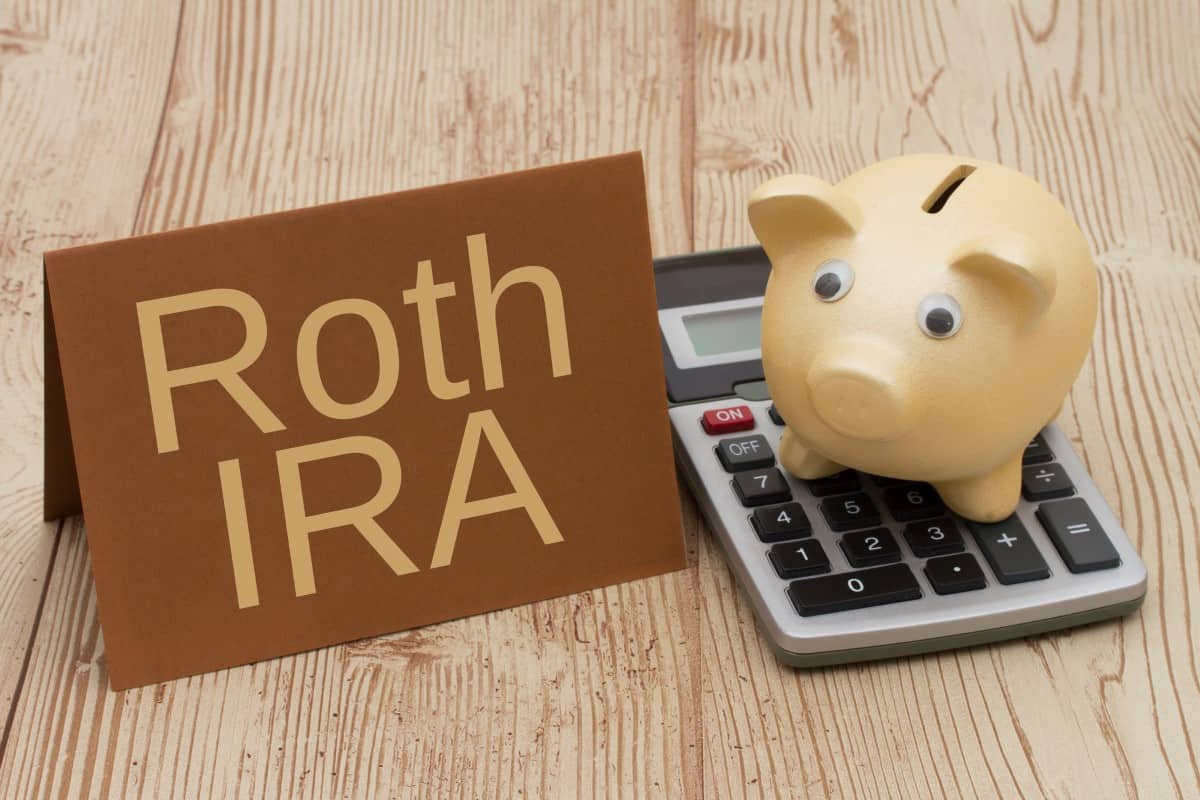
Financial advisors say Trump Accounts are only one of several options families should consider when saving for a child’s future.
Families may also choose from:
529 college savings plans
UGMA and UTMA custodial investment accounts
Roth IRAs for children with earned income
Each serves a different purpose.
A 529 plan is generally more advantageous for education expenses because qualified withdrawals are tax-free. Roth IRAs offer tax-free qualified withdrawals in retirement but require the child to have earned income.
Some financial professionals believe one of the biggest advantages of Trump Accounts may come later through a potential Roth IRA conversion strategy.
Because the government’s seed money, employer matches and certain charitable contributions enter the account without requiring the child to earn wages, converting those funds into a Roth IRA later could allow decades of future tax-free growth.
Still, advisors say families should compare all available savings options before deciding where to direct additional contributions beyond the initial government deposit.
Trump Accounts offer a broader investment vehicle compared to CalKIDS

Trump Accounts, also known as 530A accounts, are federal tax-advantaged child investment accounts created in 2025 and becoming available in 2026.
Unlike CalKIDS, which is limited to California, Trump Accounts are available nationwide. Any child under 18 with a Social Security number can have an account, while the one-time $1,000 federal contribution is available for qualifying U.S. citizen children born from 2025 through 2028.
The federal accounts are designed to provide children with early exposure to long-term investing. During the initial growth period, funds must generally be invested in low-fee mutual funds or exchange-traded funds tracking a primarily U.S. equity index, such as the S&P 500.
Families and other contributors can also add money to the accounts. Combined contributions from parents, relatives, friends and other eligible sources can reach $5,000 annually until the year the child turns 18, subject to applicable rules and limits.
The two programs have different purposes. Although both programs are designed to build financial resources for children, they serve different purposes.
CalKIDS is essentially a California education-focused savings program. Its funds are aimed primarily at qualified higher education and career-training expenses, and qualified withdrawals are generally tax-free.
Trump Accounts are structured more like traditional IRAs and provide greater flexibility over the long term. Beginning at age 18, funds can potentially be used for education, a first home, starting a business, retirement and other purposes, although withdrawals are generally subject to ordinary income tax and other rules may apply.
That difference means a family could use CalKIDS for education-related expenses while allowing a Trump Account to grow as a longer-term asset for the child.
California Families can claim both accounts
The biggest distinction between the programs is that participation in one does not generally prevent participation in the other.
CalKIDS accounts are often created automatically, but families need to claim the accounts to gain full access to the funds. Trump Accounts require an election to establish the account, with a parent or guardian serving as custodian while the child is a minor.
For California families who meet the eligibility requirements, Newsom’s message is straightforward: there is no need to treat the programs as alternatives.
His endorsement also highlights an unusual point of agreement across state and federal initiatives. While the programs differ in eligibility, funding, investment rules and permitted uses, both are designed to put money aside early in a child’s life and allow it to grow over time.
Supporters say the accounts could expand wealth building
Backers argue the accounts represent a new way to introduce millions of American children to investing while helping narrow long-term wealth disparities.
Brad Gerstner, founder and CEO of Altimeter Capital and one of the initiative’s leading advocates, said on CNBC:
“The returns on capital today are radically greater than the returns on labor, which means we have a growing wealth gap.”
He added: “Now we need to get capital into the pockets of every child born so that they can compound in the upside of SpaceX, in Alphabet, in all of our great companies, like everybody else in the market.”
President Trump has also promoted the initiative as an alternative to expanding government assistance.
“We’re doing something much better than giving the next generation a handout. We’re giving them ownership of America’s future.”
Research cited by McKinsey & Co. suggests that if participation becomes widespread and additional funding continues for many years, these accounts could collectively generate tens or even hundreds of billions of dollars in wealth for participating families over time.
Newsom says the focus should be on the child
Despite growing interest, analysts say awareness remains relatively low.
Treasury officials said roughly 7 million children had been signed up, with nearly $1.5 billion deposited into the accounts. However, there are roughly 73 million children under age 18 in the United States.
Some parents say unanswered questions from financial planners have delayed enrollment. Others said rising costs make long-term investing difficult.
Researchers at the Urban Institute also caution that participation rates among lower-income families could remain lower than among wealthier households. Because higher-income families are generally better positioned to make ongoing contributions, they argue the accounts could ultimately widen wealth disparities if participation and funding levels differ significantly across income groups.
Newsom’s appeal comes as families begin navigating the new federal Trump Account program alongside existing state savings initiatives.
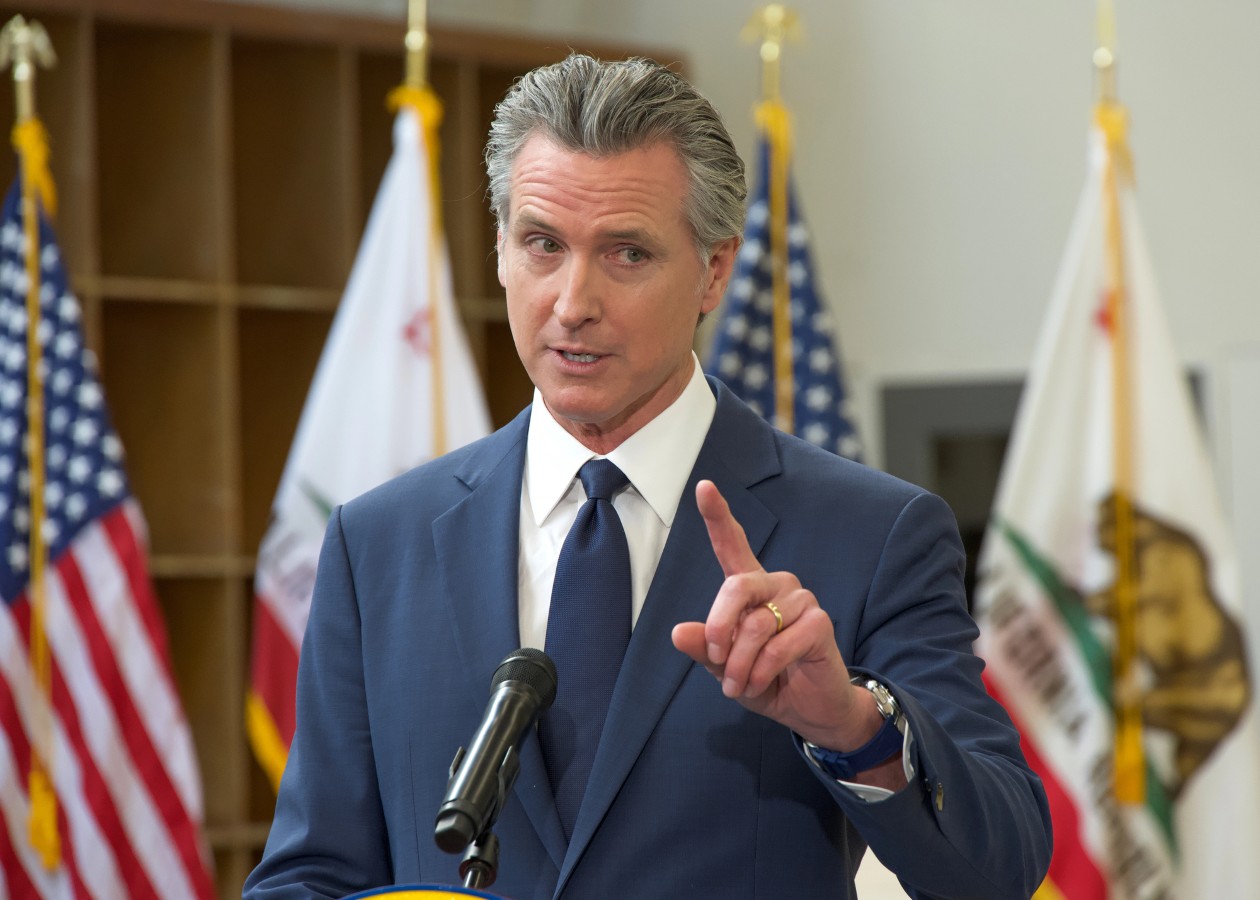
Rather than viewing the federal account through a political lens, Newsom urged parents to focus on who ultimately benefits from the money.
His argument is that the account belongs to the child, not to the politician whose name appears on the program. For California families eligible for both programs, that could mean combining CalKIDS’ education-focused benefits with the broader long-term investment potential of a Trump Account.
Like Financial Freedom Countdown content? Be sure to follow us!

Did you find this article helpful? We’d love to hear your thoughts! Leave a comment with the box on the left-hand side of the screen and share your thoughts.
Also, do you want to stay up-to-date on our latest content?
1. Follow us by clicking the [+ Follow] button above,
2. Give the article a Thumbs Up on the top-left side of the screen.
3. And lastly, if you think this information would benefit your friends and family, don’t hesitate to share it with them!

John Dealbreuin came from a third world country to the US with only $1,000 not knowing anyone; guided by an immigrant dream. In 12 years, he achieved his retirement number.
He started Financial Freedom Countdown to help everyone think differently about their financial challenges and live their best lives. John resides in the San Francisco Bay Area enjoying nature trails and weight training.
Here are his recommended tools
Personal Capital: This is a free tool John uses to track his net worth on a regular basis and as a retirement planner. It also alerts him wrt hidden fees and has a budget tracker included.
Platforms like Yieldstreet provide investment options in art, legal, real estate, structured notes, venture capital, etc. They also have fixed-income portfolios spread across multiple asset classes with a single investment with low minimums of $10,000.