Trump administration moves to end “abuse” of refundable tax credits by “illegal aliens,” citing $3 billion in savings

The Treasury Department and IRS are proposing new rules that would restrict access to the refundable portions of four major tax credits for certain immigrants, potentially affecting hundreds of thousands or even millions of taxpayers.
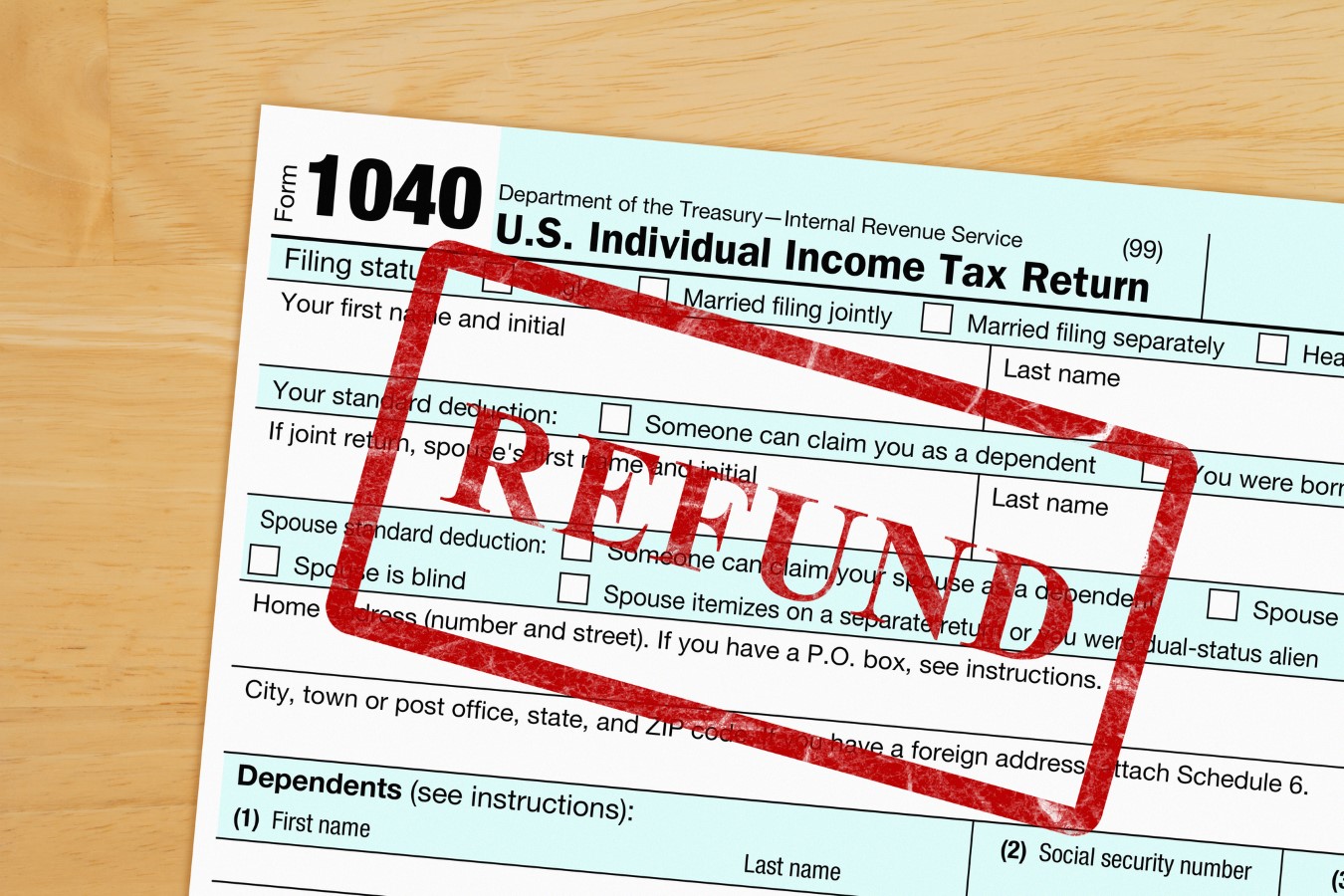
The proposal would apply to the adoption tax credit, child tax credit, American opportunity tax credit and earned income tax credit. The Trump administration says the change would enforce existing federal law and ensure taxpayer-funded benefits go only to people legally eligible to receive them.
The proposed regulations would clarify that the refundable portions of four individual income tax credits qualify as federal public benefits under the Personal Responsibility and Work Opportunity Reconciliation Act of 1996, or PRWORA.
The affected credits are the adoption tax credit, child tax credit, American opportunity tax credit and earned income tax credit, commonly known as the EITC.
Under the proposal, only U.S. citizens, U.S. nationals and qualified aliens would be eligible to receive the refundable portion of those credits.
The rule would target the refundable portion of the credits
The proposed change would not eliminate the credits entirely for taxpayers who do not meet the new eligibility requirements.
Instead, the restriction would apply specifically to the amount of a credit that exceeds a taxpayer’s federal income tax liability. That excess amount is what can be paid to the taxpayer as a refund.
A taxpayer who is not eligible for the refundable portion could still use an otherwise available credit to reduce federal income taxes owed, potentially lowering the tax bill to zero.
Treasury Secretary Scott Bessent said the administration’s proposal is intended to enforce federal eligibility requirements for public benefits.
“Under President Trump, the days of illegal aliens collecting taxpayer-funded benefits are over. The federal law is clear, and Treasury is enforcing it,” Treasury Secretary Scott Bessent said in a statement.
“American taxpayers should not be forced to foot the bill for benefits going to those who are barred by law from receiving them. These proposed regulations end the abuse, protect the integrity of the tax system, and put Americans first.”
The Treasury and IRS said the proposal follows legal analysis from the Justice Department’s Office of Legal Counsel concluding that the refunded portions of the affected tax credits are federal public benefits under PRWORA.

The proposal could affect certain noncitizens who have Social Security numbers and authorization to work in the United States.
Immigration advocates said the groups potentially affected include people with pending asylum applications, individuals with Temporary Protected Status and recipients of Deferred Action for Childhood Arrivals, or DACA.
The impact would depend on whether an individual meets PRWORA’s definition of a qualified alien at the time the tax return claiming the credit is filed.
The potential size of the affected population is difficult to determine, but tax experts said the number could be substantial.
Figures suggest up to “several million people” could be impacted.
For context, a Pew Research Center analysis found that 2.6 million people had asylum applications in 2023. Another 650,000 people had Temporary Protected Status that year, while roughly 600,000 people were enrolled in DACA.
Those figures have likely changed since then as the Trump administration has tightened immigration policies. The Supreme Court, for example, allowed the administration in June to move forward with ending deportation protections for hundreds of thousands of Haitian and Syrian immigrants.
The administration separately estimated that nearly 1 million people would become ineligible for the “refunded portion of the affected refundable individual income tax credits” under the new rules.
Lower-income households could feel the biggest impact

The proposal could have an especially significant effect on lower-income households because refundable credits are designed to provide money when a taxpayer’s credit exceeds the amount of federal income tax owed.
Advocates said lower-income taxpayers generally have smaller federal tax liabilities and therefore receive a larger share of the value of these credits through refunds.
That means restricting the refundable portion could reduce the amount of money available to qualifying households even when they remain eligible to claim the nonrefundable portion of a credit.
Frank J. Bisignano, the IRS chief executive officer, emphasized the role of refundable credits in supporting lower- and middle-income households.
“Refundable tax credits, like the Earned Income Tax Credit (EITC), were enacted to help low-to-middle income American families and workers receive critical financial support,” IRS Chief Executive Officer Frank J. Bisignano said.
“Today’s proposed regulations ensure that federally funded benefits are reserved for eligible taxpayers and protect the integrity of every taxpayer dollar.”
Married couples would have a special eligibility provision

The proposal includes a provision for married couples who file joint federal income tax returns.
Only one spouse would need to be a U.S. citizen, U.S. national or qualified alien for the couple to receive the refundable portion of an affected tax credit.
This means a noncitizen spouse would not necessarily prevent a married couple from receiving a refundable credit if the other spouse meets the eligibility requirements.
Taxpayers would also have to declare under penalty of perjury on their federal tax returns that they are eligible to receive the refundable portion.
The proposal follows broader restrictions on immigrant benefits

The tax-credit proposal comes as the Trump administration pursues broader restrictions on immigrants’ access to federally funded benefits.
Immigration advocates that there is a growing effort “to restrict immigrants’ access to public benefits.”
Republicans’ “big beautiful bill,” signed into law by President Donald Trump last year, also narrowed eligibility for several federal programs, including Medicaid, Medicare, Affordable Care Act premium tax credits, the child tax credit and the Supplemental Nutrition Assistance Program.
The latest proposal extends that broader policy direction into the administration of refundable individual income tax credits.
The administration says the change could save taxpayers billions

The Trump administration has estimated that the new restrictions could prevent nearly 1 million people from receiving the refundable portions of the affected credits.
A separate estimate cited by the administration puts the potential taxpayer savings at about $3 billion.
The financial impact would ultimately depend on how many taxpayers are affected by the final regulations and how much refundable credit those taxpayers would otherwise have received.
The Treasury Department and IRS have not issued a final rule. The proposal is subject to a 45-day public comment period, and a public hearing is scheduled for Oct. 14.
The agencies will review public comments before deciding whether to finalize the regulations, potentially with changes.
If finalized this year, the proposed rules would apply to tax years ending on or after the date the final regulations are published. That could mean the restrictions would affect 2026 tax returns filed in 2027.
What the proposed changes could mean for taxpayers

The key distinction is between claiming a tax credit and receiving the refundable portion of that credit.
Under the proposal, certain immigrants who are not U.S. citizens, U.S. nationals or qualified aliens could still use eligible portions of the four credits to reduce their federal income tax liability. However, they would not be able to receive the portion of the credit that exceeds their tax liability.
For lower-income households that rely heavily on refundable credits, that distinction could translate into a significantly smaller tax refund. The final scope of the change will depend on public comments and the regulations ultimately adopted by Treasury and the IRS.
The proposal marks another major step in the Trump administration’s effort to connect federal benefit eligibility with immigration status while using the tax system to enforce restrictions on who can receive refundable government benefits.
Like Financial Freedom Countdown content? Be sure to follow us!
11 reasons you should claim Social Security early

Deciding when to claim Social Security is often about maximizing your benefit. Financial planners usually advise delaying your claim for as long as possible to secure the highest monthly payment. Your benefit is based on your lifetime earnings, with a full payout available at your full retirement age (FRA), which is currently between 66 and 67 depending on your birth year. Claiming before FRA results in a permanent reduction in your monthly benefit, while waiting beyond FRA leads to a permanent increase. However, the decision isn’t solely about maximizing the monthly check. Personal factors such as health, family circumstances, and financial needs can play a significant role in determining the right time to claim.
11 Reasons You Should Claim Social Security Early

Did you find this article helpful? We’d love to hear your thoughts! Leave a comment with the box on the left-hand side of the screen and share your thoughts.
Also, do you want to stay up-to-date on our latest content?
1. Follow us by clicking the [+ Follow] button above,
2. Give the article a Thumbs Up on the top-left side of the screen.
3. And lastly, if you think this information would benefit your friends and family, don’t hesitate to share it with them!

John Dealbreuin came from a third world country to the US with only $1,000 not knowing anyone; guided by an immigrant dream. In 12 years, he achieved his retirement number.
He started Financial Freedom Countdown to help everyone think differently about their financial challenges and live their best lives. John resides in the San Francisco Bay Area enjoying nature trails and weight training.
Here are his recommended tools
Personal Capital: This is a free tool John uses to track his net worth on a regular basis and as a retirement planner. It also alerts him wrt hidden fees and has a budget tracker included.
Platforms like Yieldstreet provide investment options in art, legal, real estate, structured notes, venture capital, etc. They also have fixed-income portfolios spread across multiple asset classes with a single investment with low minimums of $10,000.