Trump loses ground with Republicans as voters sour on economy and cost of living ahead of midterms

President Donald Trump is losing ground with Republican voters as concerns over inflation, household costs and the broader economy increasingly weigh on his political standing, according to a new Financial Times/Focaldata poll.
More than 53% of registered voters surveyed said they are financially worse off since Trump returned to the White House in January 2025, including nearly 57% of independents and almost one-quarter of Republicans. The findings arrive less than three months before the midterm elections, putting new pressure on Republicans to defend Trump’s economic record while addressing persistent affordability concerns.
The Financial Times/Focaldata survey, conducted Aug. 7-10 among 1,913 registered voters, found that 55% disapproved of Trump’s overall performance as president. More significantly for Republicans, Trump’s net approval rating among GOP voters fell by 8 percentage points from the previous month.
Nearly one-fifth of Republicans surveyed said they disapproved of Trump’s job performance, highlighting a potential warning sign for a party that relies heavily on its base in midterm elections.
The poll had a margin of error of plus or minus 2.9 percentage points.
More than half of voters say they are worse off

The strongest warning sign in the survey came from voters’ assessment of their personal finances. More than 53% said they were financially worse off than when Trump began his second term in January 2025.
The share was even higher among independents, at nearly 57%. Nearly one-quarter of Republicans also said their financial circumstances had deteriorated.
That sentiment could become particularly important heading into November because voters often judge economic conditions through everyday expenses rather than broader economic indicators.
Republican pollster Mitchell Brown said voters in his battleground-state focus groups are closely tracking household costs.
“They know exactly, to the dollar, the amount of their power bill,” Brown said. He added that voters show similar awareness of health costs and the price of beef.
Democrats gain an advantage on economic issues
The poll found that Democrats had an advantage over Republicans when voters were asked which party they trusted more to handle inflation and the cost of living.
Democrats also held an edge on jobs and the broader economy, two issues that have traditionally been political strengths for Republicans.
Nearly two-thirds of respondents said the economy was moving in the wrong direction, including more than two-thirds of independents and more than one-third of Republicans. Only about one-quarter said the economy was moving in the right direction.
The shift could be significant because Republicans have historically enjoyed an advantage over Democrats on economic management.
Inflation remains Trump’s biggest economic challenge
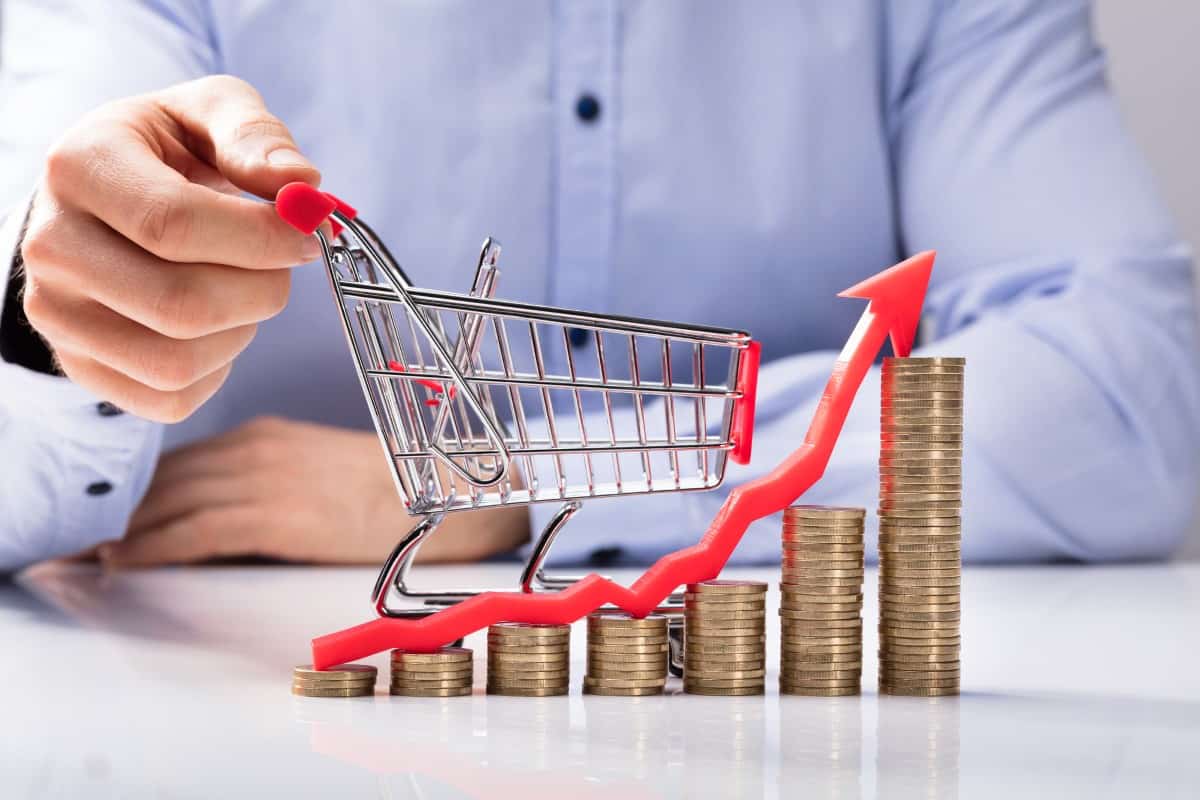
Trump’s handling of inflation and the cost of living received particularly weak marks in the Financial Times/Focaldata survey. About 64% of registered voters disapproved of his performance on those issues.
The figure included nearly seven in 10 independents and roughly one-third of Republicans.
Other recent polling has shown a similar pattern. A YouGov/Economist survey conducted July 31-Aug. 3 found that only 30% approved of Trump’s handling of the economy, while 65% disapproved. On inflation, just 25% approved and 69% disapproved.
The latest government data showed consumer prices rising 3.4% from a year earlier in July. Although that represented slower inflation than the previous month, prices remain substantially higher than they were before the lockdown.
Trump has repeatedly rejected the idea that his economic policies are failing to deliver affordability improvements.
During an Aug. 5 event in Las Vegas, Trump said the cost of everyday necessities had fallen sharply since he returned to office.
“The cost of rent, groceries, and other staples is coming down very fast. Our costs are coming way down. You know, they talk about affordability. I took over the country. The prices were through the roof,” the president said.
In a Fox News interview the following day, Trump again argued that prices were falling and gave himself an “A+” for his handling of the economy.
“We’ve been bringing down prices. And as soon as this situation ends with Iran, oil is going to go down to the floor,” Trump said. “Gasoline’s going to go down. And we will have completed something in a short period of time that is a miracle. But remember, we inherited the worst inflation in the history of our country.”
The administration has also pointed to lower prices for some individual products, including eggs, dairy products and potatoes.
Grocery prices remain a concern for households

While some prices have fallen, the overall cost of food remains elevated. Food prices were up about 3% over the 12 months ending in June, according to the data cited in the source material.
Grocery prices increased 2.7% over the same period, but several categories recorded substantially larger gains. Fish and seafood prices rose 6.3%, beef prices increased 12%, fresh vegetables rose 9.9% and coffee prices climbed 13%.
Those individual price increases can have an outsized impact on voters because households encounter them frequently.
Political consultants highlighted that “voters experience the economy not through GDP charts or stock market gains, but at the grocery store, the gas pump, and the kitchen table.”
Some Republicans are increasingly warning that the party needs to address voters’ concerns more directly.
Speaking on CBS News’ Face the Nation, Representative Don Bacon, a Nebraska Republican, said Trump has struggled to communicate that he understands the financial pressure facing households.
“He doesn’t communicate it well,” Bacon said when asked whether the president understands Americans’ financial pain.
Bacon added that Trump “makes light of the affordability question” despite what he described as a continuing affordability problem.
“I think most Americans are feeling the pain at the grocery store and the gas,” the congressman said. “So, I think it’s better just to acknowledge, hey, this is a problem, and we got to work towards getting wages climbing faster than inflation.”
Tariffs and gasoline prices add to the pressure

Tariffs have become another point of contention within the Republican economic message. Critics argue that import taxes can increase costs for businesses and consumers, while the Trump administration has defended tariffs as part of a broader strategy to protect American industries and encourage domestic production.
Bacon also criticized Trump’s tariff strategy, arguing that tariffs have contributed to higher consumer prices.
“Tariffs have hurt inflation,” Bacon said. “Global tariffs, it ends up being a tax on consumers, and we’re paying more because of it.”
Energy prices have added another complication. The administration has linked higher gasoline costs to the Middle East conflict and argued that those increases will ease once the conflict is resolved.
Trump has asked Americans to tolerate higher fuel prices as part of the broader effort involving Iran. At a recent rally, he said Americans paying $4 for gasoline should remember that they were doing so to prevent Iran from obtaining a nuclear weapon and said he would “never apologize” for the decision.
For voters already struggling with household budgets, however, gasoline prices represent an immediate and highly visible expense.
The economy is mixed by traditional measures
The political pessimism surrounding the economy contrasts with several measures that paint a more mixed picture.
The stock market has remained strong, helped in part by enthusiasm surrounding artificial intelligence. Consumer spending has also remained relatively solid, while this year’s tax cuts have provided additional support to household finances.
Gross domestic product expanded at a 1.9% annual rate over the six quarters ended in June, compared with 2.4% during Biden’s final year in office. The unemployment rate remained relatively low at 4.1% in July, compared with 4% in January 2025, although job growth has slowed.
Inflation remains the biggest weakness. Consumer prices were 3.5% higher in June than a year earlier, compared with a 3% inflation rate when Trump returned to the White House.
Average hourly earnings rose 3.5% year over year in June, meaning persistent inflation has continued to erode some of the purchasing-power gains from higher wages.
Voters are judging prices against the recent past
Economists and political analysts have struggled to explain why public perceptions of the economy remain considerably more negative than some traditional economic indicators suggest.
One explanation is that consumers are judging today’s prices against what they paid several years ago rather than simply looking at the current inflation rate.
Inflation measures how quickly prices are rising, not whether prices have returned to their previous levels. Even if inflation slows, households can still face substantially higher grocery bills, housing costs, insurance premiums and other expenses.
High mortgage rates and elevated home prices have also made homeownership difficult for many Americans. At the same time, gains in the stock market may not provide much relief to households that do not own significant financial assets.
The Financial Times/Focaldata poll found Democrats leading Republicans 44% to 39% when voters were asked which party they were more likely to support in November.
The numbers suggest Republicans could face a difficult environment if economic dissatisfaction persists, particularly among independents and Republican-leaning voters who are less firmly committed to the party.
Americans for Prosperity Action has said its polling and door-knocking efforts in swing states found about one in five Republican-leaning voters at risk of staying home or defecting, with economic concerns playing a major role. The group said drawing a contrast with Democratic policies could bring 60% of those voters back to the GOP.
At the same time, Democrats face their own political challenges. Voters continue to hold negative views of the Democratic Party, and disagreements between progressive and centrist Democrats could complicate efforts to capitalize on Republican vulnerabilities.
Rep. Marie Gluesenkamp Perez, a Democrat representing a largely rural Washington state district that Trump has won three times, cautioned against assuming economic dissatisfaction would automatically translate into Democratic victories.
“People are maybe a little bit too optimistic about how easy it is going to be to take the House,” she said. “Yes, Trump is very, very unpopular. That doesn’t mean that Democrats are necessarily popular.”
White House defends Trump’s economic record
The White House has rejected the idea that the polling reflects the full picture of Trump’s economic record.
White House spokesman Kush Desai said the administration was advancing Trump’s affordability agenda through lower drug prices, domestic job creation and tax reductions. He also pointed to declines in violent crime and increased border security.
“The Trump administration continues to deliver on the President’s affordability agenda by lowering drug prices, reshoring American jobs, and cutting taxes while simultaneously touting a historic drop in violent crime nationwide and the most secure border in history,” Desai told the Financial Times.
Desai has also argued that the economic effects of the Iran conflict will be temporary.
“Oil prices—along with overall inflation—will plummet again when President Trump forces a successful resolution with Iran,” Desai said. “The Trump economic agenda has a proven track record of raising real wages, creating jobs, and securing key investments.”
Republicans have limited time to change the economic narrative. With the midterm elections approaching, the Republican Party faces a narrow window to convince voters that its economic policies are improving household finances.
GOP strategist David Winston has argued that voter perceptions can still change before Election Day.
“People are in constant contact with prices,” Winston said. “So, if in October people start walking into grocery stores and gas stations and say, ‘I can now handle the cost of living,’ that is the decisive moment.”
The latest Financial Times/Focaldata poll nevertheless highlights the challenge facing Trump and congressional Republicans. A falling Republican approval rating, widespread concerns about personal finances and a growing Democratic advantage on economic issues could make affordability one of the defining issues of the November elections.
For Republicans, the central question may be whether voters begin to feel meaningful relief at the grocery store, gas station and household budget before they cast their ballots; or whether economic frustration continues to weaken the party’s traditional advantage on the economy.
Like Financial Freedom Countdown content? Be sure to follow us!
Social Security 2027 COLA estimate drops to 3.6% after July inflation data; but remains above 2026 increase
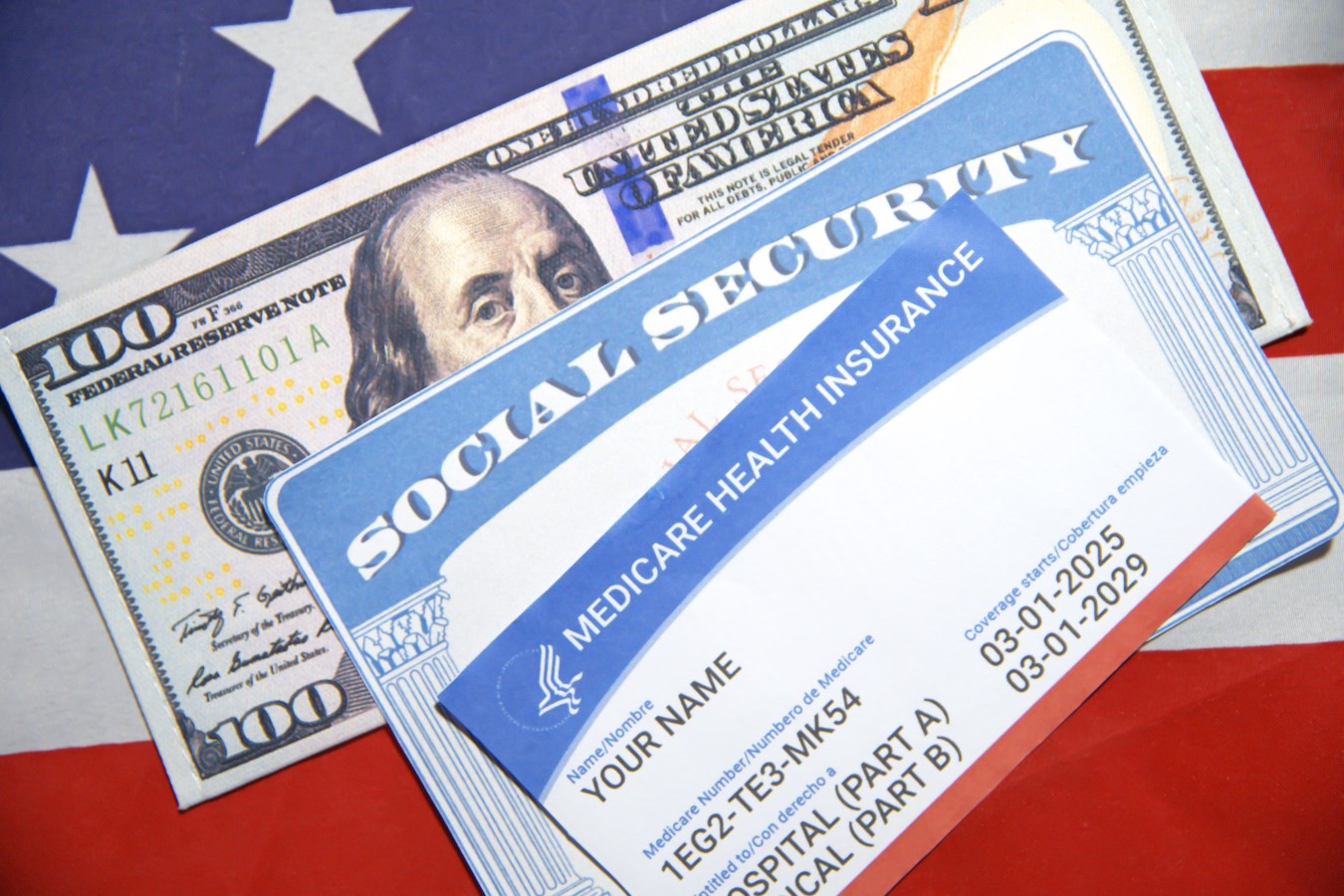
Social Security beneficiaries could receive a larger cost-of-living adjustment in 2027, although the latest inflation data has prompted forecasters to trim their estimates slightly. The Senior Citizens League now projects a 3.6% COLA, down from its earlier 3.8% estimate but still higher than the 2.8% increase beneficiaries received in 2026. The latest estimate comes after the Bureau of Labor Statistics reported that the Consumer Price Index for Urban Wage Earners and Clerical Workers, or CPI-W, increased 3.4% from July 2025 to July 2026. July is the first of three months of inflation data used to determine the annual Social Security adjustment.
Did you find this article helpful? We’d love to hear your thoughts! Leave a comment with the box on the left-hand side of the screen and share your thoughts.
Also, do you want to stay up-to-date on our latest content?
1. Follow us by clicking the [+ Follow] button above,
2. Give the article a Thumbs Up on the top-left side of the screen.
3. And lastly, if you think this information would benefit your friends and family, don’t hesitate to share it with them!

John Dealbreuin came from a third world country to the US with only $1,000 not knowing anyone; guided by an immigrant dream. In 12 years, he achieved his retirement number.
He started Financial Freedom Countdown to help everyone think differently about their financial challenges and live their best lives. John resides in the San Francisco Bay Area enjoying nature trails and weight training.
Here are his recommended tools
Personal Capital: This is a free tool John uses to track his net worth on a regular basis and as a retirement planner. It also alerts him wrt hidden fees and has a budget tracker included.
Platforms like Yieldstreet provide investment options in art, legal, real estate, structured notes, venture capital, etc. They also have fixed-income portfolios spread across multiple asset classes with a single investment with low minimums of $10,000.