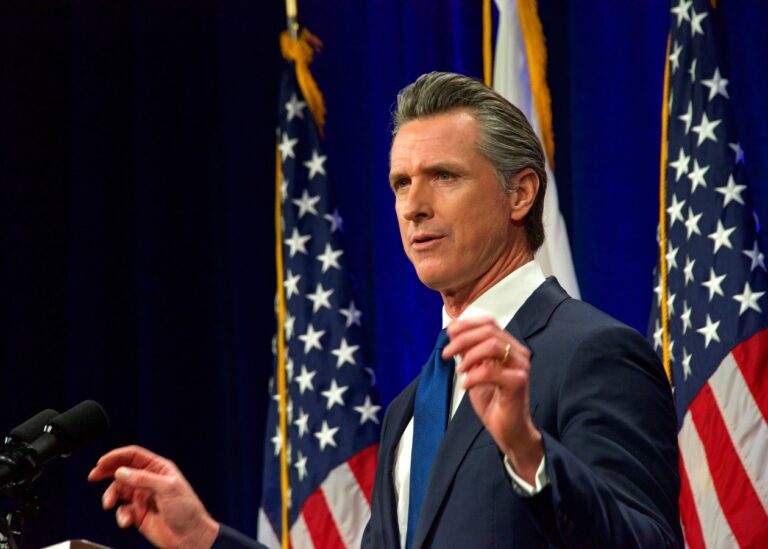
Bernie Sanders-backed CEO pay tax proposal fails in San Francisco as California billionaire tax heads to voters

A high-profile effort to increase taxes on large corporations in San Francisco has suffered a significant defeat at the ballot box, despite receiving support from progressive leaders including Sen. Bernie Sanders. The failure of the city’s Overpaid CEO Act comes as labor-backed organizers across California advance a separate proposal to impose a one-time tax on the state’s billionaires, setting up a broader debate over wealth inequality and taxation ahead of the 2026 election cycle.
The two initiatives reflect a growing push by unions and progressive advocates to generate new public revenue by targeting wealthy individuals and large corporations, while opponents warn such policies could undermine economic growth and drive businesses and affluent residents elsewhere.
Sanders backs San Francisco’s Overpaid CEO Act
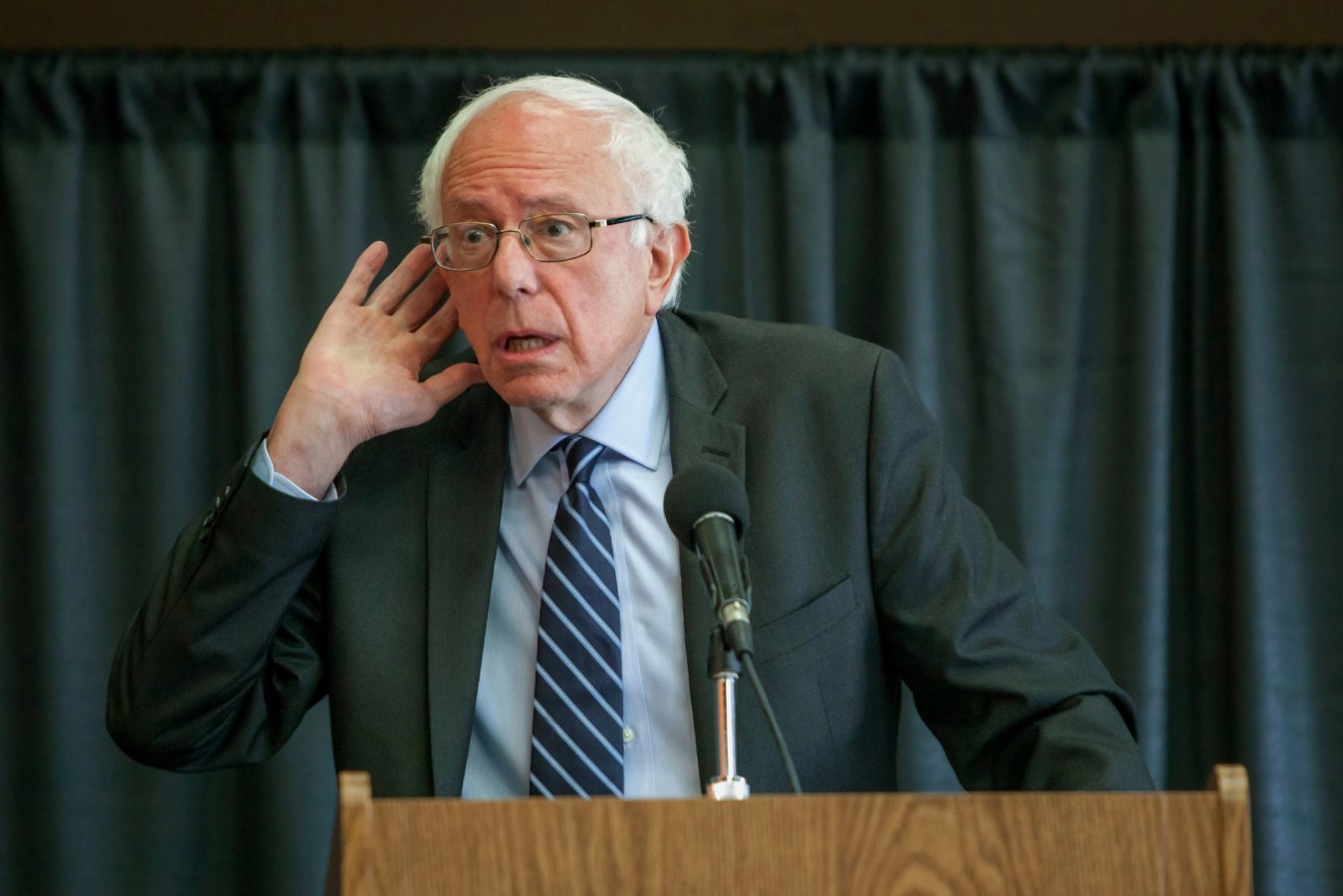
Before voters cast their ballots, Vermont Sen. Bernie Sanders threw his support behind San Francisco’s Proposition D, also known as the Overpaid CEO Act.
The proposal sought to increase taxes on companies with more than 1,000 employees whose chief executives earned more than 100 times the median salary of their workers. Supporters argued the measure would force major corporations to contribute more toward city services at a time of mounting fiscal pressures.
“Never before in American history have we seen the level of wealth and income inequality that we see today,” Sanders said in a statement announcing his support for the measure.
“San Francisco’s Overpaid CEO Act will make these corporations pay their fair share,” Sanders said.
Proposition D drew support from prominent Democratic figures
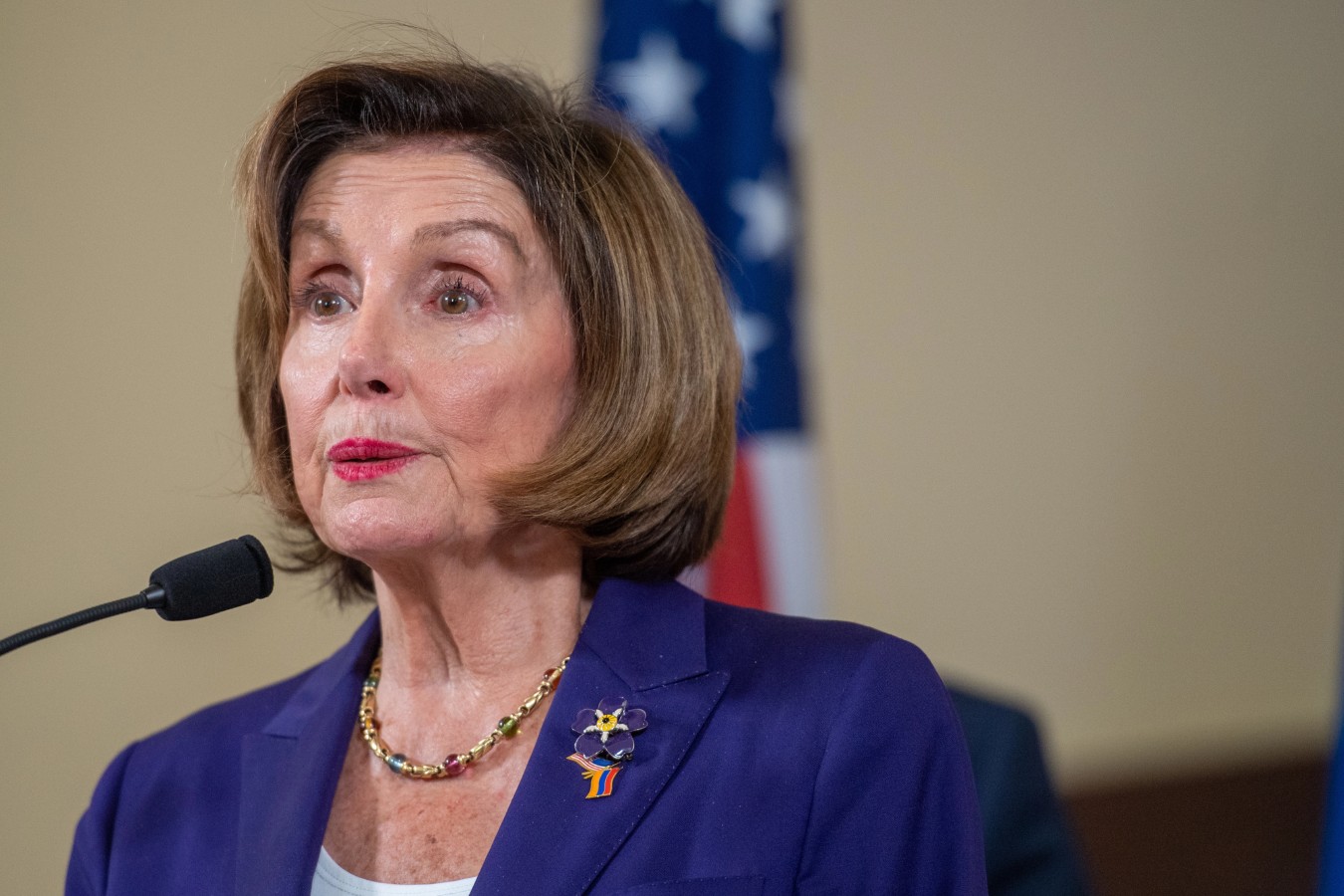
The Overpaid CEO Act attracted support from a broad coalition of progressive politicians at the local, state and national levels. In addition to Sanders, the initiative was endorsed by Speaker Emerita Nancy Pelosi and a majority of San Francisco’s Board of Supervisors. Supporters argued that the measure would help address growing inequality while generating revenue for essential city services.
The proposal also received backing from prominent California political figures, including gubernatorial candidates billionaire Tom Steyer and former U.S. Representative Katie Porter. Their support reflected a broader Democratic push to pursue policies aimed at increasing taxes on corporations and wealthy individuals to fund public programs.
At the same time, the measure exposed divisions within Democratic circles. Mayor Daniel Lurie opposed Proposition D, telling the San Francisco Chronicle that the measure was “not the right path for [San Francisco] at this time” and would “send the wrong message to businesses.” State Sen. Scott Wiener also opposed the initiative, warning that it could undermine San Francisco’s economic recovery. The dispute spilled into broader political battles when labor union SEIU California withdrew its support for Wiener’s congressional campaign to succeed Nancy Pelosi after he publicly opposed the measure.
Labor unions positioned the measure as a response to budget pressures
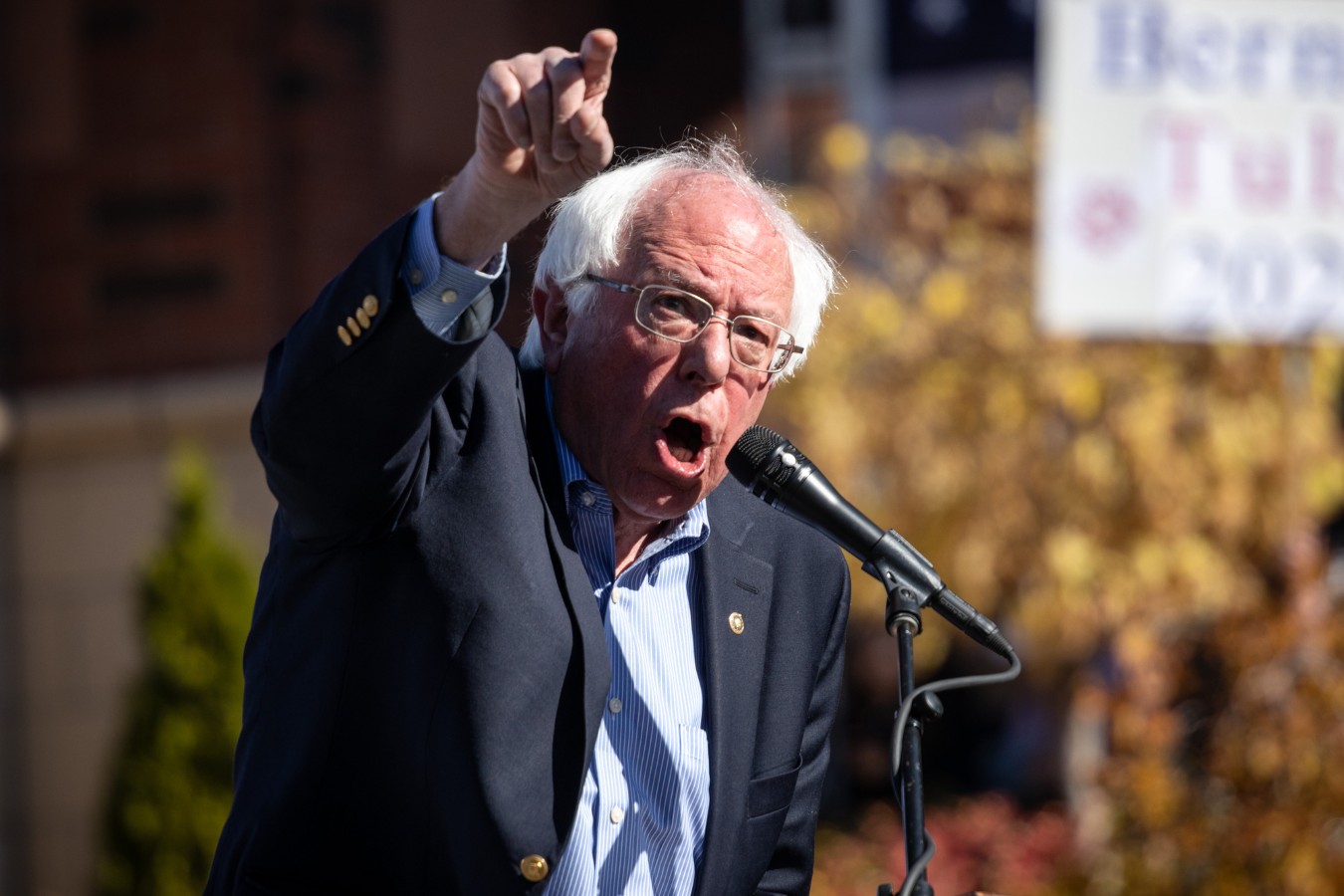
The initiative was backed by labor unions that argued San Francisco needed new revenue sources to address budget shortfalls worsened by federal spending reductions.
Organizers estimated the measure could generate more than $200 million annually for health care services, while later projections suggested revenues could reach as much as $300 million per year. Union leaders contended the additional funding would help preserve public services threatened by budget constraints.
Scott Mann, spokesperson for Prop D, linked the proposal directly to federal policy changes.
“Senator Sanders understands what’s at stake,” Mann said. “Washington handed billion-dollar corporations a massive tax break while gutting the services San Francisco families depend on.”
The debate over Proposition D unfolded against a backdrop of worsening budget concerns at City Hall.
City leaders have warned that San Francisco could face budget deficits approaching $1 billion in coming years. Officials have pointed to reductions in federal funding for programs such as Medicaid and food assistance as factors contributing to the city’s financial outlook.
Supporters of Proposition D argued that increasing taxes on the largest employers represented one way to offset those challenges without reducing services.
Business groups mounted a vigorous opposition campaign

A coalition of business organizations, including the San Francisco Chamber of Commerce, strongly opposed the measure.
Critics argued that increasing taxes on large employers could slow the city’s economic recovery, discourage investment and potentially prompt companies to reduce their operations in San Francisco.
David Harrison, a spokesperson for the Chamber, warned in a statement that the Overpaid CEO Act could “kneecap our city’s largest employers.”
He also argued that “Proposition D does not … solve the long-term structural imbalance of San Francisco’s budget.”
Business leaders found support in an economic analysis from the city’s chief economist, which projected potential long-term consequences if Proposition D became law.
According to the report, the measure could leave San Francisco with an average of 944 fewer jobs over a 20-year period and reduce gross domestic product by approximately $206 million.
Opponents also warned that grocery stores, pharmacies and other large businesses might respond by raising prices or further scaling back their presence in the city.
One of the most notable opponents of Proposition D was San Francisco Mayor Daniel Lurie.
The mayor opposed both Proposition D and Proposition C, a competing tax measure backed by the Chamber of Commerce. Proposition C proposed more limited changes to the same business tax structure targeted by Proposition D while expanding tax relief for additional small businesses.
Lurie characterized the dueling tax initiatives as evidence of a “broken system” that primarily benefited political insiders rather than residents.
Voters reject both tax proposals

When the votes were counted, neither side prevailed.
Proposition D was rejected by 53.6% of voters, ending the union-backed effort despite a narrowing margin after election day. The result represented a major setback for labor organizations that had championed the measure as a way to shore up city finances.
Proposition C fared even worse, with approximately 65.9% of voters rejecting the competing proposal.
The outcomes left San Francisco without either of the proposed tax changes and highlighted voter skepticism toward both approaches.
Business leaders welcomed the defeat of Proposition D as a sign that voters prioritized economic stability.
“The election result demonstrates that a strong majority of voters are willing to support policies that strengthen San Francisco’s future,” Rodney Fong, the chamber’s CEO, said in a statement. “We have defeated Prop D thanks to voters who have watched the city recover and are not interested in gambling on the progress we’ve made.”
Fong also thanked Lurie for “leading the charge” against the measure.
The campaign against Proposition D significantly outspent supporters, with opponents raising approximately $6.6 million compared with roughly half that amount raised by backers of the initiative.
California billionaire tax advances toward statewide ballot
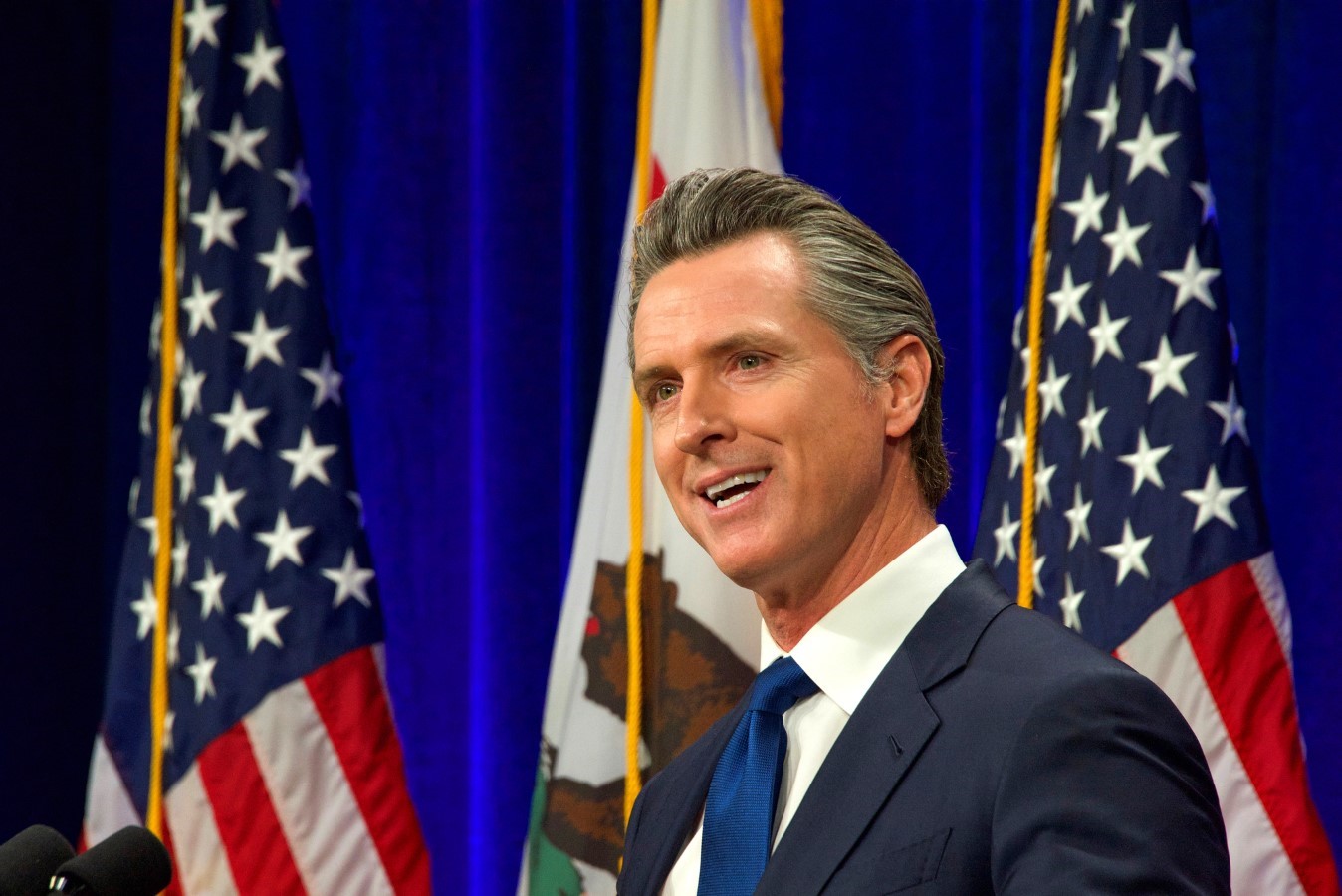
While San Francisco voters rejected a local tax increase, a separate effort targeting the state’s wealthiest residents has moved forward.
The Service Employees International Union-United Healthcare Workers West (SEIU-UHW) announced that it had collected more than 1.5 million signatures to qualify the 2026 Billionaire Tax Act for the statewide ballot. The figure exceeds the roughly 875,000 signatures required.
The proposal would impose a one-time 5% tax on Californians with net worths exceeding $1 billion. Organizers say the revenue would help prevent hospital and clinic closures while supporting public education and food assistance programs.
Supporters of the statewide proposal estimate it could raise approximately $100 billion over five years.
Backers argue that California’s roughly 200 billionaires collectively hold about $2 trillion in wealth while paying an effective tax rate that is lower than many middle-class residents. They view the measure as a way to address widening wealth disparities and fund critical public services.
Suzanne Jimenez, chief of staff at SEIU-UHW, said in a Monday statement that while “controversial billionaires” have tried to stop the measure from moving forward, “our current signature tally proves frontline healthcare workers will prevail in bringing this commonsense proposal to voters.”
She added: “When our growing coalition files these signatures, David will have won the first round against Goliath, but healthcare workers and our allies won’t quit until we fully protect our patients from the looming healthcare disaster that will be caused by $100 billion in cuts to California healthcare.”
At a press conference, organizers rejected claims that large numbers of wealthy residents would leave California if the tax were enacted.
“Many billionaires in California made their lives there. Those folks are not going to leave,” Jimenez said.
She acknowledged that only “a little handful” of ultra-wealthy residents have reported relocating.
Chamath warns billionaire tax is actually an “Everyone Tax”
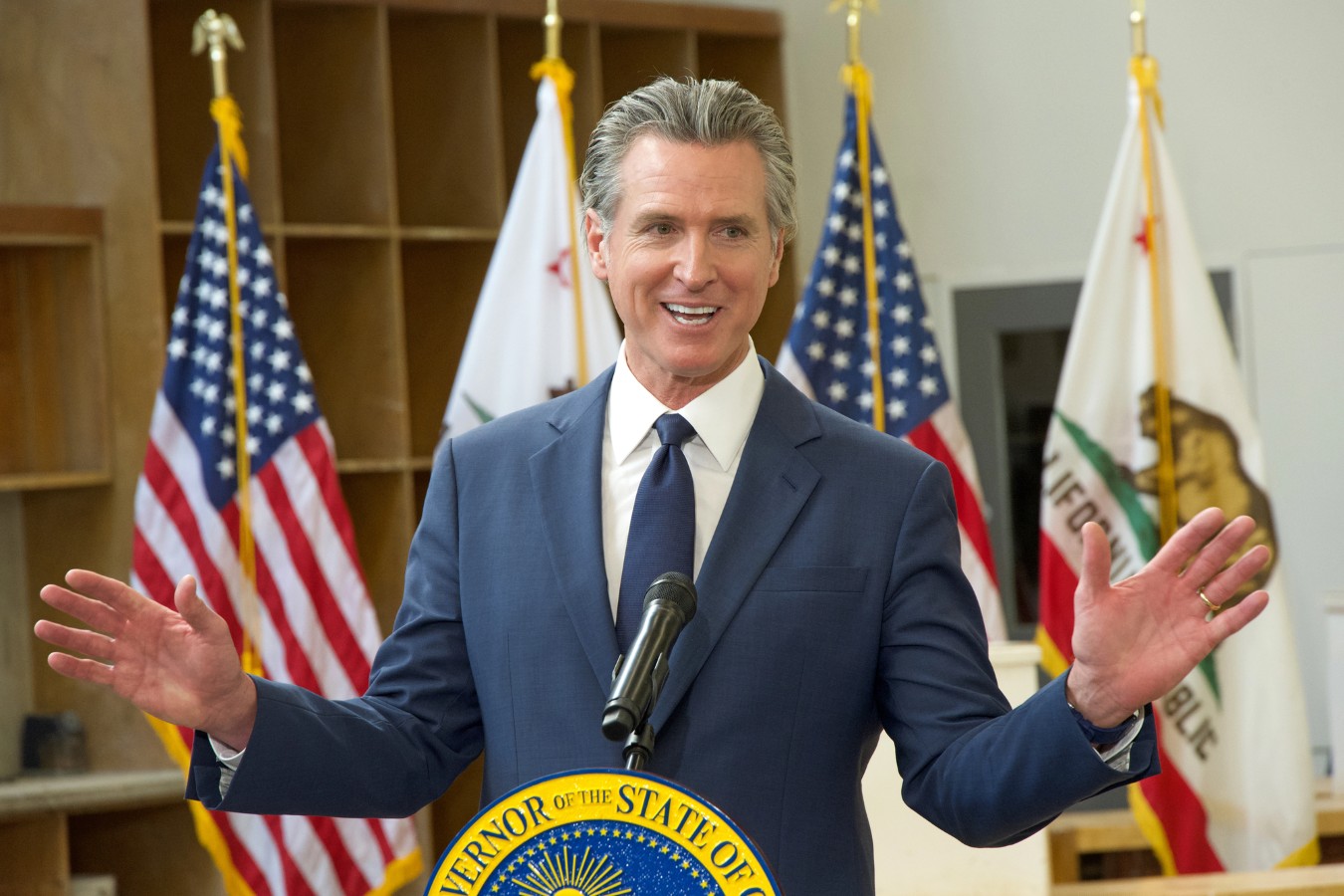
In a post on X, Chamath wrote, “On page twenty-six of “The Billionaire Tax” proposal in California, it explains how the state legislature can convert from a Billionaire Tax to an Everyone Tax without voter approval. They can also adjust the tax to be a yearly tax, not just one time…again, without your approval.
Intelligence test for you: if this was meant to just target Billionaires, why did they write this in?”
Chamath further elaborated on the details tucked into the tax proposal. He wrote on X, “The Billionaire Tax is actually an Everyone Tax.
The Billionaire Tax is a new tax proposal written by four professors who don’t believe in the American dream. Some of them aren’t even American…go figure.
Despite its name, it applies to every California resident who currently has assets or ever will. The creators named it the Billionaire Tax so you would get into a froth and wouldn’t look closely at what it actually does to you.
On page twenty-six, it explains how the government can convert to an Everyone Tax without voter approval. They can also adjust the tax to be a yearly tax, not just one time…again, without your approval.
Here’s how the tax would work: As a voter, you’re being asked to approve a tax that would require you to:
1. list all your assets and the value of each, then submit them to the California Franchise Tax Board.
2. authorize the tax board to appraise your assets and confirm the value of each.
3. pay a penalty of up to forty percent of your tax bill if the board determines your reported value was too low in their opinion.
4. allow the tax board to subpoena your financial records from every one of your financial institutions for auditing.
This Everyone Tax runs 34 pages of shifty language describing how the government plans to take your assets.
Read the fine print and decide for yourself. If this were truly a billionaire tax, it would be 3 pages. It’s 34 pages so that it can create the mechanisms to steal from all of you.”
In another sharply worded post on X, he wrote:
“The California budget is hosed.
Now, the only place to look is the middle class and what should worry an average Californian is that this idiotic ‘Billionaire Tax’ actually allows the legislature to apply it to the middle class as they see fit.
Buyer beware…”
San Jose Mayor Matt Mahan argues that the wealth tax isn’t just misguided; it ignores California’s real fiscal failures.
“Just in the last few years in California alone, credible sources estimate that we’ve had $20 to $30 billion in fraudulent unemployment claims and huge amounts of waste in our health care system,” Mahan said. “So I think we ought to ask government to do better before we ask taxpayers to pay more.”
Mahan points out that California is already a high-tax state with one of the most progressive tax structures in the country. The top 1% of earners already generate about 40% of the state’s income tax revenue.
“So let’s close loopholes,” he said, “but also realize that there’s a lot of waste and fraud in government that we ought to be going after first, before we put our innovation economy at risk.”
Tax-the-rich proposals remain a central progressive strategy

The defeat of San Francisco’s Overpaid CEO Act and the emergence of California’s billionaire tax initiative illustrate the ongoing political battle over wealth taxation in one of the nation’s most progressive states.
For Sanders, labor unions and other progressive advocates, the proposals represent efforts to address inequality and protect public services through higher taxes on corporations and the ultra-wealthy. For opponents, they raise concerns about economic competitiveness, investment and the potential departure of businesses and affluent residents.
As California voters prepare to weigh the billionaire tax proposal in 2026, the debate over how much wealthy individuals and large corporations should contribute to public services is likely to remain a prominent political issue for the midterms and beyond.
Like Financial Freedom Countdown content? Be sure to follow us!
14 essential strategies to maximize your Social Security and avoid costly mistakes

Social Security is a vital lifeline for many seniors, providing crucial income support during retirement. With inflation at its highest in four decades, Social Security’s inflation-adjusted benefits offer protection against rising costs.
Rising interest rates have disrupted many retirement portfolios, causing bond fund values to plummet. In this volatile financial landscape, Social Security can stabilize a typical stock-bond retirement portfolio. By implementing smart strategies, retirees can maximize their Social Security benefits and ensure a more secure financial future.
14 Essential Strategies to Maximize Your Social Security and Avoid Costly Mistakes
11 reasons you should claim Social Security early

Deciding when to claim Social Security is often about maximizing your benefit. Financial planners usually advise delaying your claim for as long as possible to secure the highest monthly payment. Your benefit is based on your lifetime earnings, with a full payout available at your full retirement age (FRA), which is currently between 66 and 67 depending on your birth year. Claiming before FRA results in a permanent reduction in your monthly benefit, while waiting beyond FRA leads to a permanent increase. However, the decision isn’t solely about maximizing the monthly check. Personal factors such as health, family circumstances, and financial needs can play a significant role in determining the right time to claim.
11 Reasons You Should Claim Social Security Early

Did you find this article helpful? We’d love to hear your thoughts! Leave a comment with the box on the left-hand side of the screen and share your thoughts.
Also, do you want to stay up-to-date on our latest content?
1. Follow us by clicking the [+ Follow] button above,
2. Give the article a Thumbs Up on the top-left side of the screen.
3. And lastly, if you think this information would benefit your friends and family, don’t hesitate to share it with them!

John Dealbreuin came from a third world country to the US with only $1,000 not knowing anyone; guided by an immigrant dream. In 12 years, he achieved his retirement number.
He started Financial Freedom Countdown to help everyone think differently about their financial challenges and live their best lives. John resides in the San Francisco Bay Area enjoying nature trails and weight training.
Here are his recommended tools
Personal Capital: This is a free tool John uses to track his net worth on a regular basis and as a retirement planner. It also alerts him wrt hidden fees and has a budget tracker included.
Platforms like Yieldstreet provide investment options in art, legal, real estate, structured notes, venture capital, etc. They also have fixed-income portfolios spread across multiple asset classes with a single investment with low minimums of $10,000.