Trump Accounts aren’t just for babies as Dell’s $250 gift is reaching millions of older children

President Donald Trump’s “Trump Accounts” are moving from a new federal savings initiative to money showing up in children’s accounts, with Michael and Susan Dell’s $6.25 billion contribution now reaching eligible children across all 50 states. Robinhood CEO and co-founder Vlad Tenev said the Dell gift is beginning to reach accounts this week, as the program gains momentum
Trump spotlights Dell’s gift during the State of the Union
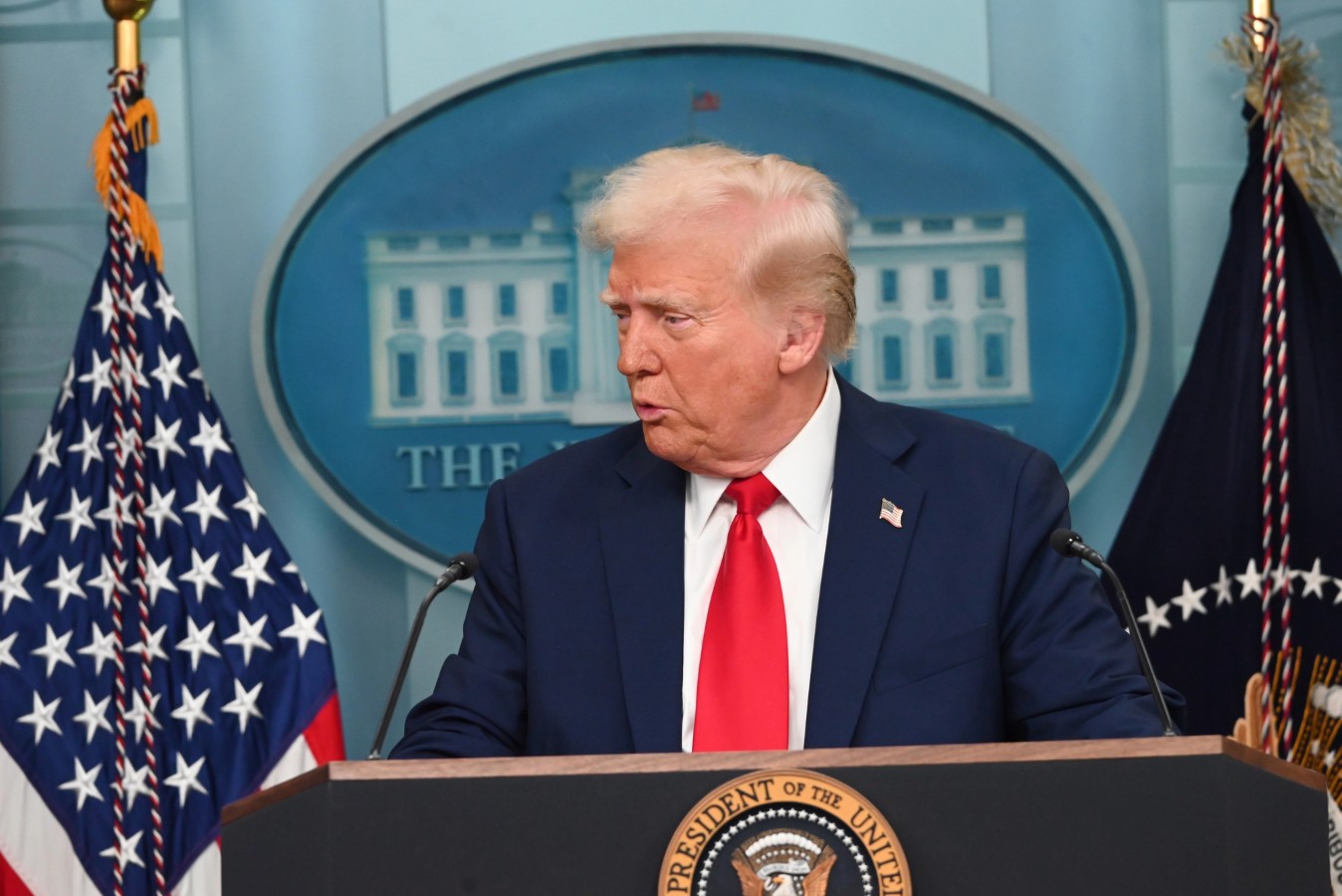
During his State of the Union address, President Trump placed a major spotlight on his administration’s new “Trump Accounts,” describing them as a transformative way to build wealth for the next generation.
Framing the initiative as a cornerstone of his economic vision, Trump emphasized the program’s potential to expand access to investing and financial security for American families.
Trump underscored his enthusiasm for the program with a bold claim about its early momentum.
“This is something that’s so special, it has taken off and gone through the roof,” Trump said during his remarks.
The line drew attention as he positioned the accounts as both popular and impactful, even in their early stages.
A key moment in the speech came when Trump publicly praised Michael Dell and Susan Dell for their massive financial backing of the program.
The couple has committed $6.25 billion to support the accounts, a contribution Trump highlighted as a major private-sector endorsement of the initiative.
The Dell donation was expected to fund an additional $250 for up to 25 million children.
This extra funding is targeted at children living in ZIP codes where median household income is $150,000 or less, helping extend benefits to families who may not otherwise receive the full advantages of the program.
The $250 Dell contribution is not limited to babies
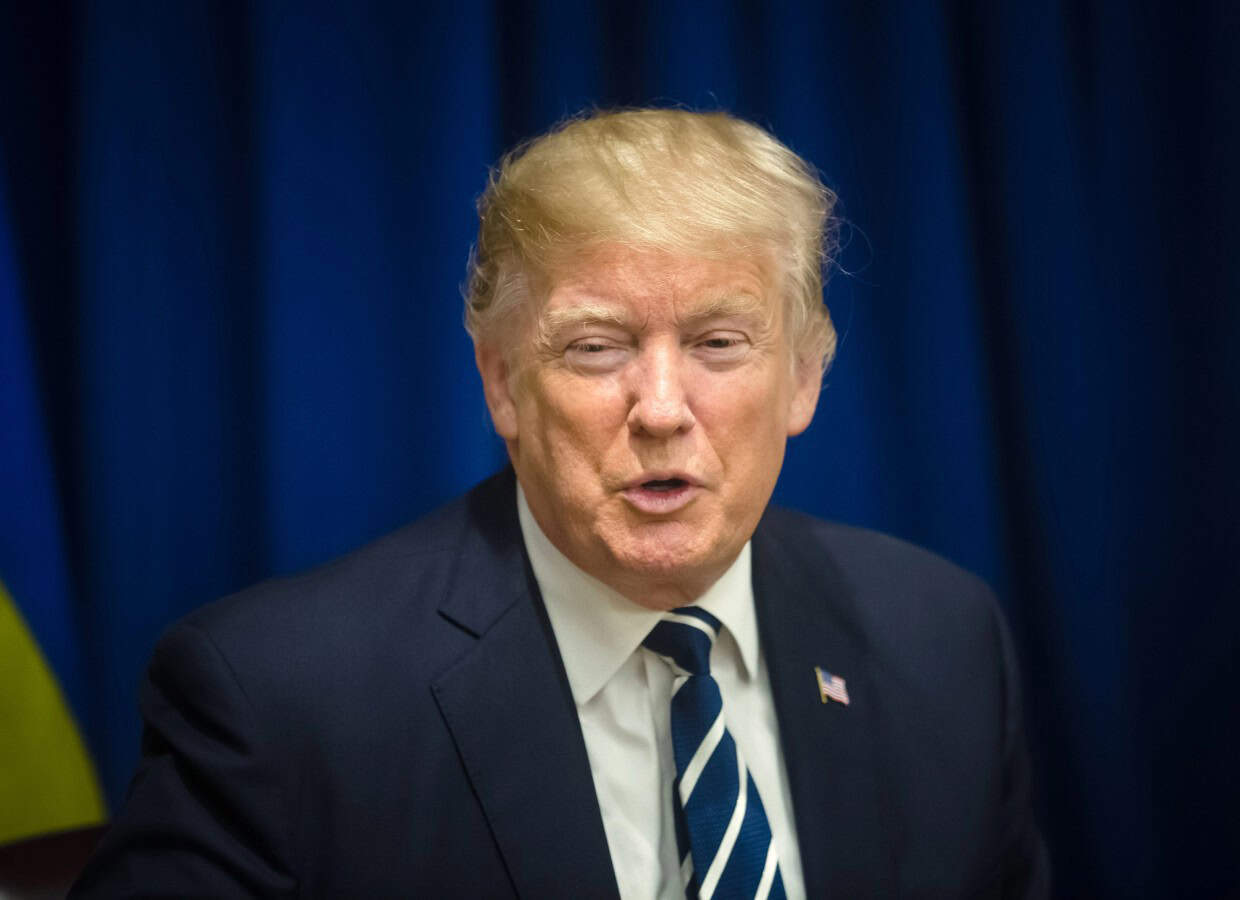
The biggest private contribution to the program is no longer simply a pledge. The $6.25 billion commitment from Dell Technologies founder and CEO Michael Dell and his wife, Susan Dell, is now being distributed through Trump Accounts.
Vlad Tenev said on X that the Dell contribution was beginning to reach accounts across the country.
“So proud to hear that our gifts are now showing up across the entire country in all 50 states. Susan and I are humbled to be part of something so meaningful and much bigger than any one family.”
Dell also highlighted the scale of the contribution, saying it amounts to $250 invested for as many as 25 million children.
“$250 invested for up to 25 million kids – an incredibly generous commitment to giving more children a stake in America’s future. This is how we create more owners.”
Michael Dell encouraged families to check the Trump Accounts platform because money may already have been deposited.
“Every child already has an account. Check the app. You may be surprised to see funds already there, with more on the way in the days and weeks ahead.”
He also directed parents to the Trump Accounts website to sign up their children.
“Get your child signed up: http://trumpaccounts.gov”
The federal program officially launched in July, and eligible children born between 2025 and 2028 began receiving the $1,000 Treasury contribution.
Dell also addressed what he called a misconception about who can receive his contribution.
“I’ve spoken with several other donors who share the belief that the best investment we can make is in our children.”
In response to the claim that only children born in the most recent year would receive the Dell money, Dell posted a correction:
“Incorrect. Check here https://investamerica.org/dell/”
The Dell contribution is intended to reach children beyond those eligible for the federal $1,000 seed investment, expanding the pool of potential beneficiaries.
Who Actually Qualifies for the $1,000 Government Deposit

The accounts were created under Trump’s 2025 One Big Beautiful Bill.
To receive the $1,000 government contribution, a child must:
Be a U.S. citizen
Have a Social Security number
Be born between Jan. 1, 2025, and Dec. 31, 2028
Parents can still open Trump Accounts for children born outside that window, but those children will not receive the federal seed money. Families with older children can still contribute funds but without government assistance.
Funds are invested in low-cost U.S. equity index funds and cannot be accessed until the child turns 18, except under limited circumstances.
What about older children?

Children born before 2025 are not eligible for the $1,000 seed money. However, parents can still open accounts for them as long as they are under 18.
Some younger children; particularly those age 10 and under in qualifying ZIP codes; may still receive $250 from the Dell-funded pool, even if they do not qualify for the government contribution.
Michael Dell indicated that his contribution may be only the beginning of a broader private effort to put money into children’s accounts.
“I’ve spoken with several other donors who share the belief that the best investment we can make is in our children. More gifts are coming that will reach tens of millions of American children.”
That could expand the reach of Trump Accounts beyond the initial federal $1,000 contribution and the Dell-funded $250 deposits.
Major Employers Move to Match Government Contributions

Large employers are increasingly incorporating Trump Accounts into their employee benefits packages. JPMorgan Chase, Bank of America and Wells Fargo said they will match the government’s $1,000 deposit for eligible employees’ children.
The banks join other financial firms that have already pledged support, including BlackRock, BNY, Robinhood, SoFi and Charles Schwab.
The financial sector has led corporate participation, but companies across industries have also joined the effort. Employers including Intel, Nvidia, Broadcom, IBM, Comcast, Uber and Coinbase have pledged contributions that may reach up to $2,500 per employee annually.
JPMorgan CEO Jamie Dimon said matching contributions aligns with the bank’s long-term focus on employee financial well-being. “By matching this contribution, we’re making it easier for families to start saving early, invest wisely, and plan for their family’s financial future,” he said.
How Families Can Open a Trump Account

The government formally launched the accounts around July 4, 2026, coinciding with the United States’ 250th anniversary celebration. Parents can establish accounts using IRS Form 4547 or using the official https://trumpaccounts.gov website.
Once the account is activated, families may transfer it to their preferred brokerage firm. Parents can contribute up to $5,000 annually, a cap that is expected to adjust with inflation over time.
Employers may contribute up to $2,500 each year. Those employer contributions count toward the account’s annual limit but do not count as taxable income for employees.
Philanthropists Add Billions in Supplemental Funding

The program has drawn strong support from private donors. Michael and Susan Dell pledged $6.25 billion to provide an additional $250 contribution to 25 million children living in ZIP codes with median incomes below $150,000.
Other supporters include hedge fund investor Ray Dalio and venture capitalist Brad Gerstner, who have committed additional targeted contributions to qualifying children in certain states.
Several anonymous donors have also stepped up. San Francisco Mayor Daniel Lurie announced an anonymous donor has pledged $3.5 million to help San Francisco families take advantage of President Donald Trump’s new investment accounts for U.S. children in honor of the Super Bowl happening Sunday at Levi’s Stadium in Santa Clara. Super Bowl-related events have also been held in San Francisco this week.
Celebrities, including rapper Nicki Minaj, have publicly endorsed the program and committed to donating, further amplifying its visibility.
How Much Could Trump Accounts Grow Over Time?

Supporters of the program frequently highlight long-term growth projections. White House press secretary Karoline Leavitt said accounts could reach nearly $1.1 million by age 28 if families make maximum annual contributions.
Some Republican lawmakers have promoted similar projections. U.S. Rep. Randy Fine said a $1,000 account could grow to $243,000 by age 55 even without additional deposits.
However, economists caution these projections depend heavily on optimistic market returns and consistent long-term contributions.
Can the Accounts Pay for College or a Home?

The money in these accounts is locked until the child turns 18, with only limited exceptions.
Once available, the funds can be used for specific purposes, including:
Paying for education
Starting a business
Making a down payment on a home
This structure is intended to promote long-term financial stability rather than short-term spending.
Advisors estimates that without additional contributions, the $1,000 seed money could grow to between $8,000 and $46,000 over several decades, depending on market performance, inflation and taxes.
Accounts could meaningfully help with a down payment if families contribute consistently.
Supporters Say Accounts Expand Access to Investing

Backers argue Trump Accounts could help reduce wealth inequality by expanding stock market participation. Venture capitalist Brad Gerstner has promoted the program as a way to make “every child in America a capitalist from birth.”
Administration officials have framed the accounts as a universal wealth-building tool, contrasting them with targeted state-run “baby bonds” programs focused primarily on low-income families.
The central idea behind Trump Accounts is that money invested early has decades to potentially grow.
The $1,000 federal contribution itself could become substantially larger by the time a child reaches adulthood if investments generate positive returns. Additional contributions could increase that amount considerably.
That long investment horizon is also part of the argument made by supporters and donors such as Dell, who see early ownership and investing as a way to give more children a financial stake in the U.S. economy.
Critics Warn the Program May Widen Wealth Gaps

Critics argue the accounts do little to help children during their most vulnerable early years, when immediate financial support is often needed.
They also point to broader policy trade-offs, noting that the same tax legislation included cuts to programs like food assistance and Medicaid.
Some analysts warn the program could widen the wealth gap. Families with higher incomes are more likely to contribute the maximum amount each year, allowing their children to accumulate significantly more wealth over time.
Meanwhile, lower-income families may struggle to contribute at all, limiting the program’s impact for those it aims to help most. Even with a 7% annual return, the initial $1,000 would grow to about $3,570 over 18 years; an amount critics say is modest without additional contributions.
A Signature Economic Policy Takes Shape

The Trump Accounts program was included in the president’s sweeping tax legislation last year with no income caps or eligibility restrictions beyond citizenship and birth year. The administration says it represents a long-term investment in American families.
Despite debate over its effectiveness, Trump Accounts are rapidly becoming one of the largest public-private savings initiatives in modern U.S. history. With federal funding, corporate matches and billions in philanthropic donations, the program aims to channel trillions of dollars into long-term savings for future generations.
With the Dell contribution now appearing in accounts and additional private donations potentially on the way, families who have already registered their children may want to check the Trump Accounts platform.
The program has already moved beyond its initial rollout phase, with federal seed money being deposited and private donors beginning to add funds.
For parents who have not yet registered an eligible child, the opportunity to participate remains available as the Trump Accounts program expands.
Whether the initiative ultimately fulfills its promise of expanding financial opportunity will likely depend on participation rates, market performance and families’ ability to contribute beyond the government’s initial deposit.
Like Financial Freedom Countdown content? Be sure to follow us!
Ray Dalio Warns World Is ‘On the Brink’ of a Capital War; Says Gold Is the Safest Money

Billionaire hedge fund manager Ray Dalio is warning that global tensions are shifting beyond traditional geopolitical conflicts and entering a new era where money itself becomes a weapon. The Bridgewater Associates founder said the world is not just facing a cold war or trade war, but a looming “capital war” in which nations could use financial leverage to pressure rivals. Dalio made the remarks during an interview at the World Governments Summit in Dubai, cautioning that escalating political and economic tensions could disrupt global markets and investment flows. Dalio described a scenario where countries could attack each other by controlling the flow of capital, particularly through debt ownership and financial sanctions. Such financial warfare, he warned, could create severe market instability and alter how investors and governments manage their money.
Ray Dalio Warns World Is ‘On the Brink’ of a Capital War; Says Gold Is the Safest Money

Did you find this article helpful? We’d love to hear your thoughts! Leave a comment with the box on the left-hand side of the screen and share your thoughts.
Also, do you want to stay up-to-date on our latest content?
1. Follow us by clicking the [+ Follow] button above,
2. Give the article a Thumbs Up on the top-left side of the screen.
3. And lastly, if you think this information would benefit your friends and family, don’t hesitate to share it with them!

John Dealbreuin came from a third world country to the US with only $1,000 not knowing anyone; guided by an immigrant dream. In 12 years, he achieved his retirement number.
He started Financial Freedom Countdown to help everyone think differently about their financial challenges and live their best lives. John resides in the San Francisco Bay Area enjoying nature trails and weight training.
Here are his recommended tools
Personal Capital: This is a free tool John uses to track his net worth on a regular basis and as a retirement planner. It also alerts him wrt hidden fees and has a budget tracker included.
Platforms like Yieldstreet provide investment options in art, legal, real estate, structured notes, venture capital, etc. They also have fixed-income portfolios spread across multiple asset classes with a single investment with low minimums of $10,000.