Trump tariff refunds top $80 billion as June U.S. budget swings from $27 billion surplus to $120 billion deficit

The U.S. Treasury Department reported a $120 billion federal budget deficit for June, a dramatic reversal from the $27 billion surplus recorded in June 2025, after the government refunded billions of dollars in tariffs that were later ruled unlawful by the U.S. Supreme Court.
The June budget results underscore how President Donald Trump’s tariff strategy continues to affect federal finances months after the Supreme Court struck down many of the administration’s emergency import taxes. While tariffs had boosted government revenue last year, the required refunds are now weighing on receipts and pushing the deficit higher.
Tariff refunds exceeded customs collections in June

The biggest driver of June’s budget deficit was the government’s tariff refund program.
According to the Treasury Department, the government collected $23.6 billion in customs duties during June but refunded $49.2 billion to importers, resulting in a net customs outflow of $25.6 billion for the month.
The June refunds were more than double the roughly $22 billion issued in May, highlighting the accelerating pace of repayments.
Supreme Court ruling forced the government to repay importers

The refunds stem from the U.S. Supreme Court’s February decision that struck down many of Trump’s global tariffs imposed under the International Emergency Economic Powers Act (IEEPA).
In a 6-3 ruling, the court determined that the administration had exceeded its authority by using the 1977 law to impose broad emergency tariffs. As a result, the government agreed to repay businesses that had paid the invalidated duties, including interest.
Customs officials estimate that roughly $166 billion in tariffs collected from about 330,000 importers became eligible for refunds.
The tariff repayments significantly affected the government’s monthly finances.
Treasury said total June receipts fell by $31 billion, or 6%, to $496 billion, while federal outlays reached $616 billion. June is typically one of the government’s strongest revenue months because of quarterly estimated tax payments.
On an adjusted basis, the June deficit increased 79% compared with the same month a year earlier.
More than $80 billion has been refunded this fiscal year.
The June payments pushed total tariff refunds to approximately $81 billion during the first nine months of fiscal year 2026, which began in October 2025.
That compares with only $5 billion in refunded customs duties during the same period a year earlier.
Looking only at calendar year 2026, the government has refunded just over $77 billion since January, according to Treasury data.
Despite the refunds, fiscal year-to-date customs receipts after repayments still totaled $163 billion, compared with $108 billion during the same period in fiscal 2025.
Legal battle over additional refunds continues

The refund process remains the subject of ongoing litigation.
The Trump administration has appealed a federal court ruling that expanded refund eligibility beyond the companies that originally challenged the tariffs. Administration officials are seeking to limit which importers can reclaim the invalidated duties.
Meanwhile, a federal judge has warned that the government’s appeal is slowing payments to eligible businesses.
As of late June, U.S. Customs and Border Protection had authorized more than $104 billion in refunds, although a substantial portion remains tied up in legal proceedings.
Companies are largely keeping the refund money
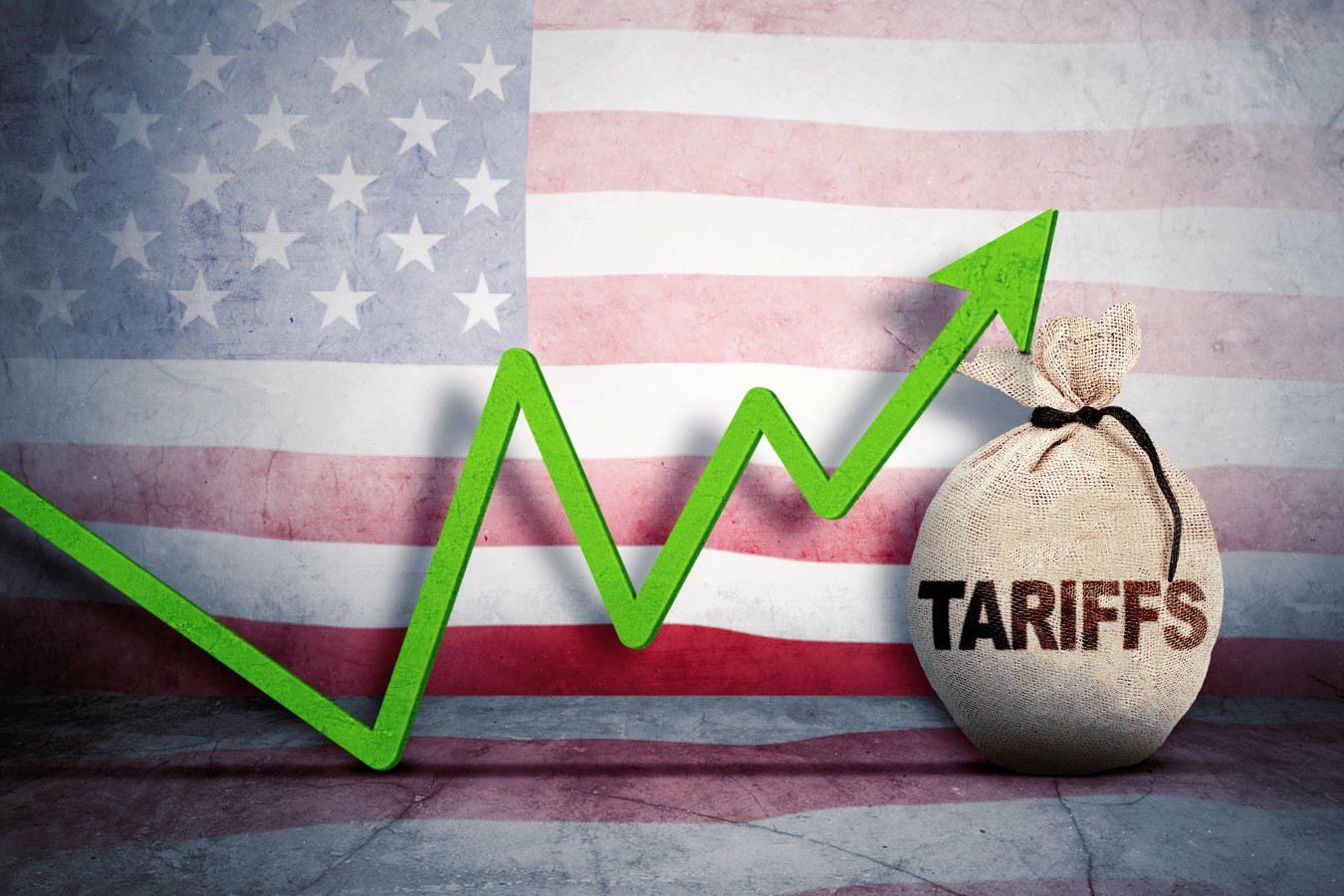
While the refund program represents one of the largest repayments of import duties in U.S. history, most of the money is expected to remain with businesses rather than consumers.
Earlier this year, Customs and Border Protection launched a refund portal allowing eligible importers of record to file claims covering approximately $166 billion in invalidated duties.
Several companies have indicated they plan to use the refunds to offset higher operating costs rather than issue direct rebates to consumers.
“We do expect some more pressure on the business from a commodity standpoint,” PepsiCo CFO Steve Schmitt said on an earnings call this week. “We also expect refund claims for tariffs paid last year to help offset some of the commodity pressures that we have and allow us to continue to play offense.”
McCormick & Company also said its tariff refunds would help offset higher costs tied to commodities and freight after multiple price increases over the past year.
Some companies say refunds could help slow price increases. Although consumers are unlikely to receive direct payments, several businesses say the refunds may help limit future price increases.
BJ’s Wholesale Club has said it intends to use tariff refunds to reduce prices for members, while other retailers have suggested the additional cash could ease some inflationary pressures by offsetting rising input costs.
Some analysts have described the repayments as an “accidental stimulus” for businesses, providing unexpected liquidity after companies absorbed billions of dollars in tariff costs.
However, many executives say those benefits are being offset by higher energy, commodity and transportation expenses.
The administration continues pursuing a new tariff strategy
Despite the Supreme Court setback, the Trump administration continues to pursue an expanded trade agenda.
Treasury Secretary Scott Bessent has described the current approach as a “reboot” of the tariff program, centered on a temporary 10% global tariff while the administration develops additional trade actions using other legal authorities.
Officials are also preparing new tariffs targeting issues such as forced labor enforcement and excess industrial capacity after the IEEPA ruling limited the administration’s earlier strategy.
Federal deficit remains on pace to exceed $2 trillion
For the first nine months of fiscal year 2026, the federal budget deficit totaled $1.367 trillion, up about 2% from the same period a year earlier.
Federal receipts increased 4% to $4.151 trillion, while government spending rose 3% to $5.518 trillion.
Interest costs also continued climbing. Treasury reported gross interest payments on the national debt reached $185 billion in June alone, while total interest expenses have surpassed $1 trillion for the fiscal year.
Fiscal watchdogs warned that the latest budget figures illustrate the growing strain on federal finances.
“At $1.4 trillion in the first nine months of FY 2026—including $120 billion in the month of June alone—we are on track to borrow $2 trillion or more this fiscal year,” said Maya MacGuineas, president of the Committee for a Responsible Federal Budget.
Like Financial Freedom Countdown content? Be sure to follow us!
Social Security COLA forecast for 2027 drops after new inflation data, but benefits could still rise more than this year

Millions of Americans who rely on Social Security could still receive one of the largest Cost-of-Living Adjustments (COLA) in recent years in 2027, even after a new inflation report prompted analysts to lower their forecasts. The latest projections suggest beneficiaries could receive an increase in the mid-3% range beginning in January 2027. While that is lower than some earlier estimates, it would still be noticeably higher than the 2.8% COLA that took effect in 2026.

Did you find this article helpful? We’d love to hear your thoughts! Leave a comment with the box on the left-hand side of the screen and share your thoughts.
Also, do you want to stay up-to-date on our latest content?
1. Follow us by clicking the [+ Follow] button above,
2. Give the article a Thumbs Up on the top-left side of the screen.
3. And lastly, if you think this information would benefit your friends and family, don’t hesitate to share it with them!

John Dealbreuin came from a third world country to the US with only $1,000 not knowing anyone; guided by an immigrant dream. In 12 years, he achieved his retirement number.
He started Financial Freedom Countdown to help everyone think differently about their financial challenges and live their best lives. John resides in the San Francisco Bay Area enjoying nature trails and weight training.
Here are his recommended tools
Personal Capital: This is a free tool John uses to track his net worth on a regular basis and as a retirement planner. It also alerts him wrt hidden fees and has a budget tracker included.
Platforms like Yieldstreet provide investment options in art, legal, real estate, structured notes, venture capital, etc. They also have fixed-income portfolios spread across multiple asset classes with a single investment with low minimums of $10,000.