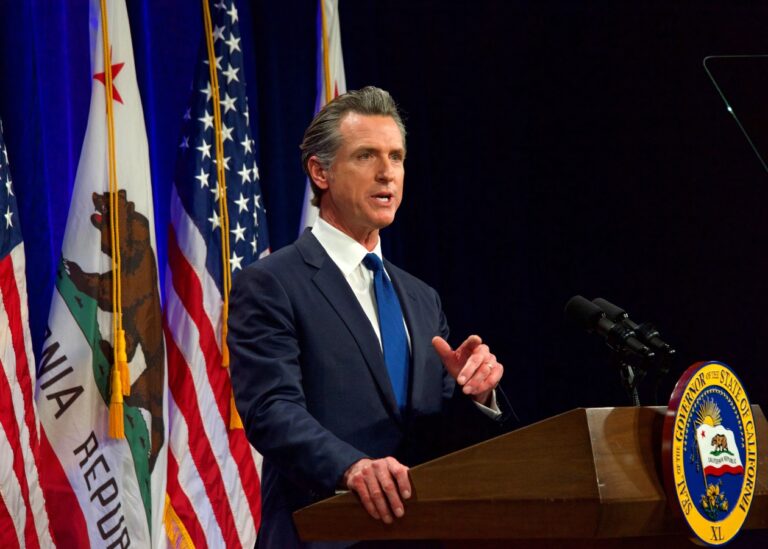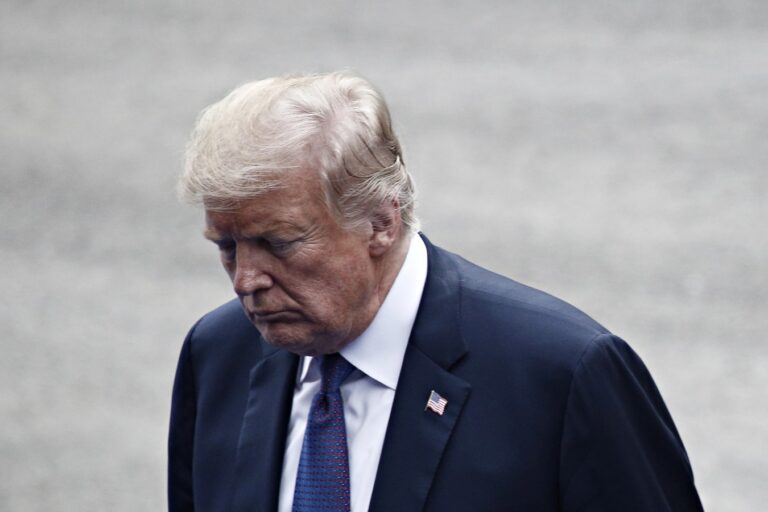
Trump administration freezes over $1 billion in Medicaid payments to California and Minnesota amid fraud review
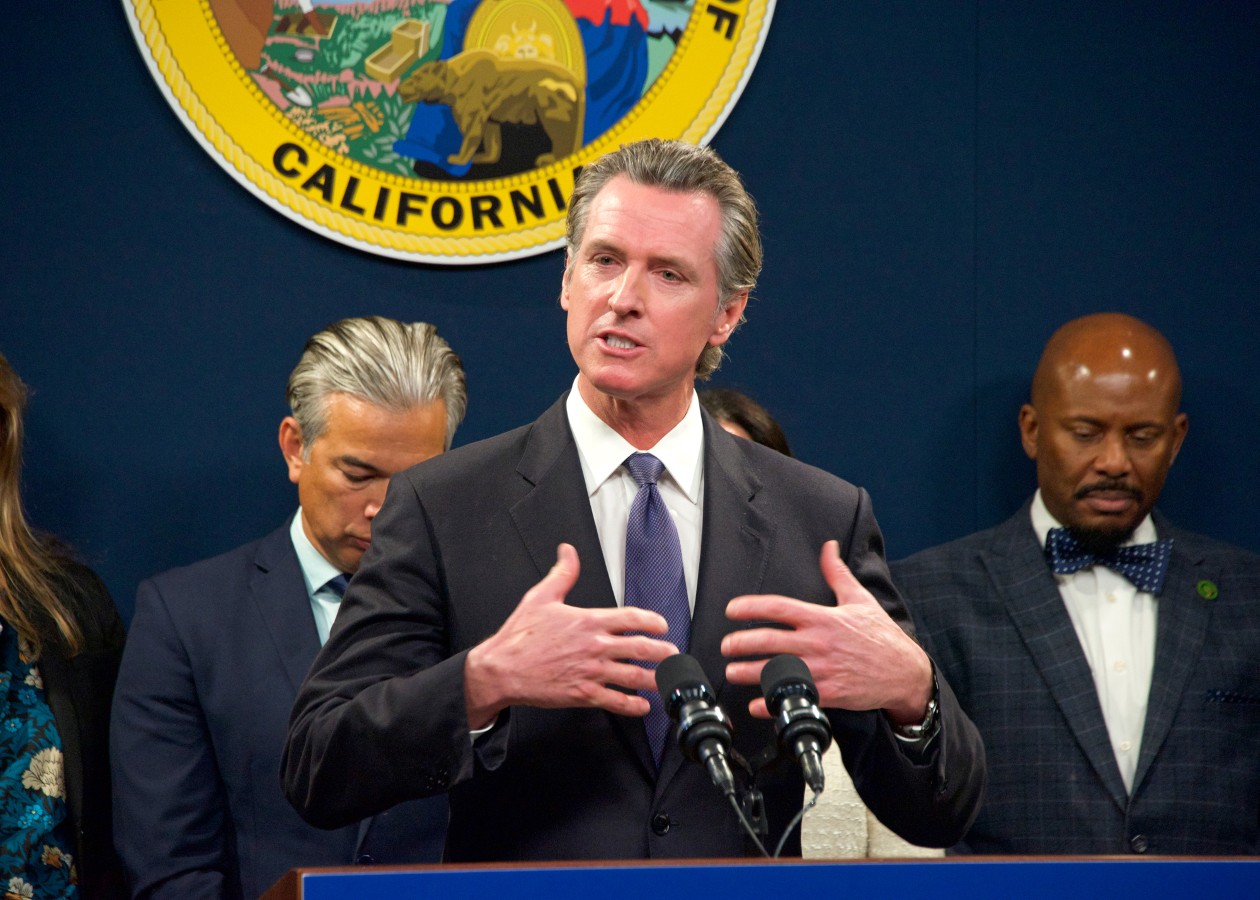
The Trump administration has temporarily halted more than $1 billion in federal Medicaid payments to California and Minnesota while officials conduct additional reviews of claims flagged as potentially high risk. Health and Human Services (HHS) Secretary Robert F. Kennedy Jr. said the move is part of a broader effort to strengthen oversight of federal healthcare spending and prevent fraud before taxpayer dollars are distributed.
Federal officials emphasized that the funding has not been canceled. Instead, the payments will remain on hold until both states provide additional documentation demonstrating that the claims meet federal Medicaid requirements. California and Minnesota have strongly disputed the administration’s characterization of the reviews, arguing the payment deferrals are politically motivated rather than evidence-based.
Trump administration pauses more than $1 billion in Medicaid funding

The Centers for Medicare & Medicaid Services (CMS) announced Tuesday that it is withholding approximately $867.5 million in Medicaid payments to California and $199 million to Minnesota pending further review.
According to HHS, CMS identified claims that require additional documentation before federal matching funds can be released. Officials said the action represents a payment deferral rather than a permanent funding reduction.
The review affects two of the nation’s largest Medicaid programs. California operates Medi-Cal, which provides healthcare coverage to millions of low-income residents, while Minnesota administers its Medical Assistance program serving children, seniors, people with disabilities and low-income adults.
California accounts for the largest share of deferred payments. The bulk of the withheld funding involves California, where CMS reviewed claims associated with certain in-home care programs.
Federal officials said spending growth in those programs significantly exceeded national trends, prompting additional scrutiny before federal reimbursements are approved.
The administration stressed that the review is limited to specific claims rather than California’s overall Medicaid program, and officials have not alleged that the entire Medi-Cal system is noncompliant.
Minnesota review focuses on 14 high-risk Medicaid service areas

Minnesota’s deferred funding stems from CMS reviews covering 14 Medicaid service areas identified as high risk.
According to HHS, the agency is seeking additional documentation related to expenditures and providers that had previously been flagged through program integrity reviews, along with claims involving potential eligibility or billing concerns.
Federal officials have not identified specific providers or detailed the claims under review.
Kennedy says states must document claims before payments resume
Kennedy said the payment pause is intended to ensure federal Medicaid dollars are properly spent rather than representing a permanent funding cut.
“Medicaid exists to serve vulnerable Americans — not to bankroll unsupported claims.”
He added: “Under President Trump’s leadership, we are restoring accountability across our public programs and protecting taxpayer dollars. States that receive federal Medicaid funding must demonstrate that every dollar meets federal requirements. When they cannot, we will not release federal funds until they do.”
During a press conference, Kennedy also said: “If Gov. Gavin Newsom or Gov. Tim Walz wants this funding released, all they have to do is provide basic documentation showing that these services are legitimate and not fraudulent.”
Dr. Mehmet Oz says CMS is changing how it fights fraud

CMS Administrator Dr. Mehmet Oz described the payment deferrals as part of what he called a proactive strategy aimed at preventing improper payments before funds leave the federal government.
“CMS is done trying to chase down stolen and misused funds after they’ve already left the building.”
He added: “That’s why we’re deferring payments with respect to certain high-risk services within the Medicaid programs in California and Minnesota as part of our proactive new approach to program integrity. By stopping waste and fraud before the check clears, CMS is delivering record-high savings for taxpayers and ensuring that their hard-earned dollars reach the vulnerable Americans Medicaid is meant to serve.”
At a separate press conference, Oz also questioned California’s spending levels. “We are committed to supporting this program, to cleaning up the fraud in healthcare. We need states to be true partners.”
California rejects the administration’s allegations

California Governor Gavin Newsom’s office quickly pushed back, arguing the payment pause is politically motivated rather than based on evidence of fraud.
In a post on X, Newsom’s office called the announcement “the same recycled political stunt we’ve seen before.”
The post added: “California isn’t being targeted because Trump has evidence of fraud. We are being targeted for political reasons — and because Dr. Oz doesn’t understand that we are SAVING taxpayers money by keeping seniors and people with disabilities out of far more expensive nursing homes! We hate fraud. That’s not what this is. And we stand ready to collaborate with CMS in good faith efforts to combat fraud.”
A spokesperson for California’s Department of Health Care Services also defended the state’s in-home care programs, saying CMS was “punishing California for growing in-home care to serve the Californians who need it.”
The spokesperson pointed to a 2020 California State Auditor report that found “no program integrity concerns” and recommended expanding reimbursement rates to strengthen the in-home care workforce and reduce reliance on more expensive institutional care.
Minnesota also disputes the payment deferral

Minnesota officials similarly criticized the federal action, saying they have not received sufficient information explaining the payment freeze.
Temporary Human Services Commissioner John Connolly said the administration had failed to provide any “data or explanation on how the deferral amount was calculated or what it was based on.”
He added: “I respectfully ask the federal government to partner with us and share any information about their methods to identify potentially fraudulent providers in Minnesota.”
Connolly also argued: “Today’s actions show that the federal government is acting again in unprecedented and punitive ways as part of their war on Medicaid and its recipients. Partnership – not politics – is required to stop criminals and protect services for the people who need them.”
Minnesota Governor Tim Walz also criticized the decision, writing on X: “isn’t about fraud – it’s about cutting your healthcare so that Trump can afford the tax cuts he gave to billionaires.”
He added: “They’re cutting more money in healthcare than they’ve prosecuted for fraud. The math doesn’t add up.”
Payment pause follows broader federal anti-fraud campaign
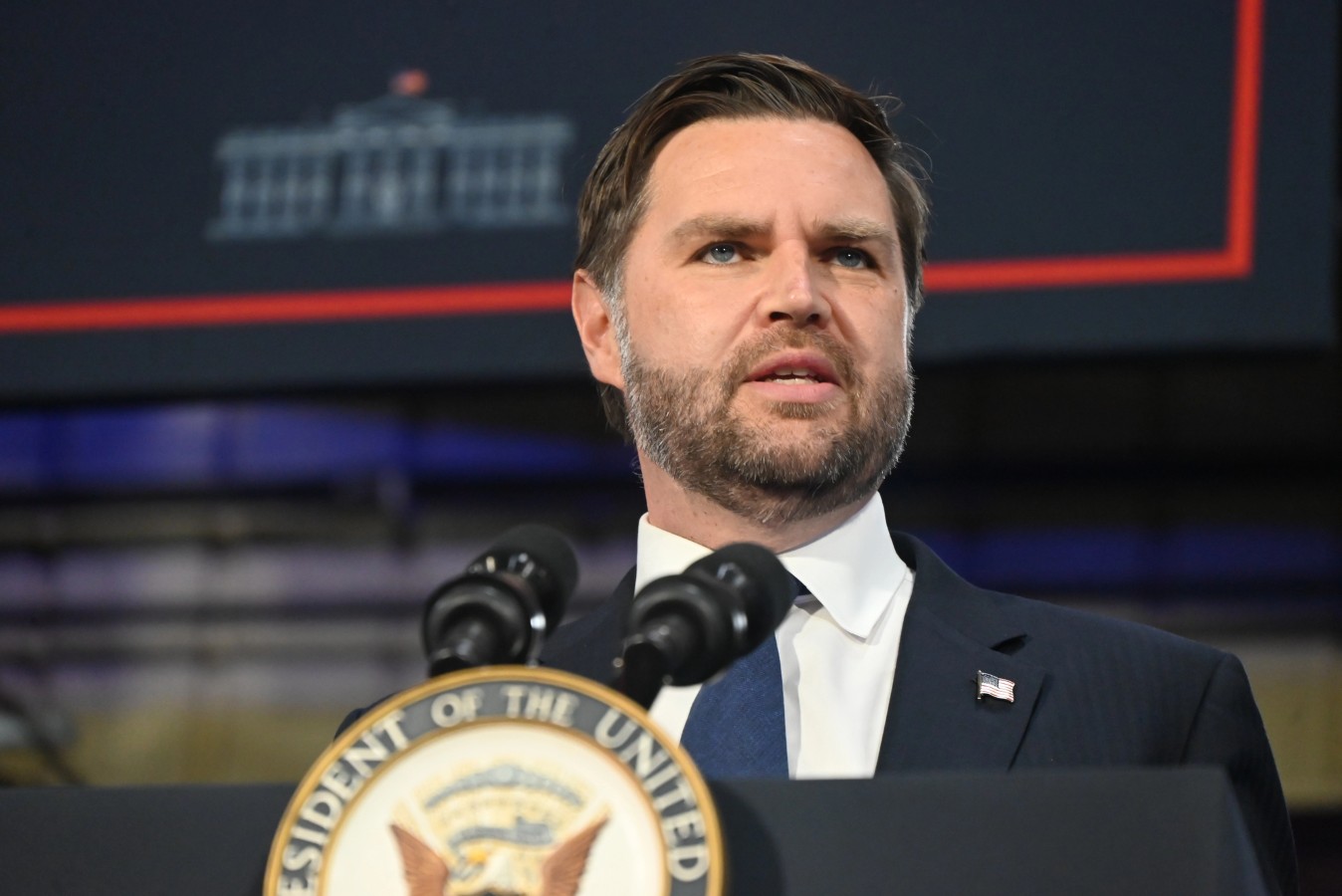
Federal officials say no specific fraud scheme has been alleged. Although HHS cited “suspected fraud and noncompliance,” federal officials have not accused California or Minnesota of intentionally misusing Medicaid funds or identified a specific fraud scheme tied to the deferred payments.
Instead, the administration said financial reviews uncovered claims requiring further verification before matching federal funds are released.
Officials emphasized that both states can receive the funding once they submit documentation demonstrating the claims comply with federal Medicaid requirements.
The Medicaid review comes amid a wider Trump administration initiative targeting fraud, waste and abuse across federal healthcare and public assistance programs.
Earlier this year, the administration launched an anti-fraud task force focused on potential abuses in California and other states.
Federal prosecutors have also pursued several high-profile healthcare fraud cases. In April, the Justice Department announced charges against multiple individuals in a Southern California healthcare and hospice fraud investigation involving more than $50 million in alleged fraudulent claims.
Separately, Minnesota has been the focus of multiple investigations into public assistance fraud, including the pandemic-era Feeding Our Future case. More than 75 people have been charged in connection with the alleged $250 million scheme, while the U.S. attorney in Minnesota has estimated total fraud involving the state’s public programs could exceed $1 billion.
What happens next for Medicaid funding?

The payment deferrals are expected to remain in place while California and Minnesota submit documentation requested by CMS.
Federal officials maintain the funds are not being permanently withheld and can be released once the agency determines the claims satisfy federal Medicaid requirements.
It also remains unclear whether Medicaid beneficiaries will experience service disruptions during the review process. Because states rely on multiple funding sources to operate their Medicaid programs, officials have not indicated whether providers or enrollees will be directly affected while the federal reviews continue.
Like Financial Freedom Countdown content? Be sure to follow us!
11 reasons you should claim Social Security early

Deciding when to claim Social Security is often about maximizing your benefit. Financial planners usually advise delaying your claim for as long as possible to secure the highest monthly payment. Your benefit is based on your lifetime earnings, with a full payout available at your full retirement age (FRA), which is currently between 66 and 67 depending on your birth year. Claiming before FRA results in a permanent reduction in your monthly benefit, while waiting beyond FRA leads to a permanent increase. However, the decision isn’t solely about maximizing the monthly check. Personal factors such as health, family circumstances, and financial needs can play a significant role in determining the right time to claim.
11 Reasons You Should Claim Social Security Early

Did you find this article helpful? We’d love to hear your thoughts! Leave a comment with the box on the left-hand side of the screen and share your thoughts.
Also, do you want to stay up-to-date on our latest content?
1. Follow us by clicking the [+ Follow] button above,
2. Give the article a Thumbs Up on the top-left side of the screen.
3. And lastly, if you think this information would benefit your friends and family, don’t hesitate to share it with them!

John Dealbreuin came from a third world country to the US with only $1,000 not knowing anyone; guided by an immigrant dream. In 12 years, he achieved his retirement number.
He started Financial Freedom Countdown to help everyone think differently about their financial challenges and live their best lives. John resides in the San Francisco Bay Area enjoying nature trails and weight training.
Here are his recommended tools
Personal Capital: This is a free tool John uses to track his net worth on a regular basis and as a retirement planner. It also alerts him wrt hidden fees and has a budget tracker included.
Platforms like Yieldstreet provide investment options in art, legal, real estate, structured notes, venture capital, etc. They also have fixed-income portfolios spread across multiple asset classes with a single investment with low minimums of $10,000.