Bernie Sanders challenges Trump to veto Medicare for All as Democrats eye healthcare fight in 2028
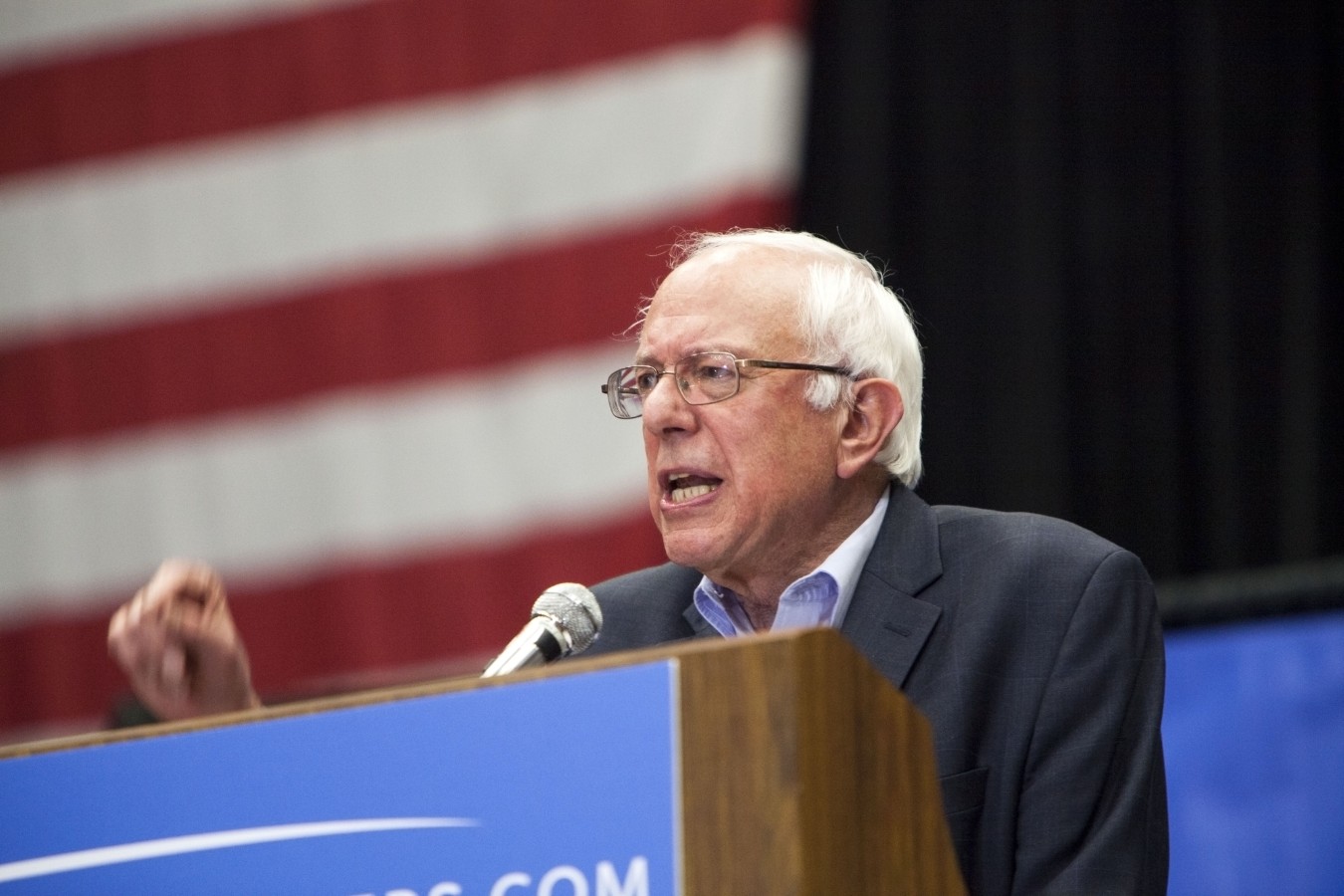
Sen. Bernie Sanders is challenging President Donald Trump to take a public position on Medicare for All, arguing that Democrats should pass the proposal even if the president threatens to block it. The Vermont independent says the healthcare system is too expensive and leaves too many Americans without reliable coverage, while recent polling suggests support for a government-run national health plan has grown.
The challenge comes as Democrats prepare to take control of both chambers of Congress following their 2026 midterm victories. Sanders wants the party to use that opportunity to advance a more ambitious healthcare agenda, but interviews with MS NOW host Chris Hayes and comedian Jon Stewart have also put the proposal’s political and financial obstacles under scrutiny. With healthcare affordability likely to remain part of the debate heading into 2028, the question is whether Democrats can turn public frustration into support for a specific plan.
Sanders dares Trump to veto Medicare for All

Sanders is asking Democrats to put Medicare for All to a vote and make Trump decide whether to sign or veto it.
In a post on X, Sanders wrote: “Let’s pass the damn bill. If Donald Trump wants to veto Medicare for All and defend our broken healthcare system and Republicans want to sustain that veto, then the American people will know exactly who is standing in the way of real change.”
The message is part of Sanders’ broader argument that Democrats should not abandon ambitious healthcare proposals simply because the president is a Republican. He believes lawmakers should pass legislation they support and make the White House explain its position to voters.
The strategy also puts Republicans in Congress in a difficult political position if they oppose a proposal that polls show has support among a majority of Americans. However, public support for the general idea does not necessarily mean voters agree on how a national health plan should be designed or financed.
MS NOW’s Chris Hayes questions whether Trump would sign Medicare for All

Sanders faced another important challenge during a November 5 appearance on MS NOW’s All In with Chris Hayes.
The discussion focused on what Democrats could accomplish after their electoral victories and whether they could translate campaign promises into legislation without controlling the White House.
Sanders began listing his priorities, arguing that the United States spends twice as much per person on healthcare as other countries while failing to guarantee coverage to everyone.
He said:
“The United States today is spending twice as much per capita on healthcare as the people of any other country, and yet we’re the only major country on Earth not to guarantee healthcare to all people. That absurdity has got to end. Healthcare is a human right. We need Medicare for All, which is now supported by over 60% of Americans, probably 80%, 90% of Democrats.”
Hayes interrupted to acknowledge that support for Medicare for All had increased. He also pointed out that Democratic candidate Abdul El-Sayed had faced numerous attacks during his campaign without his support for the proposal becoming a major liability.
But Hayes then raised the political reality facing Sanders:
“But, I think you and I would agree, the odds of Donald Trump signing that into law — pretty small.”
Sanders pushed back, arguing that Democrats should not abandon legislation simply because the president might oppose it.
“Hold it, hold it, hold it, hold it, hold it, hold it. Two points. Point No. 1: Trump has the constitutional right to veto if he wants to do it. But we have the constitutional right to represent the American people and to pass the damn thing and to show the American people that we are sick and tired of maintaining a broken system.”
He then made a more surprising argument about Trump:
“No. 2. You know what? Donald Trump may be a bit crazy, but he is not stupid,” Sanders continued. “And he is a good politician. And if this guy looks out all over the country, and he says, ‘Oh my God, everybody knows the system is broken. You know what, what do I got to lose?’ So, I am not absolutely certain that Trump would not sign it.”
Sanders concluded:
“But whether he would or not, our job is to produce it. He wants to veto it, Republicans want to sustain that veto, that is their responsibility. The American people will see it.”
The exchange adds an interesting dimension to his social media campaign. Rather than simply accusing Trump of opposing healthcare reform, Sanders is challenging the president to consider whether supporting universal healthcare could be politically advantageous.
Hayes’ skepticism nevertheless highlights a major obstacle: even if Democrats could pass the legislation through Congress, getting it through the White House would be another challenge.
Democrats face a choice between ambitious reform and incremental changes
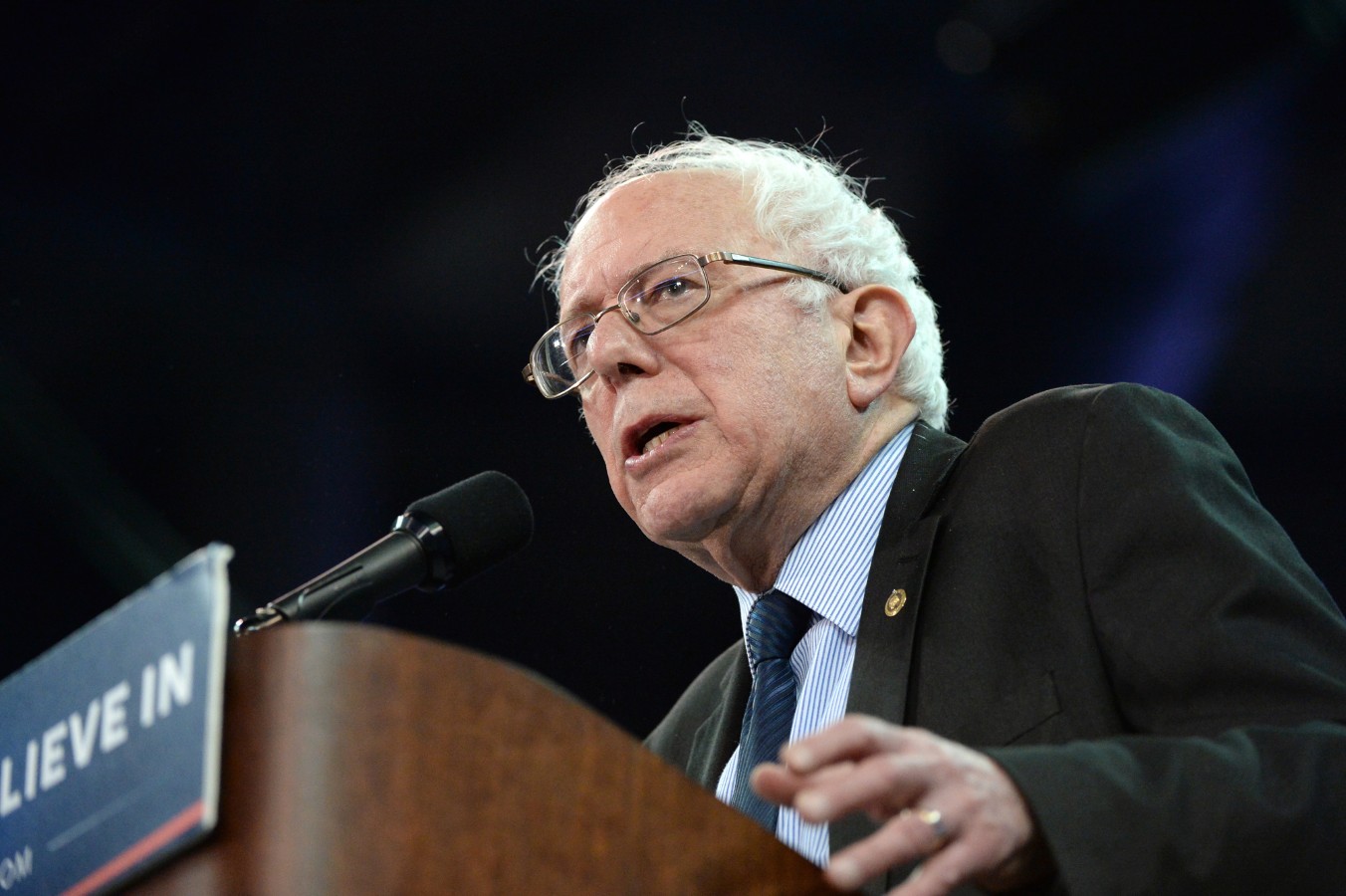
The timing of Sanders’ challenge is significant. Democrats are preparing to take control of the House and Senate in January 2027 after their strong performance in the November midterms. That will give the party greater power to set the congressional agenda, hold hearings and schedule votes on healthcare policy.
But control of Congress will not automatically make Medicare for All law. Trump will remain president, and a major healthcare overhaul would face the possibility of a veto. Democrats would also need to agree on whether to pursue a single-payer system or focus first on more limited changes.
The divide is already visible. Sanders has called for Medicare for All, while other Democrats may favor measures such as restoring Affordable Care Act subsidies, expanding Medicare eligibility or adding benefits to traditional Medicare.
A Newsweek report published after the election described Sanders’ push for a lower Medicare eligibility age, expanded dental, vision and hearing coverage, and coverage for children as potential initial steps. Those proposals are not the same as his full Medicare for All bill, which would replace much of the existing insurance system with a national program.
That distinction could shape the next congressional debate. Democrats may be able to find broader agreement on specific coverage expansions than on eliminating private insurance that duplicates the benefits of a government plan. Sanders, however, wants the party to keep universal coverage as its larger objective.
Jon Stewart asks Sanders to explain how Medicare for All would work
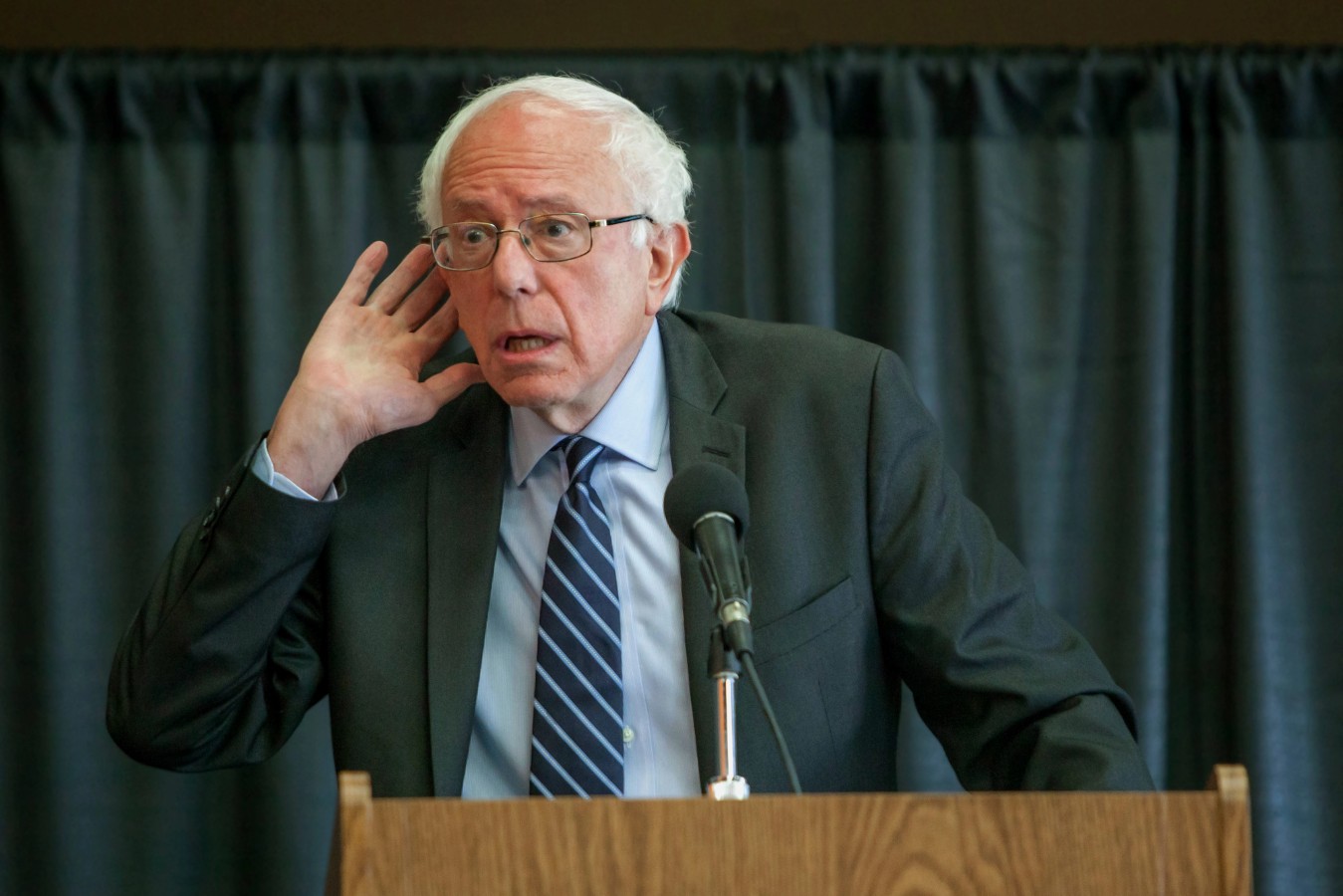
Sanders also discussed Medicare for All with Jon Stewart on The Weekly Show. Their conversation was notable because Stewart supported the broader idea of removing health insurance from employment but pressed Sanders to explain how the proposal would work in practice.
Stewart argued that separating health coverage from a person’s job could give workers more freedom to change employment without worrying about losing insurance. He described that change as a potential benefit for individual choice and economic independence.
But Stewart also challenged Sanders to make a clearer case for the plan’s costs. He warned that Medicare for All could become a “meaningless slogan” unless supporters explain how it would lower healthcare expenses for individuals and the country.
Stewart raised the concern that a government-run system could lead to longer waits for medical appointments and treatment. He also pointed out that Americans already experience long waits to see some specialists, including gynecologists, under the current system.
Sanders agreed that no healthcare system is perfect, but argued that the current U.S. model is structured around the financial interests of insurance companies and drugmakers. He believes a national plan would put healthcare access ahead of corporate profits.
The exchange adds an important dimension to the debate. Stewart was not simply asking whether universal coverage sounds appealing. He wanted Sanders to explain why the proposed system would be more affordable and how it would address practical concerns about access and care.
Sanders says the U.S. healthcare system prioritizes profits over patients
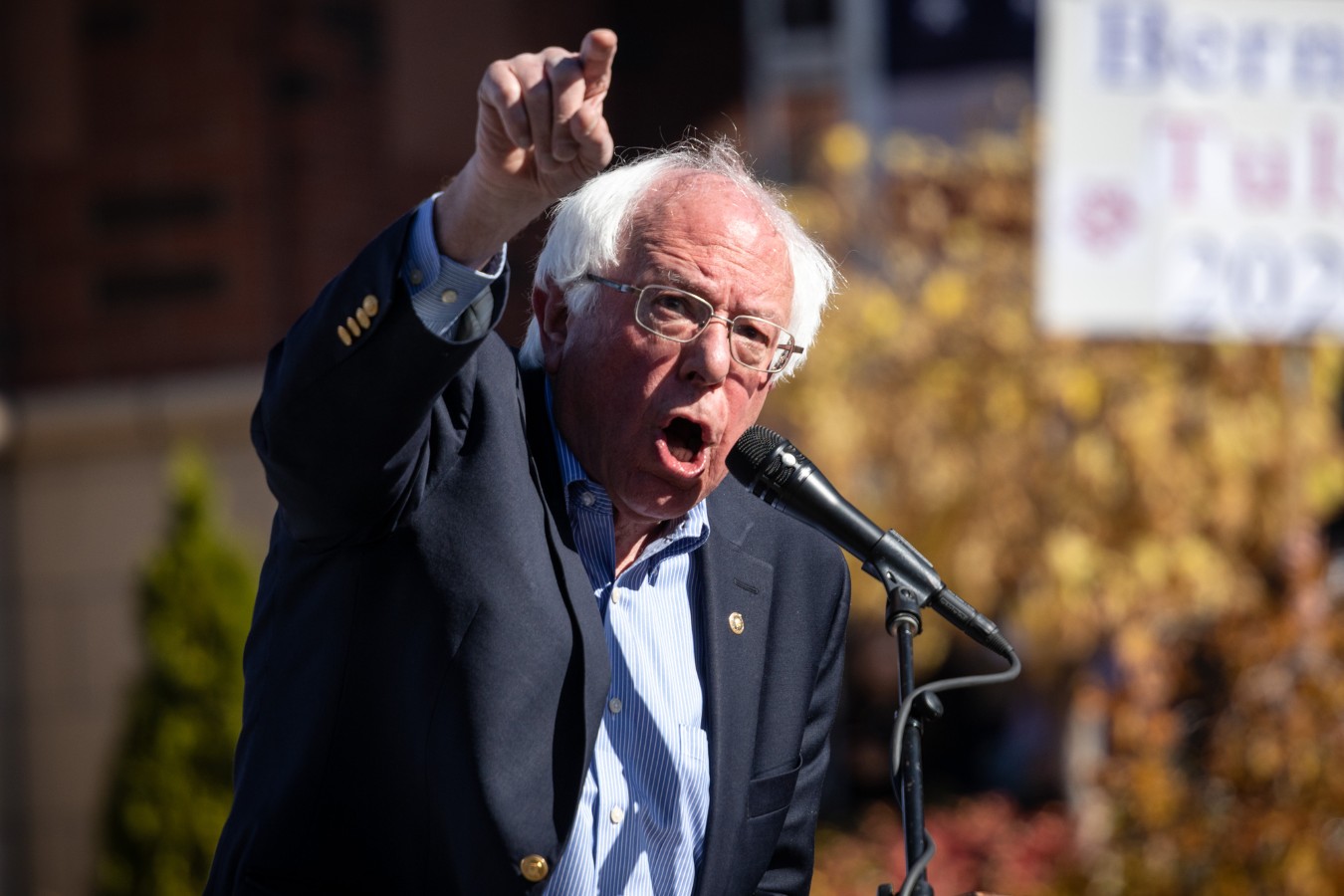
Sanders responded by acknowledging that no healthcare system is perfect, including those in Canada and Europe. He argued, however, that the American system has the wrong priorities.
He said:
“Here is the point. Not a complicated point. No health care system in the world, not in Canada or Europe, is perfect. That’s true. And technology makes it difficult. You got to keep up and all that stuff. But what most Americans believe, what I believe, what you believe, is A, the function of the rational health care system is not to make huge profits for the drug companies and the insurance companies, right?”
Stewart completed his thought:
“As designed.”
Sanders agreed and argued that the healthcare system should prioritize providing quality care to everyone rather than maximizing profits.
He also acknowledged an important challenge that sometimes gets lost in the political debate: the United States does not have enough doctors, dentists and nurses, particularly in underserved communities.
Sanders argued that expanding primary care could help address the problem. People who cannot access a doctor early may eventually require expensive emergency-room treatment or hospitalization.
He also highlighted the economic freedom that universal coverage could provide. Workers who remain in jobs primarily because they fear losing health insurance could have more flexibility to change employers, start businesses or pursue other opportunities.
Stewart agreed that the financial consequences of a serious illness can be devastating for families and questioned whether healthcare fits comfortably into a system driven by private profits.
The exchange made clear that Sanders’ argument is not limited to reducing insurance premiums. He believes changing the way healthcare is financed could also change how and where medical services are delivered.
Sanders argues the U.S. spends far more on healthcare
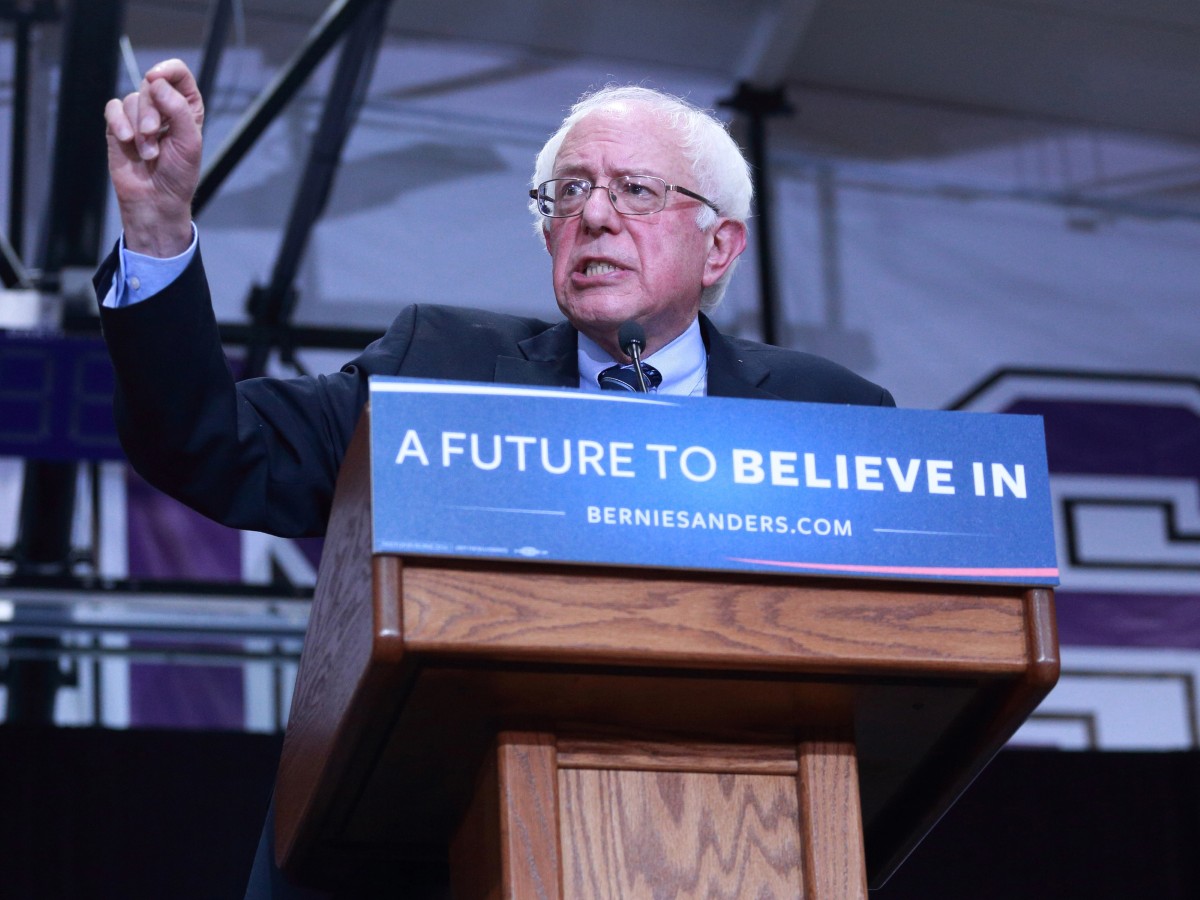
Sanders’ central financial argument is that the United States already spends an extraordinary amount on healthcare without guaranteeing coverage to everyone.
In a separate post on X, he compared U.S. healthcare spending per person with spending in countries that have universal healthcare systems. He listed the United States at $15,474 per person, compared with $5,790 in Japan, $6,797 in the United Kingdom, $7,301 in Canada, $7,367 in France, $7,469 in Australia and $7,750 in Belgium.
There is an important measurement distinction, however. The $15,474 figure comes from U.S. national health expenditure data, while international comparisons generally use purchasing-power-adjusted figures to account for differences in prices between countries. The two figures should not be treated as a perfectly comparable set.
The OECD’s internationally comparable figures for 2024 put U.S. healthcare spending at about $14,885 per person, compared with $9,963 in Switzerland, $7,750 in Belgium, $7,469 in Australia, $7,367 in France, $7,301 in Canada and $5,790 in Japan. The OECD figure for the United Kingdom is about $6,747, rather than the $6,797 cited in Sanders’ post.
The comparison supports Sanders’ broader point that U.S. healthcare spending is exceptionally high. But it does not establish that Medicare for All would automatically reduce spending by a particular amount. The outcome would depend on provider payment rates, administrative savings, drug prices, utilization and how the government financed the system.
Polls show majority support, but opinions depend on the details

Sanders has repeatedly cited polling to argue that Medicare for All is no longer a fringe proposal. Recent KFF research provides evidence for that claim.
A September 2026 KFF Health Tracking Poll found that 66% of U.S. adults favored a national health plan, sometimes called Medicare for All, in which Americans would receive insurance through a single government plan. Support was higher among Democrats, at 84%, and independents, at 72%. Among Republicans, 66% opposed the proposal.
The poll also shows why the headline support figure needs context.
But the same survey revealed how quickly those numbers could change when respondents considered potential consequences.
Higher taxes: 64% opposed Medicare for All when told it could increase taxes.
Longer waiting times: 76% opposed it when told it could lead to delays in medical tests and treatments.
Changes to existing Medicare: 61% opposed it when told the proposal could threaten the current Medicare program.
Eliminating private insurance: 52% favored it, while 47% opposed it.
On the other hand, 76% supported the proposal when told it would guarantee health insurance as a right, and 75% supported it when told it would eliminate premiums and cost-sharing.
This is an important distinction for Sanders’ argument. Americans may like the idea of universal healthcare and eliminating insurance costs, but that does not mean they automatically support replacing their existing coverage or accepting higher taxes.
The findings suggest that Medicare for All has significant public appeal, particularly when presented as a way to guarantee coverage and reduce household costs. But voters’ views could change as they learn more about the tax implications, provider access and the transition away from existing insurance arrangements.
That makes the details of the legislation central to any political campaign. A broad promise of universal healthcare may attract support, but Democrats would still have to explain how the system would work and who would pay for it.
What Sanders’ Medicare for All bill would actually cover
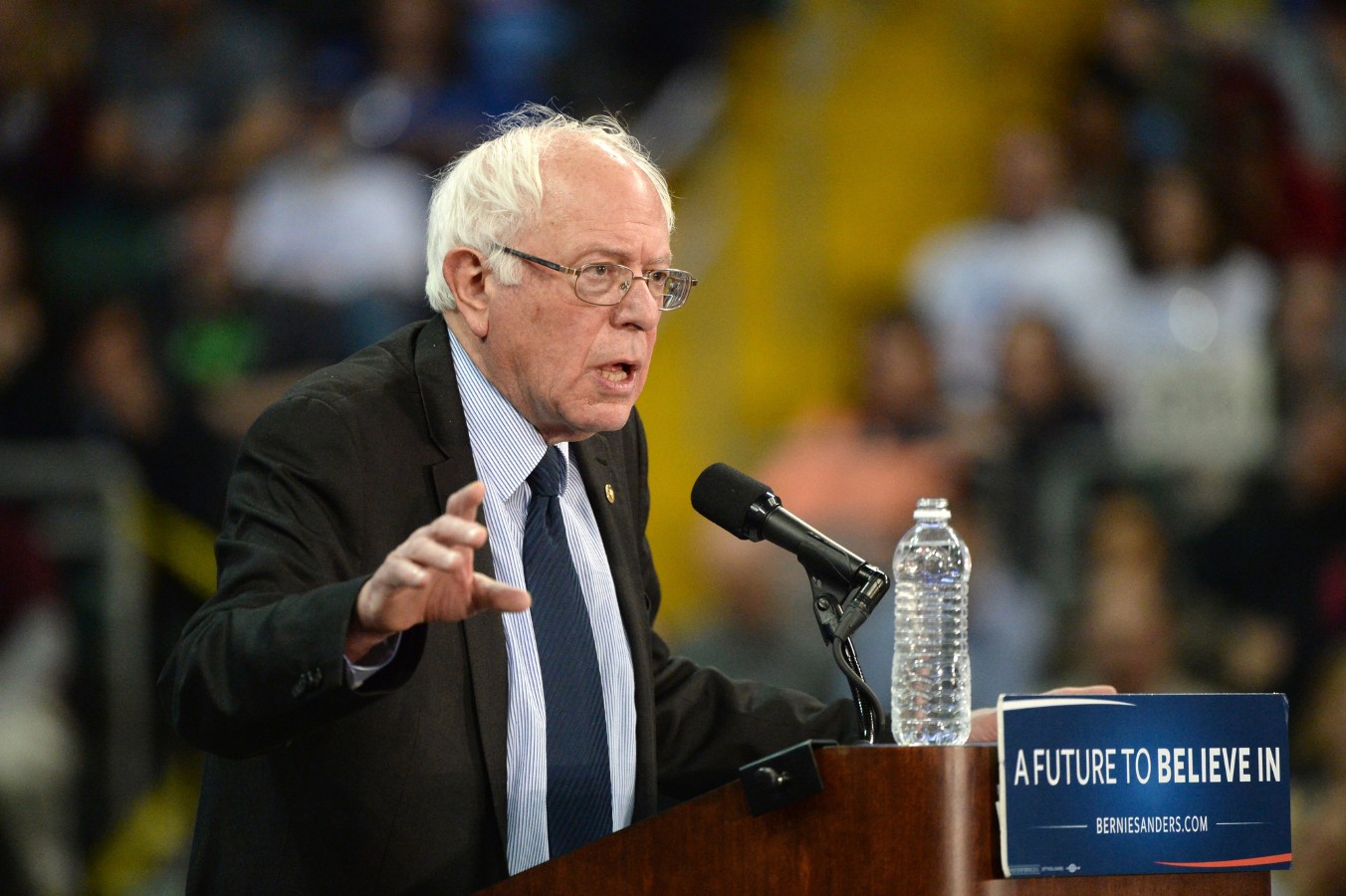
Sanders’ Medicare for All Act, S.1506, was introduced in the Senate in April 2025 and referred to the Senate Finance Committee. It proposes a national health insurance program covering U.S. residents.
The bill includes hospital services, primary and preventive care, prescription drugs, mental health and substance-use treatment, laboratory services, reproductive and maternity care, dental and vision services, hearing care, rehabilitation, emergency services and long-term care services.
It would eliminate deductibles, copayments and coinsurance for covered services. Patients would also have the freedom to choose qualified healthcare providers participating in the program.
The proposal would substantially change the role of private health insurance. Once the national program is fully implemented, private insurers generally could not sell coverage that duplicates the benefits provided by Medicare for All. They could still offer supplemental coverage for services outside the program.
The bill also lays out a transition period rather than switching the entire country to the new system overnight. Sanders has described the plan as a four-year transition, with coverage beginning in stages.
These provisions are important because Medicare for All is not simply an expansion of the existing Medicare program to a younger age group. It would create a much broader federal insurance system and shift responsibility for financing much of the country’s healthcare from employers, private insurers and households to the federal government.
The financing question remains one of the biggest obstacles

The most difficult question for supporters is how to pay for a program that would assume responsibility for healthcare costs now spread across private insurance, employers, individuals and existing government programs.
The Medicare for All bill establishes a Medicare for All Trust Fund, but the overall financing debate remains substantial. Moving healthcare spending onto the federal budget would sharply increase federal outlays, even if some costs currently paid privately were replaced by taxes or other public revenue.
The Committee for a Responsible Federal Budget estimated in a 2020 analysis that a comprehensive Medicare for All system could require an additional $25 trillion to $35 trillion in federal financing over 10 years, depending on the design and assumptions. That is an older estimate, not a direct score of the 2025 Sanders bill, but it illustrates the scale of the financing challenge.
The Trump administration’s Council of Economic Advisers published a separate analysis in October 2026. It estimated $49.4 trillion in single-payer healthcare costs over 2027–2036 and projected that, without additional taxes and revenue, the plan would increase federal deficits by about $47.4 trillion over that period. The report also estimated that administrative and Medicaid savings would offset only part of the additional costs.
That figure is an administration estimate, not an independent consensus forecast. Its assumptions and methodology should be considered when evaluating the result. Still, it underscores the central issue: even if Medicare for All reduced some private-sector costs, the federal government would need a credible way to finance the program.
For households, the key question would be whether new taxes would be lower or higher than the insurance premiums, deductibles and other expenses they currently pay. The answer would vary depending on income, existing coverage and the final financing structure. It would be misleading to promise that every American would pay less without a detailed financing plan.
Critics warn about taxes, access and disruption to existing coverage

Opponents of Medicare for All argue that replacing private insurance with a national government plan could require substantial tax increases and disrupt coverage that many Americans currently receive through employers.
The potential effects on doctors, hospitals and other healthcare providers are also part of the debate. A national system would need to set payment rates and ensure that providers participate. If reimbursement rates were significantly lower than what some providers currently receive from private insurers, some could face financial pressure or reconsider whether to accept the program.
Access is another concern. Guaranteeing insurance coverage does not automatically guarantee that there will be enough doctors, nurses, hospital beds and appointment availability to meet increased demand. If the number of people seeking care rises faster than provider capacity, wait times could become a problem.
The Congressional Budget Office (CBO) examined the design challenges of single-payer healthcare systems in a 2019 report. It warned that if the number of healthcare providers could not meet increased demand, patients might face longer waiting times and reduced access to care.
The agency also noted that patients would lose the ability to choose among competing insurers and benefit packages under a traditional single-payer structure. A public plan might also be slower to respond to new treatments and changing patient needs. Those decisions would influence how a national system operated and how it affected patients and providers.
Supporters counter that the current system already creates barriers through high deductibles, insurance networks, coverage denials and costs that can prevent people from seeking care. They argue that a universal plan could reduce administrative complexity and give people more consistent access to treatment.
The debate is therefore not simply whether Medicare for All would cost more or less. It is also about how the country would distribute healthcare costs, what services would be covered, how providers would be paid and whether the system could maintain timely access to care.
Healthcare could become a major Democratic issue heading into 2028

The political case for Sanders’ challenge is strengthened by the role healthcare costs played in the 2026 midterms. KFF’s post-election analysis found that about six in ten voters were very concerned about healthcare costs. Half of voters said Democrats were better able to handle healthcare, compared with three in ten who chose Republicans.
The issue was particularly important in key Senate battlegrounds. Across seven states, about two-thirds of voters who were very concerned about healthcare costs voted for the Democratic Senate candidate, compared with about three in ten who voted Republican. In Michigan and Maine, where Democratic candidates Abdul El-Sayed and Troy Jackson campaigned on Medicare for All, healthcare was a prominent part of the campaign.
Those results do not prove that Medicare for All itself drove Democratic victories. Voters were also responding to broader affordability concerns, including the cost of living, gas and groceries. And Democrats do not yet have a unified position on whether a single-payer system should be the party’s central healthcare proposal.
But the election results give Democrats a reason to keep healthcare affordability high on the agenda as they look toward 2028. KFF’s analysis found that healthcare was the second most frequently selected issue in a survey that allowed voters to name up to three important issues, behind the economy and jobs.
Sanders wants Democrats to go further than criticizing Republicans over healthcare costs. He is urging the party to offer a national plan and make the political case for it. His challenge to Trump is designed to put that debate in public view, while the conversations with Hayes and Stewart show that supporters will also have to answer questions about costs, taxes and access.
Whether Medicare for All becomes the Democratic Party’s defining healthcare proposal before 2028 remains uncertain. But with public concern about affordability, rising polling support for a national health plan and a new Democratic congressional majority, Sanders is betting that healthcare will be one of the issues the party cannot afford to ignore.
Like Financial Freedom Countdown content? Be sure to follow us!

Did you find this article helpful? We’d love to hear your thoughts! Leave a comment with the box on the left-hand side of the screen and share your thoughts.
Also, do you want to stay up-to-date on our latest content?
1. Follow us by clicking the [+ Follow] button above,
2. Give the article a Thumbs Up on the top-left side of the screen.
3. And lastly, if you think this information would benefit your friends and family, don’t hesitate to share it with them!

John Dealbreuin came from a third world country to the US with only $1,000 not knowing anyone; guided by an immigrant dream. In 12 years, he achieved his retirement number.
He started Financial Freedom Countdown to help everyone think differently about their financial challenges and live their best lives. John resides in the San Francisco Bay Area enjoying nature trails and weight training.
Here are his recommended tools
Personal Capital: This is a free tool John uses to track his net worth on a regular basis and as a retirement planner. It also alerts him wrt hidden fees and has a budget tracker included.
Platforms like Yieldstreet provide investment options in art, legal, real estate, structured notes, venture capital, etc. They also have fixed-income portfolios spread across multiple asset classes with a single investment with low minimums of $10,000.