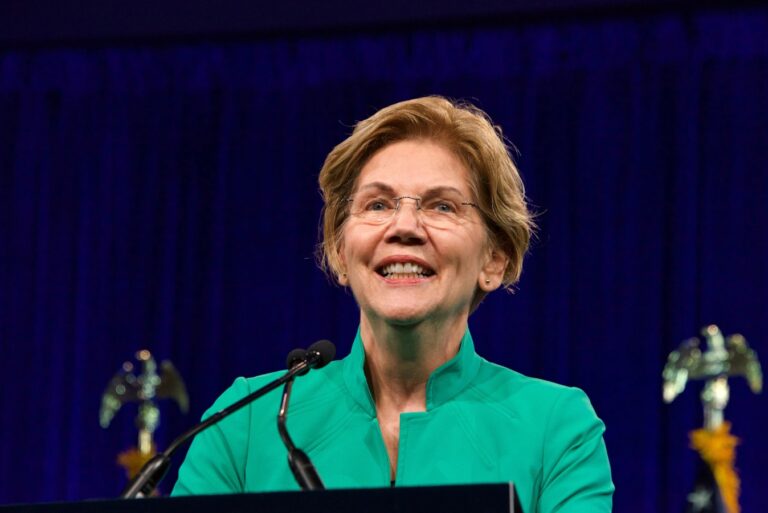
Bernie Sanders renews push for wealth tax as Chamath raises fears of an everyone tax hitting the middle class
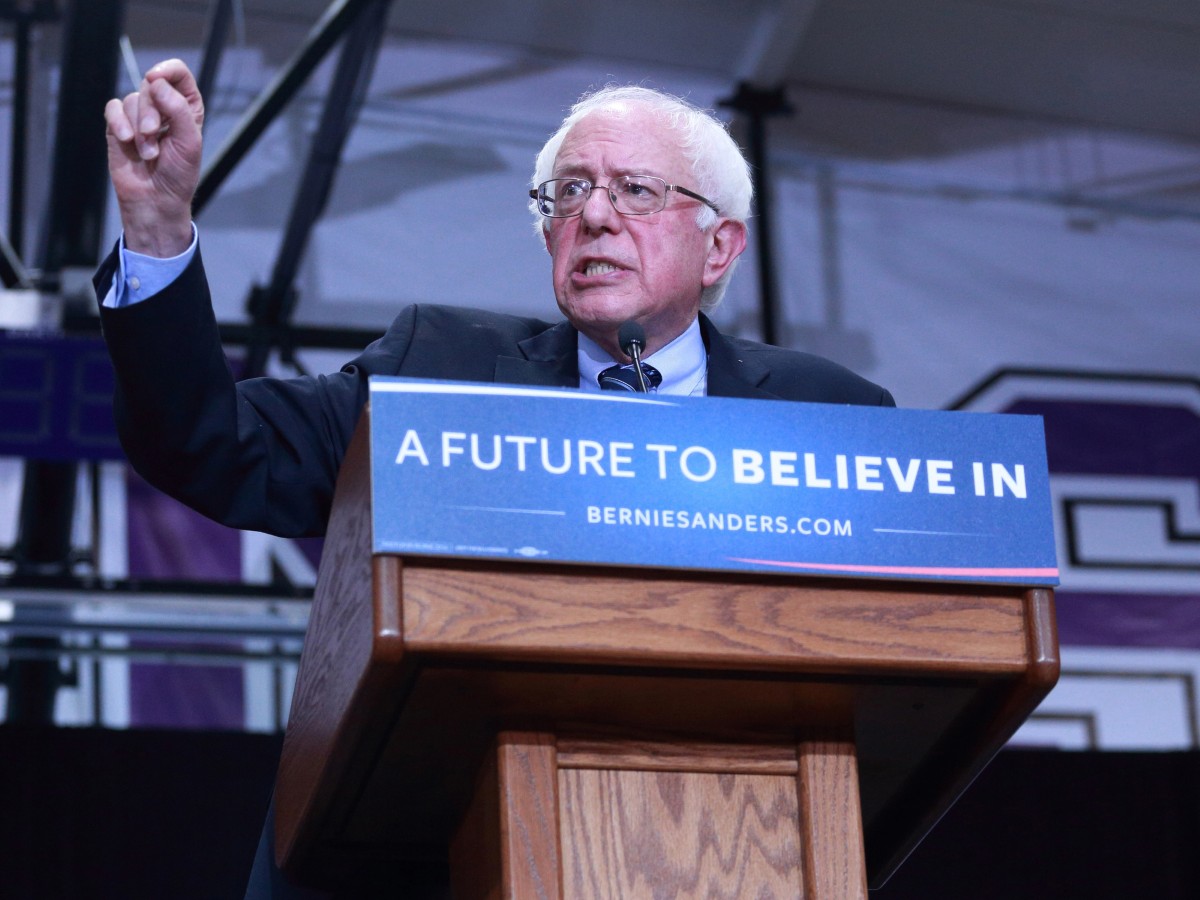
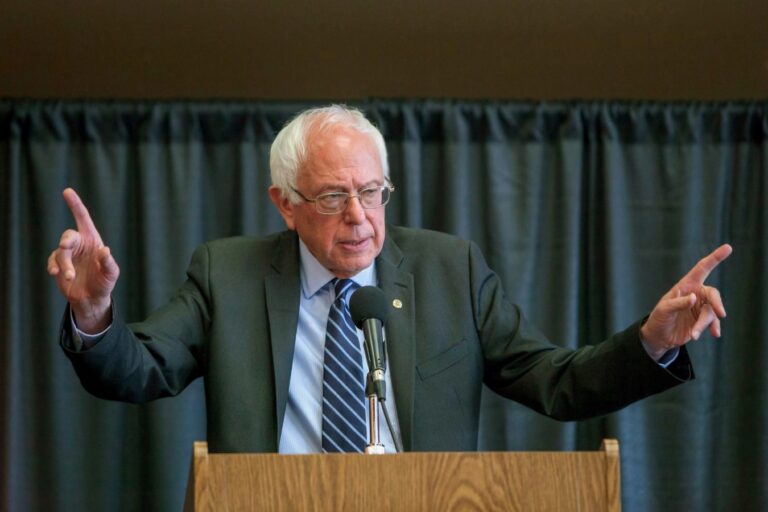
The national conversation surrounding wealth inequality and tax reform surged back into the political spotlight following a statement from Senator Bernie Sanders (I-Vt.). Reaffirming his core economic platform, Sanders declared in a tweet on September 24th: “There is no justice when three billionaires are able to own more wealth than the bottom half of the entire country.”
Labelling California’s Billionaire Wealth Tax as the fight between Healthcare vs. Greed, Sanders posted on X “On November 3rd, at a time of unprecedented income and wealth inequality, the people of California will decide whether to pass a 5% wealth tax on more than 200 billionaires in California who are worth $2.2 trillion. This initiative, known as Proposition 40, would raise enough revenue to prevent 3 million working-class Californians from losing the healthcare they currently have as a result of Trump’s so-called Big Beautiful Bill. Last year, these billionaires became $500 billion richer. As a result of a rigged tax code, they pay a lower effective tax rate than a plumber or a nurse. The greed of these billionaires is really extraordinary. Instead of paying their fair share of taxes, billionaires are now spending $229 million — 0.01% of their wealth — to oppose a 5% tax on their wealth.
The effort against this initiative is being led by the 4th wealthiest man in the world, Sergey Brin, the co-founder of Google, who is spending over $100 million to defeat it. If the California billionaire wealth tax is passed, Mr. Brin would owe $13.5 billion more in taxes. But don’t feel sorry for him. He would still have $256.5 billion left over to feed his family. (And don’t let him fool you into thinking he left the state. Mr. Brin owns at least four mansions in California worth some $103.5 million. Tax experts have made it clear that he would owe this tax.)
It is also being opposed by Mark Zuckerberg, Larry Page, Larry Ellison, Eric Schmidt and Peter Thiel. These 5 Big Tech billionaires are worth over $646 billion combined. Dangerously, many oligarchs today believe that they have the divine right to rule and that they are masters of the universe. They live lives completely separate from ordinary people and are obsessed with becoming even richer and more powerful than they already are.
The result: They would rather let people in California suffer or die because they can’t afford to go to a doctor than pay their fair share of taxes. Let’s be clear: These billionaires have more money than they could spend in over 100 lifetimes. How many mansions do they need? How many yachts do they need? How many private jets do they need? So today I say to the billionaire class: Control your greed. Show a bit of compassion to working families and their kids in California. Instead of spending $229 million on TV ads against this wealth tax, I have a better idea: Start paying your fair share of taxes.
In 1933, Supreme Court Justice Louis Brandeis said: “We can have democracy in this country, or we can have great wealth concentrated in the hands of a few, but we cannot have both.” What Justice Brandeis said was accurate 93 years ago. It is even more accurate today. Our job now is to tell the Oligarchs in California that we will no longer tolerate their insatiable greed. We will choose healthcare for working families and their children over obscene wealth for the richest people in the world. Let us stand together in solidarity. They have the money. We have the people. Let’s win this struggle.”
Sanders’ statement coincides with a renewed effort to advance his federal “Make Billionaires Pay Their Fair Share Act.” The proposal would institute a 5% annual tax on net worth exceeding $1 billion, targeting an estimated 938 billionaires nationwide to generate approximately $4.4 trillion over a decade. Sanders maintains that these revenues are vital to support healthcare, public education, and safety-net programs, arguing at rallies that the ultra-wealthy act like “oligarchs of the 18th century” who operate under “the divine right to rule.”
Ro Khanna champions proposal as critics warn of a broader expansion
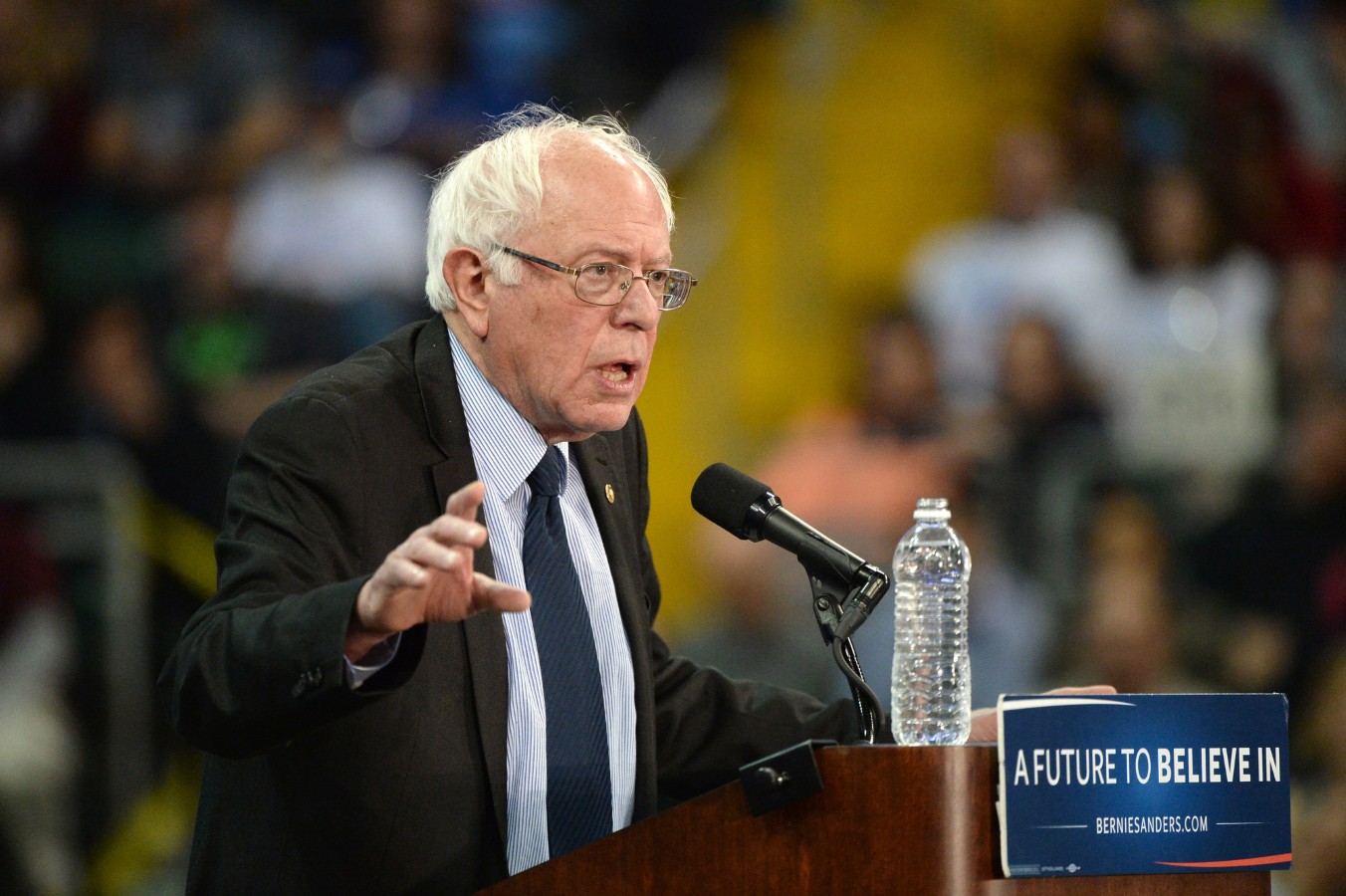
Partnering with Sanders in this progressive legislative effort is Representative Ro Khanna (D-Calif.), whose support for wealth taxation extends to both state and federal levels. Khanna, who co-sponsored federal wealth tax legislation and actively defends state-level initiatives like California’s Proposition 40, has used his platform to advocate for systemic tax changes.
However, Khanna’s advocacy from inside California’s 17th congressional district—the heart of Silicon Valley; has drawn intense scrutiny. While Khanna frames wealth taxes as essential for funding basic social infrastructure, political opponents and economic analysts point to his Substack commentary and public statements as evidence that the policy framework could eventually expand beyond the top fraction of a percent.
In a Substack essay titled Why I Support a Billionaire Wealth Tax, Khanna wrote that “the tax should not stop at billionaires, it must reach centimillionaires,” endorsing an annual federal wealth tax beginning at $50 million in net worth. Khanna highlighted a bill he introduced with Senator Bernie Sanders at the federal level titled Make Billionaires Pay Their Fair Share Act.
The comments represent a notable expansion from the “billionaire tax” label that has dominated the tax debate. While Khanna’s proposal concerns a separate federal measure rather than California’s ballot initiative, critics argue it reinforces concerns that wealth taxes could gradually broaden to cover more taxpayers over time.
Chamath Palihapitiya warns billionaire tax will convert into an everyone tax
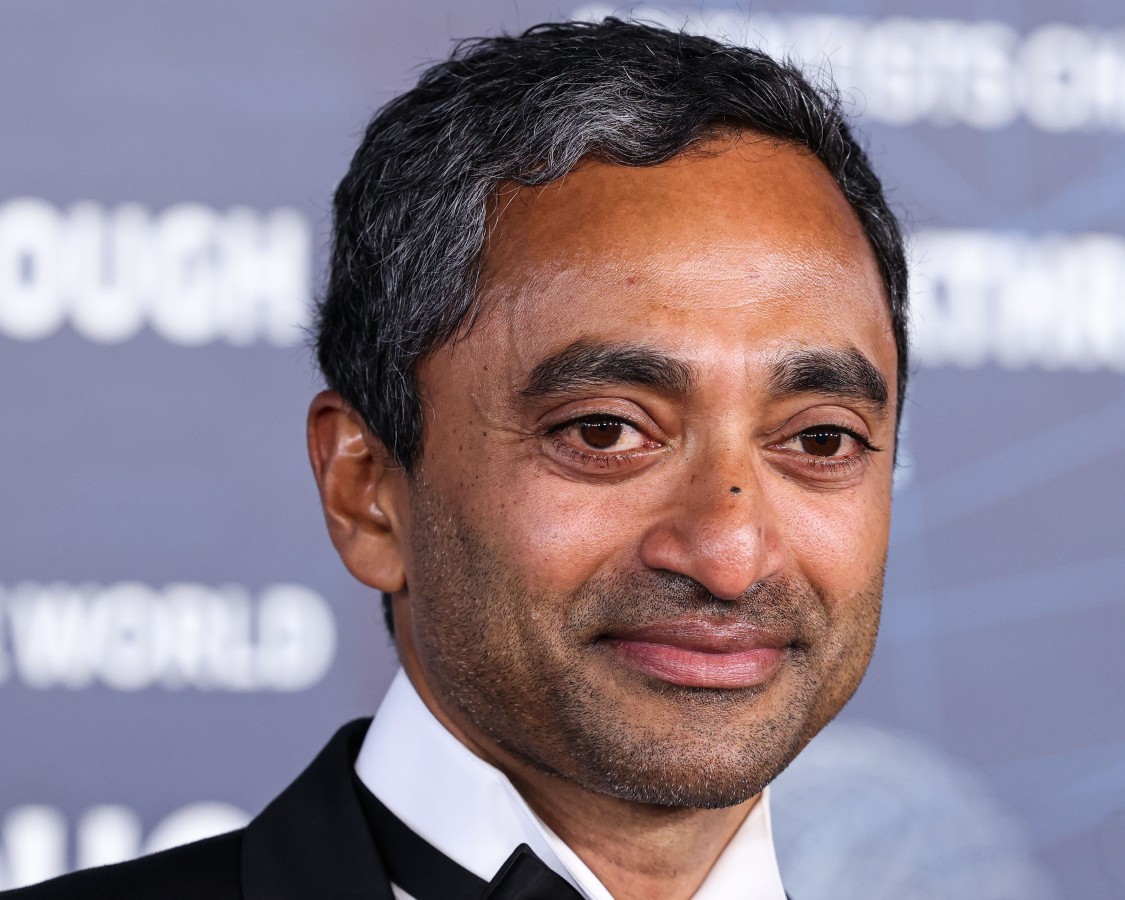
Venture capitalist Chamath Palihapitiya emerged as a sharp critic of Khanna and Sanders, taking to social media to warn that the proposed policy is fundamentally misleading. Palihapitiya labeled Khanna “the most un-entrepreneurial, creative or innovative person possible” among Silicon Valley’s elected leadership, accusing him of prioritizing political ambition over local economic stability.
Palihapitiya cautioned that taxing unrealized wealth will not stay confined to billionaires for long, describing the proposal as an “Everyone Tax” that will ultimately hit middle-class families through lost revenue and broader tax adjustments. Pointing to initial capital migration out of California, Palihapitiya warned: “It’s already led to half of California’s Billionaire wealth to flee the state which will leave the middle class to pay for the lost revenues.”
California voters stand deeply divided ahead of high-stakes Proposition 40 vote

The ideological clash over wealth taxation is reaching a decisive turning point in California, where voters are set to decide on Proposition 40; also known as the Billionaire Tax Act; this November. A recent report indicates that the electorate remains deeply polarized over the proposed 5% assessment.
Proponents frame the initiative as an indispensable mechanism to force the state’s richest residents to fund vital public programs. Conversely, business groups, economists, and moderate political leaders contend that the tax will inflict lasting harm on California’s fiscal health by driving away top income earners.
Backers claim that Proposition 40 specifically targets California residents holding a total net worth above $1 billion; a threshold affecting roughly 200 individuals state-wide. Unlike conventional personal income taxes that assess annual earnings, the measure imposes a one-time 5% levy on accumulated global wealth.
The policy applies to a broad range of asset classes, including private startup equity, stocks, bonds, intellectual property, artwork, and luxury collectibles, while explicitly exempting primary residences and standard retirement accounts. Sponsored by the labor union Service Employees International Union–United Healthcare Workers West (SEIU-UHW), the resulting revenue is earmarked primarily for state healthcare programs, Medi-Cal expansion, public education, and food assistance initiatives.
Mark Cuban and tech CEOs warn against taxing non-liquid paper valuations

The practical mechanics of levying taxes on unrealized paper wealth have generated pushback across the business community. Entrepreneur Mark Cuban has been among the most prominent figures criticizing the design of asset-based taxation.
Cuban highlighted that many startup founders hold high valuations on paper while lacking the liquid cash required to fulfill a multi-million-dollar tax assessment. Describing these founders as “cash poor, stock rich,” Cuban emphasized that entrepreneurs would be forced to sell company equity or take on substantial debt simply to satisfy their tax liabilities. Warning that such policy mechanics will stifle venture capital investment, Cuban stated: “I will make NOT being in California a pre requisite for an investment.”
In response to the ballot measure, high-net-worth investors and business leaders organized a $40 million campaign to defeat Proposition 40. Venture capitalist Peter Thiel contributed $3 million to the California Business Roundtable, anchoring opposition efforts. Concurrently, a tech industry political action committee named Building a Better California raised $35 million and reserved nearly $87 million in statewide media advertising.
The prospect of asset assessments has led major executive leaders to publicly consider leaving the state. Coinbase Global Inc. CEO Brian Armstrong discussed moving company operations and his personal residence during an interview on “The Katie Miller Podcast,” stating: “So we’re considering any or all options basically in terms of relocation.” Armstrong criticized the underlying principle of taxing unrealized assets, calling it “deeply un-American to seize people’s assets.”
Beyond individual business owners, professional economists warn that a state-level wealth tax could decrease net public revenue over time. Former White House economic adviser Tomas Philipson, former acting chairman of the Council of Economic Advisers, detailed these fiscal risks on Fox Business’ “The Bottom Line.”
Philipson argued that if wealthy taxpayers change their legal residence, the loss of personal income tax and capital gains tax revenues will far exceed any incoming revenue from the wealth tax itself. Philipson noted: “I mean, they’re going to lose so much more tax revenue on other taxes that’s going to swamp the gain, and that loss is going to swamp the gain that they collect in the new wealth tax, essentially.” He added that innovative companies generate broad societal value, observing: “Consumers gain about 15x relative to the earnings of these companies.”
Democratic political establishment fractures as Gavin Newsom opposes tax
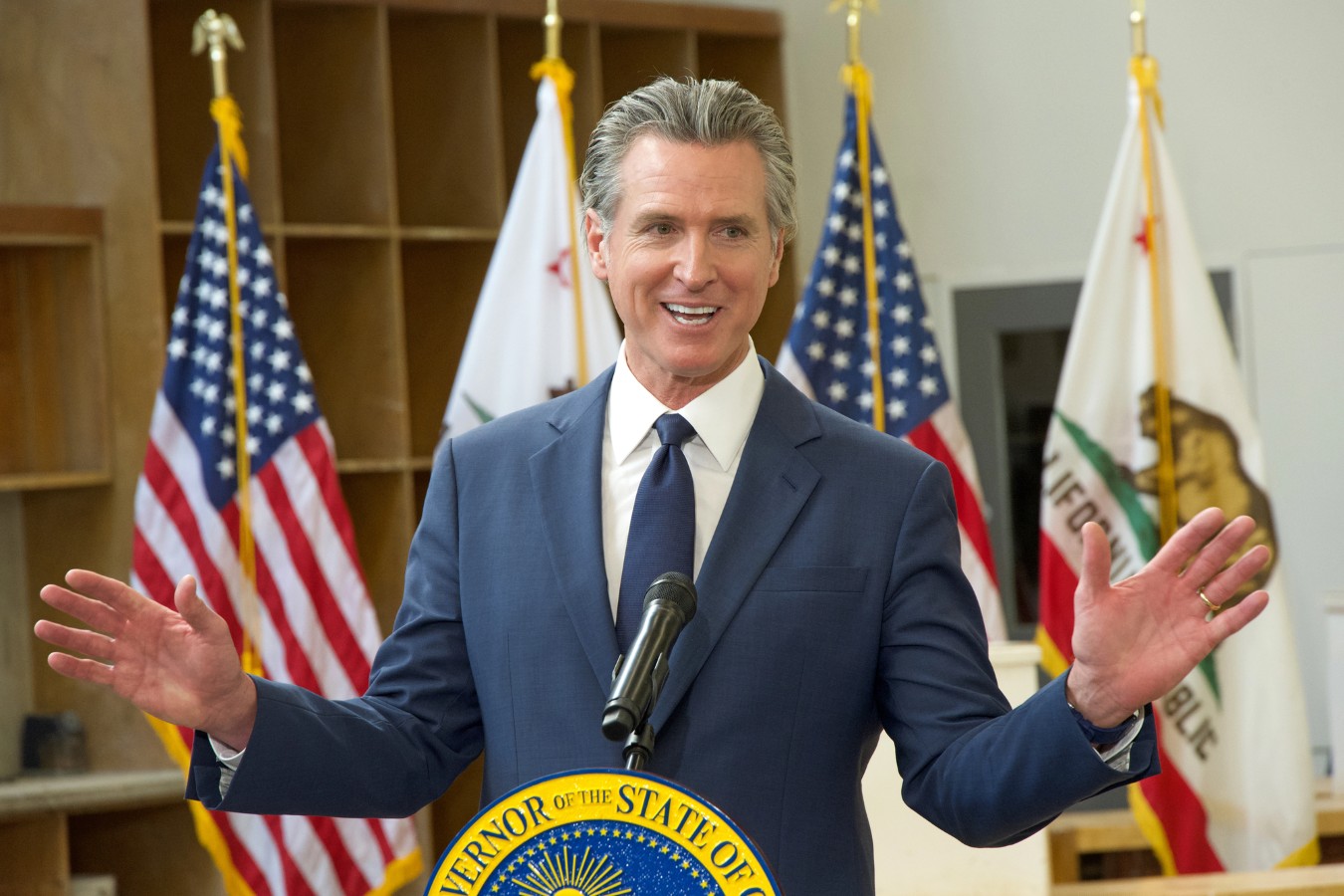
Proposition 40 has created a significant fracture within California’s Democratic Party, placing progressive advocates and labor unions in opposition to moderate party leaders.
Governor Gavin Newsom has consistently opposed state-specific wealth levies, warning that unilateral state taxes spark capital flight among the high earners who support the state’s budget. Newsom stated that the wealth tax proposal “makes no sense” and would be “really damaging to the state.” When sponsoring union SEIU-UHW offered to withdraw Proposition 40 in exchange for a smaller 2% legislatively passed wealth tax, Newsom rejected the offer. Former Health and Human Services Secretary Xavier Becerra, along with traditional party allies such as the California Teachers Association and Planned Parenthood Affiliates of California, have also expressed opposition over fiscal volatility concerns.
San Francisco Democrats break ranks while state party narrowly backs measure
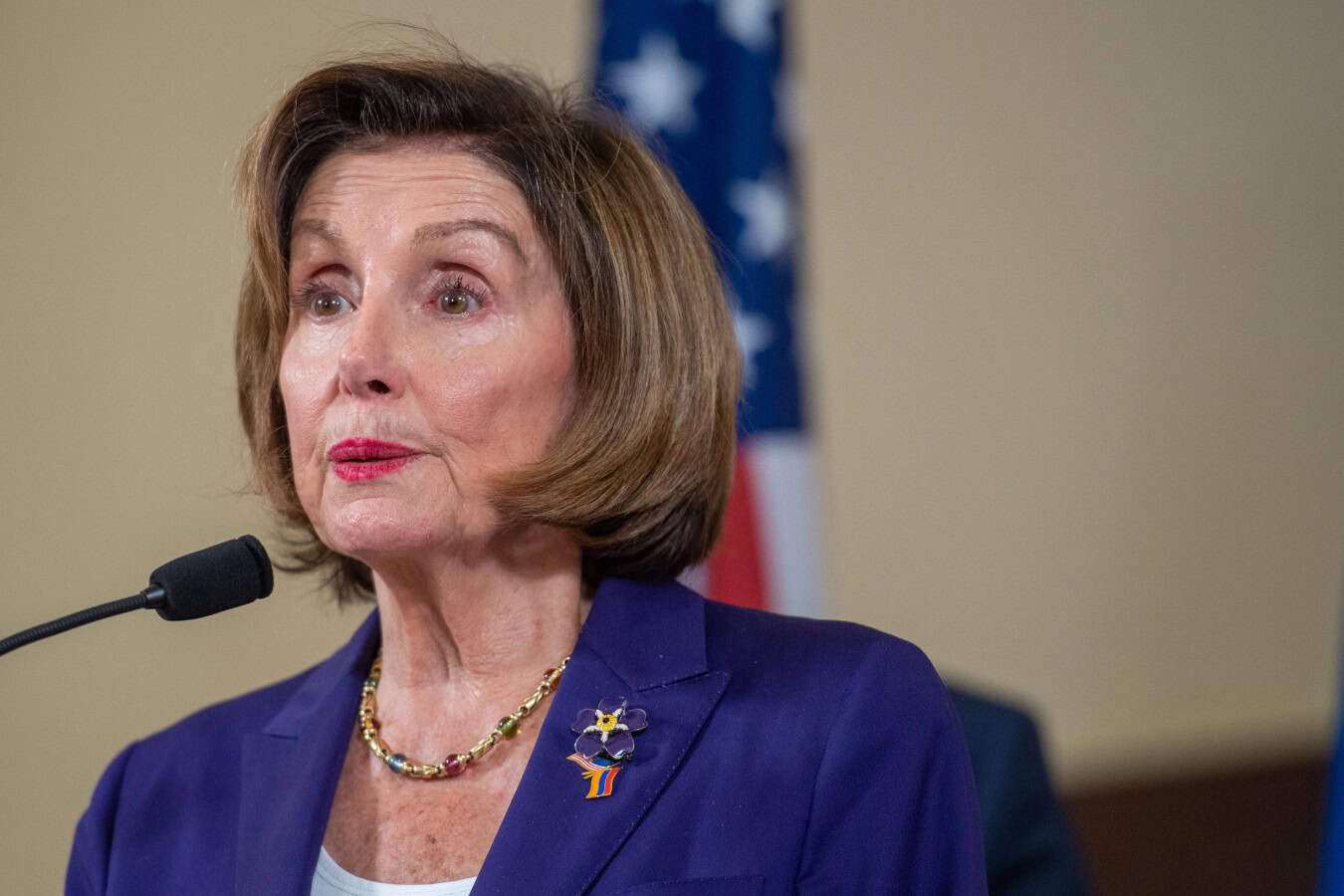
The internal dispute escalated in San Francisco, former House Speaker Nancy Pelosi’s political home base. In a notable policy departure, the San Francisco Democratic Party voted 17-4 to oppose Proposition 40, explicitly breaking ranks with the statewide organization.
To execute the vote, the San Francisco committee amended its internal rules to permit divergence from California Democratic Party endorsements. While centrist members pushed for federal tax policy reform over local levies, progressive members argued against defending wealthy donors. Despite regional opposition, the California Democratic Party officially endorsed Proposition 40 at its executive board meeting in San Diego, clearing the required 60% threshold with 61.7% of the vote following an initial failed ballot.
Nonpartisan LAO report highlights persistent long-term budgetary risks

A formal assessment by California’s nonpartisan Legislative Analyst’s Office (LAO) outlines the fiscal uncertainties associated with the initiative. The LAO reported that while Proposition 40 could generate a short-term revenue increase of tens of billions of dollars, it creates ongoing long-term risks for California’s tax base.
Because state revenues rely heavily on top earners, the departure of even a small percentage of California’s 200 billionaires could cause recurring annual deficits in personal income tax collections. Initial mobility trends reflect these concerns, with reports showing that at least six billionaires have already relocated out of state, removing an estimated $26.8 billion from the projected $100 billion tax base prior to the November vote.
Wealth tax battle shapes 2028 presidential debate and Democratic identity
Far beyond a localized California ballot measure, the fight over Proposition 40 is rapidly shaping up as an early ideological battleground for the 2028 presidential election. Rather than serving as a standard partisan contest between Republicans and Democrats, the wealth tax debate highlights a deeper battle for the identity of the national Democratic Party.
Moderate establishment figures like Gavin Newsom, widely viewed as a leading 2028 contender, are using their opposition to state-level wealth taxes to position themselves for a national audience. By resisting asset levies, Newsom aims to broaden his appeal to independents, moderate Republicans, and suburban voters who fear radical tax policy. This pragmatism sets up a direct contrast with potential progressive primary rivals like Ro Khanna and Bernie Sanders, turning wealth taxation into a primary litmus test for how Democrats plan to approach economic growth, capital retention, and fiscal policy on the national stage.
Like Financial Freedom Countdown content? Be sure to follow us!

Did you find this article helpful? We’d love to hear your thoughts! Leave a comment with the box on the left-hand side of the screen and share your thoughts.
Also, do you want to stay up-to-date on our latest content?
1. Follow us by clicking the [+ Follow] button above,
2. Give the article a Thumbs Up on the top-left side of the screen.
3. And lastly, if you think this information would benefit your friends and family, don’t hesitate to share it with them!

John Dealbreuin came from a third world country to the US with only $1,000 not knowing anyone; guided by an immigrant dream. In 12 years, he achieved his retirement number.
He started Financial Freedom Countdown to help everyone think differently about their financial challenges and live their best lives. John resides in the San Francisco Bay Area enjoying nature trails and weight training.
Here are his recommended tools
Personal Capital: This is a free tool John uses to track his net worth on a regular basis and as a retirement planner. It also alerts him wrt hidden fees and has a budget tracker included.
Platforms like Yieldstreet provide investment options in art, legal, real estate, structured notes, venture capital, etc. They also have fixed-income portfolios spread across multiple asset classes with a single investment with low minimums of $10,000.