Democrats move to block Trump student loan forgiveness changes that could disrupt PSLF for millions

Democrats in Congress are pushing to overturn new changes to student loan forgiveness introduced under Donald Trump, arguing the policy could strip relief from borrowers who were promised it. Lawmakers say the rule risks injecting politics into a program designed to reward public service and could leave some workers without a clear path to loan cancellation.
The Public Service Loan Forgiveness (PSLF) program allows qualifying borrowers to have their remaining federal student loan balances erased after making 120 monthly payments. It has long applied to workers in government, public schools, nonprofit organizations, and emergency services, offering a major incentive for careers in public service.
A new rule introduces a major shift

The Trump administration’s new policy would allow the Education Secretary to remove certain employers from PSLF eligibility if they are deemed to have a “substantial illegal purpose.” That determination could reshape who qualifies for forgiveness, even if borrowers themselves meet all other requirements.
Critics say the phrase “substantial illegal purpose” is vague and open to interpretation. The rule has been described as potentially targeting organizations that support undocumented immigrants or provide gender-affirming care to youth, raising fears that eligibility decisions could vary depending on political priorities.
Lawmakers say the rule could punish borrowers
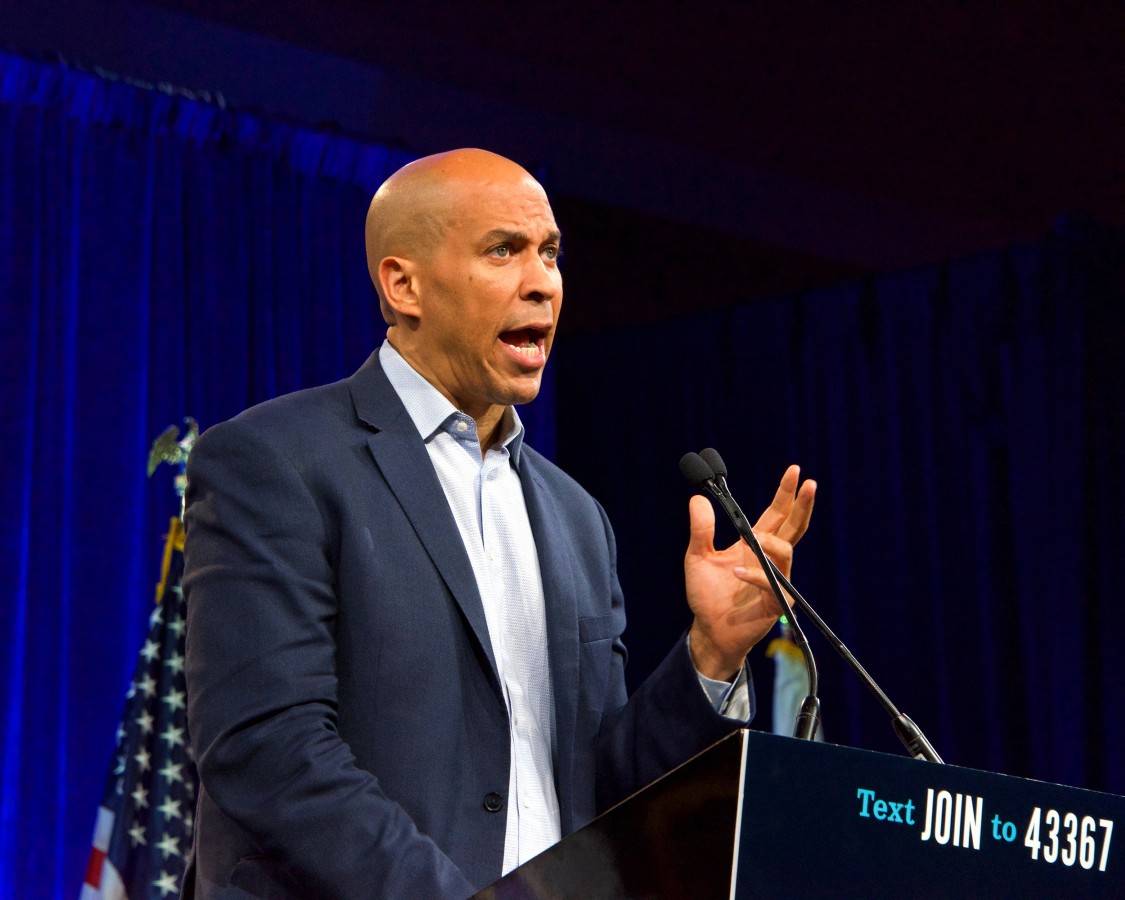
Democratic Sens. Tim Kaine, Kirsten Gillibrand, and Cory Booker introduced a resolution to block the rule, with a companion effort in the House led by Scott Peters, Joe Courtney, and Alma Adams.
They argue the policy could penalize workers who chose public service careers based on existing rules, only to see their employer later disqualified.
“Public Service Loan Forgiveness represents a promise we made to Americans who dedicate their careers to serving others,” Booker said in a release. “Efforts to weaponize that promise for political purposes or to exclude eligible public servants undermines both the integrity of the program and our commitment to public service.”
The administration defends the changes

Education officials have pushed back on criticism, saying the rule is intended to prevent taxpayer dollars from supporting illegal activities. Nicholas Kent, a senior Education Department official, said the reform would be applied neutrally.
“This is a commonsense reform that will stop taxpayer dollars from subsidizing organizations involved in terrorism, child trafficking and child mutilation procedures that are doing irreversible harm to children,” Kent said in a statement.
What changes for borrowers right now

For now, monthly student loan payments remain unchanged. Borrowers will still pay based on their repayment plan, whether standard or income-driven. The core structure of PSLF; including the requirement to make 120 qualifying payments; also remains intact.
The biggest shift is not how much borrowers pay, but whether those payments will count toward forgiveness. If an employer is later deemed ineligible, future payments may no longer qualify, potentially extending the repayment timeline by years.
Importantly, payments already made under a previously eligible employer would still count toward the total.
Who could be most affected

To be eligible for PSLF; you need to meet these requirements:
Work full-time for an eligible nonprofit or U.S. federal, state, local or tribal government organization
Have Direct Loans (or consolidate other federal student loans into a Direct Loan)
Repay your loans under an income-driven repayment plan or a 10-year standard repayment plan
Make a total of 120 qualifying monthly payments
Your remaining student loans after completing these steps will be canceled as long as you work for a PSLF-eligible employer when making your final PSLF payment.
Borrowers working in nonprofit sectors, education, health care, legal aid, and community services could face the greatest uncertainty. The rule focuses on employer eligibility, meaning two borrowers with identical jobs could have different outcomes depending on where they work.
The PSLF program has discharged over $90.6 billion of student loan debt for more than 1.2 million borrowers as of early 2026.
Legal challenges and political hurdles
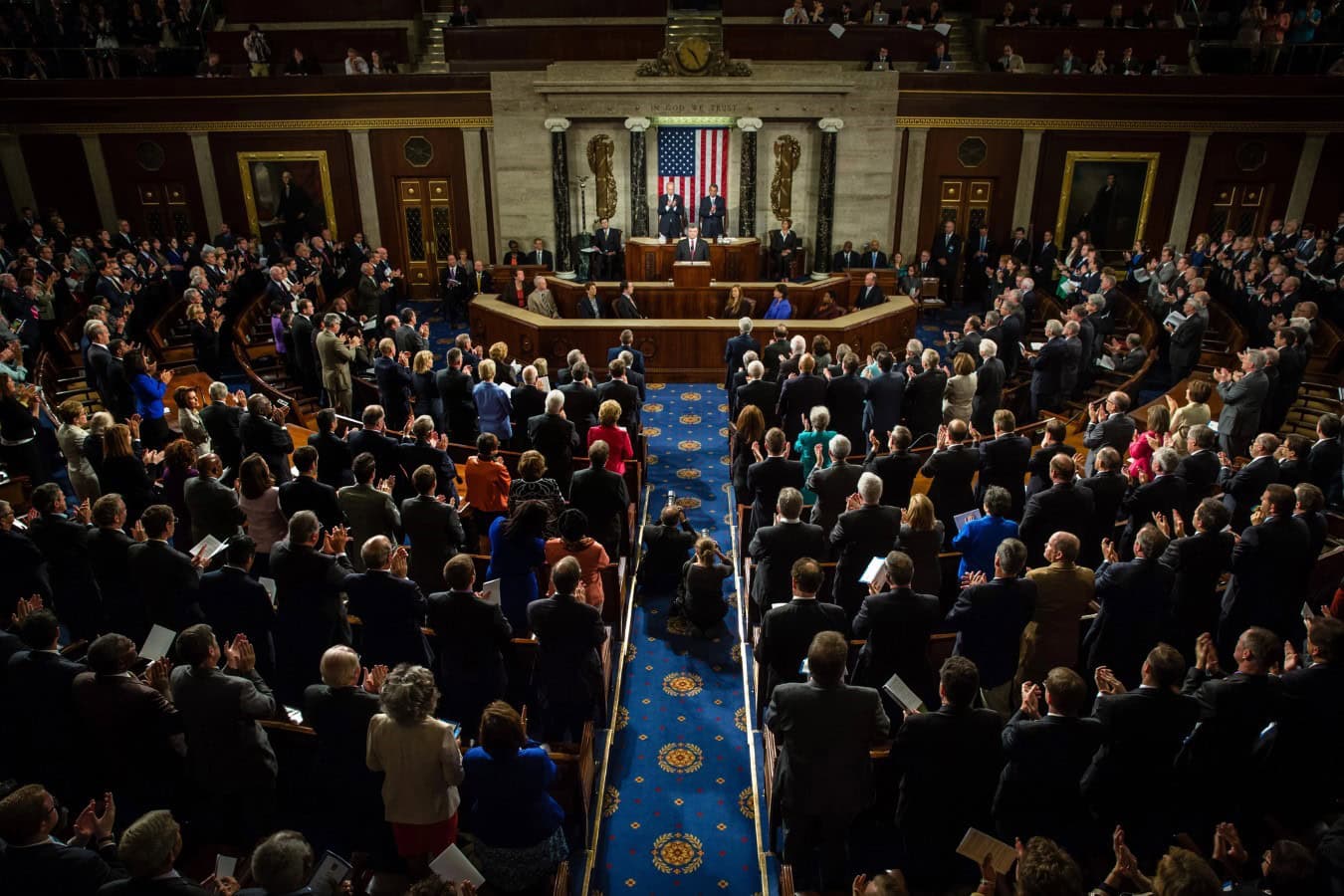
The effort to overturn the rule faces long odds in a divided Congress. At the same time, multiple lawsuits have been filed challenging the policy, with labor unions and advocacy groups arguing it exceeds legal authority.
Several organizations across multiple industries have come out against the policy change, and many have joined legal action to block it.
Among them is the California Faculty Association (CFA), which joined a lawsuit filed by the American Federation of Teachers against the Department of Education.
“To prevent access to the program is to weaponize it against the public service workforce—the teachers, health care workers, social workers, first responders and nonprofit workers—who have been critical of the Trump administration’s attacks on equal opportunity employment, immigrant rights and gender-affirming care,” CFA Treasurer Vang Vang said in a release last November.
American Bar Association President Michelle Behnke also opposed the decision.
“The proposed rule suffers from a number of statutory, constitutional, and other legal defects, and reflects an improper expansion of agency authority well beyond the bounds of the statute that created PSLF,” Behnke wrote in a September comment letter.
If Congress or the courts successfully stop the rule, PSLF would continue under its current framework. That would preserve stability for borrowers already working toward forgiveness and relying on existing eligibility guidelines.
How borrowers can prepare now

Experts advise borrowers to stay informed but avoid making drastic changes too quickly. Student loan advocates noted that it may be too early to alter career plans while legal challenges are ongoing.
Borrowers should regularly verify employer eligibility, keep detailed payment records, and monitor updates ahead of the rule’s expected July implementation.
The proposed changes to PSLF introduce uncertainty into one of the most important student loan relief programs in the U.S. While payments themselves are not changing, what those payments ultimately count toward could shift significantly. The outcome of congressional and legal challenges will determine whether millions of borrowers stay on track for forgiveness; or face a longer road to becoming debt-free.
Like Financial Freedom Countdown content? Be sure to follow us!
14 essential strategies to maximize your Social Security and avoid costly mistakes
Social Security is a vital lifeline for many seniors, providing crucial income support during retirement. With inflation at its highest in four decades, Social Security’s inflation-adjusted benefits offer protection against rising costs.
Rising interest rates have disrupted many retirement portfolios, causing bond fund values to plummet. In this volatile financial landscape, Social Security can stabilize a typical stock-bond retirement portfolio. By implementing smart strategies, retirees can maximize their Social Security benefits and ensure a more secure financial future.
14 Essential Strategies to Maximize Your Social Security and Avoid Costly Mistakes
11 reasons you should claim Social Security early

Deciding when to claim Social Security is often about maximizing your benefit. Financial planners usually advise delaying your claim for as long as possible to secure the highest monthly payment. Your benefit is based on your lifetime earnings, with a full payout available at your full retirement age (FRA), which is currently between 66 and 67 depending on your birth year. Claiming before FRA results in a permanent reduction in your monthly benefit, while waiting beyond FRA leads to a permanent increase. However, the decision isn’t solely about maximizing the monthly check. Personal factors such as health, family circumstances, and financial needs can play a significant role in determining the right time to claim.
11 Reasons You Should Claim Social Security Early
Did you find this article helpful? We’d love to hear your thoughts! Leave a comment with the box on the left-hand side of the screen and share your thoughts.
Also, do you want to stay up-to-date on our latest content?
1. Follow us by clicking the [+ Follow] button above,
2. Give the article a Thumbs Up on the top-left side of the screen.
3. And lastly, if you think this information would benefit your friends and family, don’t hesitate to share it with them!

John Dealbreuin came from a third world country to the US with only $1,000 not knowing anyone; guided by an immigrant dream. In 12 years, he achieved his retirement number.
He started Financial Freedom Countdown to help everyone think differently about their financial challenges and live their best lives. John resides in the San Francisco Bay Area enjoying nature trails and weight training.
Here are his recommended tools
Personal Capital: This is a free tool John uses to track his net worth on a regular basis and as a retirement planner. It also alerts him wrt hidden fees and has a budget tracker included.
Platforms like Yieldstreet provide investment options in art, legal, real estate, structured notes, venture capital, etc. They also have fixed-income portfolios spread across multiple asset classes with a single investment with low minimums of $10,000.