Biden’s student loan forgiveness hopes made borrowers 30% less likely to repay loans, NBER study finds
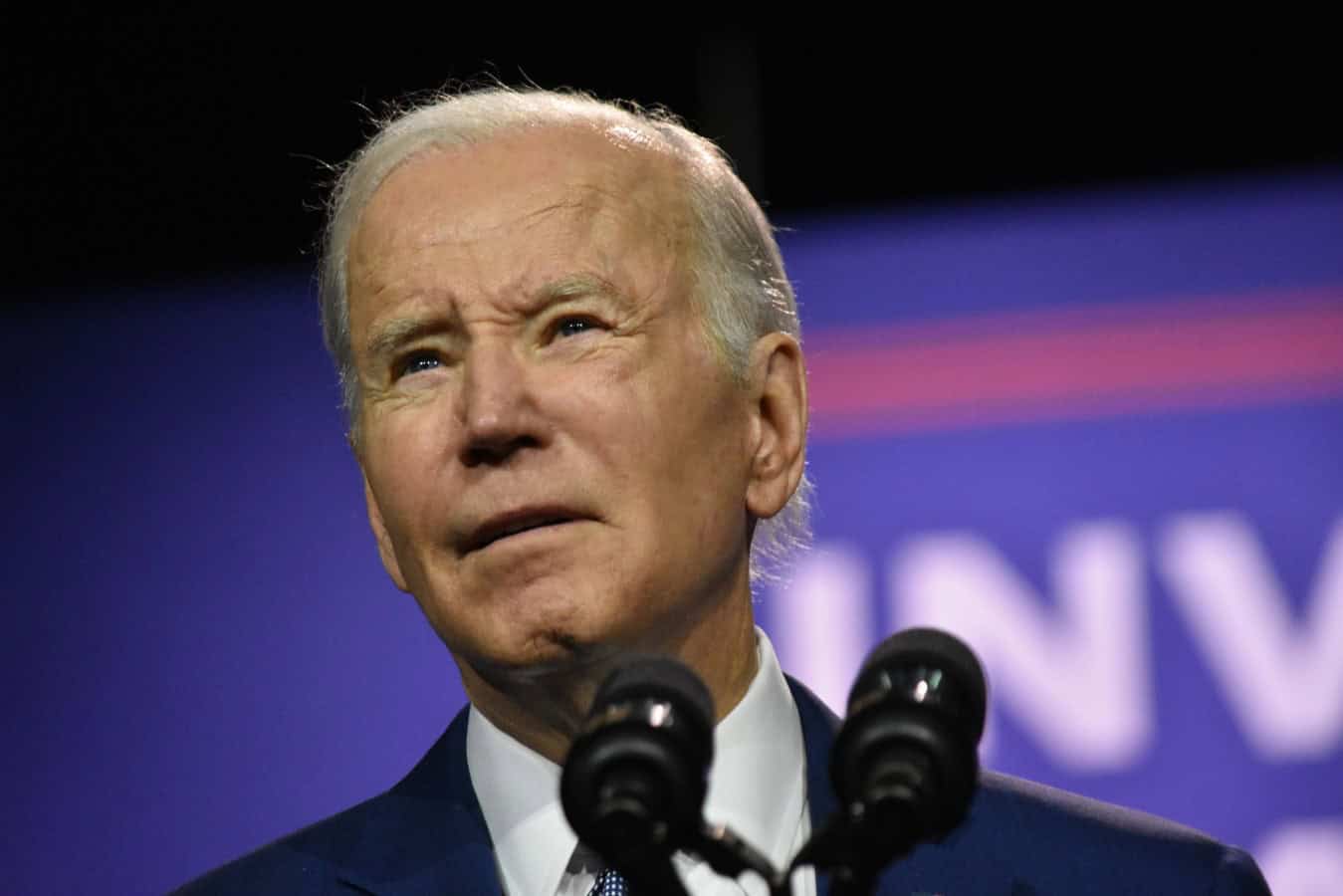
Years of shifting student loan policies and expectations may have left many borrowers in a worse financial position than if they had continued repaying their loans normally, according to new research from the National Bureau of Economic Research (NBER).
The working paper found that borrowers who expected President Joe Biden’s student loan forgiveness plan to succeed; or believed payment pauses would continue; reduced their monthly payments, increased spending, and ultimately became more likely to fall behind on their loans. For some borrowers, the total financial harm reached the equivalent of 43% of their original loan balance.
The findings suggest that policy uncertainty itself can influence consumer behavior, with long-lasting consequences even after repayment resumes.
Years of payment pauses changed borrower expectations

Federal student loan payments were first paused in March 2020 as part of the government’s pandemic response. The pause was extended eight times through 2023, often after being described as the final extension.
In August 2022, the Biden administration announced a broad student loan forgiveness plan that promised up to $20,000 in debt cancellation for qualifying borrowers. The proposal was challenged in court before being struck down by the U.S. Supreme Court in June 2023.
Researchers say many borrowers adjusted their finances long before the legal battle was resolved, assuming some form of debt relief would eventually arrive.
Researchers linked borrower expectations with real financial behavior
The NBER study combined survey responses measuring borrowers’ expectations about forgiveness with credit bureau records, employment data and spending patterns.
Rather than simply measuring how borrowers reacted after policies changed, the researchers examined how expectations about future relief altered repayment decisions while uncertainty remained.
The study concludes that those expectations had measurable effects on loan payments, consumer spending and later delinquency rates.
Borrowers who believed they were likely to receive student loan forgiveness significantly reduced their loan payments.
According to the study, borrowers expecting forgiveness reduced their student loan payments by roughly $40 per month on average while increasing spending on non-durable goods by approximately $100 per month.
Another analysis found that borrowers who expected some level of forgiveness were around 30% less likely to make their scheduled monthly loan payments and paid about $100 less toward their loans each month.
Researchers say many borrowers appeared to shift spending toward immediate consumption instead of continuing aggressive loan repayment.
Delinquencies increased after payments resumed

The financial consequences extended well beyond the end of the payment pause.
Borrowers who expected another extension of the payment pause were 7.5% more likely to be at least 90 days delinquent by May 2025 after repayments resumed.
The research suggests that years of delayed repayment made it more difficult for some borrowers to re-establish regular payment habits, contributing to rising default and delinquency rates.
One of the study’s most striking findings is that incorrect expectations about forgiveness could create financial losses worth more than 43% of a borrower’s original loan balance.
Researchers emphasize this does not mean loan balances increased by 43%.
Instead, the estimate combines several sources of financial harm, including:
– Additional interest accumulated while payments were reduced.
– Greater likelihood of missed payments and damaged credit.
– Consumer spending decisions made under the assumption that debt would eventually disappear.
The 43% figure represents a worst-case welfare loss for borrowers who relied most heavily on forgiveness that never materialized, rather than the average experience across all borrowers.
By comparison, researchers estimate that additional interest alone accounted for losses of up to roughly 7% of a borrower’s original balance.
Borrowers also delayed major financial decisions
The study found that borrower behavior changed beyond loan repayment.
While spending on everyday items increased, borrowers became less likely to make larger durable purchases such as homes, vehicles and appliances.
That proved costly during a period of elevated inflation. Between March 2020 and March 2025, the average U.S. home price increased from roughly $383,000 to $514,000, while new vehicle prices also climbed substantially.
Researchers suggest some borrowers postponed major purchases while waiting for clarity on their student loan obligations, only to face much higher prices later.
Biden administration’s relief efforts faced repeated legal setbacks
The Biden administration pursued the largest student loan relief effort in U.S. history, arguing that debt cancellation would help millions of Americans achieve greater financial stability.
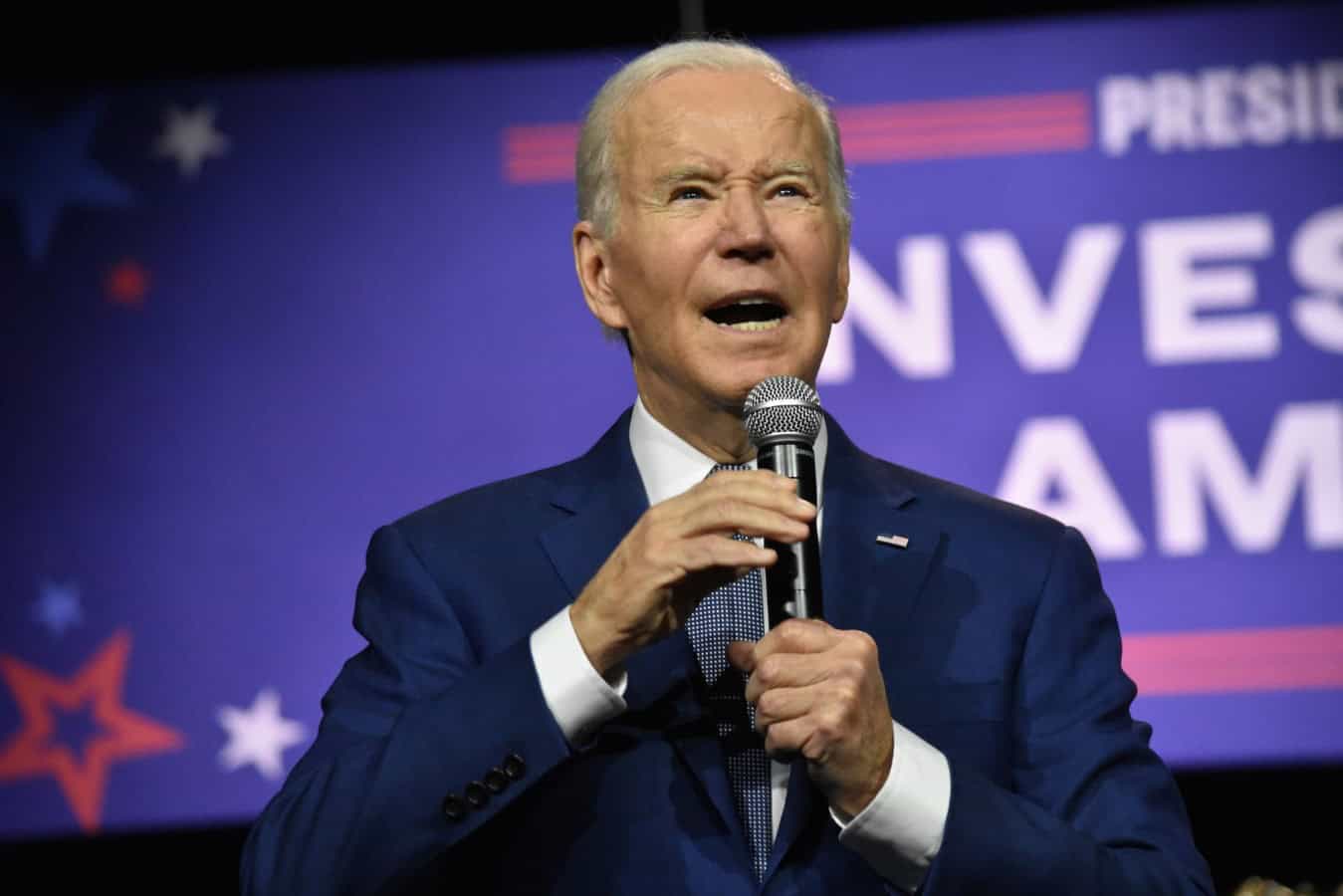
“It’s a game changer,” Biden said at a White House press conference announcing the plan in August 2022. “People can start climbing out from under [their] mountain[s] of debt, to get on top of their rent and their utilities, to finally think about buying a home or starting a family or starting a business.”
Although the Supreme Court blocked the administration’s signature forgiveness program in 2023, the administration still approved more than $180 billion in targeted student loan forgiveness through existing programs, the largest amount forgiven by any presidential administration.
Researchers say political uncertainty carries financial risks

The study argues that uncertainty surrounding government policy can itself create significant financial consequences.
“When policymakers announce policies that later face legal or political obstacles, households may adjust their spending, saving, borrowing, and repayment decisions in anticipation of benefits that may never arrive,” the study’s authors write.
One of the paper’s authors, University of Cambridge professor Constantine Yannelis, said borrowers often made financial decisions based on expectations that ultimately proved incorrect.
“I think the main takeaway that we have here is that these politicians’ promises can have real negative impacts for many borrowers,” he said. “Because people have beliefs that turned out to be false, they were making plans based on incorrect information. They weren’t optimally repaying their loans, and they weren’t optimally making financial plans,” he said. “And that actually has real welfare consequences.”
Confusion lingered after forgiveness was blocked
Borrowers’ expectations were shaped not only by political announcements but also by communications from the Department of Education.
By November 2022, approximately 16 million borrowers had already been approved for relief before the program was halted in court, and around nine million received approval notices from the Education Department while litigation was still ongoing.
That left many borrowers believing their debt would eventually disappear.
Some borrowers received notices indicating that portions of their student loans would be forgiven, only to later receive repayment bills or even find themselves in default. For many, the experience was one of confusion with some borrowers thinking their loans were forgiven.
The findings may help explain today’s delinquency surge. The research comes as millions of federal student loan borrowers continue struggling after repayments resumed.
Education Secretary Linda McMahon recently told lawmakers that roughly one in four federal student loan borrowers is delinquent or in default. Federal Reserve Bank of New York data also showed 3.6 million borrowers newly entered default, while defaulted federal student loan balances have climbed to approximately $179 billion.
Researchers say those figures reflect not only affordability challenges but also years of shifting policy signals that encouraged many borrowers to expect payments would remain optional or that forgiveness would eventually arrive.
The study concludes that clearer and more predictable student loan policies may reduce long-term financial harm by allowing borrowers to make repayment decisions based on stable expectations rather than uncertain political outcomes.
Like Financial Freedom Countdown content? Be sure to follow us!
14 essential strategies to maximize your Social Security and avoid costly mistakes
Social Security is a vital lifeline for many seniors, providing crucial income support during retirement. With inflation at its highest in four decades, Social Security’s inflation-adjusted benefits offer protection against rising costs.
Rising interest rates have disrupted many retirement portfolios, causing bond fund values to plummet. In this volatile financial landscape, Social Security can stabilize a typical stock-bond retirement portfolio. By implementing smart strategies, retirees can maximize their Social Security benefits and ensure a more secure financial future.
14 Essential Strategies to Maximize Your Social Security and Avoid Costly Mistakes
Did you find this article helpful? We’d love to hear your thoughts! Leave a comment with the box on the left-hand side of the screen and share your thoughts.
Also, do you want to stay up-to-date on our latest content?
1. Follow us by clicking the [+ Follow] button above,
2. Give the article a Thumbs Up on the top-left side of the screen.
3. And lastly, if you think this information would benefit your friends and family, don’t hesitate to share it with them!

John Dealbreuin came from a third world country to the US with only $1,000 not knowing anyone; guided by an immigrant dream. In 12 years, he achieved his retirement number.
He started Financial Freedom Countdown to help everyone think differently about their financial challenges and live their best lives. John resides in the San Francisco Bay Area enjoying nature trails and weight training.
Here are his recommended tools
Personal Capital: This is a free tool John uses to track his net worth on a regular basis and as a retirement planner. It also alerts him wrt hidden fees and has a budget tracker included.
Platforms like Yieldstreet provide investment options in art, legal, real estate, structured notes, venture capital, etc. They also have fixed-income portfolios spread across multiple asset classes with a single investment with low minimums of $10,000.