Trump imposes sweeping tariffs on 60 trade partners as new plan raises $950 billion but misses revenue target
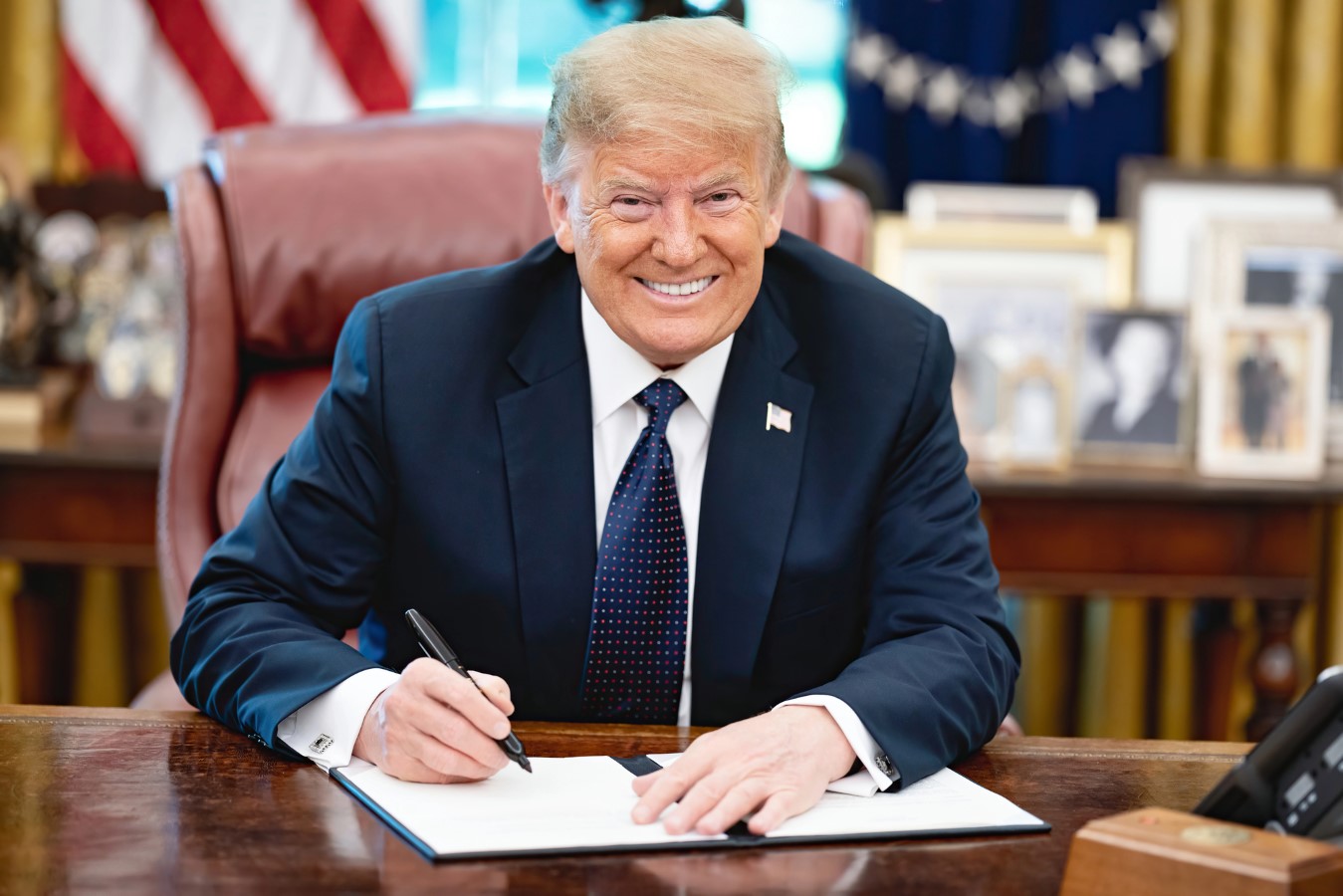
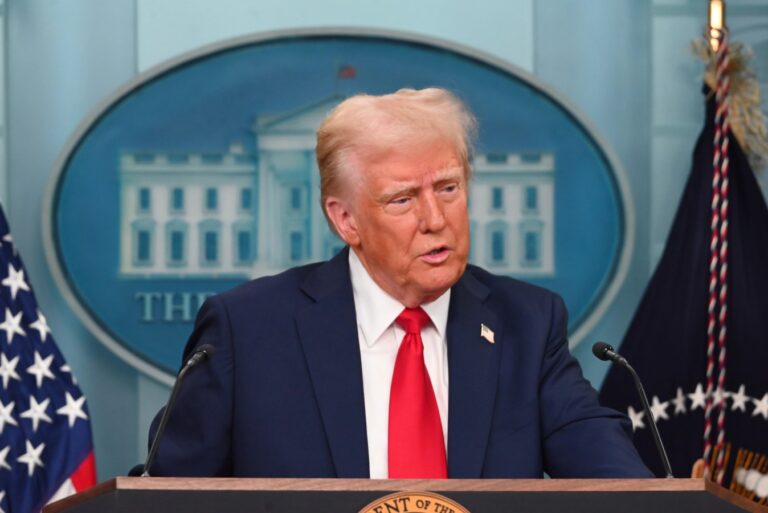
President Donald Trump has imposed a new round of tariffs on 60 trading partners, replacing the temporary global tariffs that expired at 12:01 a.m. ET on Friday with a new trade regime centered on allegations of forced labor in foreign supply chains.
The new duties, imposed under Section 301 of the Trade Act of 1974, range from 10% to 12.5% and cover 99.4% of U.S. trade, according to the Office of the U.S. Trade Representative (USTR). While the administration has described the move as its broadest labor rights action ever, it also includes hundreds of exemptions designed to limit disruption for businesses and consumers.
The latest tariffs mark another major step in President Trump’s effort to rebuild his protectionist trade agenda after the Supreme Court struck down his earlier global tariff framework earlier this year.
Trump replaces temporary global tariffs with permanent Section 301 duties
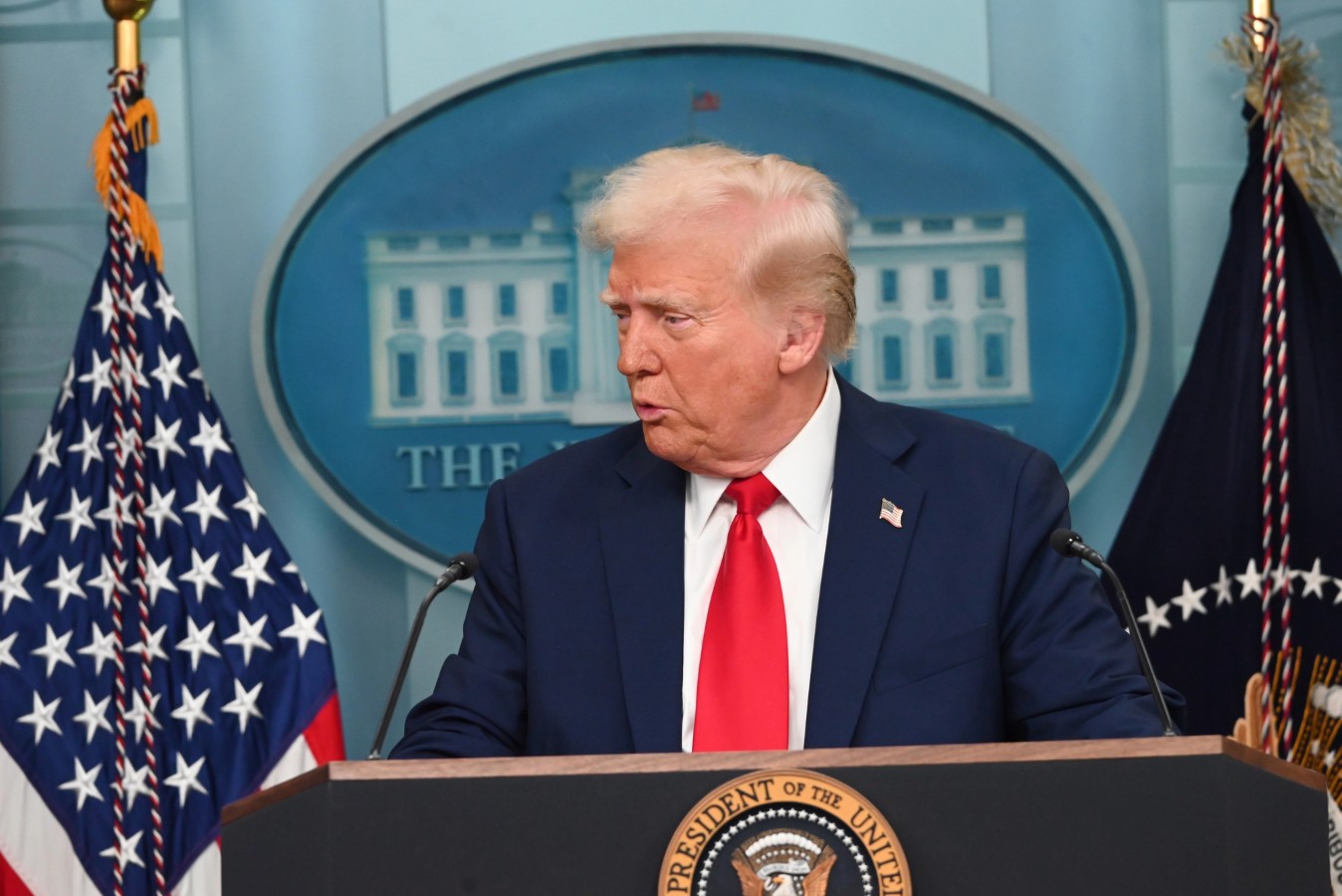
The new tariffs officially took effect at 12:01 a.m. ET Friday, immediately after the expiration of the administration’s temporary 10% worldwide tariff imposed under Section 122 of the Trade Act.
Unlike the temporary emergency measure, the latest duties are being enforced through Section 301 following a USTR investigation that concluded dozens of countries had failed to adequately eliminate forced labor from goods entering U.S. supply chains.
Tariff rates range between 10% and 12.5%, depending on the trading partner, with Canada, Mexico and the United Kingdom generally facing the lower end of the range while Japan, South Korea and the European Union face tariffs as high as 12.5%.
Administration calls move its largest labor rights action ever. The White House framed the tariffs primarily as a labor enforcement measure rather than simply a trade policy.
The move “is the most sweeping international labor rights action the United States has ever taken — that any country has ever taken,” a senior Trump administration official told reporters.
Officials also stressed that these tariffs would not “stack” on top of existing Section 232 tariffs on steel and aluminum that remain in place for national security reasons.
The tariffs follow Supreme Court setbacks earlier this year
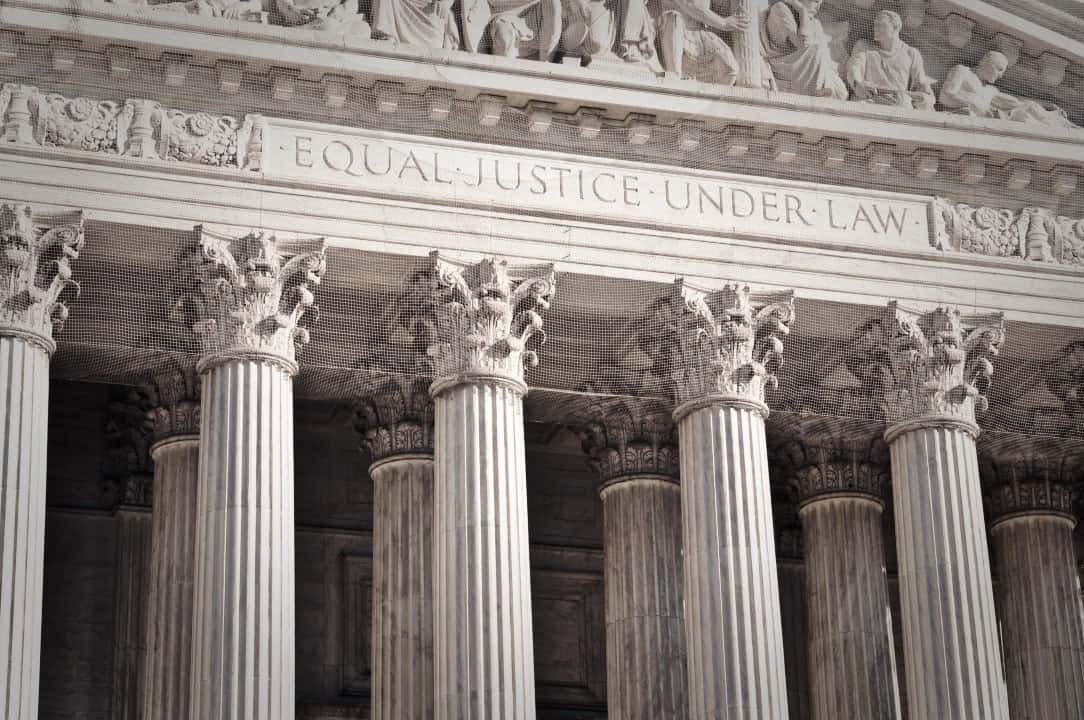
The latest action comes after the Trump administration suffered a significant legal defeat when the Supreme Court struck down the president’s broad “Liberation Day” tariffs that had been imposed under the International Emergency Economic Powers Act (IEEPA).
Hours after that ruling, President Trump announced a temporary worldwide 10% tariff using Section 122 authority. However, that law only permits tariffs for 150 days, causing the temporary duties to expire this week.
The administration has now shifted toward Section 301 investigations, which provide a longer-term legal basis for imposing tariffs tied to unfair trade practices.
Another Section 301 investigation examining excess manufacturing capacity across 16 economies remains ongoing and could produce additional tariffs in the coming months.
More than 470 products receive exemptions
Despite the broad scope of the tariffs, the administration significantly expanded the list of exempted products compared with previous rounds of duties.
According to the Federal Register, more than 470 additional products were excluded from the new tariffs.
The exemptions include coffee, cocoa beans, cork, planting seeds, semiconductor testing equipment, farming inputs, raw industrial materials, used clothing, artwork, antiques and a range of niche products that cannot easily be sourced domestically.
Imports from Canada and Mexico that comply with the USMCA trade agreement also remain exempt, preserving one of the administration’s earlier carve-outs.
The broader exemption list follows months of lobbying from businesses concerned about higher costs and supply chain disruption.
Administration officials disclosed that companies requested tariff exemptions for more than 10,000 products during the public review process.
Industry representatives said they submitted extensive comments requesting additional tariff exemptions and were encouraged that many of those requests were reflected in the final policy. They noted that the administration expanded the list of exempted technology products compared with the proposal released in early June, although not every requested item was included.
Trade policy analysts also observed that the administration has become more targeted in how it grants exemptions. They said officials have gradually refined the exemption process over successive rounds of tariffs, making the carve-outs more selective than in earlier proposals.
White House says tariffs support American manufacturing
Administration officials argue the new tariff structure is intended to encourage domestic production while reducing dependence on overseas supply chains.
“We commit to continuing to use tariffs and to negotiate deals to support the reindustrialization of our economy, protect American workers, and increase their wages and shrink our trade deficit,” U.S. Trade Representative Jamieson Greer said in Senate testimony Wednesday.
White House spokesman Kush Desai also defended the policy.
Trump’s tariff policies are “reversing decades of unfair trade, encouraging investment in U.S. production, strengthening critical supply chains, and giving American businesses a fair opportunity to compete.
“While some ‘experts’ continue to defend the failed status quo, the President is focused on delivering lasting economic security for American workers and their families who vehemently support him,” Desai said.
Some manufacturers argue exemptions undermine U.S. industry. Not every domestic industry welcomed the expanded exemption list.
The National Council of Textile Organizations criticized a special textile mechanism that allows countries including Bangladesh, Cambodia, Indonesia and Malaysia to export apparel into the United States at reduced tariff rates in exchange for purchasing American cotton.
“No other industry has been more disadvantaged by forced labor than the U.S. textile industry, which employs 453,000 workers and has lost 41 plants over the past two plus years,” said NCTO President and CEO Kim Glas.
“We remain strongly concerned that USTR’s textile mechanism will harm the very domestic manufacturers the administration seeks to help.”
The criticism illustrates the balancing act facing the administration as it attempts to protect domestic producers while limiting inflationary pressures.
Tariffs are expected to expand further
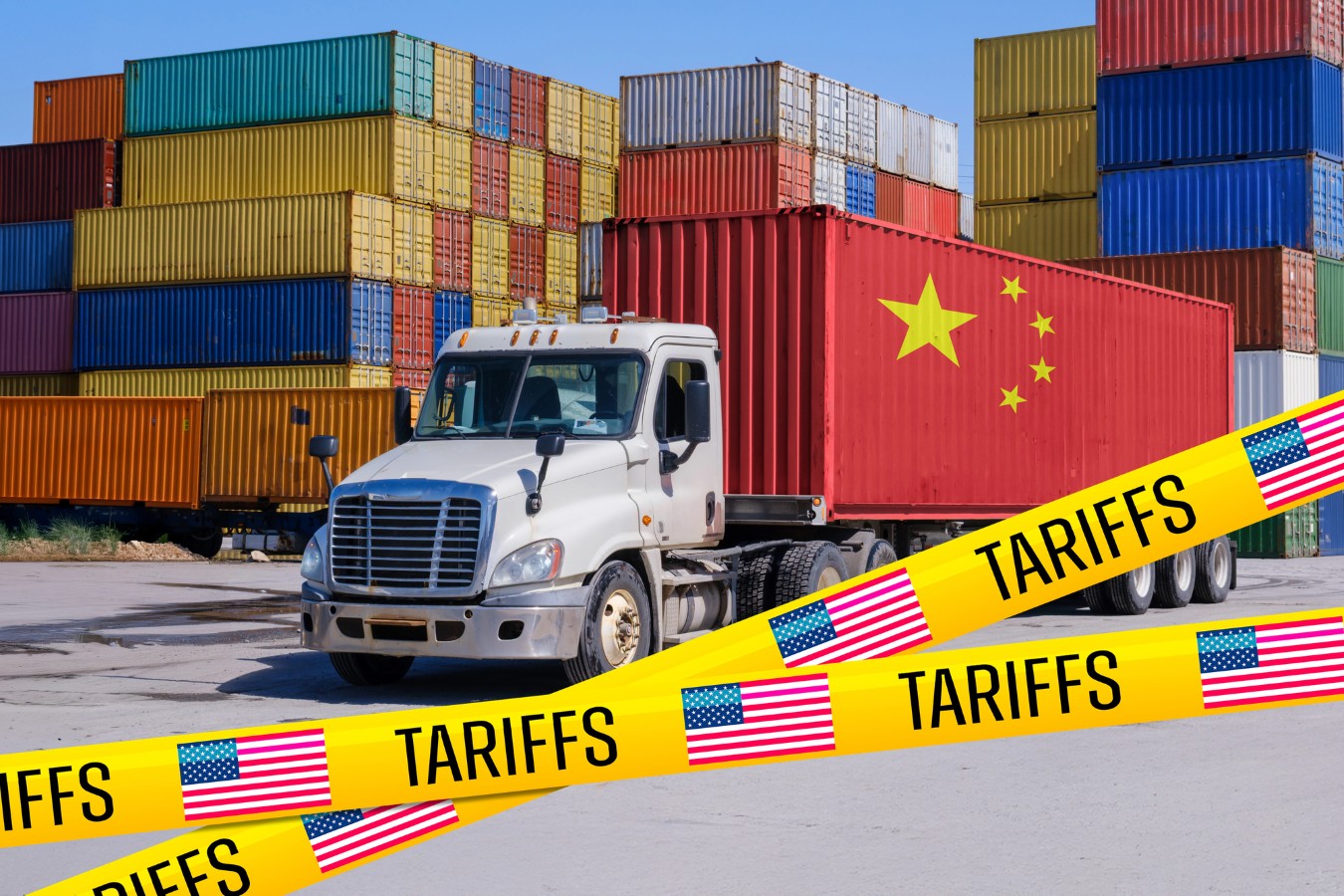
Officials have indicated that the forced labor tariffs represent only the beginning of a much broader trade agenda.
The administration has multiple Section 301 and Section 232 investigations underway covering industries ranging from robotics and pharmaceuticals to wind turbines and other strategically important sectors.
“We have literally dozens of investigations open, whether they’re Section 301 or Section 232,” a senior administration official said.
“We’re using tariffs broadly to address unfair trading unfair trading practices overall. The president is not going to allow his trade policy and overall objectives to be undermined simply because one tool may be limited by a court or something else.”
Officials also described the current tariffs as “less complex” than future actions that will require more extensive economic investigations.
New tariffs could raise $950 billion but still miss earlier revenue goals
The Committee for a Responsible Federal Budget (CRFB) estimates the latest tariffs, combined with recently announced duties on Canada and Brazil, could generate approximately $950 billion in revenue through 2036.
However, the organization says that remains well below what the administration had originally expected before the Supreme Court invalidated the broader IEEPA tariff program.
According to the CRFB, revenues from the cancelled IEEPA tariffs would have totaled roughly $1.7 trillion over the next decade. Additional changes to steel, aluminum and copper tariffs further reduced projected revenue, leaving an estimated $825 billion shortfall compared with earlier budget expectations.
The committee estimates the enacted tariffs will generate significant revenue but replace less than 60% of the income expected under the original tariff framework.
Tariffs remain central to Trump’s economic agenda
President Trump has consistently argued that tariffs are designed to generate government revenue, reduce the trade deficit and strengthen domestic manufacturing.
The latest Section 301 duties also offer greater legal durability than the temporary emergency tariffs that expired this week, as they can remain in force until the government determines that the underlying unfair trade practices have been addressed.
While legal challenges could still emerge, the administration has made clear that tariffs will remain a cornerstone of its economic strategy as it pursues additional investigations and negotiations with trading partners.
The new framework reflects the White House’s effort to preserve its protectionist agenda while adapting to the legal constraints imposed by the courts, even as analysts note that the latest measures are unlikely to generate enough revenue on their own to meet the administration’s long-term debt reduction ambitions.
Like Financial Freedom Countdown content? Be sure to follow us!
14 essential strategies to maximize your Social Security and avoid costly mistakes
Social Security is a vital lifeline for many seniors, providing crucial income support during retirement. With inflation at its highest in four decades, Social Security’s inflation-adjusted benefits offer protection against rising costs.
Rising interest rates have disrupted many retirement portfolios, causing bond fund values to plummet. In this volatile financial landscape, Social Security can stabilize a typical stock-bond retirement portfolio. By implementing smart strategies, retirees can maximize their Social Security benefits and ensure a more secure financial future.
14 Essential Strategies to Maximize Your Social Security and Avoid Costly Mistakes
Did you find this article helpful? We’d love to hear your thoughts! Leave a comment with the box on the left-hand side of the screen and share your thoughts.
Also, do you want to stay up-to-date on our latest content?
1. Follow us by clicking the [+ Follow] button above,
2. Give the article a Thumbs Up on the top-left side of the screen.
3. And lastly, if you think this information would benefit your friends and family, don’t hesitate to share it with them!

John Dealbreuin came from a third world country to the US with only $1,000 not knowing anyone; guided by an immigrant dream. In 12 years, he achieved his retirement number.
He started Financial Freedom Countdown to help everyone think differently about their financial challenges and live their best lives. John resides in the San Francisco Bay Area enjoying nature trails and weight training.
Here are his recommended tools
Personal Capital: This is a free tool John uses to track his net worth on a regular basis and as a retirement planner. It also alerts him wrt hidden fees and has a budget tracker included.
Platforms like Yieldstreet provide investment options in art, legal, real estate, structured notes, venture capital, etc. They also have fixed-income portfolios spread across multiple asset classes with a single investment with low minimums of $10,000.