Trump gets tariff boost from Supreme Court as new duties could offset billions lost after February ruling
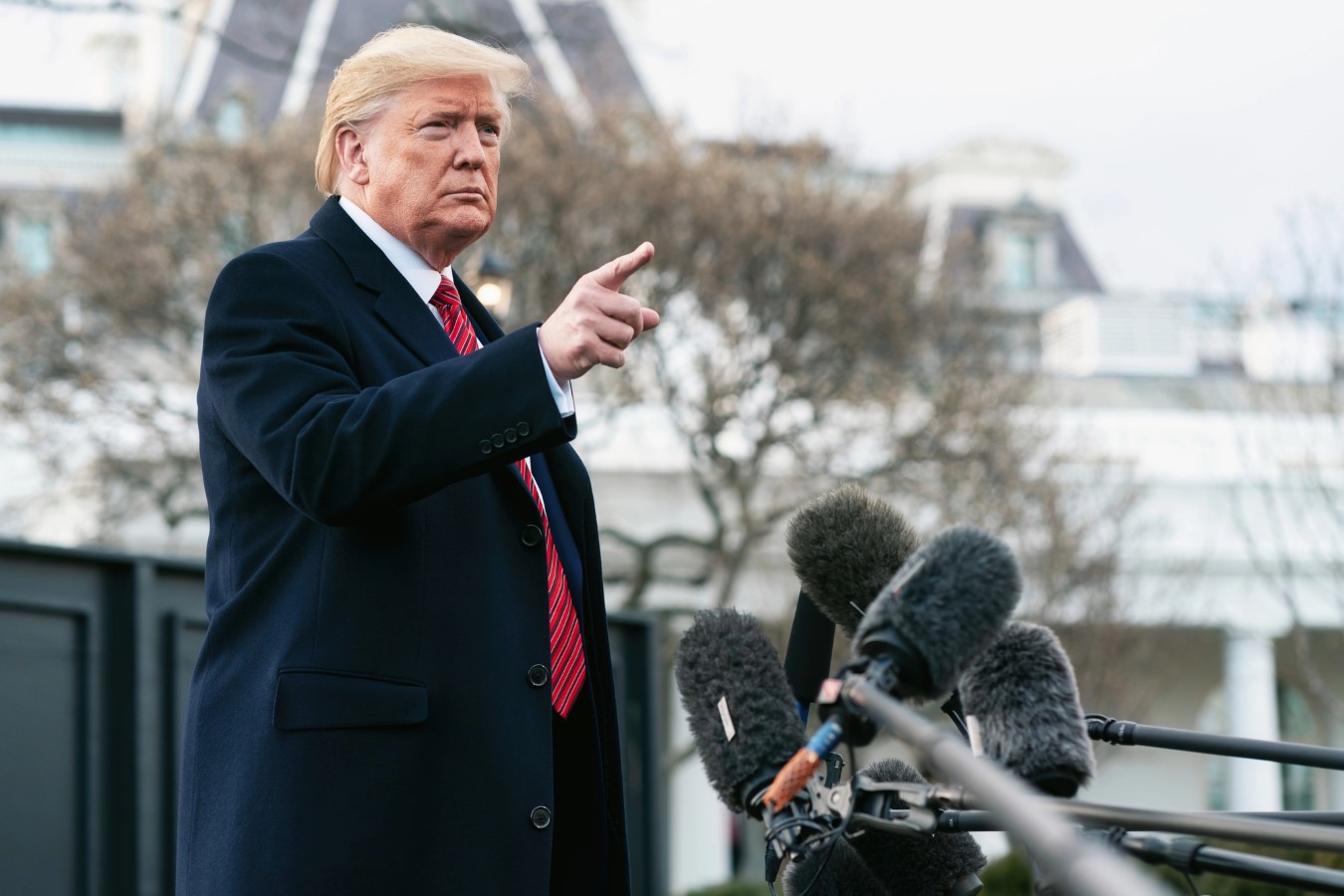
President Donald Trump received a potential boost to his tariff agenda after the U.S. Supreme Court declined to hear a challenge to China tariffs imposed during his first term, preserving a legal pathway that could help the administration replace billions in revenue lost after a separate Supreme Court ruling earlier this year.
The decision comes as the White House seeks to revive a tariff strategy Trump has repeatedly promoted as a way to raise government revenue and help address the nation’s growing debt burden. While tariff collections have fallen far short of covering federal interest costs, they generated $189 billion during the first eight months of fiscal 2026 before court challenges disrupted part of the program.
Supreme Court leaves first-term China tariffs intact

The Supreme Court on June 15 declined to review a challenge brought by businesses opposing tariffs imposed on Chinese imports during Trump’s first administration.
The tariffs were enacted under Section 301 of the Trade Act of 1974, which allows the United States to take action against unfair trade practices by foreign countries. By declining to hear the appeal, the justices left intact a lower court ruling that upheld the duties.
The decision preserves one of the most significant tariff programs from Trump’s first term and could provide a roadmap for future trade actions following setbacks elsewhere.
Decision follows major tariff setback in February
The ruling comes just months after the Supreme Court struck down a separate set of tariffs imposed under the International Emergency Economic Powers Act (IEEPA).
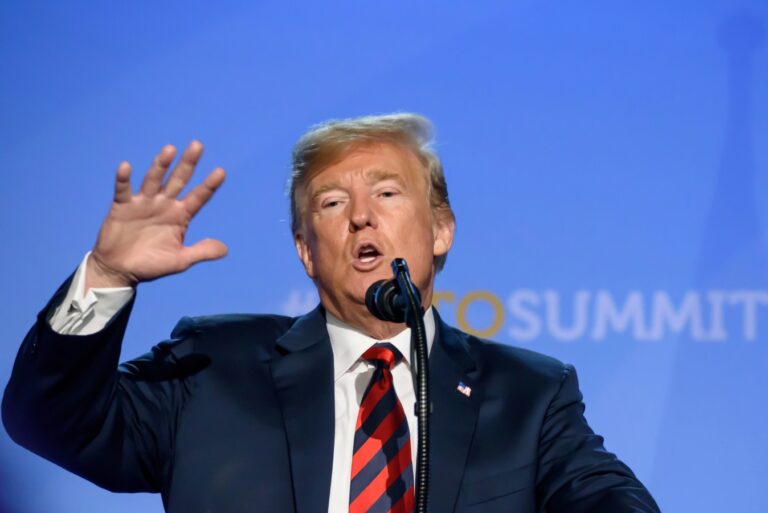
President Donald Trump slammed the Supreme Court in a press conference on Feb. 20, 2026, after the conservative court blocked sweeping tariffs in a 6–3 decision, dealing a major blow to the president’s economic agenda and limiting executive power.
That ruling forced the administration to reassess how it could continue pursuing tariffs while staying within legal boundaries established by the courts.
Why the latest ruling matters
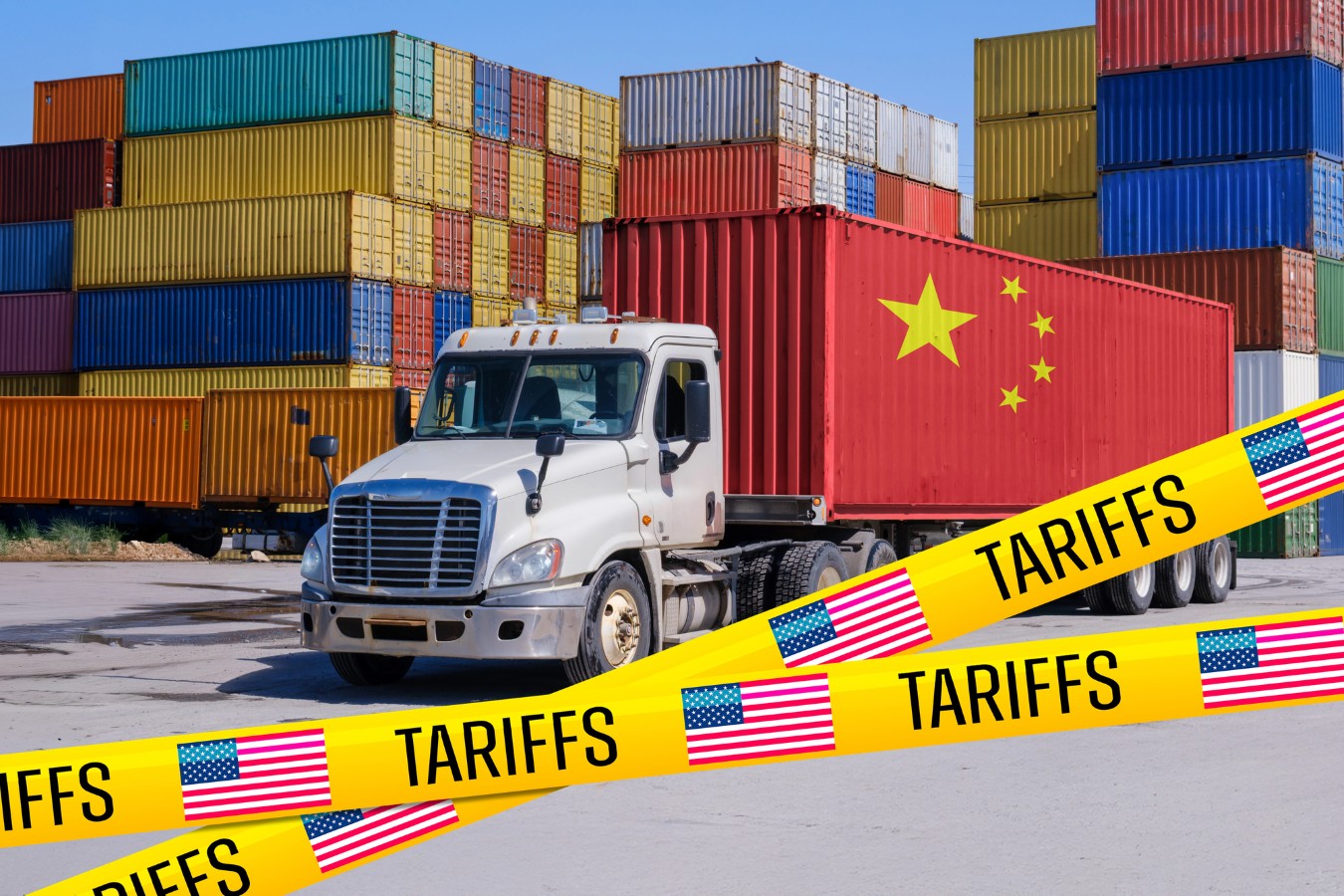
Unlike the emergency tariffs invalidated in February, the China tariffs challenged in this case were imposed through a more established trade law process.
The Trade Act of 1974 requires investigations, findings and public hearings before duties can be imposed. Although the process is more complicated than relying on emergency authority, the Supreme Court’s decision suggests tariffs enacted under existing trade statutes may be more legally durable.
That could encourage the administration to continue pursuing tariffs through traditional trade mechanisms.
The challenge was brought by HMTX Industries and other flooring and electronics companies that argued the administration exceeded its authority when it expanded tariffs following China’s retaliation to earlier trade measures.
According to the businesses, the first Trump administration initially imposed tariffs on approximately $50 billion worth of Chinese imports. After China responded with retaliatory measures, the administration expanded duties to cover roughly $320 billion more in imports.
The companies argued that Congress never intended to grant unlimited authority to dramatically broaden tariff programs through a modification provision within the law.
“But Congress nowhere gave [the U.S. Trade Representative] the vast power to engage in an open-ended trade war under that modest modification provision,” lawyers for the businesses that challenged the tariffs said in their appeal.
Companies warned the issue could emerge again

The businesses urged the Supreme Court to clarify whether limits exist on the government’s ability to expand tariffs after an initial action has already been taken.
They argued it is “all but inevitable” that future administrations could use what they described as a legal “loophole” to significantly increase tariffs without additional congressional approval.
Although the Supreme Court declined to hear the case, the concerns raised by the challengers could resurface if future tariff expansions trigger additional litigation.
The administration argued that the Trade Act allows officials to respond to changing economic and trade conditions.
Government lawyers maintained that modifications are lawful so long as they “are not radically transformative.”
The Department of Justice also argued that if future administrations push the limits of the law, courts would still have opportunities to evaluate those actions.
“And if Trump does use the trade act again to impose – and then increase – tariffs, the Department of Justice wrote in a filing, the court ‘will have ample opportunity to address the scope of those provisions.'”
White House proposes a new round of tariffs
The Supreme Court decision arrives as the administration searches for ways to restore tariff revenue lost after the February ruling.
In June, the Office of the U.S. Trade Representative proposed tariffs of up to 12.5% on imports from 60 countries that it says have not done enough to crack down on forced labor.
According to the Committee for a Responsible Federal Budget, those tariffs, combined with recent changes to steel and aluminum duties, could replace roughly half of the projected revenue lost after the Supreme Court invalidated portions of Trump’s tariff agenda earlier this year.
The proposal illustrates how the administration is increasingly relying on trade laws rather than emergency authorities to pursue its objectives.
Tariffs generated significant revenue before legal setbacks
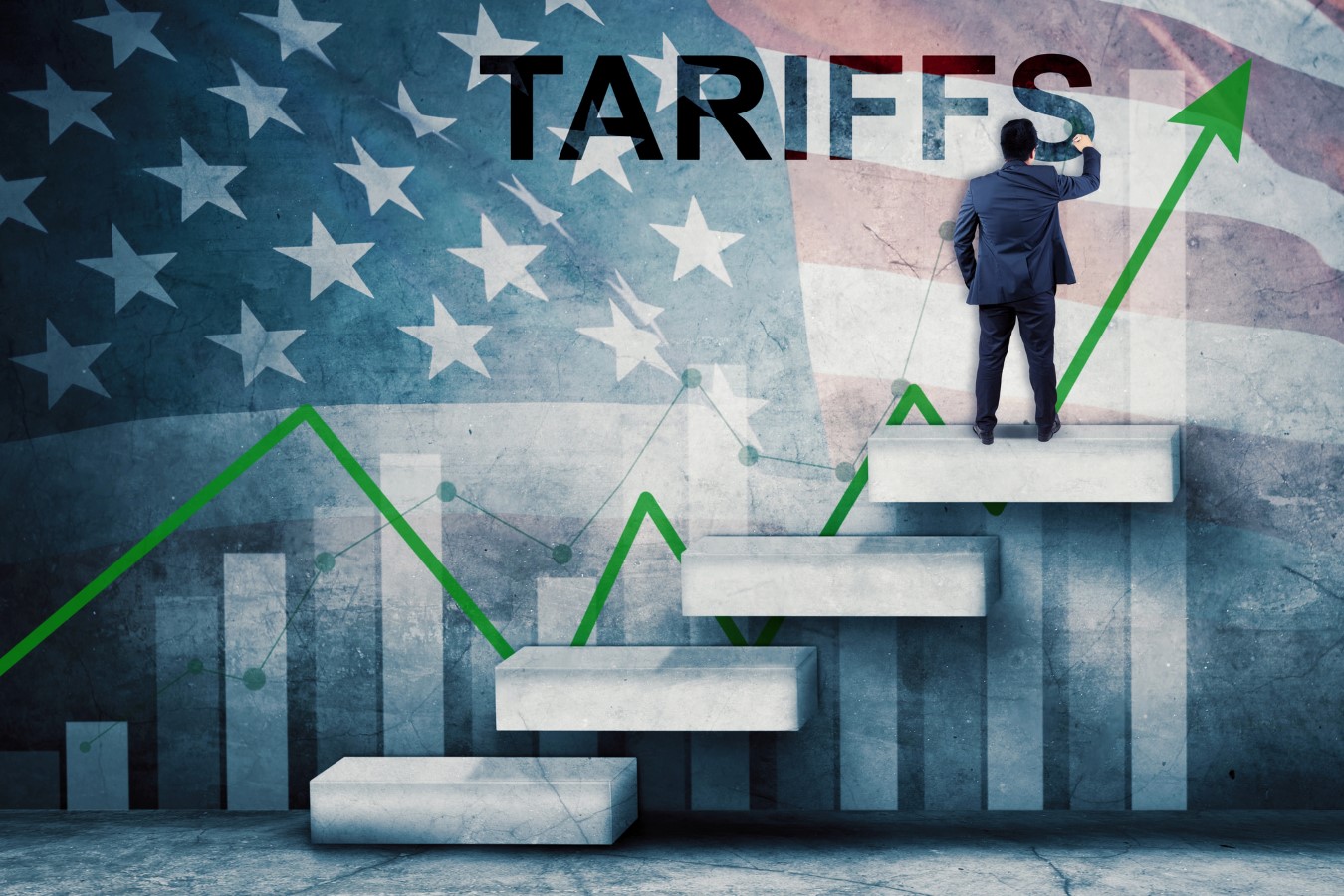
Although tariffs have not produced enough revenue to meaningfully reduce the national debt on their own, they generated substantially more revenue than the federal government collected from customs duties a year earlier.
Congressional Budget Office data shows customs duties generated approximately $189 billion during the first eight months of fiscal year 2026. Collections rose by roughly $107 billion compared with the same period in fiscal year 2025.
The increase reflected the impact of executive actions that expanded tariff collections before portions of the program were challenged in court.
The figures suggest that while tariffs may not be the silver bullet some supporters envisioned, they were producing meaningful revenue before legal challenges forced changes to the administration’s approach.
Even with the surge in customs revenue, tariff collections remain far below the amount the federal government spends servicing its debt.
The Congressional Budget Office reported that the Treasury spent $742 billion on net interest payments between October 2025 and May 2026, up from $674 billion during the same period a year earlier.
As a result, tariff revenue covered only a little more than one-quarter of federal interest costs during the fiscal year so far.
The increase in interest expenses reflects both higher debt levels and elevated long-term interest rates, according to the CBO.
National debt climbs to $39.2 trillion
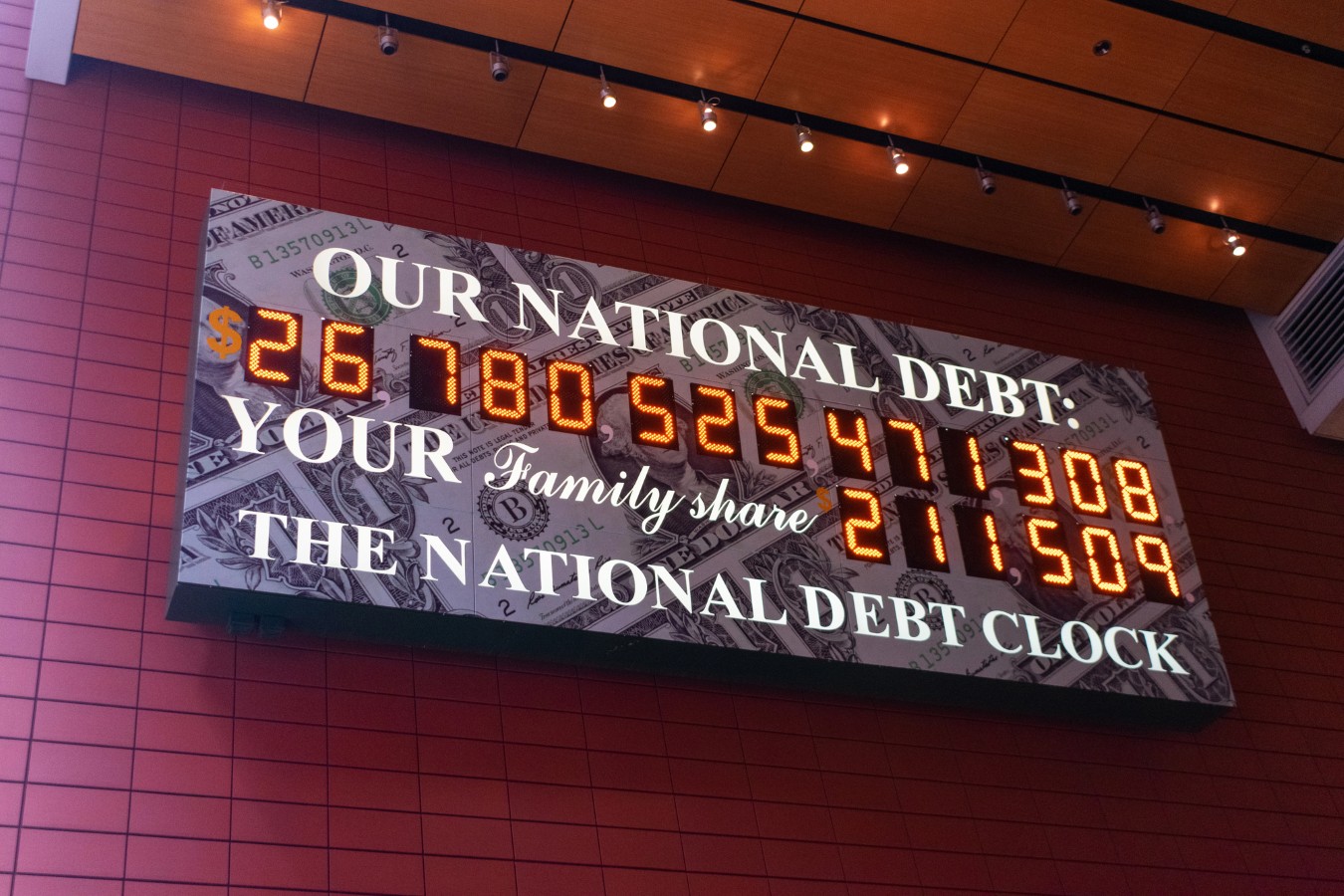
The tariff debate is unfolding against the backdrop of a rapidly growing federal debt.
As of June 2026, U.S. national debt stood at approximately $39.2 trillion, according to Treasury data. Meanwhile, the federal budget deficit totaled $1.2 trillion during the first eight months of fiscal year 2026.
The Congressional Budget Office reported that the government collected $3.66 trillion in revenue during that period while spending reached $4.9 trillion.
Although revenues rose faster than spending, interest costs continued to increase as borrowing expenses climbed.
Trump offers a different perspective on debt
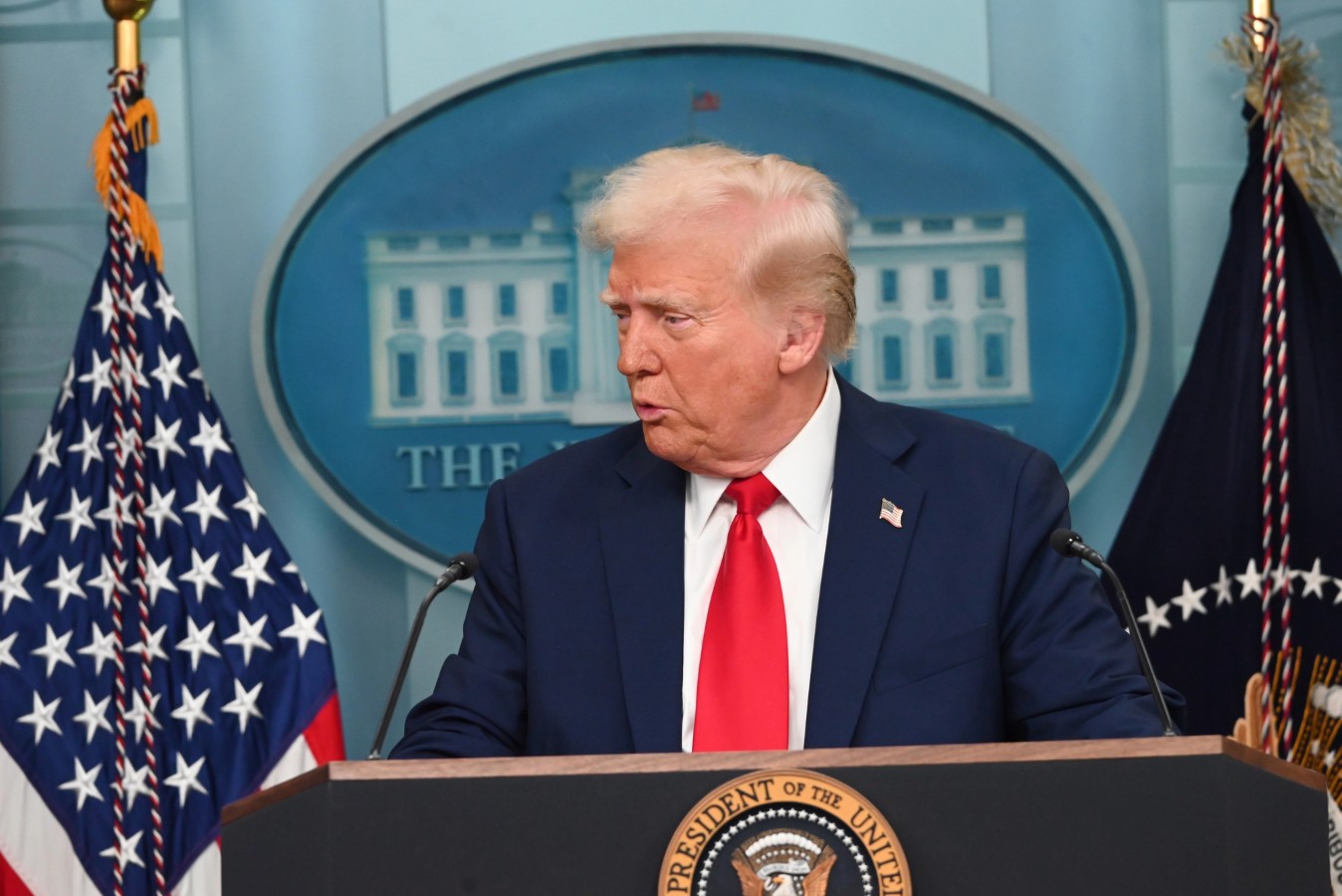
Trump recently suggested that national debt should be viewed in relation to the nation’s assets rather than as a standalone figure.
Speaking with Fortune editor-in-chief Alyson Shontell, Trump argued that America’s land, natural resources and other assets are worth far more than its liabilities.
“If you put down the value of these things, it’s like hundreds of trillions of dollars,” Trump said, adding that “if you kept [the national debt] at $40 trillion, you’re way under-levered.”
The comments reflect a broader shift from earlier rhetoric that emphasized using tariffs and other revenue sources to aggressively reduce debt levels.
Fiscal watchdogs push for broader deficit reduction
Budget experts continue to argue that tariffs alone cannot solve the nation’s fiscal challenges.
The Committee for a Responsible Federal Budget is urging lawmakers to prioritize deficit reduction as Congress considers another budget reconciliation package. The group has called for at least $600 billion in savings and warned that recent reconciliation measures are projected to add nearly $5 trillion to the debt through 2035.
The Supreme Court’s latest decision does not settle the broader debate over tariffs, debt or trade policy. However, it preserves a legal framework that could allow the administration to pursue new duties even after losing a major tariff case earlier this year.
While tariff revenue remains far below the government’s total debt-servicing costs, recent budget data shows the duties generated substantial federal revenue before the February ruling. With the administration now proposing new tariffs under different legal authorities, officials appear determined to continue using trade policy as part of their broader fiscal and economic strategy.
Like Financial Freedom Countdown content? Be sure to follow us!
14 essential strategies to maximize your Social Security and avoid costly mistakes

Social Security is a vital lifeline for many seniors, providing crucial income support during retirement. With inflation at its highest in four decades, Social Security’s inflation-adjusted benefits offer protection against rising costs.
Rising interest rates have disrupted many retirement portfolios, causing bond fund values to plummet. In this volatile financial landscape, Social Security can stabilize a typical stock-bond retirement portfolio. By implementing smart strategies, retirees can maximize their Social Security benefits and ensure a more secure financial future.
14 Essential Strategies to Maximize Your Social Security and Avoid Costly Mistakes

Did you find this article helpful? We’d love to hear your thoughts! Leave a comment with the box on the left-hand side of the screen and share your thoughts.
Also, do you want to stay up-to-date on our latest content?
1. Follow us by clicking the [+ Follow] button above,
2. Give the article a Thumbs Up on the top-left side of the screen.
3. And lastly, if you think this information would benefit your friends and family, don’t hesitate to share it with them!

John Dealbreuin came from a third world country to the US with only $1,000 not knowing anyone; guided by an immigrant dream. In 12 years, he achieved his retirement number.
He started Financial Freedom Countdown to help everyone think differently about their financial challenges and live their best lives. John resides in the San Francisco Bay Area enjoying nature trails and weight training.
Here are his recommended tools
Personal Capital: This is a free tool John uses to track his net worth on a regular basis and as a retirement planner. It also alerts him wrt hidden fees and has a budget tracker included.
Platforms like Yieldstreet provide investment options in art, legal, real estate, structured notes, venture capital, etc. They also have fixed-income portfolios spread across multiple asset classes with a single investment with low minimums of $10,000.