Democratic-led states sue Trump administration over new tariffs as $100 billion in refunds are paid
The Trump administration has now paid roughly $100 billion in refunds to importers hit by tariffs that the Supreme Court struck down in February, even as states and small businesses are taking the administration back to court over a new round of sweeping duties.
The refunds represent about 60% of the estimated $166 billion businesses paid under President Donald Trump’s now-defunct global tariff program. At the same time, the administration has replaced much of that tariff framework with new levies justified by alleged failures by trading partners to prevent goods made with forced labor from entering their supply chains.
Critics, including 25 state attorneys general and several small businesses, argue the new tariffs are effectively an attempt to recreate the tariffs the Supreme Court found unlawful, only under a different legal authority.
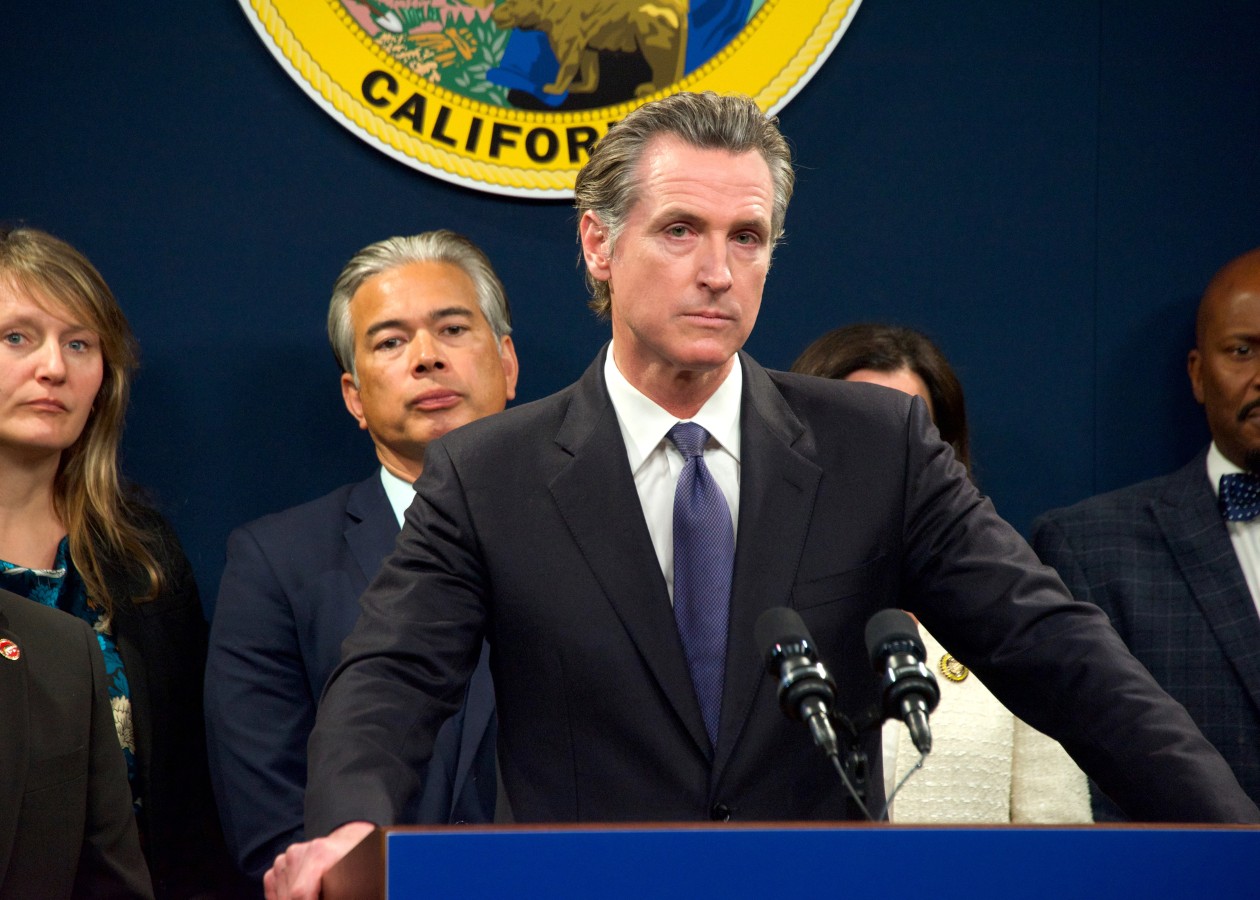
California Attorney General Rob Bonta criticized the administration’s approach.
“President Trump is so intent on raising the cost of living for Americans that he is willing to break law after law after law to do so. This is President Trump’s third attempt to illegally impose tariffs that would make life more expensive for American families and small businesses, and this is the third time we’re taking the Administration to court over this misuse of power. Tariffs are taxes, and the American people cannot and should not shoulder the extra costs that come from the President’s failed and illegal economic policy — no matter how much the President wants them to,” California Attorney General Rob Bonta said.
$100 billion in tariff refunds has been paid
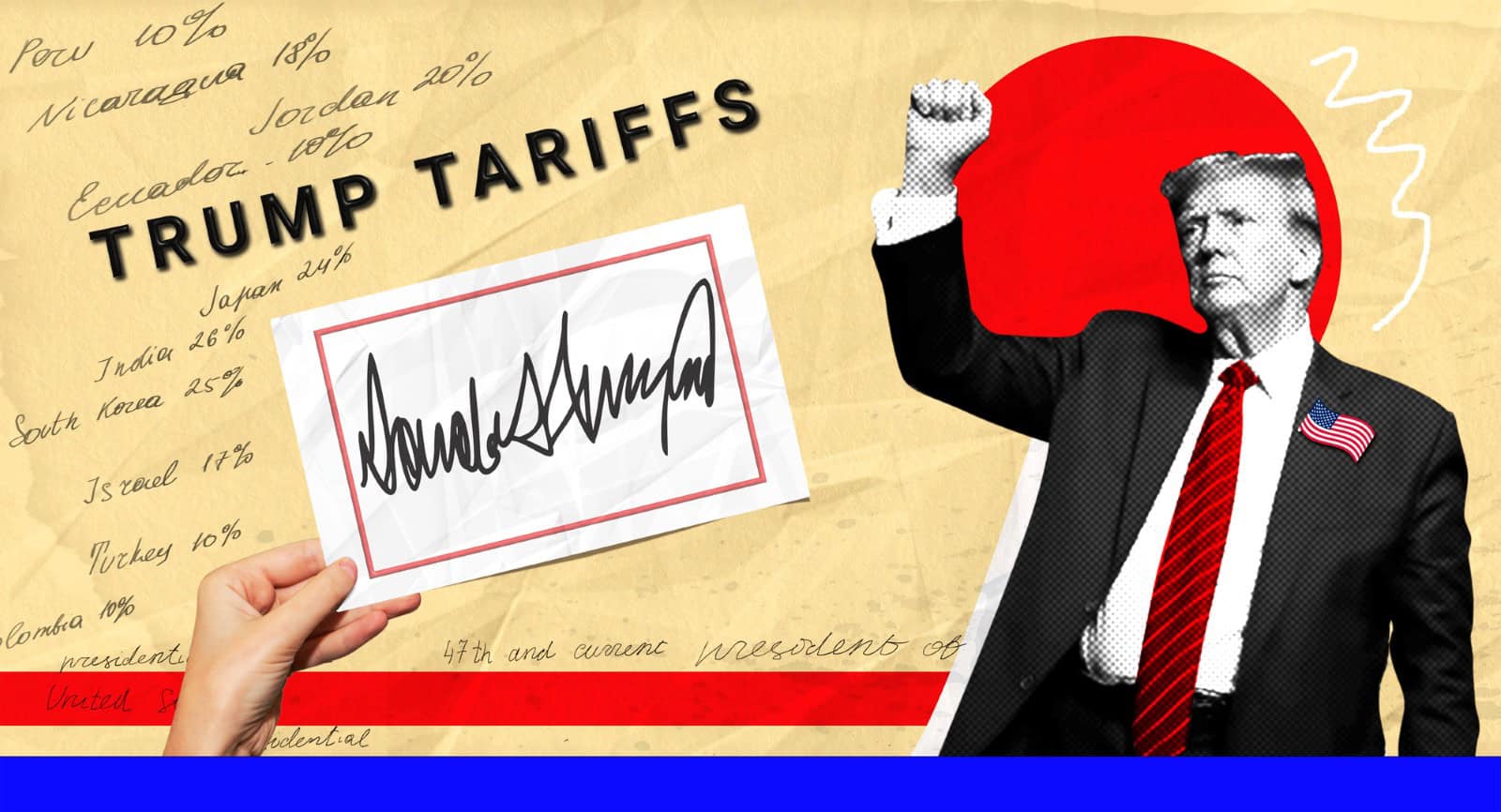
According to documents filed by U.S. Customs and Border Protection (CBP) with the U.S. Court of International Trade and cited by the Financial Times, the administration has paid approximately $100 billion in tariff refunds to importers.
The figure covers tariffs collected under President Trump’s use of the International Emergency Economic Powers Act (IEEPA), which the Supreme Court ruled in February had not authorized the president to impose the broad tariffs.
Businesses are estimated to have paid about $166 billion under the now-defunct tariff program, meaning the refunds paid so far amount to roughly 60% of the total.
The government has agreed to return the money paid by affected American businesses, with interest, although disputes remain over which entries qualify and whether every importer will ultimately receive a payment.
The speed of the refunds has surprised some trade experts because administration officials had previously warned that the process could take years.
Speaking at the Economic Club of Dallas in February after the Supreme Court ruling, Treasury Secretary Scott Bessent said the refund process “could be dragged out for weeks, months, years.”
Instead, payments have moved considerably faster.
“By and large, the refunds process has gone more smoothly than I would have anticipated. CBP actually has validated entries faster than Treasury could pay them,” Greg Husisian, International Trade Partner at the global law firm Foley & Lardner said.
“Clearly, the ability to make payments electronically and using an automated system has proceeded better than anyone reasonably could have anticipated, especially when compared with how long major refund actions have taken in the past.”
The rapid pace could allow the government to resolve a significant portion of the outstanding refund claims before some of the broader legal battles over Trump’s tariff policy are settled.
Some importers may never receive refunds

Court filings indicate that more than 330,000 importers paid the tariffs on more than 53 million shipments.
The scale of the refund operation makes it one of the largest tariff-reimbursement efforts in recent U.S. history. Officials have been processing claims electronically, allowing CBP to validate tariff entries and send information through the refund system at a faster pace than some experts expected.
CBP has reportedly said more than $128 billion in refunds have already been “accepted for processing,” suggesting the amount ultimately returned could rise substantially beyond the $100 billion already paid.
However, the amount approved for processing does not necessarily mean all of those refunds will eventually be paid.
Trade experts have cautioned that the full $166 billion may never be returned.
Trade experts noted that not every importer applied for a rebate. Some companies may also have gone out of business during the tariff period and therefore may no longer be in a position to seek reimbursement.
The government has also attempted to avoid rebates for certain tariff entries, creating additional legal and administrative questions over the final amount that will be returned.
That means the $100 billion already paid represents a major portion of the estimated liability, but it may not be the final figure.
Trump administration replaces old tariffs with new duties
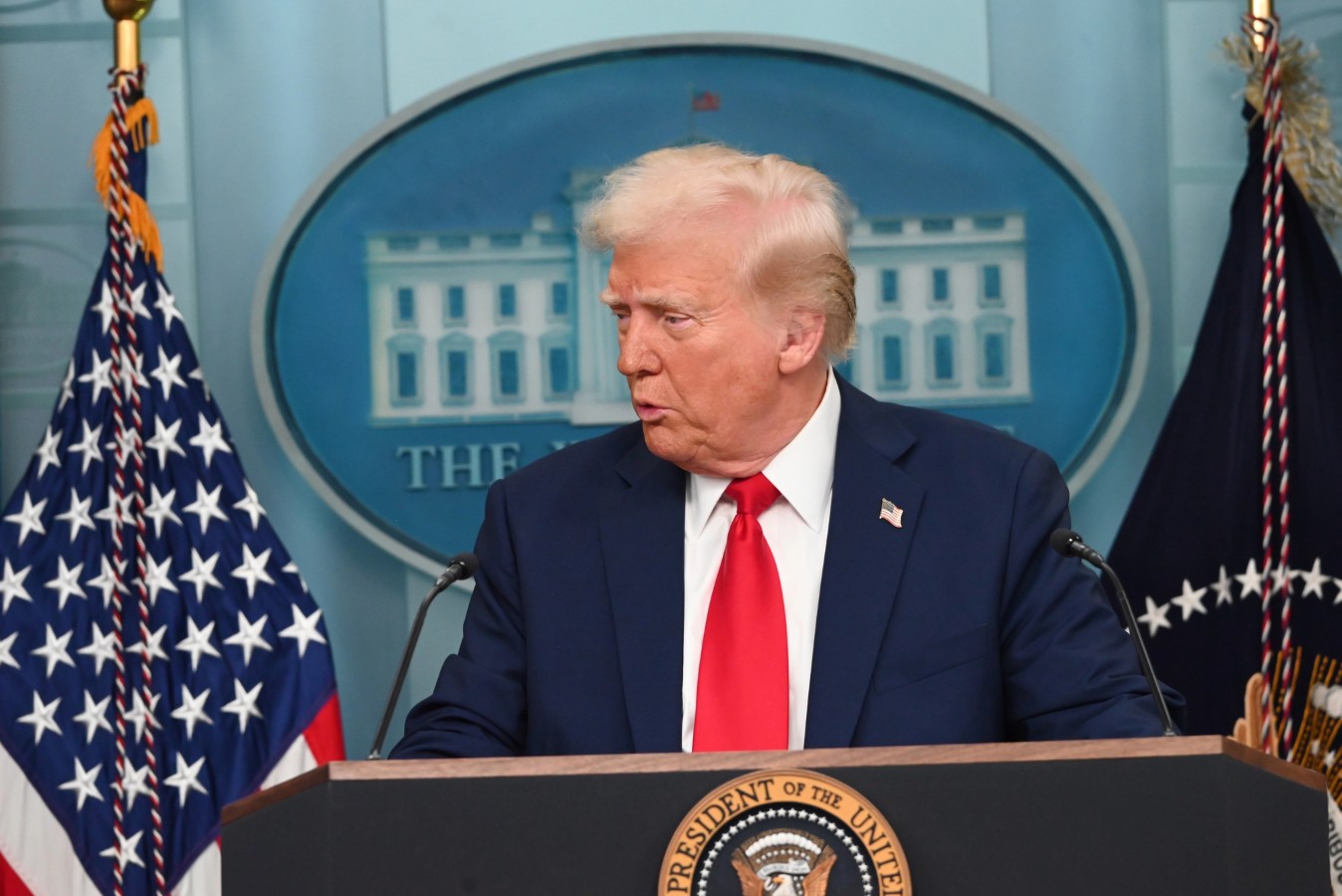
While the refunds move forward, the administration has rebuilt much of its tariff strategy around a new justification.
Last month, the United States imposed tariffs ranging from 10% to 12.5% on more than 80 nations, including Canada, China and the 27 members of the European Union. Together, the affected economies account for nearly all U.S. imports.
The administration says the tariffs are intended to pressure trading partners to strengthen enforcement against goods produced using forced labor.
“The United States has had a forced labor import ban for nearly a century, and rigorously enforces it; it’s well past time for our trading partners to do the same,” said U.S. Trade Representative Jamieson Greer.
The new duties took effect as temporary tariffs imposed after the Supreme Court’s February decision were expiring, fueling questions over whether the new policy is actually a replacement for the invalidated tariff system.
Twenty-five states challenge the new tariffs

New York Attorney General Letitia James is leading a lawsuit joined by 24 other states challenging the new duties in the U.S. Court of International Trade.
The states argue that the administration’s forced-labor rationale is being used as a pretext to impose tariffs similar in scope to those that the Supreme Court rejected.
“After losing at the Supreme Court, the administration is once again trying to illegally raise taxes on families and businesses with a new round of tariffs,” said Letitia James, the attorney general of New York, one of the 25 states suing over the new duties.
The coalition includes New York, Arizona, California, Colorado, Connecticut, Delaware, Hawaii, Illinois, Kentucky, Massachusetts, Maryland, Maine, Michigan, Minnesota, Nevada, New Jersey, New Mexico, North Carolina, Oregon, Pennsylvania, Rhode Island, Virginia, Vermont, Washington and Wisconsin.
The state attorneys general argue that the new tariffs do not appear consistent with a policy narrowly aimed at preventing forced-labor imports.
Their lawsuit says the new duties are effectively a continuation of the tariffs struck down by the Supreme Court and argues that the administration’s investigation was rushed and insufficient.
“The tariff action is arbitrary, capricious, and contrary to law,” the filing read. “The Plaintiff states oppose forced labor in all its forms and support protections for workers around the globe. But the Administration cannot use forced labor as a pretext to continue its illegal tariff scheme.”
Some economists and trade experts have expressed similar concerns
“The forced-labor rationale looks like a legal vehicle for a policy the administration was determined to pursue anyway: permanent, across-the-board protectionism,” said Mercatus Center Economist Veronique de Rugy. “The courts close one door, and the administration goes hunting for another statute to get the same tariffs through.”
Jason Miller, a professor of supply chain management at Michigan State University’s Broad College of Business, also questioned the administration’s approach.
“All available evidence suggests that the forced labor claim is a facade to replace the IEEPA tariffs that SCOTUS ruled illegal with alternative tariffs viewed as resting on more solid legal grounds,” said Jason Miller, a professor of supply chain management at Michigan State University’s Broad College of Business.
Miller also questioned the number of exemptions in the new tariff regime and whether the government could conduct adequate investigations into dozens of trading partners within a few months.
Small businesses are taking Trump back to court

The states are not alone in challenging the new tariffs.
Two lawsuits filed by small businesses are also challenging the administration’s latest duties. The cases were filed in the U.S. Court of International Trade and argue that the government failed to establish the necessary connection between each affected economy and the forced-labor practices cited to justify the tariffs.
Learning Resources, an educational toy company that was part of the earlier tariff lawsuit that reached the Supreme Court, has filed a new challenge.
A second case was filed by Burlap and Barrel, a New York-based spice company, and Collective Horology, a watch retailer based in Ventura, California. The businesses are represented by the Liberty Justice Center.
The lawsuits argue that the administration did not adequately explain how tariffs imposed on individual countries would eliminate the specific practices the government says it is targeting.
“Forced labor is morally indefensible, but an important objective does not give the government permission to ignore the law,” said Sara Albrecht, chairman and CEO of the Liberty Justice Center. “The administration allowed one global tariff to expire and immediately replaced it with another under a different statute. Changing the statute doesn’t change the law.”
New tariffs could face a tougher legal battle
The latest lawsuits could face a different legal landscape than the challenges to Trump’s earlier tariff programs.
The administration is relying on Section 301 of the Trade Act of 1974 for the new duties. Trump used the same authority during his first term to impose major tariffs on Chinese imports, and those tariffs survived court challenges.
That history could make it more difficult for businesses and states to overturn the latest round of tariffs.
Lawyer Patrick Childress, a partner at Holland & Knight and former U.S. trade official, said the new tariffs could remain in place for an extended period.
“These tariffs will be with us for the long haul,’’ said Childress.
Even if trading partners adopt policies sought by the United States, countries may still have to demonstrate that those policies are being effectively enforced before the tariffs are removed.
“This suggests that no short-term path for country-wide relief from the new Section 301 tariffs will be available,’’ Childress said.
The tariff fight now moves on two tracks
The administration’s tariff policy is therefore unfolding on two separate tracks.
On one side, the government is rapidly returning billions of dollars collected under the tariff program the Supreme Court rejected. More than $100 billion has already been paid, while another $128 billion-plus has reportedly been accepted for processing.
On the other side, the administration is pursuing a new tariff regime that critics say could recreate much of the economic impact of the previous one under a different statute.
The outcome of the lawsuits could determine whether the new duties survive, while the refund process will determine how much of the money collected under the invalidated tariffs ultimately reaches businesses.
For importers and consumers, the two battles could have significant financial consequences. Refunds could return billions of dollars to companies that paid the earlier tariffs, while the new duties could increase costs for businesses importing goods from dozens of trading partners.
The cases also set up another major test of presidential authority over trade, with states and businesses arguing that changing the legal justification for tariffs does not necessarily resolve the underlying questions about executive power.
Like Financial Freedom Countdown content? Be sure to follow us!
14 essential strategies to maximize your Social Security and avoid costly mistakes
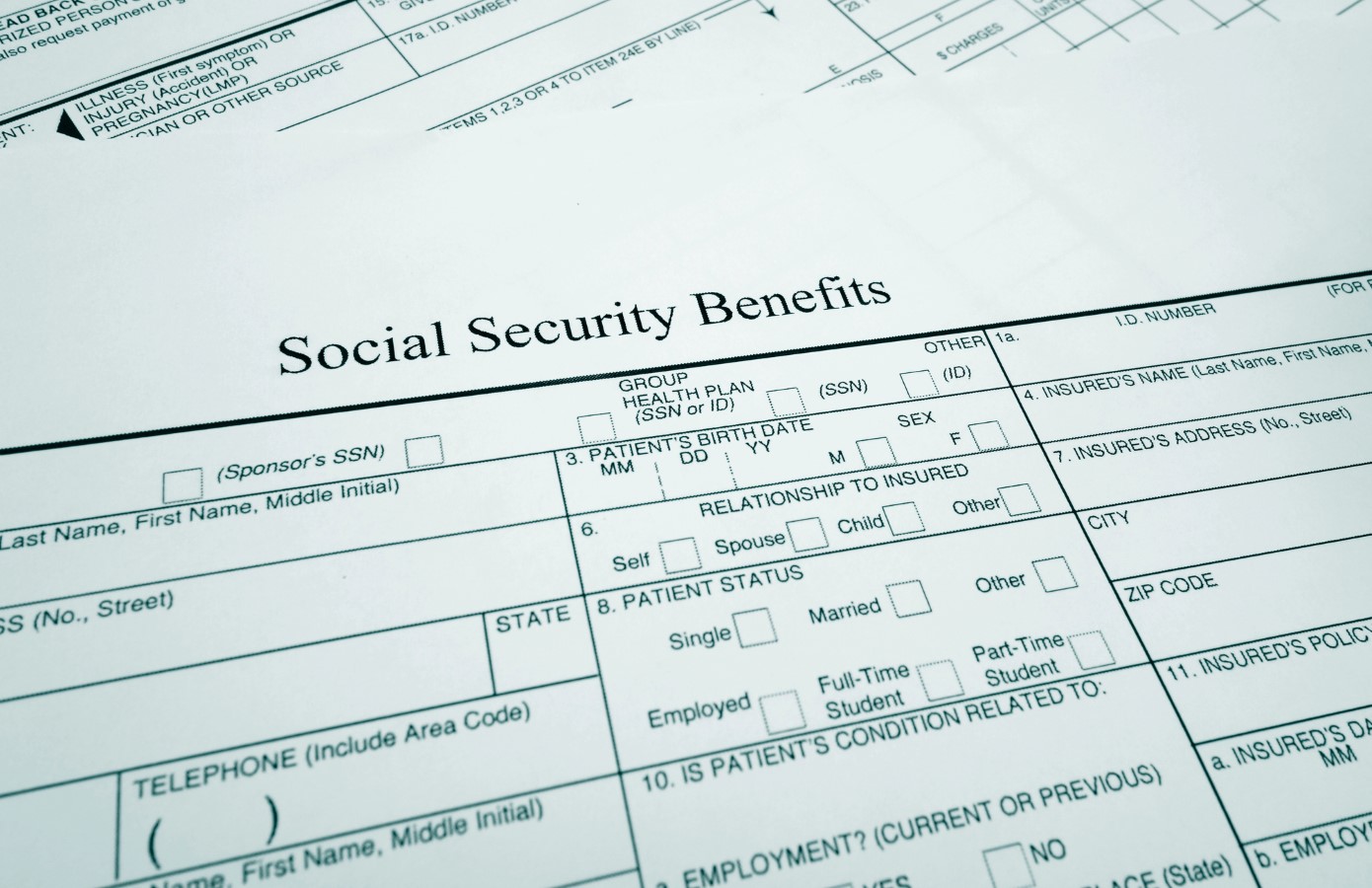
Social Security is a vital lifeline for many seniors, providing crucial income support during retirement. With inflation at its highest in four decades, Social Security’s inflation-adjusted benefits offer protection against rising costs.
Rising interest rates have disrupted many retirement portfolios, causing bond fund values to plummet. In this volatile financial landscape, Social Security can stabilize a typical stock-bond retirement portfolio. By implementing smart strategies, retirees can maximize their Social Security benefits and ensure a more secure financial future.
14 Essential Strategies to Maximize Your Social Security and Avoid Costly Mistakes
11 reasons you should claim Social Security early

Deciding when to claim Social Security is often about maximizing your benefit. Financial planners usually advise delaying your claim for as long as possible to secure the highest monthly payment. Your benefit is based on your lifetime earnings, with a full payout available at your full retirement age (FRA), which is currently between 66 and 67 depending on your birth year. Claiming before FRA results in a permanent reduction in your monthly benefit, while waiting beyond FRA leads to a permanent increase. However, the decision isn’t solely about maximizing the monthly check. Personal factors such as health, family circumstances, and financial needs can play a significant role in determining the right time to claim.
11 Reasons You Should Claim Social Security Early

Did you find this article helpful? We’d love to hear your thoughts! Leave a comment with the box on the left-hand side of the screen and share your thoughts.
Also, do you want to stay up-to-date on our latest content?
1. Follow us by clicking the [+ Follow] button above,
2. Give the article a Thumbs Up on the top-left side of the screen.
3. And lastly, if you think this information would benefit your friends and family, don’t hesitate to share it with them!

John Dealbreuin came from a third world country to the US with only $1,000 not knowing anyone; guided by an immigrant dream. In 12 years, he achieved his retirement number.
He started Financial Freedom Countdown to help everyone think differently about their financial challenges and live their best lives. John resides in the San Francisco Bay Area enjoying nature trails and weight training.
Here are his recommended tools
Personal Capital: This is a free tool John uses to track his net worth on a regular basis and as a retirement planner. It also alerts him wrt hidden fees and has a budget tracker included.
Platforms like Yieldstreet provide investment options in art, legal, real estate, structured notes, venture capital, etc. They also have fixed-income portfolios spread across multiple asset classes with a single investment with low minimums of $10,000.