
New Senate report warns Medicare premiums could double by 2035, squeezing Social Security checks

Medicare beneficiaries could see their Part B premiums nearly double over the next decade, according to a new report from the Senate Joint Economic Committee, adding fresh pressure to retirees already coping with inflation and rising medical bills.
The warning comes as Medicare Part B premiums, Medigap supplemental plan costs, and other out-of-pocket expenses continue climbing faster than many Social Security cost-of-living adjustments, reducing the real value of monthly retirement checks for millions of Americans.

The report projects standard Medicare Part B premiums could rise from roughly $2,200 annually in the mid-2020s to about $4,500 to $5,000 by 2035.
That increase reflects projected growth in Medicare spending, since current law requires Part B premiums to cover about 25% of expected program costs. As spending rises, premiums typically follow.

Each year, the Centers for Medicare & Medicaid Services estimates the coming year’s Part B costs and sets premiums accordingly.
That means beneficiaries are directly exposed to higher medical spending driven by inflation, increased use of care, an aging population, and the growing availability of expensive treatments and medications.
Per-person Medicare Part B expenditures are projected to climb from about $9,100 in 2025 to more than $18,000 in 2035.
Because premiums are tied to those expenditures, rising costs inside the program are expected to translate into steadily higher monthly charges for seniors, whether they use traditional Medicare or Medicare Advantage.
Medicare Advantage overpayments are under scrutiny
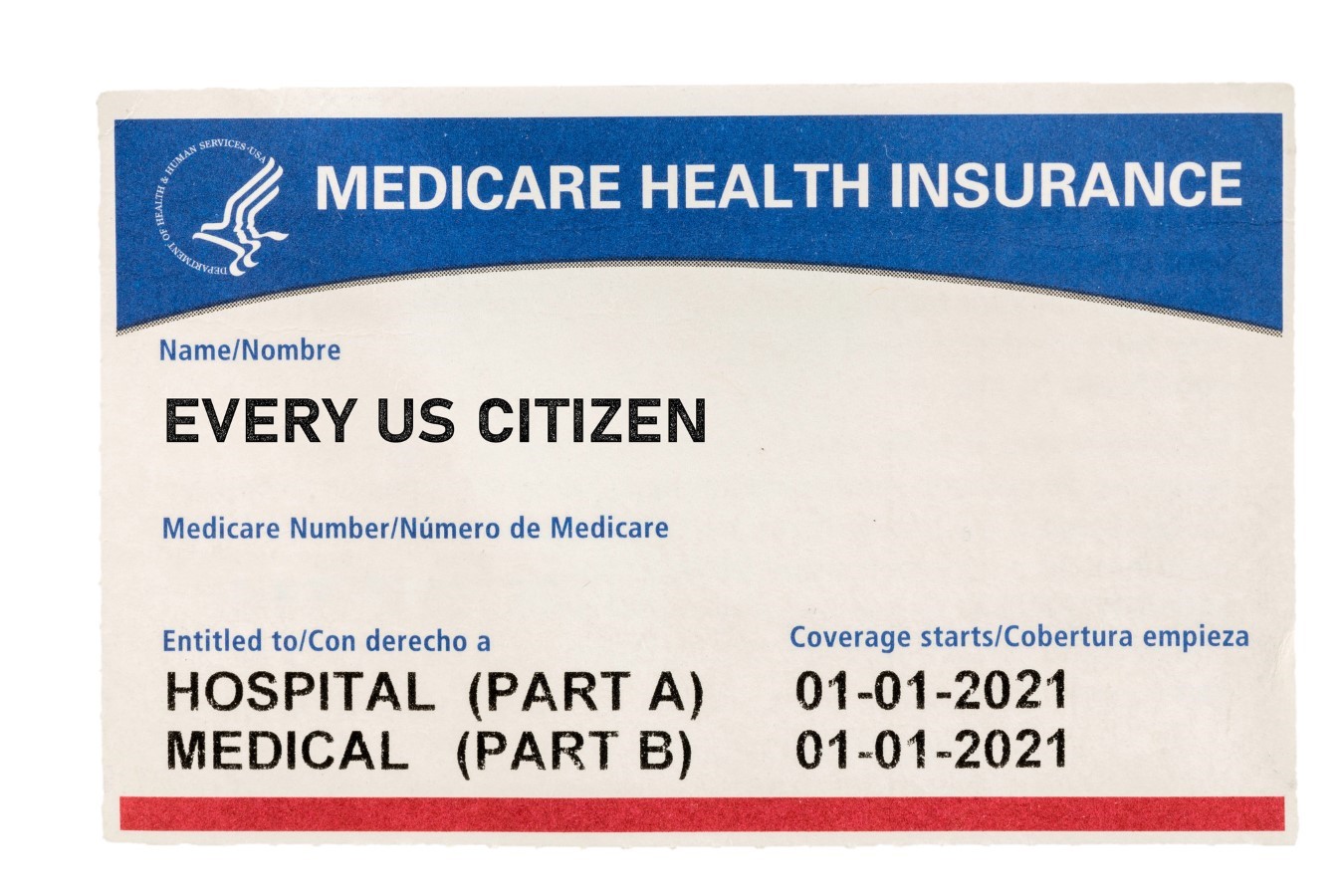
The committee report said continued overpayments to Medicare Advantage insurers are a major contributor to higher Part B costs.
In 2025, the federal government reportedly paid Medicare Advantage plans an estimated 17% to 20% more than it would have cost to cover the same people under traditional Medicare. Those added costs are spread across all beneficiaries through higher premiums.
According to the report, Medicare Advantage overpayments added more than $200 per enrollee to Part B premiums in 2025 alone.
Experts say reforms have lagged

Healthcare experts claim that Part B premiums are tied to total Medicare spending, The higher costs end up impacting everyone, including seniors in traditional Medicare.
Some finance professionals have said that regulatory efforts lag behind the problem. CMS has tried clawback audits and risk adjustments, but the program’s scale and complications have not yet resulted in comprehensive reforms.
Social Security raises can be quickly reduced

Higher Part B premiums are commonly deducted directly from Social Security checks.
That means even when retirees receive annual COLAs, a significant share of the increase can be consumed by Medicare costs before money reaches their bank accounts.
For 2026, Social Security benefits rose 2.8%, while the standard Part B premium increased 9.7% to $202.90 per month. For many retirees, that sharply reduced the effective raise.
It is still too early for final 2027 figures, but some projections suggest another 2.8% Social Security COLA.
Meanwhile, Medicare trustees have projected average Part B premium growth of around 6.4% annually over the next five years. If that trend continues, retirees could once again see healthcare costs absorb much of next year’s increase.

Many seniors in traditional Medicare rely on Medigap supplemental insurance to cover deductibles and coinsurance. Those premiums are also rising rapidly.
Insurance brokers report double-digit increases becoming common, with some Plan G policies seeing hikes above 20%. In one case, more than 80 policyholders enrolled in the same supplemental plan were hit with a 45% increase.
Because traditional Medicare has no broad annual out-of-pocket cap, many beneficiaries feel pressure to keep supplemental coverage despite the rising price.
Medicare Part A expected to reduce payouts

The Hospital Insurance fund for Medicare Part A is expected to be able to fully pay scheduled benefits until 2033, three years sooner than last year’s projection, according to a 2025 report. When the trust fund is depleted, program tax income is expected to be sufficient to pay 89% of projected benefits
These projections are part of the report generated by the trustees for Social Security based on updated inflation and economic output data.
The projection for the Hospital Insurance fund was lowered after hospital and hospice care costs in 2024 came in higher than expected. Trustees also raised future spending estimates to reflect that trend, including increased early-year costs for inpatient and hospice services.
The Center on Budget and Policy Priorities noted that a bipartisan 1983 agreement allowed Social Security to generate annual surpluses through 2021. Since then, program costs have exceeded income, prompting the use of reserve funds.
Social Security retiree benefits are projected to run out in 2033 with a 23% cut expected.
Seniors may face difficult coverage choices

As costs rise, some beneficiaries may consider switching from traditional Medicare to Medicare Advantage plans, which usually include annual out-of-pocket caps.
But those plans often rely on provider networks and may involve prior authorization rules. Returning later to traditional Medicare and obtaining affordable Medigap coverage can also be difficult in many states.
Experts warn that many seniors do not realize those trade-offs until after enrollment.
Low-income seniors on traditional Medicare who do not qualify for savings programs or Medicaid could be hit especially hard.
Higher-income retirees may also face larger bills because they pay income-related surcharges known as IRMAA, which increases Part B premiums above the standard amount.
Seniors might face Medicare sticker shock

Without policy changes, rising healthcare spending and automatic premium pass-throughs could leave millions of retirees paying substantially more for Medicare over the next decade.
For retirees, the warning underscores a growing need to build healthcare inflation into long-term financial plans, especially as Medicare costs rise faster than everyday consumer prices.
Like Financial Freedom Countdown content? Be sure to follow us!
14 essential strategies to maximize your Social Security and avoid costly mistakes

Social Security is a vital lifeline for many seniors, providing crucial income support during retirement. With inflation at its highest in four decades, Social Security’s inflation-adjusted benefits offer protection against rising costs.
Rising interest rates have disrupted many retirement portfolios, causing bond fund values to plummet. In this volatile financial landscape, Social Security can stabilize a typical stock-bond retirement portfolio. By implementing smart strategies, retirees can maximize their Social Security benefits and ensure a more secure financial future.
14 Essential Strategies to Maximize Your Social Security and Avoid Costly Mistakes
11 reasons you should claim Social Security early

Deciding when to claim Social Security is often about maximizing your benefit. Financial planners usually advise delaying your claim for as long as possible to secure the highest monthly payment. Your benefit is based on your lifetime earnings, with a full payout available at your full retirement age (FRA), which is currently between 66 and 67 depending on your birth year. Claiming before FRA results in a permanent reduction in your monthly benefit, while waiting beyond FRA leads to a permanent increase. However, the decision isn’t solely about maximizing the monthly check. Personal factors such as health, family circumstances, and financial needs can play a significant role in determining the right time to claim.
11 Reasons You Should Claim Social Security Early

Did you find this article helpful? We’d love to hear your thoughts! Leave a comment with the box on the left-hand side of the screen and share your thoughts.
Also, do you want to stay up-to-date on our latest content?
1. Follow us by clicking the [+ Follow] button above,
2. Give the article a Thumbs Up on the top-left side of the screen.
3. And lastly, if you think this information would benefit your friends and family, don’t hesitate to share it with them!

John Dealbreuin came from a third world country to the US with only $1,000 not knowing anyone; guided by an immigrant dream. In 12 years, he achieved his retirement number.
He started Financial Freedom Countdown to help everyone think differently about their financial challenges and live their best lives. John resides in the San Francisco Bay Area enjoying nature trails and weight training.
Here are his recommended tools
Personal Capital: This is a free tool John uses to track his net worth on a regular basis and as a retirement planner. It also alerts him wrt hidden fees and has a budget tracker included.
Platforms like Yieldstreet provide investment options in art, legal, real estate, structured notes, venture capital, etc. They also have fixed-income portfolios spread across multiple asset classes with a single investment with low minimums of $10,000.