Fed Chair Kevin Warsh says inflation fight isn’t over as National Economic Council Director says there’s ‘no excuse’ for a rate hike
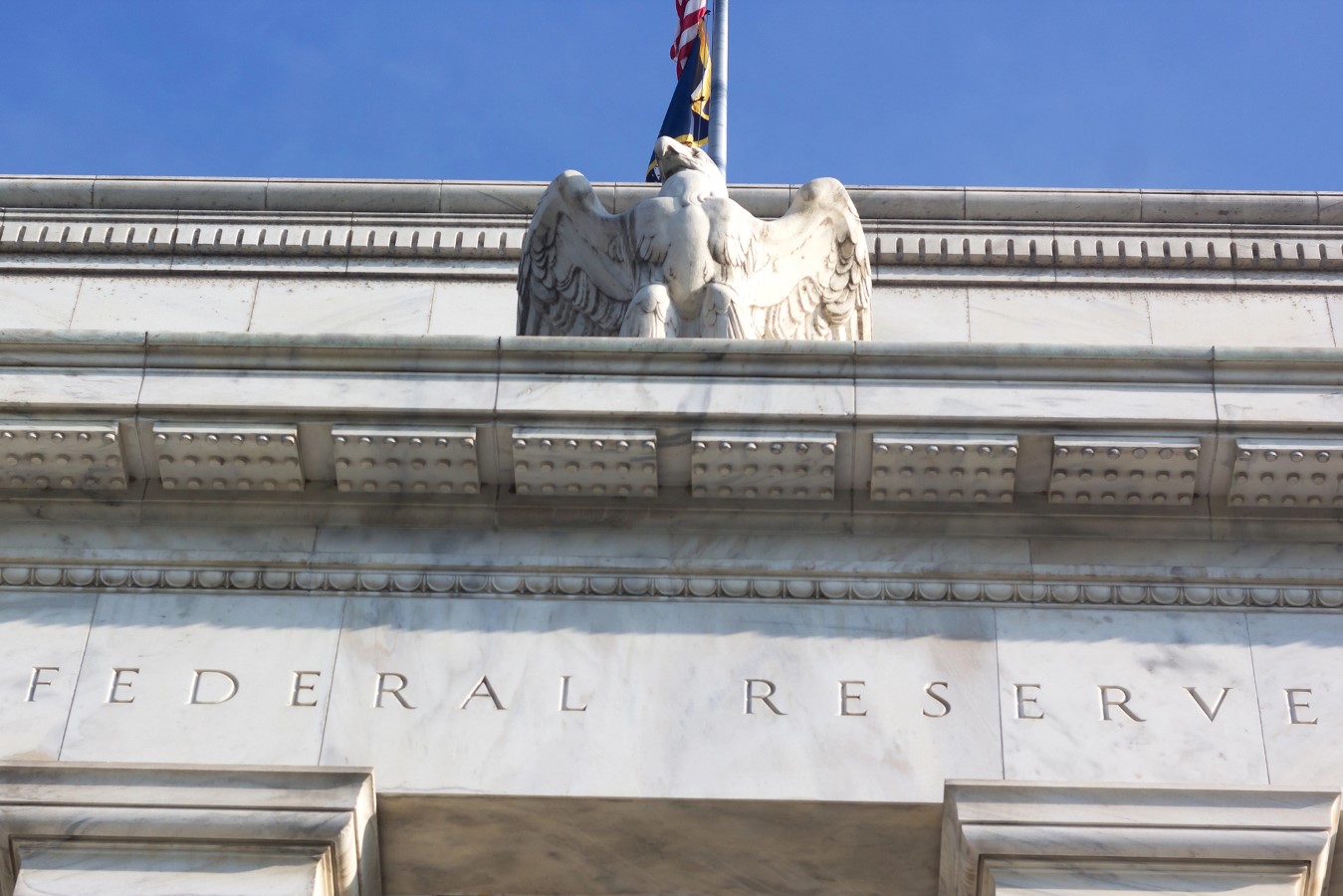
Federal Reserve Chairman Kevin Warsh reaffirmed this week that the central bank remains fully committed to bringing inflation back to its 2% target, even as the White House argued that recent economic data provides no justification for raising interest rates.
Appearing before the House Financial Services Committee during the Federal Reserve’s semiannual Monetary Policy Report, Warsh stressed that the fight against inflation is far from over despite June’s encouraging inflation report. His comments came just one day after National Economic Council Director Kevin Hassett said there is “not really an excuse” for the Fed to increase borrowing costs following the latest Consumer Price Index (CPI) data.
The contrasting messages highlight the growing debate over whether cooling inflation is enough for the Federal Reserve to pause; or eventually reverse; its restrictive monetary policy.
Warsh used his congressional testimony to make clear that restoring price stability remains the Fed’s highest priority.
“The Fed’s number one objective is to get monetary policy right — or as near to it as we possibly can. That is our clear and constant aim, the star we steer by,” he said.
“And if we get policy right — and we will — the inflation surge of the last five years will be a thing of the past.”
He added that members of the Federal Open Market Committee “have no tolerance for persistently elevated inflation” and remain committed to bringing inflation back to the Fed’s 2% target.
White House says there’s “no excuse” for a rate hike

While Warsh urged caution, the White House pointed to the latest inflation data as evidence that higher interest rates are unnecessary.
National Economic Council Director Kevin Hassett described June’s inflation report as one of the strongest he has seen.
“If you’re watching the data, then, you know, there’s not really an excuse for raising rates right now,” Hassett said during a July 15 interview on CNBC’s Squawk Box.
“Another report or two like this, then I think they’d be thinking the other way.”
Hassett also emphasized that the administration respects the Federal Reserve’s independence.
“We absolutely at the White House respect that Kevin Warsh is going to drive the committee to the right answer,” he said.
June inflation cooled, but the Fed isn’t declaring victory. June’s Consumer Price Index showed inflation slowed to 3.5% year over year, down from 4.2% in May. Monthly inflation also eased, helped largely by a sharp decline in gasoline prices.
Despite the improvement, Warsh cautioned lawmakers against reading too much into a single report.
“It’s one data point,” he said, explaining that one reason he created a new data task force at the Fed is to avoid overreacting to isolated reports.
“There might be some that look at this morning’s data and say, ‘Oh, mission accomplished. Everything’s swell.’ That is not my view.”
He also reiterated the Fed’s long-term objective.
“We are committed to the 2% inflation goal.”
Lower gas prices played a major role

Much of June’s improvement stemmed from a 9.7% decline in gasoline prices, helping pull down headline inflation.
Core inflation; which excludes volatile food and energy prices; also eased, though Fed officials have continued to focus on broader underlying inflation trends rather than short-term swings driven by energy markets.
Warsh noted that while monthly price movements are inevitable, longer-term inflation is largely determined by monetary policy.
“While monthly price fluctuations are inevitable — especially in an unsettled world — underlying inflation over longer time horizons is determined largely by monetary policy.”
Some Fed officials still see higher rates as possible
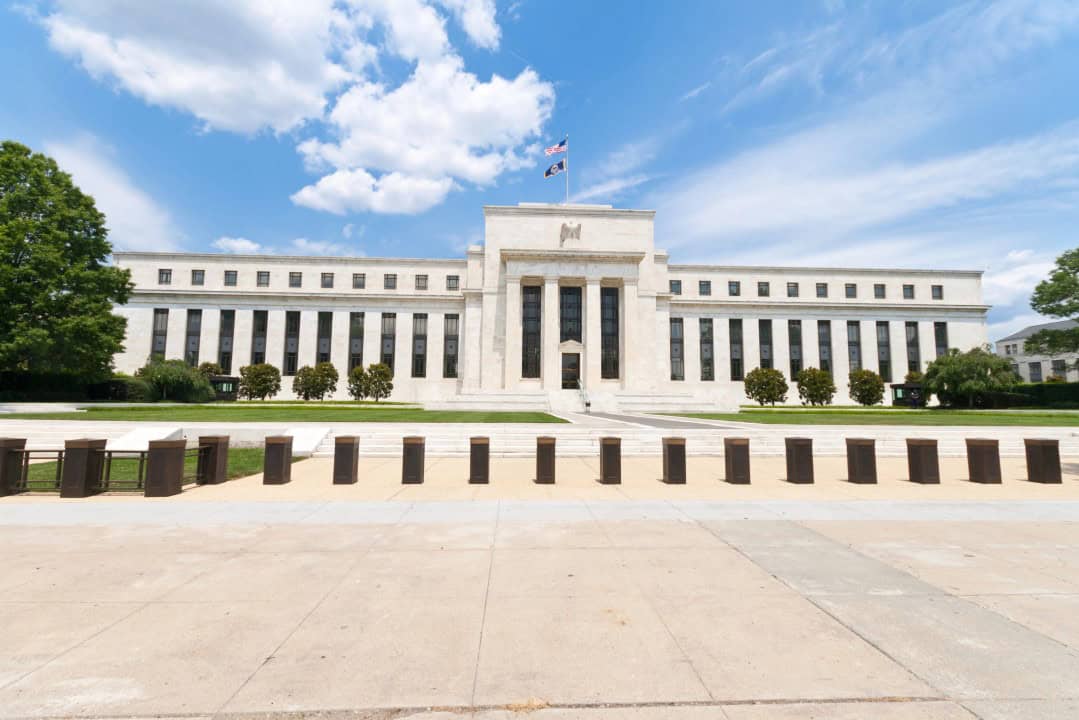
Although Warsh declined to provide forward guidance on future interest rate decisions, several Fed officials have openly discussed the possibility of additional tightening.
Fed Governor Christopher Waller said policymakers may need to raise interest rates “in the near term” if inflation remains well above target.
“Sternly staring at inflation until it melts before our withering gaze is not an option,” Waller said before the June inflation report was released.
Fed Governor Lisa Cook also said she remains prepared to act if inflation stalls, though she favors waiting for additional evidence before supporting further tightening.
“I see it as prudent to give a bit more time to observe how inflation unfolds from here,” Cook said.
“Going forward, though, I believe the risks continue to be strongly weighted toward higher inflation.”
Dallas Fed President Lorie Logan has also argued that “modestly” higher interest rates may ultimately be needed to restore price stability.
Trump has eased public pressure on Warsh
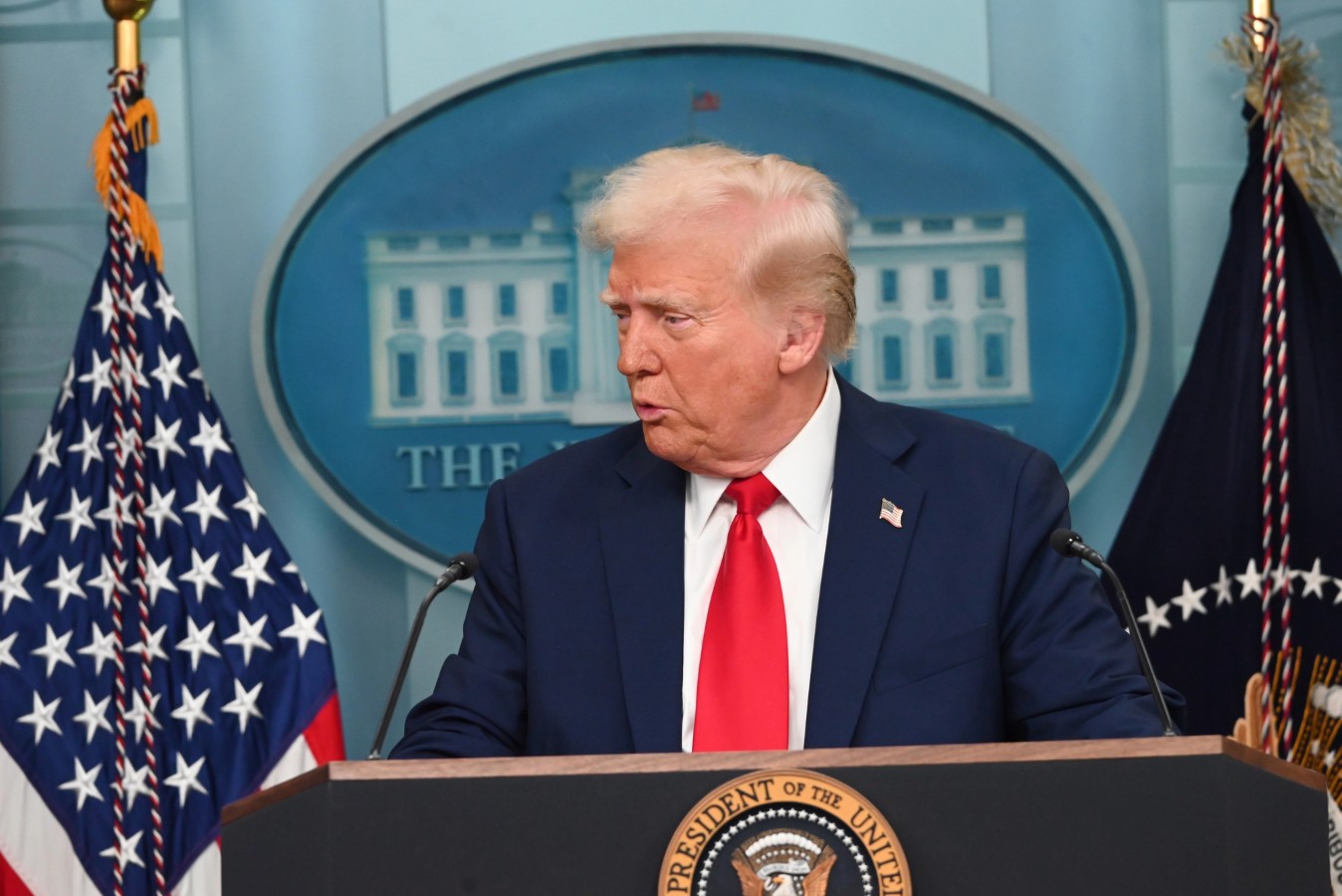
President Donald Trump has repeatedly argued that lower interest rates would help boost economic growth during his second term.
Unlike his frequent public criticism of former Fed Chair Jerome Powell, however, Trump has largely refrained from criticizing Warsh since nominating him earlier this year.
After the Federal Open Market Committee kept rates unchanged in June, Trump simply responded:
“It’s all right, whatever.”
Warsh also assured lawmakers that political considerations would not influence the Fed’s decisions.
“My commitment to you is to follow the law and follow the data.”
Warsh calls for a “regime change” at the Fed
Beyond interest rates, Warsh outlined an ambitious effort to reshape the central bank.
Calling inflation an “unfair burden” on American households and businesses, he argued the Fed needs a “regime change” in monetary policy.
“It has been a tax on the American people and businesses. We plan on getting rid of that tax,” he said.
“That means we need a regime change in policy, and we need new consideration of practices, some of which have been working, some of which haven’t.”
Warsh also criticized the Fed’s flexible average inflation targeting framework adopted in 2020.
“That central bank wasn’t the first central bank to ask for a little more inflation and end up with a lot more. It was a mistake.”
Warsh announced five task forces that will review nearly every aspect of the Federal Reserve’s operations, including communications, technology, the balance sheet, economic data collection and the inflation framework.
He called the appointees some of “the very best minds” and said the inflation task force will explore “a range of ideas for delivering price stability.”
Warsh described the effort as the beginning of “a new chapter at the Federal Reserve.”
AI investment remains a bright spot

While emphasizing inflation risks, Warsh painted an otherwise positive picture of the U.S. economy.
He said the labor market remains largely stable and economic growth continues at a solid pace, although the housing market “continues to lag.”
Warsh highlighted artificial intelligence investment as the economy’s strongest driver.
“The most striking feature of the economy right now is business investment,” he said.
“The rapid pace — which appears to be accelerating — reflects, in large part, the construction of data centers and the immense demand for the AI-related equipment and software that fill them.”
He added that AI investment will likely become simply “investment” as the technology becomes more deeply embedded throughout the economy.
Markets still expect the Fed to hold rates in July
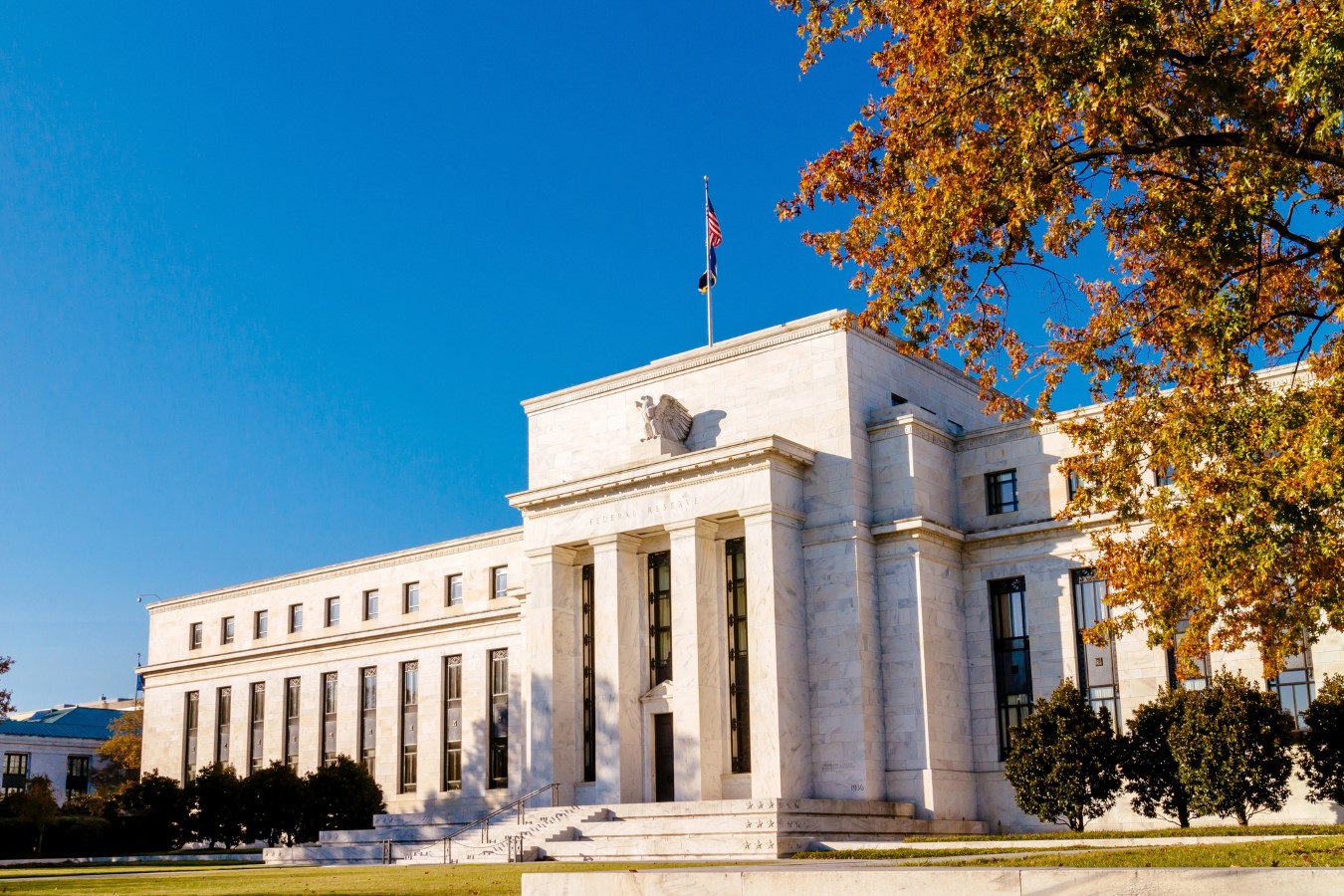
The Federal Reserve’s July 15 Beige Book showed employment increased in five of the Fed’s 12 districts while remaining largely unchanged elsewhere. Price growth continued across all districts but generally slowed or remained steady compared with the previous report.
Taken together with recent speeches from Fed officials, many economists believe policymakers are unlikely to change rates at their July 29 meeting.
“They’re probably going to pass on July,” Employ America Executive Director Skanda Amarnath said.
As of July 19, most forecasters expect the Federal Open Market Committee to leave the federal funds rate unchanged at 3.5% to 3.75% later this month. However, markets continue to assign meaningful odds to a quarter-point rate hike at the Fed’s September meeting if inflation proves more persistent than policymakers expect.
Like Financial Freedom Countdown content? Be sure to follow us!
14 essential strategies to maximize your Social Security and avoid costly mistakes
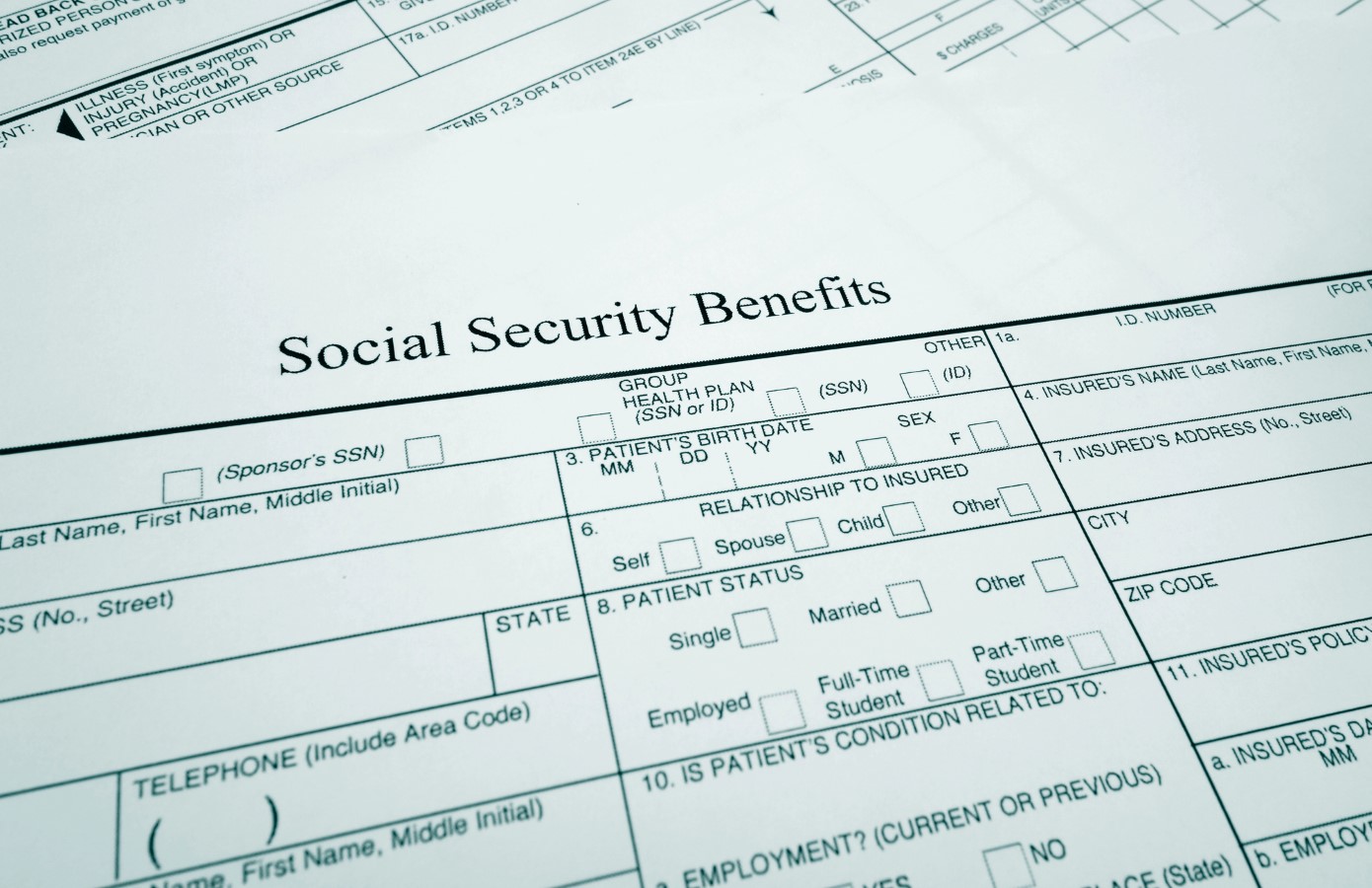
Social Security is a vital lifeline for many seniors, providing crucial income support during retirement. With inflation at its highest in four decades, Social Security’s inflation-adjusted benefits offer protection against rising costs.
Rising interest rates have disrupted many retirement portfolios, causing bond fund values to plummet. In this volatile financial landscape, Social Security can stabilize a typical stock-bond retirement portfolio. By implementing smart strategies, retirees can maximize their Social Security benefits and ensure a more secure financial future.
14 Essential Strategies to Maximize Your Social Security and Avoid Costly Mistakes
11 reasons you should claim Social Security early

Deciding when to claim Social Security is often about maximizing your benefit. Financial planners usually advise delaying your claim for as long as possible to secure the highest monthly payment. Your benefit is based on your lifetime earnings, with a full payout available at your full retirement age (FRA), which is currently between 66 and 67 depending on your birth year. Claiming before FRA results in a permanent reduction in your monthly benefit, while waiting beyond FRA leads to a permanent increase. However, the decision isn’t solely about maximizing the monthly check. Personal factors such as health, family circumstances, and financial needs can play a significant role in determining the right time to claim.
11 Reasons You Should Claim Social Security Early
Did you find this article helpful? We’d love to hear your thoughts! Leave a comment with the box on the left-hand side of the screen and share your thoughts.
Also, do you want to stay up-to-date on our latest content?
1. Follow us by clicking the [+ Follow] button above,
2. Give the article a Thumbs Up on the top-left side of the screen.
3. And lastly, if you think this information would benefit your friends and family, don’t hesitate to share it with them!

John Dealbreuin came from a third world country to the US with only $1,000 not knowing anyone; guided by an immigrant dream. In 12 years, he achieved his retirement number.
He started Financial Freedom Countdown to help everyone think differently about their financial challenges and live their best lives. John resides in the San Francisco Bay Area enjoying nature trails and weight training.
Here are his recommended tools
Personal Capital: This is a free tool John uses to track his net worth on a regular basis and as a retirement planner. It also alerts him wrt hidden fees and has a budget tracker included.
Platforms like Yieldstreet provide investment options in art, legal, real estate, structured notes, venture capital, etc. They also have fixed-income portfolios spread across multiple asset classes with a single investment with low minimums of $10,000.