‘This Will Backfire’: San Jose Mayor Warns California’s Billionaire Tax Could Hit the Middle Class
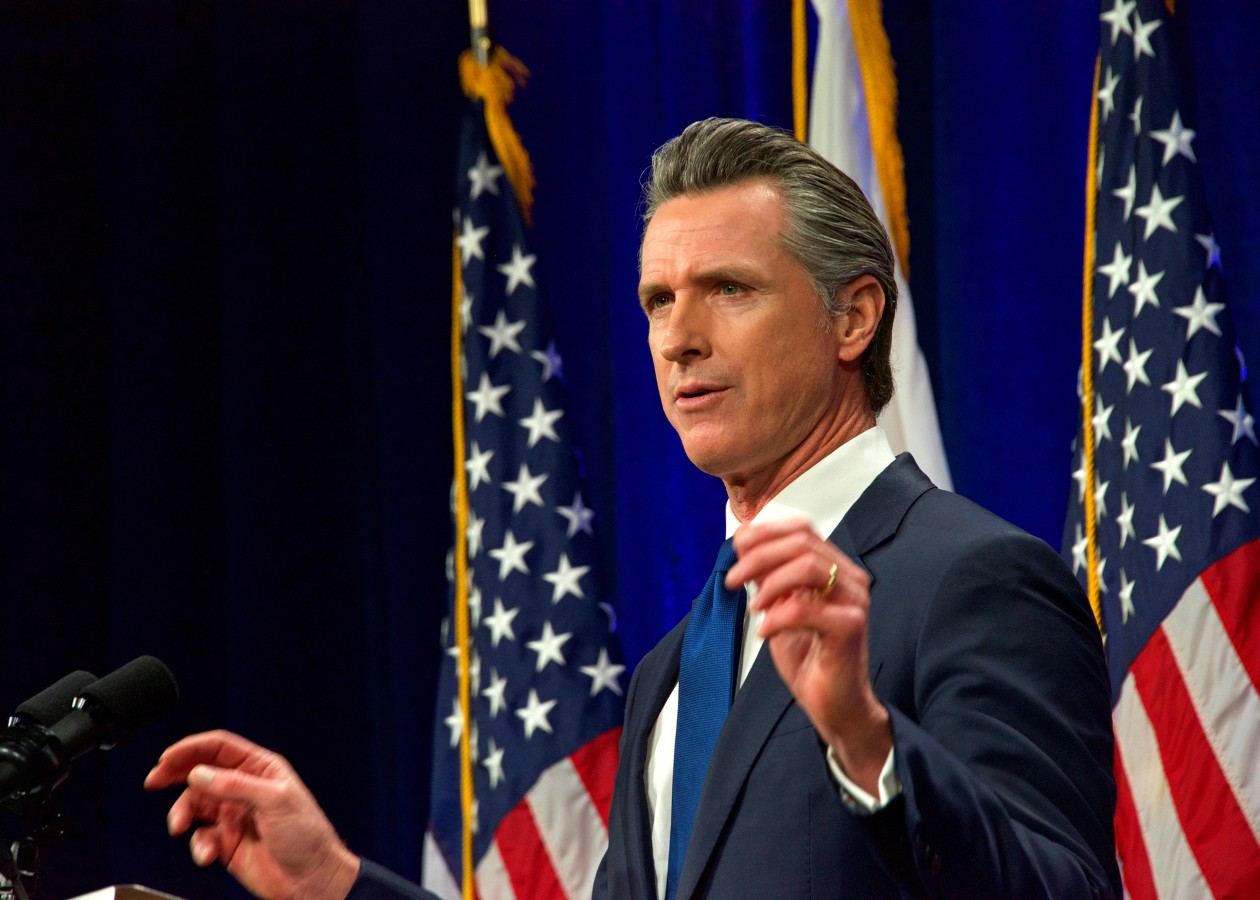
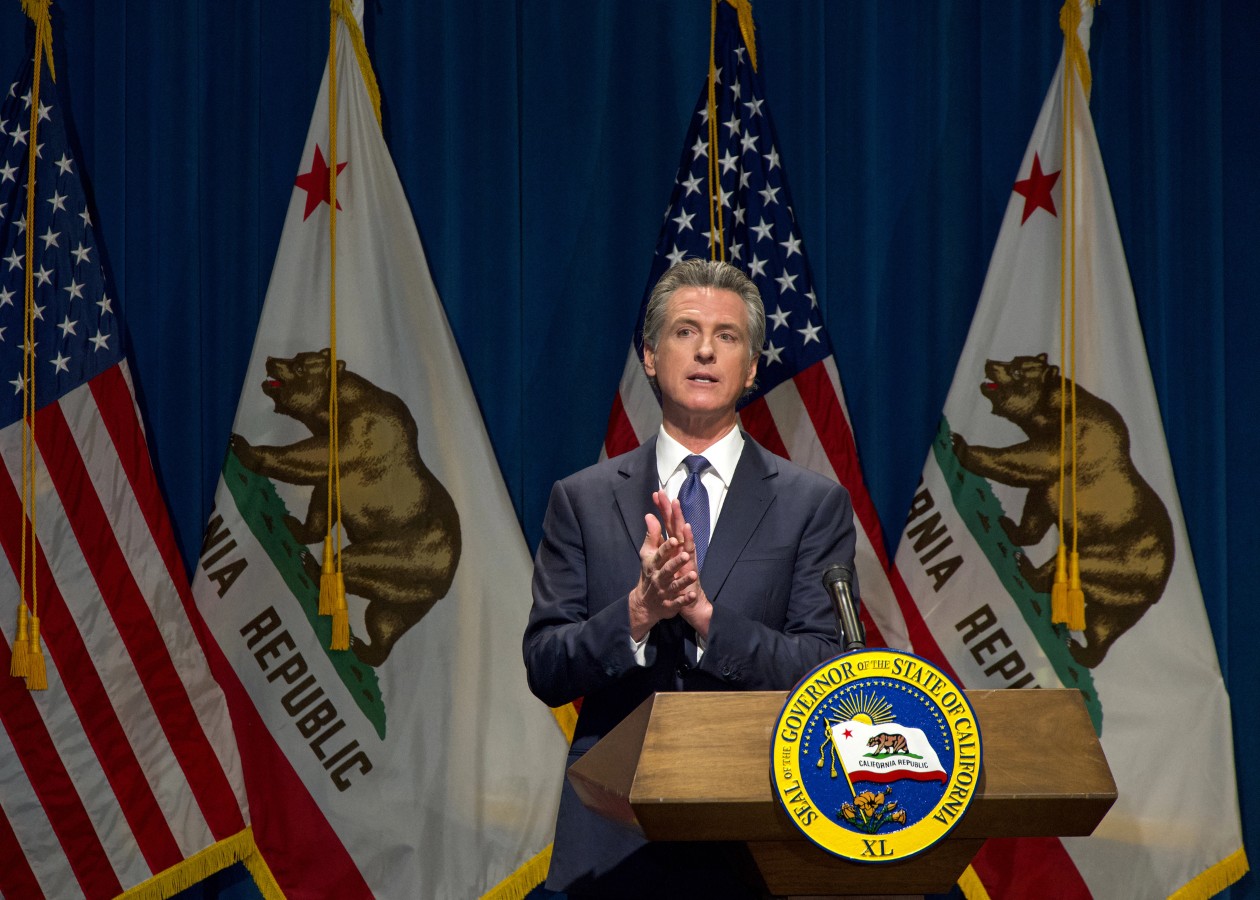
As California weighs a proposed billionaire wealth tax, San Jose Mayor Matt Mahan is forcefully warning that the policy could trigger unintended consequences for ordinary California residents.
Backing Gov. Gavin Newsom’s opposition, Mahan said in a post on X that the “so-called wealth tax is going to backfire,” arguing that unless the state first closes federal tax loopholes and aggressively cuts waste and fraud, the burden will ultimately fall on middle-class taxpayers while California’s innovation economy is put at risk.
Mahan’s warning comes as some of California’s most prominent tech founders quietly restructure their financial ties to the state. In recent weeks, Google co-founders Larry Page and Sergey Brin have moved dozens of California-based business entities and assets to lower-tax states such as Nevada and Florida, according to state filings and reporting by The New York Times.
While neither has publicly announced a change in residency, the shifts underscore Mahan’s concern that the proposed tax is already incentivizing capital flight.
The Wealth Tax Driving Billionaire Anxiety

At the center of the reshuffling is a proposed ballot initiative backed by a healthcare workers’ union. The measure would impose a one-time 5% tax on Californians worth more than $1 billion, applied retroactively to anyone living in the state as of January 1.
Supporters say the tax could raise roughly $100 billion from California’s wealthiest residents to offset healthcare cuts and fund public services. Critics say it invites capital flight, discourages long-term investment, and creates powerful incentives for the ultra-wealthy to restructure or leave.
Page and Brin Quietly Move Assets Out of California
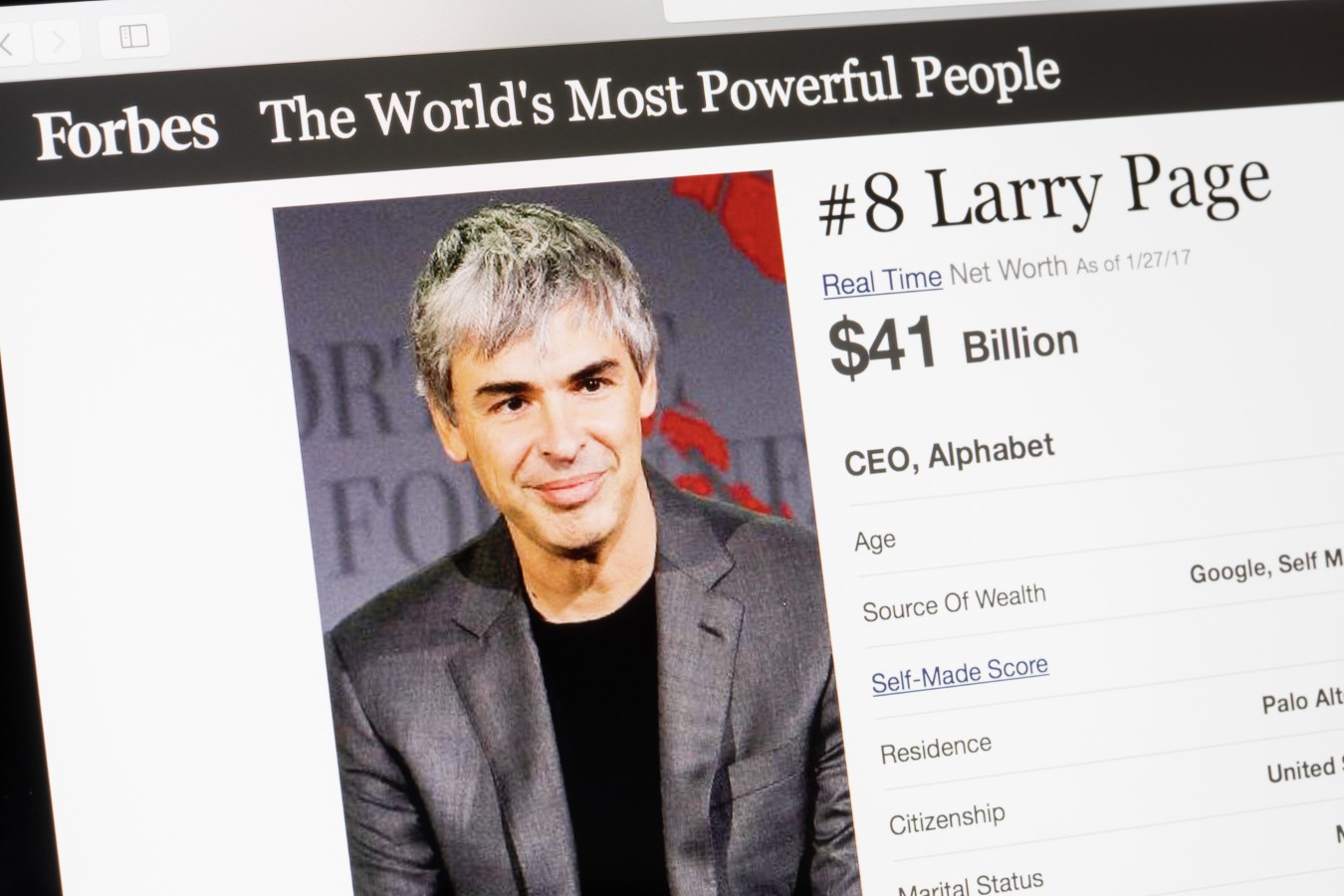
In the days before Christmas, entities tied to Sergey Brin terminated or relocated 15 California LLCs, according to filings reviewed by The New York Times. Seven were converted into Nevada entities, including companies linked to Brin’s superyacht and his stake in a private air terminal at San Jose International Airport.
Larry Page has gone further. More than 45 California LLCs associated with him were rendered inactive or moved out of state, and a trust tied to Page purchased a $71.9 million mansion in Miami’s Coconut Grove. Another entity jointly managed by Page and Brin moved from California to Nevada on Christmas Eve.
Neither founder has publicly declared a change in personal residency, but the message from their paperwork is unmistakable.
Other Billionaires Already Left

California tech billionaire Peter Thiel announced last week that he had “established a significant presence in Miami over the last several years, maintaining a personal residence in the city since 2020” and an office for his Founders Fund venture capital firm since 2021.
David Sacks, a billionaire venture capitalist and co-founder of Craft Ventures, announced on the final day of 2025 that his firm had opened an office in Austin, Texas.
Sacks, who previously lived in San Francisco, relocated earlier in December, timing the move just ahead of the proposed residency cutoff.
Tech investor Chamath Palihapitiya has publicly said he is giving “serious consideration” to moving to Texas, warning that the tax could drive entrepreneurs and capital out of California.
Billionaire Tax Could Apply to Everyone

In a post on X, Chamath Palihapitiya said “California is disguising a proposed asset seizure tax as a “Billionaire Tax,” but the math doesn’t add up. They wanted $100B from 200 Californian billionaires but $500B in wealth has already fled the state, leaving a $25B hole in their plan. And it’s still only a proposal. Imagine how much more wealth will leave if this actually makes the ballot?? Why should you care? The fine print in the bill allows the California legislature to apply this asset tax to non-billionaires as well whenever they want. Your car, home and jewelry would all count. California isn’t coming just for the rich. This bill, while disguised as a tax on the wealthy, is actually the infrastructure to tax everyone in California even more – but now on everything you own. Instead, why not fund our budget by first stopping the waste??”
Silicon Valley Divided; Even Among Billionaires

The proposal has split tech leaders. LinkedIn co-founder Reid Hoffman called it a “horrendous idea” that could force founders to sell shares just to pay the bill. Investors like Palmer Luckey and Vinod Khosla warn it could hollow out the innovation economy.
Nvidia CEO Jensen Huang stands nearly alone among top-tier billionaires in openly embracing the tax, even though it could cost him nearly $8 billion. “We chose to live in Silicon Valley,” Huang said, emphasizing that access to talent outweighs tax concerns.
San Jose Mayor Highlights Waste and Fraud in California
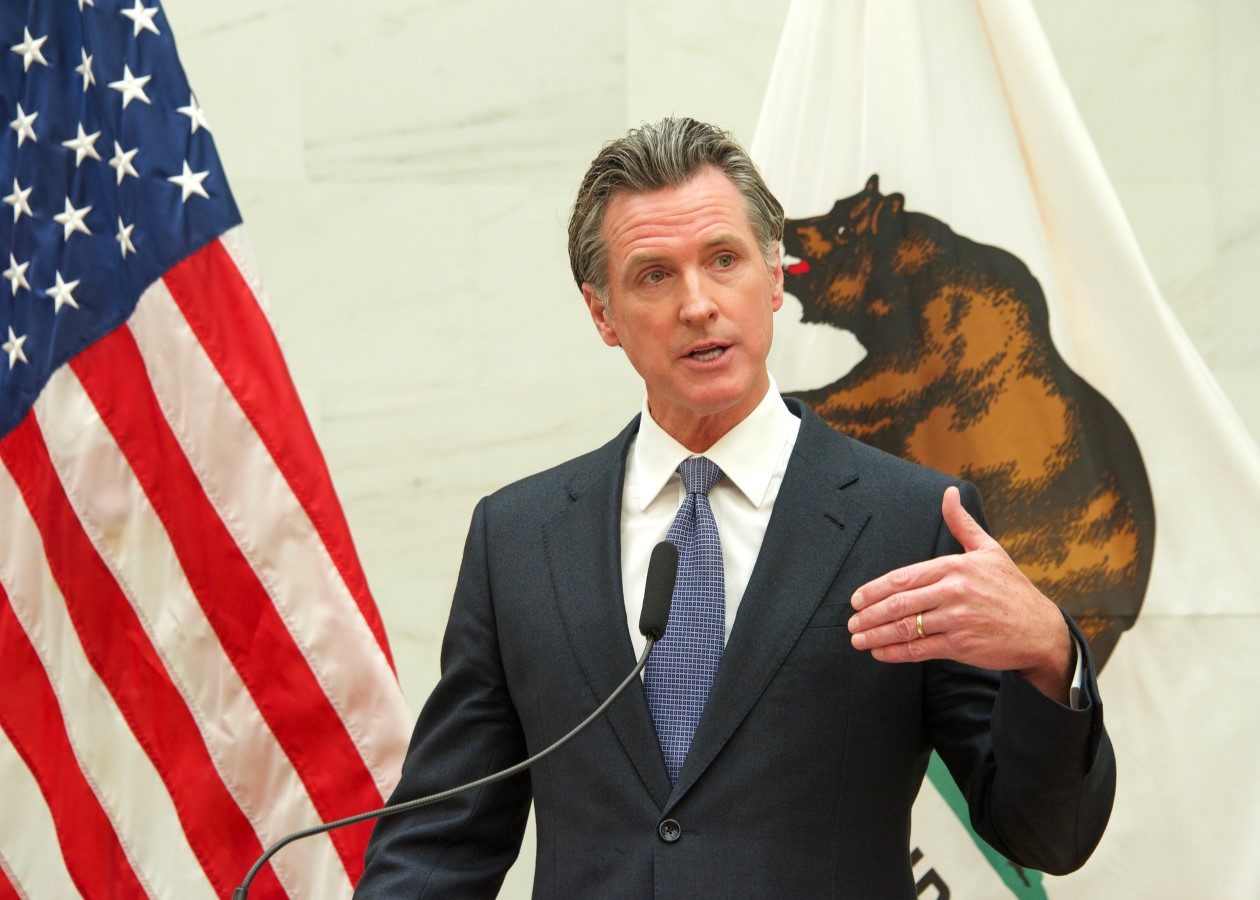
Now, one of Silicon Valley’s most prominent local leaders is reframing the debate entirely.
San Jose Mayor Matt Mahan argues that the wealth tax isn’t just misguided; it ignores California’s real fiscal failures.
“Just in the last few years in California alone, credible sources estimate that we’ve had $20 to $30 billion in fraudulent unemployment claims and huge amounts of waste in our health care system,” Mahan said. “So I think we ought to ask government to do better before we ask taxpayers to pay more.”
Mahan points out that California is already a high-tax state with one of the most progressive tax structures in the country. The top 1% of earners already generate about 40% of the state’s income tax revenue.
“So let’s close loopholes,” he said, “but also realize that there’s a lot of waste and fraud in government that we ought to be going after first, before we put our innovation economy at risk.”
What Newsom and Khanna Get Right; and Wrong
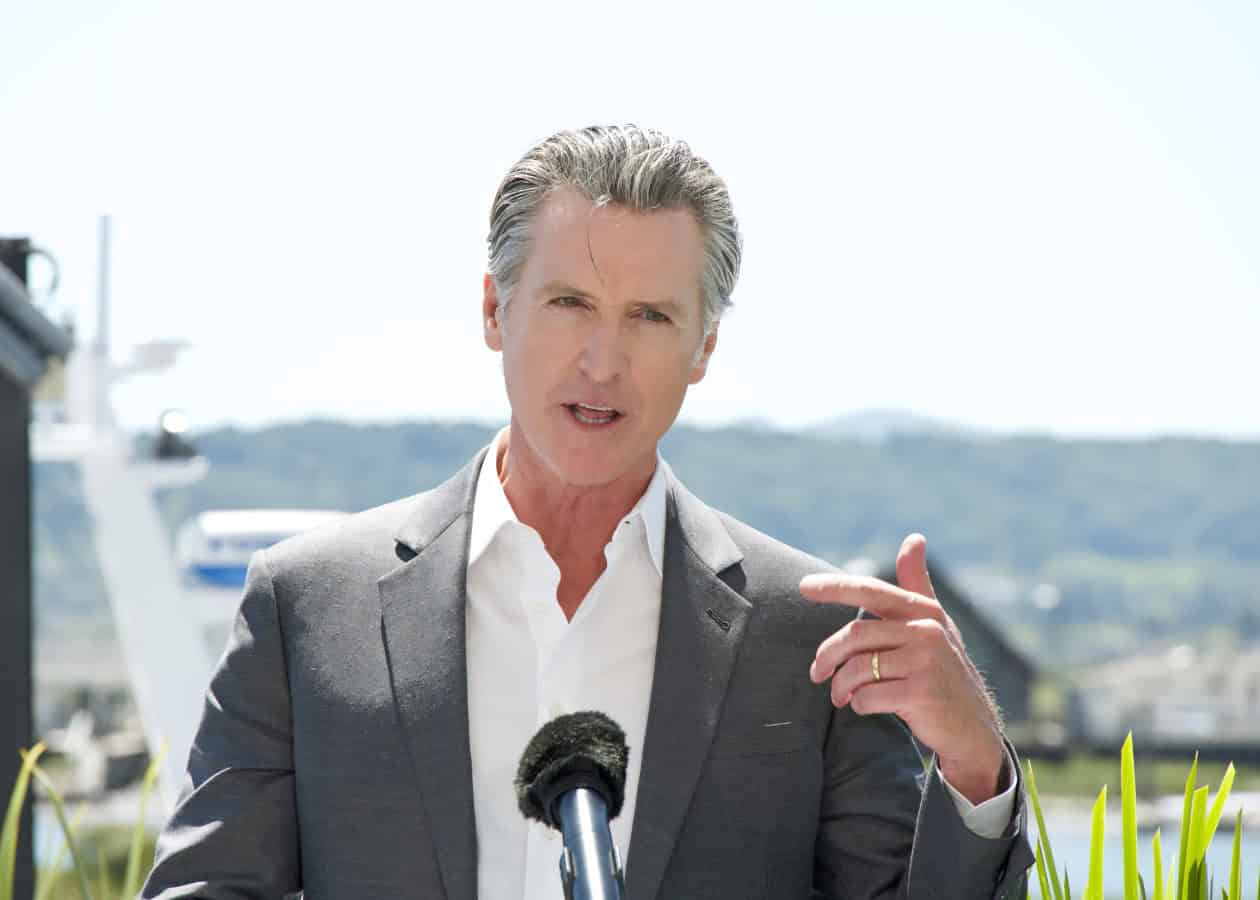
In a sharply argued opinion piece, Mahan says both Gov. Gavin Newsom and Rep. Ro Khanna are partly right; and partly wrong.
Khanna has argued California needs the billionaire tax to offset federal healthcare cuts. Newsom has opposed it, warning it would drive out innovators, reduce middle-class jobs, and shrink the tax base over time.
Mahan agrees economic inequality is real and that federal cuts to the social safety net are dangerous. But he says taxing wealth at the state level is the wrong solution; especially without first addressing waste, fraud, and abuse.
“Making all Californians poorer is not the answer,” Mahan wrote. “Driving out the entrepreneurs and innovators who have enriched California is not the solution to a growing concentration of wealth.”
The Waste Problem California Won’t Confront
Mahan points to uncomfortable facts state leaders rarely emphasize: more than $20 billion lost to unemployment fraud during the pandemic, up to 30% of community college financial aid applications flagged as fraudulent, massive cost overruns on state construction projects, and billions spent on homelessness programs that failed to reduce the number of people living on the streets statewide.
Rooting out waste and inefficiency, Mahan argues, would make government more effective; and reduce the perceived need for economically risky taxes.
Why Page and Brin’s Moves Matter More Than Headlines

Supporters of the wealth tax insist billionaire flight is exaggerated. Most have not formally left California. But critics say that’s missing the point.
The most consequential shifts happen quietly; through LLCs, trusts, and asset restructuring; long before a moving truck arrives. Page and Brin’s actions suggest that even California’s most iconic founders are hedging against policy uncertainty.
A Defining Choice for California
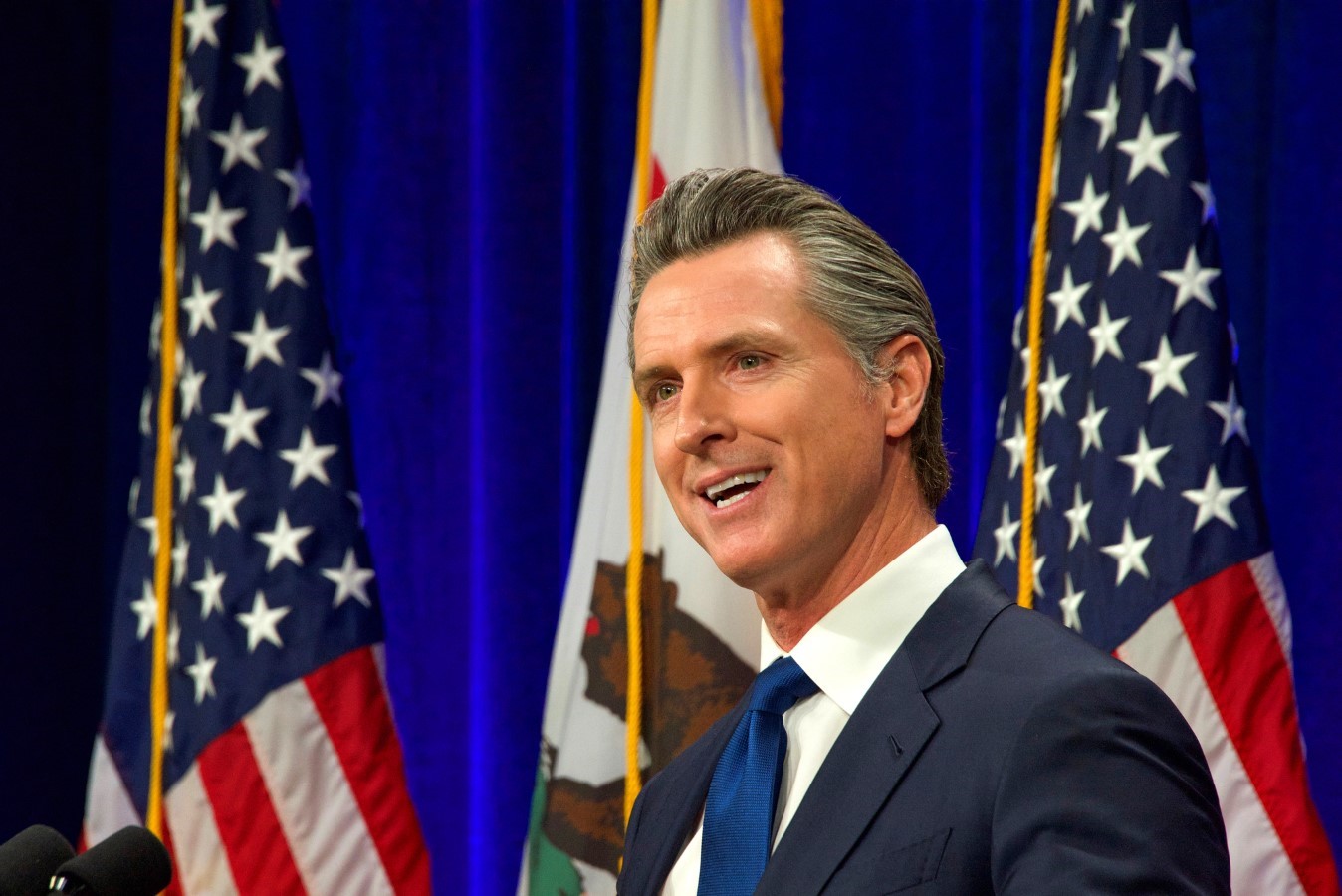
Mahan’s warning lands at a pivotal moment. California can choose to double down on symbolic wealth taxes; or confront the harder work of reforming how government spends trillions of dollars already entrusted to it.
“If California wants to ‘stick it to the rich,’” Mahan warns, “the rich have a simple response: they can just leave.”
The Google founders may not be gone. But their quiet moves suggest they’re preparing for a future where California’s innovation economy feels less like home; and more like a risk.
Like Financial Freedom Countdown content? Be sure to follow us!
Trump’s ‘Big Beautiful Bill’ Just Changed Health Savings Accounts; What Millions Can Now Claim
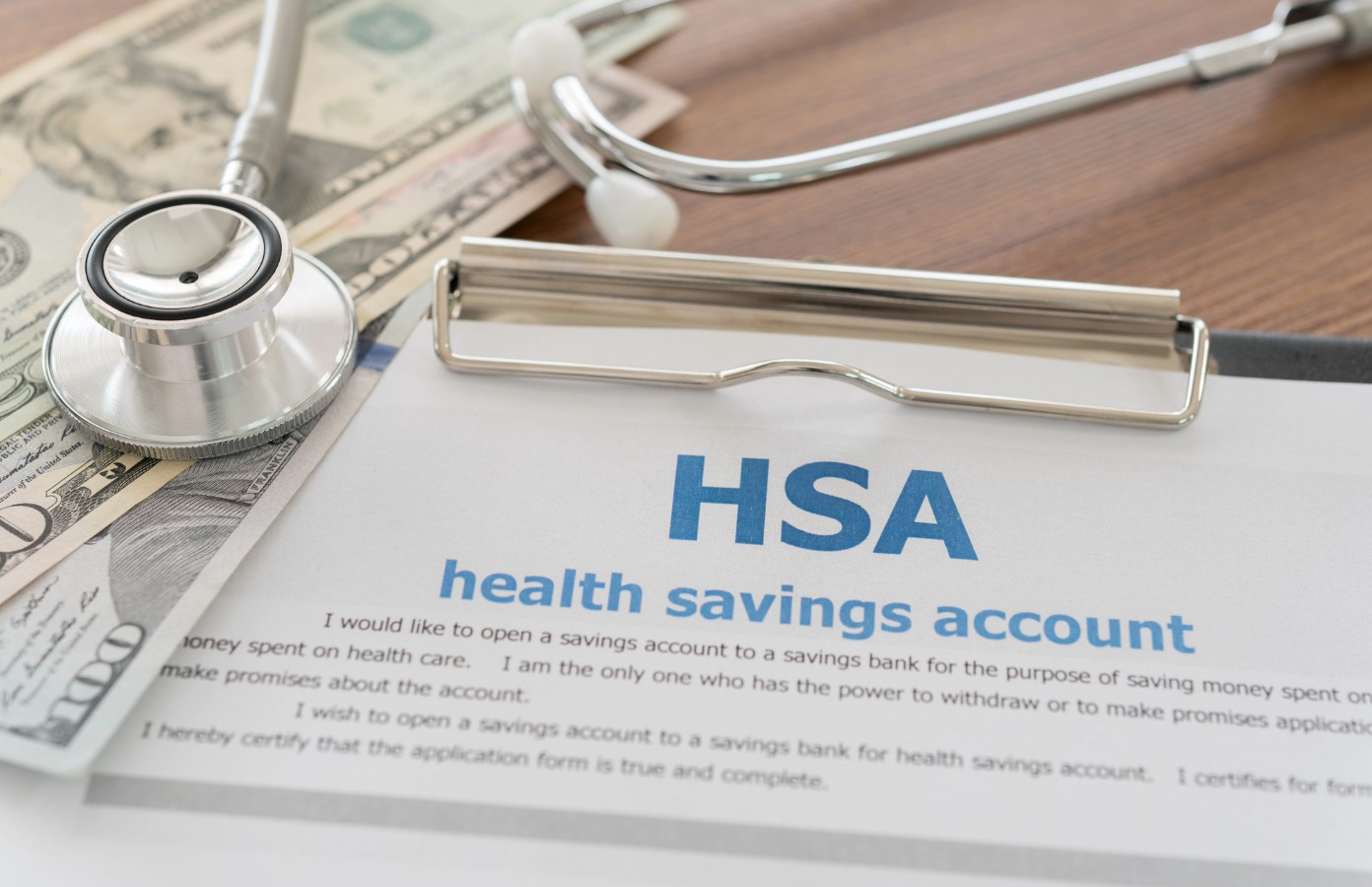
The Trump administration has rolled out new details on Health Savings Accounts (HSAs) following the passage of the so-called “Big Beautiful Bill,” expanding who can use these powerful tax-advantaged savings tools. The changes could allow millions more Americans to lower their taxable income, earn interest on medical savings, and keep unused funds year after year.
Trump’s ‘Big Beautiful Bill’ Just Changed Health Savings Accounts; What Millions Can Now Claim
Major Student Loan Changes Coming in 2026; From Parent PLUS Caps to the End of SAVE

Federal student loans are about to change in some of the biggest ways in decades. Beginning in 2026, new laws will reshape how much students and parents can borrow, eliminate long-standing loan programs, and overhaul repayment for future borrowers. For families planning for college, graduate students weighing advanced degrees, and borrowers already navigating repayment, these shifts could significantly alter education and financial decisions.
Major Student Loan Changes Coming in 2026; From Parent PLUS Caps to the End of SAVE

Did you find this article helpful? We’d love to hear your thoughts! Leave a comment with the box on the left-hand side of the screen and share your thoughts.
Also, do you want to stay up-to-date on our latest content?
1. Follow us by clicking the [+ Follow] button above,
2. Give the article a Thumbs Up on the top-left side of the screen.
3. And lastly, if you think this information would benefit your friends and family, don’t hesitate to share it with them!

John Dealbreuin came from a third world country to the US with only $1,000 not knowing anyone; guided by an immigrant dream. In 12 years, he achieved his retirement number.
He started Financial Freedom Countdown to help everyone think differently about their financial challenges and live their best lives. John resides in the San Francisco Bay Area enjoying nature trails and weight training.
Here are his recommended tools
Personal Capital: This is a free tool John uses to track his net worth on a regular basis and as a retirement planner. It also alerts him wrt hidden fees and has a budget tracker included.
Platforms like Yieldstreet provide investment options in art, legal, real estate, structured notes, venture capital, etc. They also have fixed-income portfolios spread across multiple asset classes with a single investment with low minimums of $10,000.