
Judge blocks part of Trump student loan rule, restoring higher borrowing limits for nursing students

Graduate nursing students and several other healthcare students will temporarily be eligible for higher federal student loan limits after a federal judge blocked part of the Trump administration’s new loan cap rule. The decision prompted the U.S. Department of Education to revise its regulations, restoring “professional program” status to dozens of healthcare degrees while litigation continues, even as the administration vows to defend its original policy.
The U.S. Department of Education announced Monday that it is temporarily revising its student loan regulations to comply with a federal court order issued last week. The updated rule restores higher federal borrowing limits for students pursuing a range of graduate healthcare degrees that had previously been excluded from the government’s definition of “professional programs.”
Education officials described the revision as a temporary measure while the Trump administration continues to defend its original rule in court.
The revised regulation takes effect Wednesday and is expected to remain in place during the judge’s preliminary stay, although the department warned universities that the policy “may change as litigation in the case proceeds.”
Trump administration plans to continue defending original definition

Although the department is complying with the court order, officials made clear they disagree with the ruling and intend to continue fighting it.
Undersecretary Nicholas Kent said in a statement: “We will continue to make the case that the definition is both lawful and appropriate.”
The department maintains that its original definition properly interpreted federal law governing professional degree programs and expects the courts will ultimately uphold its position.
Loan caps were created under Trump’s tax law

The dispute stems from a student loan overhaul included in President Donald Trump’s tax legislation enacted last year.
Under the new system:
Graduate students in programs classified as professional degrees can borrow up to $200,000 in federal student loans.
Students enrolled in other graduate programs are generally limited to $100,000.
Before the law changed, graduate students could typically borrow up to the full cost of attendance through federal loan programs.
Trump administration officials argued that placing limits on graduate borrowing would help reduce rising student debt while encouraging colleges and universities to control tuition costs.
Nursing and healthcare programs regain professional status

The temporary rule significantly expands the list of programs treated as professional degrees.
The revised list now includes 29 specific graduate programs, restoring higher borrowing limits for students pursuing degrees such as:
Master of Science in Nursing
Doctor of Nursing Practice
Doctor of Nurse Anesthesia Practice
Physical therapy
Athletic training
Speech-language pathology
Physician associate programs
Anesthesiologist assistant programs
The ruling is particularly important for nursing students pursuing specialized graduate education.
Some advanced nursing programs; including nurse anesthesia degrees; can cost well above $100,000, meaning many students would have exceeded the lower federal borrowing cap under the administration’s original rule.
Healthcare groups argued lower limits would hurt workforce shortages

The temporary victory follows a lawsuit brought by eight professional organizations representing nurse practitioners, therapists, speech-language pathologists and other healthcare professionals.
The plaintiffs argued that lower borrowing limits would force some students to delay or abandon graduate education or rely on more expensive private loans.
They warned that limiting access to graduate healthcare education could worsen shortages in high-demand medical professions by making advanced training financially unattainable for many students.
While healthcare programs gained temporary relief, some other graduate degrees moved in the opposite direction. To comply with the judge’s order, the Education Department removed several programs from its professional-degree list.
Theology studies programs are among the most significant changes, meaning many theology students will now face the lower $100,000 federal loan cap.
However, one major exception remains. The Master of Divinity degree; a common credential for pastors and ministers; continues to qualify as a professional program and remains eligible for the higher borrowing limit.
The department also classified applied psychology, pharmaceutical sciences and several other graduate programs as non-professional under the temporary rule, while the Doctor of Pharmacy degree retains professional status.
Judge says Education Department strayed from congressional definition

The temporary rule follows a decision by U.S. District Judge Beryl Howell in Washington.
The judge blocked portions of the Education Department’s definition adopted through the federal rulemaking process, calling it a “misguided” interpretation that departed from the longstanding definition established by Congress.
The administration’s original rule attempted to define professional degrees using several criteria.
Among them, the department said qualifying degrees generally require about six years of education, lead to licensed professions, and should not result in employment that must “be supervised by another professional” with “more education, training, and qualifications.”
The court concluded parts of that interpretation exceeded the authority granted under federal law.
Despite the temporary setback, the Education Department continues to argue that the borrowing limits are achieving one of their intended goals.
According to department officials, colleges and universities have already begun responding by lowering tuition as students’ federal borrowing capacity becomes more limited.
The department says the revised rule is solely intended to comply with the current court order and should not be interpreted as a shift in its broader policy objectives.
Democratic-led states file separate lawsuit over loan caps

The legal battle extends beyond the case that prompted this week’s temporary rule change.
A coalition of 24 Democratic-led states and the District of Columbia has filed a separate lawsuit challenging the Trump administration’s graduate loan caps altogether.
The states argue the borrowing limits will make it substantially harder for students pursuing healthcare careers to obtain the education required for their professions, potentially worsening workforce shortages.
New York Attorney General Letitia James said in a written statement: “This rule will shut talented people out of critical professions and leave communities with fewer healthcare providers they desperately need.”
She added: “We cannot afford fewer nurses, fewer providers, or fewer opportunities for working people to enter these essential fields.”
Trump administration says states are protecting universities instead of students
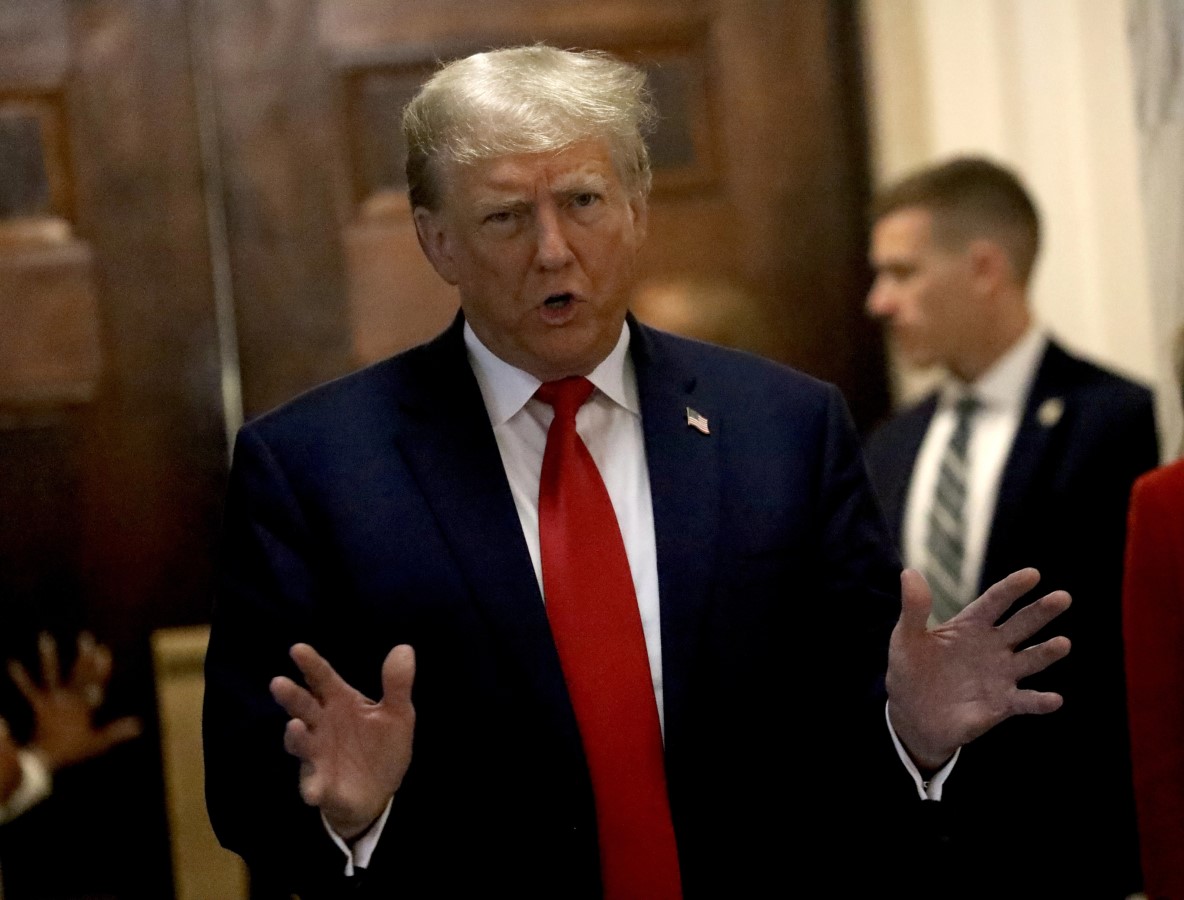
The Education Department rejected the states’ arguments and defended the new borrowing limits as a way to improve affordability in higher education.
Under Secretary of Education Nicholas Kent said in a written statement: “Clearly, these Democratic governors and attorneys general are more concerned about institutions’ bottom-line rather than American students and families’ ability to access affordable postsecondary education.”
That separate lawsuit remains pending, meaning the future of the federal graduate loan caps could ultimately be decided through additional court rulings.
What students should know going forward

For now, graduate students enrolled in nursing and many other healthcare programs will once again qualify for the higher $200,000 federal loan limit beginning with the revised rule taking effect Wednesday.
However, the Education Department has made clear that the policy remains temporary while litigation continues. If the Trump administration ultimately prevails in court, the definition of professional programs; and the borrowing limits attached to them; could change again, leaving students and universities watching closely for further legal developments.
Like Financial Freedom Countdown content? Be sure to follow us!
14 essential strategies to maximize your Social Security and avoid costly mistakes

Social Security is a vital lifeline for many seniors, providing crucial income support during retirement. With inflation at its highest in four decades, Social Security’s inflation-adjusted benefits offer protection against rising costs.
Rising interest rates have disrupted many retirement portfolios, causing bond fund values to plummet. In this volatile financial landscape, Social Security can stabilize a typical stock-bond retirement portfolio. By implementing smart strategies, retirees can maximize their Social Security benefits and ensure a more secure financial future.
14 Essential Strategies to Maximize Your Social Security and Avoid Costly Mistakes

Did you find this article helpful? We’d love to hear your thoughts! Leave a comment with the box on the left-hand side of the screen and share your thoughts.
Also, do you want to stay up-to-date on our latest content?
1. Follow us by clicking the [+ Follow] button above,
2. Give the article a Thumbs Up on the top-left side of the screen.
3. And lastly, if you think this information would benefit your friends and family, don’t hesitate to share it with them!

John Dealbreuin came from a third world country to the US with only $1,000 not knowing anyone; guided by an immigrant dream. In 12 years, he achieved his retirement number.
He started Financial Freedom Countdown to help everyone think differently about their financial challenges and live their best lives. John resides in the San Francisco Bay Area enjoying nature trails and weight training.
Here are his recommended tools
Personal Capital: This is a free tool John uses to track his net worth on a regular basis and as a retirement planner. It also alerts him wrt hidden fees and has a budget tracker included.
Platforms like Yieldstreet provide investment options in art, legal, real estate, structured notes, venture capital, etc. They also have fixed-income portfolios spread across multiple asset classes with a single investment with low minimums of $10,000.