L.A.’s mansion tax raises $1.2 billion, but is it making progress on homelessness? Study finds 9,100 fewer homes
Los Angeles’ controversial mansion tax has raised approximately $1.2 billion for affordable housing and homelessness prevention as per officials, but a new study from the RAND Corporation estimates that the policy has also deterred more than 9,100 housing units, cost 16,650 construction jobs and contributed to $452 million in forgone government revenue.
The findings raise questions about whether the city’s real estate transfer tax is achieving its intended goals or discouraging the investment needed to address Los Angeles’ housing shortage. The tax, officially known as Measure ULA, was approved by voters in 2022 and took effect in April 2023.
The 89-page RAND report examines real estate transactions, construction permits and other housing-market data through the first quarter of 2026. Its findings add to a growing debate over how Los Angeles can finance affordable housing without making new development more difficult.
Measure ULA, short for United to House LA, imposes an additional 4% tax on property sales priced between $5.4 million and $10.9 million and a 5.5% tax on sales above $10.9 million. The levy applies on top of the city’s existing 0.45% real estate transfer tax.
Despite its nickname, the tax is not limited to luxury homes. It also covers qualifying sales of apartment buildings, office towers, retail properties, warehouses, mixed-use developments and vacant land.
Voters approved the measure in November 2022 to raise money for affordable housing construction, homelessness prevention, rental assistance and other housing-related programs.
Supporters argued that high-value real estate transactions could provide a substantial source of funding for residents struggling with housing costs. However, the RAND findings suggest that the additional tax has also affected the economics of selling and developing properties.
The city’s official Measure ULA information page explains how the tax operates and which transactions are subject to it.
RAND estimates more than 9,100 housing units were lost

The RAND study found that production of large multifamily apartment buildings fell by an average of 30% after Measure ULA took effect, equivalent to more than 9,100 housing units that otherwise might have been built.
Researchers examined transactions, property characteristics, building permits and certificates of occupancy, comparing market activity before and after the tax was introduced.
The study also considered Los Angeles’ Executive Directive 1, which streamlined approvals for qualifying 100% affordable housing projects. Researchers said the decline in apartment production would have been worse without that initiative.
The findings do not mean that 9,100 completed homes were demolished or removed from the market. Rather, the estimate represents housing production deterred by the tax, according to the researchers’ analysis.
For a city confronting high rents, homelessness and a shortage of affordable homes, the distinction matters: A policy designed to finance additional housing may still make it harder to increase the overall supply if it discourages investment in new construction.
Construction jobs and public revenue have also suffered

The estimated reduction in housing development has consequences beyond the number of homes built.
RAND estimates that Measure ULA contributed to the loss of approximately 16,650 full-time-equivalent construction jobs between 2023 and early 2026. Reduced real estate activity also resulted in an estimated $452 million in forgone revenue for local, county and state governments over the same period.
Approximately $80 million of that amount was revenue that otherwise would have gone to the Los Angeles Unified School District, according to the report.
The mechanism is important. A tax on property transactions can generate revenue when qualifying properties sell, but it may also discourage sales and development. Fewer transactions and less construction can reduce other tax receipts and fees that governments would otherwise collect.
RAND estimates that if the tax remains unchanged, the cumulative effects over the next decade could include $1.68 billion in forgone public revenue, 31,000 fewer housing units and approximately 54,000 construction jobs lost.
Those figures are projections, not confirmed future losses. Actual results will depend on housing-market conditions, development activity and whether city officials change the policy.
High-value real estate transactions fell 31%

The decline in construction coincided with a sharp drop in high-value real estate sales. According to RAND, transactions involving properties subject to the tax fell by 31% after Measure ULA took effect.
The additional tax can be a significant expense for property owners. On a $7 million sale subject to the 4% rate, for example, the Measure ULA levy alone would amount to $280,000, before accounting for the city’s existing transfer tax.
Real estate agents argued that the added expense can discourage owners from selling and developers from investing in properties that could eventually be sold for more than the tax threshold.
The effects could extend beyond luxury homeowners. Apartment buildings and commercial properties can also cross the thresholds, potentially influencing decisions about whether to build, sell or hold an investment.
A separate study published in the Journal of Public Economics examined the tax’s effects on property transactions and future property-tax receipts. Its authors estimated that reduced transaction activity could offset a substantial share of the revenue generated by the levy.
The tax could also affect where developers choose to build. Projects in neighboring cities may become more attractive if their eventual sale would not incur Los Angeles’ additional transfer tax.
Real estate experts pointed to the potential difference between developing within Los Angeles city limits and building in independent cities such as Burbank or Pasadena.
A separate analysis published by Realtor.com in February 2026 examined construction-permit trends following the tax’s introduction. The report cited research from UCLA Anderson School of Management indicating that construction permits in Los Angeles had fallen 40% compared with 2018–2019 levels.
That analysis provides another perspective on the slowdown, although its permit figures and RAND’s estimates of housing units deterred measure different outcomes and should not be treated as interchangeable.
The findings suggest that the policy debate extends beyond the amount collected from property sales to whether the tax changes investment decisions and the location of future development.
Measure ULA raises $1.2 billion as questions grow over results

Despite the concerns about development, Measure ULA has generated substantial funding for the city’s housing and homelessness programs.
RAND reported that the tax had raised approximately $1.2 billion by early 2026. However, that total was less than half of the $2.7 billion initially projected by the measure’s proponents.
The revenue is intended to support affordable housing, homelessness prevention and other programs for residents facing housing insecurity. Supporters argue that reducing or eliminating the tax would put these funding sources at risk.
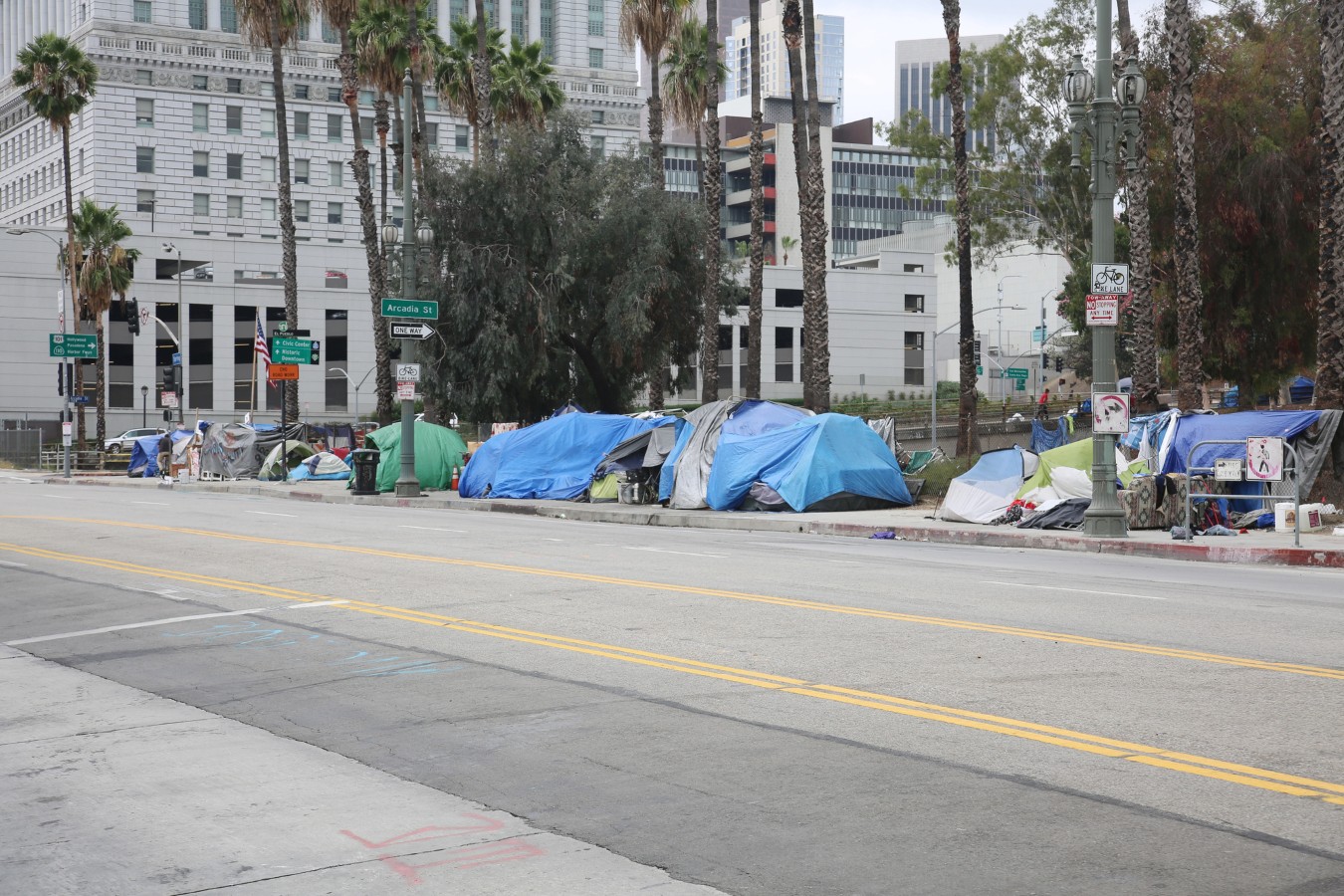
Housing advocates questioned whether the money collected has translated into sufficient results on the ground. Measure ULA has generated substantial revenue, but questions remain about how effectively the money has been used. Tents remain visible across Los Angeles, while some efforts to move people off the streets have reportedly cost $600,000 or more per unit, raising concerns about how much progress the city has made in addressing homelessness.
The comments reflect criticism of the city’s broader homelessness response, rather than an independent assessment of all spending financed by Measure ULA.
The central question is whether the city can preserve meaningful funding for affordable housing while reducing unintended effects on construction and property transactions.
RAND proposes changes to encourage new construction

The RAND researchers also modeled an alternative to the current tax structure. Their proposal would exempt newly constructed commercial properties and apartments from the levy for 15 years while applying lower rates to older developments.
Under that scenario, the city could generate an estimated $823 million in additional revenue over the coming decade, while supporting nearly 19,000 additional housing units, including approximately 2,000 affordable homes.
The changes could also generate more than 33,000 construction jobs over the same period, according to the researchers’ projections.
These figures are estimates based on a proposed policy change, not guaranteed outcomes. Nevertheless, they suggest that modifying the tax could potentially support both housing development and public revenue.
The idea is to avoid penalizing new investment at the point when developers sell or refinance recently completed projects, while retaining a tax on transactions involving existing properties.
Supporters of Measure ULA, including the advocacy group United to House LA, oppose weakening the tax, arguing that changes could reduce funding for affordable housing and delay efforts to address homelessness.
The disagreement highlights a policy trade-off: Maintaining the existing tax may preserve its current revenue mechanism, while targeted exemptions could encourage more development but change how much the city collects from individual transactions.
Nithya Raman shifts toward reforming the tax

The debate has also become an issue in Los Angeles politics.
City Councilmember Nithya Raman, a Democrat and an early supporter of Measure ULA, has proposed changes intended to reduce the tax’s impact on development. Her proposal included a 15-year exemption for newly constructed multifamily, commercial and mixed-use buildings.
“The structure of ULA now disincentivizes investment in exactly the kind of buildings that we are saying are going to help us meet our housing shortage,” said Raman in January. “We are sabotaging ourselves, a policy that unintentionally stalls housing production undermines the very goal that voters asked us to achieve.”
Raman’s proposal did not seek to eliminate the tax altogether. Instead, it aimed to adjust the rules for newer properties while retaining a revenue source for housing programs.
The Los Angeles City Council declined to place the proposal before voters in June 2026, referring it to committee for further study.
The decision left the tax in place while the city continued debating whether targeted changes could increase housing production without substantially undermining the program’s funding.
Los Angeles’ broader housing crisis adds pressure

Measure ULA is only one part of a much larger challenge facing Los Angeles. High housing costs, lengthy approval processes, construction expenses and limited affordable housing have all contributed to the city’s affordability problems.
In its 2026 metro report cards, Realtor.com gave Los Angeles an F grade for affordability and homebuilding, placing the city at the bottom of its assessment of the 100 largest U.S. cities.
Raman has argued that the city needs to make it easier and faster to build homes. During her mayoral campaign, she proposed introducing a permitting “shot clock” during her first 100 days in office to address delays if elected.
“We’ve made it too difficult, time consuming, and costly to build homes in Los Angeles,” Raman told Realtor.com.
Mayor Karen Bass, meanwhile, has defended her administration’s housing record, pointing to initiatives including Executive Directive 1 and a broader local zoning program.
The competing positions reflect different approaches to the same problem. City leaders must consider how to finance affordable housing, reduce homelessness and increase construction while addressing the costs and regulatory barriers that can delay development.
The future of Measure ULA also faces a broader political challenge. In April 2026, Realtor.com reported that a proposal backed by the Howard Jarvis Taxpayers Association had qualified for California’s November general election ballot.
According to the report, the proposal would sharply limit municipal real estate transfer taxes and repeal certain existing special taxes, including Measure ULA, which voters approved with approximately 58% support.
The proposed ballot measure could therefore affect the tax beyond the narrower reforms being considered by the Los Angeles City Council. Voters will need to distinguish between proposals that would repeal or broadly limit the levy and proposals that would preserve it while exempting certain new developments.
The outcome could have significant implications for both the city’s affordable housing funding and its ability to attract investment in new residential and commercial projects.
The future of Measure ULA could become another test of Los Angeles’ approach to housing and homelessness as voters prepare to choose between Mayor Karen Bass and City Councilmember Nithya Raman in the Nov. 3 runoff.
Both Democrats are competing to convince voters they can address the city’s housing shortage and homelessness crisis, but they have different records and approaches to development. Bass has defended her administration’s housing initiatives, including efforts to fast-track affordable housing, while Raman has called for changes to Measure ULA to encourage more construction.
With Republican Spencer Pratt eliminated in the June primary, the contest has narrowed to two Democratic candidates, putting their competing proposals and records under greater scrutiny. The RAND findings add another dimension to that debate: whether Los Angeles can fund affordable housing and homelessness programs without discouraging the development needed to make housing more available.
Like Financial Freedom Countdown content? Be sure to follow us!

Did you find this article helpful? We’d love to hear your thoughts! Leave a comment with the box on the left-hand side of the screen and share your thoughts.
Also, do you want to stay up-to-date on our latest content?
1. Follow us by clicking the [+ Follow] button above,
2. Give the article a Thumbs Up on the top-left side of the screen.
3. And lastly, if you think this information would benefit your friends and family, don’t hesitate to share it with them!

John Dealbreuin came from a third world country to the US with only $1,000 not knowing anyone; guided by an immigrant dream. In 12 years, he achieved his retirement number.
He started Financial Freedom Countdown to help everyone think differently about their financial challenges and live their best lives. John resides in the San Francisco Bay Area enjoying nature trails and weight training.
Here are his recommended tools
Personal Capital: This is a free tool John uses to track his net worth on a regular basis and as a retirement planner. It also alerts him wrt hidden fees and has a budget tracker included.
Platforms like Yieldstreet provide investment options in art, legal, real estate, structured notes, venture capital, etc. They also have fixed-income portfolios spread across multiple asset classes with a single investment with low minimums of $10,000.