NYC Mayor Mamdani unveils sweeping tenant protection plan with AI rental rules, credit check changes and landlord penalties
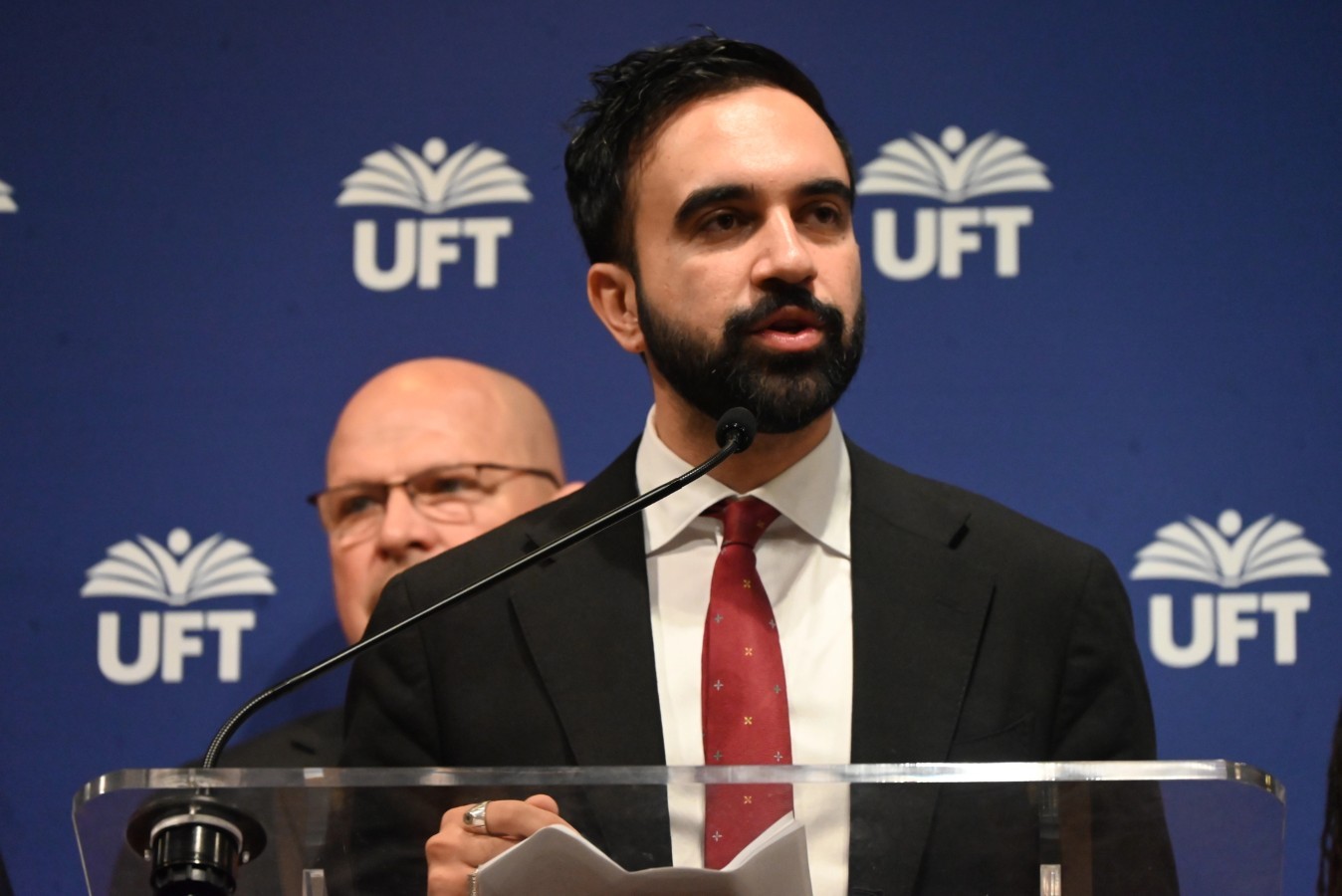
New York City Mayor Zohran Mamdani has unveiled an expansive package of tenant-focused housing reforms aimed at reducing costs for renters, cracking down on deceptive rental practices, and strengthening enforcement against negligent landlords.
The proposals, detailed in the administration’s 68-page Rental Ripoff Report, stem from months of public hearings in which roughly 2,400 tenants across New York City’s five boroughs shared their experiences with housing conditions, rental fees, and landlord practices. The report outlines initiatives that the administration plans to roll out over the next three years, with some proposals requiring City Council approval.
The Rental Ripoff Report follows a series of public hearings and online testimony conducted between February and April, during which approximately 2,400 tenants described the biggest challenges they face in New York City’s rental market.
According to City Hall, tenants most frequently raised concerns about pests, mold, broken elevators, excessive fees, landlord neglect, and difficulties navigating city inspection systems.
The report begins with a letter from Mamdani describing the hearings as an effort to build housing policy directly from renters’ experiences.
“New York City tenants are paying too much in rent and getting too little in return. No matter how many leaky ceilings or February nights without heat – the rent remains relentless,” Mamdani wrote.
He added that the report serves as “a roadmap for an administration that stands with tenants.”
Landlords could be required to pay for tenant credit checks
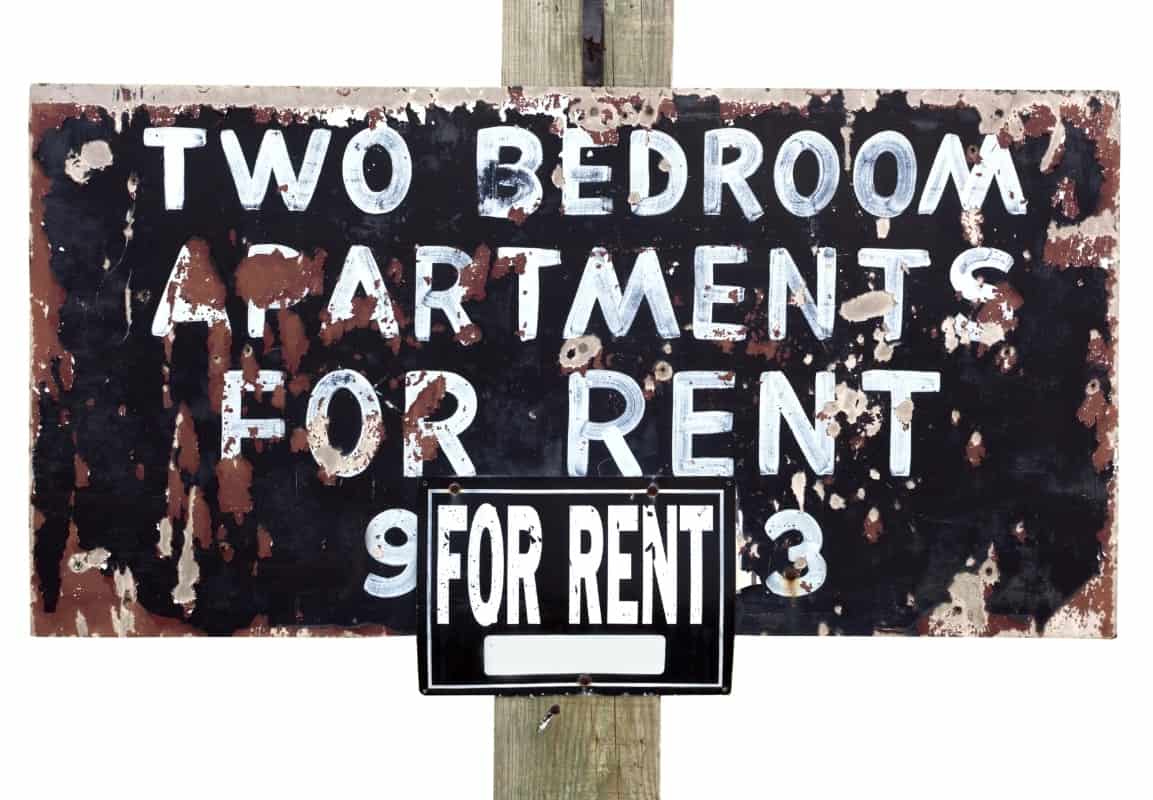
Among the report’s most notable proposals is a plan to prohibit landlords from charging prospective tenants for credit checks.
Instead, landlords or their brokers would be responsible for paying any screening costs if they choose to require a credit report. Under the proposal, landlords could require either a credit check or proof that an applicant earns at least 40 times the monthly rent, but not both.
The administration argues the change would reduce unnecessary costs for renters while eliminating duplicate paperwork.
“This can be an insurmountable barrier for rent-burdened tenants – defined as those paying at least 30% of their income toward rent – and especially those exiting shelter or receiving rental assistance,” the report said.
AI-generated apartment listings would require disclosure

Another major proposal targets the growing use of artificial intelligence in real estate marketing.
The administration wants rental platforms and brokers to clearly disclose when apartment photos or videos have been digitally altered or generated using AI, with the goal of preventing misleading listings.
“You shouldn’t have to worry whether the apartment you are viewing online is real,” Mamdani said while announcing the proposal.
The report states that New York City’s Department of Consumer and Worker Protection plans to work with Zillow and StreetEasy to implement clear disclosure requirements once the policy takes effect.
During the announcement, Mamdani joked about one of the city’s best-known apartment listing websites, saying, “It’s called StreetEasy, not StreetHard.”
StreetEasy indicated it supports accurate listings regardless of whether AI is used and encouraged users to report misleading advertisements.
Inspection process would become more tenant-friendly
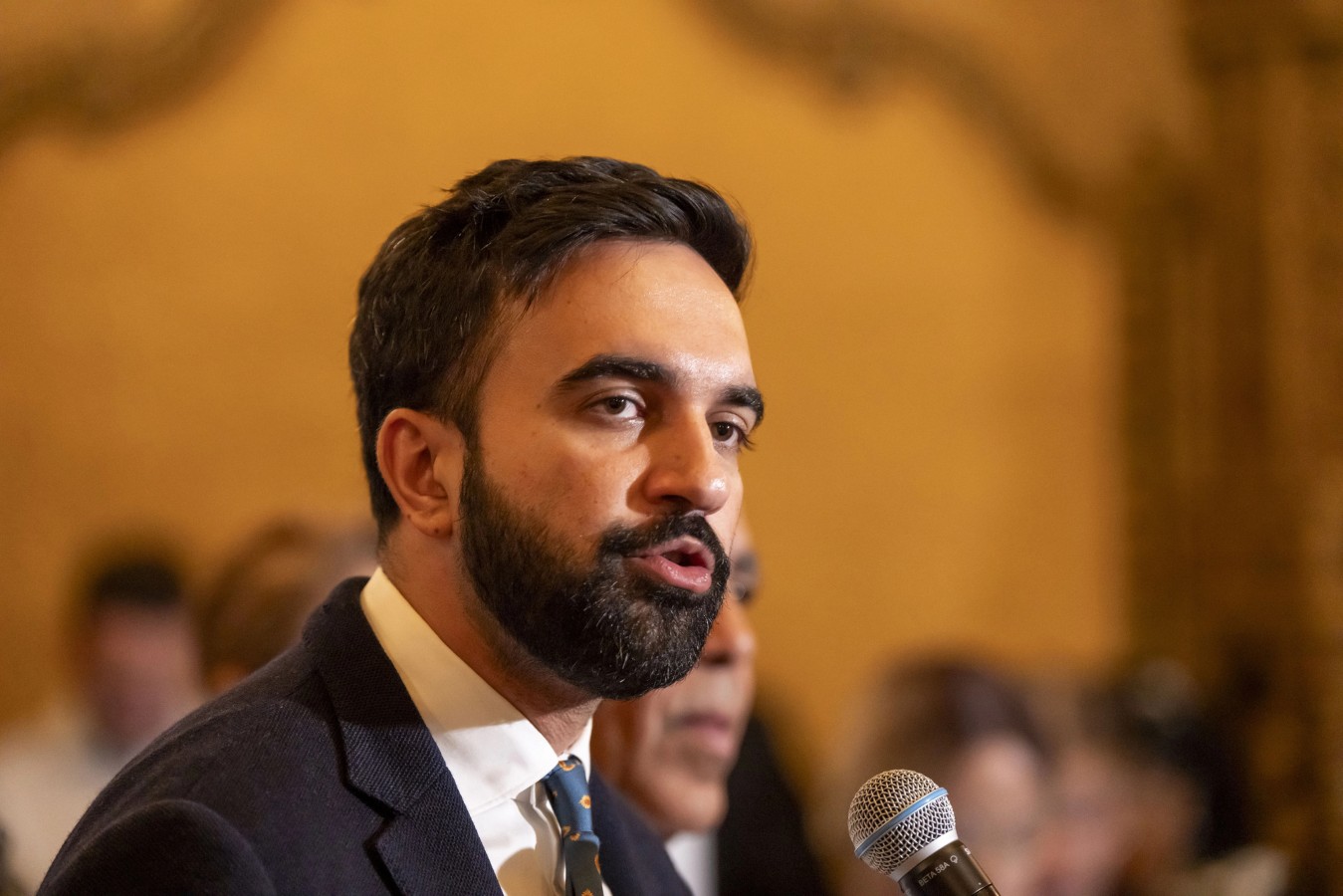
The report also proposes significant changes to how housing inspections are handled after tenants report problems through the city’s 311 system.
Currently, complaints may be closed if inspectors cannot gain access when they arrive, often forcing tenants to restart the process.
Beginning in fall 2026, the administration plans to notify tenants by text message if inspectors are unable to enter a unit, allowing residents to quickly reschedule inspections instead of relying on paper notices left at the property.
Over time, the city also intends to create an online scheduling system that would allow tenants to book inspection appointments directly.
Officials say additional staffing at the Department of Housing Preservation and Development (HPD) will also expand inspection capacity and increase enforcement against landlords who violate housing codes.
City plans tougher enforcement against repeat offenders

The administration is also proposing a new enforcement initiative called Fix the City, aimed at buildings with long histories of serious housing violations.
Rather than relying on repeated temporary repairs, the initiative would identify large portfolios of distressed buildings and coordinate proactive inspections involving multiple city agencies.
According to the report, the goal is to “root out a business practice that relies on patchwork repairs and excessive debt to succeed.”
HPD Commissioner Dina Levy said the initiative will allow the city to “address systemic noncompliance more quickly and more aggressively.”
In some cases, the administration says it could pursue transferring severely distressed properties to what it describes as “High-Road” landlords focused on maintaining buildings and improving tenant outcomes.
Tenant advocates frame evictions as a broader housing issue.
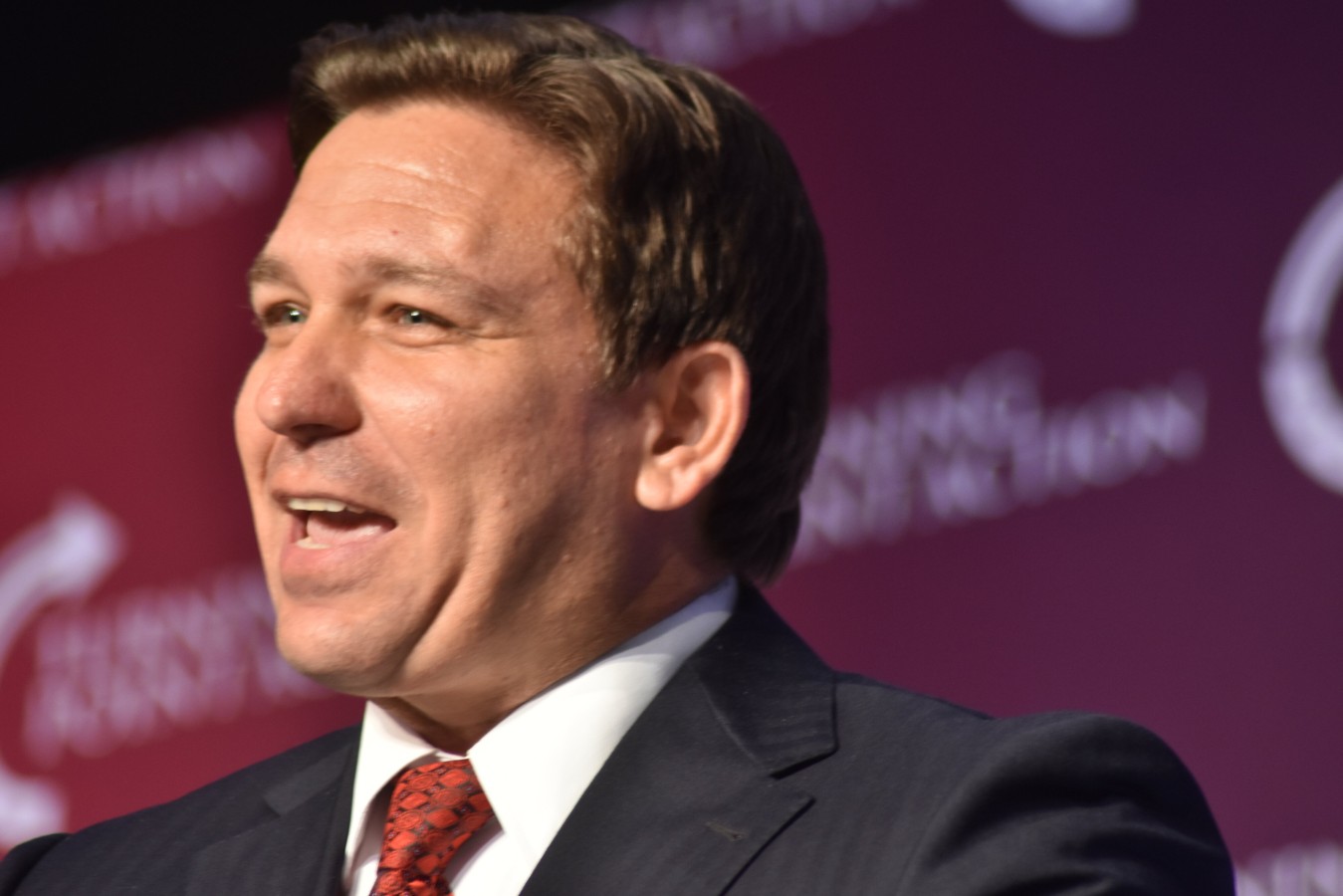
The report was unveiled at New York City’s Tenement Museum alongside tenant advocates who emphasized the challenges facing renters.
Hope Tenants Union member Toni Marrero described evictions as “violence” while speaking at the event.
“Our city is turning a corner on tenant power,” Marrero said. “The Mamdani administration is emboldening us so that we no longer tolerate the violence of evictions as a matter of business as usual.”
Marrero also shared her own experience with housing instability.
“I survived three eviction cases. I’ve lost three friends to eviction — two of whom lived on my floor,” Marrero said.
Following the event, Florida Gov. Ron DeSantis posted a video clip of Marrero’s remarks on social media, calling the event “Theater of the absurd.”
Tenant unions would receive formal legal recognition
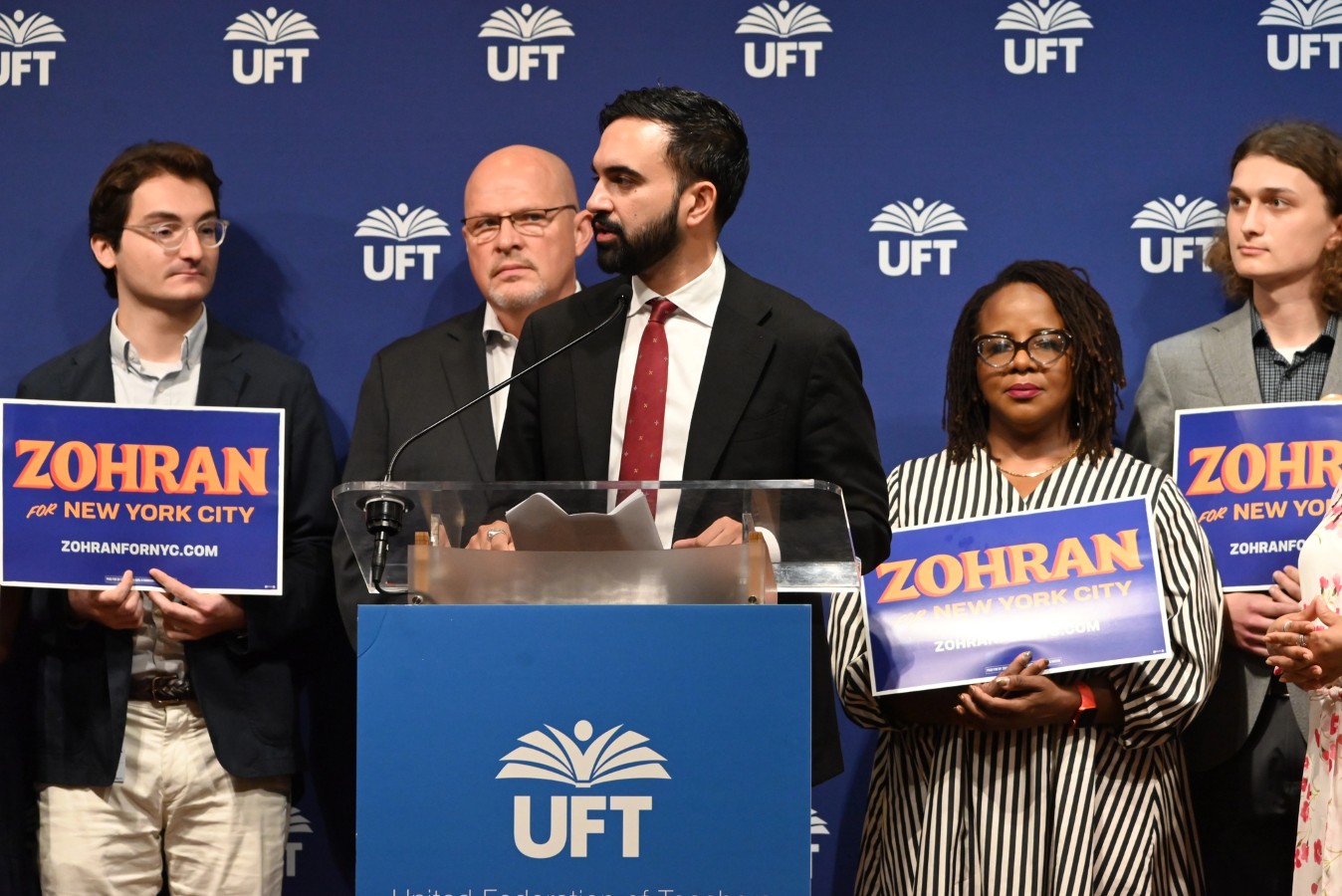
Another proposal seeks to formally recognize tenant unions through city rulemaking.
Administration officials argue many tenant organizations currently lack clear legal standing when communicating with landlords, creating uncertainty and discouraging tenants from organizing over concerns about retaliation.
“The best protected tenant is an organized tenant. That is why we will legally recognize tenant unions protecting New Yorkers from harassment or threat of eviction for seeking solidarity with their neighbors,” Mamdani said.
Cea Weaver, director of the Mayor’s Office to Protect Tenants, said negotiations between organized tenant groups and responsible property owners have often produced better results for both sides.
“One thing that we have observed again and again is that when tenants and owners negotiate over issues of mutual concern, we see better results,” Weaver said.
Administration says it is already seeking legislative support
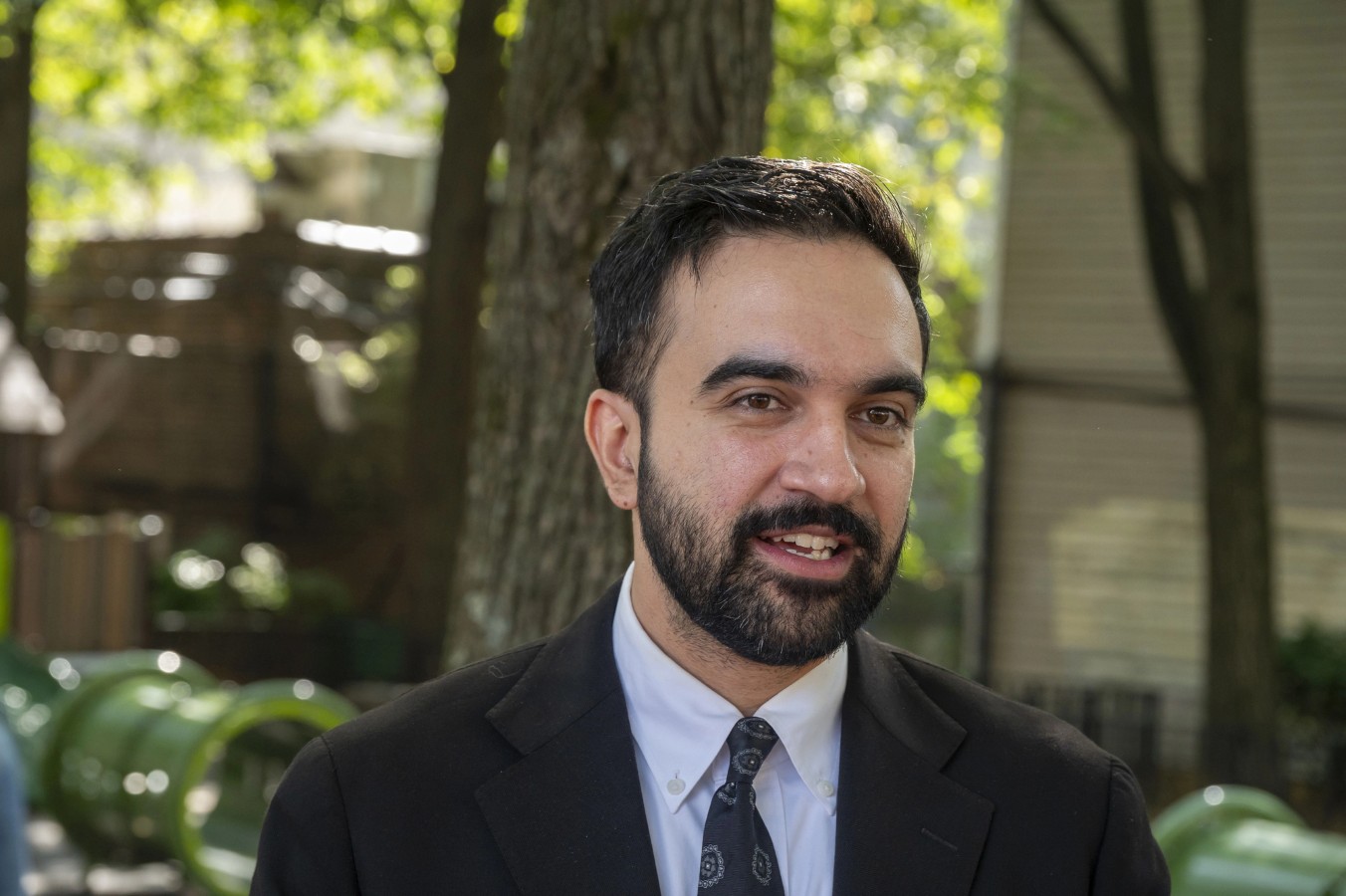
Several proposals outlined in the report would require action by the New York City Council before they can become law.
Mamdani said discussions with lawmakers are already underway.
“We are speaking to our partners, whether it be those who serve in the City Council or beyond that, about the importance of…ensuring that we are finally bringing the kinds of tenant protections that this city should have brought years ago,” Mamdani told reporters.
“I know that we’ve already started conversations with City Council members around the aspects of this report that require legislative action,” he said.
Housing and Buildings Committee Chair Council Member Pierina Sanchez expressed support for continuing those discussions.
“The administration has begun productive conversations with me about the report’s legislative proposals, and I look forward to participating thoughtfully in the Legislative Task Force,” Sanchez said.
Weaver also said Sanchez is “very excited” to work with the administration on advancing the proposals.
Landlord groups criticize the administration’s approach
Not everyone welcomed the report’s recommendations.
Some landlord organizations argued the hearings focused too heavily on criticizing property owners while overlooking the financial pressures facing owners of rent-stabilized buildings.
Ann Korchak, board president of Small Property Owners of New York, said in a statement that the hearings unfairly targeted small landlords.
“The Rental Ripoff Hearings was a rigged political show designed to attack small owners while ignoring the damage being done to rent-stabilized buildings,” Korchak said. “The message is clear: the administration does not see small owners as partners.”
Meanwhile, Weaver stressed that the administration is not seeking to punish all landlords.
“We know that not every landlord is a bad landlord,” Weaver said, “but we want to be able to find the ones that are.”
The Rental Ripoff Report outlines a broad range of reforms that the administration says will be implemented in phases over the next three years.
Some initiatives, including inspection system upgrades and expanded enforcement, can move forward through city agencies, while others; including credit check reforms and legal recognition of tenant unions; will require legislative approval.
Collectively, the proposals represent one of the most comprehensive tenant-focused housing agendas introduced by the Mamdani administration, addressing issues ranging from rental application fees and AI-generated apartment listings to building maintenance, housing inspections, tenant organizing, and enforcement against landlords with repeated housing code violations.
Like Financial Freedom Countdown content? Be sure to follow us!
14 essential strategies to maximize your Social Security and avoid costly mistakes
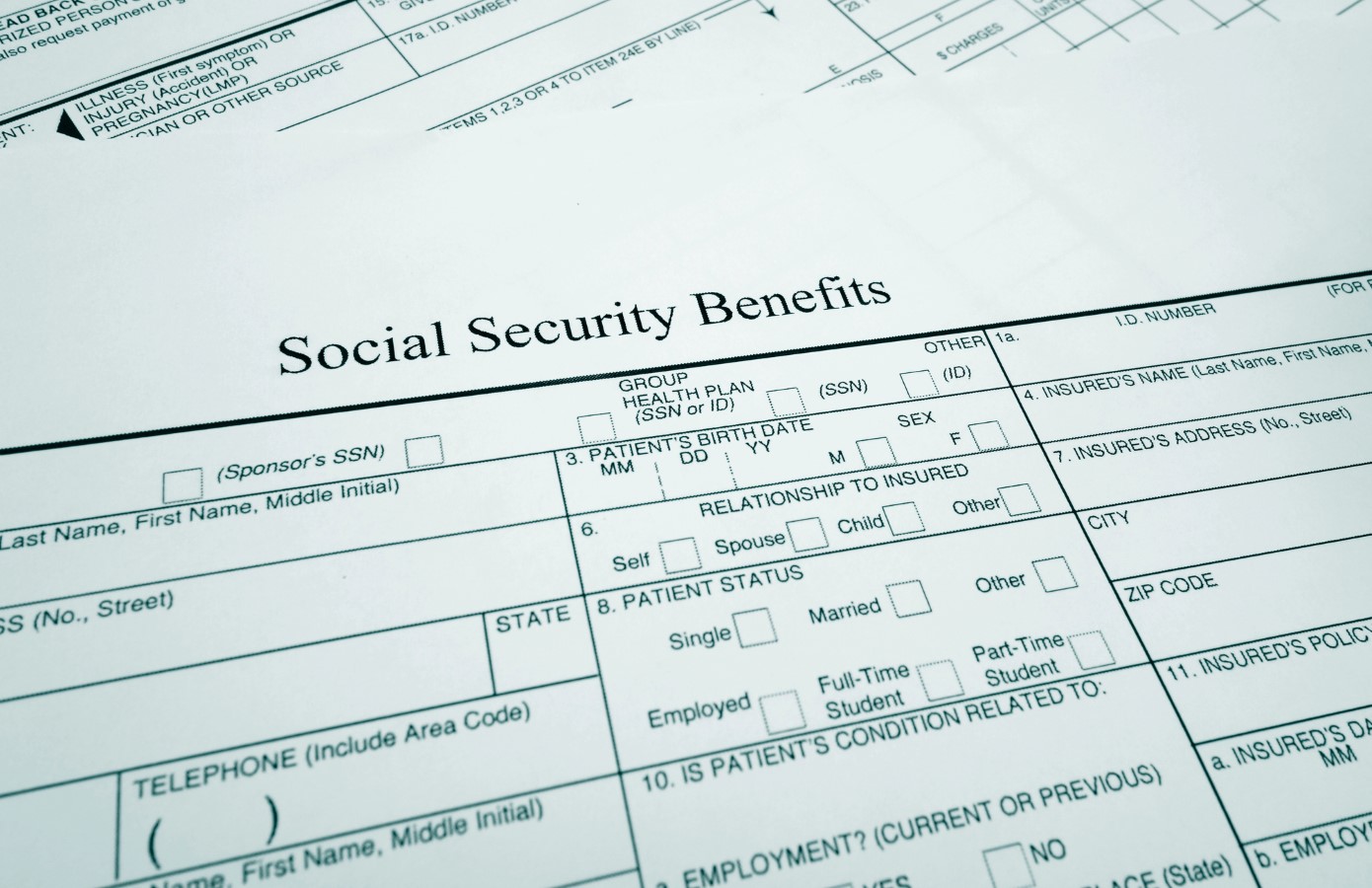
Social Security is a vital lifeline for many seniors, providing crucial income support during retirement. With inflation at its highest in four decades, Social Security’s inflation-adjusted benefits offer protection against rising costs.
Rising interest rates have disrupted many retirement portfolios, causing bond fund values to plummet. In this volatile financial landscape, Social Security can stabilize a typical stock-bond retirement portfolio. By implementing smart strategies, retirees can maximize their Social Security benefits and ensure a more secure financial future.
14 Essential Strategies to Maximize Your Social Security and Avoid Costly Mistakes
Did you find this article helpful? We’d love to hear your thoughts! Leave a comment with the box on the left-hand side of the screen and share your thoughts.
Also, do you want to stay up-to-date on our latest content?
1. Follow us by clicking the [+ Follow] button above,
2. Give the article a Thumbs Up on the top-left side of the screen.
3. And lastly, if you think this information would benefit your friends and family, don’t hesitate to share it with them!

John Dealbreuin came from a third world country to the US with only $1,000 not knowing anyone; guided by an immigrant dream. In 12 years, he achieved his retirement number.
He started Financial Freedom Countdown to help everyone think differently about their financial challenges and live their best lives. John resides in the San Francisco Bay Area enjoying nature trails and weight training.
Here are his recommended tools
Personal Capital: This is a free tool John uses to track his net worth on a regular basis and as a retirement planner. It also alerts him wrt hidden fees and has a budget tracker included.
Platforms like Yieldstreet provide investment options in art, legal, real estate, structured notes, venture capital, etc. They also have fixed-income portfolios spread across multiple asset classes with a single investment with low minimums of $10,000.