Ro Khanna unveils $1 trillion childcare plan as Vance, Warren, Sanders and AOC offer competing visions for 2028
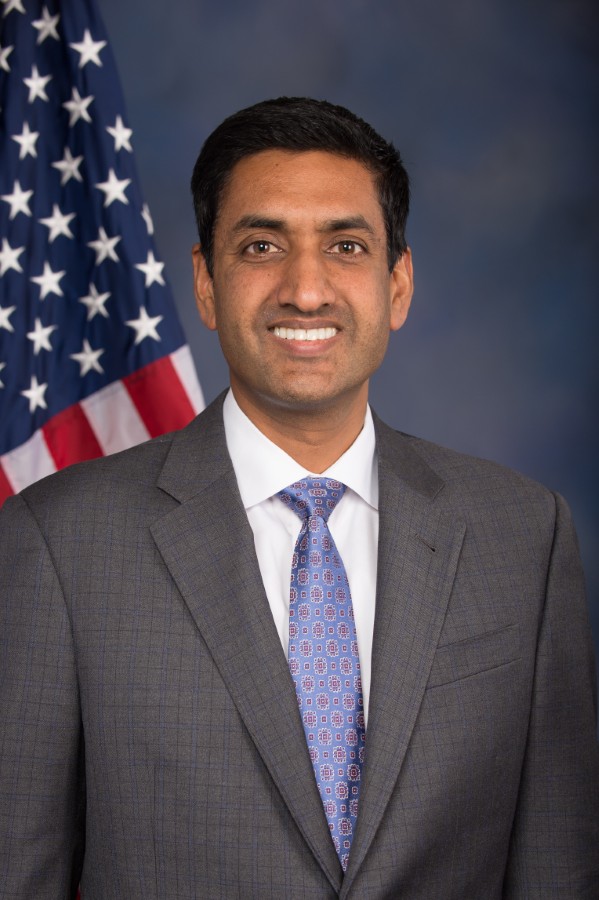
Rep. Ro Khanna is putting universal childcare at the center of a nearly $1 trillion, 10-year proposal as he develops a broader economic agenda and considers a potential 2028 presidential campaign.
The California Democrat’s proposal comes as other prominent Democrats, including Sen. Elizabeth Warren, Rep. Alexandria Ocasio-Cortez and Sen. Bernie Sanders, have also pushed plans to make childcare more affordable or universally available. Together, the proposals show how childcare has become a significant part of the Democratic policy debate heading into the 2026 midterms and the 2028 presidential cycle.
Khanna’s Free Child Care for America Act is a nearly $1 trillion, 10-year package designed to create a universal childcare system with three taxpayer-funded pathways for families.
The plan would provide grants to states and tribal organizations to help cover licensed childcare for eligible families. It would also seek to increase the supply of childcare, support providers’ operating costs and raise compensation for childcare workers.
“The biggest thing killing us is childcare,” Khanna said while campaigning around the country ahead of the midterm elections.
Khanna said he wanted to introduce the legislation before the elections as a “north star” and blueprint for “what we should be passing.”
The proposal would give families different childcare choices

A central feature of Khanna’s plan is flexibility. Rather than limiting federal assistance to traditional daycare, the proposal would create different pathways for families, including assistance for eligible stay-at-home parents.
Eligible stay-at-home parents with a child under age 3 and household income at or below 100% of their state’s median income would receive $1,000 per month, according to the proposal described by ABC News.
Khanna said families should be able to determine which arrangement works for them.
“It should be value neutral between staying at home, going to a childcare center, or having friends or family, and that is maximizing the choice,” Khanna said. “Vance’s proposal is trying to tip the scales a bit on the choice of people who are stay-at-home parents.”
His proposal comes as Vice President JD Vance has promoted an administration proposal that could provide as much as $9,000 annually in federal childcare subsidies to married couples with a stay-at-home parent.
Khanna puts the annual cost at $80 billion to $90 billion. Although the legislation has a nearly $1 trillion price tag over 10 years, Khanna described the annual cost of creating the system as roughly $80 billion to $90 billion.
“If you want to do this right, it’s going to be an $80 to $90 billion price tag,” Khanna said. “That’s what it takes to make childcare free. That’s what it takes to pay people well, and that’s what it’s going to take to make it flexible.”
Khanna has pointed to several possible ways to offset the expense, including savings associated with ending the conflict in the Middle East, $400 billion in revenue from a proposed 5% “billionaire tax” and $200 billion in Pentagon spending reductions.
The proposed funding mechanisms would themselves require congressional action and would be part of the debate over the legislation.
Ocasio-Cortez has her own universal childcare plan
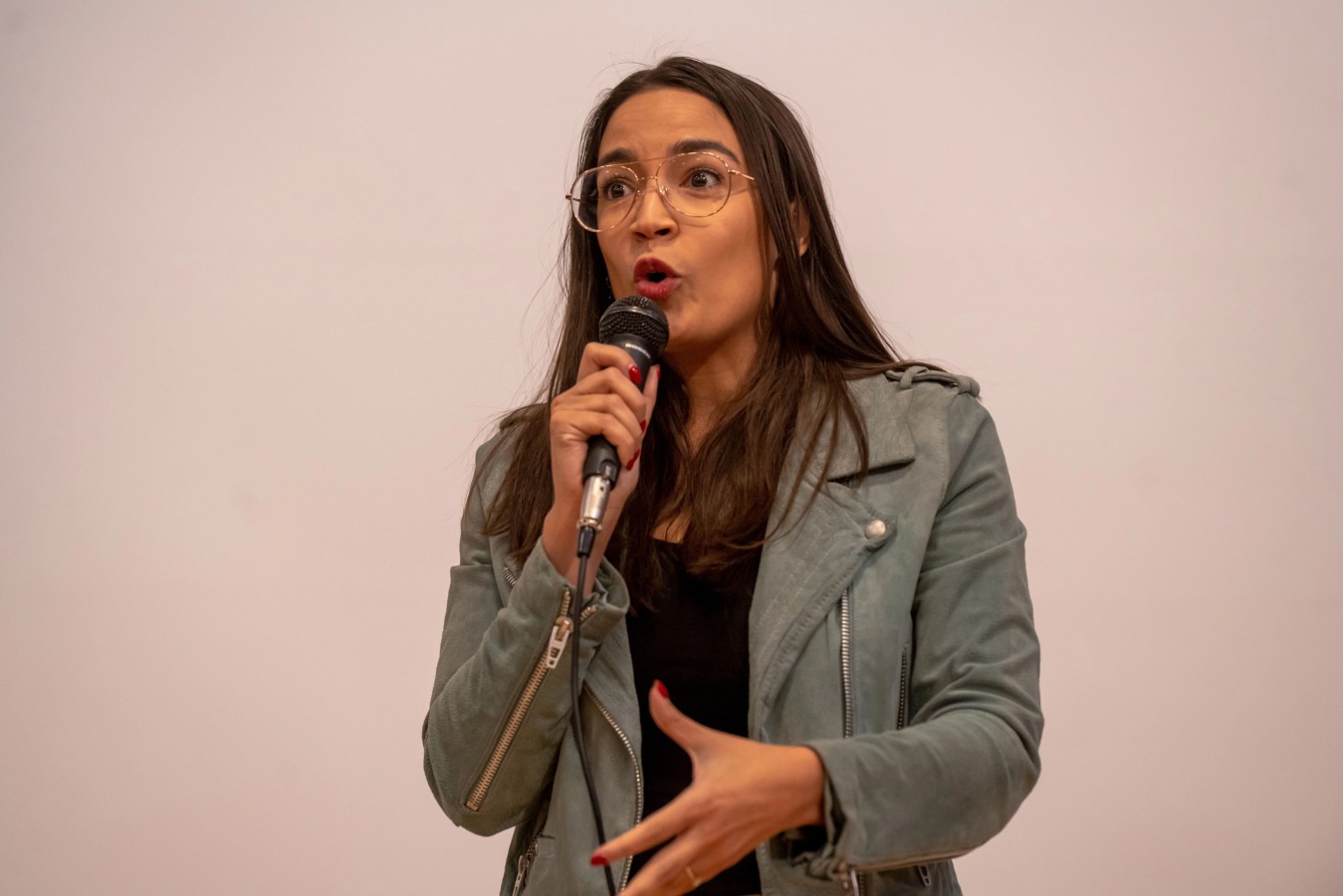
Khanna is not the only prominent Democrat advancing a universal childcare proposal.
Sen. Elizabeth Warren and Rep. Alexandria Ocasio-Cortez are backing the Child Care for Every Community Act, with Ocasio-Cortez serving as the House co-lead after taking over the role from former Rep. Mikie Sherrill. The legislation would establish a network of federally supported, locally administered childcare and early-learning options.
Under the proposal, half of families nationwide would pay no more than $10 per day for childcare. All families would have their costs capped on a sliding scale, with higher-income families paying no more than 7% of income and families below 75% of their state’s median income receiving fully subsidized care.
The legislation also calls for investments in the childcare workforce and expanded access to childcare centers and family childcare homes.
That approach differs from Khanna’s proposal in important ways. Warren and Ocasio-Cortez’s legislation is structured around a federally supported childcare system and income-based limits on what families pay, while Khanna’s plan includes a direct $1,000 monthly payment for qualifying stay-at-home parents as one of its three pathways.
Warren is making childcare part of the 2026 and 2028 debate
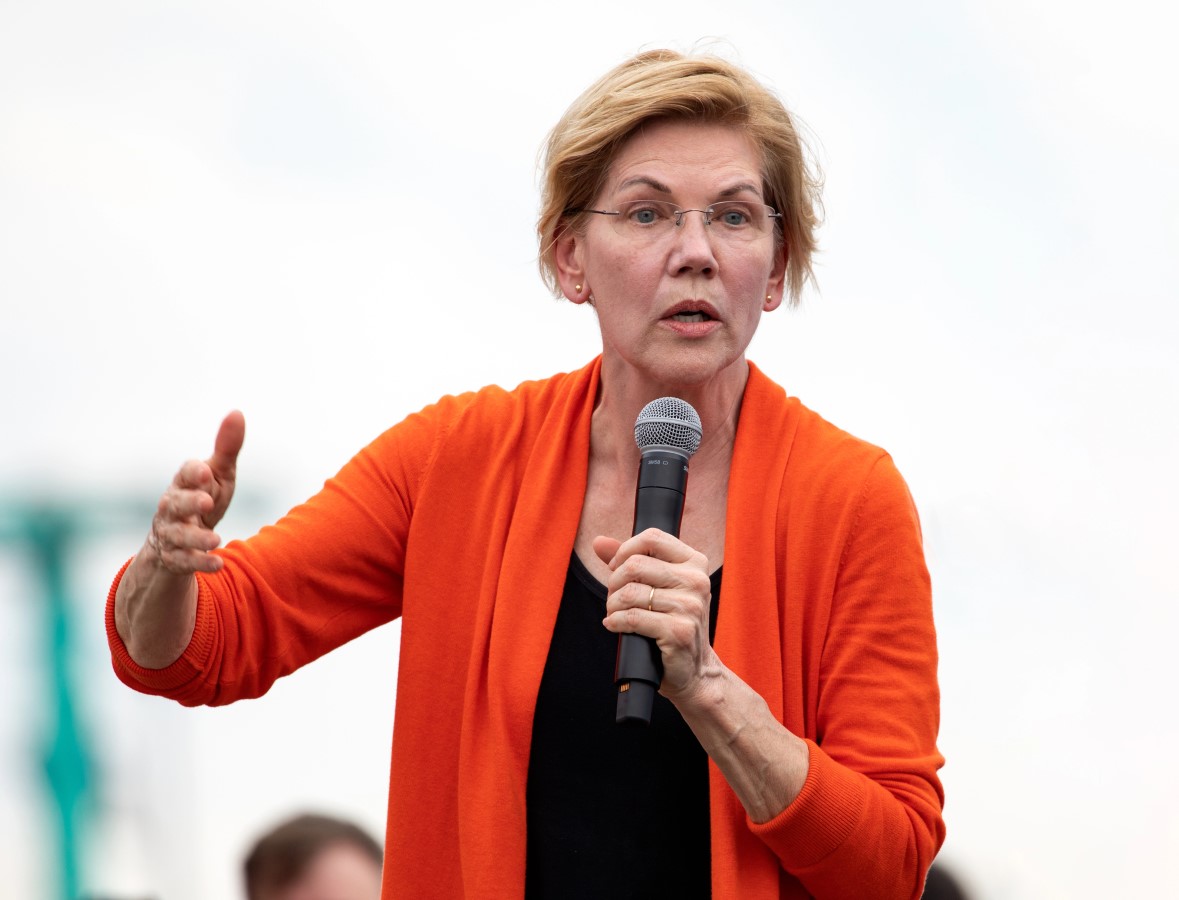
Warren has increasingly made universal childcare part of her broader economic message.
In May, she called on Democratic candidates running in 2026 and 2028 to make universal childcare a core part of their platforms. She also argued that Democrats should have legislation ready to implement if they regain unified control of the federal government. (Senator Elizabeth Warren)
“Universal child care is the best investment we can make for our families,” Warren wrote on X in a social media post Sunday.
Warren and Ocasio-Cortez are also working with Sen. Patty Murray and Rep. Bobby Scott through a Child Care for America working group created in March. The group is developing a broader framework for lowering childcare costs and expanding access.
Its stated principles include capping family payments at 7% of income, providing free childcare to families with the lowest incomes, eliminating waiting lists, improving worker pay and benefits, and having the federal government cover at least 90% of system costs.
Sanders has pushed a 7% childcare cap for years
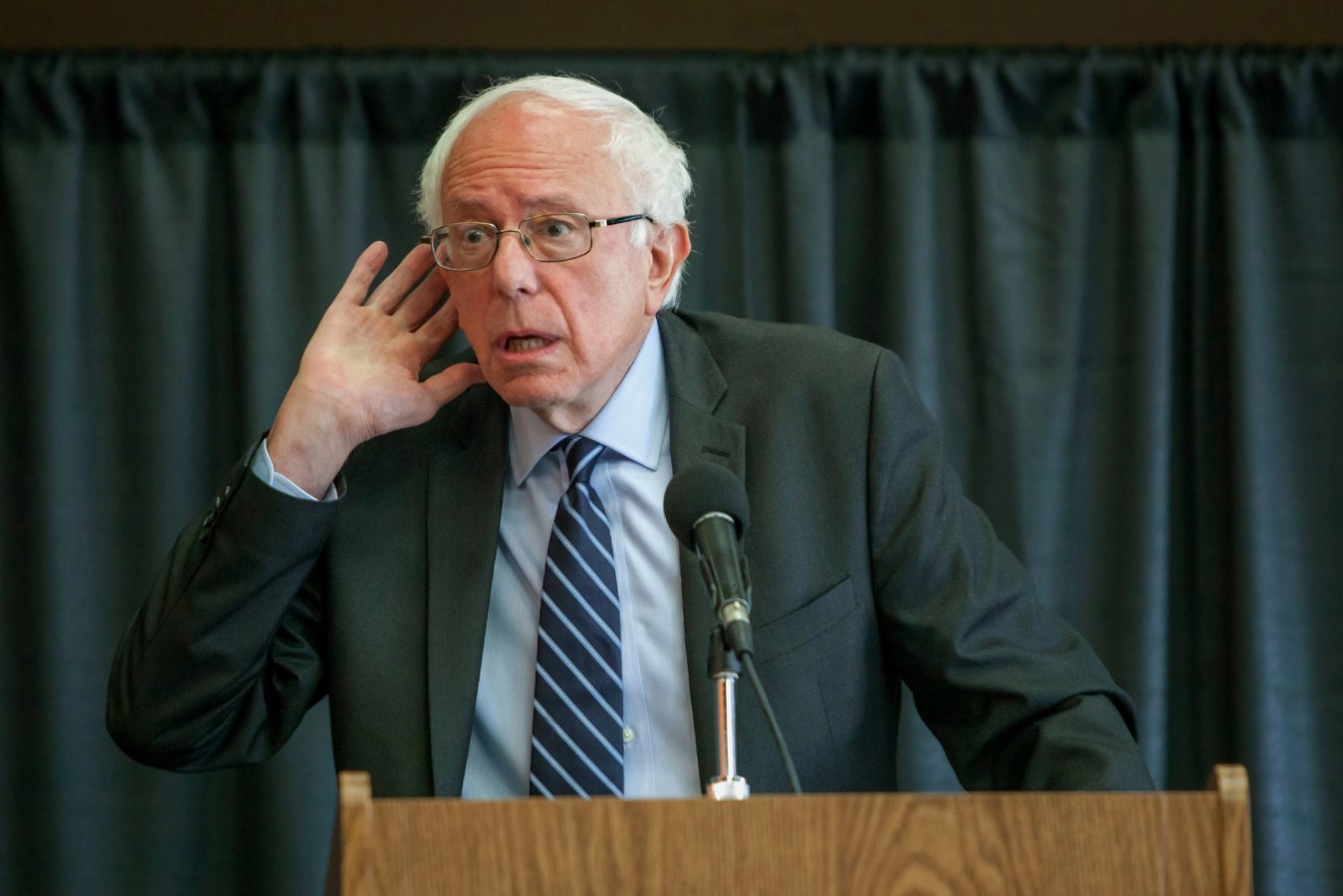
Sen. Bernie Sanders has also made universal or broadly affordable childcare part of his economic agenda for years.
During the 2021 debate over the Democratic reconciliation package, Sanders backed a proposal under which no working family would pay more than 7% of its income for childcare, along with universal free pre-K for 3- and 4-year-olds.
Sanders also supported Warren’s Child Care for Every Community Act when it was introduced in 2023. That legislation similarly called for universal access, a 7% maximum payment for higher-income families and full subsidies for families below 75% of their state’s median income.
More recently, Sanders and Khanna have included childcare in a broader 2025 wealth-tax proposal. Their Make Billionaires Pay Their Fair Share Act calls for a 5% annual wealth tax on billionaires and allocates $700 billion over 10 years to ensure that no family pays more than 7% of its income for childcare.
That creates an additional connection between Sanders and Khanna: the two lawmakers have previously worked together on legislation that would use new taxes on very wealthy Americans to help finance family-oriented programs.
Vance is pushing a different model for childcare
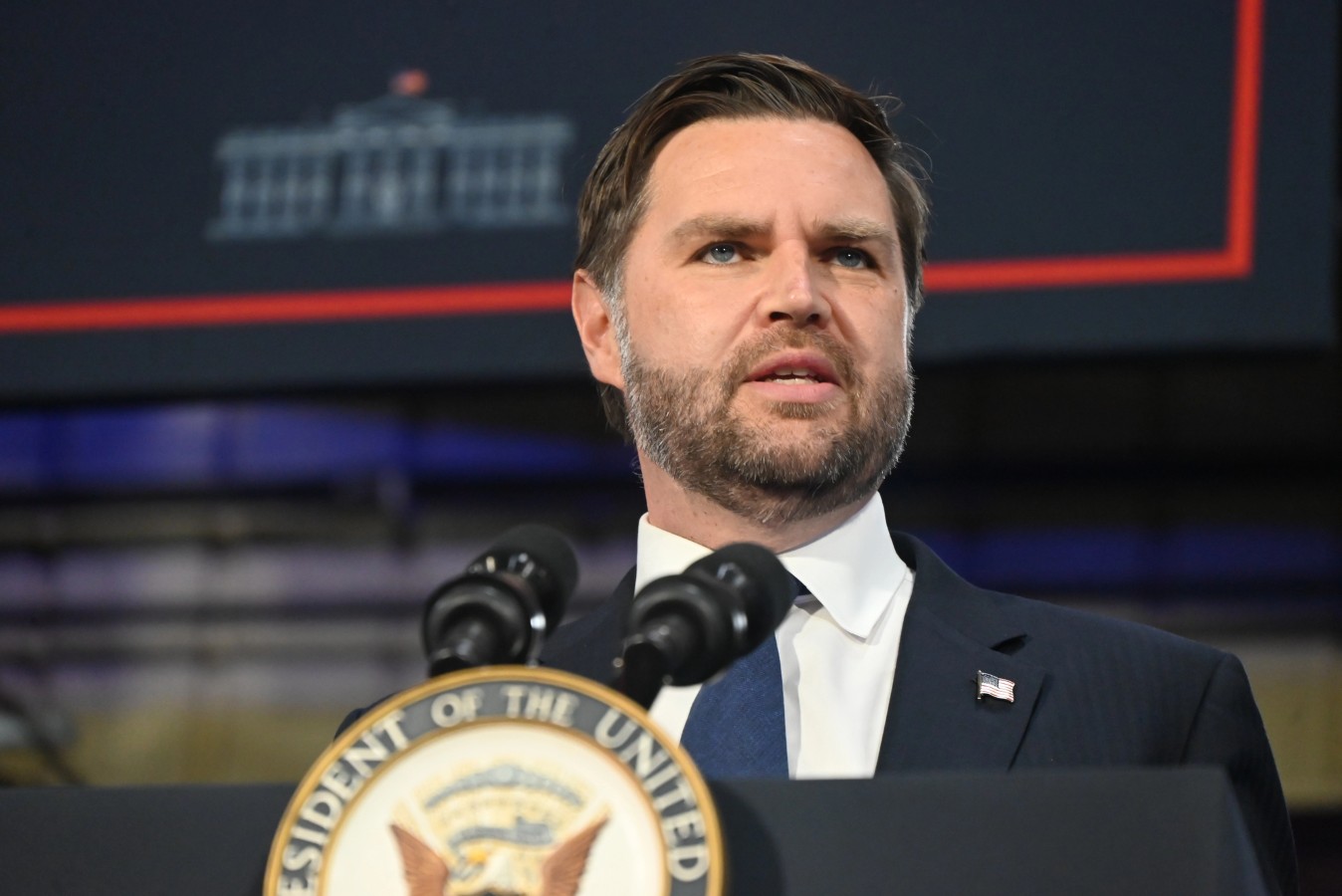
Khanna’s proposal is also entering a childcare debate that extends beyond Democrats. Vice President JD Vance has championed an administration proposal that would expand federal childcare assistance to married couples with a stay-at-home parent, with the benefit potentially reaching as much as $9,000 annually.
A September draft described by The New York Times would allow married couples with one stay-at-home parent to receive assistance through the Child Care and Development Fund, a federal program currently designed primarily to help low- and moderate-income parents who work, attend school or receive job training pay for childcare. Under the reported draft, the working spouse would need to work at least 35 hours per week. Unmarried couples in which one parent stays home would not qualify under the draft.
The administration’s approach therefore places greater emphasis on supporting families that choose to have one parent provide care at home. Khanna’s proposal also provides assistance to some stay-at-home parents, but combines that option with funding for childcare centers, family and friend care, increased childcare supply and higher compensation for childcare workers.
The differences have already prompted debate over how existing federal childcare dollars should be distributed. The Child Care and Development Fund currently provides assistance to families who meet income and work-related eligibility requirements, and the reported administration proposal would broaden eligibility to include a new category of parent-based care.
Democrats are developing several versions of universal childcare

The proposals from Khanna, Warren, Ocasio-Cortez and Sanders share a focus on reducing the financial burden of childcare, but their approaches are not identical.
Khanna’s plan combines direct assistance with funding for childcare providers and additional supply, while Warren and Ocasio-Cortez’s legislation establishes federally supported childcare options and uses income-based cost caps.
Sanders’ recent proposal would spend $700 billion over a decade specifically to prevent families from paying more than 7% of income for childcare. His earlier proposals also paired childcare assistance with universal pre-K.
The Warren-Ocasio-Cortez working group’s framework goes beyond affordability by calling for expanded childcare capacity, higher worker compensation, nontraditional-hour care, services for children with disabilities and developmental needs, and integration with Head Start and Early Head Start.
Childcare is becoming a broader Democratic economic issue

The emerging proposals also reflect a broader argument among Democrats that childcare affects more than household budgets.
Warren’s working group describes childcare as public infrastructure and connects access to parents’ ability to work. The group says average childcare costs have risen 29% since 2020 to more than $13,000 per year, according to figures cited in its March announcement.
Khanna has made a similar connection between childcare and employment, saying that families he encountered while campaigning often raised childcare when he discussed bringing good jobs to their communities.
“Economic patriotism is all about making the future economy work — not just for the billionaires in my district, but work for the people I grew up with in Pennsylvania,” he said. “As I traveled around the country, and I started with like, ‘How do we bring good jobs?’ I kept hearing, ‘Well, that’s fine, but how am I going to take care of our kids and do these jobs?'”
For Khanna, the issue is also personal. He has described how raising two children while working a demanding job shaped his views on the difficulty faced by parents.
“I believe there’s nothing more important than being there for kids at a young age, and I have an extraordinary wife who’s an exceptional mom,” Khanna said. “It has given me an admiration for parents who do incredibly, incredibly hard work, and my view is that we’ve got to make it possible for parents who want to give their kids the best ability to do that.”
Khanna’s proposal does not currently have an endorsement from House Democratic leaders. They have nevertheless indicated that reducing childcare costs would be a priority if Democrats regain the House majority.
Khanna said Democrats could pursue individual elements of his proposal even if Congress does not adopt the entire package.
“I want it to be front and center in the conversation of the first 100 days for the speaker,” Khanna said regarding Democratic prospects to win the House majority. “Even if they don’t do the whole $90 billion, I mean, obviously that’s my hope that the House should pass this bill, they can take three elements of it.”
The lack of an endorsement means Khanna’s bill remains his own proposal rather than an established Democratic leadership position.
Khanna is tying childcare to his 2028 ambitions

The childcare proposal is also part of Khanna’s effort to develop a broader policy identity ahead of the 2028 presidential cycle.
First elected to Congress in 2016, Khanna has increasingly campaigned around the country for Democratic candidates and has described his broader agenda as “America’s next new deal.” He has also said he wants the 2028 Democratic primary to focus on competing ideas about the country’s economic future.
“I want 2028 to be a big-ideas primary,” Khanna said. “I want it to be a contest on who’s going to have ideas of the future that meet the moment where many Americans feel that the economic and political system are broken and not working for them.”
He has not ruled out running himself.
“Whether I run, which obviously I’m considering, or whether I am actively supporting other candidates, I want to be leading in putting forth bold ideas about what that Democratic Party should be,” Khanna said. “I think we need to offer a new vision of ideas that are actually going to deliver for working- and middle-class families who have been left out.”
The childcare debate could therefore become one of several areas where Democrats seeking to shape the party’s 2028 agenda offer competing approaches to affordability, family policy and federal spending.
Like Financial Freedom Countdown content? Be sure to follow us!
14 essential strategies to maximize your Social Security and avoid costly mistakes

Social Security is a vital lifeline for many seniors, providing crucial income support during retirement. With inflation at its highest in four decades, Social Security’s inflation-adjusted benefits offer protection against rising costs.
Rising interest rates have disrupted many retirement portfolios, causing bond fund values to plummet. In this volatile financial landscape, Social Security can stabilize a typical stock-bond retirement portfolio. By implementing smart strategies, retirees can maximize their Social Security benefits and ensure a more secure financial future.
14 Essential Strategies to Maximize Your Social Security and Avoid Costly Mistakes

Did you find this article helpful? We’d love to hear your thoughts! Leave a comment with the box on the left-hand side of the screen and share your thoughts.
Also, do you want to stay up-to-date on our latest content?
1. Follow us by clicking the [+ Follow] button above,
2. Give the article a Thumbs Up on the top-left side of the screen.
3. And lastly, if you think this information would benefit your friends and family, don’t hesitate to share it with them!

John Dealbreuin came from a third world country to the US with only $1,000 not knowing anyone; guided by an immigrant dream. In 12 years, he achieved his retirement number.
He started Financial Freedom Countdown to help everyone think differently about their financial challenges and live their best lives. John resides in the San Francisco Bay Area enjoying nature trails and weight training.
Here are his recommended tools
Personal Capital: This is a free tool John uses to track his net worth on a regular basis and as a retirement planner. It also alerts him wrt hidden fees and has a budget tracker included.
Platforms like Yieldstreet provide investment options in art, legal, real estate, structured notes, venture capital, etc. They also have fixed-income portfolios spread across multiple asset classes with a single investment with low minimums of $10,000.