Student loan defaults hit 9.3 million as Democrats push to shield paychecks and Social Security from garnishment ahead of midterms

More than 9.3 million federal student loan borrowers were in default as of June 2026, with another 1.5 million facing late-stage delinquency that could put them at risk of default in the coming months. As millions of Americans navigate repayment changes and higher household costs, Democrats are pressing for stronger protections against wage garnishment and the seizure of Social Security benefits, putting student debt on the political agenda ahead of the November midterm elections.
The growing number of borrowers in default follows years of upheaval in federal student loan policy, from the lockdown-era payment pause and Biden’s unsuccessful broad forgiveness plan to the court-ordered end of his administration’s SAVE repayment program. The Trump administration has delayed involuntary collections while implementing a new repayment system, but the delay has not eliminated the possibility that borrowers in default could eventually face those consequences. Federal Student Aid data and recent congressional efforts show how the repayment crisis is becoming both a financial and political issue.
More than 9.3 million borrowers are already in default

Federal Student Aid reported that more than 9.3 million recipients had federal student loans in default as of June 30, 2026. The outstanding loans associated with those borrowers totaled approximately $234 billion, representing about 14% of the $1.64 trillion federally managed loan portfolio covered by the agency’s default figures.
The number of recipients in default increased by approximately 400,000 during the quarter, according to the Education Department’s September data update. Separately, the government reported that 42.3 million recipients held federal student loans totaling more than $1.7 trillion across the broader portfolio.
The figures reflect the return to repayment after the lockdown-era pause and subsequent transition periods. Federal Student Aid has cautioned that recent figures are not directly comparable with earlier years because the payment pause, the on-ramp period and the Fresh Start program changed when borrowers could fall into default and how their accounts were handled.
Another 3.5 million borrowers are delinquent

Default is not the only warning sign. Federal Student Aid reported that approximately 3.5 million recipients with loans in active repayment were more than 30 days delinquent as of June 2026. That group included roughly 1.5 million borrowers in late-stage delinquency who could enter default within six months if their circumstances do not improve.
The agency’s data showed that more than 80% of recipients with loans in active repayment were current or less than 31 days behind. But the remaining borrowers represent a substantial group potentially exposed to worsening credit records, mounting repayment difficulties and eventual collection actions.
The Education Department’s reported delinquency rate for borrowers in active repayment was 15.7% by outstanding balance, compared with 12.7% in December 2019, before the lockdown-era pause. The rate is a different measure from the share of borrowers in default: delinquency can be an earlier stage of repayment trouble, while default generally follows a more extended period of missed payments.
Biden’s broad student loan forgiveness plan never took effect
The current crisis follows years of uncertainty over whether the federal government would cancel significant portions of student debt. Biden announced a broad forgiveness plan in 2022 that would have canceled up to $10,000 in federal student loans for eligible borrowers and up to $20,000 for eligible Pell Grant recipients, subject to income limits.
The Supreme Court struck down the plan in June 2023 in Biden v. Nebraska, ruling that the administration had exceeded its authority under the HEROES Act. The broad plan therefore never took effect as originally designed, although separate federal discharge and forgiveness programs have provided relief to some borrowers.
Biden’s administration also introduced the Saving on a Valuable Education, or SAVE, repayment plan, which was designed to reduce monthly payments for many eligible borrowers. The program became the subject of legal challenges and prolonged uncertainty, leaving borrowers unsure how much they would owe and which repayment rules would ultimately apply.
Many borrowers were forced to make financial decisions amid changing government policies and competing expectations about future relief.
Research links repayment expectations with later financial distress
A working paper from the National Bureau of Economic Research examined how borrowers’ expectations about student loan policy related to their repayment behavior. Using survey responses linked to credit bureau records, the researchers found that borrowers who expected the lockdown-era payment pause to be extended reduced their loan payments by about $40 per month and were 7.5 percentage points more likely to be at least 90 days past due by May 2025.
The research also found that borrowers who were more optimistic about future forgiveness reduced loan payments by about $40 per month and increased nondurable spending by approximately $80 per month. The paper estimated that overly optimistic expectations could cost borrowers as much as 6.9% of their initial loan balance.
The findings offer a measure of how uncertainty about federal policy can affect household financial decisions. However, the 7.5-percentage-point result specifically concerns borrowers who expected the payment pause to be extended; it should not be interpreted as proof that Biden’s forgiveness promises alone caused borrowers to fall behind. The study examines the relationship between policy expectations and subsequent financial outcomes, rather than attributing the entire default crisis to one political decision.
The NBER working paper adds another dimension to the debate: uncertainty itself can shape how borrowers manage their money, even when the relief they anticipate does not materialize.
The end of SAVE could mean higher payments for some borrowers
The SAVE plan’s legal challenges left millions of borrowers in an uncertain position. In March 2026, a court order brought the program to an end, requiring borrowers enrolled in SAVE to navigate the transition to other repayment options.
The change is significant because SAVE had offered lower monthly payments for many eligible borrowers. Moving to another plan can mean a different monthly bill, depending on income, loan balance, family circumstances and the repayment option available to the borrower. For households already dealing with high costs for housing, groceries, health care and other essentials, a larger student loan payment can create additional pressure.
Federal Student Aid reported that about eight million recipients had loans in forbearance as of June 2026, with approximately $459 billion in federal student loans associated with that status. The agency said the number of borrowers in forbearance had fallen by around 400,000 since March, in part as some borrowers enrolled in SAVE began transitioning toward repayment.
The Trump administration has argued that its repayment overhaul will simplify the system, create clearer options and give borrowers additional opportunities to rehabilitate defaulted loans. Democrats and borrower advocates, meanwhile, have raised concerns about affordability and the consequences of moving people from temporary protections into a system that may require payments they struggle to make.
Wage garnishment and Social Security collections remain a risk, but they are delayed
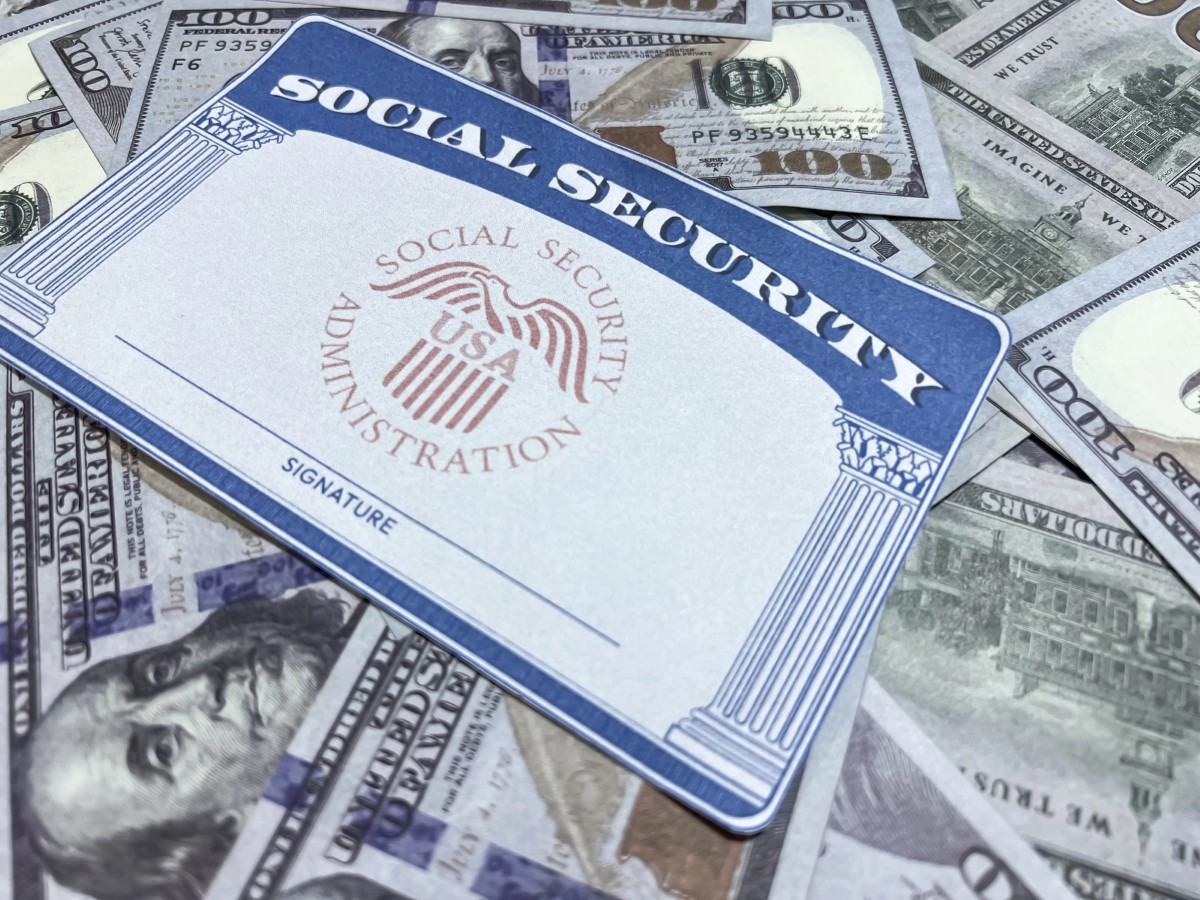
For borrowers already in default, one of the most consequential questions is whether the federal government will resume involuntary collections. Under federal law, the government can use administrative wage garnishment to collect certain defaulted federal student loan debt and can offset some federal payments, including tax refunds and eligible Social Security benefits.
Those powers do not mean that widespread garnishment is currently underway. On January 16, 2026, the Education Department announced that it would delay involuntary collections, including administrative wage garnishment and the Treasury Offset Program. The department said the delay would give it time to implement repayment reforms and allow borrowers to consider new repayment options and rehabilitation opportunities. It did not announce a firm restart date.
The distinction is central to the political debate. The default figures show the number of borrowers who have already fallen behind far enough to be classified as in default, not the number currently having wages or Social Security benefits taken. The delay has kept those collection measures on hold while the administration works on its new system, but it has not permanently eliminated the underlying collection authority.
For people who rely on Social Security for retirement or disability income, the prospect of benefit offsets can be especially concerning. A January 2025 report from the Consumer Financial Protection Bureau examined the effects of Social Security offsets on borrowers with defaulted student loans and highlighted the risks for older Americans. The issue has since become a focus of legislation introduced by Democrats seeking to prevent such collections for vulnerable borrowers.
Democrats are pushing to protect wages and Social Security benefits

Democratic lawmakers have criticized the Trump administration’s handling of the default crisis and called for stronger protections while borrowers move through the repayment overhaul. In June 2026, Sen. Elizabeth Warren, Sen. Jeff Merkley, Rep. Ayanna Pressley, Rep. André Carson and more than 60 other lawmakers urged the administration to address the growing number of defaults and reconsider policies they said could make repayment harder.
In their letter, the lawmakers argued: “(I)nstead of pursuing solutions that protect borrowers, the Trump administration has deflected blame, punted responsibility for the default crisis to another agency, and raised costs for borrowers at every turn. We urge you to provide meaningful support to borrowers,”
Warren also pressed administration officials about the effects of default on borrowers and the potential consequences for older Americans. At a July 2026 hearing, she said: “Nine million people who are in default right now and whose financial lives will be in your hands, and you don’t even know who they are,” She also challenged officials over whether they would maintain protections that had been in place under the previous Republican administration.
Sen. Bernie Sanders has pursued a more specific legislative response. His proposed Stop Social Security Garnishment Act of 2026 seeks to prevent the government from garnishing Social Security benefits to collect student loan debt from seniors and people with disabilities. Sanders said: “As a result of Trump’s disastrous cuts to education, an increasing number of seniors are in danger of having their Social Security checks garnished to pay back student loans they took out decades ago. That is beyond unacceptable,”
He added: “In the richest country in the history of the world, no senior should have their Social Security payments taken away from them to pay back student debt. This is especially true when seniors throughout the country already cannot afford the skyrocketing price of healthcare, prescription drugs, groceries and housing. Congress must pass this legislation.”
The proposal is a legislative effort, not a change in current collection rules. It would need to advance through Congress before becoming law.
Borrowers report cutting back on essentials as midterms approach

The repayment debate is also unfolding against a broader affordability backdrop. A survey released October 20 by the Student Debt Crisis Center found that many respondents reported cutting back on necessities to make student loan payments.
Among 4,283 respondents surveyed between September 9 and October 14, 2026, 65% said they had reduced spending on food, housing or health care to afford their loans. The organization reported that 53% had cut back on groceries, 37% on health care and 27% on housing. It also found that 64% had reduced contributions to emergency savings.
The survey’s findings should be interpreted cautiously. It was conducted by a student loan advocacy organization and was not a representative probability sample of all U.S. borrowers. Its results therefore cannot establish that the same percentages apply to the entire student loan population. Still, the responses offer a snapshot of the financial strain reported by borrowers who chose to participate.
Natalia Abrams of the Student Debt Crisis Center said: “The broken and error-riddled federal student loan system is exacerbating the negative impacts of the core problem student loan borrowers are facing: the worsening affordability crisis. The reality is that the 43 million Americans affected by this are voters, and based on our findings we know borrowers plan to head to the polls,”
The timing makes the issue politically relevant. The 2026 midterms will determine control of Congress, and student loan policy affects millions of households facing repayment changes, default risks and uncertainty over forgiveness. Candidates may be pressed to explain how they would address collection policies, repayment affordability and the future of federal student debt relief.
The organization said 92% of respondents planned to vote in the November midterms and 88% said their student loan experience would influence their vote. Those figures reflect the surveyed respondents, not a forecast of national voter behavior, but they illustrate why borrower concerns have become part of the political conversation.
Student loan defaults put Democrats’ midterm strategy in focus

With the midterms approaching, Democrats are highlighting student debt as part of a broader argument about household affordability and the consequences of federal policy changes. Their proposals include stronger protections against involuntary collections, with particular attention to wages and Social Security benefits. Republicans, meanwhile, have backed the Trump administration’s repayment overhaul, arguing that simplifying repayment options and expanding opportunities to rehabilitate loans can help borrowers return to good standing.
The political debate involves more than the 9.3 million borrowers already in default. Another 1.5 million are in late-stage delinquency, and millions more are moving through repayment changes after the end of SAVE. The immediate question is how the government will manage the transition while balancing repayment obligations, taxpayer interests and the financial circumstances of borrowers who have fallen behind.
The administration’s January decision to delay involuntary collections means the headline risk is not the same as an ongoing wave of garnishments. But the delay leaves unresolved what will happen when collections resume, and whether Congress will enact new protections before then.
Sanders’ bill and the broader demands from Democratic lawmakers have made that question a point of contrast between the parties.
Student loan policy alone will not determine the midterm results, and the advocacy survey cannot predict how borrowers will vote. But with federal student debt affecting tens of millions of people, the cost of repayment and the potential loss of wages or benefits are now part of a wider debate over affordability, government accountability and how far federal collection powers should reach.
The outcome of that debate will depend on decisions by the Education Department, the courts and Congress. For now, the default numbers remain a measure of the scale of the challenge, while the delay in collections gives borrowers and policymakers more time; but no guarantee that the dispute over repayment and garnishment will be resolved before the election.
Like Financial Freedom Countdown content? Be sure to follow us!

Did you find this article helpful? We’d love to hear your thoughts! Leave a comment with the box on the left-hand side of the screen and share your thoughts.
Also, do you want to stay up-to-date on our latest content?
1. Follow us by clicking the [+ Follow] button above,
2. Give the article a Thumbs Up on the top-left side of the screen.
3. And lastly, if you think this information would benefit your friends and family, don’t hesitate to share it with them!

John Dealbreuin came from a third world country to the US with only $1,000 not knowing anyone; guided by an immigrant dream. In 12 years, he achieved his retirement number.
He started Financial Freedom Countdown to help everyone think differently about their financial challenges and live their best lives. John resides in the San Francisco Bay Area enjoying nature trails and weight training.
Here are his recommended tools
Personal Capital: This is a free tool John uses to track his net worth on a regular basis and as a retirement planner. It also alerts him wrt hidden fees and has a budget tracker included.
Platforms like Yieldstreet provide investment options in art, legal, real estate, structured notes, venture capital, etc. They also have fixed-income portfolios spread across multiple asset classes with a single investment with low minimums of $10,000.