Treasury yields hit 20-year highs as inflation fears and geopolitical tensions shake markets
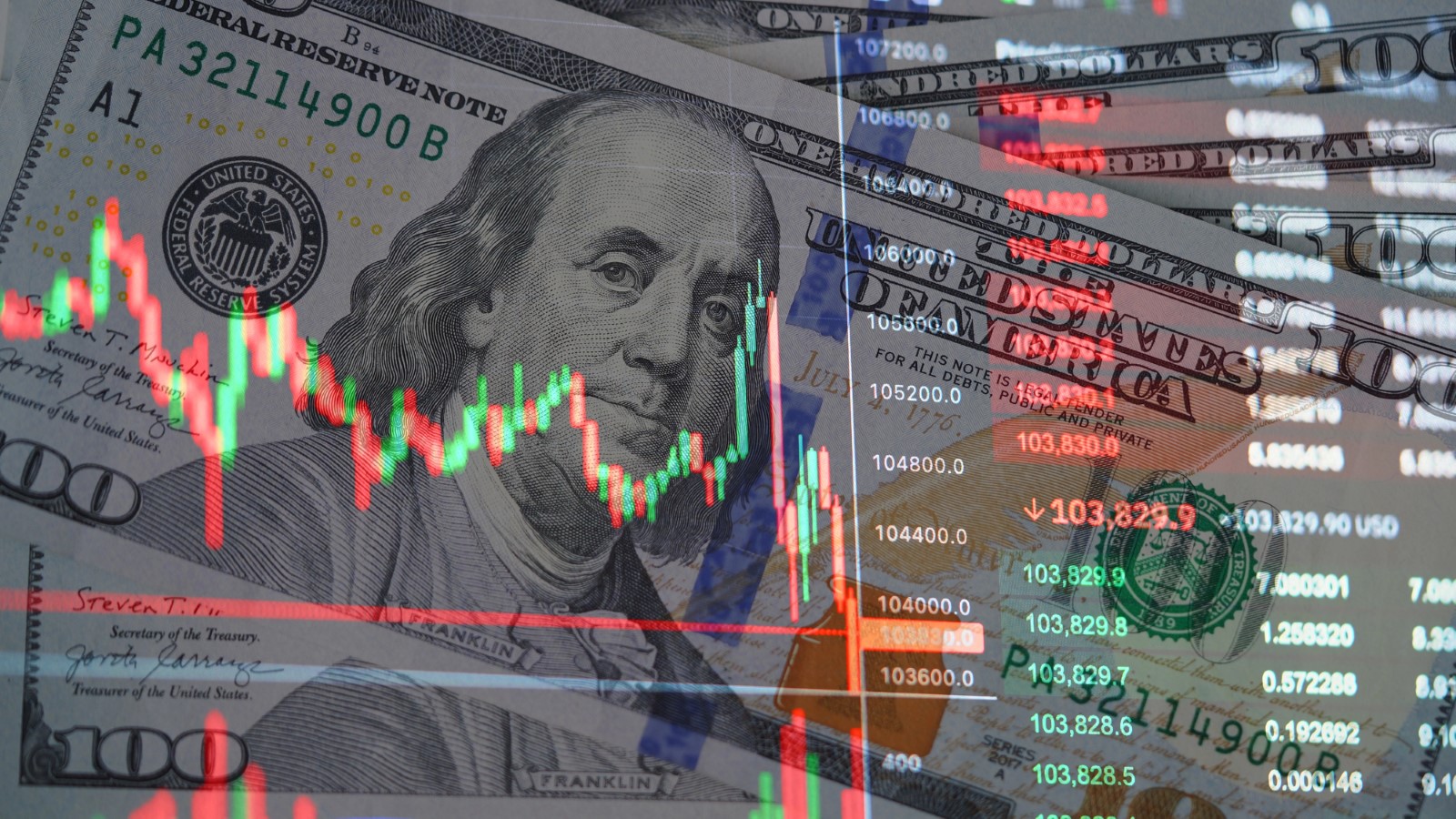
U.S. Treasury yields surged Friday as investors sold off government bonds amid mounting inflation concerns and uncertainty surrounding the Iran conflict. The benchmark 30-year Treasury yield climbed 12 basis points to 5.13%, marking its highest closing level since June 2007. Meanwhile, the 10-year Treasury yield rose 13 basis points to 4.59%, its highest level since May 2025.
The sharp rise pushed both benchmarks above psychologically important thresholds; 5% for the 30-year bond and 4.5% for the 10-year note; levels that investors often associate with tighter financial conditions and increased pressure on risk assets.
Bond yields move inversely to prices, meaning the surge in yields reflected aggressive selling in the Treasury market.
Investors react to hotter-than-expected inflation data

Fresh inflation data released earlier in the week intensified concerns that price pressures remain entrenched in the U.S. economy.
The Consumer Price Index released Tuesday showed inflation rose 3.8% year over year in April, driven largely by higher energy prices. A day later, the Producer Price Index indicated wholesale prices increased 6% annually, reinforcing fears that businesses continue to face elevated input costs.
The reports prompted investors to reassess expectations for Federal Reserve policy, with markets increasingly doubting that interest-rate cuts will arrive anytime soon.
Geopolitical tensions also played a major role in Friday’s bond sell-off. Investors were closely watching President Donald Trump’s visit to China, where U.S. officials hoped Chinese President Xi Jinping would pressure Iran to reopen the Strait of Hormuz and help de-escalate the ongoing conflict.
However, Trump departed Beijing without a concrete agreement on the matter, fueling concerns that disruptions to global energy supplies could persist.
Oil prices climbed after the summit concluded without a breakthrough, further worsening inflation fears already heightened by rising gasoline and diesel costs.
Rising gas prices add strain on consumers. Persistently high fuel prices could eventually weaken consumer spending as households devote more income toward transportation costs.
Many workers, particularly commuters without access to public transit, have little choice but to absorb higher gasoline expenses.
Markets increasingly doubt near-term Fed rate cuts
The surge in yields has dramatically shifted market expectations for Federal Reserve policy under new Chair Kevin Warsh.
According to CME’s FedWatch tool, traders now see near certainty that the Fed will leave interest rates unchanged at its June meeting. By year-end, markets are pricing in nearly a 50% chance of another rate hike.
That marks a significant reversal from earlier expectations that the Fed would begin easing monetary policy in 2026.
The Treasury market’s rapid repricing has already complicated the start of Warsh’s tenure as Fed chair.
The bond market isn’t waiting around for Kevin Warsh investors noted as Treasury yields continued climbing even before his first policy-setting meeting scheduled for June 16-17.
Warsh wanted the option to cut but the bond market just took that option off the table for him. Investors are pressuring policymakers by demanding higher yields when inflation risks rise.
The 2-year Treasury yield sends a strong signal
One of the more closely watched developments was the rise in the 2-year Treasury yield above 4%, its highest level in nearly 11 months.
The move is especially significant because the 2-year yield typically trades near or below the Fed’s target rate range. Analysts say its rise above the central bank’s policy band suggests financial markets are effectively tightening conditions on their own.
The shift indicates investors expect rates to remain elevated for longer, regardless of whether the Fed formally raises borrowing costs again.
Global bond markets join the sell-off
The pressure was not limited to the United States. Government bond markets around the world also experienced heavy selling.
Japan’s 30-year government bond yield climbed to 4%, while the yield on the United Kingdom’s 10-year government bond rose to 5.14%.
The synchronized rise in yields reflects broader global concerns about inflation, energy costs and central-bank policy.
Stocks remain resilient despite bond-market warning signs

Despite turmoil in bonds, U.S. stock indexes remained near record highs.
The Dow Jones Industrial Average recently reclaimed the 50,000 level, while the S&P 500 hovered near 7,500 and the Nasdaq Composite traded around 26,640, according to FactSet.
Markets have largely recovered from the initial shock tied to the geopolitical conflict earlier this year, though some investors warn that higher borrowing costs could eventually pressure corporate earnings and consumer spending resulting in declining asset values.
Analysts noted that new Federal Reserve chairs frequently face market turbulence shortly after assuming office. Arthur Burns took office during a recession in 1970 and Paul Volcker’s aggressive rate-hike campaign eventually triggered an economic downturn.
Warsh enters the role during a far different environment, with inflation still elevated, stocks near all-time highs and geopolitical uncertainty clouding the outlook.
Labor market concerns complicate the Fed’s path

Although inflation remains the Fed’s primary concern, policymakers are also monitoring signs of labor-market weakness.
The unemployment rate stood at 4.3% in April, still relatively low but accompanied by signs of slowing hiring activity.
Unlike the inflation surge seen in 2022, current inflation pressures are not primarily driven by wage growth or government stimulus. There are growing concerns that artificial intelligence could displace white-collar jobs.
Like Financial Freedom Countdown content? Be sure to follow us!
14 essential strategies to maximize your Social Security and avoid costly mistakes

Social Security is a vital lifeline for many seniors, providing crucial income support during retirement. With inflation at its highest in four decades, Social Security’s inflation-adjusted benefits offer protection against rising costs.
Rising interest rates have disrupted many retirement portfolios, causing bond fund values to plummet. In this volatile financial landscape, Social Security can stabilize a typical stock-bond retirement portfolio. By implementing smart strategies, retirees can maximize their Social Security benefits and ensure a more secure financial future.
14 Essential Strategies to Maximize Your Social Security and Avoid Costly Mistakes
11 reasons you should claim Social Security early

Deciding when to claim Social Security is often about maximizing your benefit. Financial planners usually advise delaying your claim for as long as possible to secure the highest monthly payment. Your benefit is based on your lifetime earnings, with a full payout available at your full retirement age (FRA), which is currently between 66 and 67 depending on your birth year. Claiming before FRA results in a permanent reduction in your monthly benefit, while waiting beyond FRA leads to a permanent increase. However, the decision isn’t solely about maximizing the monthly check. Personal factors such as health, family circumstances, and financial needs can play a significant role in determining the right time to claim.
11 Reasons You Should Claim Social Security Early
Did you find this article helpful? We’d love to hear your thoughts! Leave a comment with the box on the left-hand side of the screen and share your thoughts.
Also, do you want to stay up-to-date on our latest content?
1. Follow us by clicking the [+ Follow] button above,
2. Give the article a Thumbs Up on the top-left side of the screen.
3. And lastly, if you think this information would benefit your friends and family, don’t hesitate to share it with them!

John Dealbreuin came from a third world country to the US with only $1,000 not knowing anyone; guided by an immigrant dream. In 12 years, he achieved his retirement number.
He started Financial Freedom Countdown to help everyone think differently about their financial challenges and live their best lives. John resides in the San Francisco Bay Area enjoying nature trails and weight training.
Here are his recommended tools
Personal Capital: This is a free tool John uses to track his net worth on a regular basis and as a retirement planner. It also alerts him wrt hidden fees and has a budget tracker included.
Platforms like Yieldstreet provide investment options in art, legal, real estate, structured notes, venture capital, etc. They also have fixed-income portfolios spread across multiple asset classes with a single investment with low minimums of $10,000.