Trump and Andrew Cuomo warn of wealthy exodus as Mamdani sends first NYC luxury tax notices
The New York City Department of Finance (DOF) has officially started mailing out its very first wave of tax notices to the owners of luxury part-time residences, marking the formal rollout of the highly anticipated pied-à-terre tax. This policy represents a major fiscal shift, turning unoccupied luxury real estate into a direct source of municipal revenue to address deep-rooted housing affordability challenges and municipal budget gaps.
Mayor Mamdani posted on X, “If you have a second home in New York City worth more than $5M, check your mailbox when you’re back in the five boroughs — because you’ve got mail. Today, we sent notification letters to property owners, letting them know that our new pied-à-terre tax is coming soon. The best city in the world deserves the best parks, libraries, and schools in the world. That’s only possible when we all pay our fair share.”
The launch of the state’s newly minted property surcharge is sending shockwaves through the high-end real estate market. These inaugural mailings target individuals who maintain multi-million dollar secondary pads in the city; specifically non-resident properties valued at $5 million or more; but are legally registered as residents elsewhere.
City officials project that the surcharge could raise around $500 million annually to help support the city budget and essential municipal services.
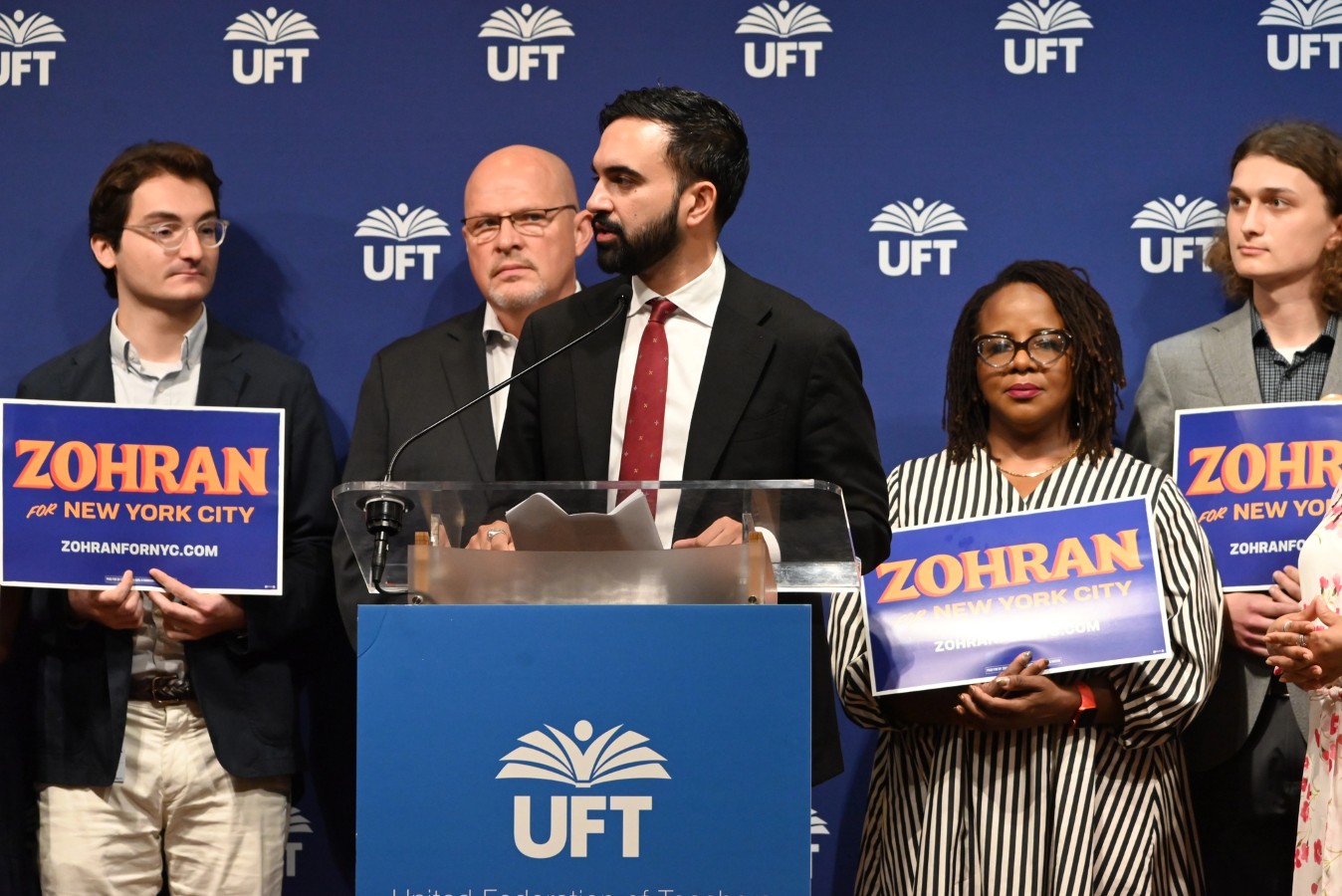
The driving force behind this policy is New York City Mayor Zohran Mamdani, who has made taxing ultra-wealthy residents a centerpiece of his agenda. Marking the rollout on social media, Mamdani released a public video filmed directly on Billionaires’ Row, the Midtown Manhattan enclave famous for its super-tall luxury towers.
Standing outside a $238 million penthouse owned by hedge fund billionaire Ken Griffin, Mamdani framed the policy around his campaign promises: “Today, we’re taxing the rich. I’m thrilled to announce we’ve secured a pied-à-terre tax, the first of its kind in New York’s history. This annual fee will apply to luxury properties valued above $5 million whose owners do not live in the city full-time.”
How a threat of broad NYC property tax hikes forced state leaders to compromise

The passage of this bill was the result of intense political leverage. Behind the scenes, Mamdani applied pressure to state leadership by floating a nearly 10% citywide property tax increase if he did not receive assistance to help close the city’s multi-billion dollar budget deficit, which he described as “a generational fiscal crisis.”
Faced with the political threat of skyrocketing housing costs for everyday city residents and opposition from property owners and City Council members, Governor Kathy Hochul chose to compromise. State leaders agreed to package this targeted luxury second-home surcharge directly into the state budget alongside roughly $4 billion in state support for the city.
Governor Kathy Hochul frames the luxury tax as a matter of civic fairness. The measure ultimately secured vital state-level backing from Governor Kathy Hochul, who framed the surcharge as a matter of fundamental civic fairness. Hochul emphasized that ultra-wealthy part-time residents utilize city services, safety infrastructure, and parks without contributing to the local income tax base.
Backing the initiative, Hochul stated, “New York City is the greatest city in the world, and the people who call it home should not be left carrying the burden alone,” adding, “If you can afford a $5 million second home that sits empty most of the year, you can afford to contribute like every other New Yorker.”
Narrowly avoiding the first broad NYC property tax hike in decades
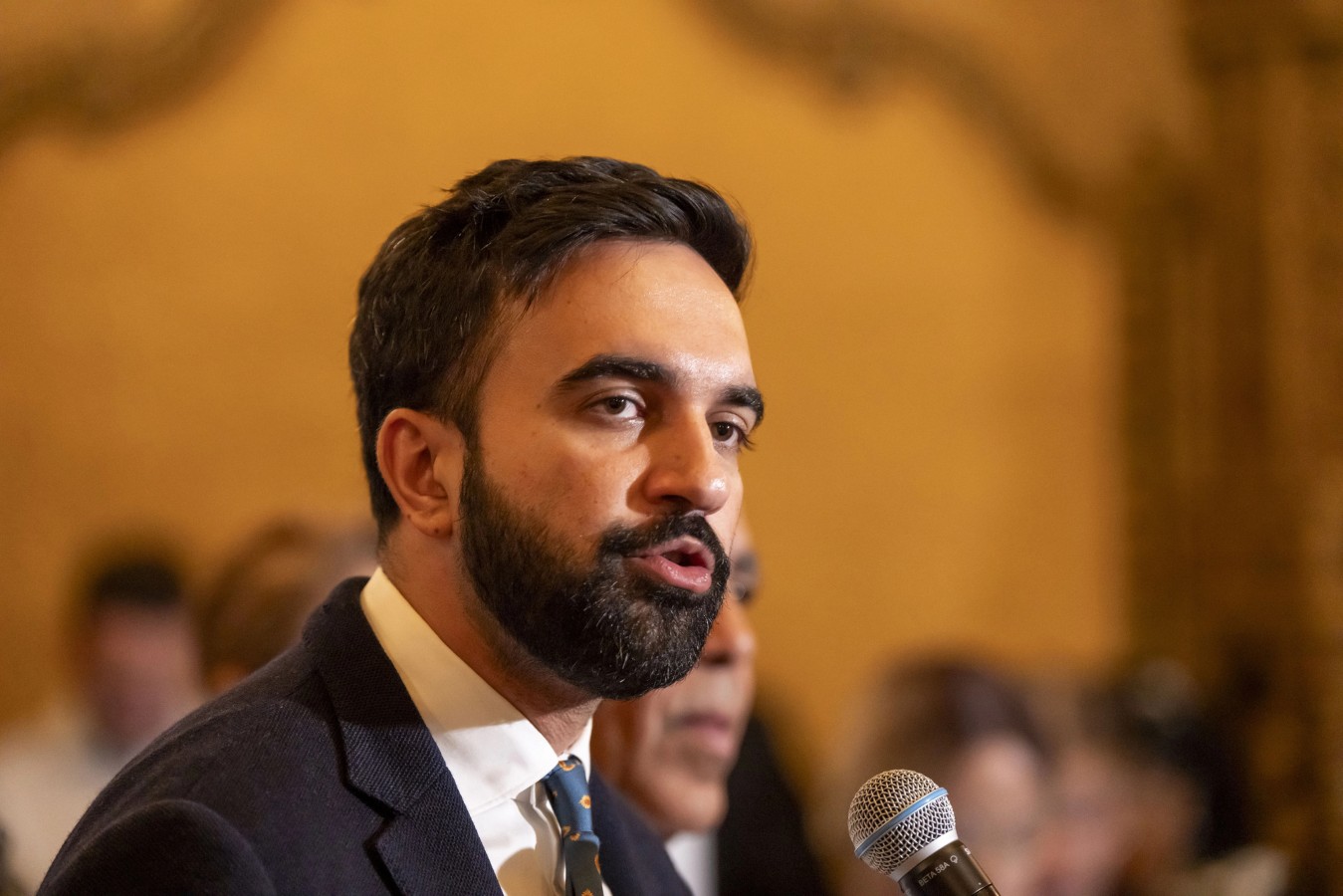
By securing the targeted pied-à-terre tax and state financial backing, Mamdani dropped his controversial proposal to raise property taxes across the board for all homeowners and landlords, which would have marked the first citywide property tax increase in more than 20 years.
“We have balanced the budget, and we have done so without placing the burden on the backs of working New Yorkers,” Mamdani said at a City Hall news conference. “This budget does not raise property taxes and it refuses to slash services.”
Phase 1 of the real estate law hits condos and townhomes differently
The rollout of Phase 1 specifically targets residential condominiums and single-family townhomes valued above the $5 million threshold where the owner does not claim primary residency. Because assessing individual condominium units is relatively straightforward compared to co-op buildings, condo owners on Billionaires’ Row and across Manhattan are among the first to receive the official surcharge notices.
Townhomes owned through corporate structures or trusts will also undergo heightened scrutiny. The Department of Finance is utilizing state tax filing records and municipal property databases to identify properties where primary residency exemptions have not been filed.
The Department of Finance triggers a strict 30-day appeal countdown for property owners. For property owners receiving these initial tax notices, the clock is running. The Department of Finance has instituted a strict 30-day appeal window from the date of the notice for owners to contest their non-resident status or the valuation of their property.
To qualify for an exemption, owners must provide verified documentation proving that the residence is their primary domicile for tax purposes or that the property falls below the valuation threshold. Failure to appeal within the 30-day window locks in the surcharge for the upcoming tax cycle.
Legal and valuation hurdles face co-op boards and luxury property managers
The arrival of the new surcharge is creating administrative headaches for co-op boards and building management companies across New York City. Unlike condominiums, co-op buildings are owned by a single corporation where residents hold shares, making tax allocation complex.
Co-op boards are scrambling to establish clear auditing processes to verify which shareholders use their units as primary residences versus secondary homes. Board members express concern that misidentifying a unit’s status could result in financial disputes or legal friction between shareholders and building management.
Critics warn the policy could spark a wealthy exodus and legal battles

Despite the administration’s enthusiasm, the surcharge has drawn sharp criticism from prominent political figures, tax experts, and real estate groups who warn of serious economic fallout.
Former New York Governor Andrew Cuomo forcefully criticized the push, warning against alienating high earners: “Pick up the garbage, fill the pothole[s], do your job. Bring people to New York, create jobs, don’t demonize corporations. Don’t demonize the rich. Don’t chase people out of New York, which is exactly what [Mamdani] is doing. And you’re seeing the wealth transfer to southern states.”
President Donald Trump similarly warned against taxing wealthy residents out of the state, stating, “I really like him, he’s a nice guy — but you can’t tax people out of New York. When you tax people out of New York, you never get them back. It’s a very dangerous thing.”
Meanwhile, accounting and tax experts highlight the legal complexities of assessing property values near the tax threshold. Properties valued near the threshold; particularly those assessed between $5 million and $6 million; are primed for intense legal disputes. Unlike publicly traded stocks with clear, objective prices, real estate valuations are inherently subjective. This ambiguity is expected to send owners rushing to court to contest their assessments, creating extra layers of complex litigation.
Questions linger over whether $500 million can close NYC’s structural budget gap
Financial analysts also question whether the $500 million in expected revenue will be enough to meaningfully alter the city’s broader fiscal trajectory. While $500 million is a significant sum, critics emphasize that it covers only a fraction of the multi-billion dollar structural budget deficits facing New York City over the coming fiscal years.
Mamdani acknowledged that details regarding the final execution remain active, stating, “These are still active discussions that we’re having,” while adding, “We will have a final product soon that does generate the $500 million per year.”
Global precedents on how cities tax luxury vacancy

New York City’s decision to tax secondary residences follows a growing global trend of metropolitan areas using taxation to tackle real estate speculation and housing shortages. Cities like Vancouver, Toronto, London, Paris, and Singapore have all implemented various forms of vacancy taxes, second-home levies, or foreign-buyer surcharges.
Supporters point to Vancouver, where city officials introduced an Empty Homes Tax specifically designed to “return empty or under-utilized properties to use as long-term rental homes for people who live and work in Vancouver.” However, international results remain mixed, as ultra-wealthy buyers often find legal workarounds or absorb the extra fees as a cost of doing business in major global hubs.
The deployment of New York City’s pied-à-terre tax marks a decisive test of whether progressive tax policies can successfully fund municipal services without undermining the tax base that sustains them.
While Mayor Mamdani and his allies view the surcharge as a long-overdue measure of fiscal justice, critics maintain that the revenue gained could be offset by prolonged legal fights, reduced luxury transactions, or the flight of high-net-worth capital to low-tax states. As the first surcharge notices land in mailboxes across Manhattan, the city finds itself at the center of a national debate over taxation, wealth, and the future of urban economies.
Like Financial Freedom Countdown content? Be sure to follow us!
14 essential strategies to maximize your Social Security and avoid costly mistakes
Social Security is a vital lifeline for many seniors, providing crucial income support during retirement. With inflation at its highest in four decades, Social Security’s inflation-adjusted benefits offer protection against rising costs.
Rising interest rates have disrupted many retirement portfolios, causing bond fund values to plummet. In this volatile financial landscape, Social Security can stabilize a typical stock-bond retirement portfolio. By implementing smart strategies, retirees can maximize their Social Security benefits and ensure a more secure financial future.
14 Essential Strategies to Maximize Your Social Security and Avoid Costly Mistakes

Did you find this article helpful? We’d love to hear your thoughts! Leave a comment with the box on the left-hand side of the screen and share your thoughts.
Also, do you want to stay up-to-date on our latest content?
1. Follow us by clicking the [+ Follow] button above,
2. Give the article a Thumbs Up on the top-left side of the screen.
3. And lastly, if you think this information would benefit your friends and family, don’t hesitate to share it with them!

John Dealbreuin came from a third world country to the US with only $1,000 not knowing anyone; guided by an immigrant dream. In 12 years, he achieved his retirement number.
He started Financial Freedom Countdown to help everyone think differently about their financial challenges and live their best lives. John resides in the San Francisco Bay Area enjoying nature trails and weight training.
Here are his recommended tools
Personal Capital: This is a free tool John uses to track his net worth on a regular basis and as a retirement planner. It also alerts him wrt hidden fees and has a budget tracker included.
Platforms like Yieldstreet provide investment options in art, legal, real estate, structured notes, venture capital, etc. They also have fixed-income portfolios spread across multiple asset classes with a single investment with low minimums of $10,000.